Travelling with Your Pet in Vietnam: The Complete Guide for International Travellers
Updated on 22 May 2026
Overview
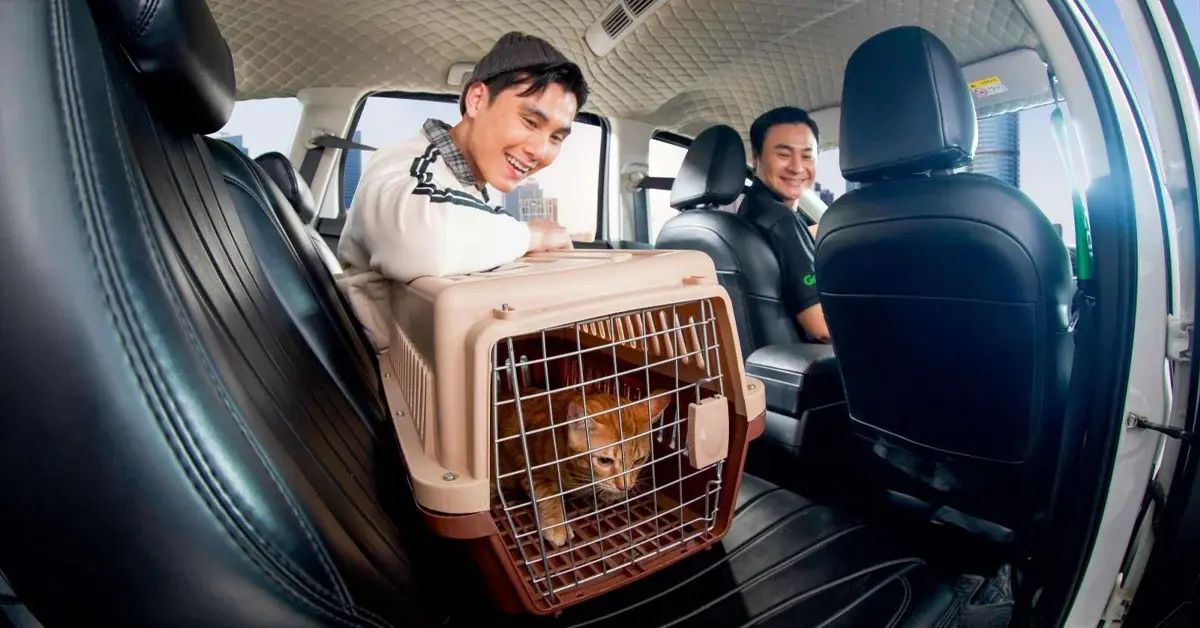
Vietnam is opening its doors wider than ever to four-legged travellers. Once a destination where bringing a pet felt like a logistical puzzle, the country is steadily transforming into a more welcoming place for dogs, cats, and the people who love them. Urban centres like Ho Chi Minh City and Hanoi now boast pet-friendly cafés, dedicated dog parks, and a growing number of hotels that happily accept furry guests. Ride-hailing giant Grab even began piloting a pet-friendly car service in Ho Chi Minh City in early 2026, signalling just how far the country has come.
That said, travelling with a pet in Vietnam still requires preparation. Regulations exist, transport options vary, and cultural attitudes toward animals can differ from what you may be used to at home. You must take into account the stark differences of a tropical monsoon climate (characterized by high heat and extreme humidity), a public transportation infrastructure that is not yet fully optimized for pets, and stringent import quarantine regulations designed to prevent infectious diseases like rabies. To ensure a smooth, safe, and joyful journey for both you and your pet, this article has been compiled as a comprehensive guide. We will walk you through official entry regulations, customs procedures, insights on choosing the best transportation options (including professional relocation services), as well as practical tips for finding pet-friendly accommodations, managing veterinary healthcare, and navigating the export procedures when leaving Vietnam. This guide covers everything you need to know: from pre-travel paperwork and border procedures to getting around, finding accommodation, and keeping your pet healthy in Vietnam's tropical climate.
Before You Travel: Rules and Requirements
Official import regulations for pets of Vietnam

Bringing pets (especially dogs and cats) into Vietnam isn't too complicated if you prepare all the necessary documents as required by the Ministry of Agriculture and Rural Development (MARD). This process requires preparation 1 to 3 months before departure.
Under Article 10 of Circular No. 25/2016/TT-BNNPTNT (Circular 25) of Ministry of Agriculture and Rural Development (Vietnam), a foreign national entering Vietnam may bring up to two animals for the purpose of keeping them as household pets, provided the animals are not included in the list of animals prohibited from import. Howerver, all pets imported into Viet Nam are subject to animal quarantine upon entry. Quarantine requirements generally include:
- Presentation of a veterinary certificate issued by the competent authority of the exporting country.
- Clinical examination of the animal upon arrival.
- Vaccination if the animal has not been vaccinated against dangerous infectious diseases.
- Sample collection and testing if the animal shows signs of suspected infectious disease.
You can check the list of animals and plants listed in the Appendices of the Convention on International Trade in Endangered Species of Wild Animals and Plants - that is, those prohibited from import into Vietnam at here.
Commonly required documents
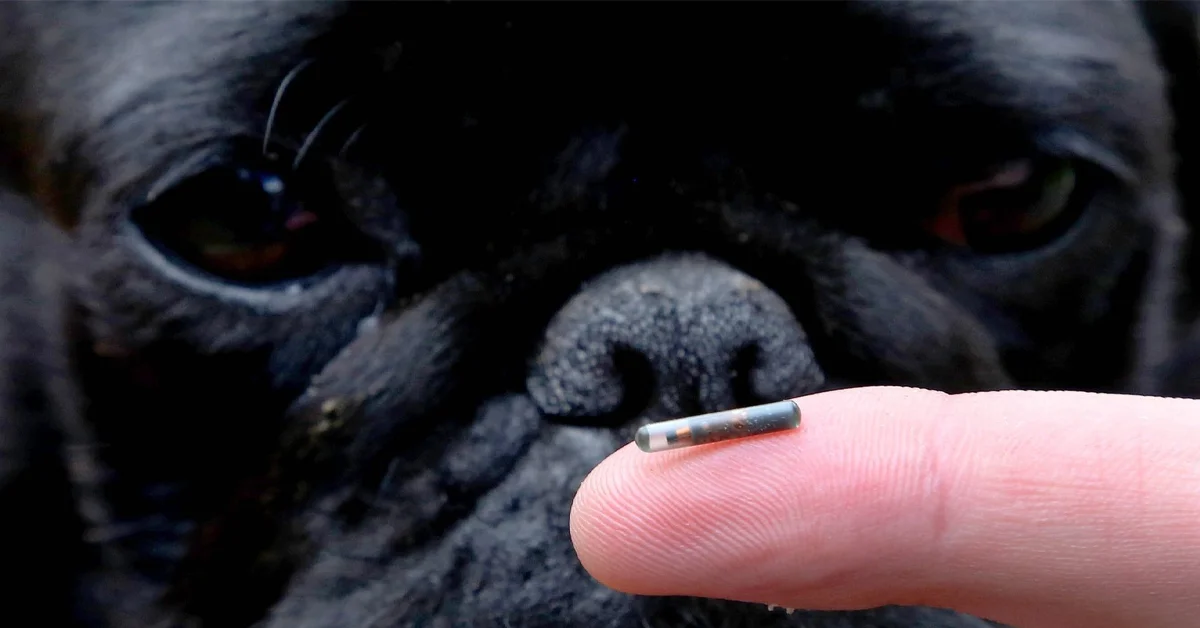
Microchip registration information to ensure identification and tracking: Although Vietnamese law does not mandate 100% microchip implantation for all incoming pets, this is an international standard (especially according to IATA regulations for aviation). Microchips must conform to ISO 11784 or 11785 standards (consisting of 15 digits). Please note that microchips must be implanted in pets BEFORE/AT time of rabies vaccination.
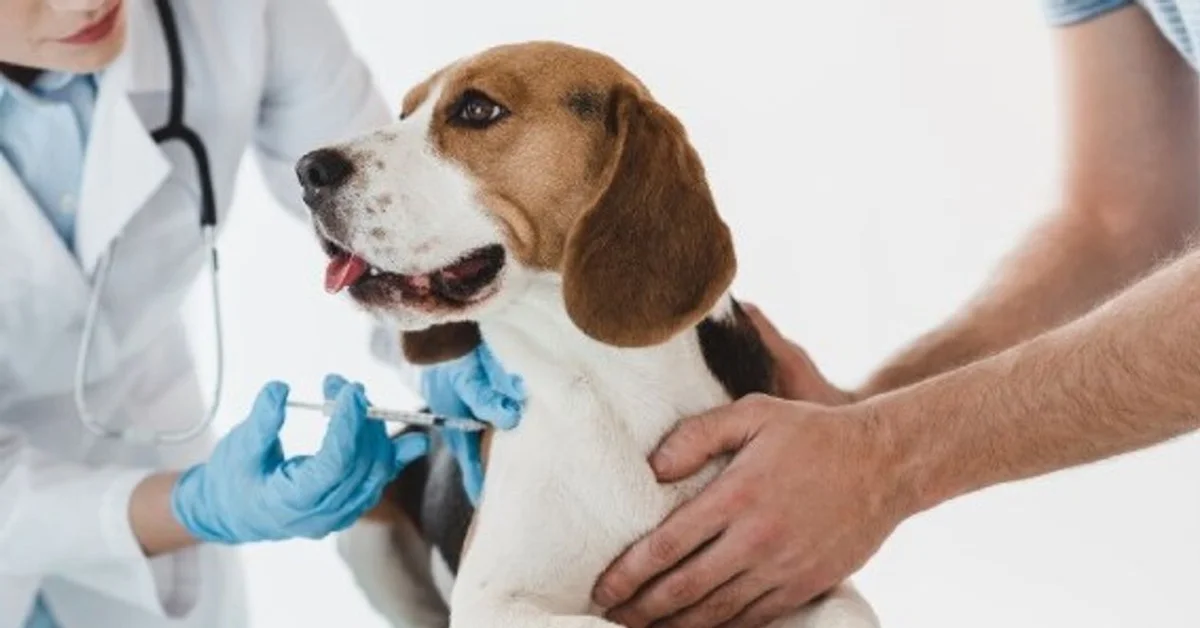
Proof of up-to-date vaccinations, particularly rabies, to meet Vietnamese import standards: Pets are required to be vaccinated against rabies. This vaccination must be given at least 30 days before entering Vietnam and no more than 12 months prior to the date of entry. Other common disease vaccines are also "recommended" (depending on the type of pet you bring), though not always strictly mandatory in Vietnam's import rules. This is a strict regulation with no exceptions.
Pet passport or health certificate, isued by the competent veterinary authority of the exporting country (e.g., USDA in the US, DEFRA in the UK, or CFIA in Canada). This certificate certifies that the pet is completely healthy, free from infectious diseases, and must be issued within 7 to 10 days before the flight., confirming your pet is fit to travel. The record book should clearly show the history of basic vaccinations (for dogs: Distemper, Parvovirus, Hepatitis, Leptospirosis; for cats: FVRCP). Contact the relevant local authority for guidance on completing these certificates. If you are unsure about the validity of the procedures, it is better to contact reputable international shipping companies for assistance.
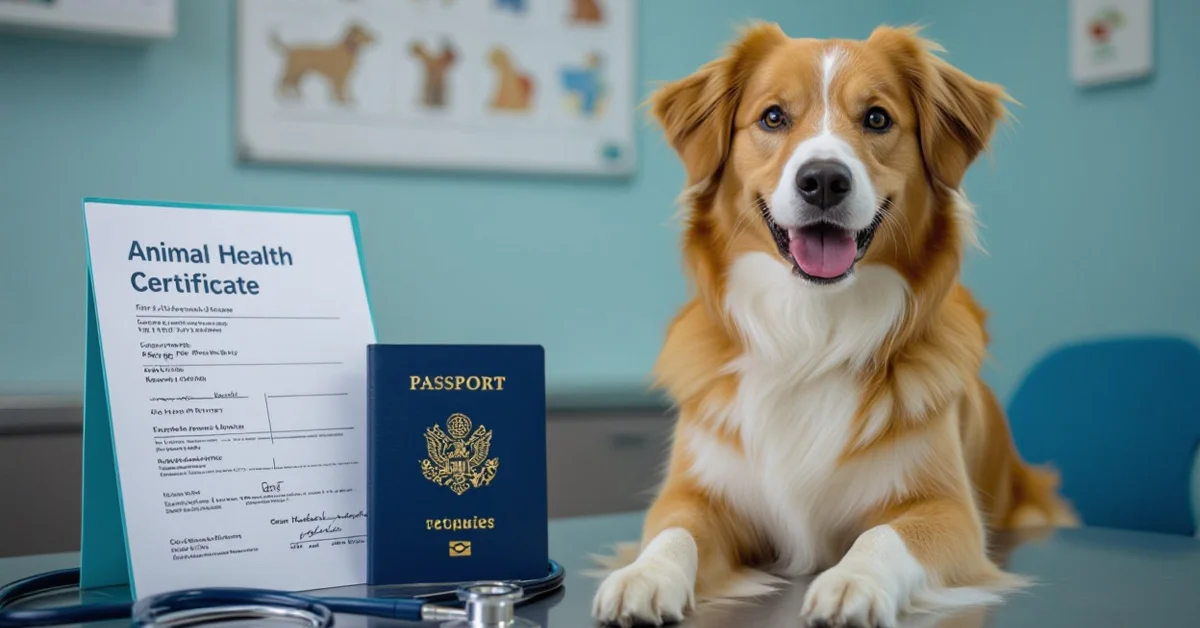
Import Permits: Apply for an import permit from the Vietnamese authorities, usually the Ministry of Agriculture and Rural Development. This is typically required for bringing pets into the country.
Import Permits and Restricted Breed Regulations
While animal quarantine checks may be conducted simultaneously as you clear customs, in most cases, once the aforementioned documents are verified, you and your pet can pass through quite smoothly. The border animal quarantine authority will issue a veterinary certificate allowing the pet to enter Viet Nam.
If the quarantine certificate from the exporting country is deemed invalid, the border quarantine authority may detain your pet. In the worst-case scenario, if your pet is suspected of carrying a dangerous infectious disease, the authorities will collect samples for testing. Should the situation deteriorate further, they may issue an official report and proceed with euthanasia in an area near the border checkpoint/airport.
Therefore, possessing a valid quarantine certificate in your country is VERY IMPORTANT. Make sure your documents are valid and your pet is healthy enough to travel with you; otherwise, it will be safer and better for them to leave them at home.
Important Note:
- The owner's name and the dog/cat's information must be written in English and in full.
- You should request all of the above documents in English to ensure a smooth customs clearance process.
Currently, Vietnam's quarantine authorities do not issue a specific list of banned entry for any particular dog or cat breed. However, restrictions come from airlines. Most major airlines, including Vietnam Airlines, refuse to transport snub-nosed/brachycephalic breeds such as Pugs, Bulldogs, and Persian cats due to the risk of respiratory distress from pressure changes, or aggressive breeds (Pitbulls, Rottweilers) in the baggage compartment. It's better to check directly with the airline before your trip begins.
You can refer to the list of dog and cat breeds that are not allowed to be transported by Vietnam Airlines here.
Transportation: Which mode of transport should I choose?
After preparing all the necessary paperwork, you might now be wondering about choosing a means of transporting your pet. To be honest, traffic in Vietnam can be very chaotic, and most traditional public transport is not at all pet-friendly. Depending on the distance, transport regulations, and cost considerations, you can choose between different transportation options.
After preparing all the necessary paperwork, you might now be wondering about choosing a means of transporting your pet. To be honest, traffic in Vietnam can be very chaotic, and traditional public transport is not at all pet-friendly. Depending on the distance and cost considerations, there are many options. However, regardless of the mode of transport, you should equip your pet with a good quality carrier. This not only ensures the safety of your pet and those around you, but also makes it easier for your pet to be accepted by transport companies.
However, regardless of the method of transport, you should equip your pet with a good quality carrier. This not only ensures the safety of your pet and those around you, but also makes it easier for your pet to be accepted by transport companies. The carrier should be appropriately sized for your pet, spacious enough for them to move around comfortably (turn, stand, sit, lie down), and made from sturdy materials such as metal or hard plastic. The carrier should also be designed to allow easy observation of the inside to monitor your pet's condition. Make sure that the water and food containers are securely attached to the carrier, and that the bottom of the carrier is made of a hard, airtight material. This is to ensure hygiene throughout the transport process.
Below is information on some common transportation methods. Please note that some transportation providers have specific requirements for carrier cages, so be sure to contact and clarify this with them to avoid your pet being refused transportation due to not meeting the cage requirements.
Private Car
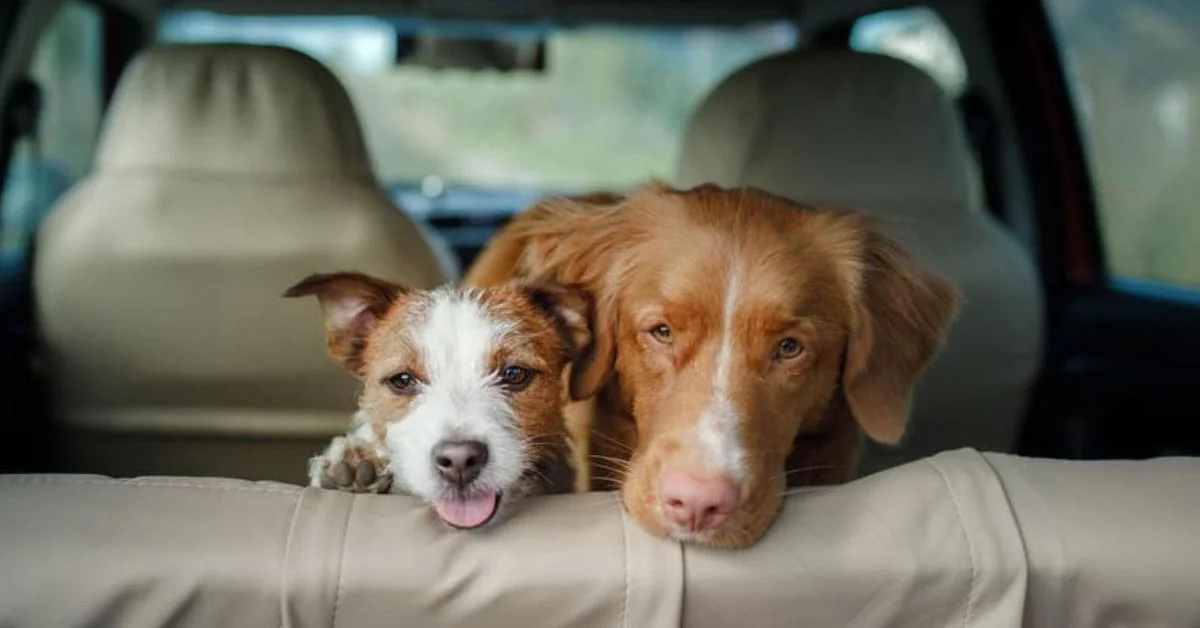
For travellers with pets in Vietnam, a private car transfer is overwhelmingly the most comfortable, flexible, and reliable option. You control the schedule, can stop for breaks whenever needed, and avoid the stress of navigating public transport policies. This is a completely comfortable and safe option. Pets can sit with their owners in a cool, air-conditioned space, and can stop to rest or relieve themselves at any time. Our transportation company provides spacious vehicles, charges no unreasonable extra fees, and employs friendly drivers who are knowledgeable about pet transportation.
Several companies now offer dedicated pet transport services with experienced drivers who genuinely care about animals. ASIAPATA, for example, provides pet transportation by car from Hanoi to provinces across Vietnam. PetVisa offers pet taxi services with 4-seat, 7-seat, or larger vehicles. In Ho Chi Minh City, Grab began piloting a pet-friendly car service in early 2026, charging an additional fee of 50,000–80,000 VND (approximately US$2–3) per trip.
Limousine Bus/Sleeper Bus/Local Bus
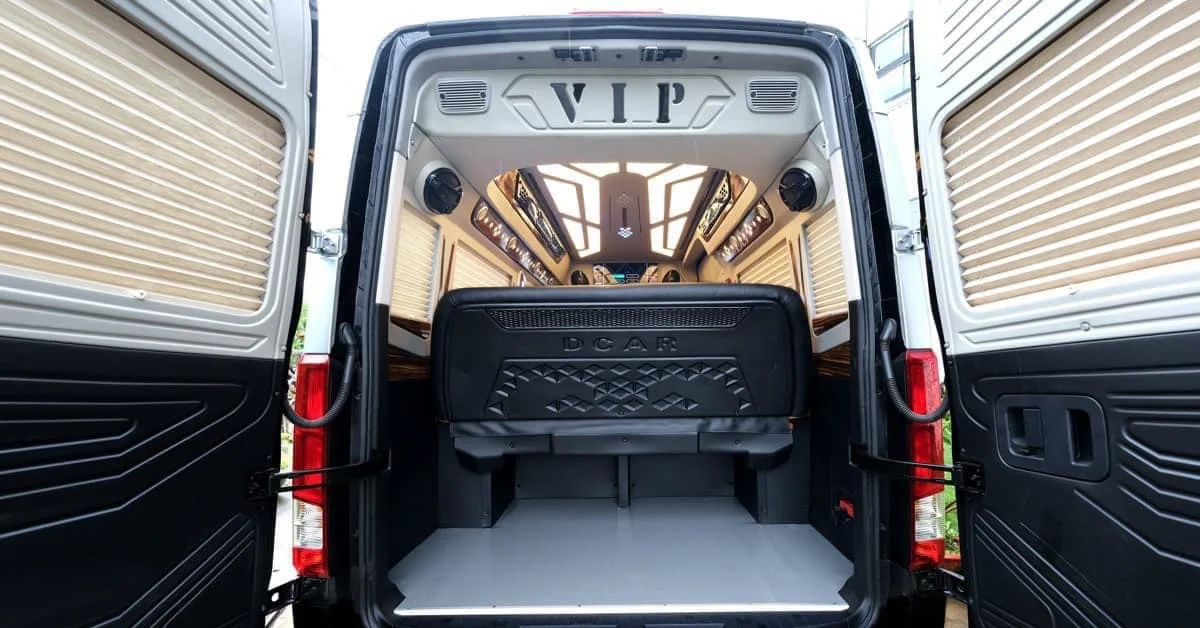
Most Vietnamese bus operators—including major companies like HanoiBus or VinBus—do not allow pets onboard. This applies to both standard intercity buses and sleeper buses. Most of bus companies with fixed routes often force passengers to put their pets under the vehicle (in the luggage compartment). This is an extremely hot, stuffy, and noisy environment, posing a risk of death from heatstroke. A handful of smaller operators may accept a small pet in a carrier at the driver's discretion, but this is unpredictable and should never be relied upon, while some high-end limousine companies allow small pets in a cage and charge the equivalent of one seat, but you must contact them to request permission beforehand.
If bus travel is your only option, contact the company directly well in advance. Be prepared for a "no."
Train
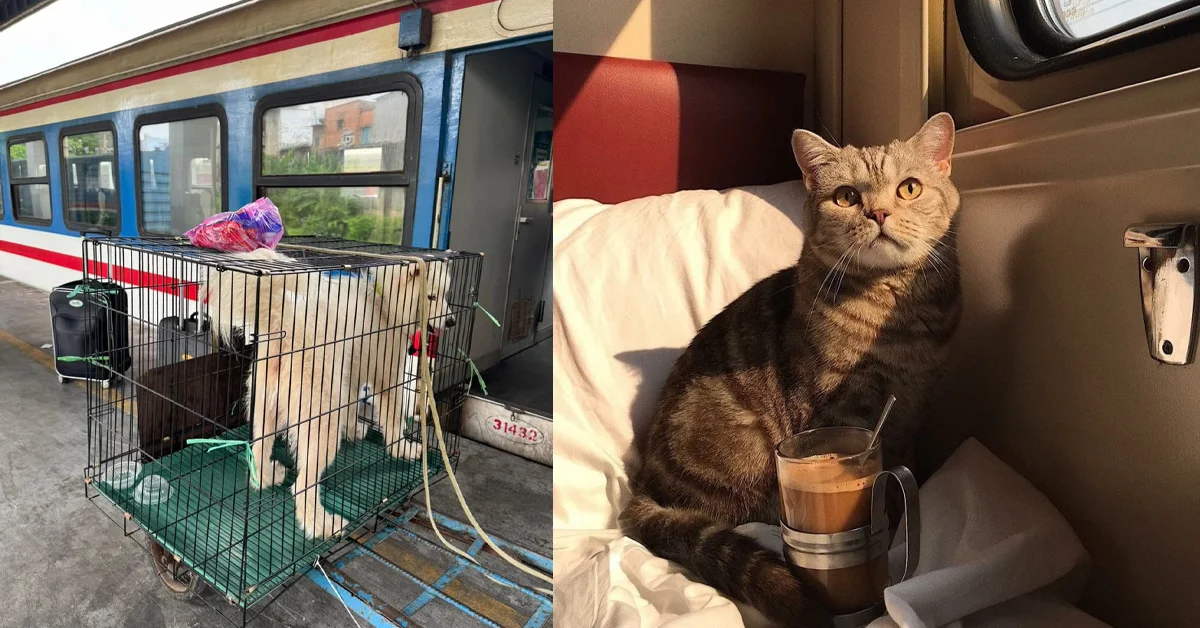
According to regulations of the Vietnam Railways Corporation, dogs and cats are permitted to be transported on trains, but must comply with the following conditions:
- They must be kept in a specialized, enclosed cage/box (with a secure lock and a leak-proof bottom).
- They must not cause unpleasant odors, pose a danger, or affect other passengers.
- Dogs and cats must have a valid rabies vaccination certificate, especially for dogs.
- Pets cannot be allowed in the regular passenger compartment unless the train has a separate compartment or an entire room is rented.
- Pets are usually transported as checked baggage or on an accompanying cargo train.
When bringing dogs or cats on trains, passengers are fully responsible if their pets cause damage to people or property. Owners are obligated to control their pets throughout the journey, ensuring they do not cause inconvenience or endanger safety. In case of an incident, passengers must compensate according to current legal regulations. However, we really recommend you consider bringing your pet on the train yourself and placing it in the luggage compartment. If your journey is long (Hanoi-Sapa, Hanoi-Ho Chi Minh City, Hanoi-Da Nang, etc.), it's not safe for them because the cargo compartment is hot, cramped, and goods could fall on them during transit. For any journey that would otherwise be taken by train, a private car is the recommended alternative, or you should contact professional pet transport services by train for guidance. This will ensure your pet's safety throughout the journey.
Plane
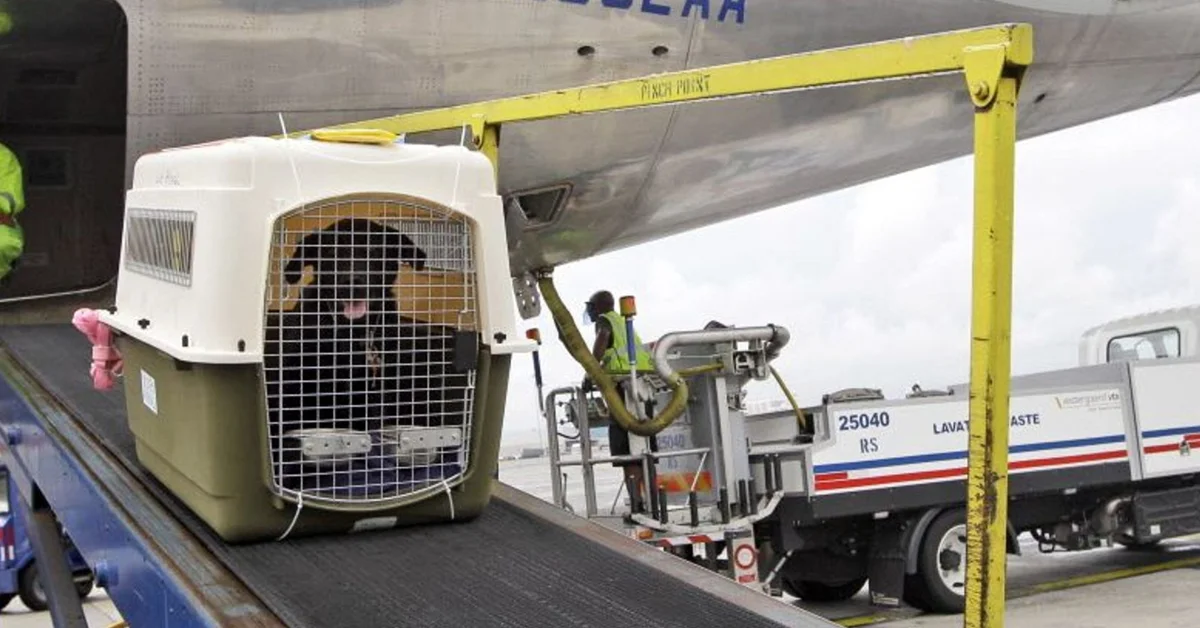
Domestic flights can be an option, but policies vary significantly between airlines. Here is a summary of the key carriers:
- Vietnam Airlines offers the most comprehensive pet services among Vietnamese carriers. Pets can travel in the cabin (for small dogs and cats under 6 kg including carrier), as checked baggage, or as manifest cargo. The in-cabin carrier must not exceed 35cm × 30cm × 20cm. Domestic pet-in-cabin fees are approximately 3,000,000 VND. Reservations must be made at least 24 hours before departure. Vietnam Airlines is the only Vietnamese carrier offering the full range of pet transport options.
- Bamboo Airways allows pets in the cabin, with a maximum combined weight (pet + carrier) of 10 kg. Passengers can bring up to two pets, though business class passengers are limited to one. Pets must remain in their kennel throughout the flight.
- VietJet Air generally does not permit pets in the cabin and has limited checked baggage options for animals. They only accepts pets as checked baggage; therefore, you will not be allowed to bring pets into the passenger cabin. The fee will be charged as checked baggage, not according to the free baggage allowance. Always verify current policies directly with the airline, as low-cost carriers frequently update their rules. Additionally, please note that they currently only offer pet check-in on DOMESTIC flights.
- Jetstar Pacific does not transport pets at all, with the exception of registered service dogs.
- Scoot (which flies to Vietnam) permits only service dogs in the cabin. No other live animals are accepted.
Boat/Ferry
For island destinations like Phu Quoc, Cat Ba, and Con Dao, ferry travel with a pet is generally possible. Phu Quoc Express, one of the main high-speed ferry operators, explicitly states that dogs and cats are allowed on board but must be kept in a cage and remain outside the passenger cabin. Most ferry companies require pets to stay in designated outdoor areas. Small pets may travel free of charge, while larger pets (over 5 kg) may require a ticket, with costs varying by route.
Always confirm the specific policy with the ferry operator before booking, as policies can vary between companies and routes.

By Motorbike
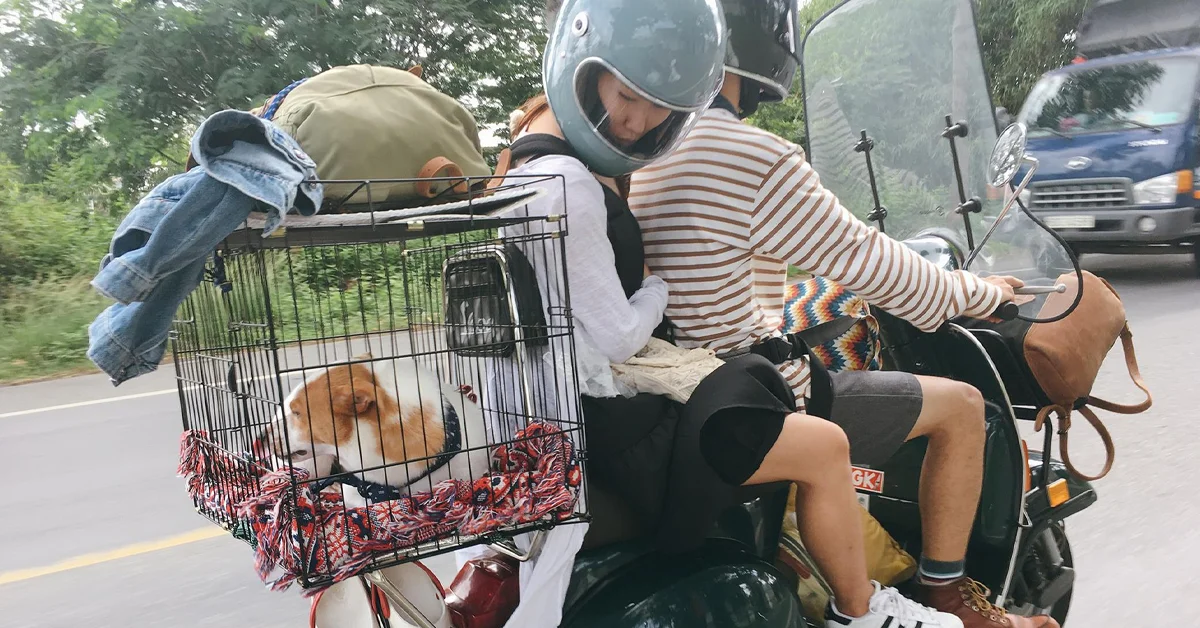
In Vietnam's cities, the motorbike is king—and yes, locals do transport pets on two wheels. For visitors, a motorbike can work for very short trips (such as to a nearby vet), provided you use a proper pet carrier. Specialised motorbike pet carriers are available, including front-mounted cages and harness-style bags designed for small to medium dogs.
Safety must be your priority. Never transport a pet unrestrained on a motorbike, and be aware that Vietnamese traffic can be chaotic. For anything beyond a short neighbourhood trip, a car is far safer.
Tips for long road trips
- Always bring a cooling mat, a foldable water bowl, and bottled mineral water.
- Don't overfeed your pet within 4 hours before departure to avoid motion sickness.
- Always use a dedicated pet safety harness when traveling in a car.
- Choosing a private transfer service is a valuable investment in your pet's health. And remember
- Never leave your pet alone in a parked vehicle—Vietnamese heat can turn a car into a death trap within minutes.
At the Border Customs
Once your flight lands at Tan Son Nhat International Airport (Ho Chi Minh City) or Noi Bai International Airport (Hanoi), the pet customs clearance process will begin.
Entry by air
If your pet is traveling with you in the passenger cabin or as checked baggage, you will retrieve it at the designated baggage conveyor area. Before proceeding to customs, you must bring your pet and all original documents to the Animal Quarantine Station (located in the arrival hall). There, veterinary officers will check the microchip (if applicable), verify the health certificate and vaccination record. If everything is valid, they will stamp it and let you and your pet go.
Fortunately, Vietnam currently does NOT apply mandatory vet care for healthy dogs and cats with valid documentation. The veterinarian will be allowed to accompany you to the hotel. This procedure (from 14 to 30 days) only applies if your veterinarian shows signs of weakness, is suspected of having a contagious disease, or if the documentation is forged or the severity is insufficient.
Entry by land
If you are entering from Cambodia (via Moc Bai border gate), Laos (via Cau Treo, Lao Bao border gates), or China (Lao Cai, Mong Cai) - the document requirements remain the same (Health certificate, rabies vaccination). However, veterinary personnel at land border gates are often not on duty 24/7, and the process may be more complicated due to language barriers. The process can be very unpredictable - it could be simpler or more complicated. You should arrive during business hours and ideally use a pet agent service or hire a private car for cross-border transportation to have someone assist you with customs procedures directly.
Pet-Friendly Accommodation
The number of pet-friendly accommodations in Vietnam is increasing significantly, but the definition of "pet-friendly" varies greatly between establishments.
How to search and filter for pet-friendly hotels and homestays
You can easily use the "Pet-friendly" filter on Booking.com, Agoda or Airbnb. However, you should always text or call directly to confirm before booking. Many hotels list themselves as "pet-friendly" but come with hidden conditions such as:
- Only small dogs/cats under 5kg or 10kg are allowed.
- A relatively high cleaning fee (from 100,000 to 500,000 VND/night) is charged.
- A deposit is required to cover potential property damage.
- Pets are strictly prohibited from sleeping on beds, in restaurants, or by the pool.
- Pets are not allowed to be left alone in the room.
What pet-friendly actually means in Vietnam
"Pet-friendly" in Vietnam can range from genuinely welcoming (with pet beds, bowls, and dedicated walking areas) to merely tolerant (pets allowed but with strict weight limits and no access to common areas). Some properties classify themselves as pet-friendly but only allow pets in ground-floor rooms or require pets to remain in carriers in public spaces.
When traveling through Vietnam with a pet, certain cities stand out as particularly accommodating, largely driven by local geography and established expat communities. Hoi An and Da Nang are widely considered a pet paradise; visitors here can easily secure villas with private gardens or find welcoming homestays near An Bang Beach that embrace both dogs and cats. In major urban hubs, pet-friendly living is concentrated in specific neighborhoods: Ho Chi Minh City offers a wealth of accommodating serviced apartments in areas like Thao Dien and District 7, while Hanoi’s West Lake district is ideal for its pet-friendly rentals and breezy, lakeside walking paths. For those heading to the highlands, Da Lat boasts numerous open-air homestays nestled in the pine hills that accept pets, though travelers should remember to keep their companions warm during the chilly mountain nights.
Typical Rules to Expect
When booking a pet-friendly stay in Vietnam, it is essential to be aware of several standard hotel policies that typically apply. Most properties enforce strict weight limits, frequently capping pets at 10 to 15 kg, which can make accommodation more challenging for owners of larger dogs. Additionally, travelers should budget for extra fees, as many establishments charge a specialized cleaning fee that usually ranges from 100,000 to 300,000 VND per stay or per night. While your pet is welcome in your room, they will likely be subject to restricted areas, meaning they are commonly prohibited from swimming pools, on-site restaurants, and spa facilities. Finally, to ensure the comfort of all guests, strict leash requirements are standard practice, meaning pets must be kept on a leash at all times when moving through common areas.
Booking Tips
Always confirm in writing: Send a message through the booking platform or email the property to confirm their current pet policy. Policies can change without notice.
Ask about specific rules: Weight limits, breed restrictions, extra fees, and whether pets can be left unattended in the room.
Request a ground-floor room: This makes bathroom breaks much easier and reduces disturbance to other guests.
Book directly when possible: Direct bookings often give you more flexibility to negotiate pet-related terms.
Eating Out & Public Spaces with Your Pet
Pet-Friendly Spaces Culture
However, when it comes to bringing your own pet to regular restaurants and cafés, the rules depend entirely on the owner's discretion. Generally speaking, open-air garden cafés or sidewalk eateries are very relaxed about pets. On the other hand, high-end restaurants and air-conditioned indoor spaces will usually decline them. As for parks, green spaces in Vietnam are quite limited. In Hanoi, Yen So Park is one of the few spacious and ideal spots for dog walking. In Ho Chi Minh City, the park at Vinhomes Central Park features a dedicated area for dogs, though a resident card is required for entry. For the most pet-friendly walking experiences, the expat-heavy neighborhoods of Thao Dien in Ho Chi Minh City and West Lake (Tay Ho) in Hanoi are your best options.
Pet-Friendly Cafe
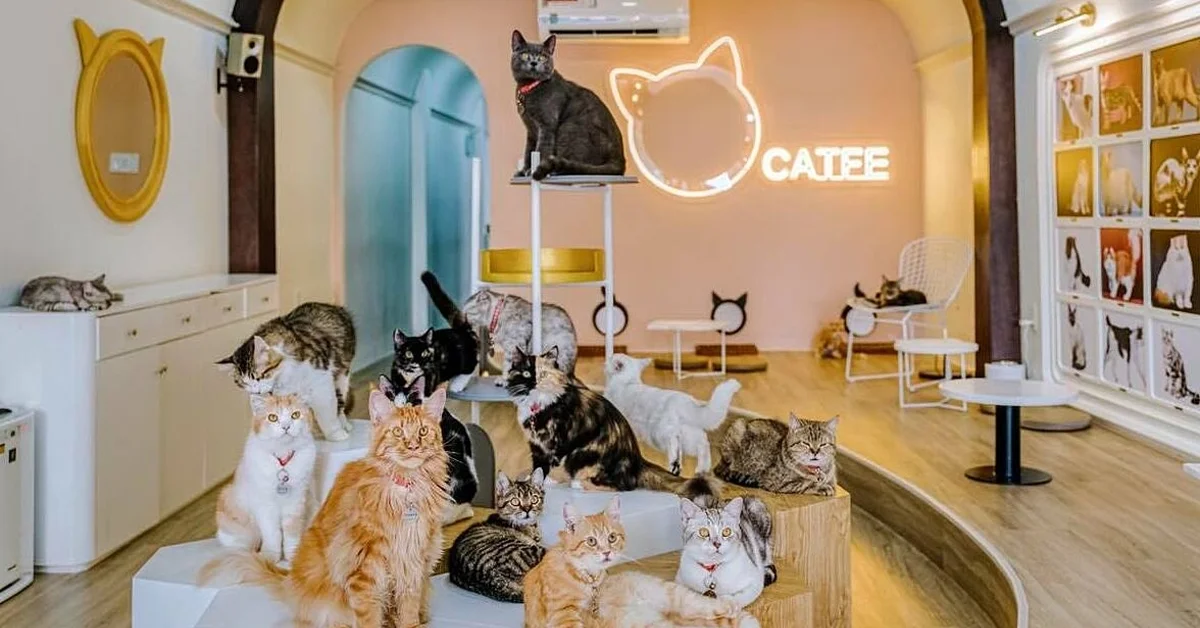
The concept of "Pet Cafés" is highly popular in Vietnam, where you can easily find hundreds of coffee shops featuring resident dogs, cats, or even reptiles. In Ho Chi Minh City, the Thao Dien neighbourhood is a hub for pet-friendly dining, with numerous cafés and restaurants that welcome dogs and cats both indoors and in garden areas. MAD House, a popular spot in Thao Dien, features poolside tables where pets are warmly welcomed. Cà phê Sài Gòn Ơi in District 1 is another pet-friendly favourite. In Hanoi, Xofa Café & Bistro near the Old Quarter is known for its dog-friendly outdoor seating and relaxed atmosphere. Many cafés around West Lake also welcome well-behaved pets. Dedicated cat cafés have also proliferated. Pet Me Cafe in Ho Chi Minh City's Phu Nhuan District and Meo Meo Cat Cafe in District 7 are popular destinations for cat lovers.
However, when it comes to bringing your own pet to regular restaurants and cafés, the rules depend entirely on the owner's discretion. Generally speaking, open-air garden cafés or sidewalk eateries are very relaxed about pets. On the other hand, high-end restaurants and air-conditioned indoor spaces will usually decline them.
Parks and Outdoor Spaces
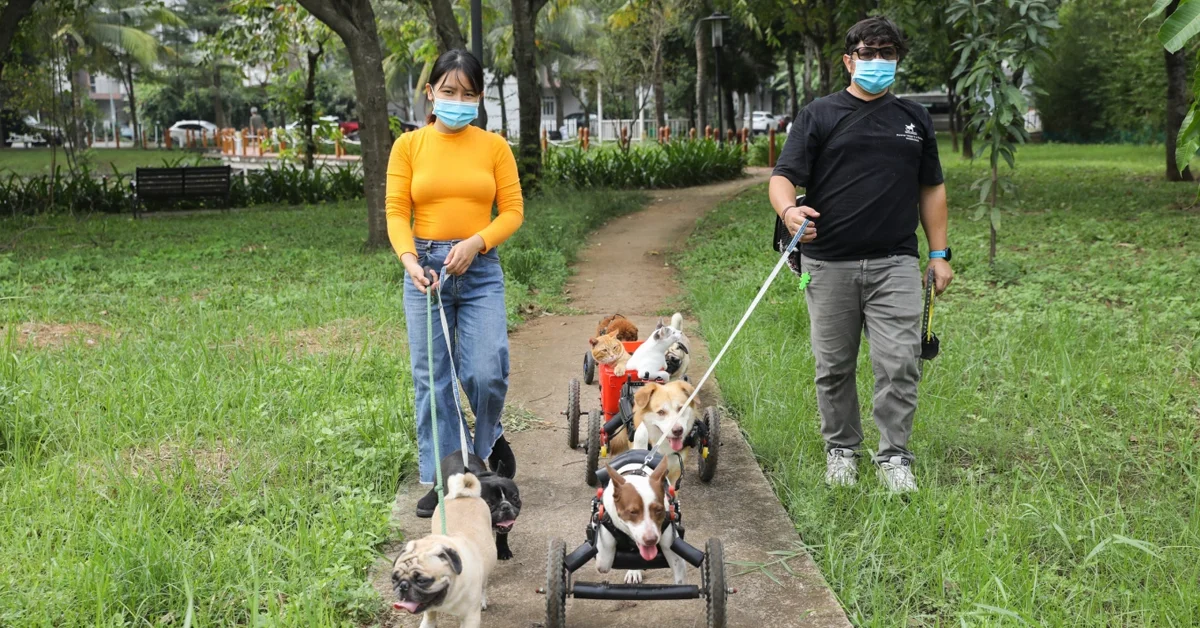
As for parks, green spaces in Vietnam are quite limited. Fortunately, most parks in Vietnam are pet-friendly. Below are some spacious parks where you can take your pet for a walk if needed. While not mandatory, maintaining public spaces and muzzling your pet are recommended practices.
Ho Chi Minh City: 23/9 Park (District 1) is a local favourite for dog walking. Crescent Mall in District 7 has opened a dedicated pet park. Pet Like Park offers a comprehensive pet facility with safe, enclosed spaces.
Hanoi: Lenin Garden, Thong Nhat Park, and areas around West Lake are popular for dog walking. A dedicated dog park called BarkPark Hanoi has also opened.
Where Pets Are Generally Not Allowed
When navigating Vietnam with your companion, it is important to know that pets are generally not allowed in several public and private spaces. These restrictions strictly apply to indoor shopping malls and supermarkets, as well as most indoor restaurants, although establishments with outdoor seating areas are often more accommodating. Out of cultural respect and preservation rules, pets are entirely prohibited from temples, pagodas, and most historical sites. Furthermore, they are banned from public buses and the majority of public transportation networks. Finally, many traditional indoor markets, including the famous Ben Thanh Market, enforce a strict no-pet policy due to high foot traffic and health regulations.
Cultural Attitudes
Vietnamese attitudes toward pets have shifted significantly in recent years, particularly among younger, urban populations. Pet ownership is rising, and dogs and cats are increasingly viewed as family members. However, be aware that many Vietnamese people—especially in rural areas—are unaccustomed to large dogs and may react with nervousness or fear. This is not hostility, but unfamiliarity. Keeping your dog leashed, well-behaved, and under control at all times will go a long way toward positive interactions.
It is also worth noting that some Vietnamese still consume dog meat, though the practice is declining, particularly among younger generations. You may encounter dog meat restaurants in certain areas—this can be distressing for Western pet owners, but it is part of the cultural landscape that is slowly changing.
Veterinary Care & Pet Health in Vietnam
Quality of Care
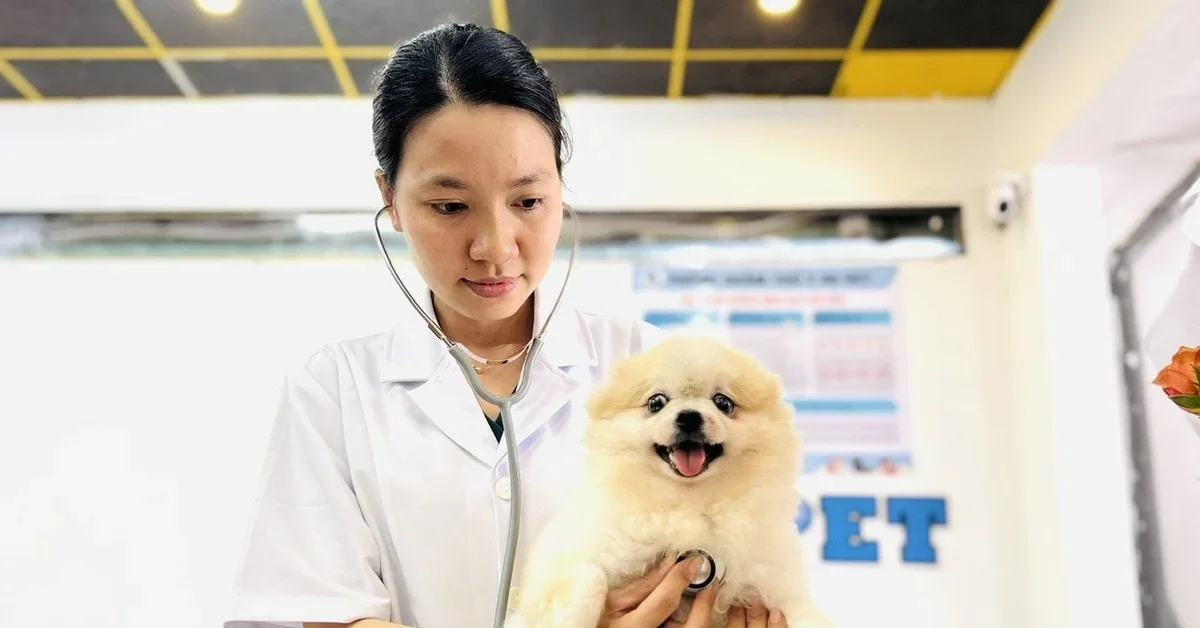
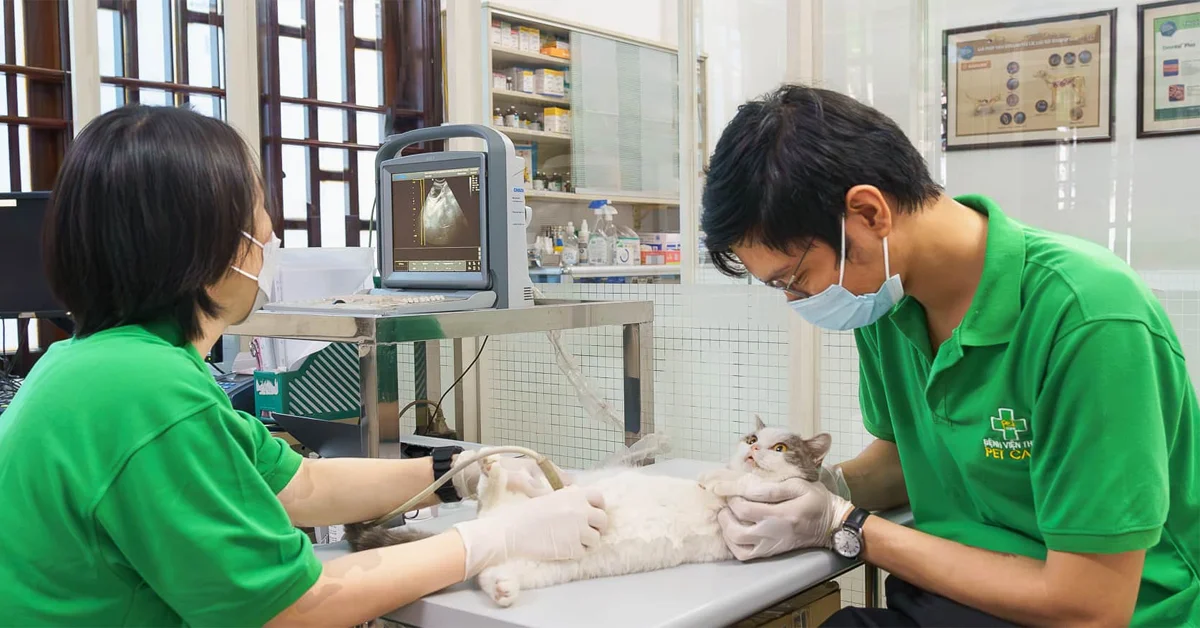
You don't need to worry too much about healthcare. In major cities (Hanoi, Da Nang, Ho Chi Minh City), the quality of veterinary clinics has met international standards. Services such as X-rays, ultrasounds, blood tests, orthopedic surgery, and inpatient treatment are all performed by skilled doctors, many of whom are foreign doctors or have received training abroad. However, in rural areas, however, quality drops significantly.
Recommended Clinics
Ho Chi Minh City:
- Saigon Pet Hospital: Established in 2009 by a team of international veterinarians from Vietnam, the USA, Australia, and the UK. They offer comprehensive services and are particularly well-regarded among expatriates.
- Animal Doctors International: A regional chain providing world-class veterinary services across Southeast Asia, with a clinic in Ho Chi Minh City.
Hanoi:
- ASVELIS Veterinary Hospital: Founded by a French veterinarian and his Vietnamese wife, this clinic has served Hanoi's expatriate and local pet owners since the early 2000s. They also operate a pet relocation service.
- Happy Pet Clinic: Staff speak English, French, and Vietnamese, and the clinic is open seven days a week.
- Several English-speaking vets operate in the Tay Ho district, including practices along Dang Thai Mai Street.
Local Health Risks
When traveling in Vietnam, being vigilant about local health risks is crucial to ensuring your pet's safety. The primary hazard is heatstroke; Vietnam's intense heat and high humidity can exhaust thick-furred breeds like Huskies and Malamutes, or brachycephalic (flat-nosed) dogs, after just 15 minutes of walking during midday. Additionally, the tropical climate serves as a breeding ground for parasites, including mosquitoes that transmit heartworm and ticks that carry dangerous blood parasites like Ehrlichia and Babesia. Because of this, the regular use of heartworm preventatives and topical parasite medications (such as Nexgard or Frontline) is absolutely mandatory. Owners must also guard against street food poisoning by keeping dogs on a short leash to prevent them from scavenging scraps on the sidewalk or accidentally ingesting poison, which remains a persistent local issue. Should your pet require medical attention, several reputable English-speaking veterinary clinics operate in Hanoi's Tay Ho district, with a notable concentration of practices located along Dang Thai Mai Street.
What to pack in a pet first-aid kit
Pack the following essentials:
- Gauze, adhesive tape, and antiseptic wipes
- Tick remover tool (ticks are common in Vietnam)
- Any prescription medications your pet requires, plus a copy of the prescription
- Probiotics to support digestive health during travel
- Styptic powder to stop minor bleeding (such as from a torn nail)
- Your vet's contact information and emergency clinic numbers
Practical Day-to-Day Tips
Weather and Climate
Vietnam's climate varies by region, but heat and humidity are constants in most areas for much of the year. Southern Vietnam, including Ho Chi Minh City, is hot year-round with a rainy season from May to November. Northern Vietnam, including Hanoi, has a more distinct winter (November–March) when temperatures can drop to 10–15°C (50–59°F)—mild for most dogs but potentially uncomfortable for short-haired breeds.
Keeping Pets Cool
- Walk dogs early in the morning or after sunset. Test pavement temperature with the back of your hand—if it is too hot for you, it is too hot for your pet's paws.
- Never leave a pet in a parked vehicle, even with windows cracked. Temperatures inside a car can reach lethal levels within minutes.
- Provide constant access to fresh, cool water. Consider adding ice cubes on especially hot days.
- Use cooling mats or damp towels for pets to lie on.
- Watch for signs of heatstroke: excessive panting, drooling, lethargy, vomiting, or collapse. If you suspect heatstroke, move your pet to a cool area, apply cool (not ice-cold) water to their body, and seek veterinary attention immediately.
Food and Water Safety
- Stick to bottled or filtered water for your pet, especially during the initial adjustment period.
- Bring a supply of your pet's regular food from home. While international brands are available in major cities (Royal Canin, Purina, and various imported brands), specific formulas may not be stocked.
- If you need to buy food locally, specialty pet shops in Ho Chi Minh City and Hanoi carry a reasonable range of international brands.
Leash Rules and Etiquette
According to Decree 90/2017/ND-CP (and its amendments) of the Vietnamese Government on administrative penalties in the field of veterinary medicine: Pet owners are required to muzzle and leash their dogs, and must have someone accompany them when taking them to public places. The fine for not muzzling a dog can range from VND 1,000,000 to VND 2,000,000. Although this regulation is less strictly enforced in some expat neighborhoods, it is best to comply to protect your pet and avoid trouble.
Where to Buy Pet Supplies
You can easily find pet shops by searching on Google Maps. You can also easily order pet supplies on e-commerce platforms or online websites, and your items will arrive relatively quickly due to the well-developed and inexpensive shipping services in Vietnam.
- Ho Chi Minh City: NanaPet is an e-commerce pet shop offering food and accessories from brands like Royal Canin, Virbac, and Bayer. Numerous physical pet stores operate throughout the city, particularly in District 1, District 2 (Thao Dien), and District 7 (Phu My Hung). CityZoo specialises in imported French pet food and accessories.
- Hanoi: Pet supply shops are concentrated in the Tay Ho and Hoan Kiem districts. Several stores offer imported food brands, toys, carriers, and grooming products.
- Nationwide: Fusion Group distributes several international pet food brands across Vietnam, including Canidae, Natural Balance, Purina, and Wellness from the US, as well as Korean brands.
Travelling Between Countries with Your Pet
Vietnam to Cambodia
It is possible to cross the Vietnam–Cambodia border by private car with your pet, provided you have the correct documents. Cambodia requires dogs and cats to have a microchip and a rabies vaccination administered between 30 days and 12 months before entry. An import permit is only required for pets entering Cambodia unaccompanied as air cargo. A private car transfer is the recommended option, as it provides maximum flexibility at the border.
Vietnam to Laos
Requirements for Laos are similar, with microchip identification and current rabies vaccination being the core requirements. Land border crossings are the most common route for pet travel between Vietnam and Laos. As with Cambodia, using a private car rather than public transport is strongly advised.
Vietnam to Thailand
Thailand has stricter pet import regulations than Vietnam, including a mandatory rabies titer test for pets from most countries. If you plan to travel from Vietnam to Thailand with your pet, you will need to arrange the titer test well in advance—the blood draw must be done at least 30 days after the rabies vaccination, and the test must be processed at an approved laboratory.
Regional Pet Transport Specialists
Several companies specialise in pet transport across the Indochina region, including Thailand, Laos, Cambodia, Vietnam, Malaysia, and Singapore. Pet Adventures, for example, has particular expertise in land transport across these countries and is well-suited for snub-nosed breeds that travel more comfortably by road than by air. ASIAPATA provides pet transportation services across the region as well.
Leaving Vietnam with Your Pet
Export Health Certificate
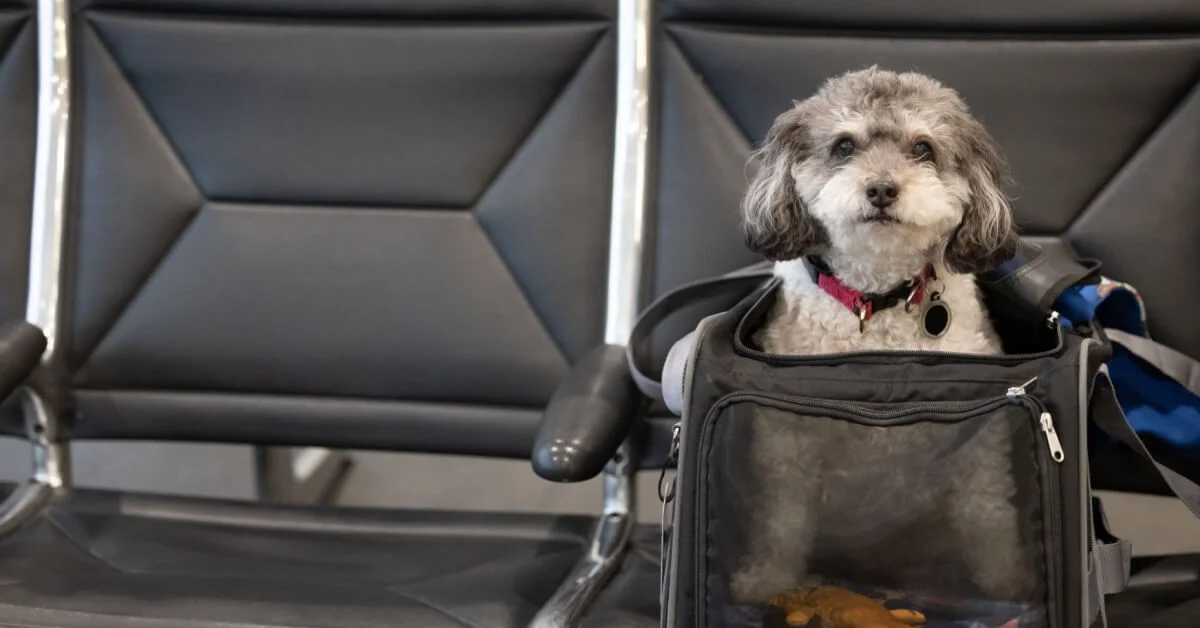
When it is time to leave Vietnam, you will need an export health certificate issued by a Vietnamese veterinary authority. This certificate confirms your pet is healthy and meets the import requirements of your destination country. The process typically takes 3–7 days and should be started well before your planned departure date.
Timeline and Process
-
4–6 weeks before departure: Research your destination country's pet import requirements. Requirements for returning to your home country may differ from those for entering Vietnam. Some countries (such as Australia, Japan, and the UK) have very strict protocols that must be started months in advance.
-
2–4 weeks before departure: Visit a Vietnamese veterinarian to begin the export health certificate process. Your vet will examine your pet, verify vaccinations, and prepare the necessary paperwork.
-
1–2 weeks before departure: Submit all documents to the relevant authorities. Your vet or a pet relocation agent can guide you through this step.
-
Day of departure: Carry all original documents and arrive at the airport early.
Using a Pet Relocation Agent
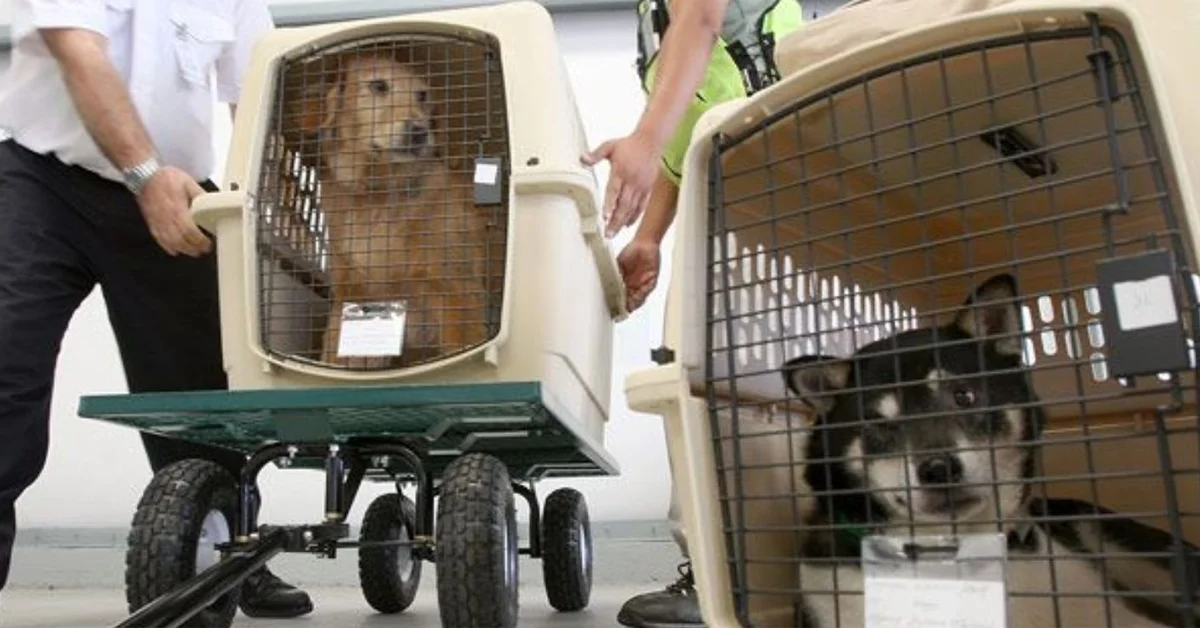
For complex international routes—especially to countries with strict biosecurity protocols like Australia, New Zealand, Japan, or the UK—working with a professional pet relocation agent is strongly recommended. Asvelis in Hanoi combines veterinary care, boarding, and relocation services under one roof, providing an integrated approach. Saigon Pet Hospital in Ho Chi Minh City also specialises in pet relocation and is widely used by expatriates. Pet Adventures has managed relocations from Vietnam to the UK, Japan, Australia, and the US, among other destinations.
FAQs
Can I bring my dog/cat to Vietnam?
Is there a quarantine period for pets entering Vietnam?
Which airlines allow pets in the cabin on flights to Vietnam?
Can I take my pet on Vietnam Railways trains?
Are there pet-friendly hotels in Vietnam?
What vaccinations does my pet need before entering Vietnam?
Can I cross the Vietnam–Cambodia border by private car with my pet?
What should I do if my pet gets sick in Vietnam?
Where can I buy pet food and supplies in Vietnam?
Is Vietnam a good destination to travel with a pet?
Useful travel blogs
About A21 Tours
As a pioneering e-commerce travel agency in Vietnam, now expanding into Laos and Cambodia, A21 Tours proudly offers over 5,000 unique travel products across Vietnam, Laos and Indochina.
Explore A21 Tours