Overview
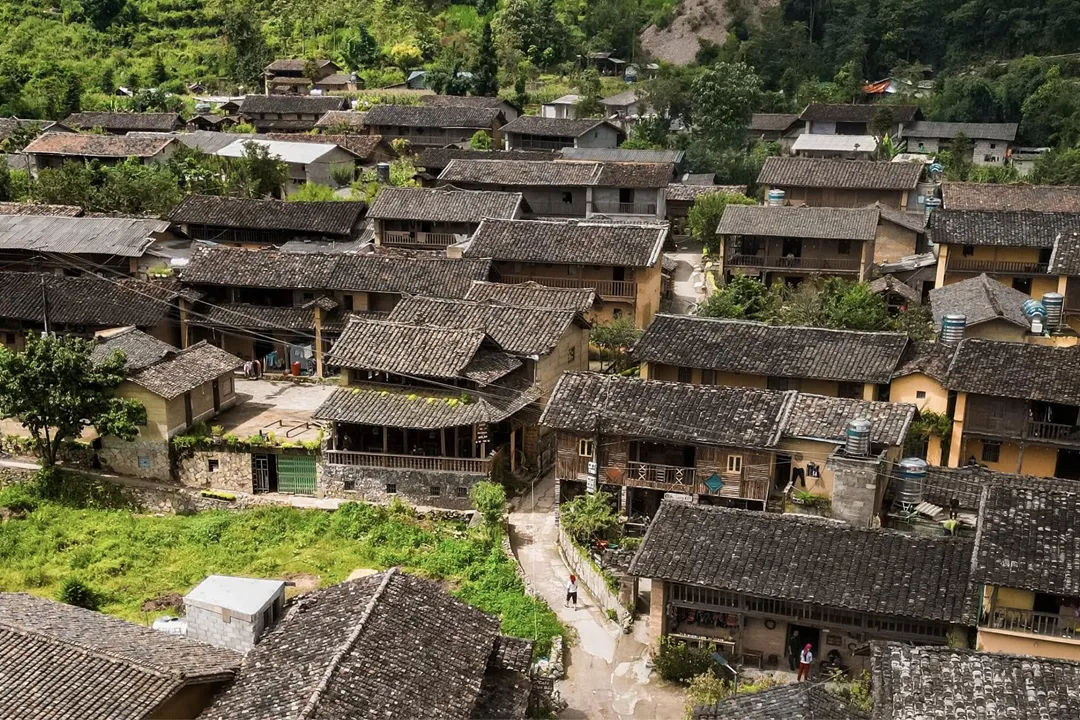
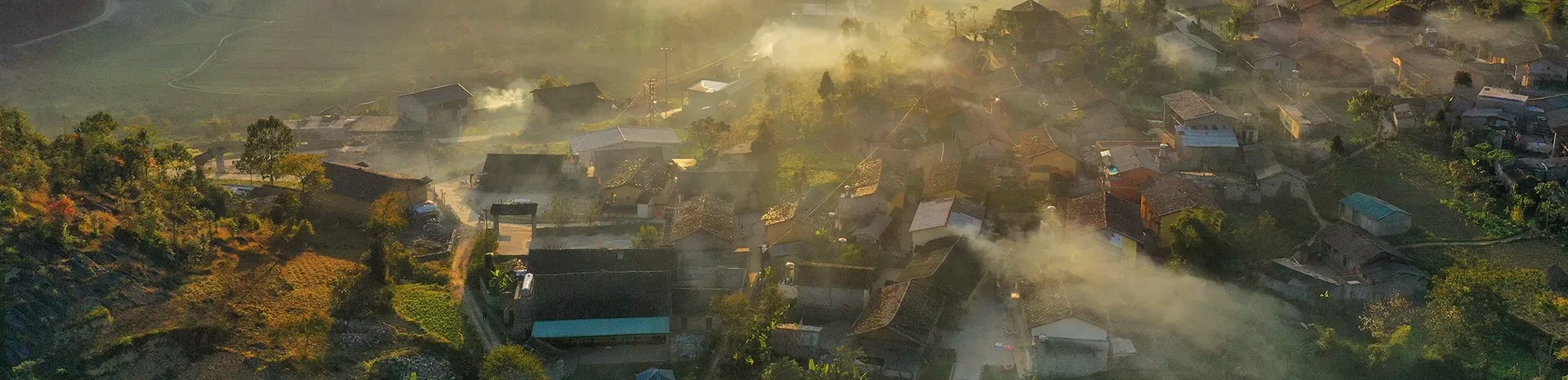
Established between the late 17th and early 18th centuries, the village of Lo Lo Chai is situated at the foot of Dragon Mountain (Núi Rồng), just north of the Lung Cu National Flag Tower in Dong Van District, Ha Giang Province. Visitors from both within Vietnam and abroad often refer to it as a "fairytale village," owing to its unique landscape and the distinctive culture of the Lo Lo ethnic people.
The village currently consists of approximately 120 households with over 550 residents; more than 100 of these households belong to the Lo Lo ethnic group, one of Vietnam’s ethnic minorities. The Lo Lo people are one of 16 ethnic minority groups in Ha Giang Province, with a total population of fewer than 10,000. They possess a diverse and distinctive folk culture, expressed through traditional dances, songs, and folktales. Lo Lo Chai Village comprises 114 households, 99 of which are Lo Lo—accounting for nearly 70% of the total—with the remainder belonging to the Mong ethnic group.
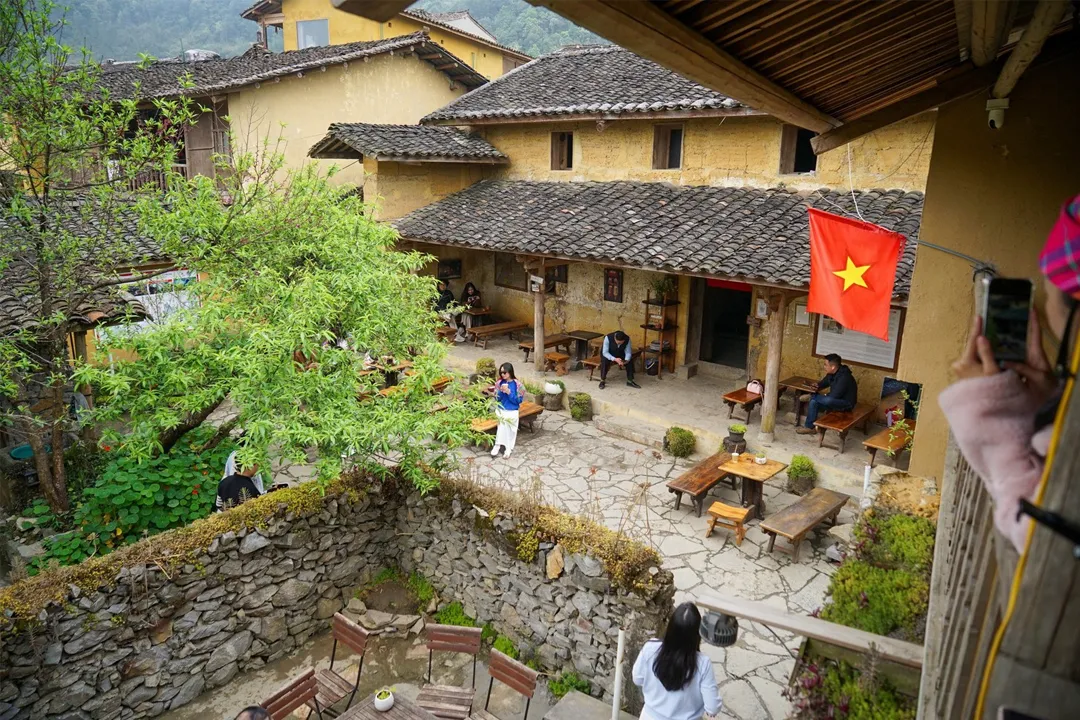
Lo Lo Chai enjoys cool summers (with highs of 25–26°C) and harsh, cold winters (where temperatures can drop below 0°C, sometimes accompanied by frost). Regardless of the season, visitors can look forward to fresh, crisp air and a unique cultural experience.
- September to December: Peak season, featuring buckwheat flowers and dry, refreshing weather.
- January to February: The season for peach, plum, and pear blossoms; the weather remains quite cold.
- March to June: The transition toward summer and the approach of the rainy season, characterized by lush green cornfields.
- June to September: The weather can occasionally be extreme, with potential risks from storms, floods, and landslides; however, those who visit during this time may also discover a peaceful atmosphere and the true, raw beauty of this region.
How to get there?
Lo Lo Chai is located approximately 450 km from Hanoi. A common route is: Hanoi – National Highway 2 – Ha Giang Ward (formerly Ha Giang City) – Lo Lo Chai. The road from Ha Giang to Lo Lo Chai is challenging; it features steep mountain passes, with sheer, jagged limestone cliffs on one side and deep ravines on the other, along with many dangerous curves. Typically, the modes of transport used by travelers to reach Lo Lo Chai include buses, sleeper buses, private cars, or motorcycles.
You can find detailed information on how to travel to Lo Lo Chai, as well as available transportation services, in the A21 Tours travel blog post here: Lo Lo Chai Village: Complete Travel Guide and Transportation Options
Accommodation
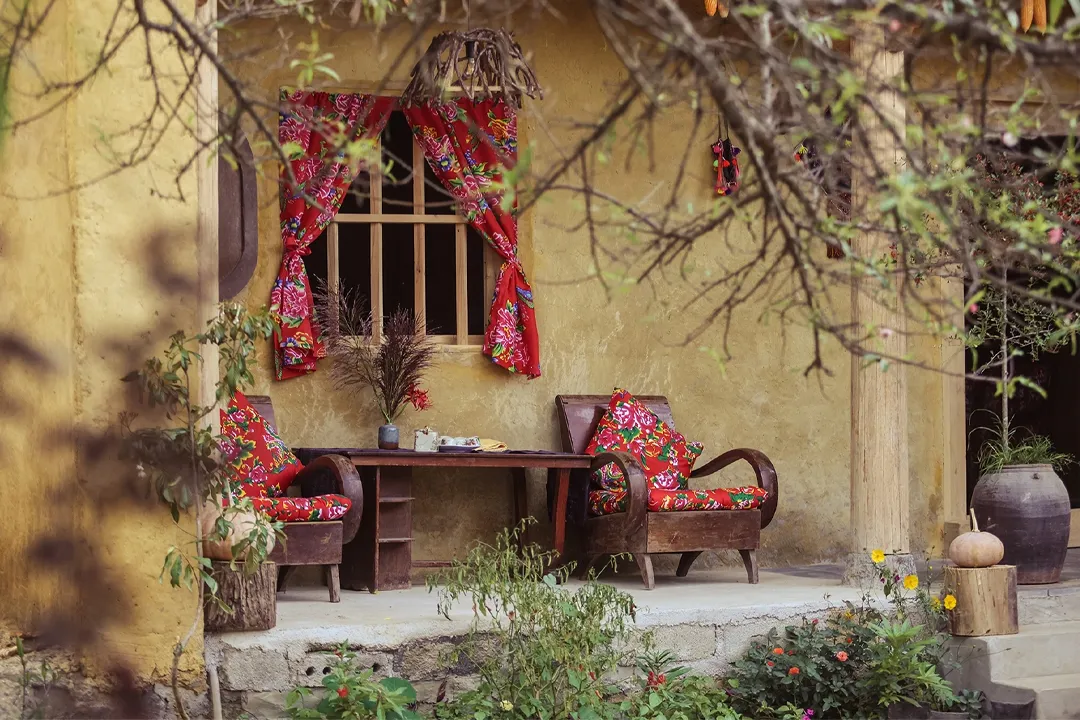
Currently, Lo Lo Chai features over 40 traditional rammed-earth houses that have been renovated into homestays for tourists. Over the past 2–3 years, many people from the lowlands have come here to invest in tourism-related businesses. To accommodate visitors, local households have upgraded their properties—including the addition of en-suite bathrooms—while ensuring that the original exterior architecture and the overall aesthetic remain intact. Popular homestays include: Lolo Village Homestay, MOTOGO Home, Lolo Ancient House, Homie Homestay, Lo Lo Eco House, Long Co Tran - Homestay & Tea, Lullaby Homestay Lo Lo Chai, Lung Cu Lake View, The Lover Lo Lo Chai, Na Na Homestay Lo Lo Chai, and Mun Chi Homestay, among others.
Homestay prices in Lo Lo Chai range from approximately 600,000 VND to nearly 2 million VND per night. Visitors are advised to book through reliable sources—such as well-known platforms like Agoda or Booking.com—or by contacting the homestay directly via their provided phone number, in order to avoid the risk of scams.
What to do in Lo Lo Chai?
Explore the Traditional Rammed-Earth Architecture
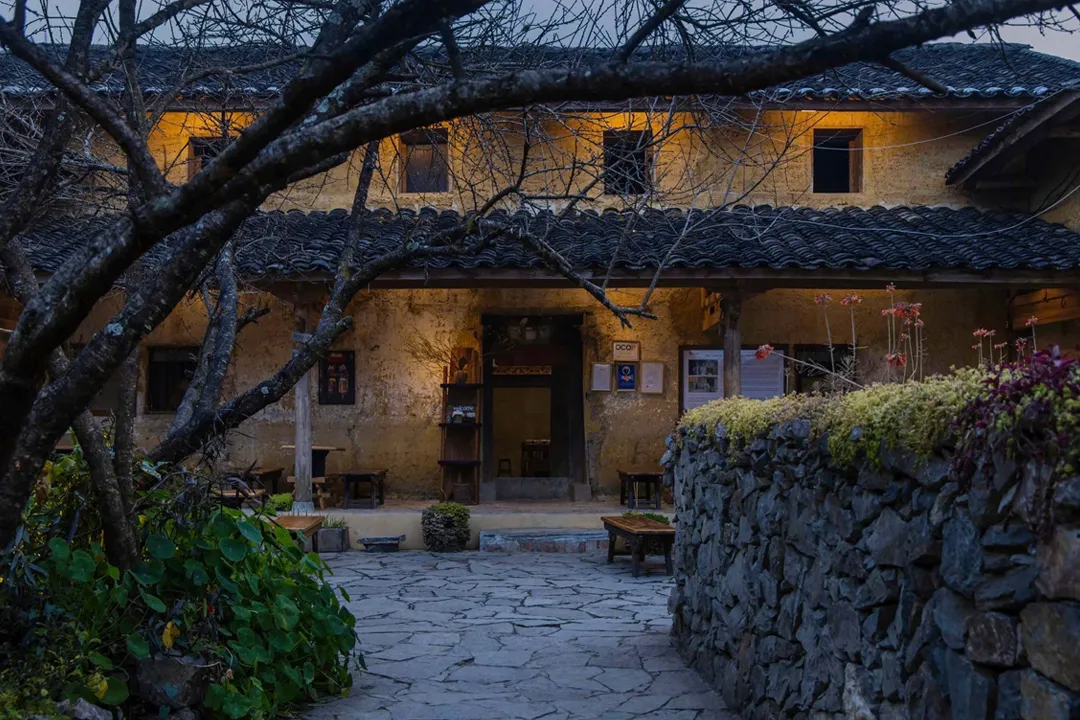
The village’s most distinctive feature is its centuries-old rammed-earth houses (nhà trình tường), with walls up to 60 centimeters thick and curved yin-yang tiled roofs. Some of these homes have stood for over 200 years, and they are not museum displays—families still cook, work, and live inside them. Walking slowly through the stone-paved lanes is the best way to appreciate the moss-covered fences, small gardens, and the quiet rhythm of daily life. Early morning is ideal for both light and avoiding crowds.
Visit Lung Cu Flag Tower

Just about 1.5 kilometers from the village, the Lung Cu Flag Tower marks Vietnam’s northernmost point. From the summit, you can enjoy panoramic views of Lo Lo Chai and the surrounding highlands. The tower is a short drive or a scenic walk from the village and is an essential part of any itinerary in the area.
Immerse Yourself in Lo Lo Culture
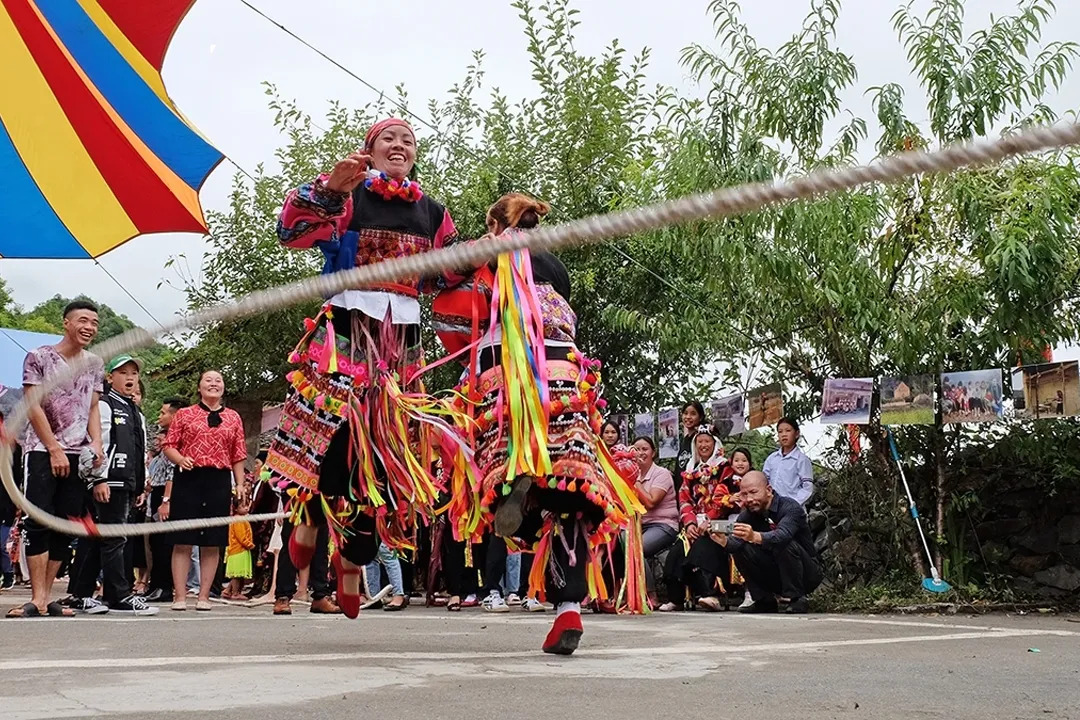
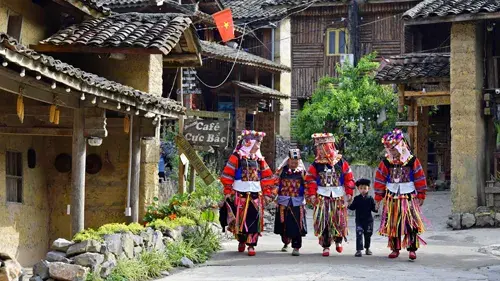
The Lo Lo people are one of Vietnam’s smallest ethnic minorities, and Lo Lo Chai is one of the few places where their language, traditional dress, and rituals remain part of everyday life. Visitors can observe or participate in:
- Hemp weaving and embroidery: Learn about traditional textile techniques and try making costume patterns.
- Cultural performances: Some homestays organize evening campfires, traditional Lo Lo dance performances, and music sessions with the khèn (a traditional reed instrument).
- Festivals and ceremonies: Depending on the season, you may encounter the forest worship ceremony (lễ cúng thần rừng) or the new rice ceremony
If they wish, visitors can take a leisurely stroll around the village. Lo Lo Chai Village possesses a nostalgic, peaceful charm, with many spots that are perfect for photography. The best times for a walk are early in the morning or late in the afternoon. According to local guides, two to three hours is sufficient to explore the village, take photos, and enjoy a truly worthwhile experience. This destination is ideal for those who appreciate a tranquil atmosphere and the fresh, pristine environment of the mountains and rural villages.
Enjoy a coffee at The Northernmost Café
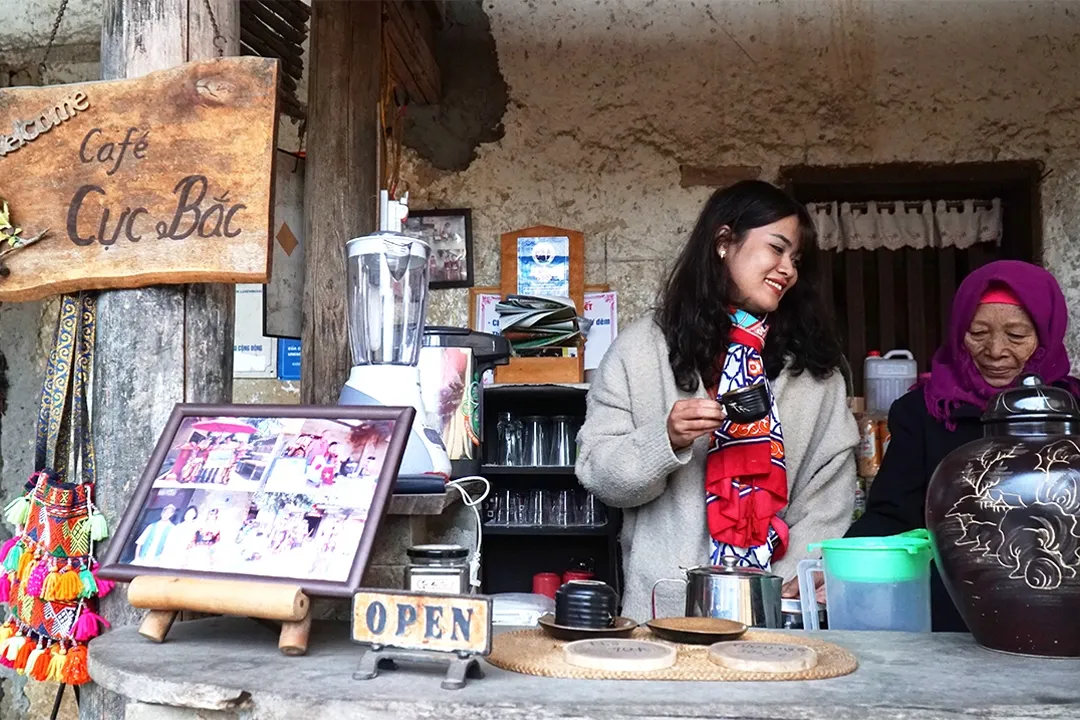
This establishment can be considered an "icon" of Lo Lo Chai village. In 2015, Ogura Yasushy—a Japanese national who had lived in Vietnam for many years and developed a deep affection for Ha Giang—opened "The Northernmost Café." It became the first commercial venture in Lo Lo Chai, a place that was otherwise quite desolate at the time. From the café, visitors can enjoy a coffee while taking in a view of the Lung Cu Flag Tower. A visit to The Northernmost Café offers guests more than just a beverage; it provides an opportunity to learn about the culture of the Lo Lo people.
Foods in Lo Lo Chai Village
The cuisine of Lo Lo Chai is hearty, mountain-inspired, and deeply connected to the local agricultural way of life. Because of the cold climate, dishes are often warming and rich.
Cuisine in Lo Lo Chai
Due to its remote location, Lo Lo Chai has few shops or restaurants; food consists primarily of local dishes, provided directly by the homestays where visitors stay. Most homestays offer meals, but guests must book in advance so that the hosts can make the necessary preparations, as the local market is only open in the morning. If you wish, you can also choose from several restaurants located in the village, such as Khoi Restaurant, Danh House, Lalaland, and others.
Must-try local dishes and drinks includes:
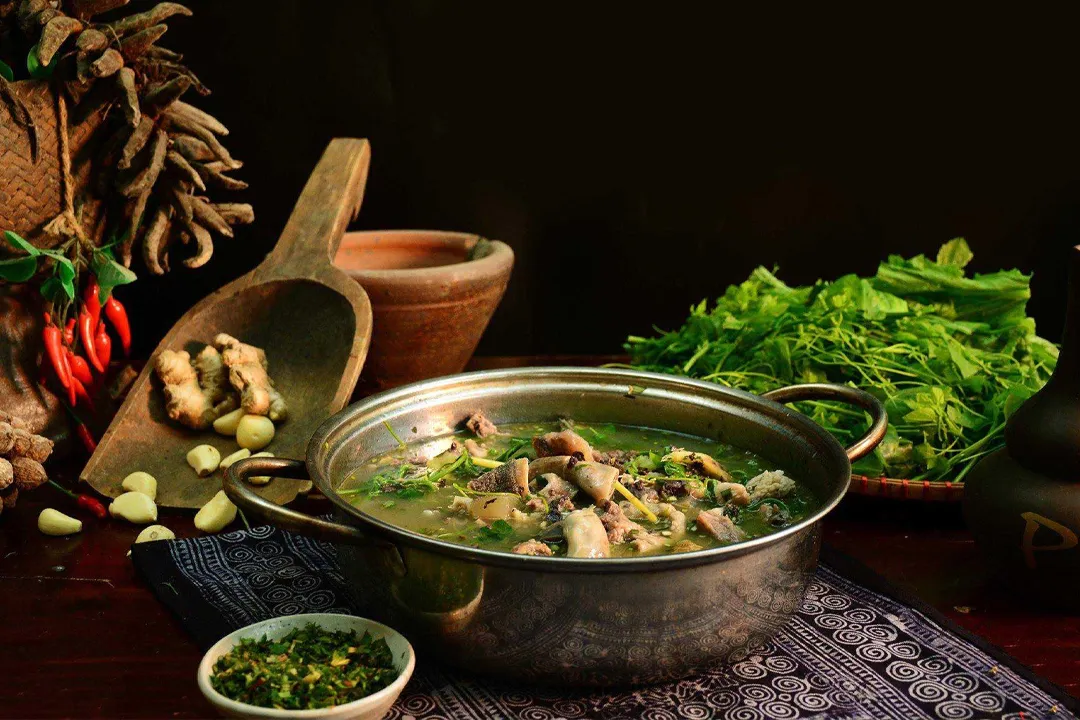
- Thang Co: A traditional meat stew, often made with buffalo or horse meat, slow-cooked with herbs and spices. It is a signature highland dish.
- Smoked Buffalo Meat: Preserved and flavored over fire, this is a staple protein in the region.
- Bamboo Rice: Glutinous rice cooked inside bamboo tubes, giving it a subtle, smoky aroma.
- Men Men: A traditional dish made from corn, reflecting the community’s reliance on corn cultivation in the rocky plateau.
- Black Pork and Local Chicken: Often served grilled or stir-fried, these are common at family meals and homestays
- Corn Wine: A strong, traditional liquor brewed locally. Sharing a cup around a fire with a host family is a memorable cultural experience.
- Buckwheat Flower Wine: A seasonal specialty, particularly popular during the buckwheat bloom.
Travel Tips and Things to Keep in Mind
What to Pack
- Layers and warm clothing: The village sits at an altitude of about 1,500 meters, and winter mornings can be very cold. Even in warmer months, evenings are cool.
- Good walking shoes: The stone paths are uneven and can be slippery.
- Cash: There are limited ATMs in the remote area, so bring enough Vietnamese dong for meals, homestays, and small purchases.
- Respectful attire: Dress modestly, especially when visiting homes or participating in cultural activities.
Respectful and Sustainable Travel
Lo Lo Chai’s recognition as a Best Tourism Village reflects a community that has worked hard to preserve its identity while welcoming visitors. To support this:
- Ask before taking photos of people and their homes.
- Buy local handicrafts directly from families to support the community.
- Stay in homestays where possible, as this keeps tourism revenue within the village.
- Follow your host’s guidance on cultural customs and daily routines.
Health and Connectivity
The highland climate can be unpredictable, with fog on mountain roads. Travelers with respiratory or heart conditions should take the altitude into account. Mobile signal and Wi-Fi are available in some cafés and homestays, but do not expect reliable connectivity everywhere—embrace the chance to disconnect.
Since many local residents may have difficulty understanding or speaking Vietnamese, visitors should manage their expectations regarding the quality of service and remain understanding of any limitations they might encounter.
Furthermore, as Lo Lo Chai is a popular tourist destination, it can get quite crowded during the day. Those seeking a quieter experience may wish to stay overnight or plan their visit during the off-peak season.