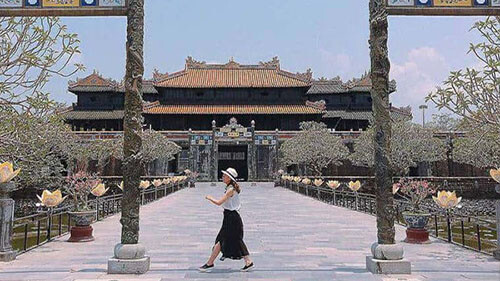
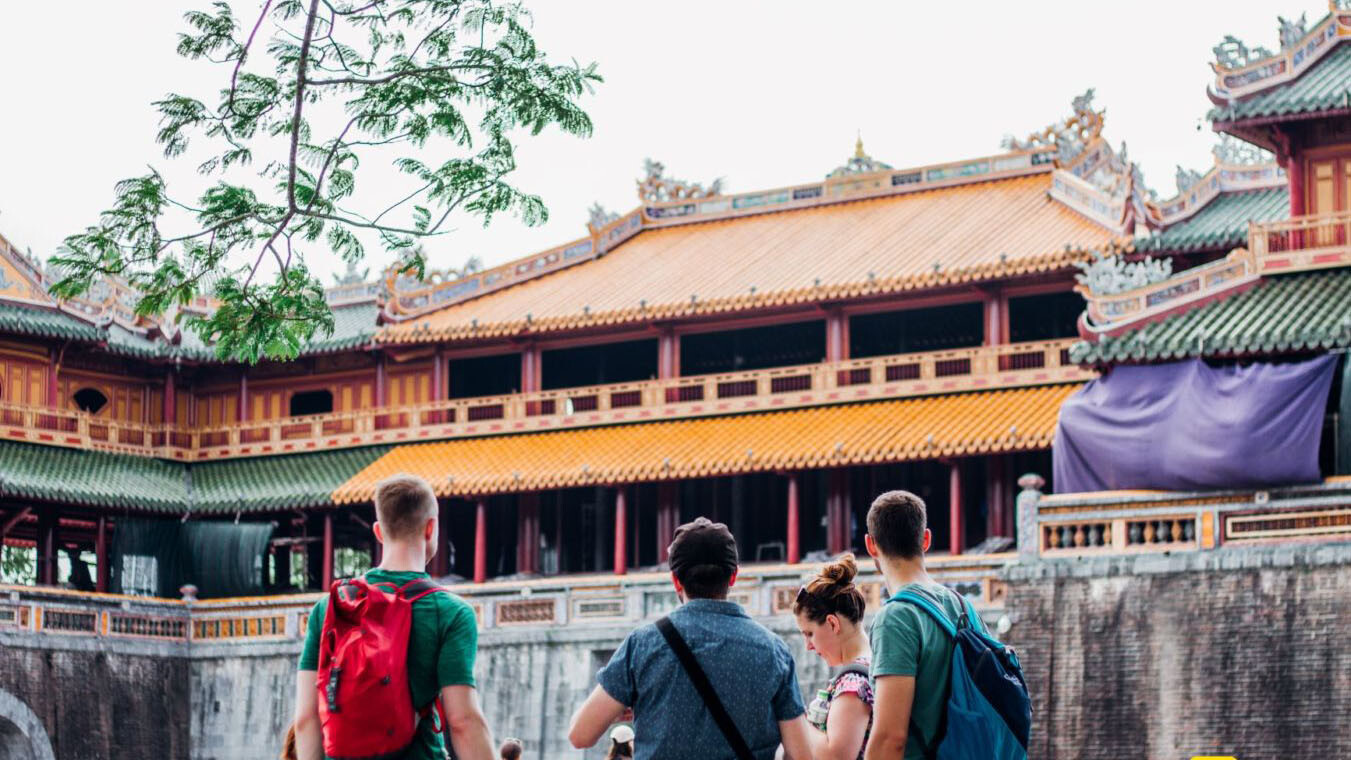
Traditional Festivals in Central Vietnam: Discover Vietnam's Local Heritage
This article is part of a three-part series on traditional festivals in Vietnam. Check out the other two parts here:
Central Vietnam is known for its historic cities, coastal landscapes and diverse cultural traditions. Beyond the imperial monuments of Hue and the lantern-lit streets of Hoi An, the region is home to traditional festivals that connect religion, community life and local history. Some celebrations honour deities and take place along important rivers. Others preserve the customs of ethnic communities whose cultural heritage is distinct from that of the Kinh majority. For travellers, these festivals offer an opportunity to discover traditions that are not always visible during a conventional sightseeing tour.
This guide introduces three traditional festivals in central Vietnam: Hue Nam Festival in Hue, Kate Festival of the Cham people and Ba Thu Bon Festival in the former Quang Nam region. Each offers a different cultural experience, from elaborate religious processions to traditional music, dance and river-based activities.
Many festival venues are outside major city centres or spread across several locations. A private car with a driver can simplify the road journey, particularly when you want to combine a festival with temples, heritage sites or nearby towns.
Traditional festival dates may vary from year to year. The Hue Nam Festival follows the Vietnamese lunar calendar, while Kate Festival follows the Cham calendar. Confirm the latest local programme before travelling.
1. Hue Nam Festival in Hue
Location: Hue Nam Temple, also known as Hon Chen Temple, and related worship sites in Hue City
Usual time: The third and seventh lunar months
Type of festival: Mother Goddess worship, religious ceremonies and traditional performing arts
Recommended visit: One full day for the festival, or two to three days for a wider Hue tour
Discover Hue's living spiritual traditions
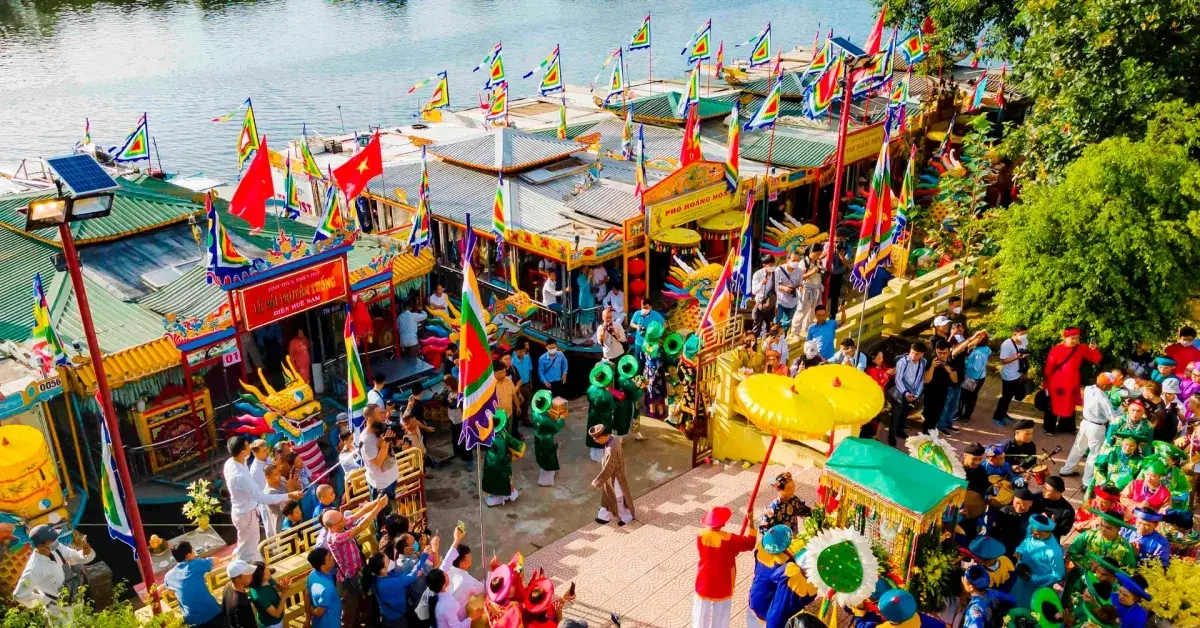
Hue Nam Festival is one of the important traditional religious events in Hue, a city famous for its imperial heritage and spiritual traditions. The festival is associated with the worship of the Mother Goddess Thien Y A Na. It forms part of the broader practice of Mother Goddess worship in Vietnam, bringing together devotees, local communities and visitors who come to participate in ceremonies or observe traditional religious activities.
The festival is usually held twice a year, in the third and seventh lunar months. Exact dates and programmes are announced by local organisers for each edition, so visitors should verify the schedule before booking.
The celebration connects several locations, including Hue Nam Temple at Hon Chen and other worship sites around Hue. Its close relationship with the Perfume River makes it particularly distinctive: the river is not just scenery, but an important part of the festival's traditional processions.
For travellers, Hue Nam Festival offers a different perspective on Hue. Instead of focusing exclusively on the Nguyen dynasty and its imperial monuments, visitors can discover the city's ongoing folk religious practices and the communities that preserve them.
Main activities and highlights
The procession on the Perfume River
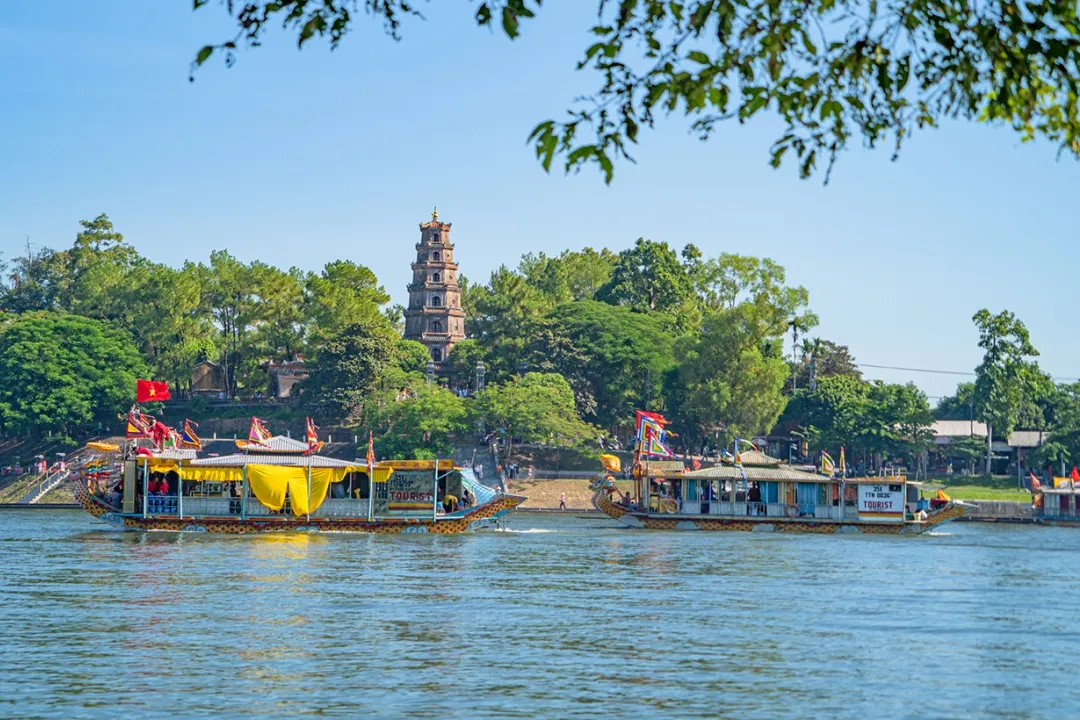
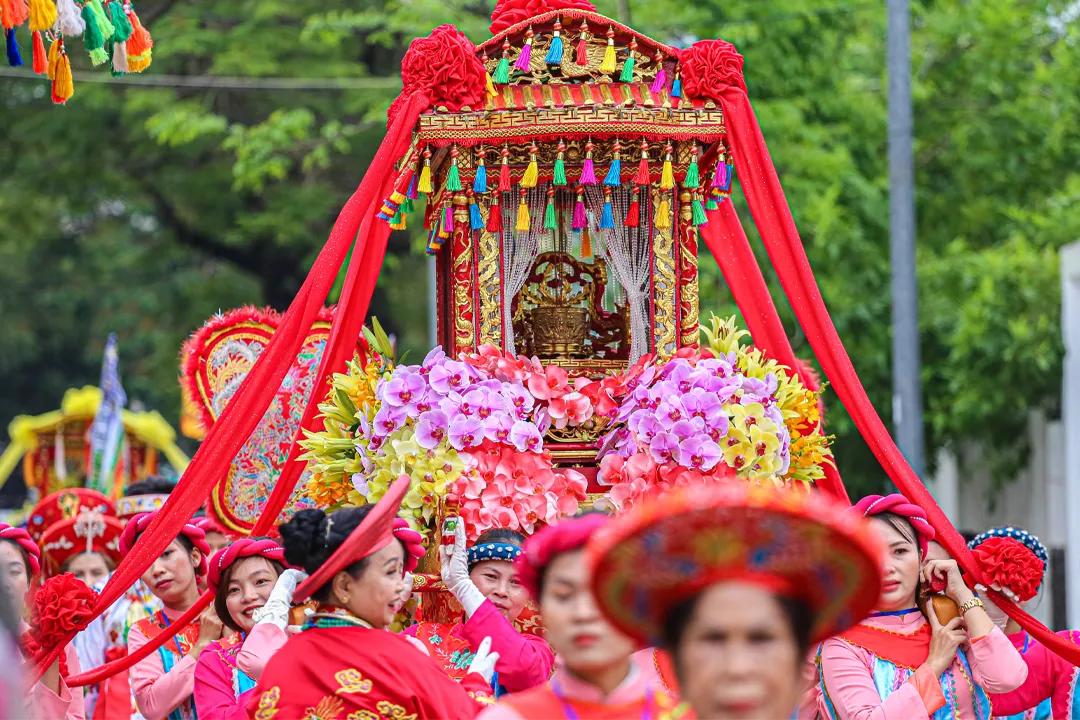
The procession on the Perfume River is one of the festival's best-known features. Decorated boats carry ceremonial objects and palanquins along the river, creating a striking scene against the landscape of Hue. The movement of the boats, the traditional costumes and the ceremonial atmosphere make this a memorable experience for visitors interested in Vietnamese culture.
Travellers should check the official programme for procession times and accessible viewing areas. Not every section of the river will necessarily be open to the public.
Traditional religious ceremonies
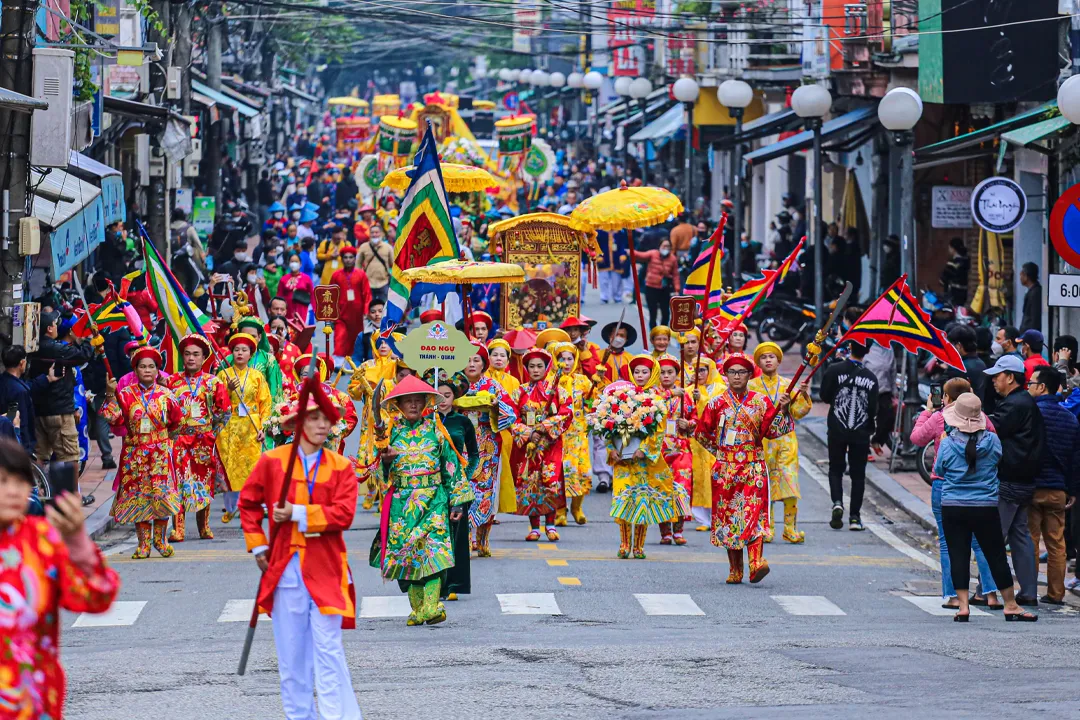
The festival includes offerings, prayers and formal worship dedicated to the Mother Goddess. These ceremonies reflect beliefs connected with protection, peace and well-being. Some activities are primarily intended for devotees rather than general spectators. Visitors should observe quietly, follow instructions from organisers and avoid entering restricted areas.
Traditional clothing and ritual music
Participants may wear elaborate ceremonial outfits associated with Mother Goddess worship. Music and ritual performance contribute to the festival atmosphere and reflect the artistic traditions linked to the practice. For travellers, these elements provide an opportunity to understand how religious beliefs, performance and community identity come together in central Vietnam.
Exploring Hue's temples and heritage
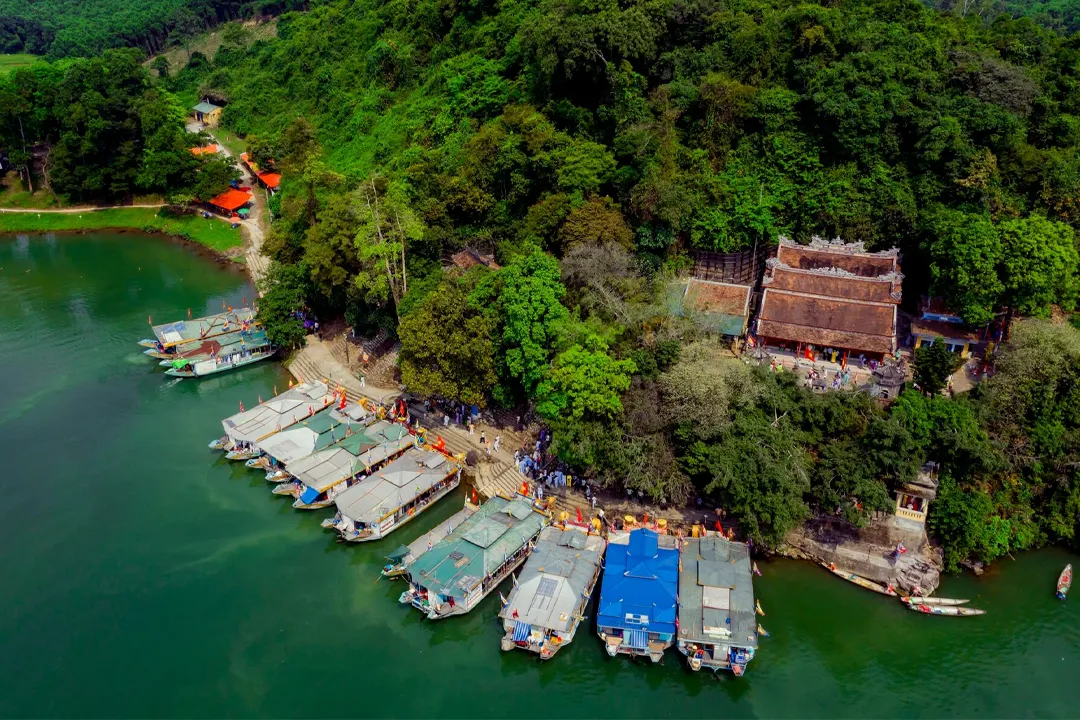
The festival can also serve as a starting point for exploring Hue's wider spiritual landscape. Visitors may combine the event with a visit to Thien Mu Pagoda, the Imperial City or selected royal tombs. This combination is particularly rewarding for travellers who want to understand both the imperial and folk religious histories of Hue.
Who should attend?
Hue Nam Festival is ideal for cultural travellers, visitors interested in Vietnamese folk religion and people who enjoy traditional ceremonies, costumes and music. Photographers may appreciate the procession and riverside setting, while travellers interested in the region's history can use the festival as part of a wider cultural itinerary. Also, visitors looking for a purely historical experience can still enjoy Hue's surrounding attractions, although the festival itself is most rewarding for those interested in observing living religious traditions.
Suggested tours with a private car and driver
Hue 1-day spiritual and heritage tour
Visit selected temples and pagodas, explore the Imperial City and attend a suitable part of the Hue Nam Festival programme.
From Hoi An: Hue one day charter car
From Da Nang: Hue one day charter car
If you are in Hoi An or Da Nang and wish to fully experience this festival—including the ceremonial procession on the main day—you can opt for a one-day car rental service. With 8–10 hours of service, you will be able to return to your city immediately after the festival concludes.
2. Kate Festival of the Cham People
Location: The former Ninh Thuan area, now part of Khanh Hoa Province, especially Po Klong Garai Tower and other Cham religious sites
Usual time: Around September or October, according to the Cham calendar
Calendar note: Kate follows the Cham calendar, not the Vietnamese lunar calendar
Type of festival: Cham religious ceremonies, ancestral commemoration, music and traditional dance
Recommended visit: One to two days, or longer for a wider Cham cultural journey
Discover the religious heritage of the Cham community
Kate Festival is one of the most important traditional festivals of the Cham Brahman community in central Vietnam. It is associated with the worship of revered figures, remembrance of ancestors and the preservation of cultural identity through music, dance, clothing and religious ceremonies. The festival is closely connected with the historic Cham temple towers of the former Ninh Thuan area, including Po Klong Garai and Po Rome. These sites are important not only as examples of Cham architecture, but also as places where religious traditions continue to be practised.
Unlike festivals that follow the Vietnamese lunar calendar, Kate takes place according to the Cham calendar. It begins on the first day of the seventh Cham month, generally around September or October in the Gregorian calendar. Travellers should verify the official dates rather than converting the date directly into a Vietnamese lunar date.
Kate is especially valuable for visitors who want to learn more about the cultural diversity of Vietnam. The festival shows how religion, family traditions and community celebrations contribute to the identity of the Cham people.
Main activities and highlights
Ceremonies at Cham temple towers
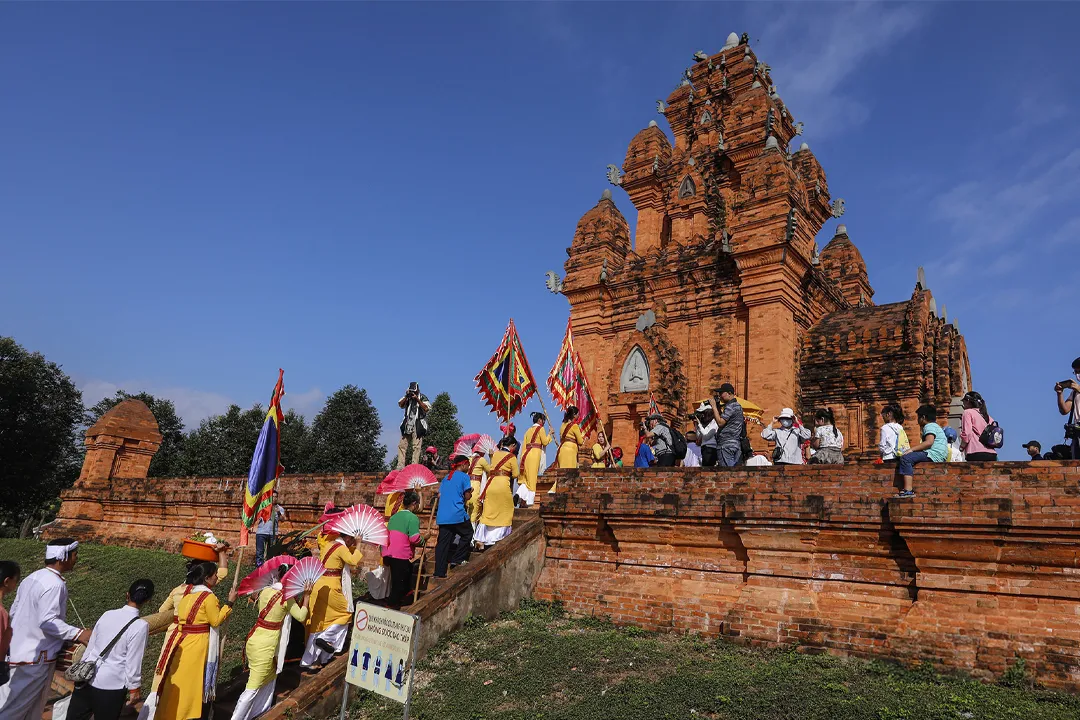
Temple ceremonies are central to Kate Festival. Participants gather at historic towers to honour revered figures and present offerings according to traditional customs. Po Klong Garai Tower is one of the most important festival locations. Its red-brick architecture and elevated setting make it a remarkable destination for visitors interested in history, architecture and religious heritage.
Traditional costumes and processions
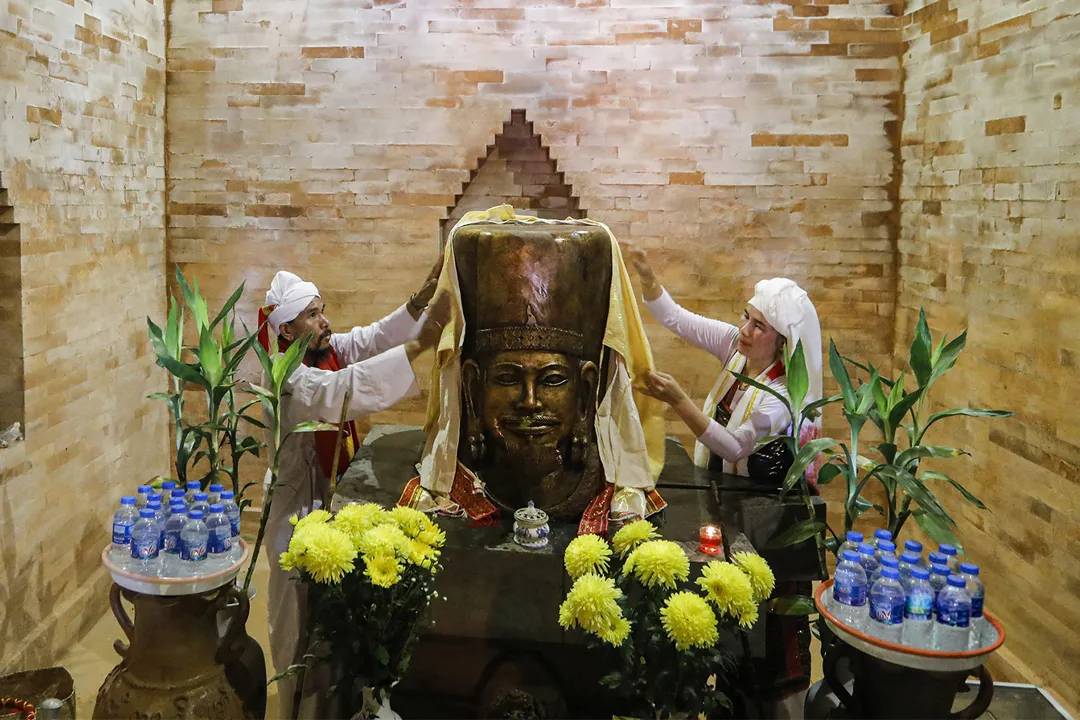
The festival features colourful traditional clothing and ceremonial activities. Participants may carry ritual objects, prepare offerings and take part in processions associated with the worship ceremonies.
The costumes reflect the cultural identity of the Cham community and provide a visible reminder of the region's diverse heritage.
Traditional music and dance
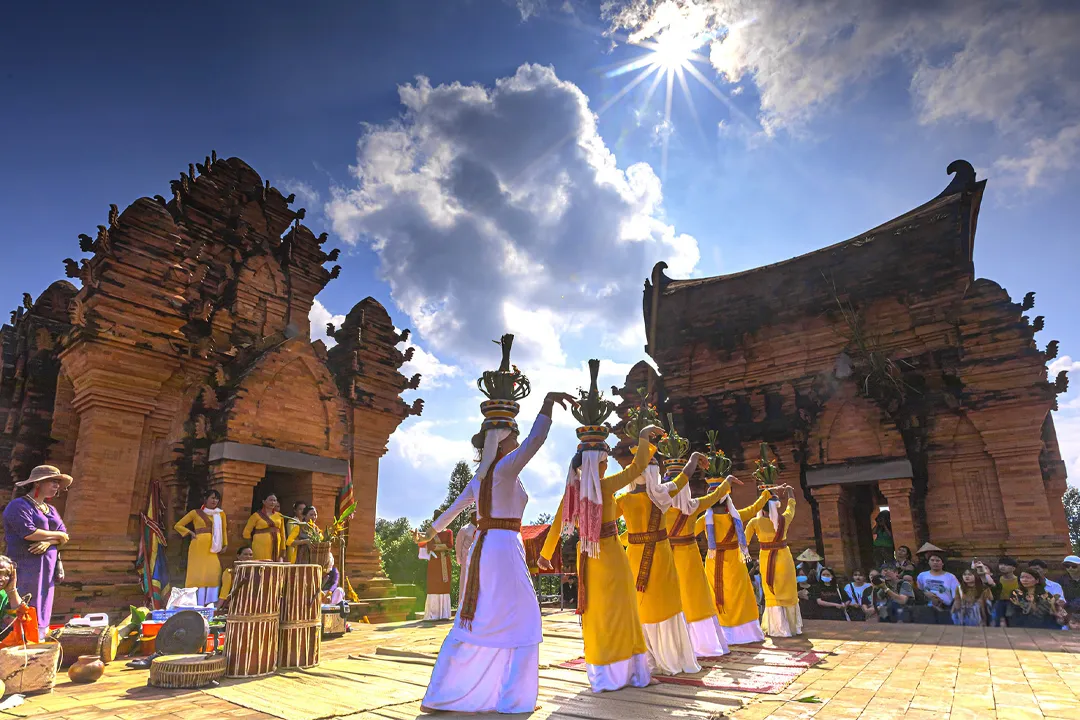
Cham music is an essential part of Kate Festival. Instruments such as the Ginang drum and Saranai wind instrument provide distinctive rhythms for traditional performances.
Visitors may also see traditional dances, including fan dances, along with other folk performances. These artistic traditions help preserve Cham cultural heritage and pass it on to younger generations.
Village and family celebrations
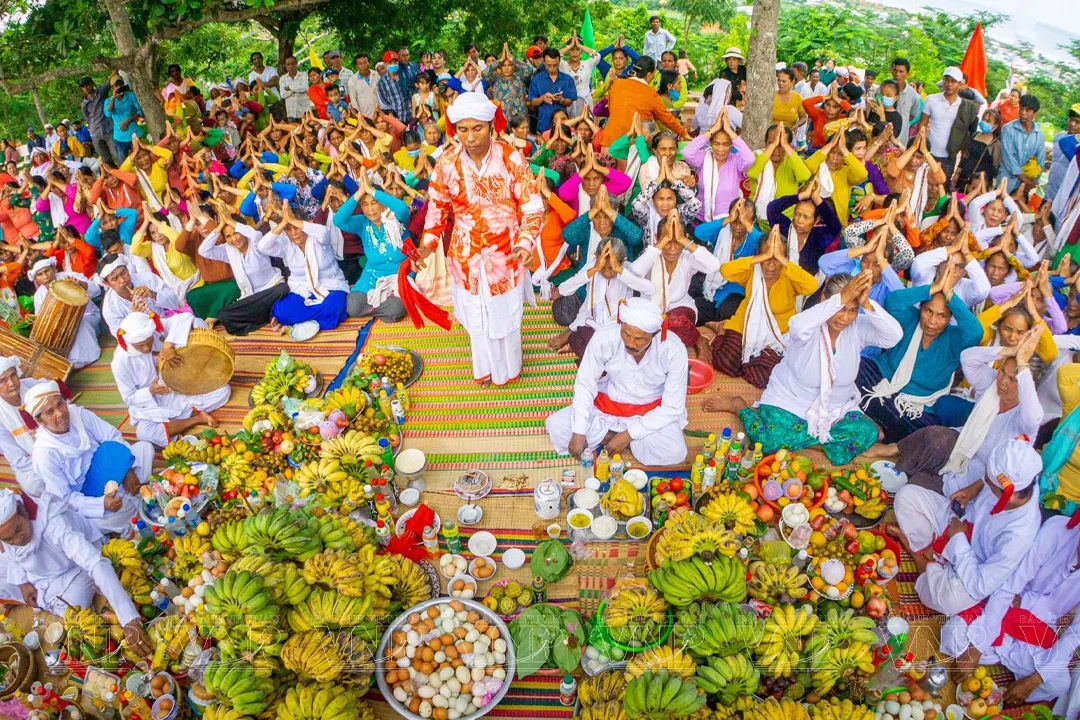
Following ceremonies at the towers, festival activities continue in Cham villages and family settings. This wider celebration demonstrates the connection between religion, family relationships and community identity. With the appropriate local arrangements, travellers may also learn about traditional food, crafts and everyday life in the region. Any village visit should be organised respectfully, with permission from local hosts where necessary.
Who should attend?
Kate Festival is ideal for cultural travellers, photographers, architecture enthusiasts and visitors interested in Vietnam's ethnic diversity. It is particularly valuable for people who want to understand Cham history and religious traditions beyond visiting the temple towers as historical monuments. The festival also suits families and students interested in traditional music, regional history and cultural heritage.
Suggested tours with a private car and driver
Phan Rang–Kate Festival tour
Arrange pickup in the Phan Rang area and travel to the main festival location, such as Po Klong Garai Tower, according to the published schedule.
Cham heritage day tour
Combine the festival with other Cham cultural sites, museums or villages that welcome visitors. A local guide can explain the architecture, religious practices and community history in greater detail.
South-central coast discovery tour
Extend your visit to include coastal scenery, beaches and other destinations in the region. A private car makes it easier to connect attractions that are spread across a large area.
3. Ba Thu Bon Festival
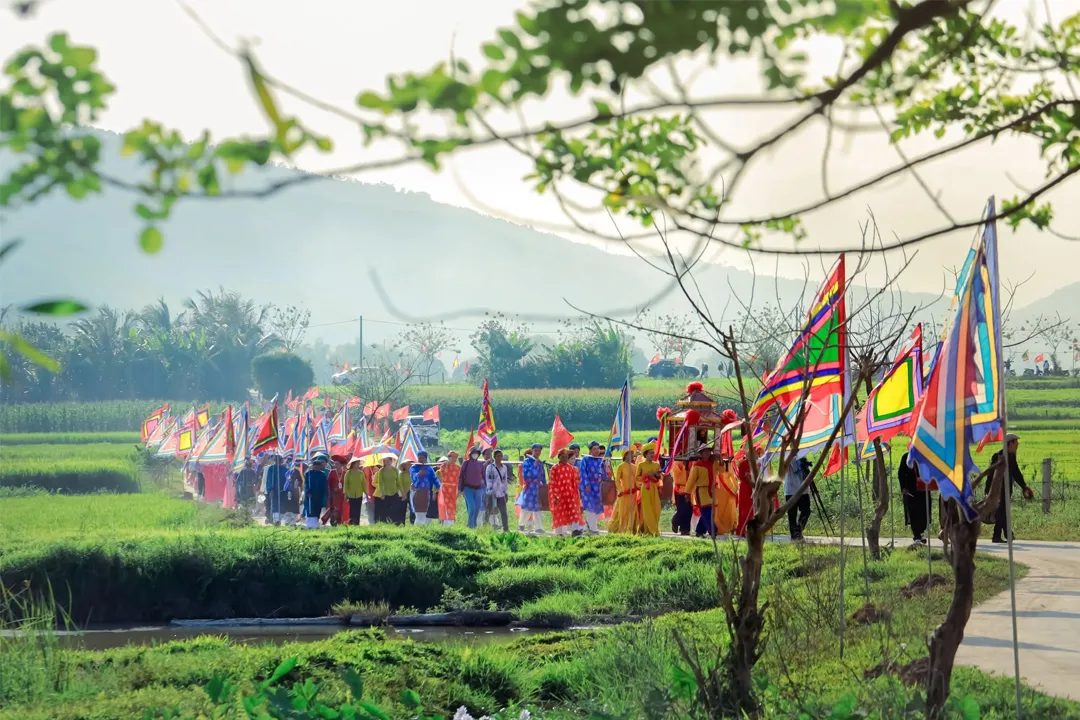
Location: Thu Bon village area in the former Quang Nam region, now within Da Nang City
Usual time: The 10th–12th days of the second lunar month
Type of festival: River culture, community worship, folk games and traditional performances
Recommended visit: One full day, or two to three days for a central Vietnam cultural trip
Explore the traditions of the Thu Bon River
Ba Thu Bon Festival is a traditional community celebration associated with the worship of Ba Thu Bon, a revered female figure connected with local legends and the cultural history of the Thu Bon River region. The festival reflects the importance of the river to life in central Vietnam. Over many generations, the river has supported agriculture, transport and trade, while communities along its banks have developed their own customs and beliefs.
The festival is traditionally held from the 10th to the 12th days of the second lunar month. Its ceremonies and activities bring together religious worship and public celebrations, making it an interesting destination for travellers who want to discover local traditions beyond central Da Nang or Hoi An.
The relationship between the river and the festival gives this event a character of its own. Instead of taking place entirely inside an urban temple complex, the celebration reflects the wider landscape and community life of the region.
Main activities and highlights
Traditional processions
Processions are an important feature of the festival. Participants carry ceremonial objects and offerings along designated routes, reflecting local beliefs and community traditions. These activities bring together residents from nearby areas and help maintain a shared cultural identity.
River-related ceremonies
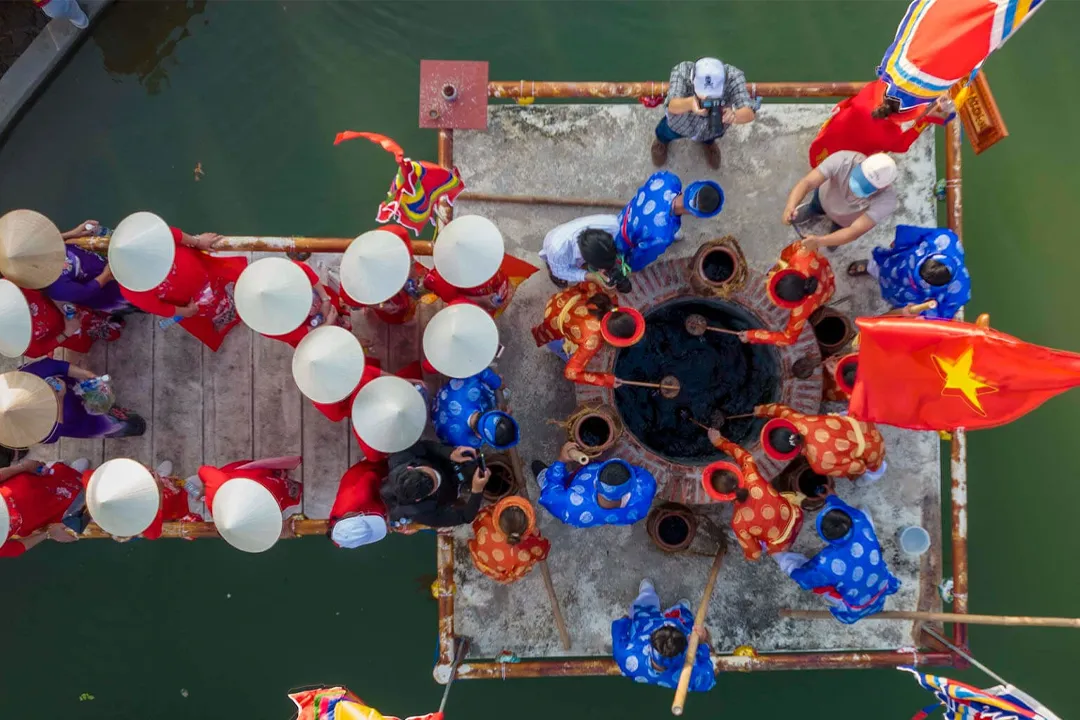
The Thu Bon River is central to the festival's setting. Traditional water-related ceremonies reflect the community's relationship with the river and its importance to agriculture and daily life. For visitors, the river scenery provides a different setting from festivals held mainly in urban temples or public squares.
Boat races
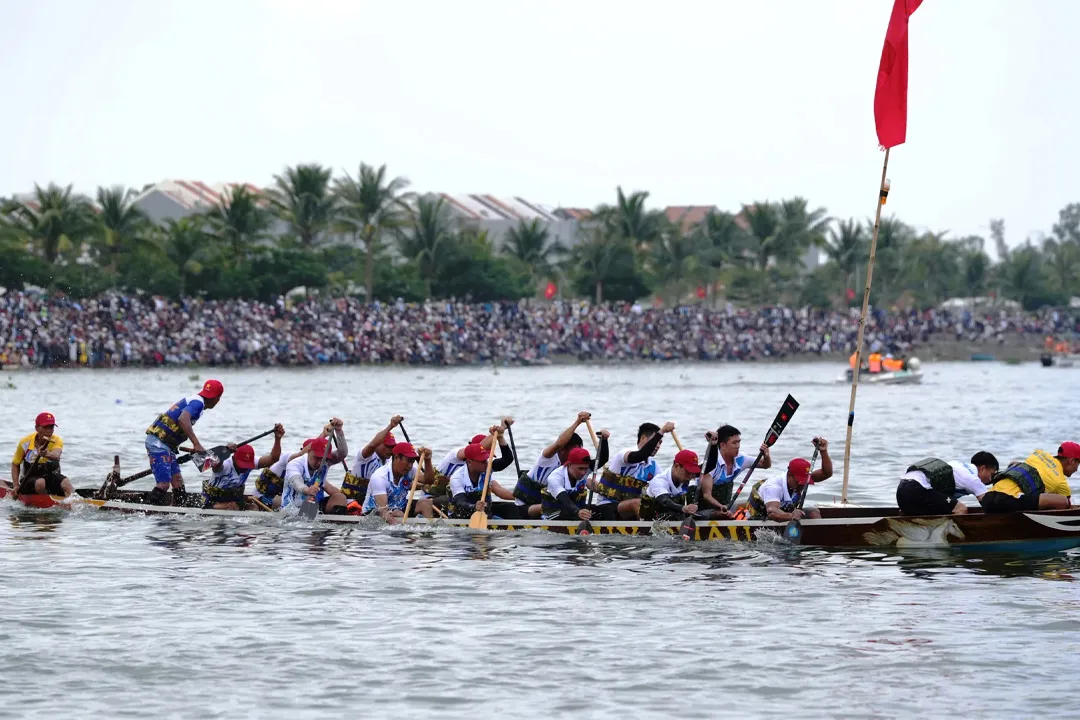
Boat racing is one of the most exciting activities associated with the festival. Teams compete on the water while spectators gather along the banks to watch. The races contribute to the lively atmosphere and reflect the historical importance of boats and rivers to local communities.
Folk games and traditional performances
Depending on the annual programme, visitors may encounter folk singing, Bai Choi performances, traditional theatre, sports activities, craft demonstrations and local food stalls.
These activities offer opportunities to experience central Vietnamese folk culture through music, movement, food and community interaction.
Who should attend?
Ba Thu Bon Festival is suitable for cultural travellers, families, photographers and visitors interested in river life and traditional village customs. It is particularly appealing to travellers who have already visited Hoi An and want to explore other cultural destinations in the wider region. Visitors interested in folk games and river activities may also enjoy the festival's community atmosphere.
Suggested tours with a private car and driver
From Hoi An: My Son Sanctuary & Hoi An City Full-day Tour
The site of the Ba Thu Bon festival is located quite close to the My Son Sanctuary. If you are traveling from Hoi An, you can easily visit this famous landmark either before or after attending the festival. By opting for a full-day private car rental—covering a duration of 8 to 10 hours—you can make your travel experience smoother and more convenient than ever.
4. Hoi An Lantern Festival
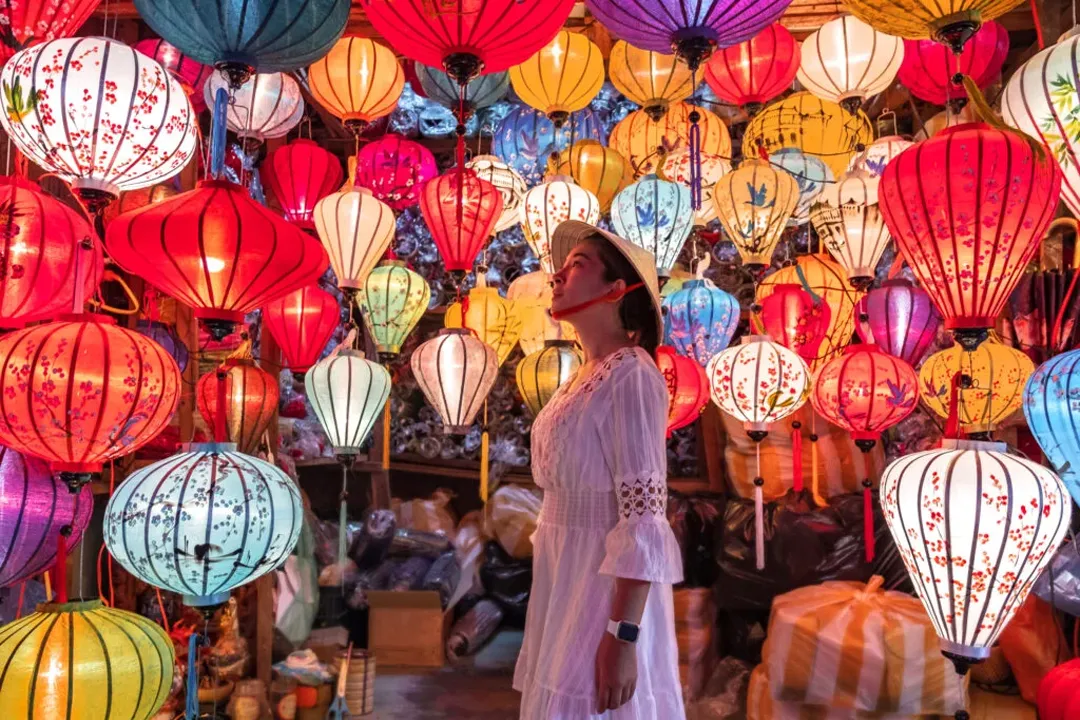
Location: Hoi An Ancient Town and the Hoai River, Da Nang City, central Vietnam
Usual time: The 14th and 15th days of each lunar month
Type of festival: Traditional lantern celebration, full-moon customs, folk performances and riverside cultural activities
Recommended visit: One evening, or two to three days for a wider Hoi An and Da Nang tour
Experience Hoi An's magical lantern-lit nights
The Hoi An Lantern Festival, also known as the Full Moon Lantern Festival, is one of the most recognisable cultural experiences in Vietnam. Held regularly on the 14th and 15th days of the lunar month, the event transforms Hoi An Ancient Town into a colourful scene of glowing lanterns, traditional performances and reflections on the river.
Lanterns have long been part of Hoi An's cultural identity. The town developed as an important trading port between the 15th and 19th centuries, welcoming merchants from different parts of Asia. Its historic architecture reflects these cultural exchanges, while lantern-making has become one of its best-known traditional crafts.
During the festival, the atmosphere changes as the evening approaches. In parts of the Ancient Town, electric lighting is reduced or switched off, allowing traditional lanterns to become the main source of light. The streets, historic buildings and riverside areas take on a warm glow, creating a distinctive atmosphere that is especially appealing to photographers and cultural travellers.
The festival also reflects traditional full-moon customs, when local residents gather, remember their ancestors and express wishes for peace and good fortune. For visitors, this is an opportunity to enjoy Hoi An's famous scenery while experiencing a cultural tradition that remains part of local life.
The event is held monthly rather than on one fixed Gregorian date. Travellers should therefore check the lunar calendar and the latest local announcements when planning their visit. More information is available from the Da Nang City Portal and Vietnam Tourism.
Main activities and highlights
Admire the lantern-lit streets of the Ancient Town
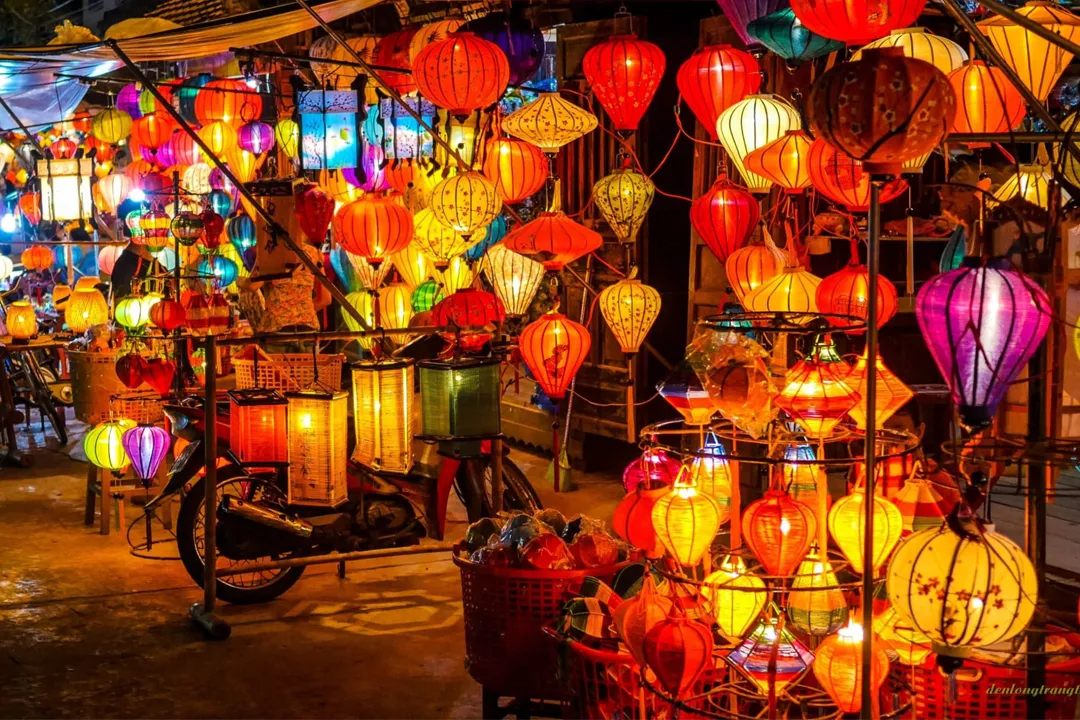
The most distinctive feature of the festival is the sight of colourful lanterns illuminating Hoi An's historic streets. Silk lanterns in different shapes and colours hang outside traditional houses, shops, cafes and restaurants. Their warm light highlights the town's yellow walls, wooden shutters and historic architecture. Visitors can walk through the pedestrian-friendly streets, admire the decorations and take photographs of the illuminated buildings. Areas around Tran Phu Street, the Japanese Covered Bridge and the riverside are particularly popular.
Even without a scheduled lantern festival, Hoi An displays lanterns throughout the year. However, visiting during the full-moon event offers a different atmosphere, with more traditional activities and a stronger focus on the evening celebration.
Release flower lanterns on the Hoai River
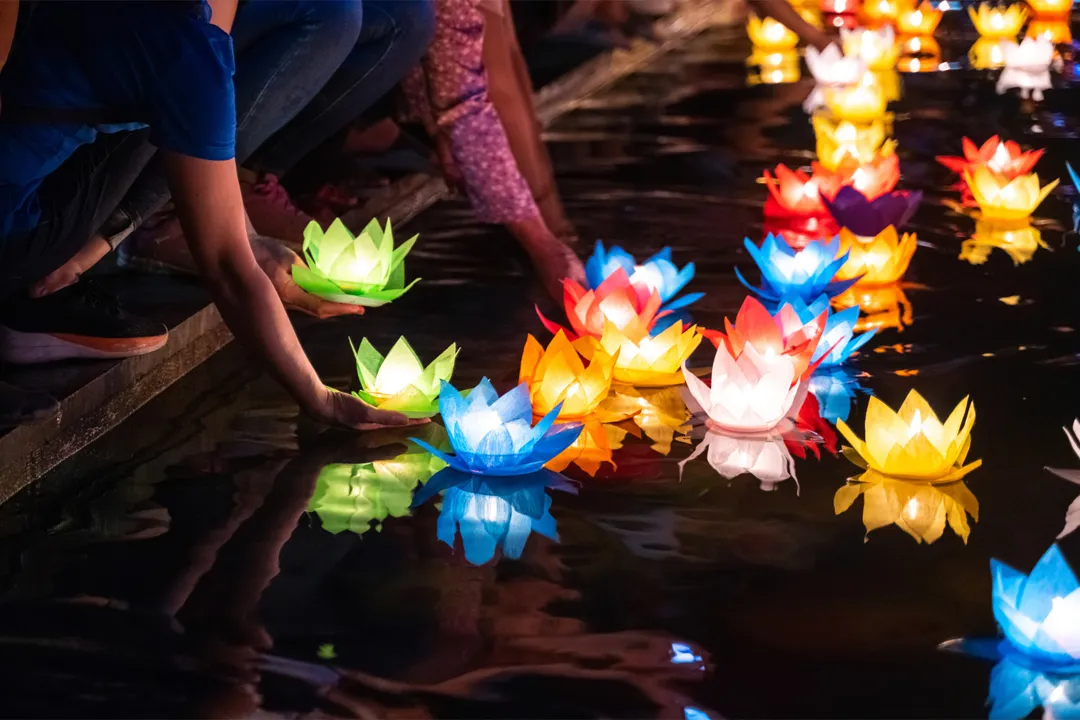
Releasing a flower lantern on the Hoai River is one of the festival's best-known experiences. Small illuminated lanterns float along the water, creating colourful reflections beneath the historic buildings and bridges. Visitors can make a wish for peace, happiness or good fortune as they release a lantern. Boat rides are also available along parts of the river, depending on local operating arrangements. From the water, visitors can enjoy views of the old town and its illuminated riverbanks.
For a responsible experience, choose approved lantern vendors and avoid throwing other waste into the river. Follow local guidance on where and how lanterns may be released.
Enjoy traditional music and folk performances
The wider festival atmosphere may include traditional music, folk performances and other cultural activities at selected locations. Visitors may encounter Bai Choi, a traditional form of central Vietnamese folk entertainment that combines singing, music, performance and a card-based game. Other performances and activities depend on the programme for each evening.
These cultural elements provide a deeper experience than simply viewing lanterns. They allow visitors to discover the artistic traditions and community life that help define Hoi An's identity.
Explore traditional markets and local food
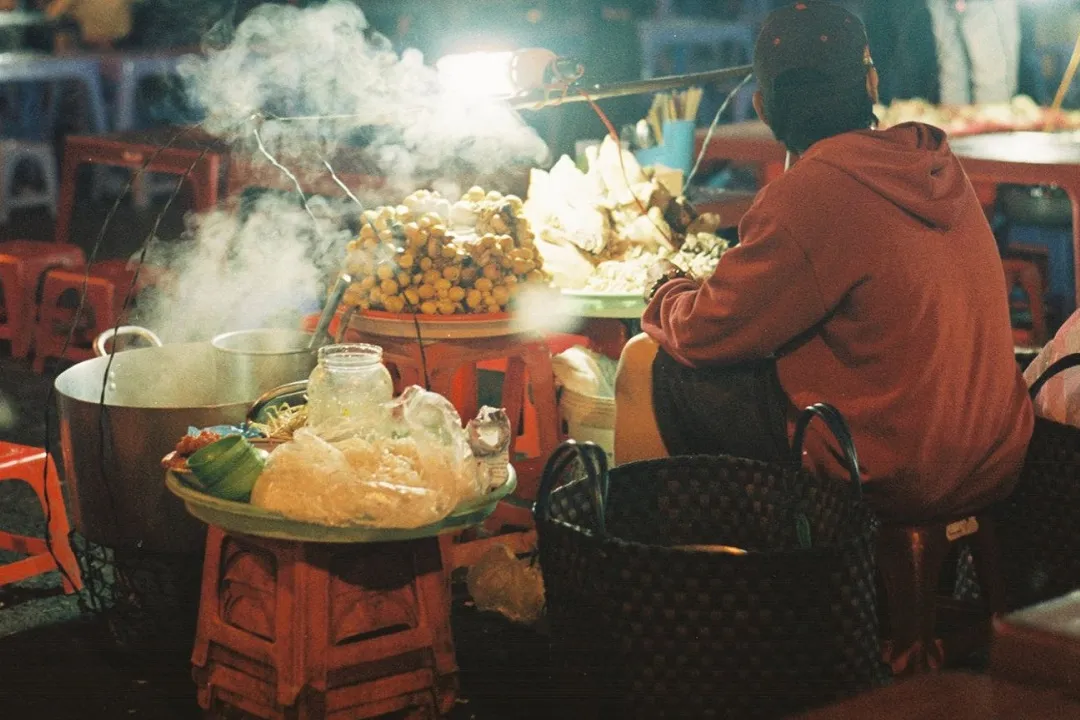
The lantern festival is also an excellent opportunity to discover Hoi An's food culture. Visitors can explore the night market, browse lanterns and handicrafts, and sample local specialities such as cao lau, white rose dumplings and regional noodle dishes. Street food stalls and small restaurants offer opportunities to experience the flavours of central Vietnam in a lively setting.
Travellers who enjoy shopping can also explore local craft products, including handmade lanterns, textiles and souvenirs. Purchasing directly from local businesses helps support the community that maintains these traditions.
Who should attend?
The Hoi An Lantern Festival is suitable for couples, families, photographers, cultural travellers and visitors interested in traditional crafts and historic architecture. It is particularly appealing to people who enjoy evening walks, riverside scenery and relaxed cultural experiences. Couples may appreciate the romantic atmosphere, while families can enjoy the lantern displays, local food and boat rides. Photography enthusiasts can capture reflections on the river and the colourful streets, although the most popular locations become crowded during peak hours. Travellers who prefer quieter surroundings may wish to explore the Ancient Town earlier in the day and return to the riverfront in the evening.
Suggested tours with a private car and driver
Hoi An City Tour – Boat Ride – Release Flower Lantern
Begin your afternoon by exploring the historic sites of the Ancient Town with an English-speaking guide, followed by a boat ride on the river. Enjoy the experience and release a flower lantern to pray for good fortune for yourself and your family. You will find yourself immersed in the enchanting atmosphere of the lantern-lit streets. The trip concludes as the city lights come on, leaving you with free time to explore the vibrant evening atmosphere of Hoi An.
My Son Sanctuary Morning Tour from Hoi An
Travellers staying for several days can combine Hoi An with a visit to My Son Sanctuary, a historic complex associated with the ancient Champa civilisation. Visit the sanctuary during the day, return to Hoi An and spend the evening enjoying the lantern festival. This itinerary offers a contrast between Cham heritage and the trading-port culture of Hoi An.
Plan Your Central Vietnam Festival Journey
Central Vietnam's traditional festivals offer an opportunity to explore the region through its living cultural heritage. Huệ Nam Festival reflects the traditions of Mother Goddess worship, Kate Festival preserves the religious and artistic identity of the Cham people, and Ba Thu Bon Festival celebrates the long-standing relationship between local communities and the river.
These events can be combined with visits to Hue's imperial monuments, Cham temple towers, Hoi An Ancient Town and other cultural destinations along the central coast.
A private car with a driver makes it easier to travel between attractions, especially when a festival involves several sites or takes place outside a major city. It also allows families and small groups to set a comfortable pace and adjust their itinerary where practical.
Before travelling, confirm the festival dates, the location of major activities and any road restrictions. Some ceremonies may require visitors to use boats or walk from designated drop-off points, so leave sufficient time for the full experience.
Discover the cultural heart of central Vietnam through its traditional festivals—and enjoy a more flexible journey with a private car and driver. You can learn more about private vehicle services for routes leading to the festival venue in the list below:
Hanoi to Hue by Limousine | Cabin bus | Train
Hanoi to Da Nang by Cabin bus | Train
Da Nang to Hue by Private car | Limousine | Train
Hue to Da Nang by Private car | Limousine | Train
Hue to Hoi An by Private car | Limousine
Hoi An to Da Nang by Private car
Hoi An to Hue by Private car | Limousine