International Festivals in Vietnam: 8 Annual Events Worth Travelling For
Overview
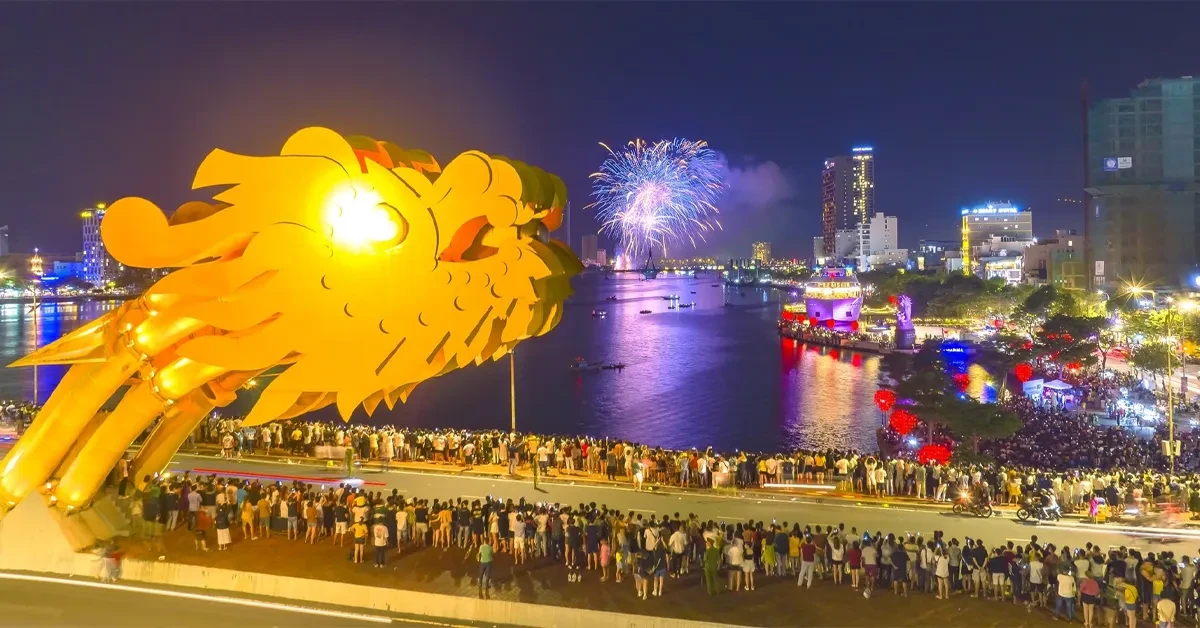
Vietnam is widely known for its beautiful beaches, historic towns, dramatic mountain landscapes and delicious cuisine. Yet beyond its famous destinations, the country also hosts a growing calendar of international festivals and large-scale cultural events that offer travellers a different way to discover its character. From spectacular fireworks illuminating Da Nang’s Han River to traditional costumes showcased in Ho Chi Minh City, these celebrations bring together Vietnamese culture, international creativity and the excitement of shared experiences. Some events focus on traditional heritage, while others celebrate music, cinema, sports or cultural cooperation between Vietnam and other countries.
For international visitors, attending a festival is more than simply watching a performance. It is an opportunity to experience a destination at its most energetic, meet people from different backgrounds, discover local customs and explore attractions that might otherwise be overlooked during a conventional sightseeing trip.
This guide introduces some of the most interesting international festivals and tourism events in Vietnam. Each section includes the location, usual travel period, main activities, suitable visitors and suggested tours to help you plan a rewarding trip.
Why Visit Vietnam During an International Festival?
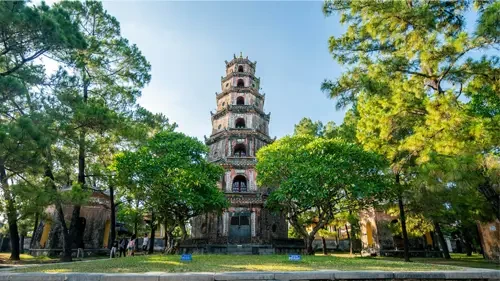
Many travellers visit Vietnam to explore famous attractions such as Ha Long Bay, the Imperial City of Hue, Hoi An Ancient Town and the beaches of Da Nang. These destinations are already worth visiting, but a festival can add another layer to the experience.
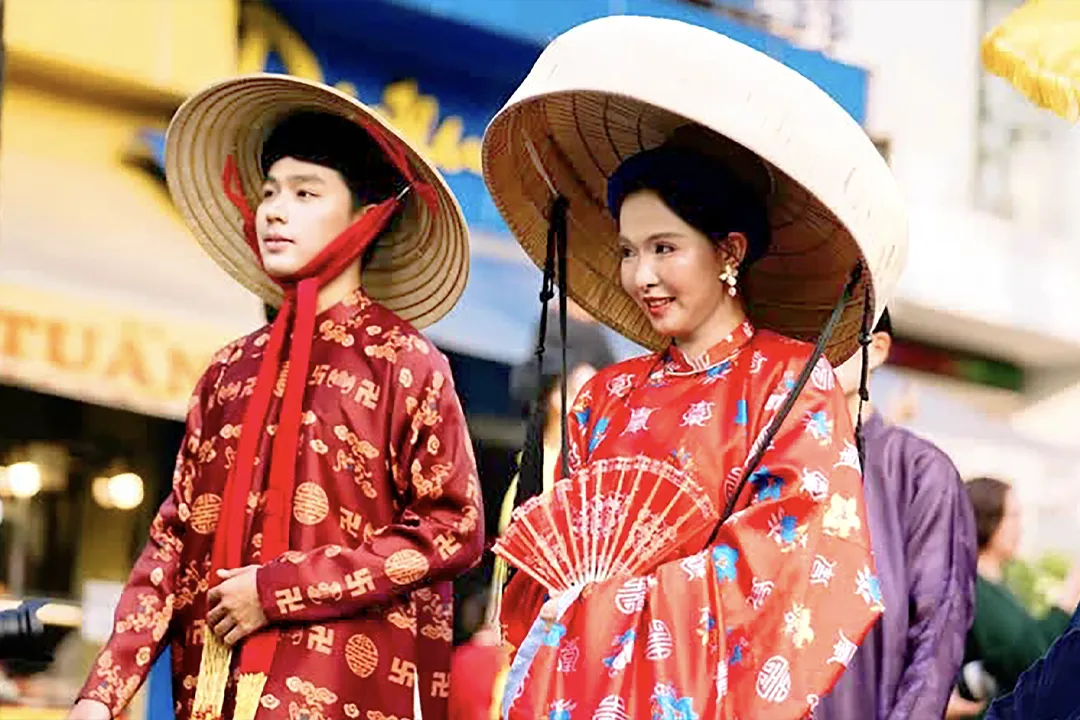
During a major event, streets and public spaces often become more lively. Visitors may see traditional dance performances, international music shows, food stalls, cultural exhibitions and outdoor activities. These experiences help travellers understand how Vietnamese people celebrate, share traditions and connect with visitors from other countries. For example, the Hue Festival introduces audiences to the city's imperial heritage and performing arts. The Da Nang International Fireworks Festival brings together teams from different countries for large-scale displays above the Han River. Meanwhile, the Ho Chi Minh City Ao Dai Festival offers a closer look at one of Vietnam's most recognisable traditional garments.
Festivals are also a good way to explore beyond the usual sightseeing route. Instead of spending the entire day visiting museums and landmarks, travellers can attend an evening performance, sample local food or join a public celebration. The result is a more varied and personal travel experience.
Experience International Culture in One Destination
Vietnam's international festivals often bring together performers, artists, businesses and visitors from several countries. Some focus on a particular cultural relationship, while others welcome participants from across the world. The Vietnam–Japan Festival and Vietnam–Korea Festival in Da Nang, for example, feature cultural performances, food, exhibitions and activities that introduce visitors to both countries. These events allow travellers to experience different cultural traditions without leaving Vietnam.
Film and music events offer another perspective. The Da Nang Asian Film Festival introduces audiences to cinema from Vietnam and other Asian countries, while major music events create opportunities to discover contemporary Vietnamese artists alongside international performers.
For international visitors, this cultural mix can make a holiday more interesting. You can spend the morning exploring a Vietnamese heritage site and the evening enjoying music, food or performances from different parts of the world.
Make Your Holiday More Memorable
A festival gives a trip a clear highlight. Rather than following a standard itinerary, visitors can plan their travel around a special event and build the rest of the journey around it.
A summer trip to central Vietnam, for instance, could combine the fireworks festival in Da Nang with a day in Hoi An and a visit to Hue. A journey to southern Vietnam could include the Ao Dai Festival, a city tour and a food experience in Ho Chi Minh City. Visitors interested in history and architecture may prefer to attend the Hue Festival before exploring the imperial tombs and nearby heritage sites.
Travelling for a festival can also be a good option for returning visitors. People who have already visited Vietnam's major attractions may want to discover local culture, attend a concert or explore a city during a special celebration.
However, popular events can make destinations busier than usual. Hotels may fill quickly, traffic may be heavier and some roads may be closed during performances or sporting competitions. Booking accommodation and transport early is therefore an important part of festival travel.
Combine Festivals with Tours Around Vietnam
One of the main advantages of attending a festival in Vietnam is that many major events take place in destinations with plenty of nearby attractions.
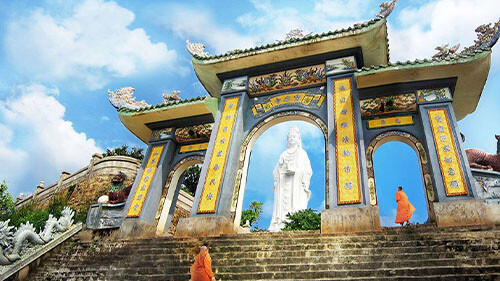
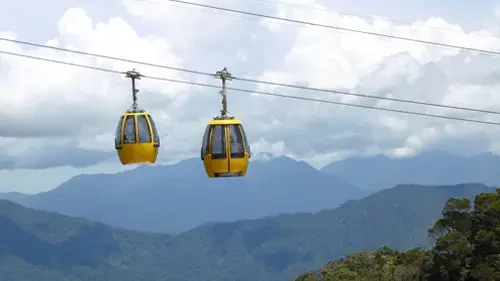
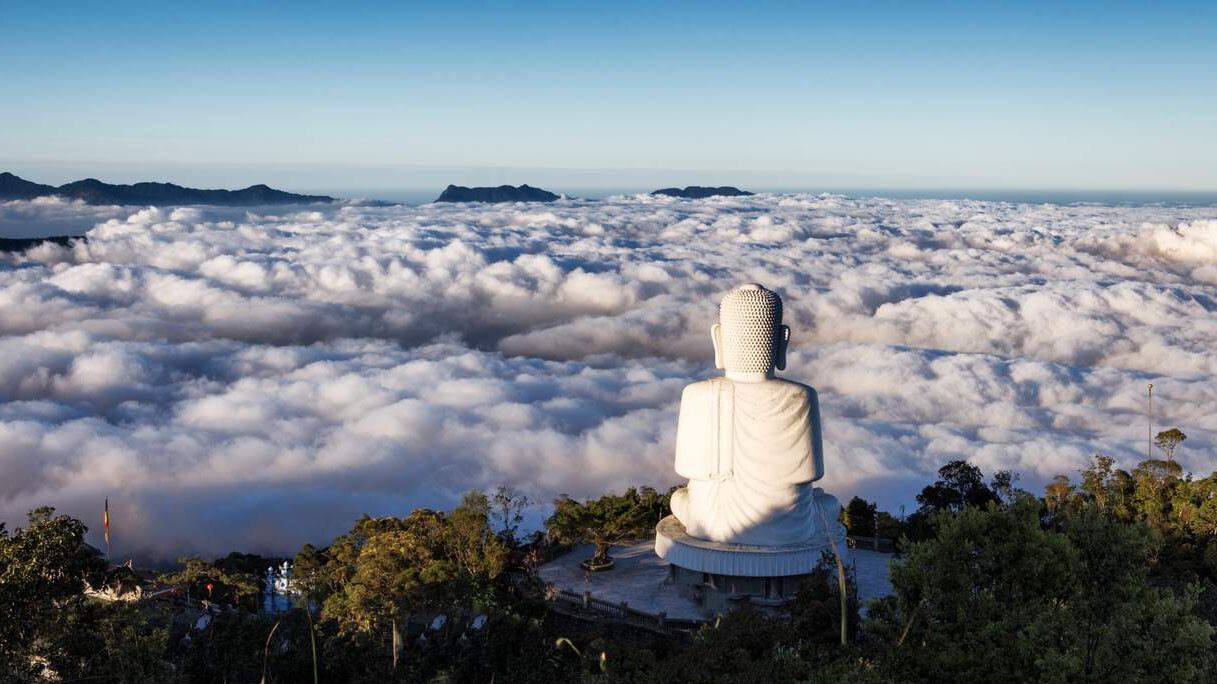
Da Nang is particularly suitable for this kind of trip. Visitors can enjoy an international event and then explore My Khe Beach, the Marble Mountains, Ba Na Hills or Hoi An Ancient Town. Hue is an excellent choice for travellers interested in imperial history, traditional architecture and local food. Ho Chi Minh City offers museums, historic buildings, markets and a wide range of dining experiences.
Hanoi is another useful base for cultural travel. Visitors can explore the Old Quarter, the Temple of Literature and the Imperial Citadel of Thang Long while attending international cultural programmes when they are scheduled.
Private car transfers and guided day tours can make these journeys easier, especially for families, small groups and travellers with limited time. A private vehicle is useful when visiting several attractions in one day, travelling between cities or returning to a hotel after an evening event.
The key is to treat the festival as the centrepiece of a wider holiday, rather than the only activity on the itinerary.
Annual international festivals in Vietnam you shouldn't miss
Da Nang International Fireworks Festival (DIFF)
Location: Da Nang, central Vietnam
Usual period: Late May to July, depending on the annual programme
Recommended stay: Three to five days, or longer for a wider central Vietnam tour
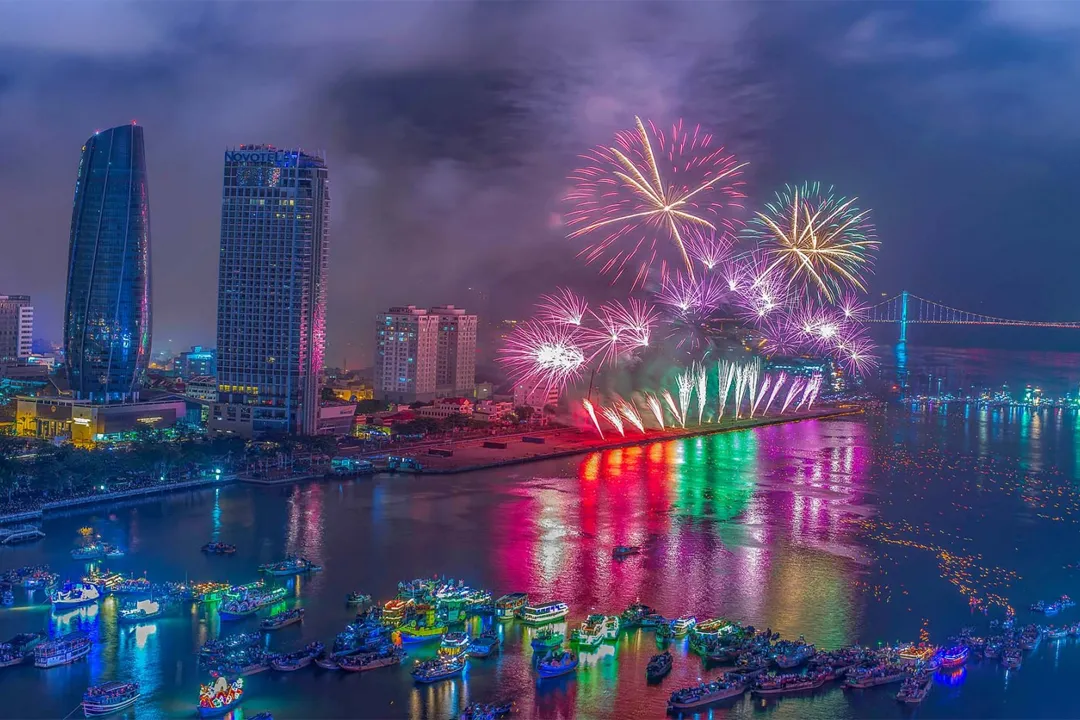
The Da Nang International Fireworks Festival (DIFF) is one of Vietnam's best-known international summer events. It brings together professional fireworks teams for a series of displays above the Han River, creating a striking combination of light, colour, music and technology. The festival has become an important part of Da Nang's summer tourism calendar. Its riverfront setting, lively atmosphere and international participation make it attractive to both Vietnamese and overseas visitors.
The 2026 edition ran from 30 May to 11 July under the theme "Da Nang – United Horizons", with six competition nights and teams from several countries. Future dates and participating teams should be checked through the official festival programme before booking a trip.
What to see and do
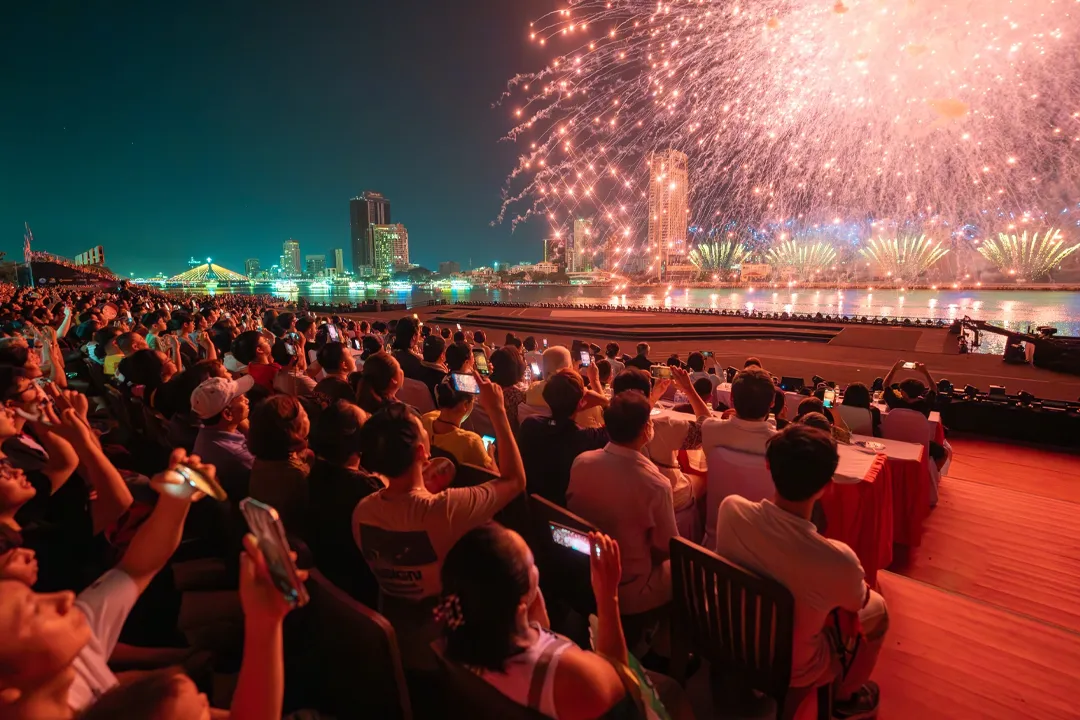
The main attraction is the fireworks competition. Each participating team presents a display designed around a musical theme, with carefully timed explosions, changing colours and visual effects across the night sky. The river becomes the centre of activity during the event. Visitors can watch from designated seating areas, selected riverfront locations or suitable viewpoints around the city. Some travellers may also choose a river cruise, subject to the available programme and ticket arrangements.
Outside the main performances, visitors can enjoy Da Nang's beaches, riverside restaurants, night markets and other summer activities. The city has a lively food scene, with local dishes such as mi Quang, banh xeo and rice paper rolls with pork among the options worth trying.
Because the festival takes place over several weeks, travellers may be able to choose a date that fits their holiday schedule. Those who want to see the competition at its most exciting should check the official programme for the opening night, major match-ups and grand finale.
Who should attend?
DIFF is suitable for families, couples, groups of friends, photographers and travellers who enjoy large outdoor events. It is also a good choice for first-time visitors because it can be combined with a classic central Vietnam itinerary. Families should consider viewing arrangements, crowd levels and the distance between their hotel and the event area. Travellers who prefer quieter surroundings may want to book accommodation away from the busiest riverfront streets.
Travel tips
Book your hotel and fireworks tickets early for popular nights, particularly the final performance. Allow extra time to reach the viewing area because traffic and pedestrian access may be restricted. If you plan to travel with children or older family members, choose accommodation with convenient access to your viewing location.
A private car with a driver can be useful for daytime sightseeing and transfers between Da Nang, Hue and Hoi An. For the fireworks themselves, confirm where vehicles are allowed to stop and whether walking will be necessary for the final part of the journey.
Hue Festival
Location: Hue, central Vietnam
Usual period: Cultural programmes take place throughout the year, with a major international arts programme usually held during the summer
Recommended stay: Two to four days
Hue Festival is one of Vietnam's most important cultural events. It celebrates the heritage of Hue, the former imperial capital, through traditional performances, contemporary arts and international cultural exchanges.
Unlike a festival that takes place only over a few days, Hue has developed a four-season programme. This gives visitors more opportunities to experience cultural activities throughout the year, although the scale and type of events vary by season.
The programme includes activities connected with royal traditions, music, dance, traditional clothing and the city's wider cultural identity. The 2026 calendar included events across the year, with the International Arts Festival Week scheduled for 13–18 June. Visitors should consult the official programme for future editions and individual performances. Source: Go Vietnam.
What to see and do
One of the main reasons to visit Hue is its imperial heritage. The Imperial City, royal tombs, pagodas and historic buildings provide the setting for many cultural experiences.
During the festival, visitors may have the chance to watch traditional music and dance, attend artistic performances or see programmes inspired by the rituals and culture of the Nguyen dynasty. International performances can add a wider perspective, bringing together Vietnamese artists and performers from other countries. The city is also known for its traditional cuisine, Travellers can try dishes such as bun bo Hue, banh beo and other local specialities at restaurants, markets and small food stalls.
Hue is generally a good destination for travellers who prefer a slower pace. Visitors can spend the morning exploring historical sites, enjoy a relaxed lunch and attend a performance in the evening. This balance between sightseeing and cultural activities makes the festival suitable for a short city break or a longer journey through central Vietnam.
Who should attend?
Hue Festival is particularly suitable for history lovers, cultural travellers, photographers and visitors interested in traditional performing arts. It is also a good choice for couples and families who want an educational travel experience.
Travellers who enjoy nightlife and large music concerts may prefer Da Nang's summer events. However, visitors looking for a deeper understanding of Vietnamese history and heritage may find Hue more rewarding.
Travel tips
Check the programme carefully before booking. A year-round festival calendar does not mean every performance runs throughout the year. Some events require tickets or have limited seating, while others may be open to the public.
Wear comfortable shoes when exploring historical sites, and bring sun protection during the hotter months. If you plan to visit several royal tombs in one day, a private car can save time and make the journey more comfortable.
Hanoi World Cultural Festival
Location: Thang Long Imperial Citadel, Hanoi, for the 2026 edition
Timing: October for the 2025 and 2026 editions
Recommended stay: Two to three days
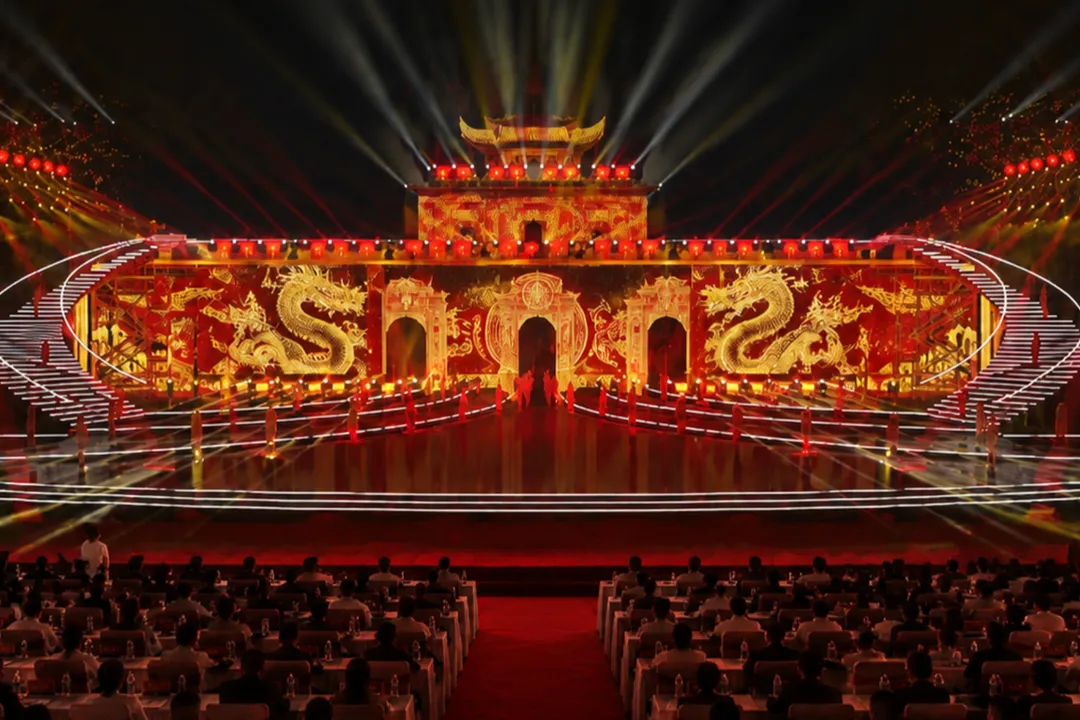
The Hanoi World Cultural Festival is an international cultural event that brings countries and organisations together to share their heritage, arts and traditions. It offers a different experience from festivals focused on one country or a particular art form.
Hanoi is a suitable setting for this type of event because the capital combines historic architecture, traditional neighbourhoods and a growing international cultural scene. A festival held at the Thang Long Imperial Citadel also connects contemporary cultural exchange with one of the city's most important historical sites.
The first edition took place in 2025, and the second edition was held from 1–4 October 2026. The 2026 event brought together nearly 50 countries, international organisations and businesses. Because the festival is still relatively new, its future schedule and format should be confirmed before planning a trip around it.
What to see and do
The festival focuses on cultural exchange. Depending on the programme, visitors may discover international exhibitions, artistic performances, cultural displays and activities that introduce the traditions of participating countries. The event offers an opportunity to explore several cultures in one place. Visitors may learn about different forms of art, traditional clothing, music and cultural heritage while speaking with participants and exploring exhibition areas.
The location is also worth visiting in its own right. The Thang Long Imperial Citadel reflects the long history of Hanoi and provides an interesting contrast with the international character of the festival. After the event, visitors can continue exploring the capital. The Old Quarter, Hoan Kiem Lake, the Temple of Literature and local food streets offer a wide range of experiences within the city.
Who should attend?
The festival is suitable for cultural travellers, families, students, photographers and visitors interested in international relations and heritage. It may also appeal to travellers who want to see Hanoi beyond its most familiar tourist attractions.
Because the festival is still developing, visitors should check its latest programme rather than assume that every year will offer the same activities or participating countries.
Da Nang Asian Film Festival (DANAFF)
Location: Da Nang
Usual period: June or July, depending on the annual schedule
Recommended stay: Two to four days
The Da Nang Asian Film Festival, commonly known as DANAFF, celebrates cinema from Vietnam and other parts of Asia. It provides a meeting place for filmmakers, actors, film professionals and audiences who want to discover new stories and different approaches to filmmaking.
Unlike outdoor festivals built around music or fireworks, DANAFF offers a more focused cultural experience. It allows visitors to explore cinema as a way of understanding different societies, histories and everyday lives.
The festival's 2026 edition introduced film screenings, discussions, workshops, talent development activities and opportunities for audiences to meet filmmakers. The official festival website describes DANAFF as an annual event, although future dates and programme details should still be confirmed. Source: DANAFF official website.
What to see and do
Film screenings are the main attraction. The programme can include feature films, selected works from Asian cinema and films from other regions. Some screenings may be followed by discussions or question-and-answer sessions with directors, actors or other film professionals.
The festival also provides opportunities to learn more about the filmmaking process. Workshops, seminars and talent programmes may explore screenwriting, directing, production and the changing role of cinema in the region.
For international visitors, DANAFF can be a good way to discover films that are not widely available in their home countries. It may also offer a different view of Vietnam, as films often explore family relationships, social changes, historical events and everyday life.
Visitors should check the language and subtitle information for individual screenings. This is especially important for travellers who want to watch Vietnamese or other Asian films without speaking the original language.
Who should attend?
DANAFF is best suited to film lovers, students, creative professionals and travellers interested in Asian culture. It may also appeal to visitors who prefer smaller cultural events to large outdoor crowds.
For filmmakers and people working in the creative industries, professional activities can provide opportunities to meet others and learn about regional cinema.
Travel tips
Check screening times, ticket arrangements, language options and venue locations before travelling. If you plan to attend several films, choose accommodation that allows easy access to the main screening venues. A festival schedule can be busy, so leave enough time between screenings and sightseeing. If professional sessions require registration, complete it before arriving in Da Nang.
HOZO International Music Festival
Location: Ho Chi Minh City, southern Vietnam
Usual period: Towards the end of the year, although the format and dates may vary
Recommended stay: Three to five days
HOZO International Music Festival is a major music event in Ho Chi Minh City that aims to connect Vietnamese music with the international music scene. It brings together local and overseas artists, creating a platform for musical exchange and introducing audiences to different styles of contemporary music. The festival is an interesting choice for travellers who want to experience Vietnam's modern cultural life. While many visitors come to Ho Chi Minh City for its historical landmarks, street food and shopping, HOZO offers another reason to visit: a lively music scene with performances by artists from different backgrounds.
In December 2024, the festival featured more than 100 artists from Vietnam and several other countries, including Japan, Denmark, Scotland, Wales and South Korea. In 2025, HOZO became part of HOZO City Tet Fest, a larger cultural, music and community festival held from 27–31 December at Saigon Riverside Park. The programme combined live music with creative activities, food and New Year celebrations. Visitors should check the latest official announcements because future editions may use a different format or venue.
What to see and do
Live music performances are the main attraction. The programme may include Vietnamese pop, rock, hip-hop, electronic music and other contemporary styles. International performers add variety to the lineup, allowing visitors to discover music from different countries in one place.
One of HOZO's most interesting features is its focus on bringing Vietnamese artists to a wider international audience. Visitors can discover established performers alongside younger musicians who represent new trends in the country's music industry. Depending on the edition, the wider festival programme may include creative installations, food stalls, interactive activities and community events. When HOZO is integrated into a New Year celebration, visitors may also find countdown performances and other seasonal entertainment. The event can appeal to both dedicated music fans and casual visitors. You do not need to know the performers in advance to enjoy the atmosphere, discover new music and experience the energy of a large outdoor concert.
Who should attend?
HOZO is particularly suitable for young travellers, music lovers, couples, groups of friends and visitors interested in contemporary Vietnamese culture. It may also appeal to international visitors who want to explore the country's modern music scene rather than focus only on traditional arts.
Travellers planning a year-end holiday can consider combining the festival with Christmas activities, New Year celebrations and a wider city break. Families should check the programme and venue arrangements to choose performances that suit their needs.
Travel tips
Check the latest festival announcement before booking flights or accommodation. In particular, confirm whether HOZO will run as a standalone music festival or as part of a larger event, and check the venue, ticket arrangements and performer lineup. Large concerts can attract heavy crowds and cause temporary traffic restrictions. Choose accommodation with convenient access to the venue, and agree on a pickup point in advance if you are using a private car.
If you are visiting during the New Year period, book your hotel and transport early. You can also arrange a private city tour during the day, leaving the evening free for the festival.
Monsoon Music Festival
Location: Hanoi, northern Vietnam
Usual period: Traditionally around October, although the schedule and format may vary
Recommended stay: Three to five days
Monsoon Music Festival is an established international music festival in Hanoi. Since its launch in 2014, it has brought Vietnamese and international musicians together, helping introduce local audiences to a wider range of musical styles and artists.
The festival is closely associated with the Imperial Citadel of Thang Long, a major historical site in the Vietnamese capital. This setting creates an interesting contrast between Hanoi's long cultural history and its contemporary music scene. Monsoon has also developed beyond a single concert venue. Its programme has included performances at different locations around the city, creating opportunities for visitors to discover Hanoi through music.
The festival's traditional season is autumn, but visitors should confirm the dates and venues of each edition before planning their trip. As of October 2026, the exact dates for the 2026 edition had not been confirmed in the available festival information.
What to see and do
Live performances are at the heart of Monsoon Music Festival. The lineup brings together Vietnamese artists and international musicians, covering different genres and musical traditions. Previous editions have featured artists from Europe and Asia, giving audiences opportunities to discover performers they may not usually encounter at mainstream concerts.
The festival is also known for its community atmosphere. Visitors can enjoy music with local residents, international travellers and people from different generations. This makes it more than a concert series: it is an opportunity to experience Hanoi's creative culture and meet people who share an interest in music.
Depending on the edition, the festival may include a main concert programme at the Imperial Citadel of Thang Long, performances at other venues and a wider series of music activities across the city. Travellers should check the official schedule to see whether performances are concentrated at one location or spread across several days and venues.
Hanoi itself adds to the experience. During autumn, the city often offers comfortable conditions for walking around the Old Quarter, visiting historic landmarks and enjoying outdoor cafes. Visitors can spend the daytime exploring the capital before attending concerts in the evening.
Who should attend?
Monsoon Music Festival is ideal for music lovers, young travellers, couples, groups of friends and visitors interested in contemporary Vietnamese culture. It may also appeal to international audiences who want to discover local musicians and hear artists from different countries in one setting.
Travellers who enjoy both heritage and modern entertainment may find Hanoi especially rewarding. The city offers historic temples, traditional markets and old streets alongside contemporary restaurants, bars, art spaces and live music venues.
Travel tips
Confirm the festival's dates, ticket arrangements and venue information before making non-refundable bookings. If performances take place at several locations, check the distance between venues and allow enough time for travel. Autumn is a popular season for visiting Hanoi. Bring comfortable walking shoes and a light jacket for cooler evenings, particularly if you plan to attend outdoor performances. A private car transfer is useful for airport pickups and trips to destinations outside Hanoi. For concerts in the city centre, however, walking or using local transport for the final part of the journey may be more practical if streets are closed or crowded.
For the best experience, plan your sightseeing around the music schedule rather than trying to visit every attraction in one day. This will give you more time to enjoy the performances and explore Hanoi at a relaxed pace.