Traditional Festivals in Northern Vietnam: Discover Vietnam's Local Heritage
Overview
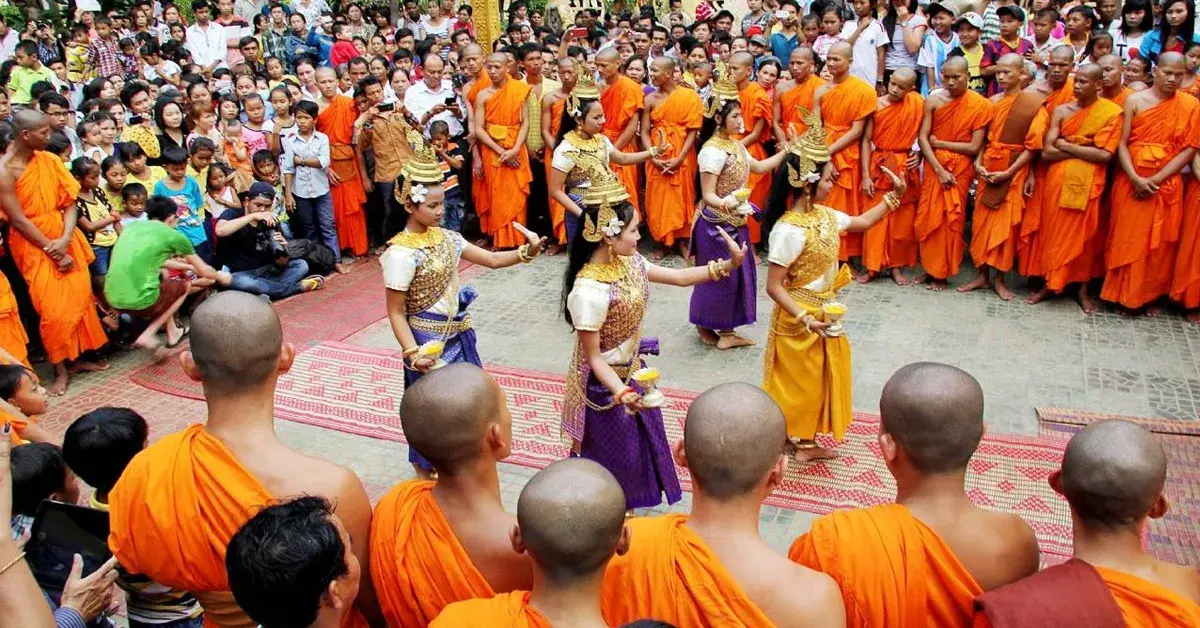
Vietnam is a country where traditions remain an important part of everyday life. Throughout the year, villages, towns and cities hold festivals that bring communities together to honour ancestors, worship local deities, celebrate the harvest and preserve cultural heritage. These celebrations offer travellers a chance to discover a different side of Vietnam, beyond its famous beaches, historic landmarks and popular tourist attractions.
From the spiritual journey to Huong Pagoda in northern Vietnam to the lively boat races of the Mekong Delta in the south, traditional festivals reflect the country's diverse landscapes and cultural identities. Some are closely connected with Buddhism and ancestor worship, while others celebrate folk music, traditional crafts, fishing communities or the heritage of ethnic groups.
For travellers, attending a traditional festival can be one of the most memorable ways to experience local culture. Visitors can watch colourful processions, listen to folk music, discover traditional performances, sample regional food and observe customs that have been passed down through generations.
However, many festivals take place in rural areas, historic villages or locations outside major city centres. Public transport may be limited, roads can become crowded, and event schedules may require visitors to move between several locations in one day. This is where travelling with a private car and driver can make the journey more convenient.
In this three-part article, we introduce nine traditional festivals across northern, central and southern Vietnam. Each festival section covers its usual timing, lunar calendar dates, location, cultural background, main activities and travel opportunities. We also suggest ways to combine a festival visit with nearby attractions, helping you turn a single event into a rewarding cultural journey.
Festival dates below follow traditional calendars and may change in the Gregorian calendar from year to year. Always check the latest announcement from local organisers before booking your trip.
Why Visit Vietnam During a Traditional Festival?
Discover the stories behind Vietnamese traditions
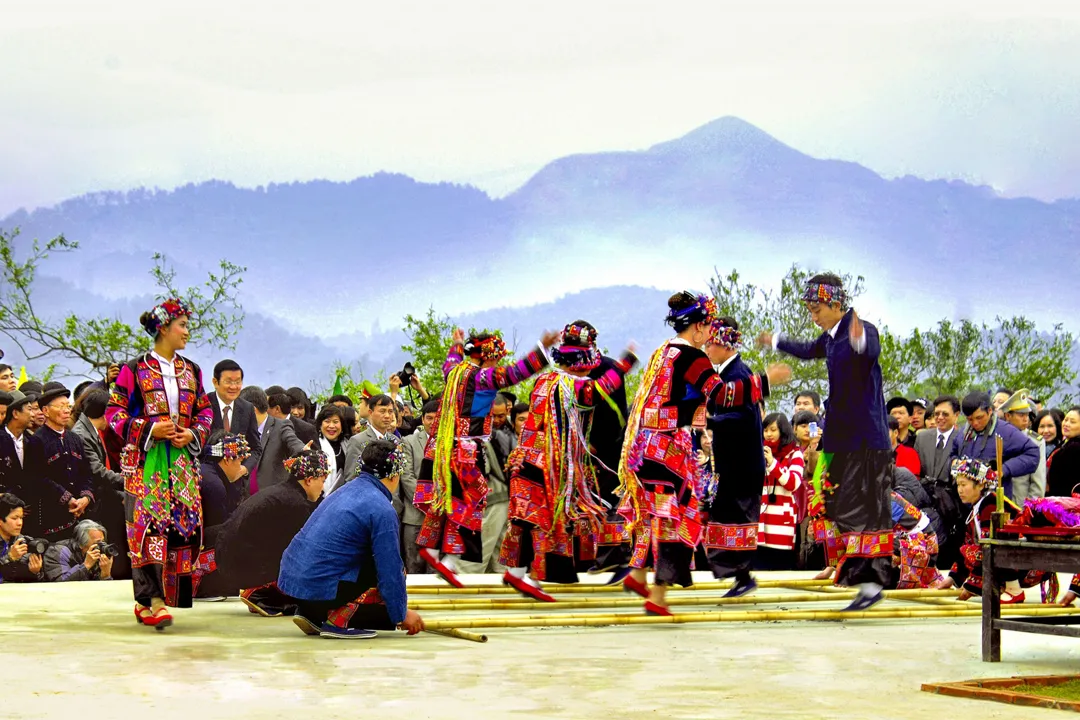
A traditional festival is more than a public celebration. It often reflects the history, beliefs and values of the community that organises it. In many Vietnamese villages, festivals are held to honour founding figures, ancestors or local deities believed to protect the community. In agricultural areas, ceremonies may express gratitude for a successful harvest and hopes for favourable weather. Fishing communities may hold annual celebrations to pray for safe voyages and abundant catches.
These traditions help visitors understand how local people see their relationship with the natural world, their ancestors and the community around them. The Hung Kings Festival, for example, encourages Vietnamese people to remember the legendary founders of the nation. The Whale Worship Festival in Can Gio reflects the beliefs of coastal fishing communities. Meanwhile, the Ok Om Bok Festival reveals the important role of the Moon in the traditional agricultural calendar of Khmer communities in southern Vietnam.
By attending these events, travellers can gain a deeper understanding of the cultural differences between Vietnam's three main regions.
Experience living cultural heritage
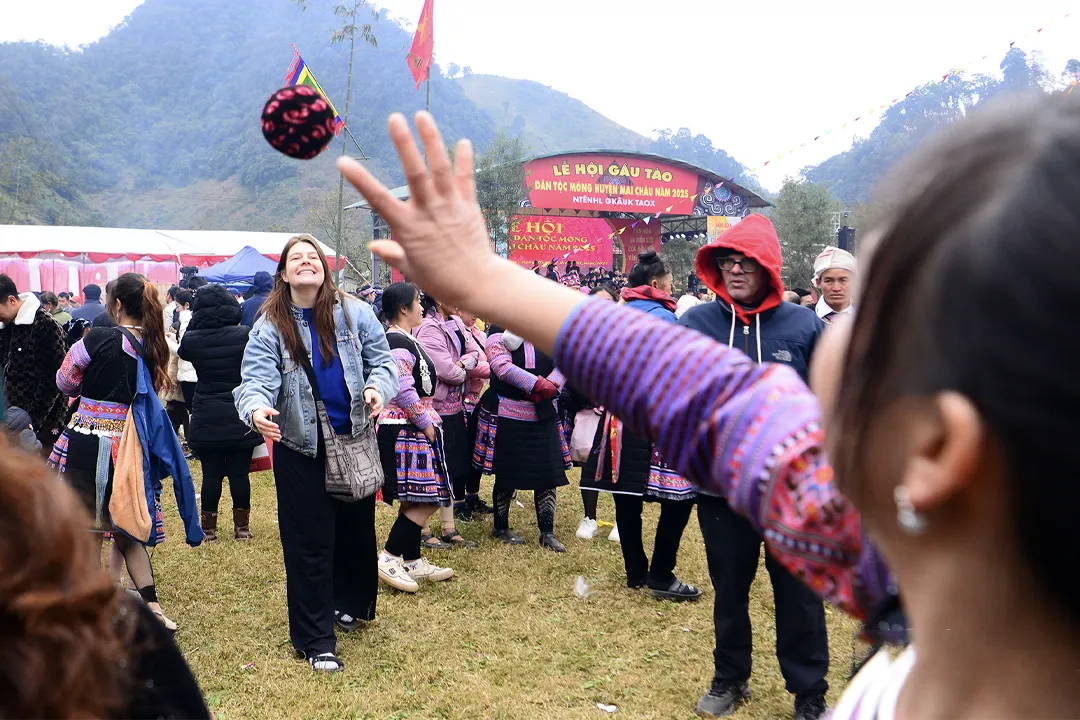
Traditional festivals provide opportunities to witness cultural practices that may not be easy to experience during an ordinary sightseeing tour.
Visitors may encounter traditional folk singing, ritual music, ceremonial costumes, boat races, folk games and community performances. Some activities take place in temples or communal houses, while others fill streets, riversides and public squares.
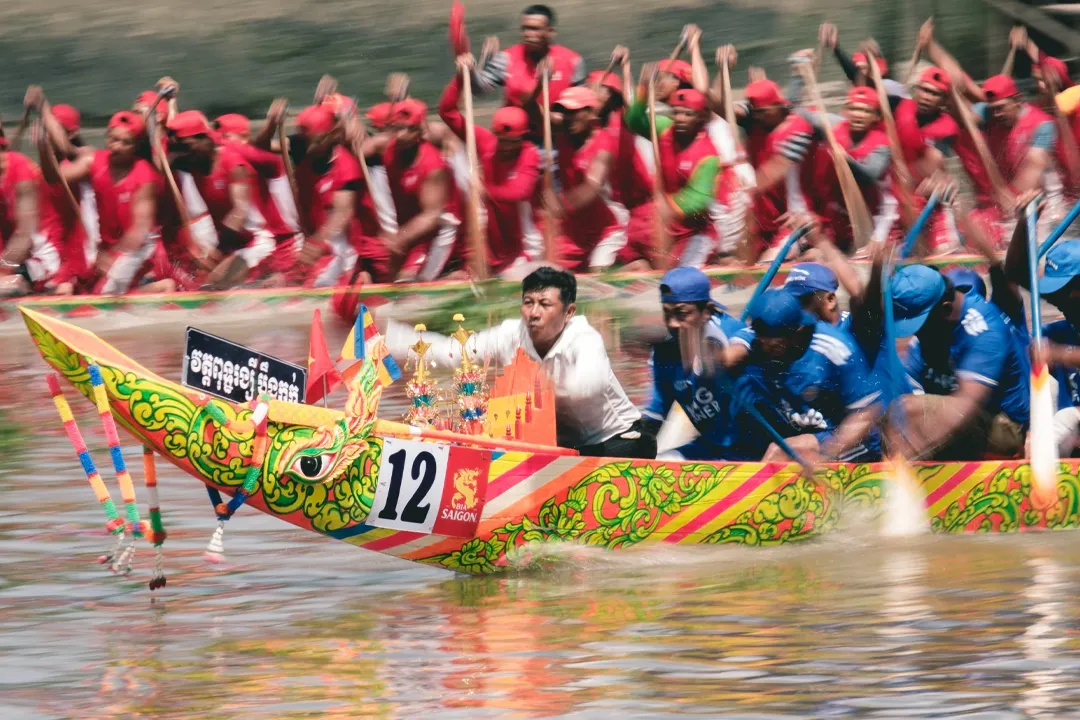
The Lim Festival in Bac Ninh is particularly well known for Quan Ho folk singing. The Kate Festival introduces visitors to Cham religious practices and performing arts. In the Mekong Delta, the Ok Om Bok Festival combines a traditional moon-worship ceremony with the excitement of Ngo boat racing.
These experiences allow travellers to see cultural heritage in its original community setting rather than only in museums or staged performances.
Visitors should nevertheless remember that festivals are primarily important to local communities. Some ceremonies are sacred religious practices rather than tourist shows. Observing quietly, asking permission before taking close-up photographs and following local instructions are essential parts of responsible festival travel.
Part 1: Traditional Festivals in Northern Vietnam
Northern Vietnam is home to some of the country's oldest cultural traditions. From spring pilgrimages in the mountains to folk singing in traditional villages and ceremonies honouring the legendary founders of Vietnam, the region offers travellers many opportunities to discover the country's history and spiritual life.
Traditional festivals are especially meaningful in the north, where village customs, ancestor worship and community celebrations remain an important part of local identity. Visiting during a festival allows travellers to see cultural practices in their original setting, enjoy traditional performances and explore destinations beyond Hanoi's familiar tourist attractions.
This guide introduces three traditional festivals in northern Vietnam: Huong Pagoda Festival, Lim Festival and the Hung Kings Temple Festival. Each offers a different experience, from a peaceful pilgrimage through a limestone landscape to the lively melodies of Quan Ho folk singing and a nationwide commemoration of Vietnamese heritage.
Many of these festival locations are outside Hanoi's city centre. Travelling by private car with a driver can make the journey more convenient, especially for families, small groups and visitors who want to combine a festival with other cultural attractions.
Festival dates follow the relevant traditional calendar and may fall on different Gregorian dates each year. Check the latest local announcements before booking your trip.
1. Huong Pagoda Festival
Location: Huong Son area, Hanoi, northern Vietnam
Usual time: From the first to the third lunar month
Traditional opening date: The sixth day of the first lunar month
Type of festival: Buddhist pilgrimage, religious ceremonies and spring celebration
Recommended visit: One full day, or two days for a more relaxed journey
Discover Vietnam's famous spring pilgrimage
Huong Pagoda Festival, also known as the Perfume Pagoda Festival, is one of Vietnam's best-known spring pilgrimage events. It takes place in the Huong Son area, southwest of central Hanoi, where limestone mountains, forested hills, streams and Buddhist temples form an important spiritual landscape.
The festival is closely associated with Buddhist worship and the tradition of visiting sacred places at the beginning of the lunar year. Pilgrims come to pray for peace, good health, happiness and success, while other visitors are drawn by the scenery and traditional atmosphere. The festival traditionally opens on the sixth day of the first lunar month and continues through the third lunar month. Its exact calendar and programme should be checked before travel, particularly if you want to attend the opening ceremony or visit during the busiest days.
For many visitors, the journey is just as memorable as the destination. Rather than arriving directly at a temple by road, travellers typically continue into the complex by boat and on foot, passing through a landscape of water, cliffs and traditional religious sites.
Main activities and highlights
A scenic boat trip along Yen Stream
The journey along Yen Stream is one of the highlights of Huong Pagoda Festival. Small boats carry visitors through a landscape of water and limestone hills, providing a peaceful introduction to the pilgrimage area. During the festival, the stream becomes busy with pilgrims heading towards the temple complex. The boat trip also creates opportunities to enjoy the scenery and take photographs, especially when the surrounding vegetation is green.
Visitors should follow local boating regulations and allow extra time during the busiest days.
Visiting Thien Tru Pagoda
Thien Tru Pagoda is an important stop in the Huong Son complex. Surrounded by mountains and trees, it provides a place for worship and a closer look at traditional Vietnamese Buddhist architecture. Visitors can explore the grounds, observe religious activities and learn about the role of the pagoda within the wider pilgrimage route.
Exploring Huong Tich Cave
Huong Tich Cave is one of the most significant spiritual destinations in the complex. Its limestone formations and religious importance attract many pilgrims during the festival season. The visit involves additional walking and may include stairs or uneven paths. Comfortable shoes and sufficient time are essential, especially for visitors travelling with children or older family members.
Enjoying the spring landscape
Huong Pagoda is more than a religious destination. It is also a scenic area where travellers can appreciate Vietnam's northern countryside. The combination of streams, forested slopes and historic temples makes the festival suitable for visitors who want to balance cultural discovery with outdoor activities.
Who should attend?
Huong Pagoda Festival is ideal for travellers interested in Buddhism, Vietnamese religious traditions, nature photography and cultural experiences. It is also suitable for families who want to make a spring pilgrimage together. International visitors can gain a better understanding of local religious customs by observing ceremonies and visiting the temples. However, the site remains an active place of worship, so visitors should dress respectfully and follow local instructions.
Note: Travellers with mobility difficulties should plan carefully because boats and walking routes are an essential part of the experience.
Suggested tours with a private car and driver
Hanoi–Huong Pagoda day trip
Begin with pickup from your hotel in Hanoi and travel to the Huong Son area. Your driver can take you to the appropriate parking or drop-off point, where you can continue by boat and explore the temple complex. After the visit, return to Hanoi at an agreed time.
Huong Pagoda and the northern countryside
Travellers who prefer a slower itinerary can arrange a two-day trip, combining the pilgrimage with suitable cultural or rural attractions nearby. The route can be adjusted to allow enough time for walking, boat travel and temple visits.
2. Lim Festival in Bac Ninh
Location: Lim Hill and surrounding festival areas in Tien Du, Bac Ninh Province
Usual time: The 12th and 13th days of the first lunar month
Type of festival: Folk music, village traditions, religious ceremonies and folk games
Recommended visit: Half a day to one full day
Experience the melodies of Quan Ho folk singing
Lim Festival is one of the most representative traditional festivals of the Kinh Bac cultural region. Held in Bac Ninh, it is closely associated with Quan Ho folk singing, a traditional form of antiphonal singing performed by male and female singers.
The festival usually takes place on the 12th and 13th days of the first lunar month. Visitors come to hear traditional music, see performers wearing traditional clothing and enjoy the lively atmosphere of a northern Vietnamese spring celebration. Quan Ho singing is known for its expressive melodies and poetic exchanges. Performers sing to one another in a style that reflects friendship, affection, respect and community relationships. Rather than treating music as a simple stage performance, the tradition connects singing with local social customs and cultural identity.
Lim Festival is an excellent choice for travellers who want to discover a side of northern Vietnam beyond the main attractions of Hanoi.
Main activities and highlights
Quan Ho singing performances
Quan Ho is the festival's main attraction. Singers perform in pairs or groups, exchanging verses that express feelings, admiration and the beauty of everyday life.
The melodies and lyrics are closely associated with Bac Ninh and neighbouring areas. Watching the performances gives visitors an opportunity to experience a tradition that has been preserved through generations of community practice.
Traditional clothing and village culture
Performers wear traditional clothing associated with Quan Ho singing. Female singers may wear the distinctive four-panel dress and traditional headwear, while male singers appear in traditional outfits appropriate to the performance.
The setting also reflects the character of northern Vietnamese village life, with pagodas, communal gathering places and local streets forming part of the festival atmosphere.
Religious ceremonies and processions
Alongside the musical activities, the festival includes traditional ceremonies and processions that reflect local beliefs and village customs. These activities remind visitors that Lim Festival is an important community celebration, not just a music event.
Folk games and community activities
Depending on the annual programme, visitors may encounter traditional games, food stalls and other activities associated with spring festivals.
Allow time to explore the surrounding area, listen to different performances and enjoy local food instead of focusing only on one main stage.
Who should attend?
Lim Festival is suitable for music lovers, cultural travellers, photographers, families and visitors interested in traditional Vietnamese arts. It is especially recommended for people who want to understand northern Vietnam's folk music and village traditions. Visitors interested in language and literature may also appreciate the poetic exchanges found in Quan Ho singing.
For travellers with limited time in the north, the festival is a convenient cultural excursion from Hanoi.
Suggested tours with a private car and driver
Hanoi–Lim Festival day trip
Leave Hanoi in the morning and travel directly to the festival area in Tien Du. Spend time listening to Quan Ho singing, observing traditional activities and exploring nearby village spaces before returning to Hanoi.
Bac Ninh cultural tour
Combine the festival with selected cultural sites in Bac Ninh, such as traditional communal houses, pagodas or locations associated with Quan Ho heritage. The exact route can be adapted to opening hours and the festival schedule.
3. Hung Kings Temple Festival
Location: Hung Kings Temple Historical Site on Nghia Linh Mountain, Phu Tho Province
Main date: The 10th day of the third lunar month
Wider programme: Cultural and ceremonial activities in the days leading up to the main date
Type of festival: Ancestor worship, national heritage and traditional cultural celebrations
Recommended visit: One full day, or two days for a wider regional tour
Honour the legendary founders of Vietnam
The Hung Kings Temple Festival, also known as Hung Kings Commemoration Day, is one of the most meaningful traditional observances in Vietnam.
According to Vietnamese legends, the Hung Kings were early rulers associated with the founding of the ancient Vietnamese state. The annual commemoration expresses respect and gratitude towards these legendary ancestors and reflects the traditional value of remembering one's origins.
The main date falls on the 10th day of the third lunar month. The wider programme often includes cultural activities during the days before the main ceremony.
At the Hung Kings Temple Historical Site in Phu Tho, visitors gather to offer incense, take part in ceremonies and explore a landscape closely connected with the country's early history.
The event holds significance well beyond the local region. It encourages Vietnamese people from different parts of the country to remember their shared heritage.
Main activities and highlights
Incense offering at Hung Kings Temple
The incense-offering ceremony is the spiritual centre of the festival. Visitors and representatives from different communities gather to express respect for the Hung Kings and remember the ancestors associated with Vietnam's founding traditions.
The atmosphere is solemn and respectful, reflecting the national significance of the occasion.
Traditional processions
Ceremonial processions form an important part of the festival. Participants wearing traditional clothing carry offerings and ceremonial objects along designated routes. These processions express local heritage and allow visitors to see how traditional village customs have been preserved.
Xoan singing and folk performances
Cultural programmes may include traditional music, dance and performances connected with Phu Tho's heritage. Xoan singing, a traditional performing art closely associated with the region, is particularly relevant to visitors interested in northern Vietnamese folk culture.
The wider programme can also feature traditional games, cultural exhibitions and displays of local customs.
Exploring the historical site
The temple complex is situated in a landscape of hills and greenery. Walking between different temple areas allows visitors to learn more about the site's history and observe the ceremonies at their own pace. Visitors should wear comfortable shoes and allow extra time during the main festival day, when visitor numbers are especially high.
Who should attend?
The Hung Kings Temple Festival is suitable for families, history enthusiasts, cultural travellers and anyone interested in Vietnamese traditions and national identity. It is particularly meaningful for visitors who want to learn more about ancestor worship and the stories associated with the country's origins. International travellers can gain a better understanding of the cultural importance of historical commemoration in Vietnam.
Visitors who prefer quieter conditions may consider attending activities earlier in the wider festival period, subject to the official schedule.
Suggested tours with a private car and driver
Hanoi–Hung Kings Temple day trip
Travel from Hanoi to the historical site in Phu Tho, spend the day exploring the temple complex and attending suitable festival activities, then return to Hanoi.
Hung Kings Temple and Phu Tho cultural tour
A longer itinerary can include additional cultural destinations in the region. Depending on time and availability, travellers may explore local communities, traditional crafts or regional cuisine.
Northern Vietnam heritage journey
Visitors staying in northern Vietnam for several days can combine Phu Tho with Hanoi and other destinations. A private vehicle provides flexibility for journeys between cities and allows the route to be adjusted to individual interests.
Travel tips for your trip
Northern Vietnam's traditional festivals offer a rewarding way to discover the region's heritage. Huong Pagoda provides a scenic spiritual journey, Lim Festival celebrates the melodies of Quan Ho, and the Hung Kings Temple Festival offers a meaningful connection with Vietnamese history.
All three events can be included in an itinerary based in Hanoi, but each requires a different approach to travel. Huong Pagoda involves boats and walking routes, Lim Festival is best explored on foot, and the Hung Kings Temple complex requires time to move between its different areas.
A private car with a driver helps organise the road journey between Hanoi and these destinations. It is especially useful for families, small groups and visitors who want to combine a festival with other cultural attractions. For the best experience, check the official festival dates, agree on pickup and drop-off arrangements in advance, and leave enough time to enjoy the ceremonies and performances.
Why travel with a private car and driver?
A private car is particularly useful for festival travel because it offers flexibility and direct road transfers between destinations.
Flexible pickup and departure times. Travellers can arrange a departure from their hotel, airport or another agreed location and plan the return journey around the festival schedule.
Direct connections between attractions. A private vehicle can connect several nearby destinations in one day, making it easier to combine a festival with temples, villages, natural attractions or local markets.
More comfort for families and groups. Travelling together in one vehicle can be more convenient than coordinating several separate transfers. It also offers space for bags, camera equipment and other belongings.
Less time arranging transport. A driver can help coordinate the road journey and agree on practical meeting points, especially when festival traffic makes access more complicated.
A more flexible itinerary. If an activity takes longer than expected, travellers can discuss adjustments to the route and departure time, subject to the agreed service terms and the remaining schedule.
Discover the cultural heart of northern Vietnam with a festival journey planned around your interests—and let a private car and driver make the travel between destinations more convenient.