Beyond the Mist: Yasushi Ogura and the living heart of Lo Lo Chai
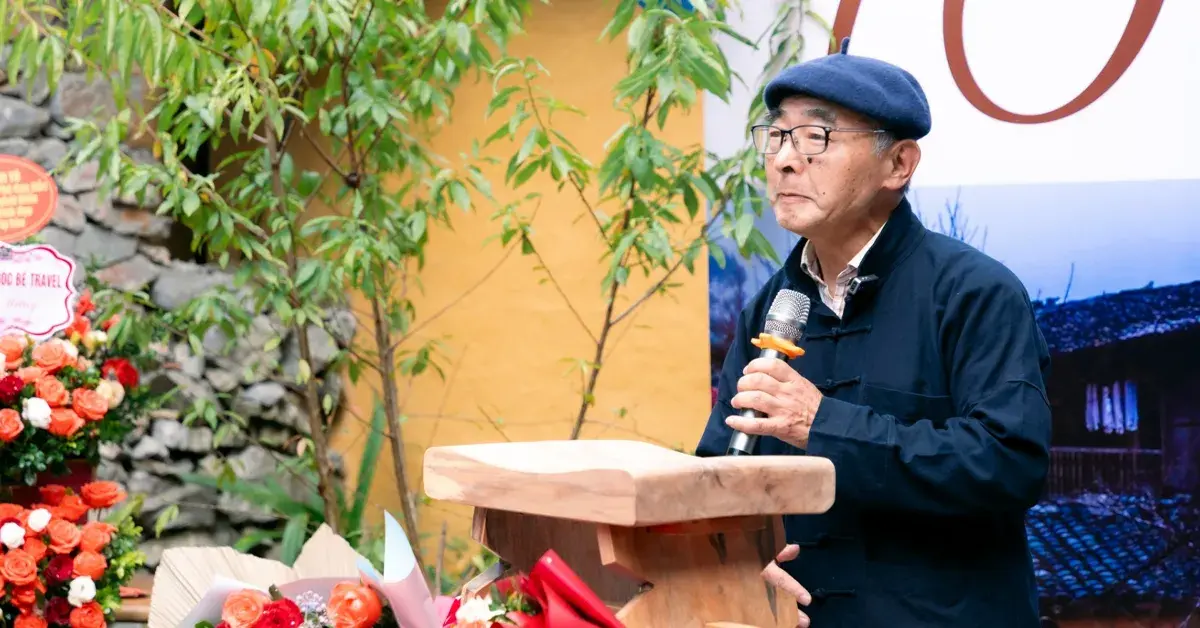
The Man Who Walked Into the Clouds
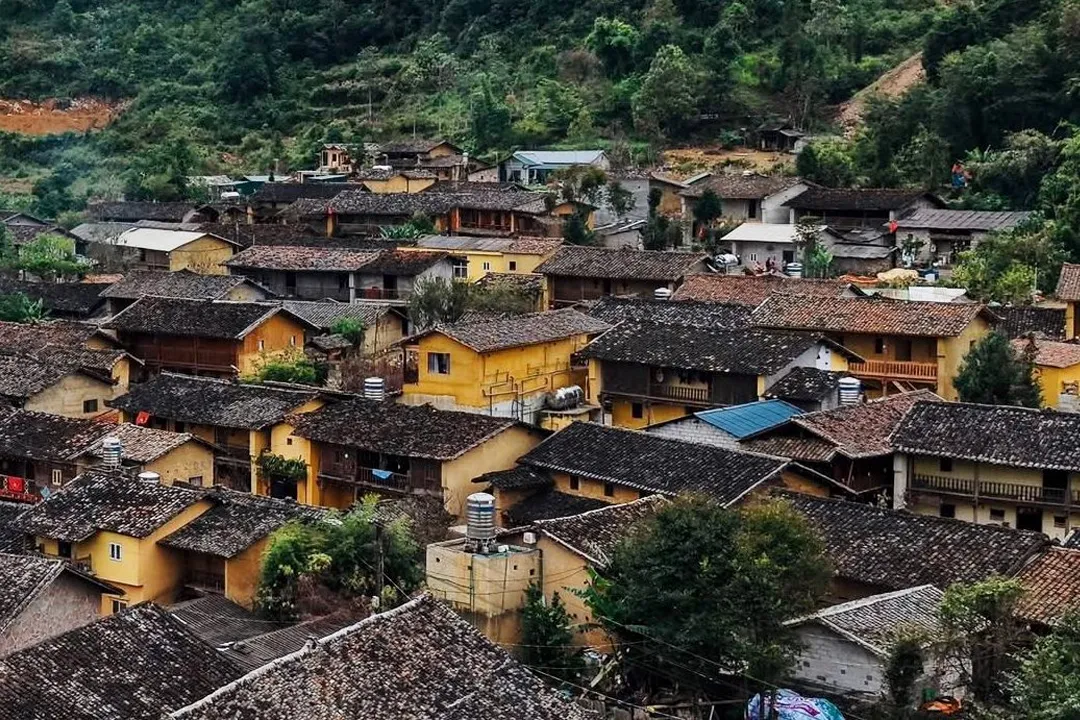
High up in the northernmost frontier of Vietnam, where jagged limestone karsts pierce the sky and winter mists cling tightly to ancient earthen walls, sits Lo Lo Chai. Nestled right under the shadow of the iconic Lung Cu flag tower, this remote hamlet feels suspended in time. For generations, life here moved at the quiet rhythm of traditional farming, hand-woven textiles, and woodsmoke curling from stone-foundation homes.
Today, Lo Lo Chai is celebrated internationally—honored as one of the Best Tourism Villages of 2025 by the United Nations World Tourism Organization (UN Tourism). But behind the glossy travel magazines and the steady stream of curious travelers lies a deeply personal story of transformation, cultural preservation, and an unlikely bond between a remote ethnic minority community and a wandering Japanese traveler named Yasushi Ogura.
This is the story of how one man’s quiet fascination blossomed into a lifelong commitment, helping to turn a forgotten village into a global sanctuary for heritage. Remarkably, this transformation was set in motion by a foreigner—a testament to the fact that kindness and sincerity can transcend all barriers of nationality or language. Join us as we explore the moving story behind the success of Lo Lo Chai and the profound affection that Yasushi Ogura holds for this land—a place he fell in love with at first sight.
Meet Yasushi Ogura: From Tokyo Wanderer to Village Son

Born in Japan, Ogura was not a typical tourist chasing luxury resorts or ticking off bucket-list landmarks. He was a seeker—someone deeply drawn to the quiet resilience of traditional Asian cultures, rugged landscapes, and communities untouched by rapid modernization. Mr. Ogura’s connection to Vietnam began 30 years ago. In 1995, he visited the country for the first time, traveling through most of its provinces and cities from North to South. Recalling the early 2000s, he still shudders at the memory of the "death-defying" routes in Ha Giang—a destination that, to international travelers at the time, remained a complete blank spot on the tourism map. Visitors back then consisted primarily of young backpackers and a handful of foreigners.
“It is the ethnic diversity in Vietnam and the scenic landscape of the mountainous areas that has made me fall for Vietnam, bringing me back, time and again,” said Ogura.
“I especially love Ha Giang for its pristine beauty and unique culture of local ethnic communities. That indigenous customs and traditions are present in the daily life of ethnic people really interests me. Some traditional crafts like linen weaving and wine-making are still well preserved and the traditional architecture is also well demonstrated in the locals’ houses in Ha Giang.”
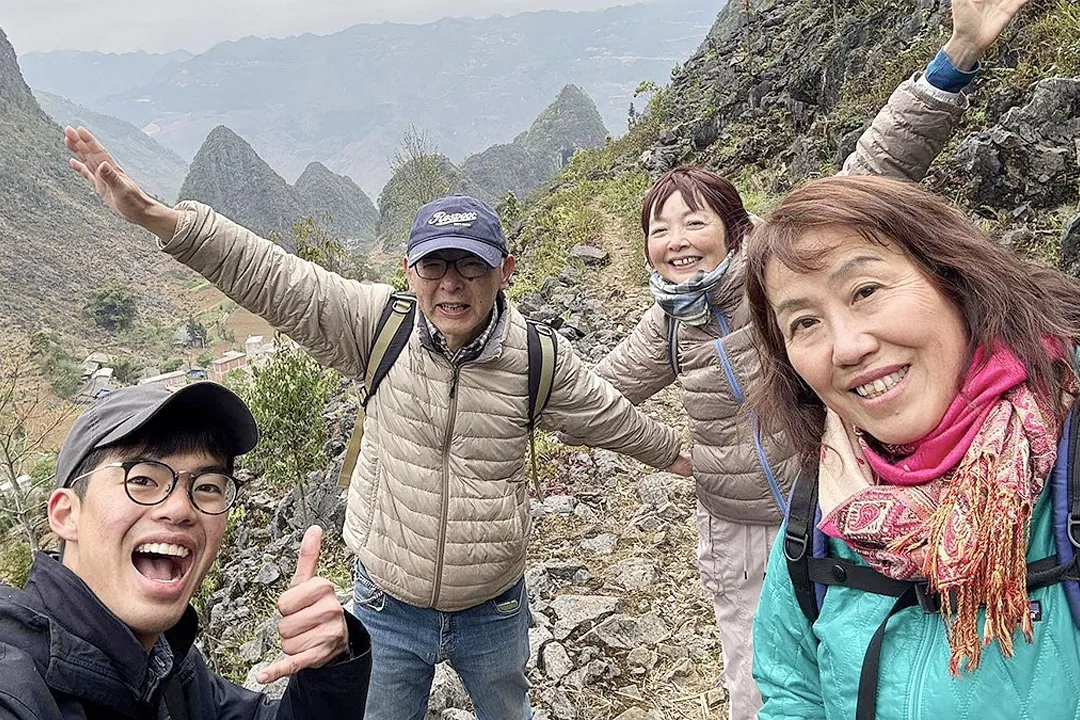
Having fallen in love with the place from that very first visit, he returned every year thereafter—a journey that was far from easy: flying from Tokyo to Noi Bai Airport, taking an overnight bus to Ha Giang, transferring to another vehicle bound for Dong Van, and finally completing the trip to the village either on foot or by hiring a motorbike taxi. However, it was not until 2010—upon returning to Ha Giang and setting foot in Lo Lo Chai—that this Japanese man became truly captivated by the local landscape. The tranquil, rammed-earth dwellings—nestled amidst rolling mountains—along with the distinct, rich cultural traditions of the Lo Lo ethnic people, so deeply resonated with him that he has returned to this place time and time again.
After having retired, Ogura decided to spend more time in Lo Lo Chai. Yet, through these repeated visits, Ogura began to notice subtle, concerning changes in the land he had come to cherish. Traditional rammed-earth houses were gradually being replaced by concrete structures, as locals—seeking a more comfortable life—tore down their ancestral homes. Meanwhile, the indigenous residents, mired in poverty, were forced to leave their village in search of better-paying work elsewhere.
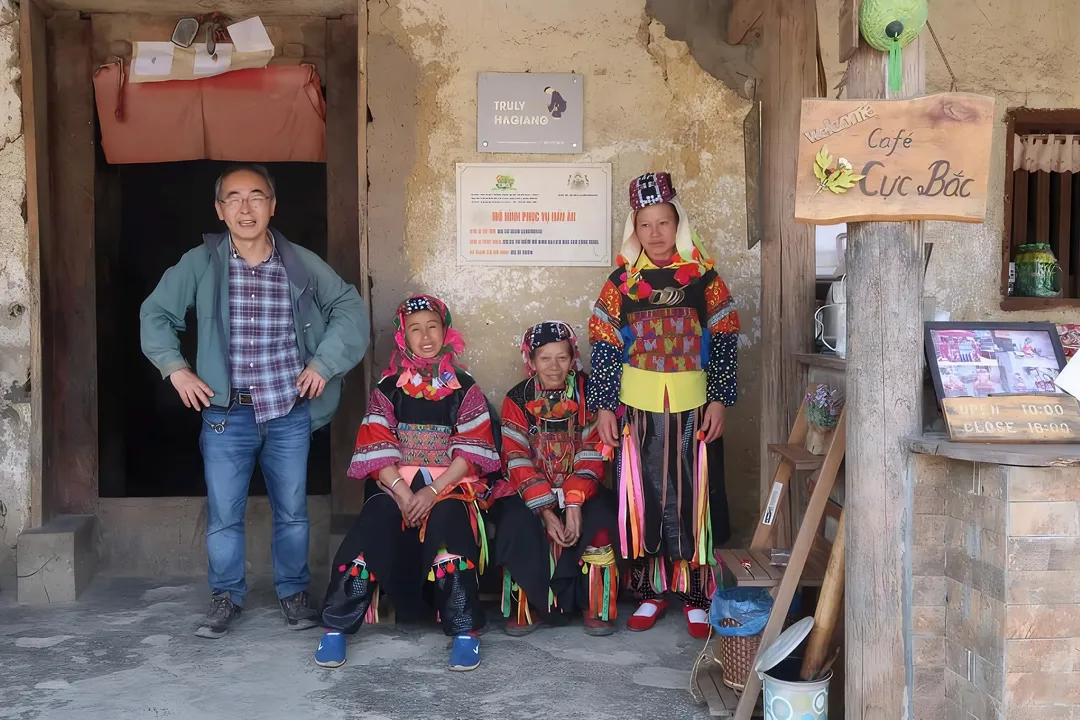
Faced with this sad situation, realizing the tourism potential of the village, Ogura began to spend time talking to the locals about developing tourism; however, most were skeptical and hesitant. This was partly because they could not yet envision how tourism might work, and partly due to their difficult circumstances and lack of capital for investment. Understanding that they cannot be persuaded with mere words, Ogura took actions that might seem utterly "insane" to pragmatic modern-day observers. In 2014, he decided to invest 200 million VND (over one million Japanese yen)—funds he had set aside for his retirement—into opening the "Northernmost Cafe" (Cà phê Cực Bắc) inside a 200-year-old rammed-earth house belonging to the family of Diu Thi Huong in Lo Lo Chai. His objective was to create an economic model that would encourage the local community to preserve their traditional heritage homes.
Yasushi’s philosophy is clear: sustainable tourism requires the preservation of indigenous values. He surveyed over 100 houses in the village, meticulously selecting the oldest and most authentic structures to support. Thanks to the guidance of this “meddlesome” Japanese man, Lo Lo Chai has avoided the trap of cookie-cutter urbanization, retaining its moss-covered rammed-earth walls and intricate stone fences. After 16 years of persistent work in Lo Lo Chai, Mr. Ogura is now expanding his search for traditional rammed-earth houses into the communes of Sang Tung and Thai Phin Tung as part of his "Living Museum" project. This initiative is the culmination of a decade-long survey aimed at identifying a "final resort" to preserve the cultural beauty of Ha Giang.
Having fallen in love with the place from that very first visit, he returned every year thereafter—a journey that was far from easy: flying from Tokyo to Noi Bai Airport, taking an overnight bus to Ha Giang, transferring to another vehicle bound for Dong Van, and finally completing the trip to the village either on foot or by hiring a motorbike taxi.However, it was not until 2010—upon returning to Ha Giang and setting foot in Lo Lo Chai—that this Japanese man became truly captivated by the local landscape. The tranquil, rammed-earth dwellings—nestled amid rolling mountains—along with the distinct, rich cultural traditions of the Lo Lo ethnic people, so deeply resonated with him that he has returned to this place time and time again.
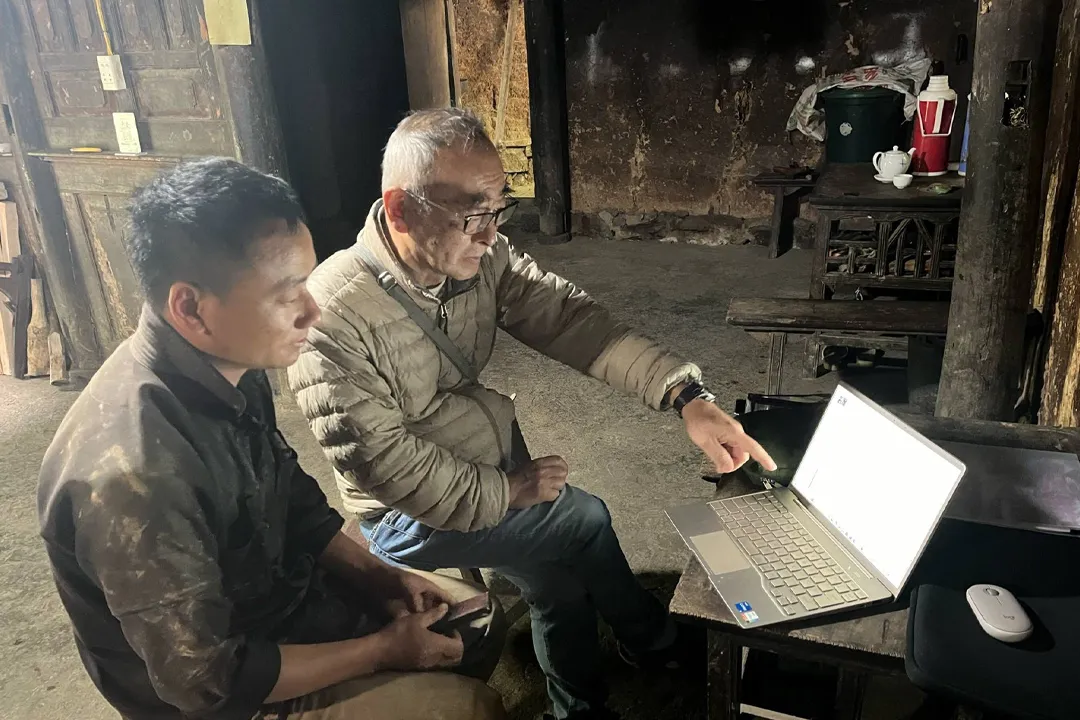
After having retired, Ogura decided to spend more time in Lo Lo Chai. Yet, through these repeated visits, Ogura began to notice subtle, concerning changes in the land he had come to cherish. Traditional rammed-earth houses were gradually being replaced by concrete structures, as locals—seeking a more comfortable life—tore down their ancestral homes. Meanwhile, the indigenous residents, mired in poverty, were forced to leave their village in search of better-paying work elsewhere.
Faced with this sad situation, realizing the tourism potential of the village, Ogura began to spend time talking to the locals about developing tourism; however, most were skeptical and hesitant. This was partly because they could not yet envision how tourism might work, and partly due to their difficult circumstances and lack of capital for investment. Understanding that they cannot be persuaded with mere words, Ogura took actions that might seem utterly "insane" to pragmatic modern-day observers. In 2014, he decided to invest 200 million VND (over one million Japanese yen)—funds he had set aside for his retirement—into opening the "Northernmost Cafe" inside a 200-year-old rammed-earth house belonging to the family of Diu Thi Huong in Lo Lo Chai. His objective was to create an economic model that would encourage the local community to preserve their traditional heritage homes.
Yasushi’s philosophy is clear: sustainable tourism requires the preservation of indigenous values. He surveyed over 100 houses in the village, meticulously selecting the oldest and most authentic structures to support. Thanks to the guidance of this “meddlesome” Japanese man, Lo Lo Chai has avoided the trap of cookie-cutter urbanization, retaining its moss-covered rammed-earth walls and intricate stone fences. After 16 years of persistent work in Lo Lo Chai, Mr. Ogura is now expanding his search for traditional rammed-earth houses into the communes of Sang Tung and Thai Phin Tung as part of his "Living Museum" project. This initiative is the culmination of a decade-long survey aimed at identifying a "final refuge" to preserve the cultural beauty of Ha Giang. According to Mr. Ogura, a "living museum" is not about new construction, but rather about preserving the existing living environment of the local people within their traditional rammed-earth homes. He has established three core principles for the project: no selling of land to outsiders; limiting the number of visitors through high entry fees to maintain tranquility and architectural integrity; and supporting six families in restoring their original rammed-earth houses—intended solely for residential use—to preserve the authentic rhythm of village life.
"People often say I’m doing charity work, but for me, it’s a passion; I came to Ha Giang because I love this place. It’s wonderful that something I enjoy also happens to be of help to others," says Mr. Ogura.
Today, even as Lo Lo Chai shines brightly on the international tourism map, Yasushi Ogura continues to return to the village, much like someone coming home to their own birthplace. Each month, he travels back and forth between Tokyo and Tuyen Quang. He enjoys wandering along winding roads—by bicycle or on foot—reaching the most remote villages in Dong Van and Meo Vac. For him, success is not measured in revenue, but in the smile of Ms. Van as she welcomes international guests, or the confidence with which Mr. Gai speaks about his own ethnic culture.
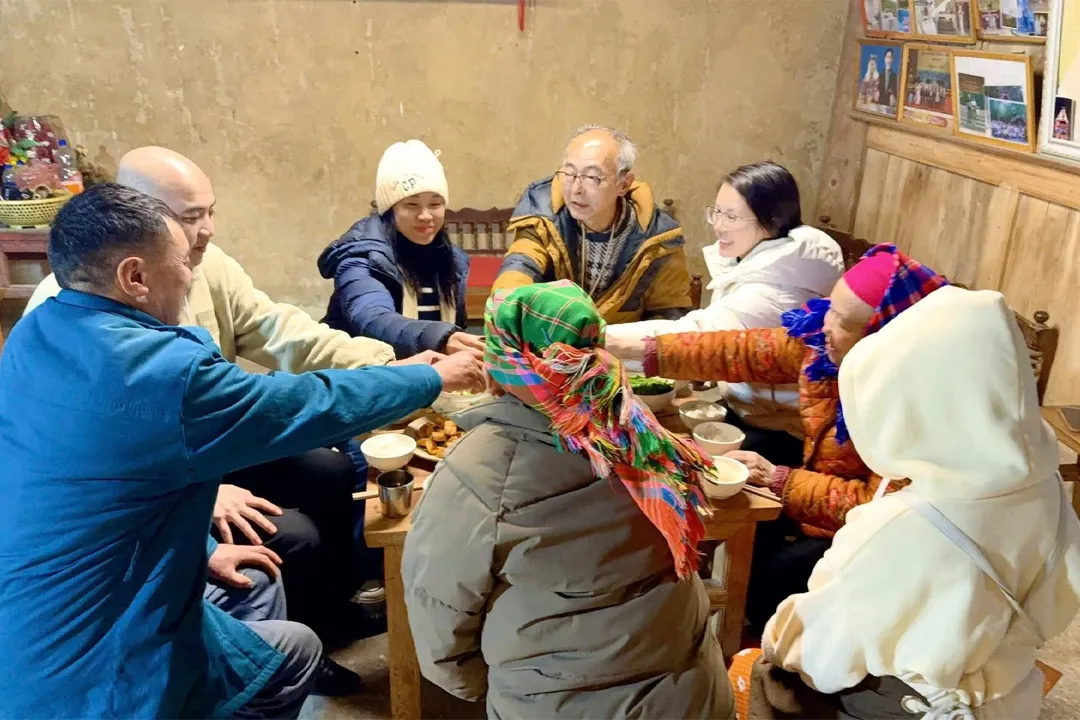
Before and After: The Metamorphosis of Lo Lo Chai
To appreciate how far Lo Lo Chai has come, one must look back at what it used to be. Not long ago, this village was crippled by extreme isolation and poverty. Situated at the very edge of the country, winters brought biting, bone-chilling cold, and harsh terrain made trade and travel exceptionally difficult. Many young villagers left in search of work in the lowlands, and traditional mud-wall houses with yin-yang tiled roofs—architectural marvels of the Lo Lo people—were slowly falling into disrepair due to a lack of resources.
The current owner of the "Northernmost café" (Cà phê Cực Bắc) — who is herself a member of the local Lolo ethnic group — recounts: "Back then, Yasushi visited several times, telling us our house was beautiful and offering to help renovate it into a café. My husband and I were terrified; we worried it would interfere with our spiritual practices and that strangers would enter our home." To alleviate these fears, Yasushi relied not just on financial support, but on sheer persistence. He would bring chicken and meat to her home to share a drink and talk until the family agreed. Beyond the aforementioned investment, Ogura personally ordered furniture from Hanoi to be transported to the village. He also arranged for instructors to teach the family how to prepare coffee, speak English, and host guests. In 2015, the "Northernmost" café officially opened — a space deeply rooted in local culture, where visitors can sip coffee, listen to the chime of service bells, and watch Lo Lo women weave traditional textiles. To this day, this remains a must-visit spot for any tourist arriving in Lo Lo Chai.
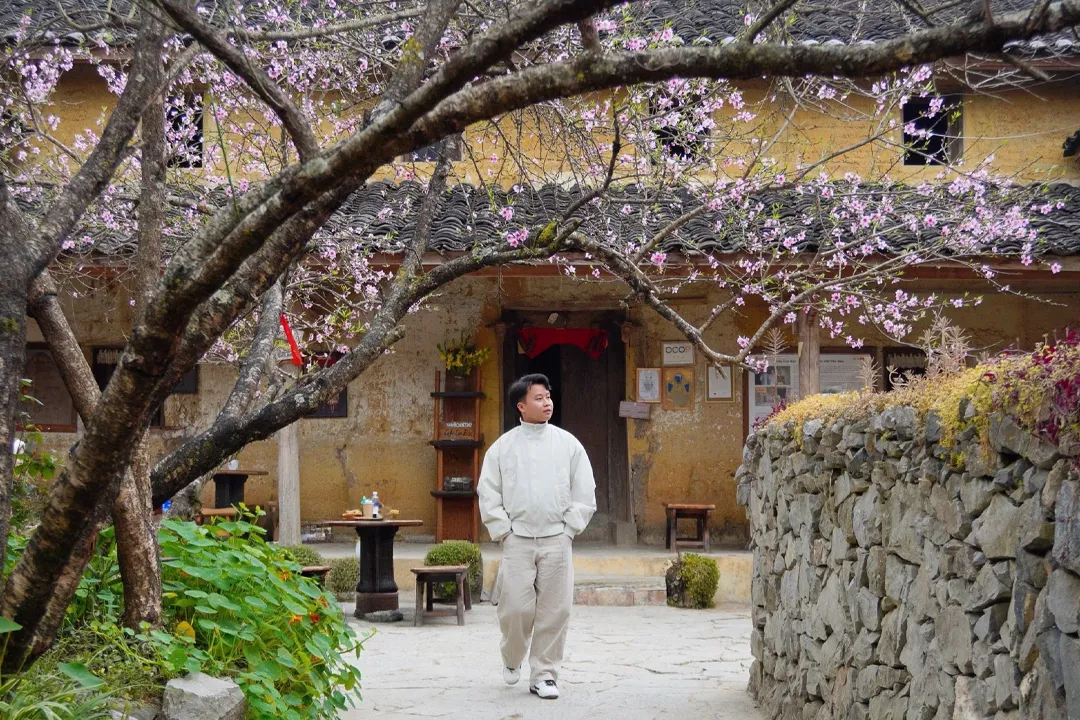
Ogura's efforts were clearly effective. When Lo Lo Chai was officially recognized as one of the Best Tourism Villages in 2025, it marked a monumental milestone. Today, visitors stepping into the village are greeted by a living museum of breathtaking beauty - a legacy of the tireless efforts of Ogura and the people of Lo Lo Chai village in retaining the unique culture of this land at the heart of the country:
- The Traditional Earthen-Wall Homes: The iconic architecture features thick clay walls that keep interiors warm in winter and cool in summer, topped with weathered mossy tiles. Walking past these fences feels like walking through a historical film set.
- The Lo Lo Cultural House & Community Space: The beating heart of cultural preservation, where visitors can witness traditional bronze-drum performances, admire intricate weaving techniques, and try on stunning handmade ceremonial costumes.
- Local Craft Workshops and Cafés: Cozy, rustic corners run by local families where travelers can sip locally grown coffee while overlooking terraced fields and traditional courtyards.
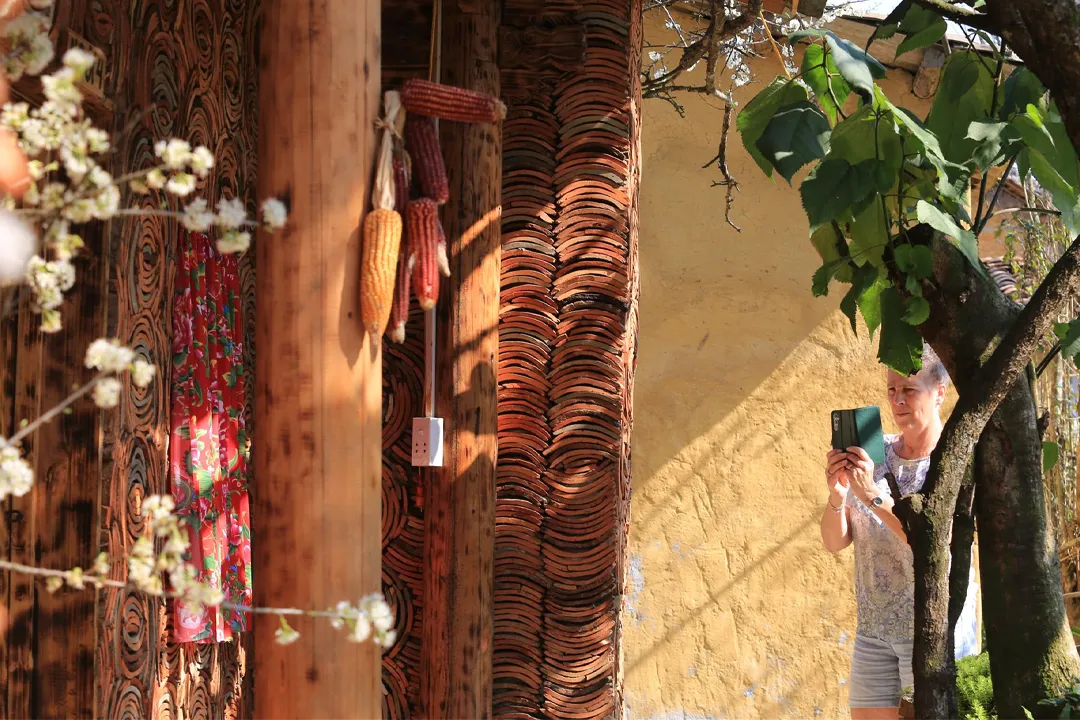
The Present Reality: Beauty, Balance, and Ogura’s Quiet Worries
Walking through Lo Lo Chai today, the atmosphere is vibrant. Laughter echoes from family-run homestays, the smell of woodsmoke mixes with roasted corn, and travelers from across the globe mingle peacefully with local artisans. The village has undeniably triumphed over poverty through sustainable tourism.
Yet, behind his warm smile, Yasushi Ogura carries a deep, quiet concern.
Success, as it often does, brings a double-edged sword. With thousands of tourists pouring in each month, Ogura worries about the subtle erosion of the village’s soul. He watches anxiously as modern commercial signs begin to pop up, as neon lights occasionally clash with the rustic glow of lanterns, and as some historic mud-wall homes are hastily replaced by modern brick structures to accommodate more guests. And most importantly, the Lô Lô people are gradually "losing their autonomy" on their own ancestral land.
In Ogura’s view, a location can only truly qualify as an ethnic cultural village if the indigenous Lolo people themselves directly and actively manage and operate it. However, the current reality is drifting away from this original vision. Ogura has observed a recent, rapid influx of outside businesses and investors leasing land and homes from the Lolo people to establish homestays, restaurants, and cafés. While the structures they have built certainly give the village a new appearance, they have simultaneously distorted the authentic character of Lolo Chai—it is no longer a true reflection of Lolo tradition, but rather a product of the aesthetic tastes of outsiders, driven by a commercial agenda aimed at the swift recovery of investment capital.
For Ogura, Lo Lo Chai is not merely a tourist product to be consumed; it is a fragile sanctuary of human history. His deepest worry—is that in their rush to welcome the world, the villagers might accidentally pave over the very authenticity that made the world fall in love with them in the first place. He constantly reminds his community friends: “A house can be rebuilt with concrete, but once the spirit of the mountain leaves your heart, it never comes back.”
Conclusion: Preserving the Soul in the Mist
The story of Lo Lo Chai and Yasushi Ogura is a powerful reminder of what happens when cross-cultural respect meets grassroots action. It shows us that travel can be a force for good—uplifting local economies while rescuing endangered heritage from fading into history.
As you plan your next great adventure into the northern highlands of Vietnam, consider making your way to this award-winning village. Step softly on its ancient stone paths, listen to the distant echo of bronze drums, and support a community striving to keep its traditions alive. And when you gaze out at the mist rolling over the limestone peaks of Lo Lo Chai, remember that you are not just visiting a place—you are stepping into a delicate, living masterpiece that people like Yasushi Ogura have dedicated their lives to protecting.
Planning a trip to Lo Lo Chai village? Discover travel tips and read more articles about Lo Lo Chai and transport services to Lo Lo Chai from A21 Tours here: