Conquering the Heights of Na Lay Peak
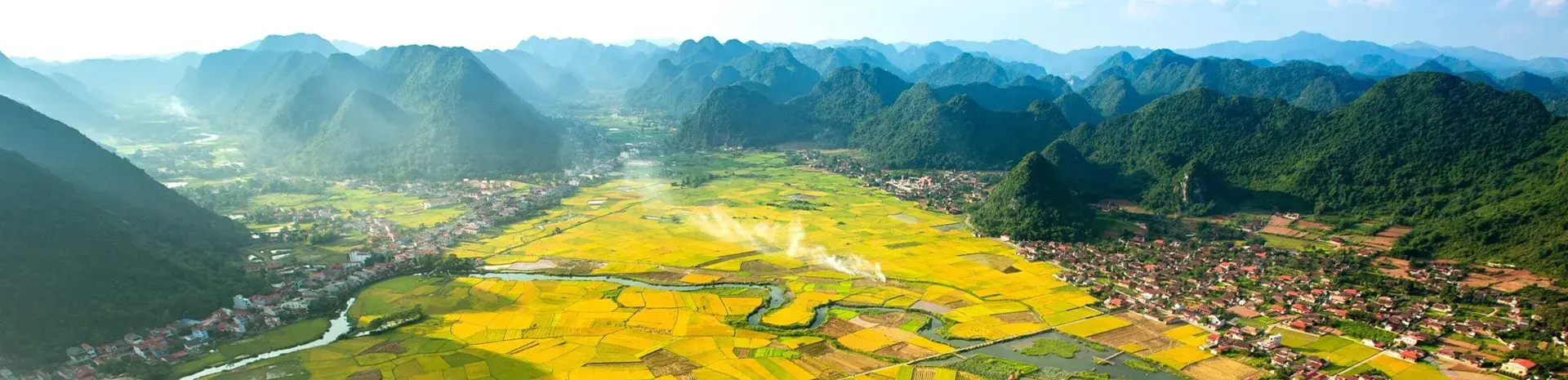
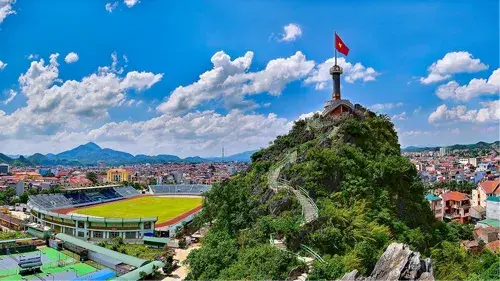
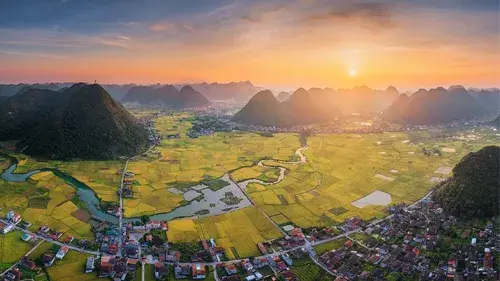
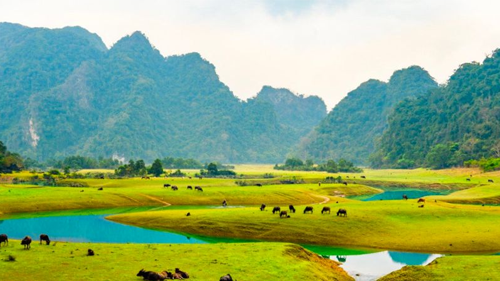
The definitive Bac Son experience begins with a climb to the summit of Na Lay Mountain. Rising 600 meters above sea level, this vantage point offers a staggering 360-degree view of the entire valley. From here, the winding river looks like a silver thread stitched into a quilt of multi-colored rice plots. Unlike the synchronized harvests of Mu Cang Chai, Bac Son’s farmers plant at various intervals, meaning you can often see the unique spectacle of emerald green, lime, and harvest-gold fields all at once. The ascent involves roughly 1,200 stone steps, winding through lush forest and limestone crags, rewarding every ounce of effort with one of the most cinematic vistas in Southeast Asia.
Cultural Immersion in Quynh Son Village
At the heart of the valley lies Quynh Son, a community tourist village where the Tay people have lived for generations. The village is a living museum of traditional architecture, featuring over 400 stilt houses all oriented toward the south to catch the auspicious mountain breeze. Walking through the village, you can hear the rhythmic clack of looms as women weave traditional fabrics or visit the local workshops where "yin-yang" roof tiles are still handcrafted using ancient techniques. Staying in a local homestay is essential; it’s an opportunity to share a meal of roasted duck and "Xoi den" (black sticky rice) by the hearth, gaining a deep appreciation for the quiet dignity of highland life.
Pro-Traveler Experience Tips
For those aiming to capture professional-grade content, Bac Son requires specific preparation. The "Golden Hour" here is unlike anywhere else in Vietnam, but it demands an early start. To catch the sunrise from Na Lay Peak, you must begin your hike at approximately 3:30 AM or 4:00 AM. Since the path is a series of steep stone steps that can become incredibly slippery with morning dew or humidity, high-traction hiking boots are non-negotiable. If you are using a high-resolution camera like a Sony A7 series, bring a sturdy travel tripod—the wind at the microwave station on the summit can be surprisingly strong, causing micro-jitters in long-exposure shots. Lighting is your biggest challenge and your best friend. The valley often fills with a thick "sea of clouds" in the early morning. While beautiful, it can completely obscure the rice fields. The trick is to wait; as the sun rises, the mist usually breaks into ethereal ribbons that drift between the karst peaks, creating layers of depth that are perfect for telephoto compression shots. A 70-200mm lens will help you to pick out the details of the stilt houses nestled against the mountain roots. For videographers, a drone is highly recommended as the perspective from 100 meters up truly reveals the "checkerboard" pattern of the fields, but be aware of the microwave tower at the peak—stay at least 50 meters away to avoid electromagnetic interference with your GPS signal. Seasonality is the final key. While the "Golden Season" in late July and October is the most popular, visiting in late May or June offers a "Mirror Season" effect when the fields are flooded with water, reflecting the limestone peaks like a giant broken glass. If you visit during the harvest, try to engage with the farmers. A polite request to film their work often results in a friendly invitation to try your hand at harvesting. Respect the local customs: always remove your shoes before entering a Tay stilt house and avoid pointing your feet toward the family altar. Lastly, pack a powerful headlamp for the pre-dawn hike; smartphone flashlights are insufficient for the uneven terrain and will leave you with no hands free for balance.