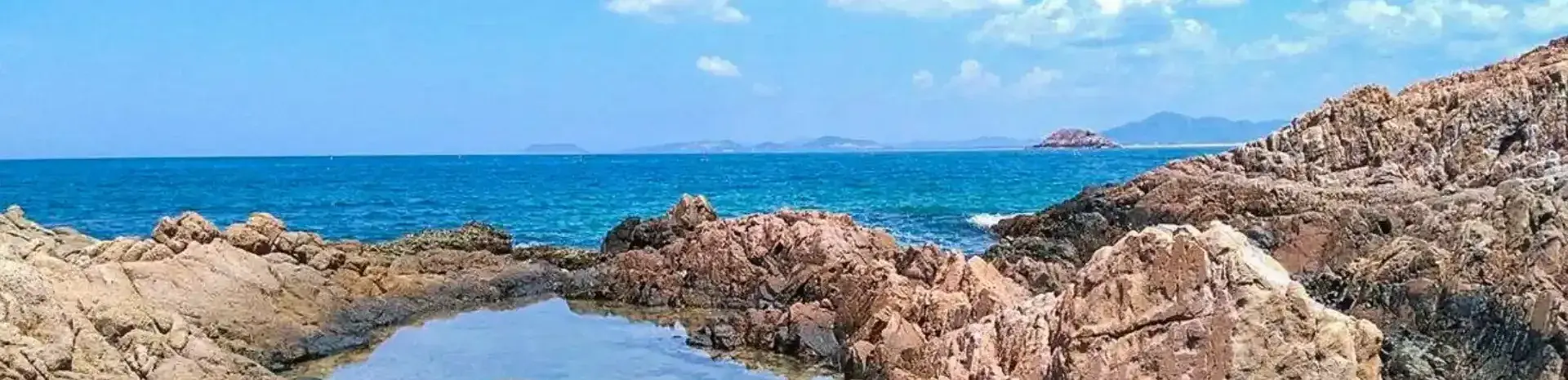
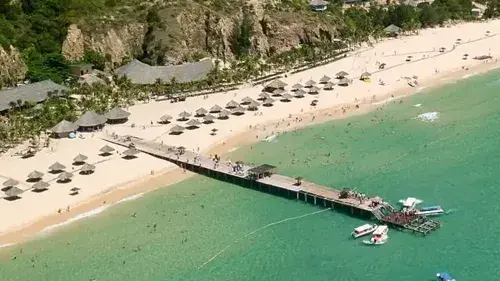
Tucked between a crescent of white sand and a steep green hillside, Bai Xep is the kind of place that seems to have slipped through time’s fingers. This tiny fishing village, just 15 minutes south of Quy Nhon, has no high‑rise hotels, no jet skis, no neon signs. Instead, you’ll find traditional coracle boats drawn up on the beach, women mending nets in the shade, and a handful of simple homestays where the day’s catch becomes your dinner. For travelers seeking an authentic coastal Vietnam experience – raw, quiet, and genuinely welcoming – Bai Xep offers a rare escape from the crowded resorts of better‑known destinations.
A Fishing Village That Refuses to Perform
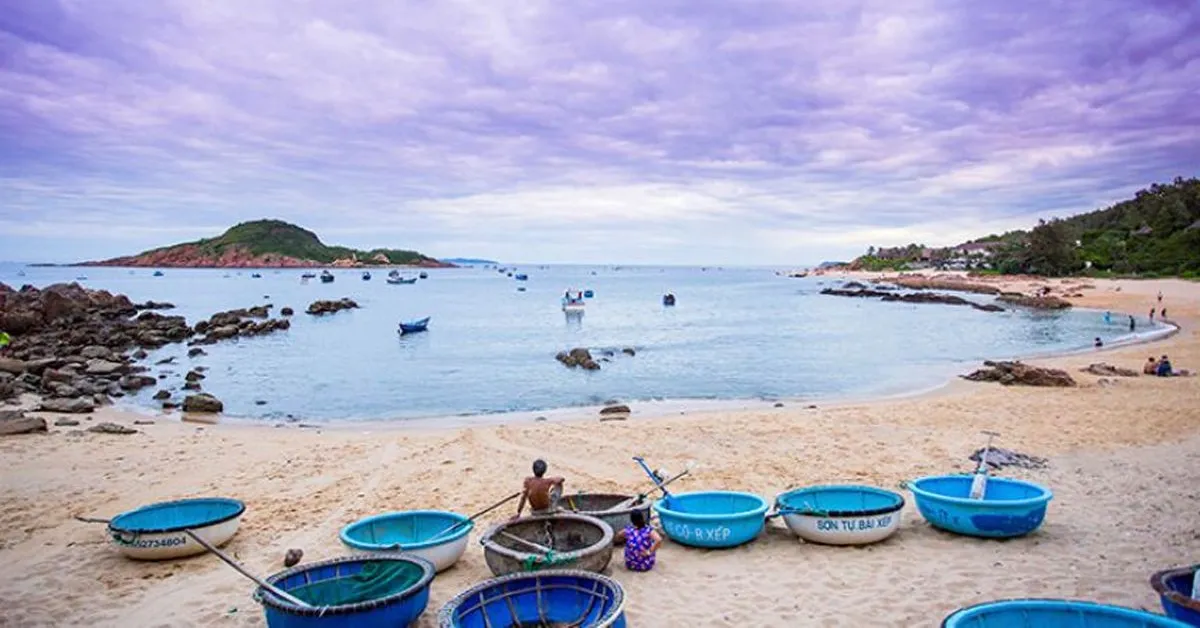
Bai Xep is not a tourist attraction – it is a working fishing community that happens to welcome visitors. Approximately 150 families live here, most depending on the sea for their livelihood. Each morning, before dawn, the boats go out. By 7:00 AM, the catch is back: gleaming mackerel, squid, crab, and the occasional grouper. The beach becomes an open‑air market, with fish spread out on tarpaulins and neighbours bargaining in rapid Binh Dinh dialect. For travelers, this daily rhythm is the main attraction. There are no planned cultural performances, no “traditional fishing shows”. What you see is real life: men repairing engines, women weaving baskets, children chasing dogs along the sand. The authenticity is palpable. Unlike villages that have been turned into open‑air museums, Bai Xep remains unselfconscious. At the northern end of the beach, a rocky headland is topped with a small Buddhist shrine. Locals come here to pray for safe voyages, leaving incense sticks and small offerings of fruit. The view from the shrine looks back across the bay – the curve of beach, the blue water, and the distant city skyline of Quy Nhon, just far enough to feel like another world. For photographers, the village is a treasure box of candid moments. The best light is early morning (6:00–7:30 AM) when the rising sun turns the boats’ hulls into saturated colours against the silver water. A 70‑200mm lens allows you to capture fishermen at work without intruding. The village has no entrance gate, no ticket booth, no official “opening hours”. You simply arrive, park your motorbike under a coconut tree, and wander. That freedom, in an era of gated attractions, feels like a small luxury.
The Beach and the Bay: Swimming, Kayaking, and Absolute Calm
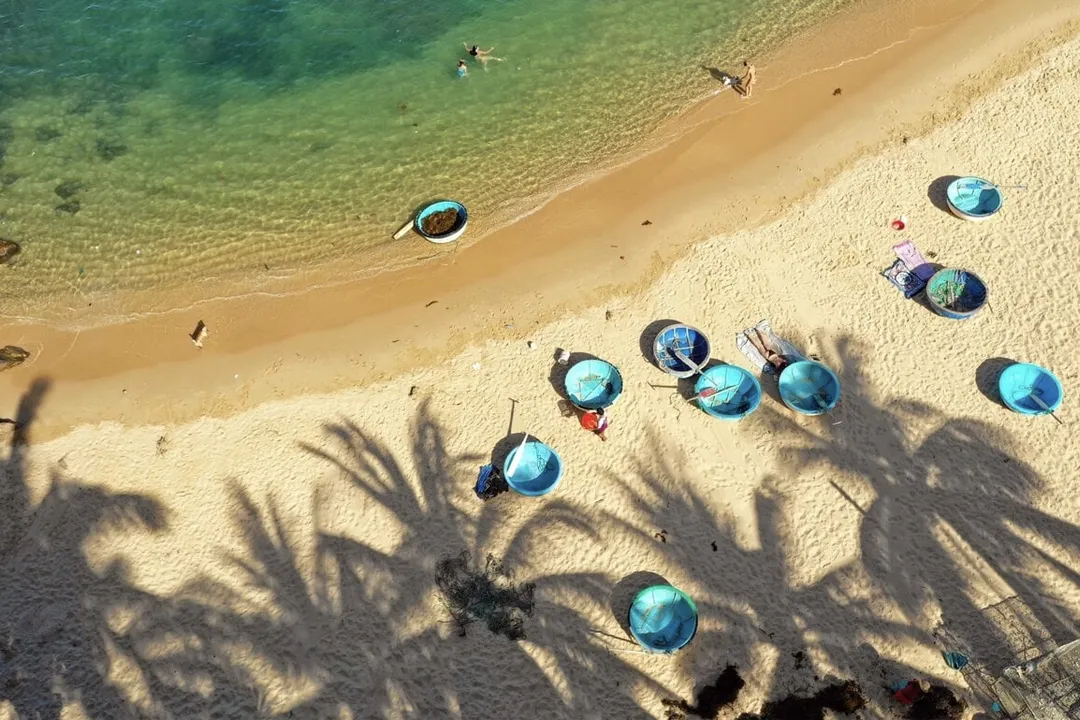
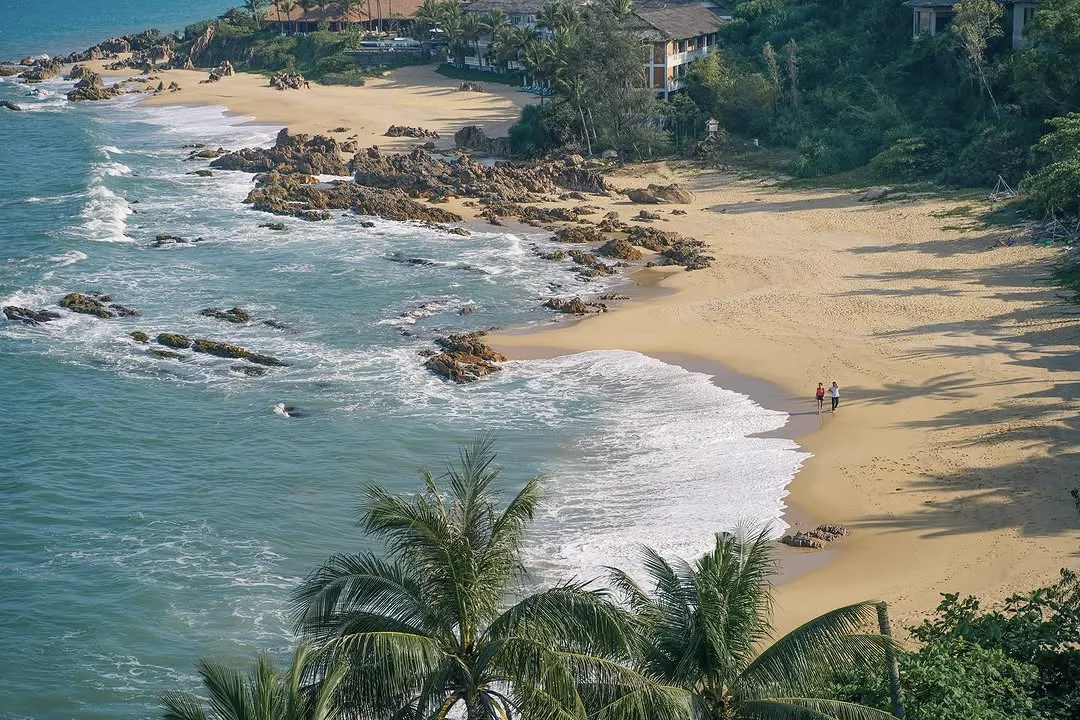
The beach at Bai Xep is modest in length – perhaps 400 metres – but generous in charm. The sand is a soft, golden‑white, mixed with tiny fragments of shell. The slope into the water is gentle, making it safe for children and hesitant swimmers. Unlike the more famous Ky Co beach with its dramatic turquoise, Bai Xep’s water is a quiet, opaque green – less spectacular but more intimate. On weekdays, you may share the entire beach with only a handful of locals. On weekends, Vietnamese families from Quy Nhon arrive with picnic baskets and inflatable rings, filling the shore with laughter. The bay is sheltered by headlands to the north and south, so the water is usually calm. Kayaks are available for rent from a small stall near the centre of the beach (50,000–70,000 VND / ~2–3 USD per hour). Paddling out into the bay, you can circle Hon Kho Island (about 1 km offshore) – a rocky outcrop covered in dry scrub, home to seabirds and small caves. Kayaking at sunset is especially beautiful: the sun drops behind the hills of Quy Nhon, and the sky turns shades of apricot and lavender. For those who prefer to stay dry, the southern end of the beach has a natural tide pool formed by boulders. At low tide, it fills with warm, shallow water and small fish – children love it. The village has no lifeguards, so swim within your depth and check local advice if the wind is strong. After a swim, you can rinse off at one of the freshwater showers (donation: 5,000 VND / ~0.20 USD) near the homestay area. There are no sun loungers for rent – bring a sarong or towel and claim a patch of sand. This lack of commercial infrastructure is part of the appeal. Bai Xep asks nothing of you except your respect.
Homestays, Seafood, and Slow Living
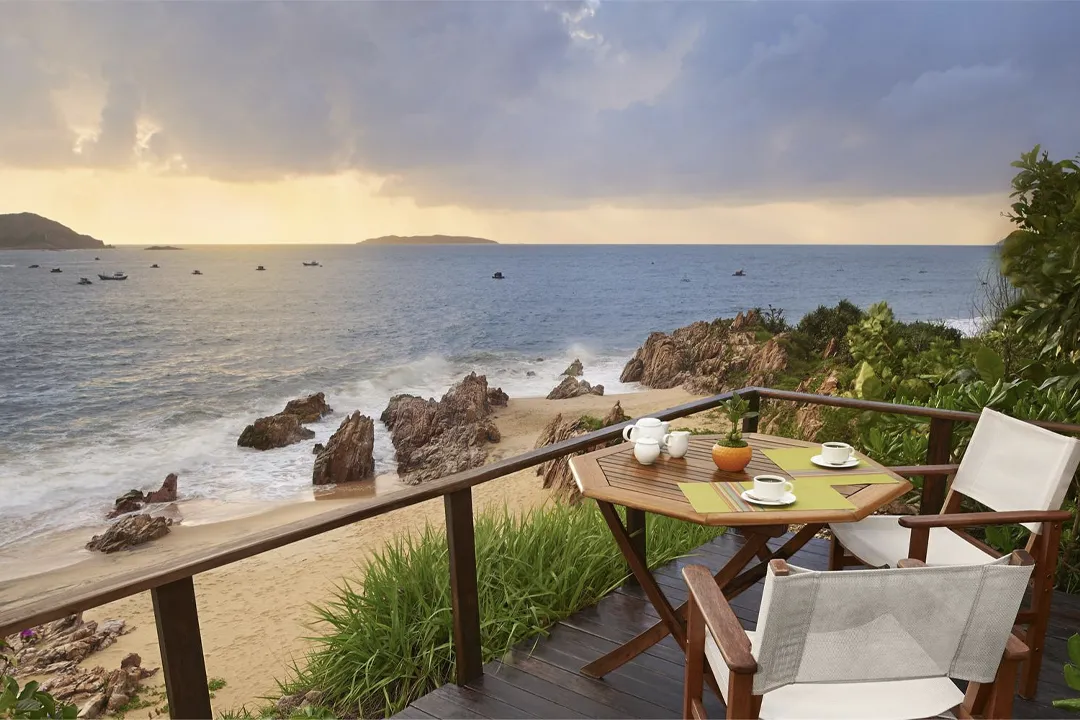
What truly sets Bai Xep apart from other beaches in Quy Nhon is the opportunity to stay overnight. A handful of homestays – Life’s a Beach, Bai Xep Homestay, and Seaside Bungalow – offer simple, rustic accommodation. Rooms are basic but clean: mosquito nets, concrete floors, and open‑air bathrooms with views of the garden. Prices range from 400,000 to 800,000 VND (~17–33 USD) per night. The real magic happens at dinner. Most homestays offer meals prepared with that morning’s catch. You might sit on a wooden deck, feet in the sand, eating grilled squid (100,000–150,000 VND / ~4–6 USD), steamed clams in lemongrass, and fresh spring rolls. The food is not fancy, but it is honest – and often the best seafood you will have in central Vietnam. The homestay owners, usually local families, become your hosts. They can arrange fishing trips (200,000–300,000 VND / ~8–12 USD per person for a morning with a local fisherman), cooking classes (250,000 VND / ~10 USD), or simply give you a hammock and a book. Life moves slowly here. There is no nightlife, no karaoke bars, no discos. Instead, after dinner, the village goes quiet. You hear the waves, the occasional dog, and the distant rumble of a boat engine. The stars, unobscured by city lights, spill across the sky. For travelers coming from the noise of Hanoi or Ho Chi Minh City, this silence can be almost shocking – and deeply restorative. Many guests book one night and stay three. The village has a small convenience shop selling water, beer, and snacks (open 7:00 AM–8:00 PM). There is no ATM, no pharmacy, no medical clinic. Bring everything you need. But what Bai Xep lacks in amenities, it compensates for in atmosphere – a rare, endangered commodity in the age of mass travel.
Pro‑Traveler Experience Tips
For the best experience, stay overnight. The village is magical at dawn (5:00–6:00 AM) when the fishing boats return and the beach comes alive. For day visitors, arrive before 9:00 AM to find parking (free, under the trees) and claim a shady spot. The beach faces east, so mornings are cooler; afternoons (1–3 PM) can be hot with little shade. Bring a sun hat, reef‑safe sunscreen, and plenty of water – the small shop runs out of bottled water on busy weekends. For photographers, the golden hour before sunset (4:30–5:30 PM) lights up the hillside behind the village, making the coconut palms glow. A drone is permitted (no restrictions), but avoid flying low over the village out of respect for residents. For swimmers, the water is calmest from March to August. From September to December, occasional storms bring larger waves – check with your homestay owner before swimming. There are no public lockers; keep valuables with you or leave them at your accommodation. Restrooms: the homestays offer paid access for non‑guests (10,000 VND / ~0.40 USD). The village has no restaurants except those attached to homestays; day visitors should bring a picnic or eat at a nearby roadside stall on the main road (phở or cơm tấm from 30,000 VND / ~1.25 USD). Bug repellent is essential, especially at dusk.
Suggested multi‑point itinerary including Bai Xep: Start at Bai Xep (7:00–9:30 AM) to experience the morning fishing return, swim, and have a beachside breakfast (noodles or baguette at a homestay, 50,000 VND / ~2 USD). Then drive 15 minutes back north to Ghenh Rang (10:00–11:30 AM) – visit Han Mac Tu’s grave, Hoang Hau Beach, and the Thi Nhan Hill viewpoint (free). Enjoy a seafood lunch at a restaurant near Ghenh Rang (grilled fish set 150,000 VND / ~6 USD). Afterwards, drive 10 minutes further north to Quy Nhon Beach (1:00–2:30 PM) – a short stroll along the city’s palm‑lined promenade, or visit the Twin Towers (Thap Doi, entrance 25,000 VND / ~1 USD). End the day at Eo Gio (3:00–4:30 PM) – the dramatic wind cliff, 25 minutes north of Quy Nhon (entrance 25,000 VND / ~1 USD) to catch the sunset. This loop covers approximately 40 km. A private car with driver for 8 hours costs 800,000–1,000,000 VND (~33–42 USD). A motorbike self‑guided tour costs fuel approx. 80,000 VND (~3.50 USD). For a guided experience, join a “South Quy Nhon Discovery” tour (Bai Xep, Ghenh Rang, Ky Co) offered by local agencies for 500,000–700,000 VND (~21–29 USD) per person, including lunch – book one day in advance. Always carry cash (small denominations for parking, coffee, and tips). The roads are well‑signposted, but offline maps on your phone are recommended as mobile signal can be weak near Bai Xep in the late afternoon.