If you are looking for multiple transfers around Vietnam, Cambodia, Laos and Thailand – simply send us your travel request.
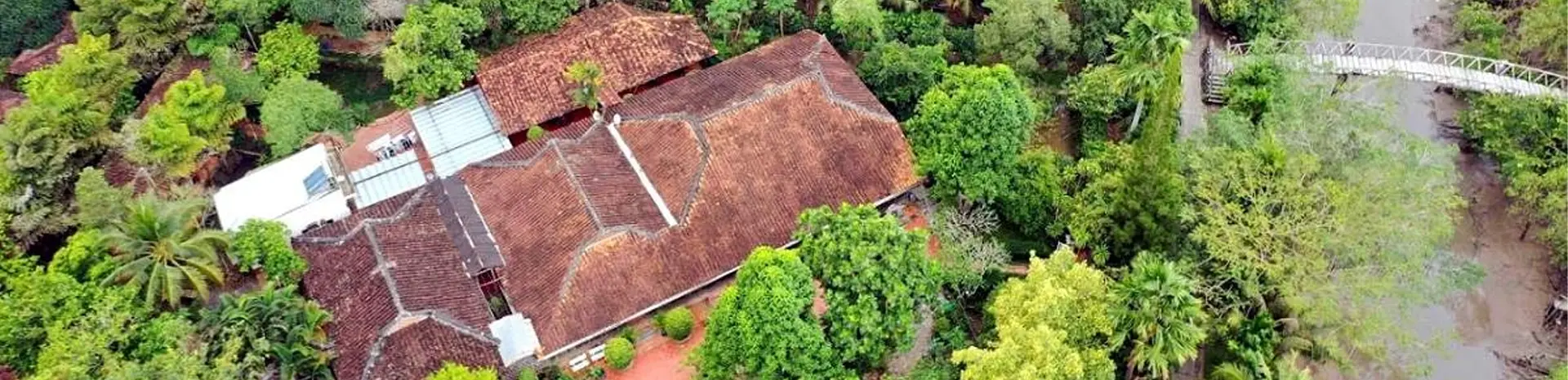
Dong Hoa Hiep Ancient Village is a "living museum" nestled along the scenic Cai Be River in Tien Giang Province. Recognized as one of Vietnam's three most significant ancient villages, it boasts a stunning collection of over 30 historic homes, some dating back over 200 years. Unlike the bustling commercial centers of the Delta, Dong Hoa Hiep offers a tranquil retreat where traditional Southern Vietnamese architecture meets French colonial elegance. Visitors can wander through sun-dappled fruit orchards, enjoy tea with local heritage keepers, and experience the refined lifestyle of the region’s 19th-century elite in a peaceful, garden-like setting.
.webp)
The village is renowned for its "Nha Vuon" (Garden Houses), which perfectly blend Eastern philosophy with Western aesthetics. The most famous, Mr. Kiet’s Ancient House, was built in 1838 and features 108 pillars made of precious ironwood. As you walk through, look closely at the intricate mother-of-pearl inlays and the yin-yang tiled roofs. Another must-visit is the Ba Duc Ancient House, constructed in 1850, which showcases a unique façade inspired by French architecture while maintaining a traditional Vietnamese soul inside. These are not just buildings; they are family legacies preserved through generations.
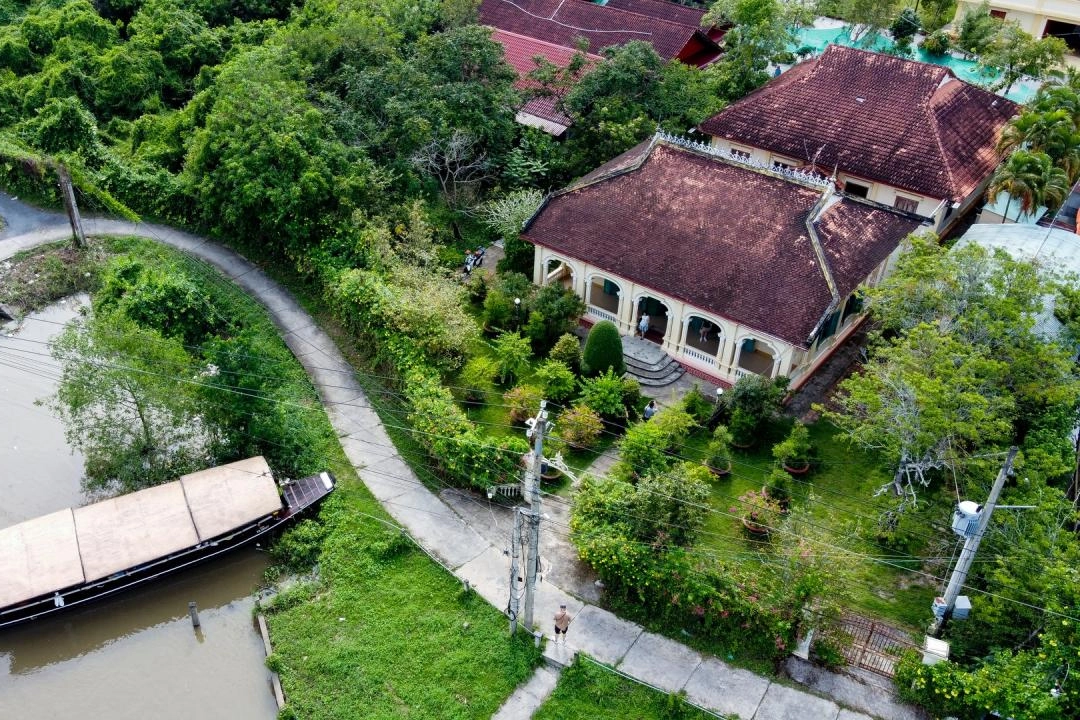
Dong Hoa Hiep isn't just about the houses—it’s about the environment they breathe in. The village is surrounded by 1.8 hectares of lush orchards filled with pomelo, longan, and mango trees. I recommend taking a rowing sampan through the narrow Dong Hoa Hiep canal. The slow pace allows you to witness the "riverine" lifestyle up close: locals washing fruit by the banks or small boats carrying goods to the nearby market. It is the definition of slow travel, where the journey itself is the destination.
If you want to experience Dong Hoa Hiep like a true insider, stay overnight in a heritage homestay. Both Mr. Kiet’s and Ba Duc’s houses offer authentic lodging. There is nothing quite like waking up to the sound of roosters in a 200-year-old wooden room and having a traditional breakfast in the courtyard.
For the best light for photography, arrive between 7:30 AM and 9:00 AM. The sun filters through the orchard leaves at a low angle, casting a golden glow on the dark wooden pillars of the ancient houses. Also, don't just look at the big houses! Walk the small paved paths between the hamlets; you’ll find hidden pagodas and friendly locals who are often happy to share a slice of fresh fruit if you offer a polite "Xin Chao." Lastly, always bring high-quality mosquito repellent—the lush gardens that make this place beautiful are also home to some very persistent insects!