Overview
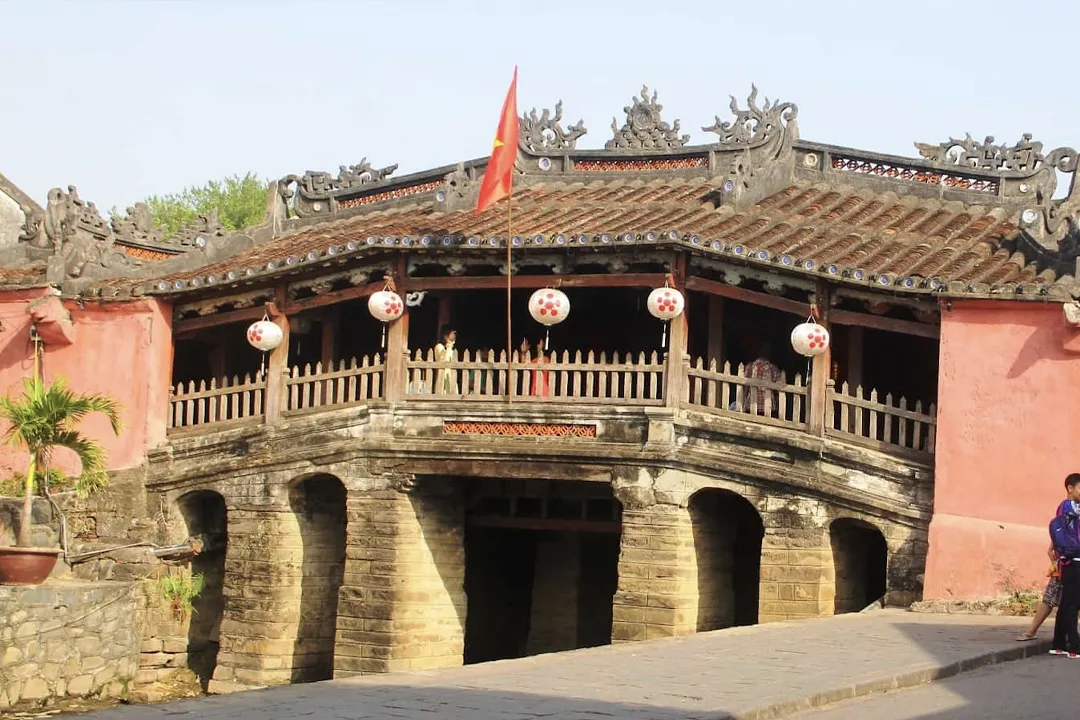
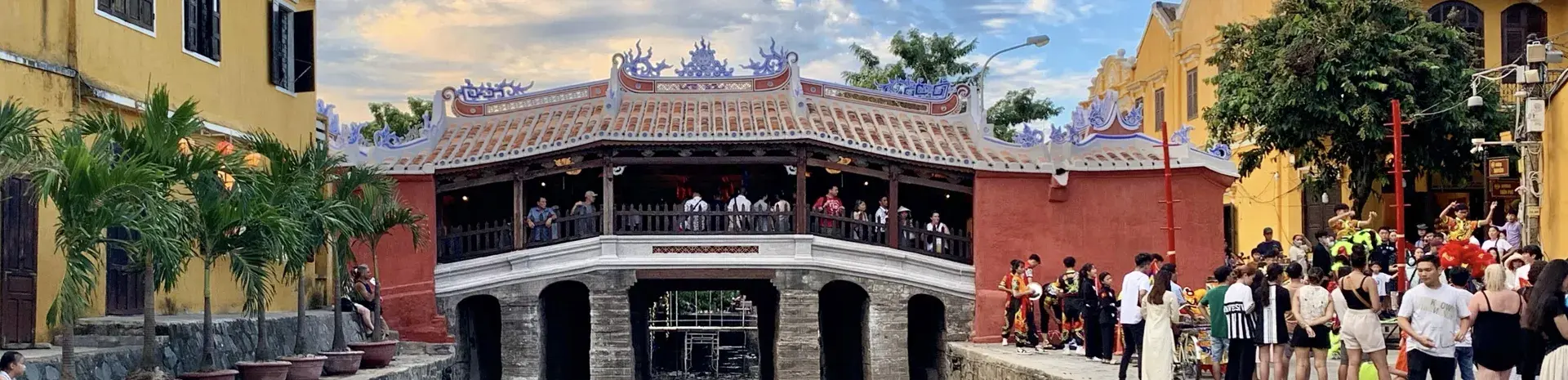
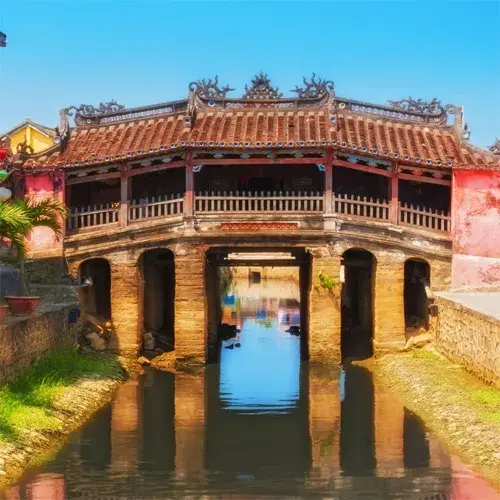
Located in the heart of Hoi An Ancient Town, a UNESCO World Heritage Site in Quang Nam Province, the Japanese Bridge (Chùa Cầu) is an 18-metre covered footbridge with a temple perched atop—the only structure of its kind in Vietnam. Built by Japanese merchants in the late 16th century, it symbolises the harmonious coexistence of the Japanese and Chinese communities during Hoi An's golden era as a thriving international trading port. The bridge's unique feature lies in its fusion of Japanese, Chinese, and Vietnamese architectural styles, blending intricate carvings, a curved tiled roof, and guardian statues of monkeys and dogs at both ends. The ideal time to visit is early morning (7:00–9:00 AM) for peaceful, crowd-free exploration and soft light for photography
What to see at this location
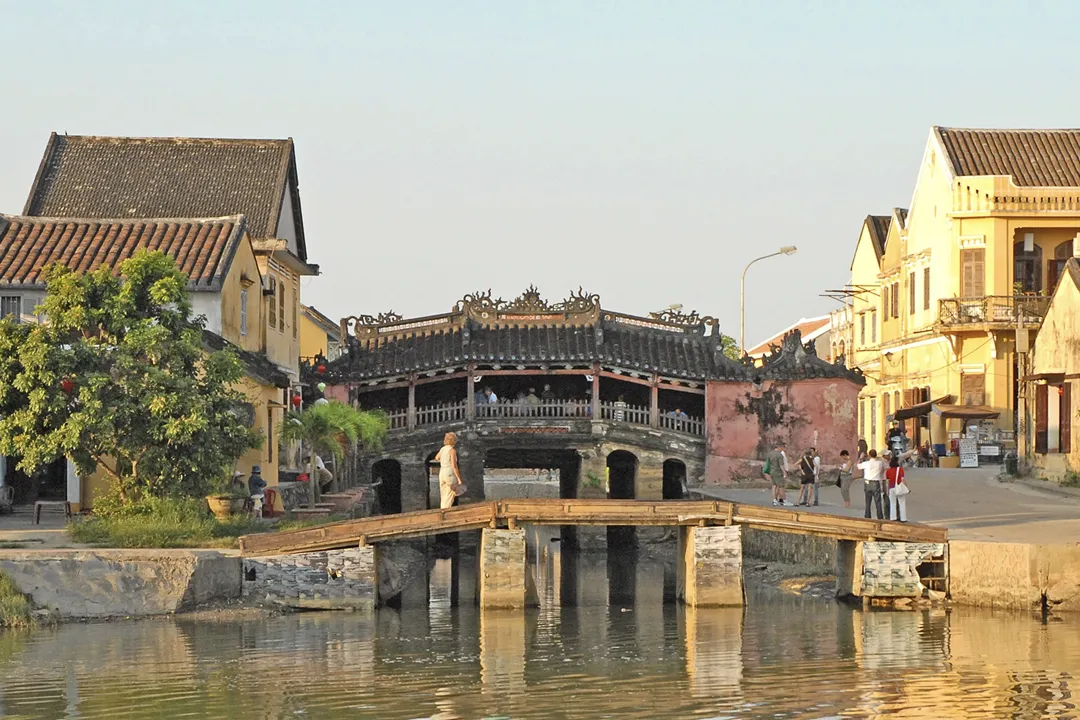
Constructed around 1593–1595 by Japanese merchants, the bridge was intended to connect the Japanese quarter with the Chinese settlement on the opposite bank. In 1653, a temple was added to the northern side of the structure, transforming it into a "Pagoda Bridge" and giving it its Vietnamese name, Chùa Cầu. During a visit in 1719, Lord Nguyễn Phúc Chu bestowed upon it the official name Lai Viễn Kiều, meaning "Bridge to Welcome Guests from Afar".
Spanning 18 metres in length and 3 metres in width, the bridge features a wooden frame, a curved roof covered with yin-yang tiles, and a small temple built into its northern side. It comprises three separate but integrated roof systems, with the central section housing an inner sanctuary dedicated to Tran Vo Bac De, a Taoist guardian deity believed to protect the town from floods and misfortune. The walkway contains seven wooden compartments on either side, adorned with detailed carvings that reflect a rich tapestry of cultural influences.
.webp)
The most captivating highlight is standing at the bridge's entrance and gazing up at the ornate plaque bearing the three Chinese characters Lai Vien Kieu (來遠橋) while observing the guardian statues of a monkey at one end and a dog at the other. According to legend, construction began in the Year of the Monkey and concluded in the Year of the Dog, explaining the presence of these animal guardians.
What to see nearby
Hoi An Ancient Town
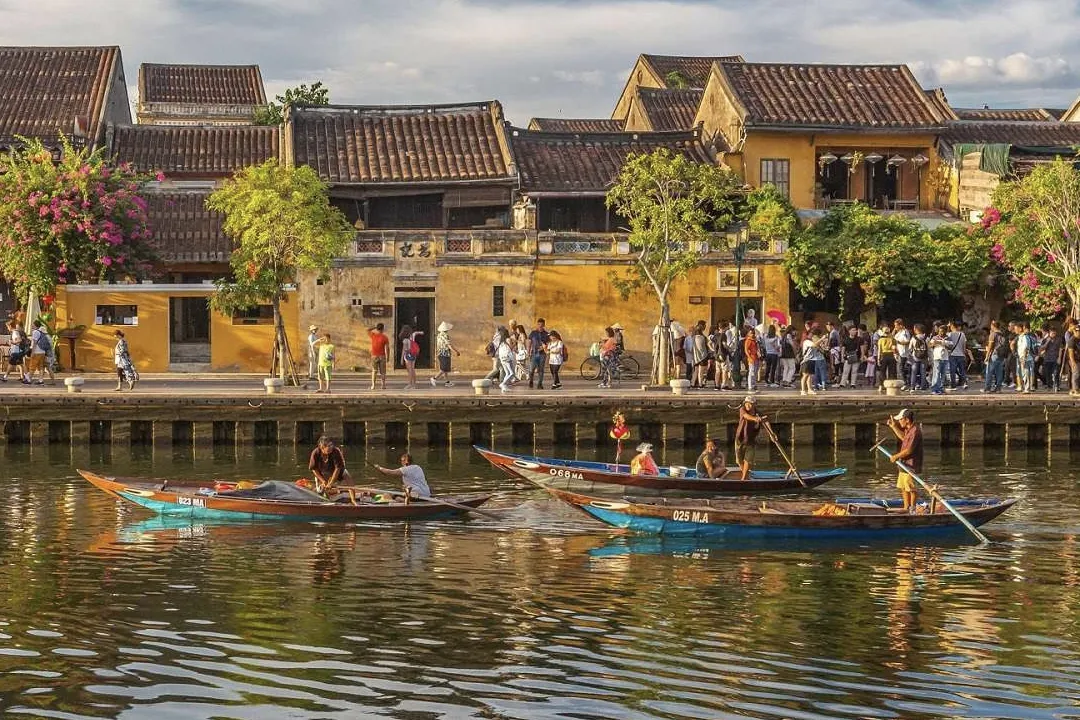
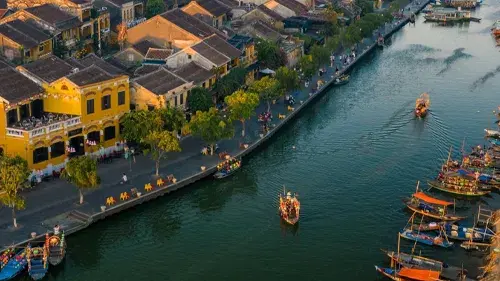
Wander through the UNESCO‑listed historic district that surrounds the bridge. Over 1,100 timber-frame buildings—ranging from ancient merchant houses to Chinese assembly halls—line its lantern‑lit streets, preserving the town's 16th‑century trading port atmosphere. The entire town is a pedestrian‑only zone after 10:00 AM.
- Location: Minh An Ward, Hoi An City
- Open time: 24/7 (ticket booths 8:00 AM – 9:30 PM)
- Suggested activities: Walk the lantern-streets, explore ancient houses, shop for silk and handicrafts
- Must-try local food: Cao lầu – signature thick noodles with pork and crispy croutons – 50,000–70,000 VND ($2.15–$3.00)
- Entry fee: 120,000 VND ($5.00) for foreign visitors (includes 5 sites)
Phuc Kien Assembly Hall (Fujian Assembly Hall)
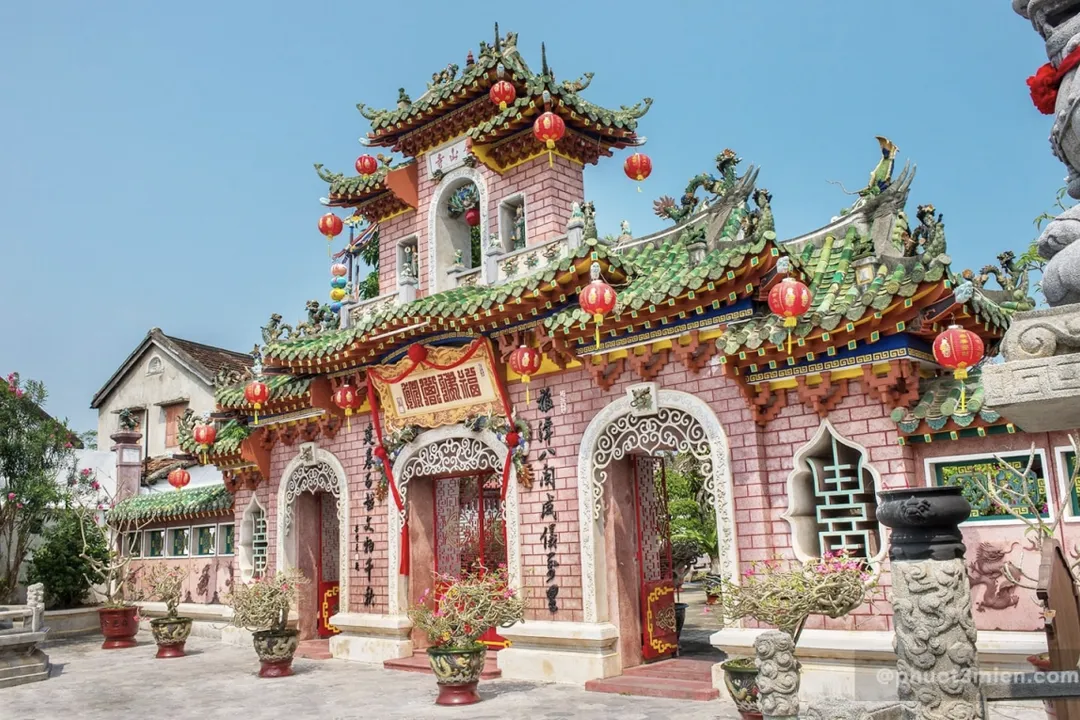
Founded in 1757 by the Chinese Fujian community, this is the largest and most ornate Chinese assembly hall in Hoi An. Dedicated to Thien Hau, the Goddess of the Sea, its courtyard features intricate wood carvings, porcelain‑encrusted dragons, and three large incense spirals that slowly burn, creating a mesmerising atmosphere.
- Location: 46 Tran Phu Street, Minh An Ward
- Open time: 7:00 AM – 5:30 PM daily
- Suggested activities: Admire the ornate carvings, light incense, take photos of the dragon sculptures
- Must-try local food: Bánh bao bánh vạc (White Rose dumplings) – 40,000–60,000 VND ($1.70–$2.55)
- Entry fee: Included in Hoi An Old Town ticket (120,000 VND / $5.00)
Tan Ky Ancient House
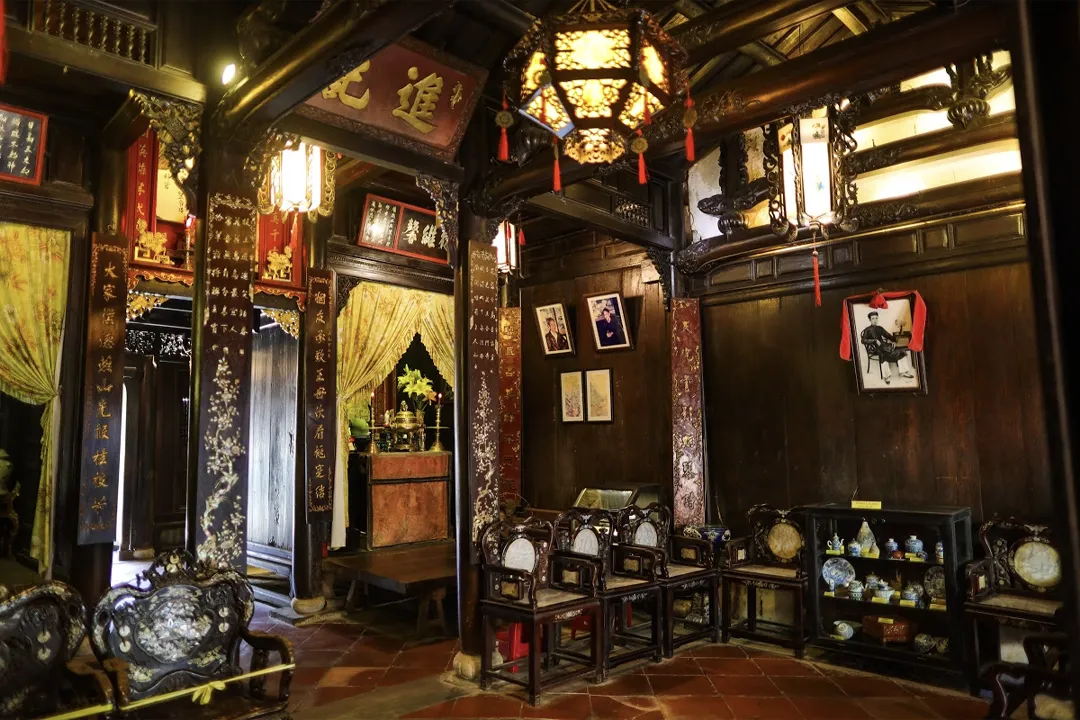
Over 200 years old, this merchant's house blends Japanese, Chinese, and Vietnamese design elements across seven generations. A rare "Confucius Cup" (unfillable cup) is on display, teaching lessons about balance and avoiding greed. The spacious courtyard serves as the only source of natural light, resembling a traditional skylight.
- Location: 101 Nguyen Thai Hoc Street, Minh An Ward
- Open time: 8:00 AM – 5:30 PM daily
- Suggested activities: Learn about the cup's story, see antique furniture, browse the family's souvenir collection
- Must-try local food: Mì Quảng (Quang-style turmeric noodles) – 40,000–60,000 VND ($1.70–$2.55)
- Entry fee: Included in Hoi An Old Town ticket (120,000 VND / $5.00)
Hoi An Central Market
A short walk from the bridge, this bustling market offers the full sensory experience of local trade. The market is divided into two sections: a covered wet market with fresh produce, meat, and seafood, and a dry goods area with textiles, handicrafts, and souvenirs. The food court is perfect for a cheap, authentic lunch.
- Location: 1 Nguyen Hue Street, Minh An Ward
- Open time: 6:00 AM – 7:00 PM daily
- Suggested activities: Taste street food, buy fresh tropical fruit, shop for souvenirs, practise bargaining
- Must-try local food: Bánh xèo (crispy pancake) – 30,000–50,000 VND ($1.30–$2.15)
- Entry fee: Free
Suggested 1-Day Multi-Point Itinerary
Morning (8:00–11:30 AM): Begin at 8:00 AM at the Japanese Bridge, capturing sunrise photos before crowds gather. Spend 30 minutes admiring the bridge's architecture, guardian statues, and inner pagoda. At 8:30 AM, walk 5 minutes to Tan Ky Ancient House for a guided tour (45 minutes). Then proceed 5 minutes to Phuc Kien Assembly Hall (45 minutes).
Lunch (11:30 AM–1:00 PM): Head to Hoi An Central Market for an authentic local meal of Cao Lầu.
Afternoon (1:00–5:00 PM): After lunch, wander through the Hoi An Ancient Town streets. Stop at small art galleries, silk shops, and tailor shops. Take a 30-minute break at a rooftop café overlooking the Thu Bon River. Evening (6:00 PM onwards): As dusk falls, watch the bridge and thousands of lanterns illuminate the streets. Take a leisurely walk along the river, release a paper lantern, and enjoy the magical evening atmosphere. Finish with a street food dinner near the Night Market.
Pro-Traveler Experience Tips
Purchase your Old Town ticket early: A 120,000 VND ($5.00) ticket covers entry to 5 key sites, including the bridge. It's valid for three full days and supports local heritage conservation. Kiosks open at 8:00 AM.
Bring cash: Small food vendors, souvenir stalls, and the ticket office all prefer Vietnamese Dong. Keep 20,000–50,000 VND notes handy.
Photography best times: For classic shots of the bridge, arrive by 7:00 AM for the golden morning light. Alternatively, visit just after sunset (6:00–7:00 PM) when lanterns illuminate the scene—use a tripod for crisp night shots.
Dress respectfully: The bridge includes a temple space. Cover your shoulders and knees when entering the pagoda area.
Pace yourself: Avoid the midday heat (11:00 AM – 2:00 PM). Use this time for lunch indoors or relax at a café.
Listen to the legend: Take a moment to read the informational plaque about the Namazu sea monster—it adds depth to your visit.