Oveview
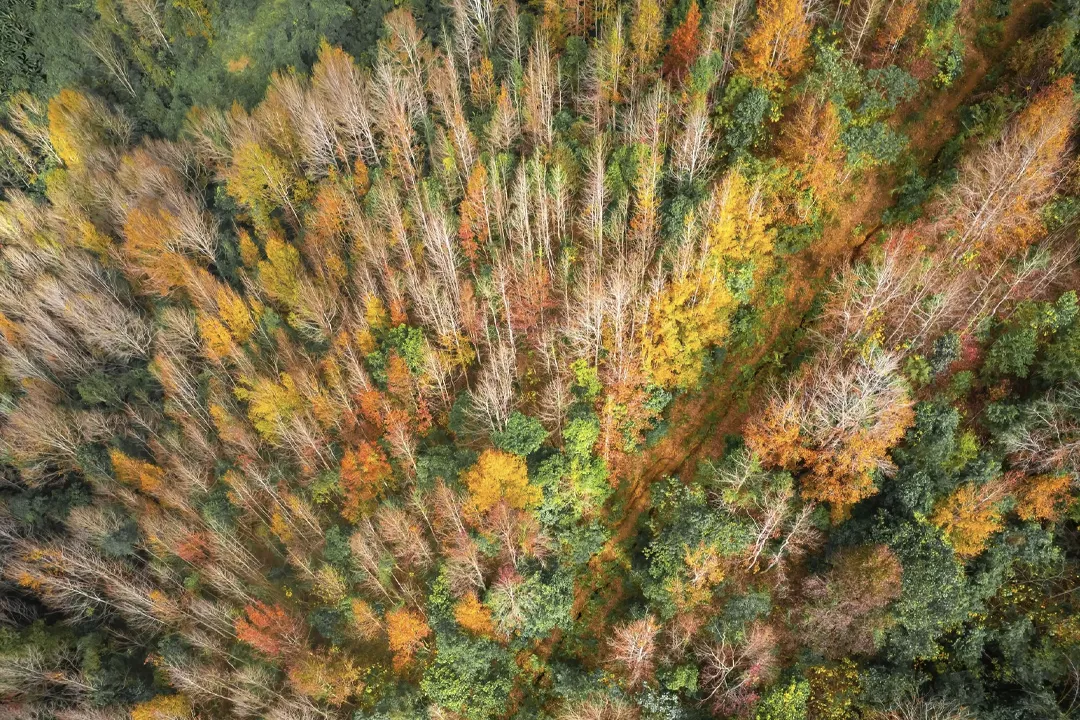
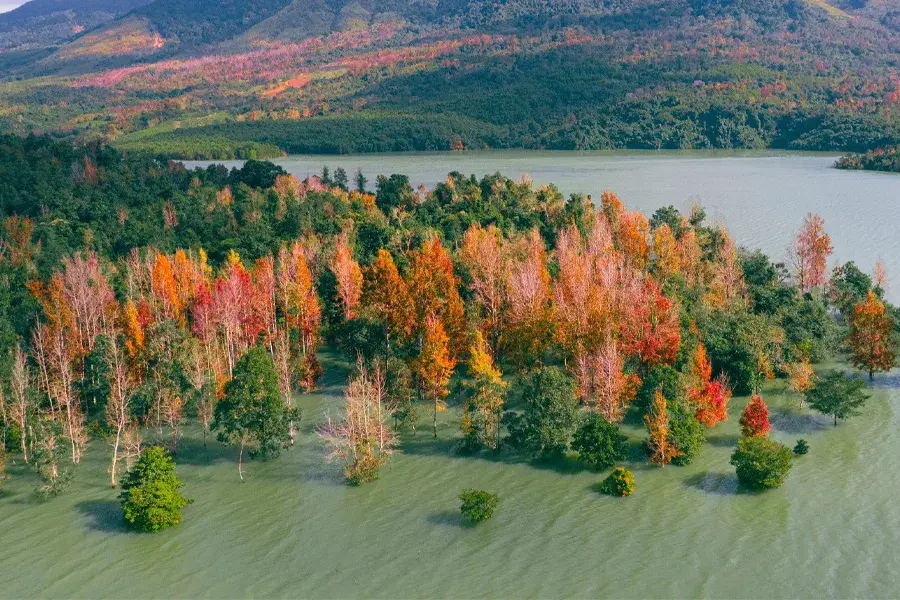
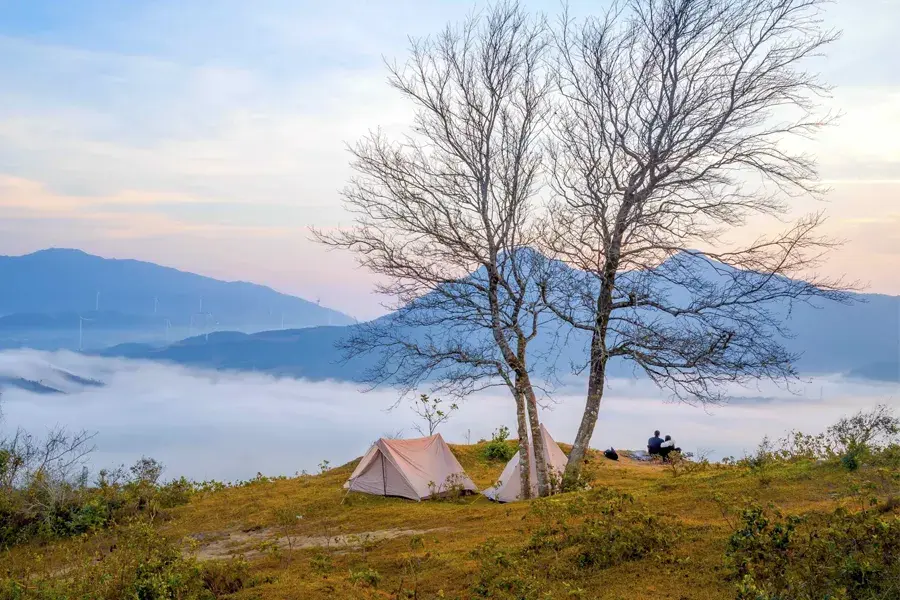
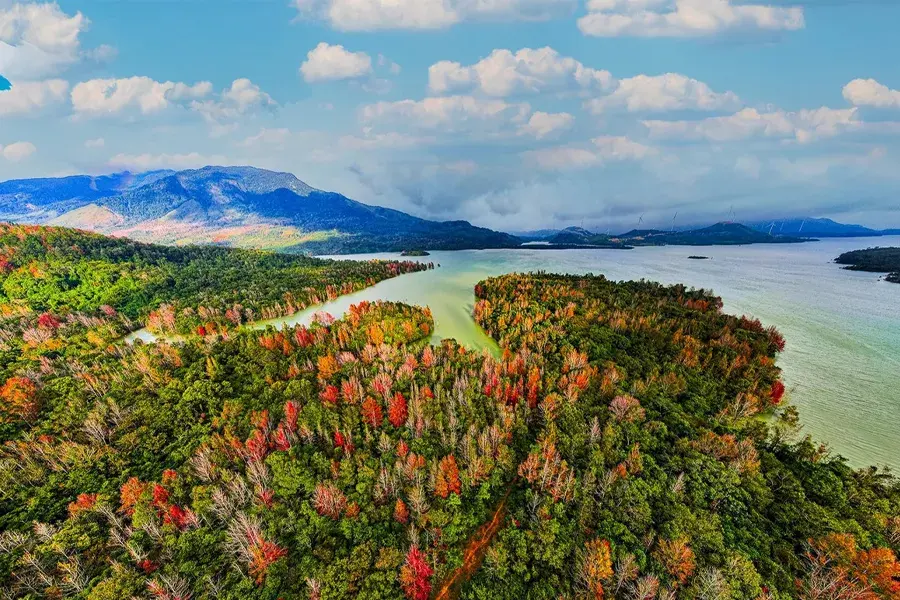
Khe Sanh is a small town in Huong Hoa District, Quang Tri Province, known worldwide for the 1968 Battle of Khe Sanh, one of the longest and bloodiest battles of the Vietnam War. The area covers rugged hills, dense forests, and the winding Sepon River. Khe Sanh enjoys a tropical monsoon climate with two distinct seasons: the dry season (March to August) brings hot, sunny days, while the rainy season (September to February) sees heavy downpours and occasional flooding. The dry season is ideal for visiting, as roads are more passable and outdoor exploration is more comfortable. Besides its historical significance, the region is home to the Bru-Van Kieu ethnic minority, whose stilt houses, traditional gongs, and friendly hospitality add cultural depth to any visit.
What to see nearby
Khe Sanh Combat Base (Ta Con Airport)
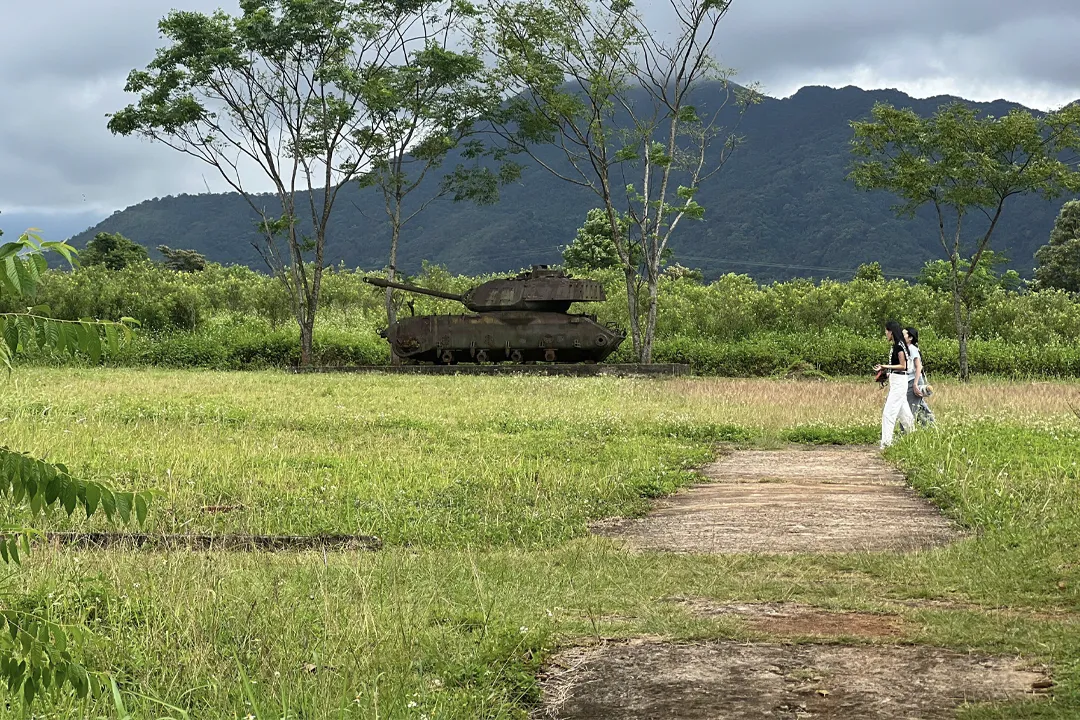
- Location: Huong Hoa District, Quang Tri Province (about 8 km south of Khe Sanh town)
- Open time: 7:00 – 17:00 daily
- Suggest activities: Guided tour of the bunkers, airstrip, and trenches; watch a documentary film; climb the observation tower for panoramic views.
- Must-try local food: Grilled chicken with salt and chili, wild vegetable soup (rau rừng), steamed sticky rice (xôi nếp nương).
- Entry fee: 40,000 VND (~$1.70 USD) per person. Parking: 5,000 VND.
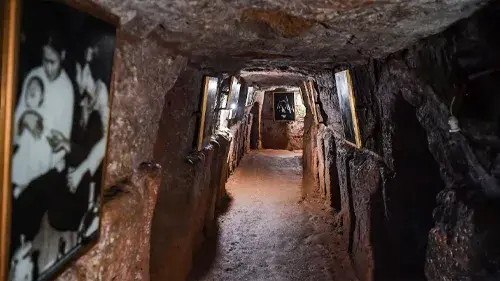
This was the central firebase of U.S. Marines during the 1968 siege. Today, the site features a small museum with wartime artifacts, photos, and weapon displays. You can walk through reconstructed bunkers, see the remnants of the airstrip, and climb a watchtower to visualize the strategic layout. A short film shown at the visitor center recounts the battle in Vietnamese and English.
Bru-Van Kieu Ethnic Village (e.g., Pa Co, A Ngo)
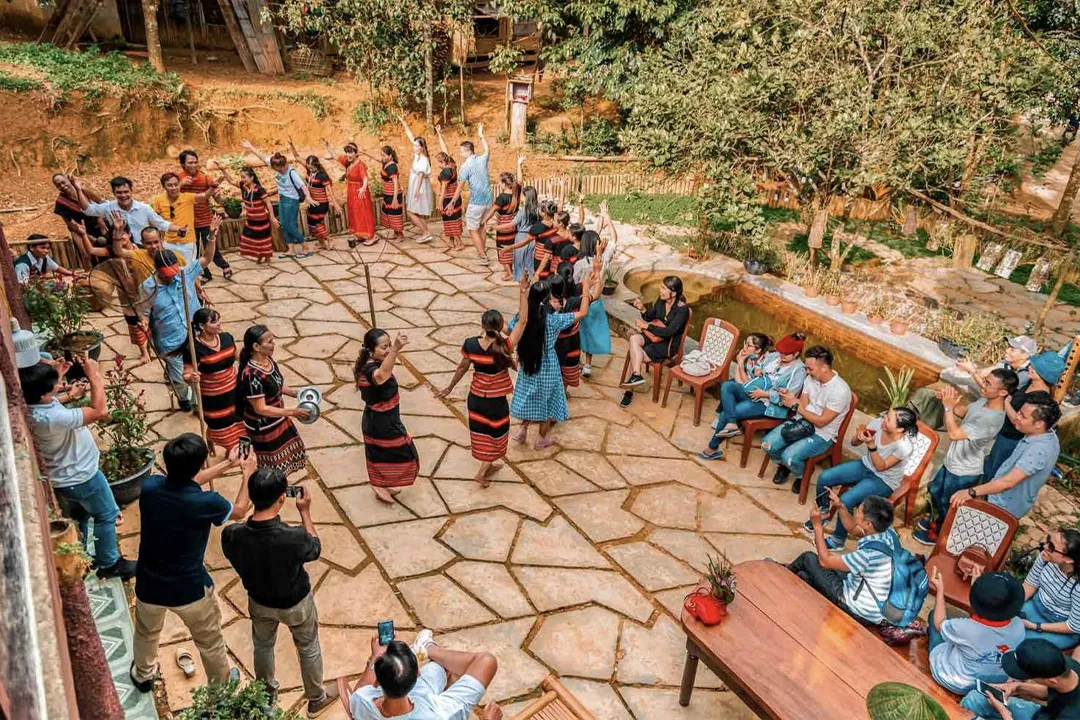
- Location: Various villages along Highway 9, such as Pa Co or A Ngo
- Open time: All day (ask permission before entering homes)
- Suggest activities: Homestay experience, gong performance, traditional rice wine tasting (rượu cần), weaving demonstration.
- Entry fee: Free to visit; homestays cost 100,000–150,000 VND ($4–6 USD) per night.
The Bru-Van Kieu people have lived in these highlands for centuries. Their stilt houses, colorful brocade scarves, and hospitality offer a stark contrast to the war remnants. Many villages welcome tourists for overnight stays, where you can join in cooking, forest walks, and evening chats around a fire.
Khe Sanh Victorial Museum
.webp)
- Location: Khe Sanh town center, near the market
- Open time: 7:30 – 11:30, 13:30 – 16:30 (closed Monday)
- Suggest activities: Learn about local revolutionary history, ethnic minority culture, and post-war reconstruction.
- Entry fee: 20,000 VND (~$0.85 USD)
A smaller but informative museum focusing on the broader Huong Hoa District’s role during the war and the daily life of local communities today. Great for context before visiting the combat base.
Suggested 1-Day Multi-Point Itinerary
7:30 AM: Arrive at Khe Sanh Combat Base; watch the documentary and explore the museum.
9:00 AM: Walk the trenches and airstrip; climb the observation tower.
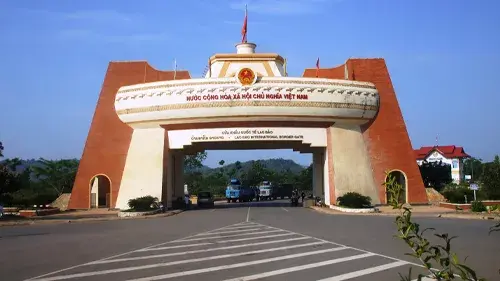
10:30 AM: Drive to Lang Vay border gate area; take photos and learn about the special forces camp.
12:00 PM: Lunch at a local eatery in Khe Sanh town – try wild vegetable soup and grilled chicken.
1:30 PM: Visit a Bru-Van Kieu village (e.g., Pa Co); enjoy a homestay tour or gong performance.
3:00 PM: Stop at Huong Hoa Freedom Museum for deeper historical insight.
4:30 PM: Return to Dong Ha or Hue; optional stop at the Dakrong Bridge and Rockpile viewpoint along Highway 9.
Pro-Traveler Experience Tips
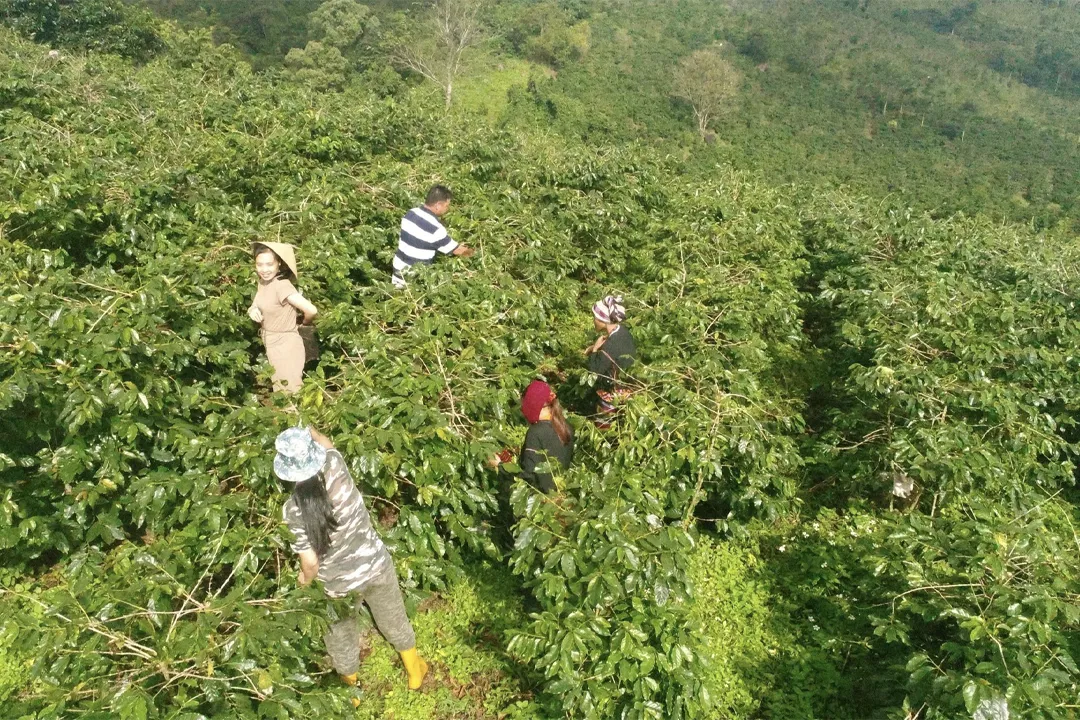
A trip to Khe Sanh is deeply rewarding but requires careful preparation. The dry months from March to August are ideal for road travel, whereas the rainy season from September to February can make Highway 9 quite slippery and muddy. Traveling here is very budget-friendly, with an average daily cost of around 400,000–600,000 VND ($17–25 USD) comfortably covering your transport, entry fees, meals, and simple accommodation. To get the most out of your journey, several practical tips should be kept in mind. First, wearing sturdy shoes is highly recommended since you will be walking over uneven terrain, old bunkers, and dirt paths. Because of the jungle environment, bringing bug spray is essential as mosquitoes are active year-round, especially at dawn and dusk. Protecting yourself against the intense highland sun with a hat, sunglasses, and sunscreen is also a must. When exploring, always respect the historic war sites by refusing to remove any artifacts or climb on unreinforced structures, and be sure to stick strictly to marked paths since many areas still contain unexploded ordnance. For cultural encounters, always ask permission before photographing people, as ethnic villagers appreciate a warm smile and a polite request. If you are invited into a Bru-Van Kieu stilt house, remember to remove your shoes and follow the host’s lead; if they offer you rice wine, taking even a small sip is considered a polite acceptance of their hospitality. While tipping your guides and homestay hosts is always appreciated, it is never expected. Finally, make it a point to start your days early, as most local attractions close around 5:00 PM, and driving after dark on winding mountain roads is highly discouraged.