Overview
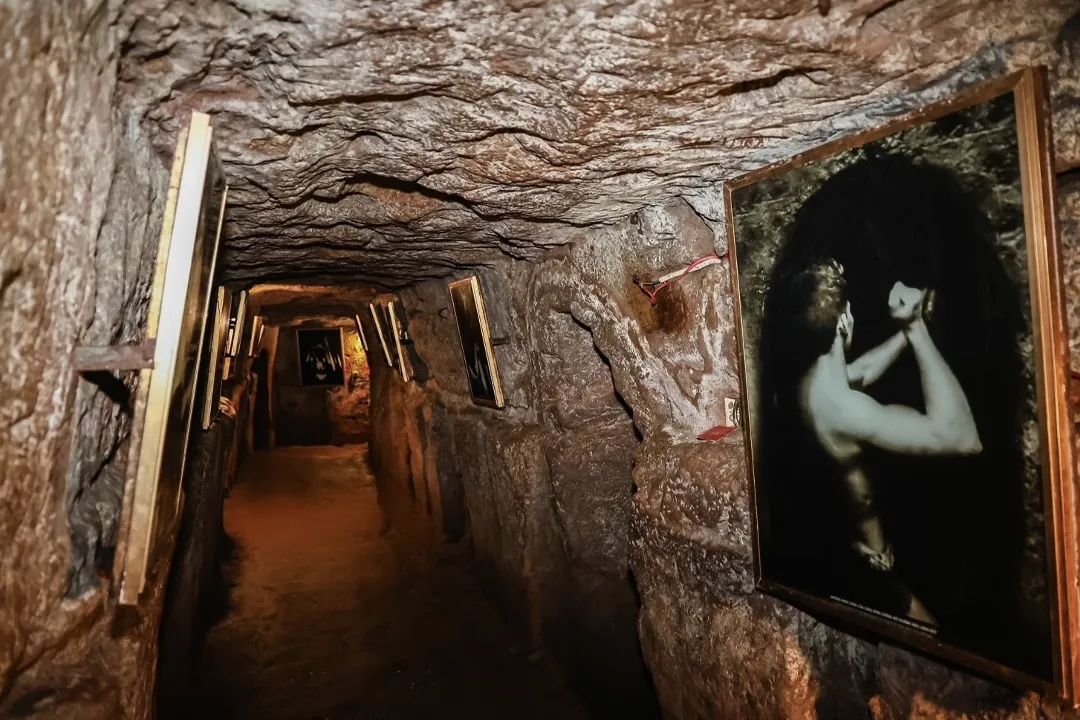
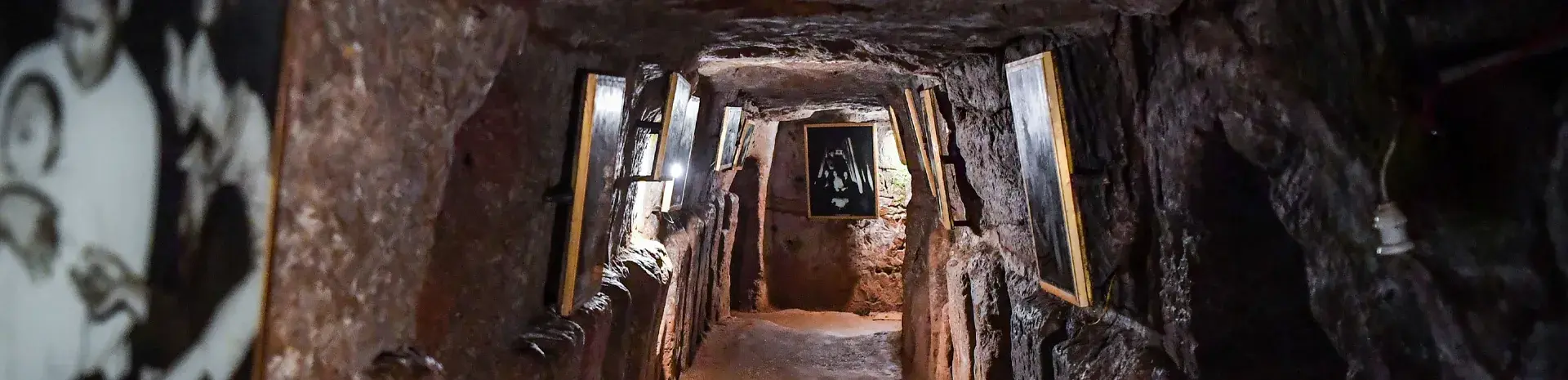
Located in Quang Tri Province, the Vinh Moc Tunnels are an extraordinary underground complex built during the Vietnam War. Unlike typical military tunnels, this was a fully functioning village where entire families lived, worked, and raised children beneath the earth. The tunnels feature three interconnected levels, complete with living quarters, a hospital, a school, and even a maternity room where 17 babies were born. Remarkably, no villager lost their life during the years of intense bombing. The ideal time to visit is from March to August, when the weather is dry and the paths are easier to navigate. For a more comfortable experience, arrive early morning or after 3:00 PM to avoid both crowds and midday heat.
What to see at this location
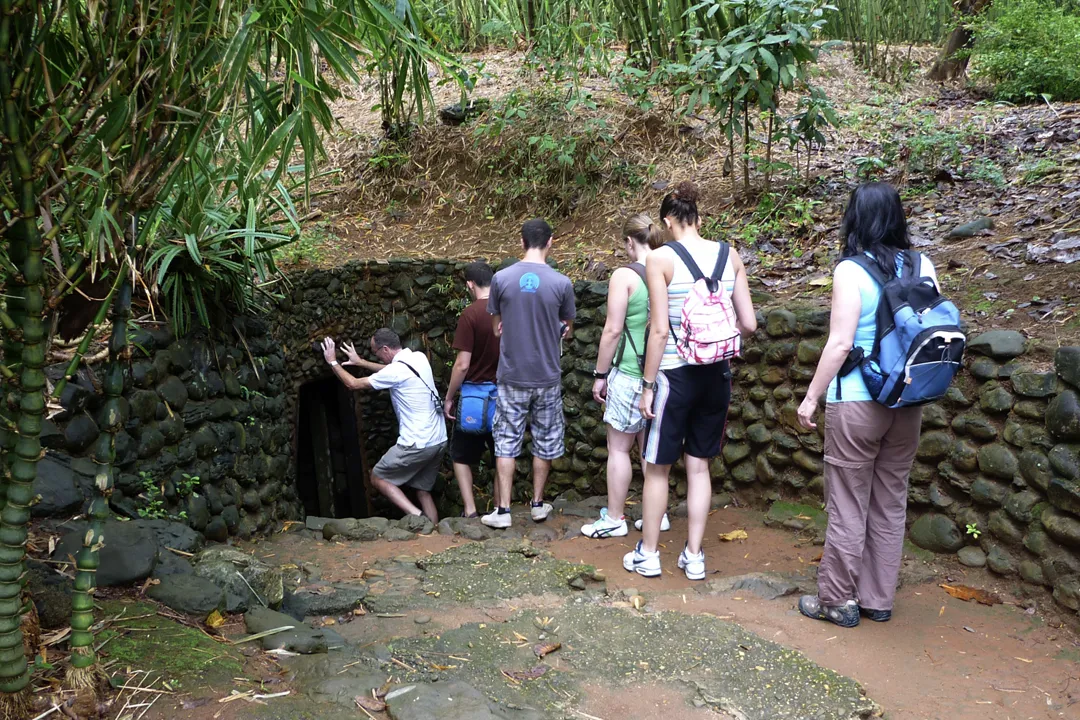
Construction began in 1965 when US forces dropped over half a million tons of bombs on Vinh Linh district—an average of seven tons per person. Rather than flee, the villagers dug a network of tunnels beneath their homes, eventually extending nearly two kilometres. Between 1966 and 1971, approximately 300 people from 60 families lived underground, maintaining supply routes to nearby Con Co Island while surviving relentless bombardment.
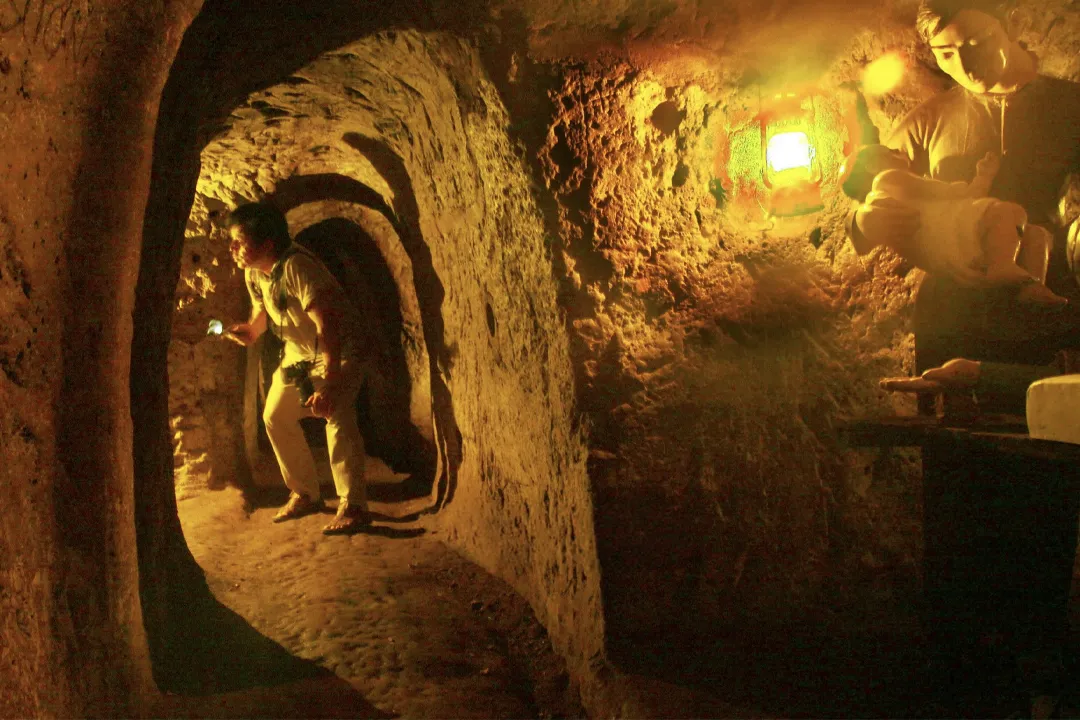
The tunnels are divided into three levels. The first level, 8–12 metres deep, was used for combat manoeuvres and shelter. The second level, 12–15 metres deep, housed the villagers' living quarters. The deepest level, 20–23 metres below ground, served as a storage area for food and weapons. The system includes 13 entrances (6 leading to hills, 7 towards the sea), a 50-person meeting hall, three wells, a surgical station, a maternity room, and a Hoang Cam kitchen.
The most remarkable highlight is the maternity room, where 17 children were born during wartime. These infants spent their earliest years underground, never seeing the sun. The tunnels also feature an entrance leading directly to the beach—imagine emerging from the darkness to find yourself steps from the South China Sea, a poignant contrast between survival and natural beauty.
What to see nearby
Hien Luong Bridge & Ben Hai River
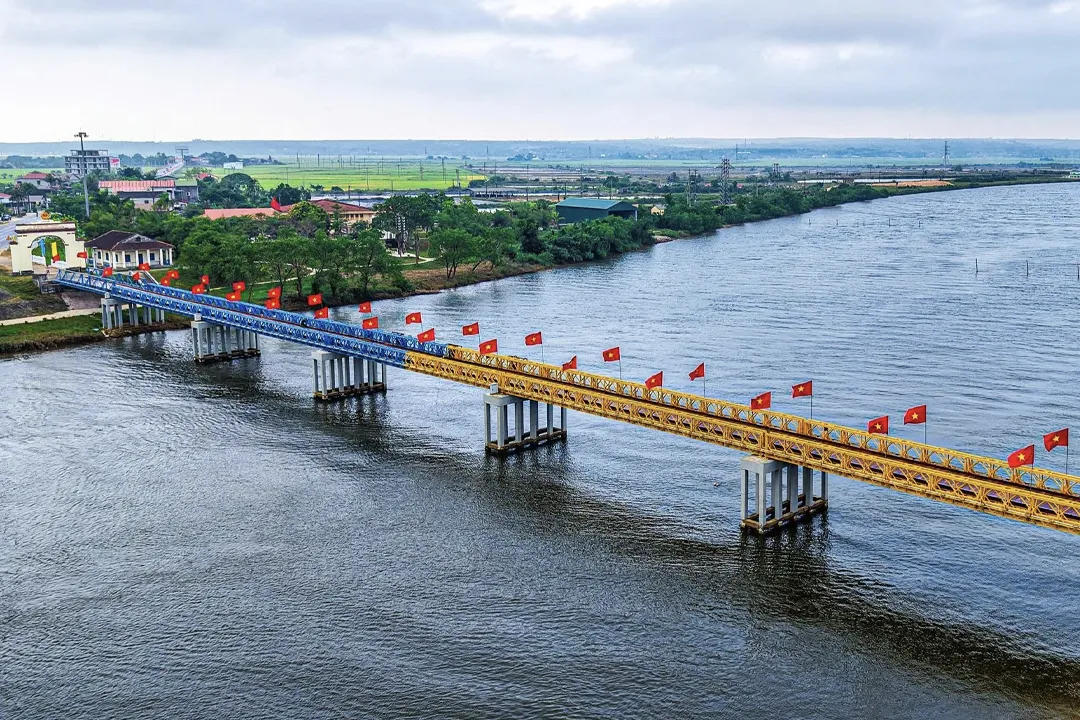
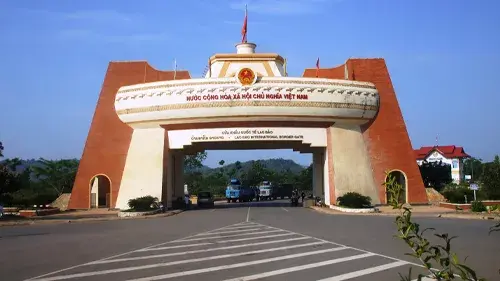
This 178-metre-long bridge once marked the 17th parallel, the dividing line between North and South Vietnam after the 1954 Geneva Accords. For 21 years, the bridge symbolised national division. Today, it stands as the "Peace Bridge," offering visitors a tangible connection to Vietnam's recent history.
- Location: Hien Luong Commune, Vinh Linh District, Quang Tri Province
- Open time: 7:00 AM – 5:00 PM daily
- Suggested activities: Walk across the bridge, visit the reunification monument, view the former border markers
- Entry fee: Free (museum section may have nominal fee)
Cua Tung Beach
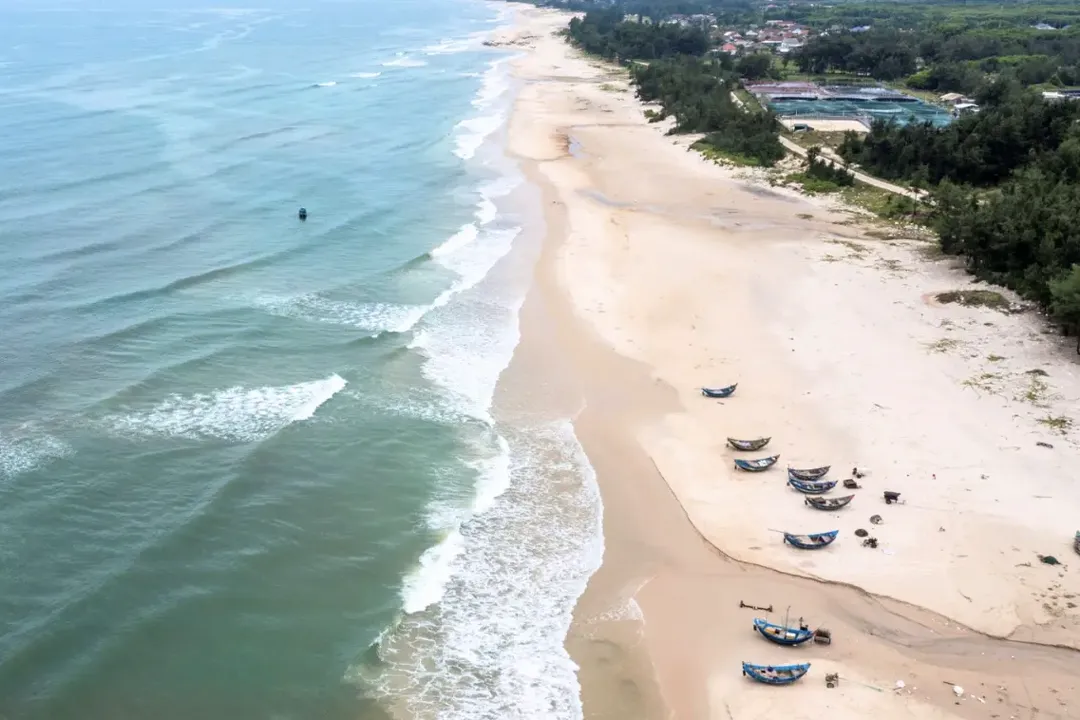
Known as the "Queen of Beaches" during the early 20th century, this 1.5-kilometre stretch of white sand offers a peaceful contrast to the tunnels. The beach sits just 6 km from Vinh Moc, making it an ideal spot to relax and reflect after your underground exploration.
- Location: Cua Tung Commune, Vinh Linh District, Quang Tri Province
- Open time: Always open
- Suggested activities: Swim, enjoy fresh seafood, watch sunset, take coastal walks
- Must-try local food: Freshly caught grilled fish – 50,000–100,000 VND ($2.15–$4.30)
- Entry fee: Free
Con Co Island
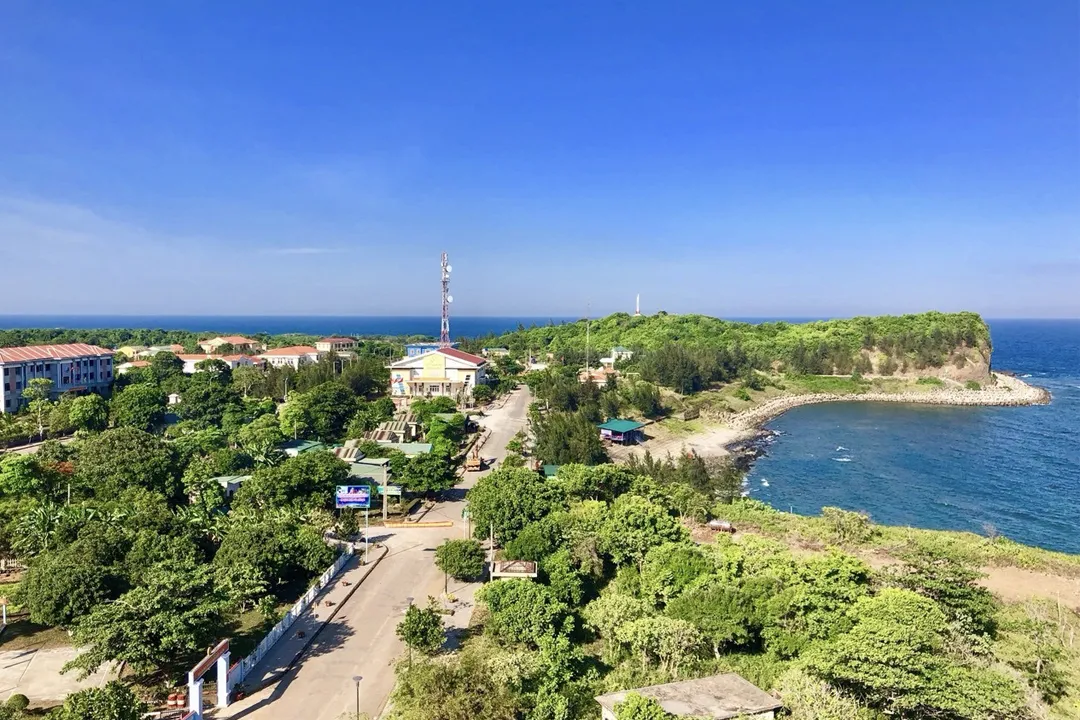
Located 15 nautical miles off the coast, this 2.3 km² island is a "green gem" with over 70% primary forest. During the war, it served as a strategic military outpost. Today, visitors can snorkel among coral reefs, explore historical bunkers, and enjoy the island's pristine marine ecosystem.
- Location: Con Co District, Quang Tri Province (boat from Cua Tung or Cua Viet)
- Open time: Boat departures vary; check locally
- Suggested activities: Snorkelling, glass-bottom boat tours, hiking, visiting military relics
- Must-try local food: King oysters (hàu vua) – 150,000–250,000 VND ($6.40–$10.70)
- Entry fee: No entry fee; boat transport approx 300,000–500,000 VND ($12.85–$21.45)
Quang Tri Ancient Citadel
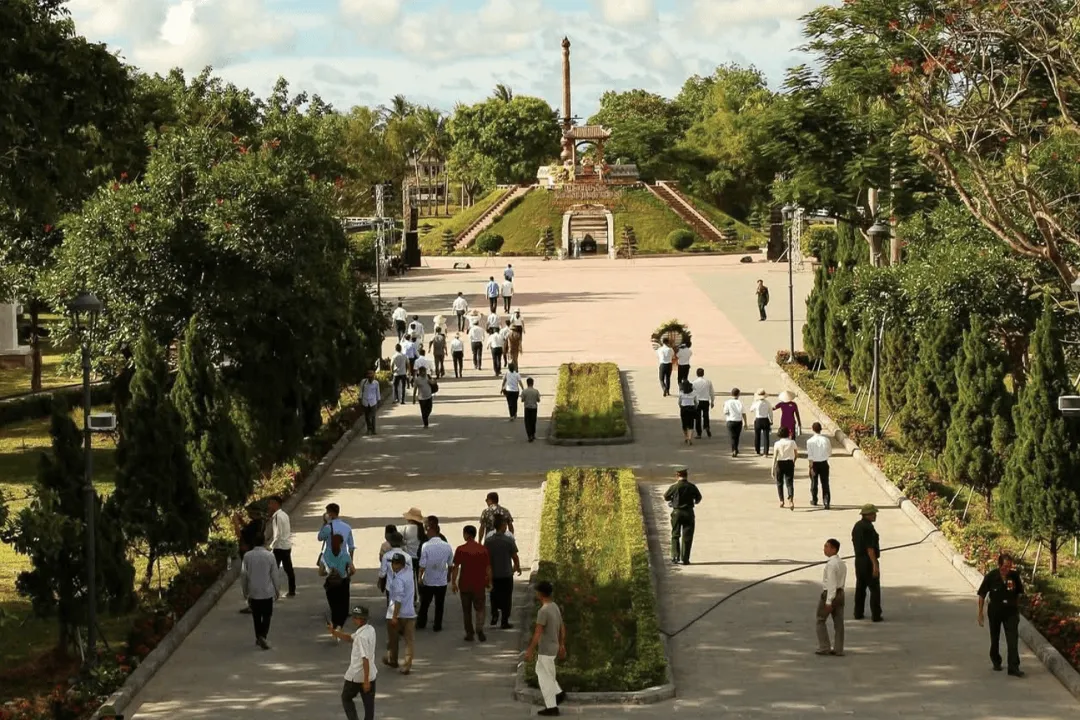
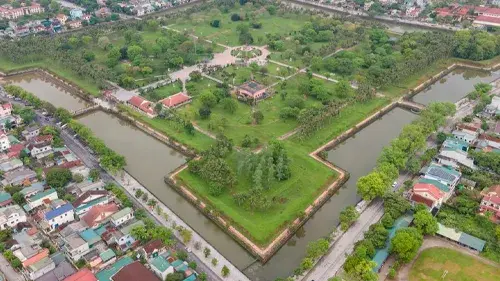
This solemn site witnessed 81 days of intense fighting during the 1972 "Fire Summer." Though heavily damaged, the citadel remains a powerful memorial to the thousands who fell. A small museum displays photographs and wartime artefacts, offering a moving tribute to those who endured.
- Location: Dong Ha City, Quang Tri Province
- Open time: 7:00 AM – 5:00 PM daily
- Suggested activities: Walk the ruins, visit the memorial, explore the museum
- Must-try local food: Cháo lươn (eel porridge) – 30,000 VND ($1.30)
- Entry fee: 20,000 VND ($0.85)
Suggested 1-Day Multi-Point Itinerary
Start early: depart Dong Ha City at 7:00 AM by private car or motorbike. Drive 50 minutes to Hien Luong Bridge (arrive 7:50 AM), spending 45 minutes walking across and learning about the division of Vietnam. At 8:35 AM, drive 20 minutes to Vinh Moc Tunnels (arrive 8:55 AM). Take a 1.5–2 hour guided tour through all three levels, visiting the maternity room, meeting hall, and sea exit. At 11:00 AM, drive 15 minutes to Cua Tung Beach for lunch and a refreshing swim (approx. 1.5 hours). At 1:30 PM, drive 40 minutes back toward Dong Ha to visit the Quang Tri Ancient Citadel (approx. 1 hour). Finish by 3:30 PM, returning to Dong Ha for a well-earned rest. If you have an extra day, book a morning boat to Con Co Island from Cua Tung—but arrive at the pier by 6:00 AM.
Pro-Traveler Experience Tips
Bring a torch (flashlight). While parts of the tunnel have basic lighting, many sections are dim. A headlamp or phone torch is essential for safe navigation.
Wear practical shoes. The tunnel floors are uneven, sometimes wet, and you'll be crouching. Sturdy trainers or hiking sandals work best.
Prepare for claustrophobia. The tunnels are narrow (about 1.2 metres wide, 1.6–1.8 metres high). If you are taller than 1.7 metres or uncomfortable in confined spaces, you may find it challenging.
Hire a local guide. Many guides are descendants of the original tunnel villagers. Their personal stories add an emotional depth you won't find on signs.
Stay hydrated. Quang Tri province can be intensely hot. Bring at least one litre of water per person.
Visit the museum first. The small on-site museum features photos of the 17 tunnel babies and their families, providing essential context before you go underground.