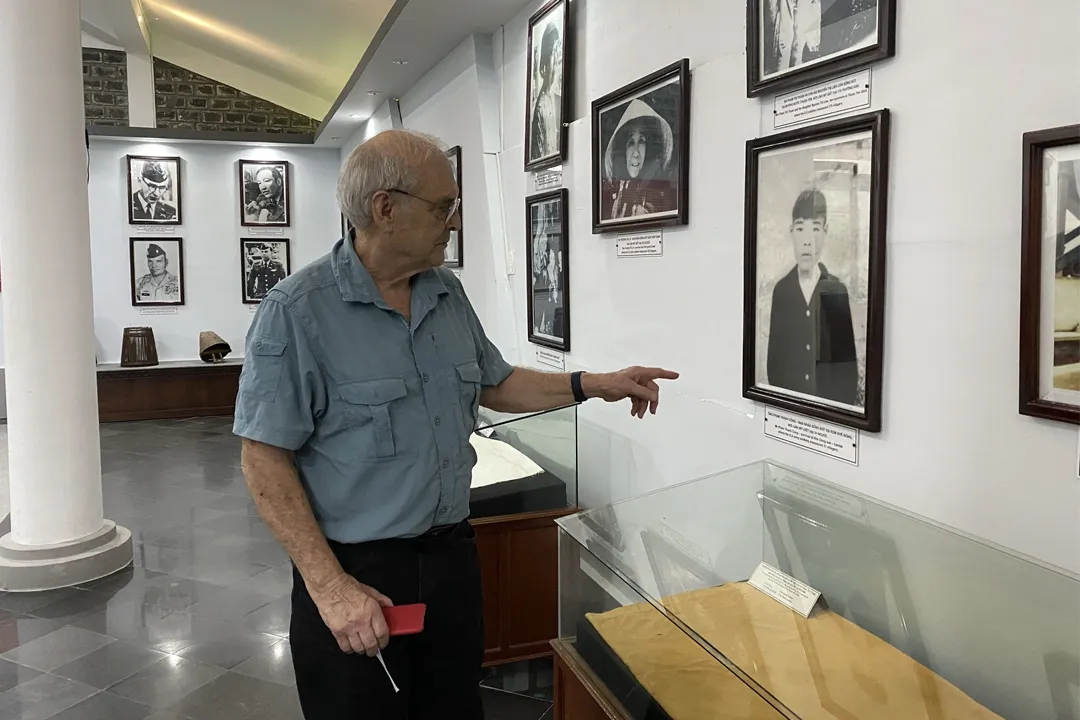
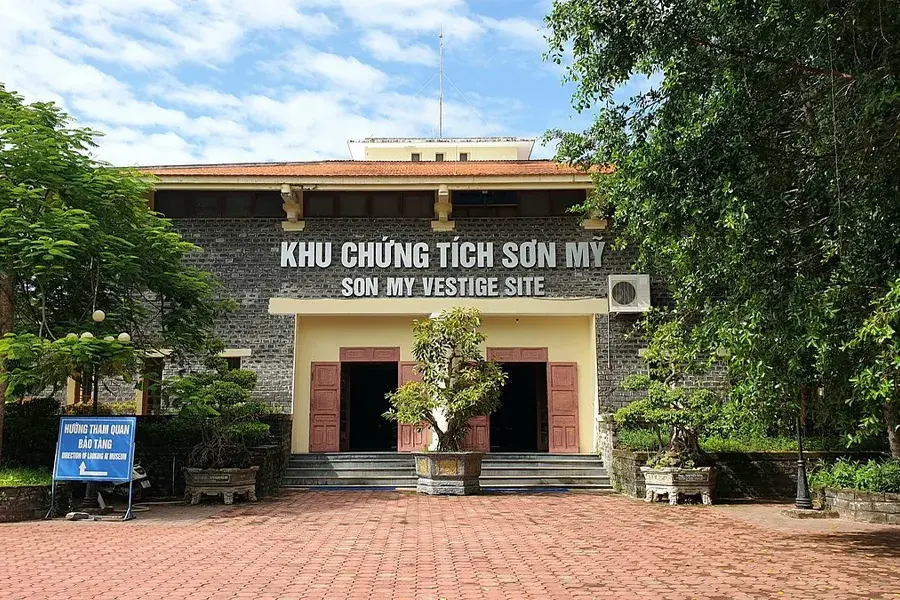
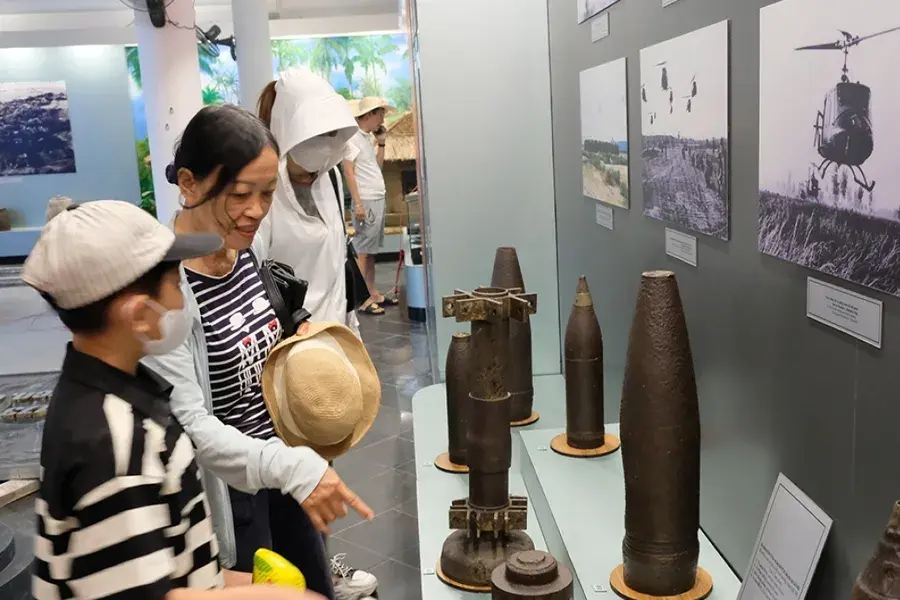
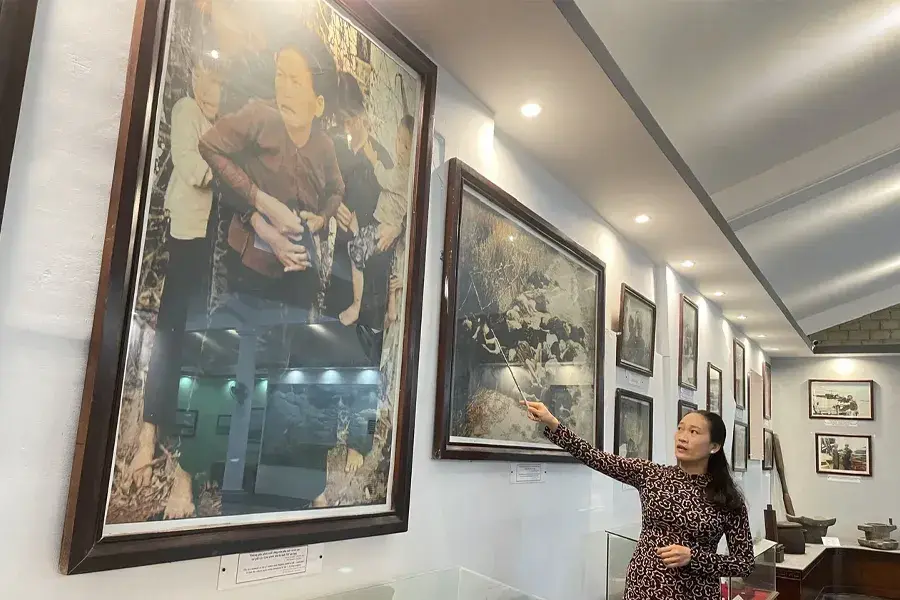
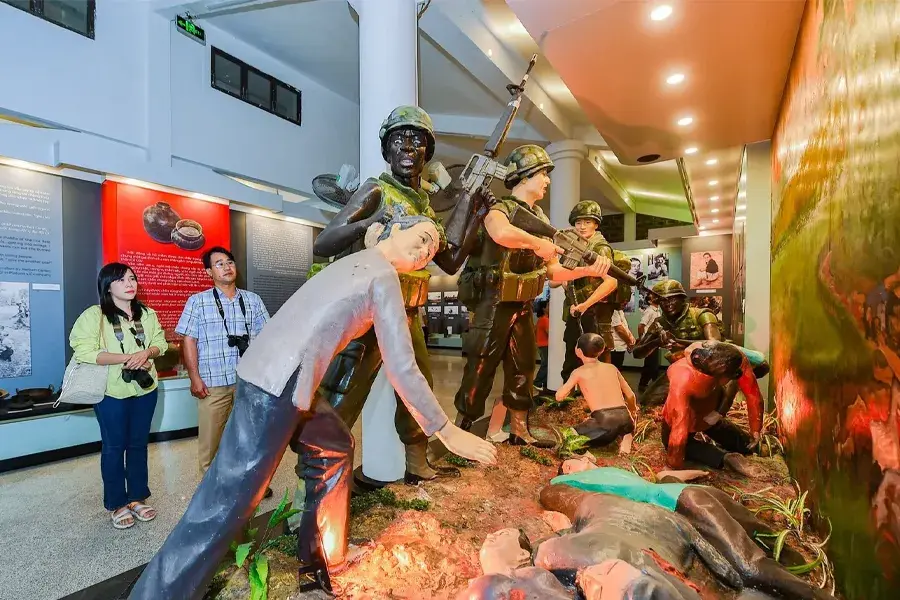
Many travelers choose to visit the Son My historical site as a stopover on their Da Nang/Hoi An to Quy Nhon route. This is a famous historical site, preserving the memory of the My Lai massacre on March 16, 1968, carried out by the US military. Despite the horrors that took place here, this is now a peaceful spot, with the statue surrounded by gardens lined with rose beds, dẫu bảo tàng về vụ thảm sát Sơn Mỹ vẫn ở đó, nhắc nhở chúng ta về ý nghĩa của hoà bình...
Important Note: The exhibition area of the memorial may contain highly disturbing photographs of the massacre that are unsuitable for young visitors. We recommend that visitors with young children consider carefully before allowing their children to visit the indoor exhibition area. Children can rest outside near the monument, where benches are available under the shade of old trees.
A Sacred Return to Tranquility: Understanding Son My
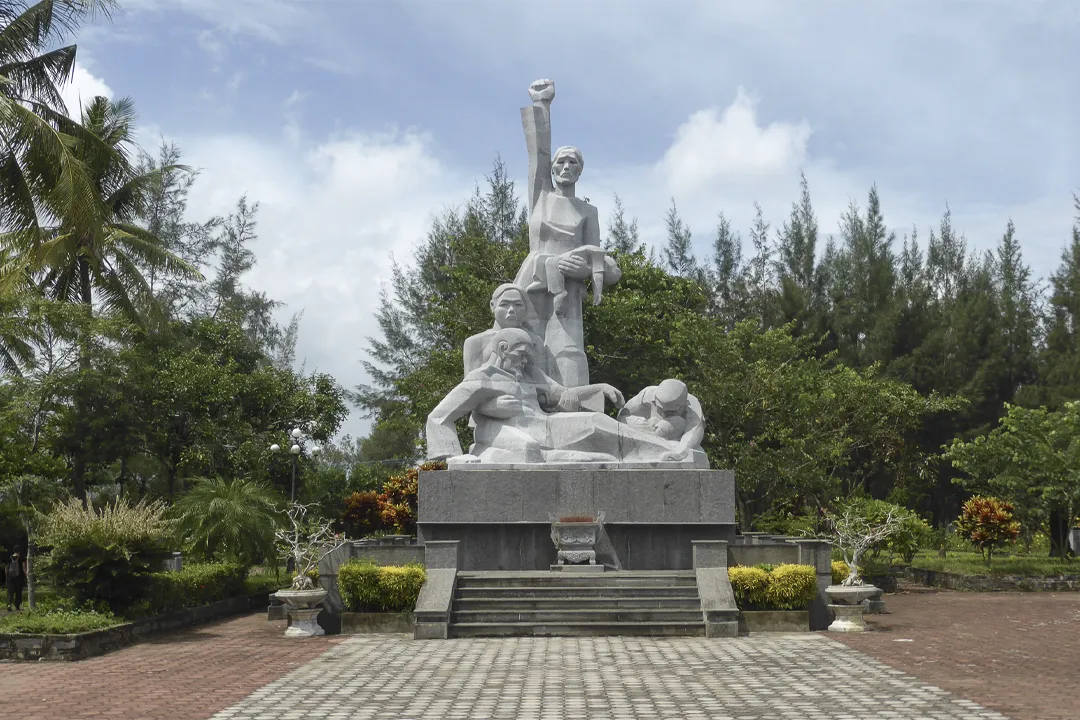
The Son My Memorial, often referred to internationally as the My Lai Massacre Memorial, stands as a testament to the resilience of the human spirit in the face of unimaginable tragedy. Located in Tịnh Khê Commune, approximately 13 kilometers east of Quang Ngai City, this 2.4-hectare historical site marks the location where, on the fateful morning of March 16, 1968, 504 innocent civilians – predominantly women, elderly individuals, and young children – lost their lives during the Vietnam War. One of the most heart-wrenching details recorded in the museum‘s archives is that among the victims were 17 pregnant women and 210 children under the age of 13—numbers that speak not of battle, but of profound loss.
Yet, to visit Son My is not merely to mourn. It doesn't matter if you are historian or you are just familliar with some facts, this is a place that people traveling to central Vietnam should see. The site, officially recognized as a National Historical Relic, is a lush, contemplative space where vibrant gardens have been meticulously cultivated amidst the preserved ruins. As you walk along the concrete paths, you‘ll notice the faint but deliberate impressions of barefoot prints fleeing alongside heavy combat boots—a haunting yet artistic recreation of the chaos of that morning. It is a space that invites reflection, not condemnation. For many travelers, the most moving moment comes when they encounter the central monument: a powerful white stone sculpture of a mother cradling her deceased child while raising a defiant fist toward the sky, symbolizing both the depth of grief and the unwavering strength of those who survived.
Pro-Traveler Experience Tips
To truly honor the spirit of this memorial and to immerse yourself in its profound lessons, a mindful approach to your visit is essential. Many travelers choose to visit the Son My historical site as a stopover on their Da Nang/Hoi An to Quy Nhon route. This allows you time to rest instead of traveling a relatively long and tiring distance continuously. This allows you time to rest instead of traveling a relatively long and tiring distance continuously; at the same time, you can also learn more about Vietnam's war of national defense and a part of the history of this land.
Check out A21 Tous' transportation service from Da Nang to Quy Nhon now! 24/7 customer service, flexible pick-up/drop-off points to suit your individual needs!
Arrive Early for Solitude: Aim to arrive when the gates open at 7:00 AM. The early morning mist rising over the rice paddies creates an atmosphere of serene contemplation. Without the distraction of large groups, you can listen to the whispers of the wind through the trees—nature‘s own requiem for the departed. This quiet hour offers the most authentic emotional connection to the site.
Engage with the Survivors (The Witness Program): One of the most unique and humbling experiences at Son My is the opportunity to meet the survivors of the massacre. Within the memorial grounds, you may encounter aging local residents who lived through that day. With the assistance of a translator (often available through the onsite guides), listening to their firsthand accounts of resilience and their passionate calls for peace is an experience that transcends any textbook. It transforms history from a static narrative into a living, breathing lesson in humanity.
Honor the Victims by Leaving Judgment Behind: While the museum contains graphic imagery that depicts the horror of war, the overarching message of Son My is one of reconciliation. Notably, the memorial honors not only the Vietnamese victims but also the American soldiers—like Hugh Thompson and Lawrence Colburn—who risked their lives as helicopter crewmen to intervene and save fleeing civilians. A meaningful visit involves acknowledging the duality of human nature: the capacity for unspeakable cruelty alongside the courage to stand against it. Leave politics behind and bring an open heart focused on human values.
Support the Local Community: After your somber walk through the museum and the relic huts, consider purchasing handicrafts or local snacks from the vendors just outside the gates. The revenue from this quiet tourism directly supports the families of the victims and the local economy of Quang Ngai, transforming a place of sorrow into a source of sustainable livelihood for the next generation.