Overview
Stepping through the rusted iron gates of the Phu Quoc Prison History Museum, time seems to fold in on itself. The air changes—the distant murmur of the ocean is replaced by an almost unnerving silence. Around you, the tropical heat of Vietnam is undeniable, but within these walls, a chill settles in. It’s a stillness born not from absence, but from memory. Stories are etched into every cracked wall, coiled within every barbed wire fence.
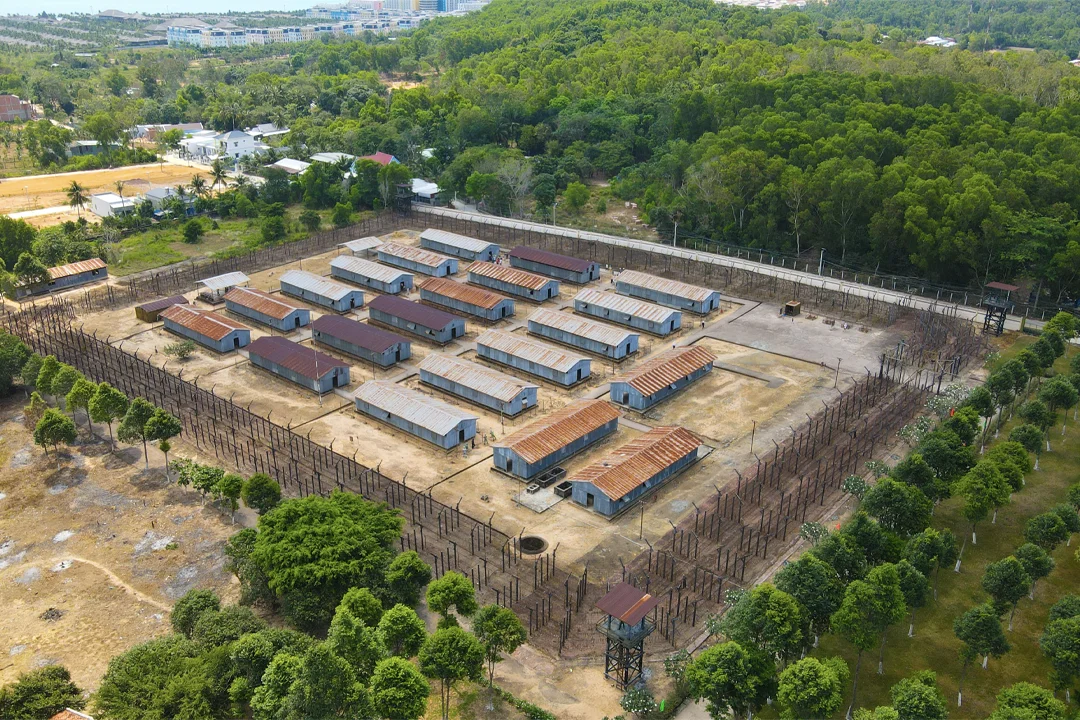
Phu Quoc Prison, or Coconut Tree Prison (Nhà tù Phú Quốc), is a former military prison in southern Vietnam built in 1949–1950 by French colonialists to detain political dissidents. Later expanded by South Vietnamese and U.S. forces, it became the largest detention center in the South, holding over 40,000 prisoners during the Vietnam War before closing in 1975.
History of Phu Quoc Prison
To understand the weight of this place, you must first understand its origins. The Phu Quoc Prison, originally built during the French colonial period, was later expanded and infamously used by the South Vietnamese government and U.S. forces during the Vietnam War (from approximately 1967 to 1973). At its peak, this sprawling complex held as many as 40,000 prisoners of war—a staggering number of soldiers and civilians who refused to surrender or collaborate with the Saigon regime.
The conditions were designed not just to detain, but to break the human spirit. Prisoners lived amidst barbed wire enclosures, starved on meager rations, and suffered from rampant disease. But the most notorious features were the "tiger cages"—small, iron-barred cells used for solitary confinement and unspeakable torture. Today, the prison is recognized as a nationally significant historical site, a symbol of the extraordinary sacrifice and resilience of the Vietnamese people. What was once a place of profound suffering has been transformed into a museum with a singular mission: to honor those who suffered and ensure their stories are never forgotten.
Arriving & First Impressions
The museum is located in An Thoi Town, at the southern tip of Phu Quoc. It’s easily accessible from the main tourist areas (like Duong Dong or Long Beach) by motorbike, taxi, or as part of a guided southern island tour. The entrance fee is very modest (typically around 50,000–100,000 VND), and the gates are open daily from early morning until late afternoon.
As you pull into the parking area, the contrast is immediate and jarring. Lush, almost playful tropical foliage surrounds the perimeter—palms and frangipani trees swaying in the sea breeze. But through the entrance, stark grey concrete, looming watchtowers, and the glint of rusted barbed wire cut sharply against the greenery. Before you even reach the ticket booth, a life-size statue greets you: a gaunt prisoner, wrists bound, staring out with an expression of exhausted defiance. It’s an emotional tone-setter, a quiet reminder to leave your beach frivolity at the gate.
Exploring the Museum: A Zone-by-Zone Journey
The museum is thoughtfully organized into zones. To rush is to disrespect; plan for at least 1.5 to 2 hours to move through the space at a reflective pace.
The Outdoor Exhibition Area: A Reconstructed Reality
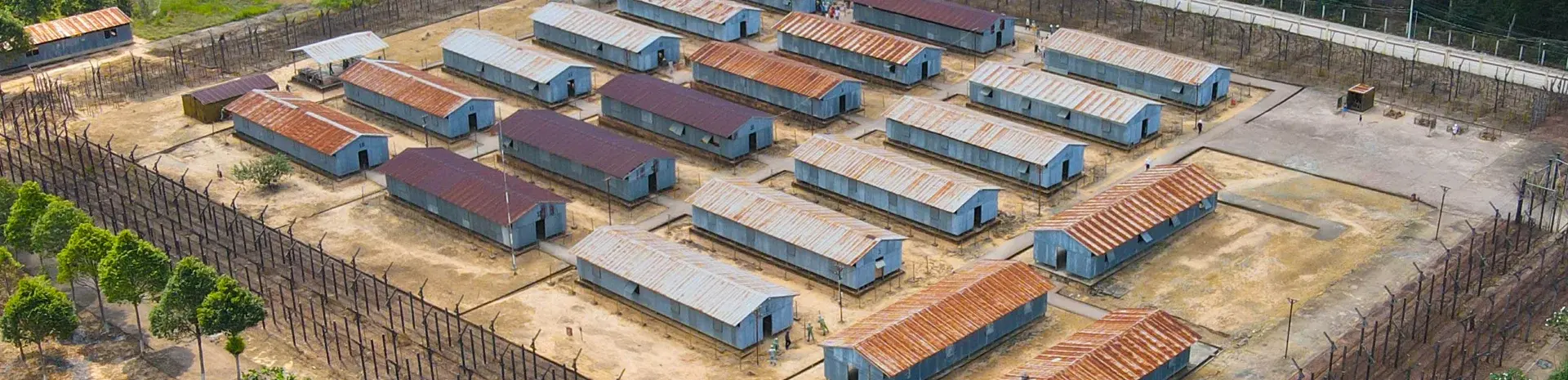
The first major section is the outdoor compound. Here, the prison has been partially reconstructed to give visitors a visceral sense of scale and confinement. You walk past rows of cramped, thatch-roofed barracks that held hundreds of men in suffocating proximity. Watchtowers stand at each corner, a constant reminder of surveillance.
.webp)
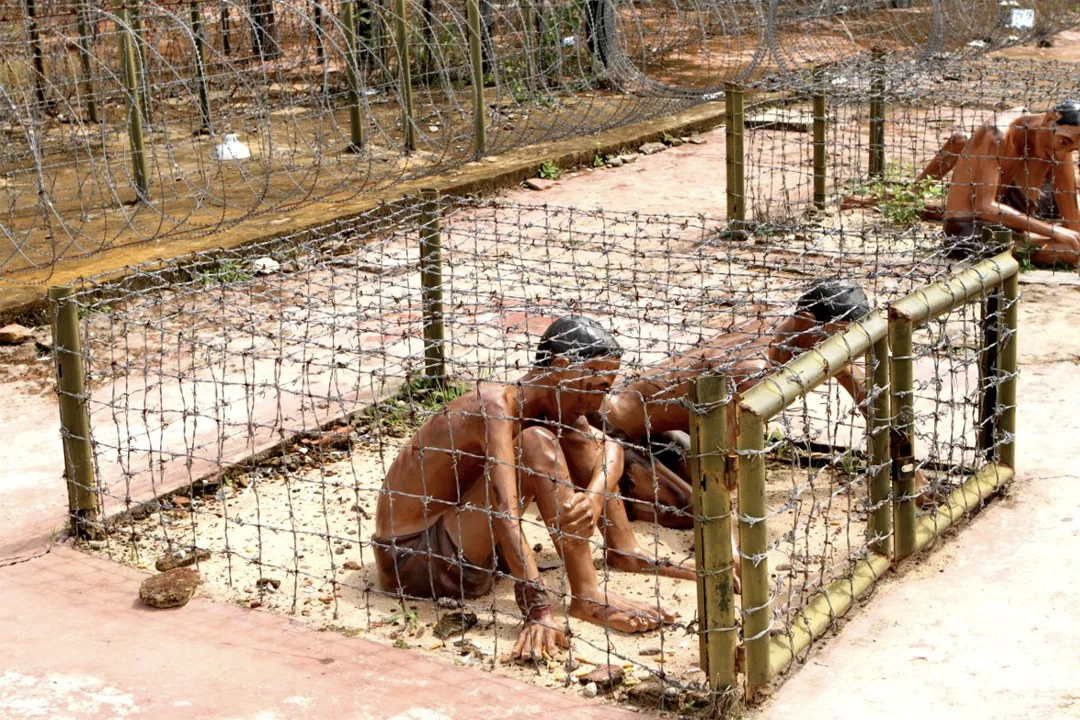
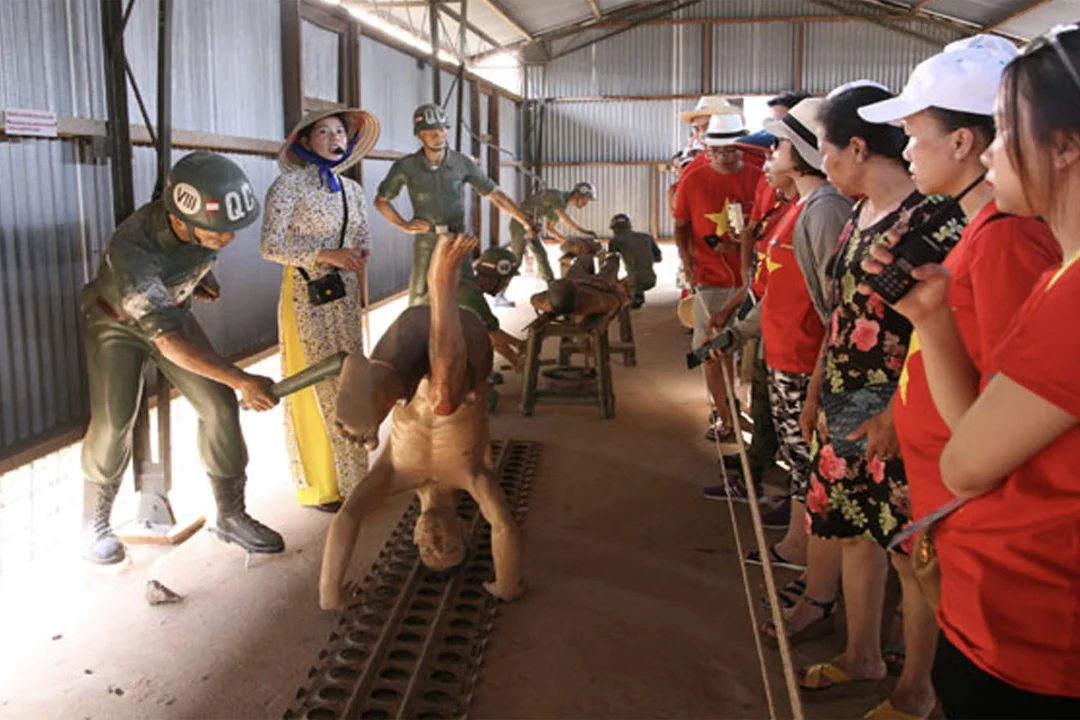
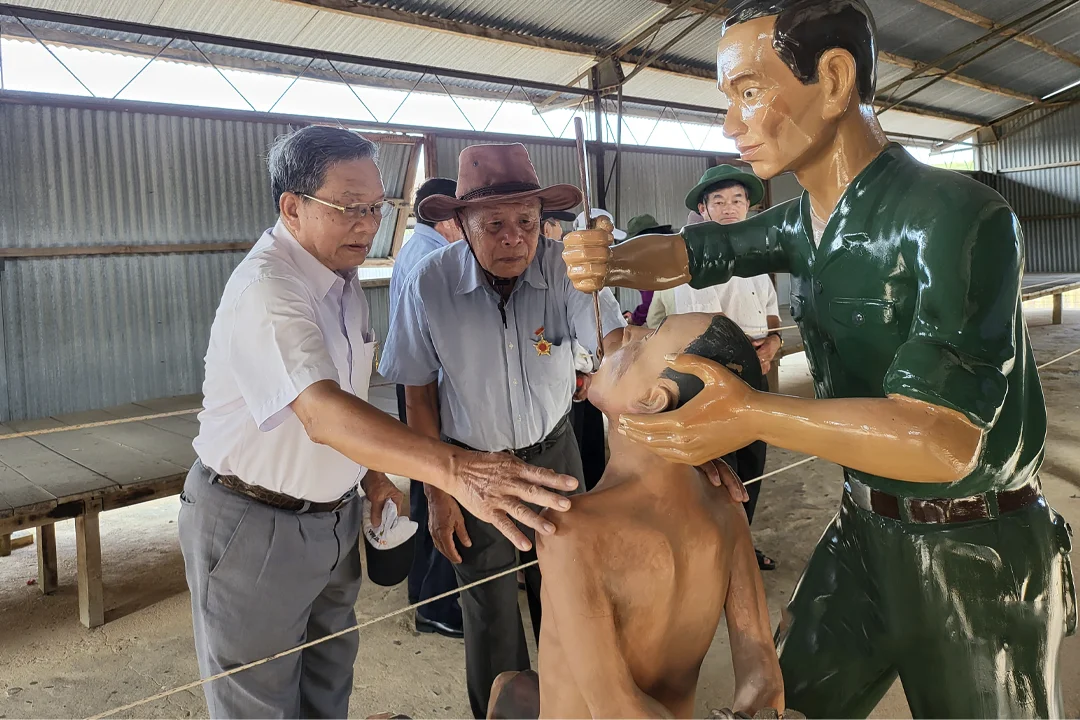
But it’s the life-size mannequins that stop you in your tracks. Arranged in dioramas, they depict the brutal reality of daily life: prisoners forced into heavy shackles, others enduring starvation in filthy conditions. It’s unflinching. Informational panels in both Vietnamese and English detail the timeline of the prison and include firsthand accounts from survivors. This isn't a Hollywood set; it’s a sobering, educational reconstruction that leaves no doubt about the cruelty endured here.
The Tiger Cages: The Chilling Epicenter
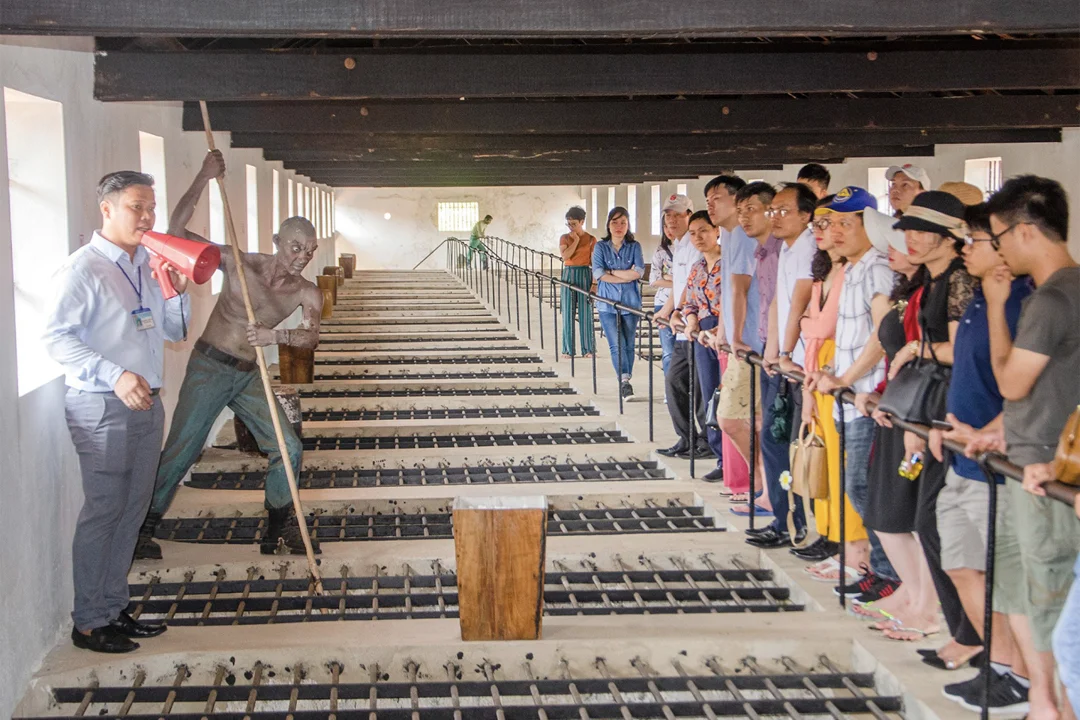
From the open air, you move toward the most chilling section of the museum: the infamous "tiger cages." These are not large enclosures. They are small, dark cells, barely large enough for a person to stand upright. Iron bars form the roof, allowing guards to drop lime or pour water on the prisoners below. These cages were reserved for solitary confinement and the harshest punishments—places where hope went to die.
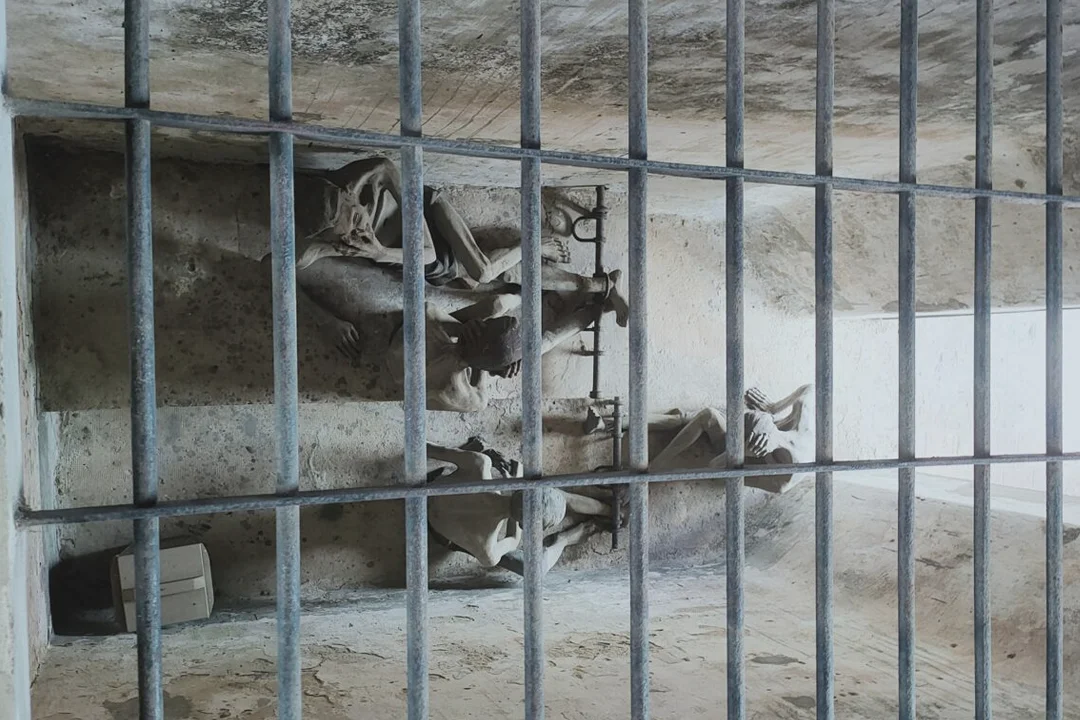
This is where the emotional impact hits hardest. Standing beside one of these cages, you see the worn grooves in the concrete floor where bare feet paced for years. You can almost feel the heat, smell the despair. Visitors often fall silent here. It is impossible to rush past. The tiger cages transform abstract history into tangible horror, and they leave the deepest impression of any part of the museum.
The Indoor Exhibition Hall: Faces and Artifacts
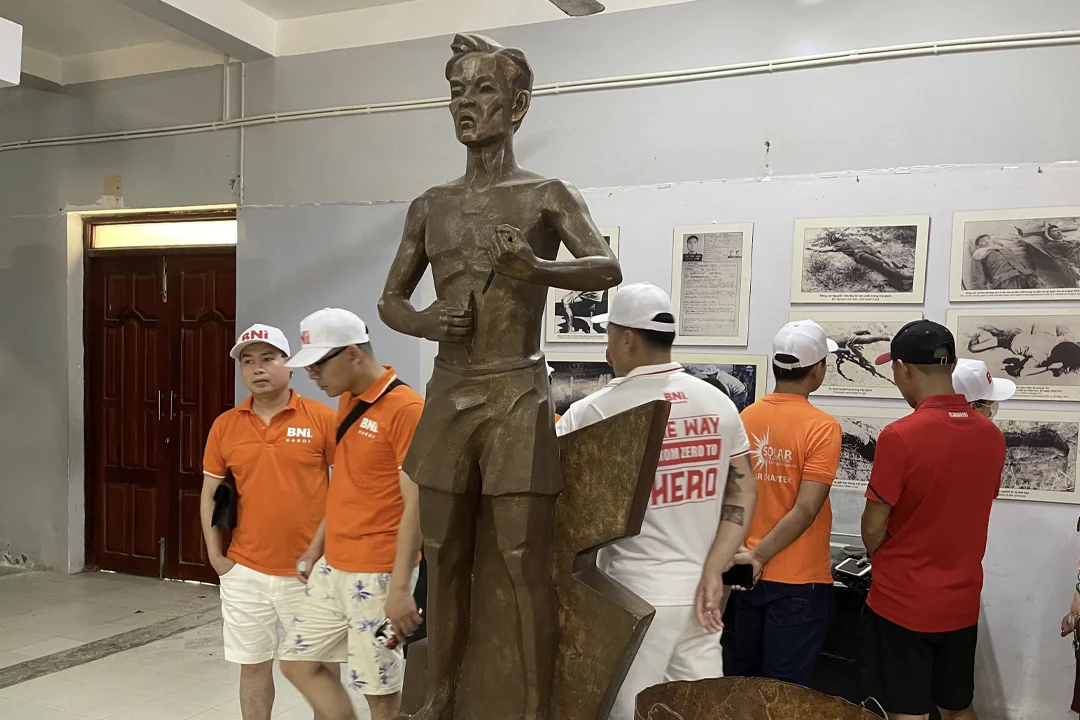
Seeking a moment of shade, you enter the indoor exhibition hall. Here, the story becomes personal. Walls are lined with black-and-white photographs of the prison during its operation—images of emaciated prisoners, overcrowded cells, and the tools of their captors.
Glass cases hold personal belongings: a rusted canteen, a torn shirt, a pair of simple wooden clogs. Adjacent to them are the instruments of torture and propaganda materials used by the guards. But the most powerful elements are the individual stories. You read names, see faces, and learn about acts of quiet heroism—secret messages passed between cells, hunger strikes, and the unwavering refusal to betray comrades. This hall transforms the anonymous masses of history into real people, each with a name and a story worth remembering.
The Memorial & Tribute Area: A Space for the Living
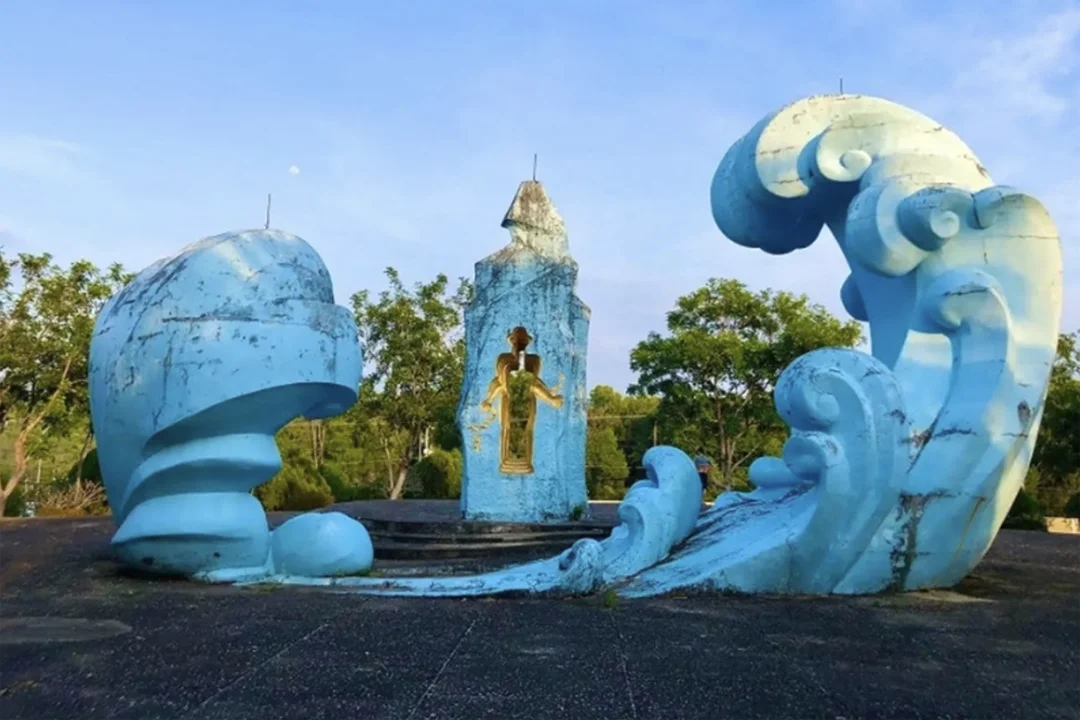
The final zone is not one of horror, but of healing. The Memorial & Tribute Area is a quiet, contemplative space featuring altars, burning incense, and fresh offerings of fruit and flowers. This is not a static display; it is a living place of remembrance.
Observing the visitors here is profound. Vietnamese guests often stop to light incense, bow deeply, and pray for the spirits of the fallen. For them, this place is ancestral. International tourists, on the other hand, tend to observe quietly from a respectful distance. This area offers a crucial moment to pause, breathe, and pay respects before re-entering the outside world. It reframes the entire visit from a lesson in suffering to a tribute to resilience.
The Visitor Experience: Practical Guidance
You have two main options for touring: guided or self-guided. Guides are available (often with deeply personal family connections to the war) and provide invaluable context you won’t find on the signs. However, a self-guided audio tour allows you to move at your own pace, which many visitors prefer given the heavy subject matter.
A few practical notes: Due to the intense nature of the displays (particularly the mannequins and tiger cages), this is not a typical tourist attraction. For families with children, consider age-appropriateness carefully. Older teenagers can gain immense historical perspective, but the imagery may be disturbing for younger kids. Photography is generally permitted in outdoor areas, but use extreme sensitivity inside the tiger cages and indoor hall. Avoid selfies or posed smiling photos—this is a memorial, not a backdrop.
Why should you visit Phu Quoc Prison Museum?
Some travelers question visiting sites of suffering on vacation. This is often called "dark tourism," but when done respectfully, it is actually the opposite of dark—it is illuminating. To understand a destination fully, you must understand its entire history, not just its sunny highlights.
The Phu Quoc Prison Museum pairs perfectly with the island’s lighter offerings. Spend a sobering morning here, then balance the emotional weight with an afternoon at a quiet southern beach like Sao Beach or a sunset ride on the world-famous Phu Quoc cable car. The contrast is not jarring; it is enriching. It reminds you that freedom is precious and peace is fragile.
What visitors consistently report is that this museum changes their perspective. You leave with a deeper understanding of Vietnamese history, a profound respect for human resilience, and a renewed gratitude for the simple freedoms of daily life. It is a destination that resonates long after you’ve washed the salt spray from your skin.
Practical Visitor Information
- Address: An Thoi Town, Phu Quoc City, Kien Giang Province (southern tip of the island).
- Opening Hours: Typically 7:30 AM to 5:00 PM (daily).
- Entrance Fee: Low cost (approx. 50,000 – 100,000 VND; free for some groups like veterans or children under a certain height—verify current rates on arrival).
- Best Time to Visit: Early morning (right at 7:30 AM) to avoid the midday heat and the arrival of tour group crowds.
- What to Wear: Modest, respectful clothing. Cover shoulders and knees. You are entering a memorial.
- Nearby Attractions: Combine your visit with the An Thoi fishing village (lunch of fresh seafood), the Phu Quoc Cable Car (departs from An Thoi), and the stunning southern beaches (Sao Beach or Khem Beach).
The conditions were designed not just to detain, but to break the human spirit. Prisoners lived amidst barbed wire enclosures, starved on meager rations, and suffered from rampant disease. But the most notorious features were the "tiger cages"—small, iron-barred cells used for solitary confinement and unspeakable torture. Today, the prison is recognized as a nationally significant historical site, a symbol of the extraordinary sacrifice and resilience of the Vietnamese people. What was once a place of profound suffering has been transformed into a museum with a singular mission: to honor those who suffered and ensure their stories are never forgotten.