Ferry to Con Dao Island: Complete Travel Guide 2026
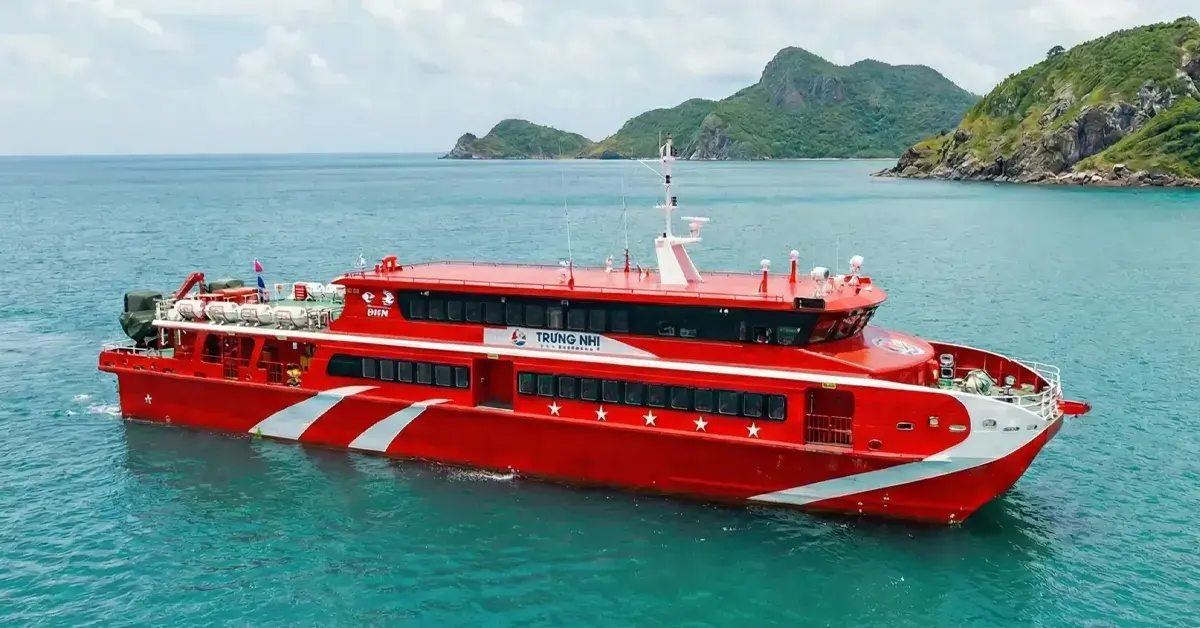
Con Dao is Vietnam’s most remote island paradise—largely unchanged by mass tourism, precisely because it takes a little effort to get there. The best way to arrive? The ferry to Con Dao island offers the most scenic, budget-friendly, and memorable journey across the emerald waters of the South China Sea. In 2026, with modern catamarans and new route options, the crossing is easier and more comfortable than ever. This complete guide covers every departure port, operator, price, booking tip, and on-island insight you’ll need for a smooth voyage.
Why Take the Ferry to Con Dao?
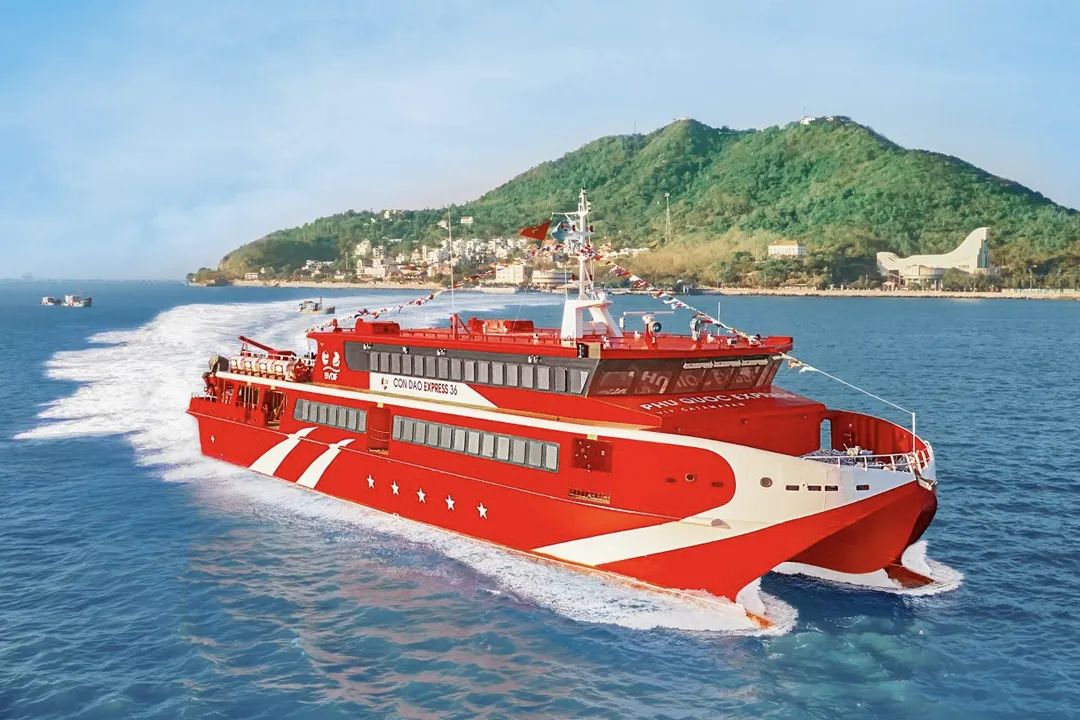
Choosing how to reach the island is the first step of your adventure. The sea crossing offers an experience that simply cannot be matched from the air, but it pays to know exactly what you are signing up for.
Ferry vs Flight - Which Is Right for You?
Choosing between the boat and the plane for your journey to Con Dao ultimately comes down to balancing your budget, time, and appetite for adventure. The ferry is the most budget-friendly choice, costing from around $17-30 USD (420,000 VND - 820,000VND) compared to the $57-78 USD (1.8-2.5 million VND) price tag of a flight, and the scenic sea crossing offers a memorable experience that fits perfectly if you are already traveling overland through the Mekong Delta; however, it requires a much longer transit time of 2.5 to 6 hours and remains highly dependent on favorable weather (depend on your choice of route)
Flights, by contrast, are the fastest option at just 45 minutes and provide much greater reliability during the rough wet season, making them ideal for tight itineraries or for those prone to severe seasickness despite being significantly more expensive. Flying is also a recommended option for travelers coming from a location in central or northern Vietnam who don't want to have to change modes of transport and endure another long journey before taking a ferry to Con Dao. While a novelty helicopter service also exists from Vung Tau on Fridays and Sundays, its premium pricing makes it a luxury splurge rather than a practical transit choice (or this is an option for those with truly special needs – such as filmmakers who need to shoot from above or in emergency situations).
Ultimately, the ferry wins for experience-seekers and budget travelers alike, meaning you should generally only opt for a flight if your time is truly critical.
What Is the Ferry Experience Like?
Forget the cramped, slow boats of the past. Today, you will ride on modern high-speed catamarans featuring air-conditioned cabins, comfortable VIP and Eco seat classes, and an onboard café. The dual-hull catamaran design—especially prominent on vessels operated by Phu Quoc Express—reduces rocking motion by approximately 60% compared to older mono-hull ships. While the sea can be rough from November to February, a calm day offers a magnificent scenic crossing. You get open deck access, great opportunities for photography, ample relaxation space, and the sheer joy of avoiding airport security queues.
Ferry Routes to Con Dao — All Departure Points
Multiple ports serve the archipelago, giving you the flexibility to choose an embarkation point that perfectly aligns with your mainland itinerary. It is important to note that all routes arrive at Ben Dam Port, which is located about 15 km from the main settlement of Con Son town. Upon arrival, you will need to pay a standard port fee of approximately $0.8 USD (18,000 VND) per person (as of 2026). The best choice of departure port depends entirely on where your journey begins.
Currently, to travel to Con Dao by speedboat, tourists can depart from three main locations in the Mekong Delta and Southeast Vietnam. The ferry terminals to Con Dao include:
- In Soc Trang (Can Tho): Tran De Port (Superdong), Tran De Fishing Port (Phu Quoc Express)
- In Vung Tau: Cau Da Port (Phu Quoc Express)
- In Ho Chi Minh City (Sai Gon): Nha Rong Port (Phu Quy Express) and Hiep Phuoc Port (Phu Quoc Express)
Each terminal has its own advantages and disadvantages in terms of travel time and comfort level. Depending on your geographical location and travel plans for Con Dao, you can choose the most suitable departure point.
| Route | Operator | Time | Price (approx) | Best For |
|---|---|---|---|---|
| Can Tho/Tran De → Con Dao | Phu Quoc Express, Superdong | ~2 hrs |
15-23 USD (390,000–590,000 VND) |
Mekong Delta travelers — FASTEST |
| Vung Tau → Con Dao | Phu Quoc Express, Phu Quy Express | ~4–5 hrs | 30-47 USD (790,000 – 1,200,000 VND) | Popular international route |
| HCMC Hiep Phuoc → Con Dao | Phu Quoc Express, Phu Quy Express | ~4.5–6 hrs | 28 - 45 USD (720,000 - 1,250,000 VND) | Central HCMC departure |
Can Tho/Tran De → Con Dao (Fastest Route - 2 Hours)
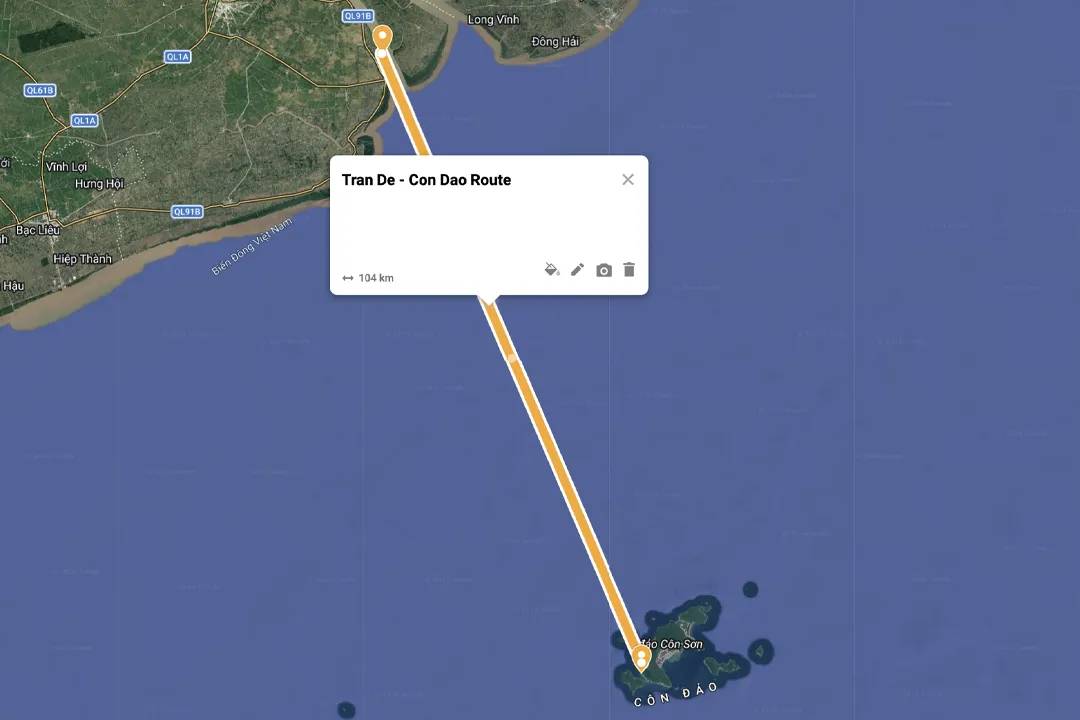
This is arguably the most important and convenient route for travelers coming from the lower delta region. Since July 2025, Soc Trang merged into Can Tho City, so this route is now officially known as the Can Tho to Con Dao ferry—even though the physical Tran De port is the actual embarkation point, located about 35 km from the old Soc Trang city center. Two primary operators, Phu Quoc Express (at the Tran De Fishing Port) and Superdong (at the Superdong Terminal), run daily departures here just a few kilometers apart. The journey takes only ~2 hours, making it the fastest sea crossing to the island from any mainland port. It is completely ideal for travelers coming from the vibrant Mekong Delta. Eco tickets cost approximately $15 USD (390,000 VND), while VIP seats are around $23 USD (590,000 VND) from Monday to Thursday (as of 2026). Weekend and holiday rates bump slightly to roughly 17.50 USD (450,000) VND for Eco. Because Can Tho is a major hub, it is also the starting point for our seamless cross-border private car service to Cambodia (see the highlighted section below). You should always book your tickets online well in advance.
Heading from the Mekong Delta?
The Tran De ferry port (Can Tho) is the fastest gateway to Con Dao - just 2.5 hours at sea. If you are coming from the Can Tho to Con Dao ferry route, our private car service connects the whole journey door-to-door. Discover more about Can Tho to Tran De (Soc Trang) private car here.Can Tho to Tran De (Soc Trang) private car
- No transfers, no waiting - direct pickup from your hotel or the ferry port.
- English-speaking driver, fixed price, flexible schedule.
Vung Tau → Con Dao (Most Popular International Route - 4-5 Hours)
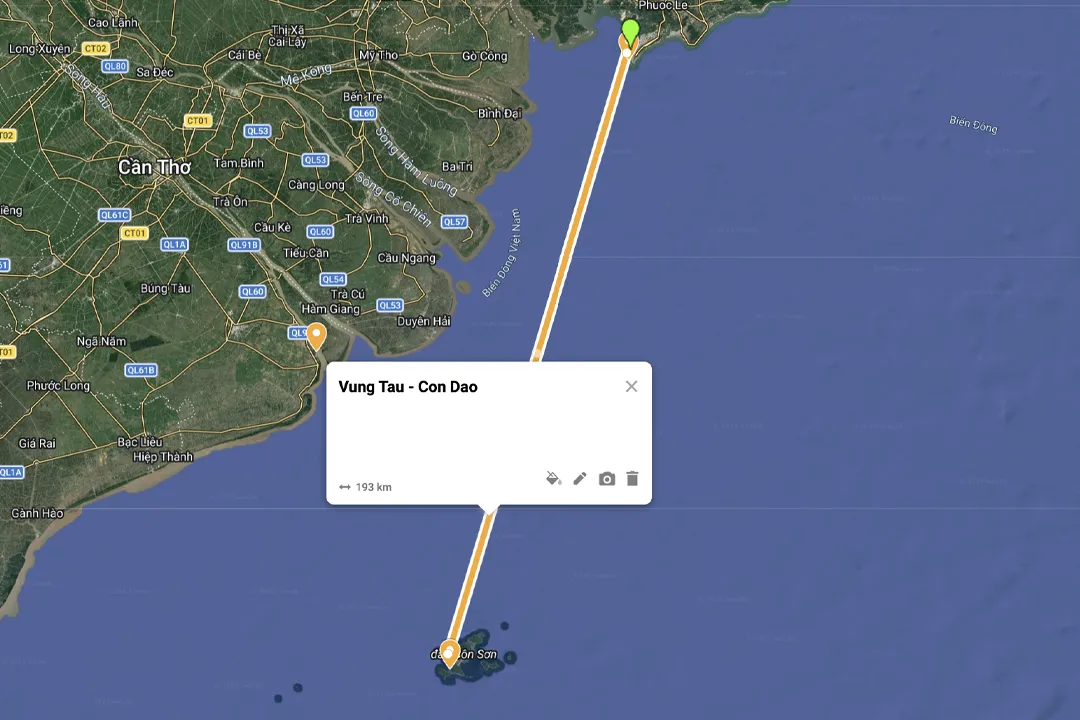
Operated by Phu Quoc Express using their Con Dao Express or Thang Long super ferries and Phu Quy Express with three-hull ferries, this is the most favored route for international travelers and those visiting from Ho Chi Minh City. The vessel departs from Cau Da Port in Vung Tau, which recently resumed full operations in February 2026 following a seasonal pause. The journey takes approximately 4-5 hours at a brisk 32 knots. These massive ships boast a capacity of 1,017 passengers across three deck classes: a lower VIP section, an upper Eco deck, and a fantastic rooftop café deck. Prices range from approximately 790,000 to 1,250,000 VND (as of 2026). Although Vung Tau is technically part of the expanded Ho Chi Minh City after the 2025 administrative merger, most locals and booking platforms still refer to it as Vung Tau for clarity. Ensure you book at least 2-4 weeks ahead during the peak season from April to September and during major national holidays.
Want to travel to the port now?
Nha Trang - Vung Tau private car, Mui Ne to Vung Tau private car, Da Lat to Vung Tau private car
Cau Da port located in Front Beach, Vung Tau City, located at 09 Ha Long, Ward 2, Vung Tau City. If you need transportation to get here, you can check out A21 Tours' private car service departing from various locations to Vung Tau here.
- No transfers, no waiting - direct pickup from your hotel or the ferry port.
- Fixed price, flexible schedule.
Ho Chi Minh City → Con Dao
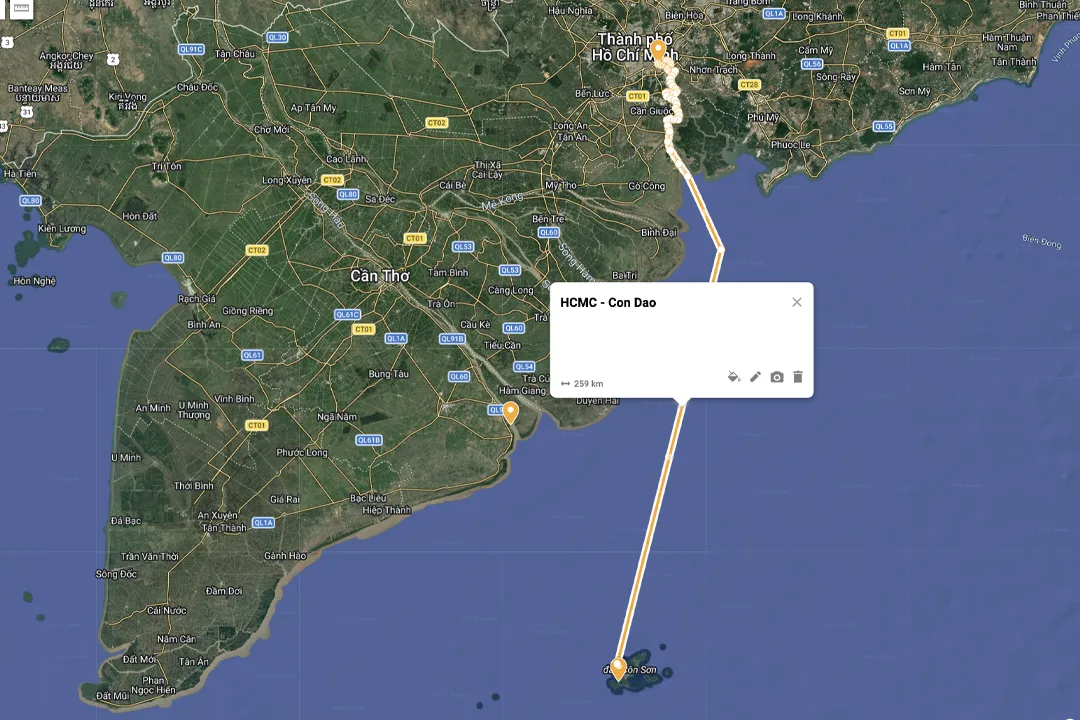
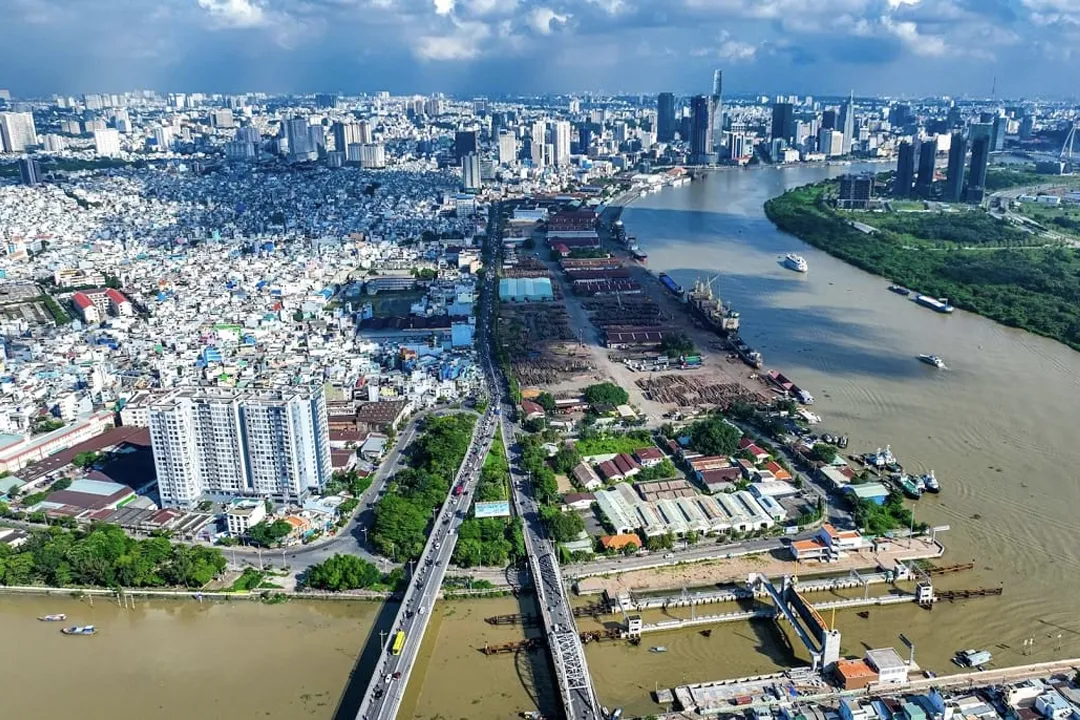
If you are staying in the heart of the southern metropolis and prefer not to travel all the way to the coast first, this is your best bet. Operated by the Phu Quoc Express and Phu Quy Express, the journey begins at Bach Dang Wharf where you take a 50-minute transfer down the river to Hiep Phuoc Port. From there, you embark on a 6-hour sea crossing. There is an additional port fee of approximately 35,000 VND (as of 2026) at Hiep Phuoc Port. Prices start from 28 - 45 USD (720,000 - 1,250,000 VND) with both VIP cabins and Eco seats available. While it is a longer overall journey, the central departure point provides unmatched convenience.
Ferry Operators: Which option is right for you?
When booking your Con Dao fast ferry, you will likely choose between the two major industry players. Both are highly reliable as of 2026, but they offer slightly different experiences.
Key Factors to Help You Choose
- From the Mekong Delta (Can Tho/Soc Trang): If you're starting in the Mekong Delta region, the Tran De port route is your best bet. Superdong is the most budget-friendly, while Phu Quoc Express offers a slightly faster catamaran for a higher price.
- From Ho Chi Minh City: If you're departing directly from the city center, Phu Quy Express is the dedicated operator. It is the most convenient but has a longer travel time.
- For Comfort vs. Budget: If comfort and minimizing seasickness are your priority, the modern catamarans of Phu Quoc Express (with their dual-hull design) are the best choice. If you are traveling on a strict budget, Superdong provides the lowest fares.
- For Night Travel: If you prefer to travel overnight or in a sleeper berth, Phu Quy Express offers this specific and convenient option.
Phu Quoc Express
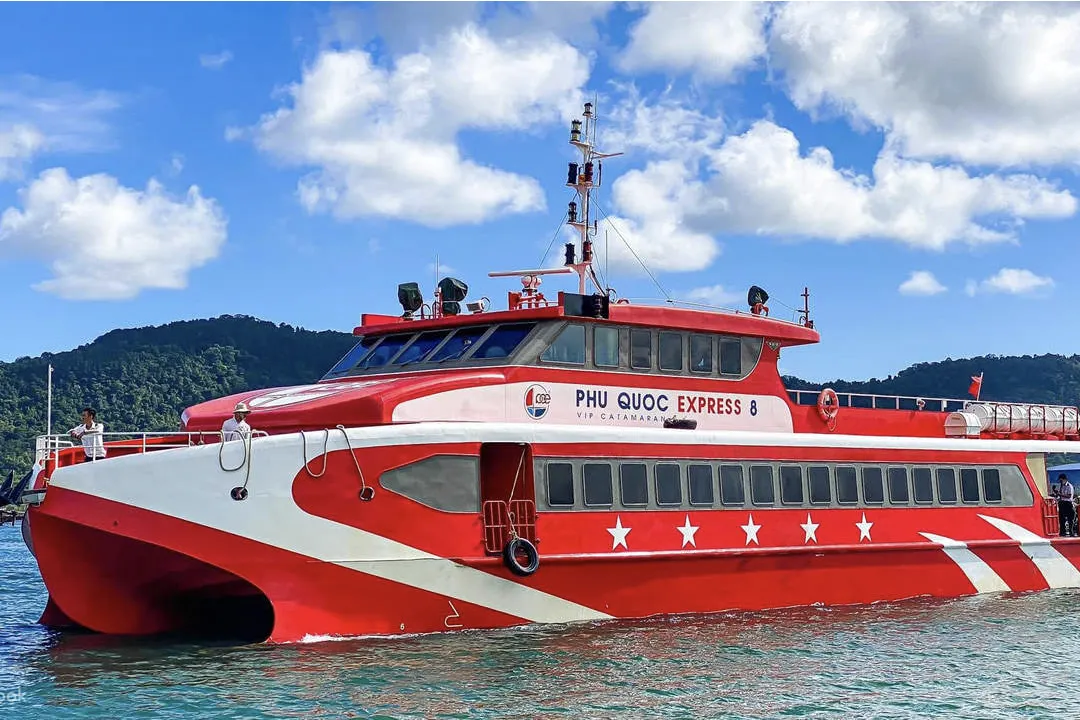
Established in 2017, this is Vietnam's leading 5-star catamaran operator. They utilize modern dual-hull vessels built to European standards, serving the Tran De, Vung Tau, and Hiep Phuoc routes. They are widely known for their bilingual staff, state-of-the-art ships, excellent onboard cafés, and significantly lower instances of passenger seasickness. They offer distinct VIP and Eco classes. However, there is a known history of customer service complaints regarding cancellation refunds, so we highly recommend booking via reputable third-party agents or their official site, and keeping their cancellation policy firmly in mind.
Superdong
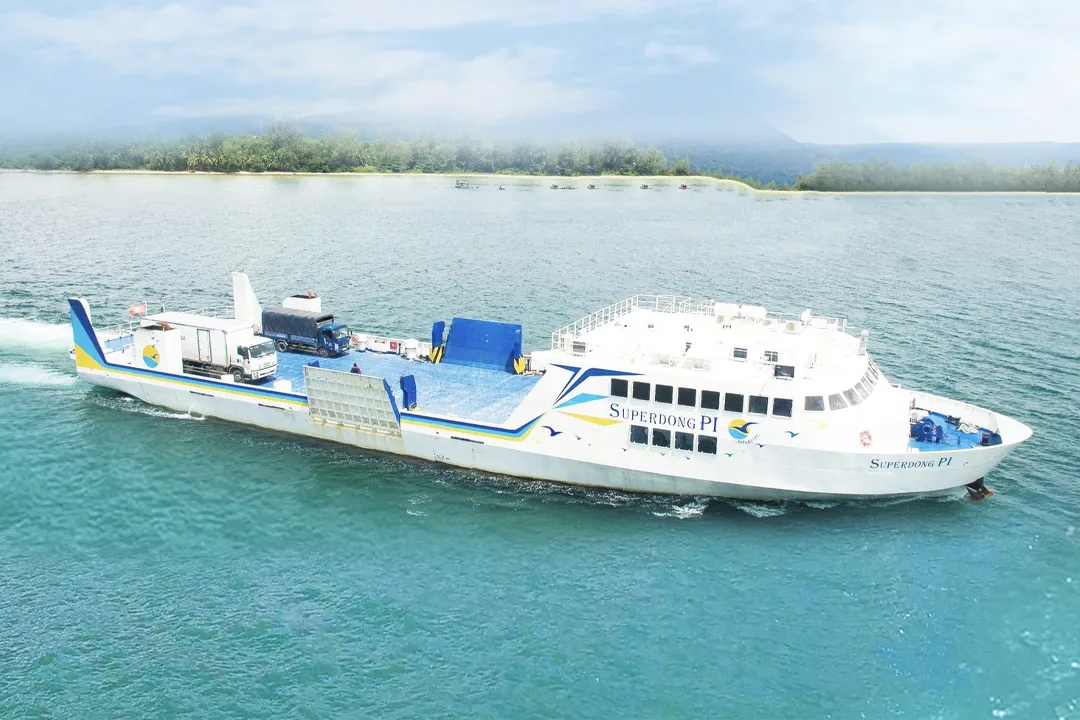
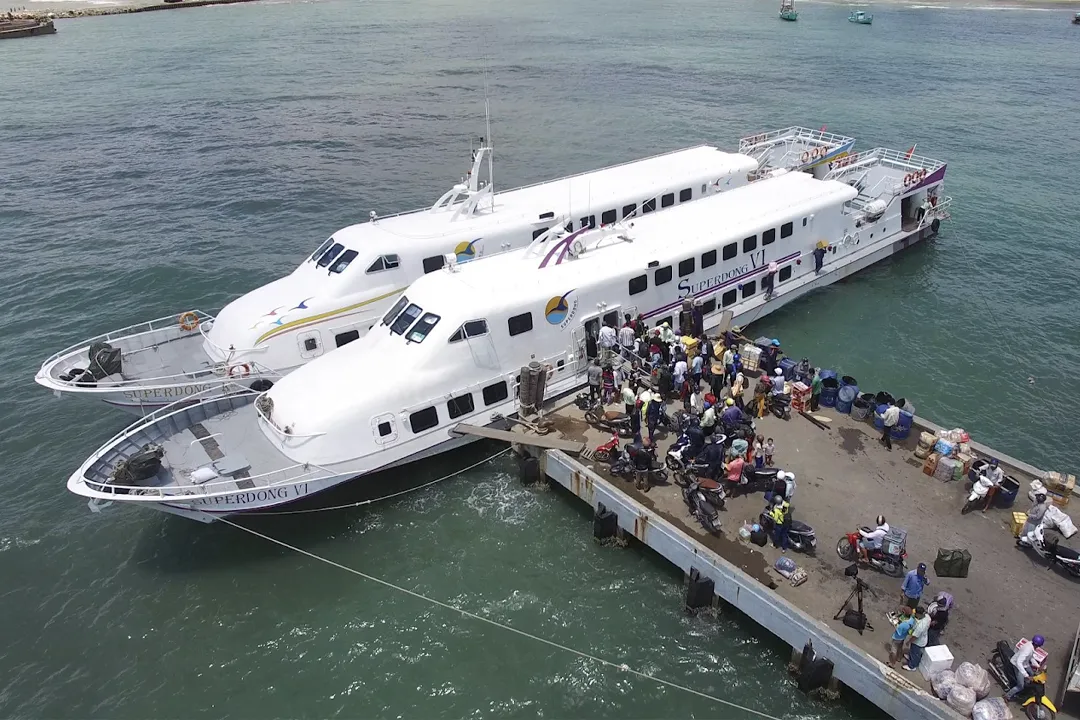
Superdong is a heavily established operator serving the Tran De route alongside its main competitor, maintaining very similar overall vessel standards. They are an excellent, dependable choice for the Can Tho departure, though they run slightly fewer overall routes to the archipelago specifically. They remain a steadfast and reliable option for the quick 2.5-hour crossing.
Phu Quy Express
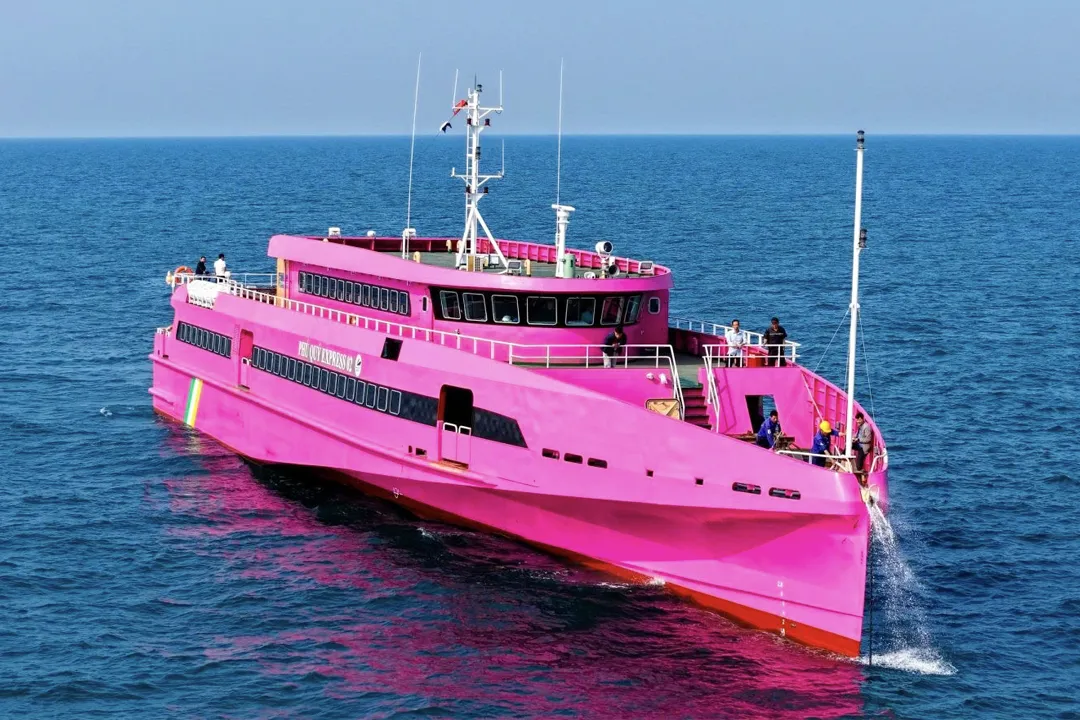
Along with Phu Quoc Express, this is another provider offering ferry services between Ho Chi Minh City and Con Dao. This provider features a modern, uniquely designed, three-hull ferry in striking pink (Phu Quy Express 2) with a capacity of up to 600 passengers, promising to be a new symbol of superior comfort and safety on your journey to explore the sacred land of Con Dao. This provider offers the best quality boats and the widest range of seating options. You can choose between standard seats, VIP seats, and sleeper berths.
| Operator & Vessel | Standard (Eco/Economy) Price (2026) | VIP/Business Price (2026) | Key Onboard Features |
|---|---|---|---|
| Superdong (Monohull) | $14 USD (370,000 VND) | Not Specified | Air-conditioning, TV, Wi-Fi, restrooms, attentive service |
| Phu Quoc Express (Catamaran) | $14.80 USD - $17.10 USD (390,000 - 450,000 VND) | $22.45 USD (590,000 VND) | Air-conditioning, TV, Wi-Fi, USB ports, snack and drink, reclining seats |
|
Phu Quy Express (Trimaran) |
$36.70 - 40.10 USD (965,000 - 1,055,000 VND) |
Seat: $45.65 (1,125,000 - 1,225,000 VND) Berth: $50.20 (1,205,000 - 1,325,000 VND) |
Air-conditioning, TV, Wi-Fi, USB ports, snack and drink, reclining seats |
Where to Book Ferry Tickets
You can easily secure your trip through online options such as the operator's official website or reliable booking aggregators like 12go.asia, Baolau, etc. However, note that some sites do not support English, which may cause difficulties when booking. To solve this problem, you can book tickets at the last minute through intermediary travel agencies. These agencies usually provide accompanying services and customer support throughout the trip, ensuring your journey will be smooth.
To avoid tickets selling out, you should also book at least one week in advance during the normal season and up to 2-4 weeks in advance during peak periods such as April-September, Lunar New Year, and national holidays. E-tickets are valid directly on your mobile device, however, you should print a copy. Plan to arrive at the port 30-45 minutes before departure time to complete the check-in process smoothly.
Best Time to Take the Ferry to Con Dao Island
Weather plays a massive role in both the reliability of your departure and your on-island experience. Understanding the seasonal shifts is crucial for planning your trip.
Dry Season - November to April (Best for Ferry)
This period generally offers the calmest seas and the best underwater visibility for snorkeling and diving, meaning ferry services run most reliably. However, it is important to note that November through February is technically the rough season out at open sea, which can lead to occasional unexpected cancellations. The months of March and April are genuinely the sweet spot—the weather is dry, the ocean is calm, and the temperature is wonderfully hot. As this is peak beach season, you must book your ferry tickets well in advance.
Wet Season - May to October
During these months, you should expect some ferry cancellations, especially from June to September when typhoon-season swells can occasionally reach 1-2 meters in height. At the peak of rough weather, roughly 20-30% of trips may be affected. Despite the rain, this is the active turtle nesting season from April to September, which is one of the destination's absolute signature experiences. Budget travelers may also find much better prices and far fewer crowds during this window. You should always carry seasickness medication if traveling in this season.
Peak Travel Periods to Avoid (or Book Far Ahead)
Travel during the Tet holiday in late January or early February, the April 30 to May 1 holiday block, and September 2 National Day requires intense pre-planning. These periods consistently see sold-out ferries weeks in advance alongside notable price surges.
Practical Tips for Your Ferry to Con Dao Island Journey
.webp)
Preparing properly can make the difference between a miserable transit and a delightful oceanic voyage.
Seasickness - How to Survive (and Avoid It)
- Choose the right vessel: dual-hull catamarans are far more stable than older mono-hull ferries.
- Choose a lower deck seat in the middle of the ship for the absolute least amount of motion.
- Eat a light meal about 2 hours before boarding and strictly avoid greasy food.
- Bring seasickness tablets like Dramamine or Bonine and take them 1 hour before boarding; fresh ginger candy also works wonders for mild cases.
- Look directly at the horizon if you start to feel queasy.
- From November to February or during heavy rain periods, you should seriously reconsider flying if you are very prone to motion sickness.
What to Pack for the Ferry
- Your physical Passport or ID, which is strictly required for boarding.
- A printed or mobile e-ticket ready for scanning.
- A light jacket, as the air conditioning inside the cabin can be surprisingly cold.
- Motion sickness medication, just in case the swell picks up.
- Your own snacks and water, as the onboard café can be pricier than mainland shops.
- Sunscreen and sunglasses if you plan to spend time out on the open deck.
- A fully charged power bank, especially for the 4-6 hour journeys on longer routes
At the Port - What to Expect
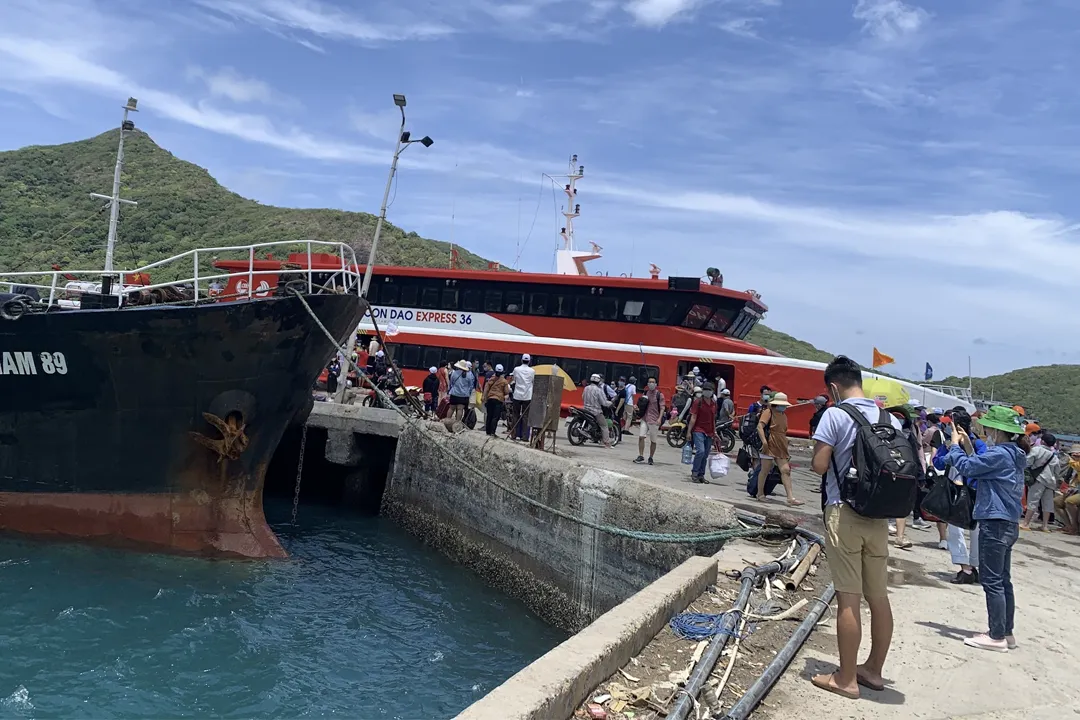
To ensure a smooth journey to Con Dao, plan to arrive at the port exactly 30 to 45 minutes early to avoid any rushing before departure. Upon arrival, head straight to the check-in counter to present your e-ticket alongside your identification to receive your boarding pass. Once onboard, your luggage will be stored securely either in the lower hold for larger suitcases or in the overhead racks directly above your seat for smaller bags. Be sure to listen closely for departure announcements, which are typically made in Vietnamese and sometimes broadcast in English as well. Finally, when you drop anchor at Ben Dam Port, you will need to take a taxi for approximately $7-13 USD (200,000 to 300,000 VND) or arrange a hotel pickup in advance to cover the roughly 15km journey into town.
Cancellations & Refunds
When traveling by ferry, weather-related cancellations are a very real possibility, particularly during active typhoons and from November to February when sea conditions can change rapidly. While most operators will eventually rebook your ticket or issue a refund if your sailing is called off, the administrative process behind it can be quite slow and frustrating to navigate on your own. To protect yourself, it is wise to book through highly reputable travel agents who can handle the refund logistics much more smoothly if things go wrong. Additionally, purchasing comprehensive travel insurance that explicitly covers ferry cancellations and transit delays is incredibly worth considering for longer trips, as it provides peace of mind and financial protection against unexpected weather disruptions.
Getting Around Con Dao After You Arrive
Once you step off the high-speed boat to Con Dao, you will need a plan to reach your accommodation and explore the island.
Ben Dam Port to Con Son Town
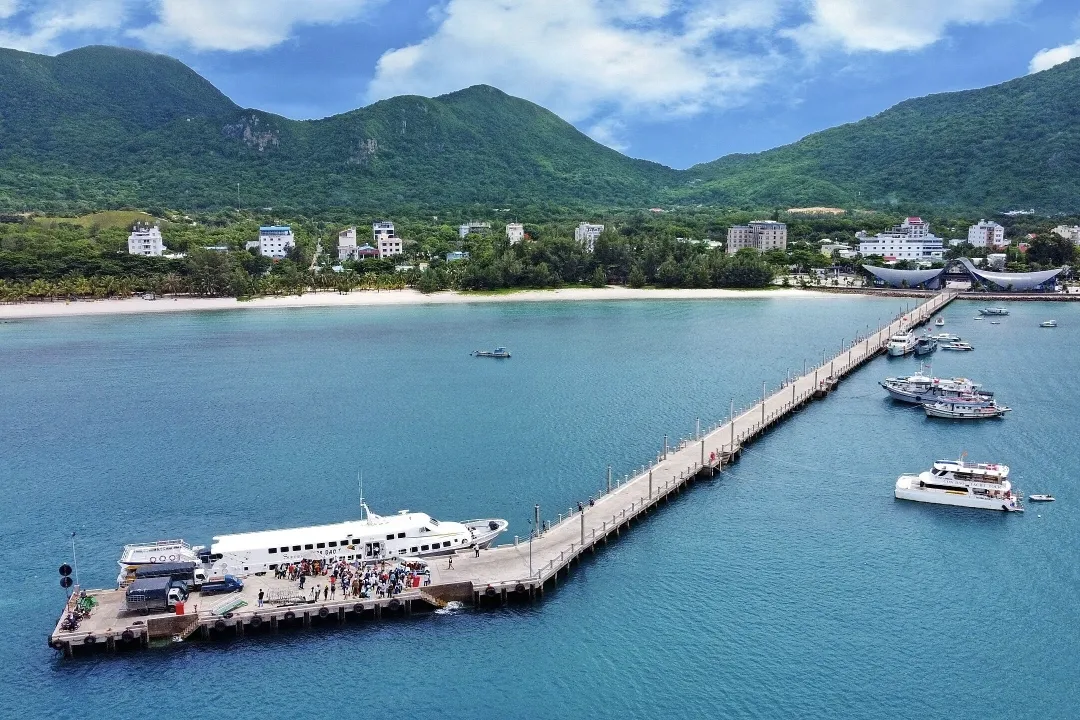
All ferries dock at Ben Dam Port, which sits about 15 km away from Con Son town. Your options for covering this distance include a pre-arranged hotel shuttle (which we highly recommend confirming when you book your room), a standard taxi that takes about 15-20 minutes and costs roughly $7.60-11.5 USD (200,000-300,000 VND) (as of 2026), or a local motorbike taxi. The ride-hailing app Grab does work on the island, though availability can sometimes be sparse.
Getting Around the Island
Motorbike rental is the quintessential Con Dao experience. It will cost you $5-7 USD (100,000–150,000 VND) per day. The road is a single loop around the main island, easy to navigate with no traffic lights. Bicycles work well for the town area. Taxis are available for longer trips. The quiet roads make motorbike riding a genuine highlight, not just a necessity.
Top Things to Do in Con Dao
Beaches — An Hai, Dam Trau, Bai Nhat

An Hai Beach is the island’s most accessible and photogenic stretch—white sand, turquoise water, facing sunrise. Dam Trau is remote, undeveloped, and often voted among Vietnam’s most beautiful beaches. Bai Nhat offers a quieter hidden cove, reachable by motorbike. Unlike Phu Quoc or Da Nang, Con Dao’s beaches remain gloriously uncrowded.
Con Dao Prison Museum & Historical Sites

The prison complexes, originally built by the French and used extensively through the war, offer a profoundly solemn visit. The local museum, opened in 2013, provides essential historical context that you should not miss. You should ideally visit the prison grounds first, then the museum, as the sequence truly matters for understanding the history. The grave of revolutionary martyr Vo Thi Sau remains a major pilgrimage site for domestic visitors.
Sea Turtle Watching

This is the only location in the entire country for watching sea turtles nest in the wild. The season runs from April to September, peaking between June and August. Organized night tours are strictly run by the National Park Management Board, featuring small, regulated group sizes and a strict no-flash photography rule. It is an extraordinary, once-in-a-lifetime experience and one of the main reasons travelers make the long trip.
Con Dao National Park

Covering vast tracts of both land and marine areas, the park offers exceptional hiking trails, serene birdwatching, snorkeling tours, and protected dugong habitat zones. The park management board runs fantastic eco-tours, which you should book in advance at their main office in town.
FAQs
How long is the ferry ride to Con Dao?
How much does the Con Dao ferry cost?
Can I take a motorbike on the ferry to Con Dao?
What if the ferry is cancelled?
Which ferry port is closest to Can Tho?
Conclusion
In 2026, taking the ferry to Con Dao island is undeniably more accessible, more comfortable, and more affordable than ever before. Whether you board the Can Tho to Con Dao ferry for the lightning-fast 2.5-hour crossing, or choose to sail from Vung Tau for the classic, extended scenic experience, the sea journey perfectly sets the tone for an island that immensely rewards those who make the effort to reach it. For travelers exploring the deep south, the Can Tho connection remains the absolute best natural gateway. Book your ferry tickets early, prepare for the crossing, and consider combining your trip with our seamless Can Tho to Phnom Penh private car service if you are adventuring onward into Cambodia!