Ha Khau – Lao Cai Border Crossing: Complete Guide for Travelers 2025

The Lao Cai - Ha Khau International Border Gate is one of the important destinations for traders in the economic and trade exchange of goods. The Lao Cai International Border Gate area, part of the Lao Cai Provincial Border Economic Zone, covers an area of over 60 km2, encompassing the wards and communes of Lao Cai, Coc Leu, Duyen Hai, Pho Moi, Kim Tan, Van Hoa, and Dong Tuyen in Lao Cai city, and Na Mo village in Ban Phiệt commune, Bao Thang district.
Currently, the Lao Cai border economic zone is developing with diverse industries, becoming one of the trading centers of the ASEAN region, connecting different parts of the country. The economic and trade activities at the border gate are increasingly developing and attracting attention from traders. The goods traded are often local products. Along with that, the Lao Cai international border gate is currently one of the "hottest" tourist destinations, attracting a large number of visitors.
Lao Cai - Ha Khau Border Crossing Basics: What You Need to Know
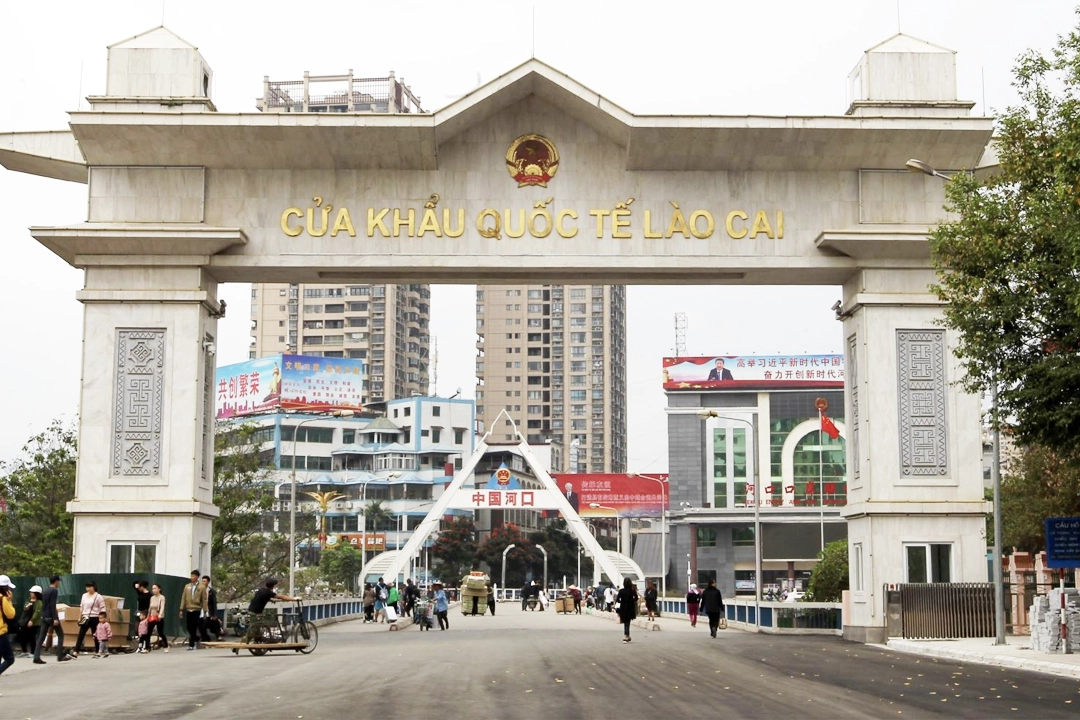
Before we dive into the logistics, let’s get the lay of the land. The Ha Khau–Lao Cai border is actually two gates facing each other across the Red River.
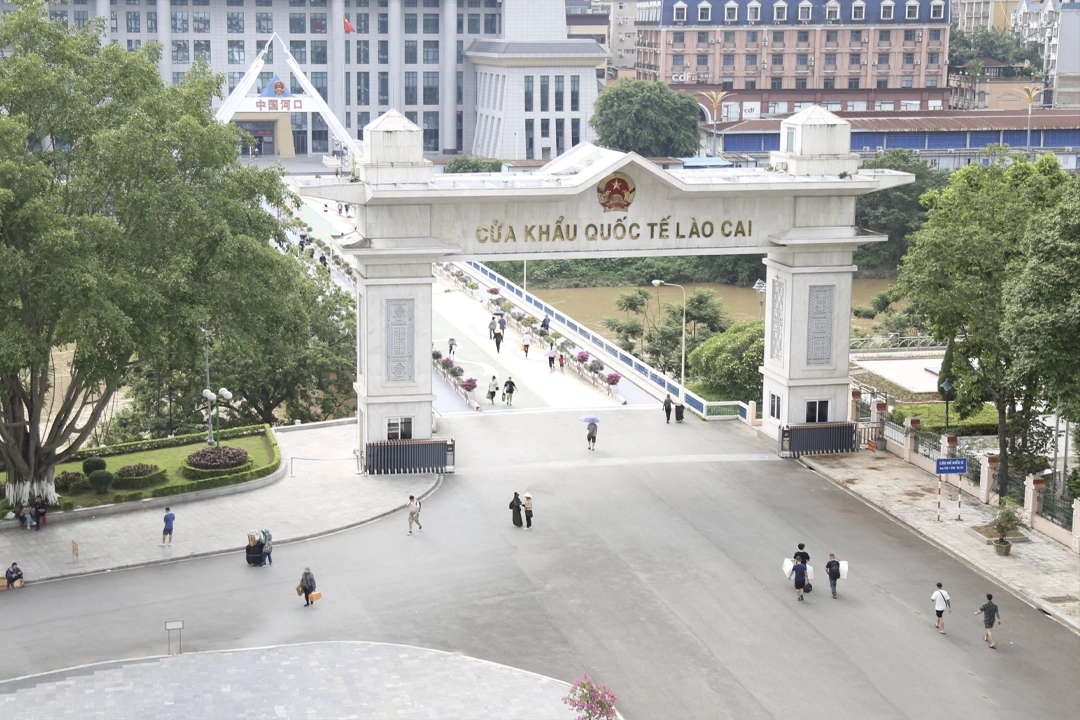
- Vietnamese Side: Lao Cai International Border Gate, Lao Cai City
- Chinese Side: Hekou North / Ha Khau Border Gate, Hekou County, Yunnan Province
- Opening Hours: 7:00 AM – 10:00 PM daily (Vietnam time)
- Crossing Type: Fully international (foreign passport holders are welcome)
- Pedestrian Access: Yes—you cross the bridge on foot
Please note that opening hours can shift during major Chinese national holidays, particularly Golden Week (early October) and the Lunar New Year period (late January–February). Always double-check with local sources or your accommodation 48 hours before crossing.
Visa Requirements: The Most Important Section
For Vietnamese citizens, you can choose a travel permit instead of a visa because the procedure is simpler and the cost is much lower than applying for a passport and visa. For foreign tourists, applying for an e-visa will be more convenient and secure. Remember that if you arrive at Lao Cai without valid Chinese documentation, you will be turned back at the bridge. There is no exception at this crossing.
For Entering Vietnam
- E-visa (strongly recommended): This is your best bet. Apply online through the official Vietnam immigration website at least three business days before you arrive. It’s valid for 90 days, offers single or multiple entries, and is available for passport holders of over 80 countries.
- Visa on Arrival (VOA): Not available at land borders. The VOA system is designed for airport arrivals only. A pre-approved letter will not help you at Lao Cai.
- Visa Exemption: Check if your nationality qualifies for Vietnam’s visa-free entry (ranges from 14 to 45 days depending on the country).
For Entering China
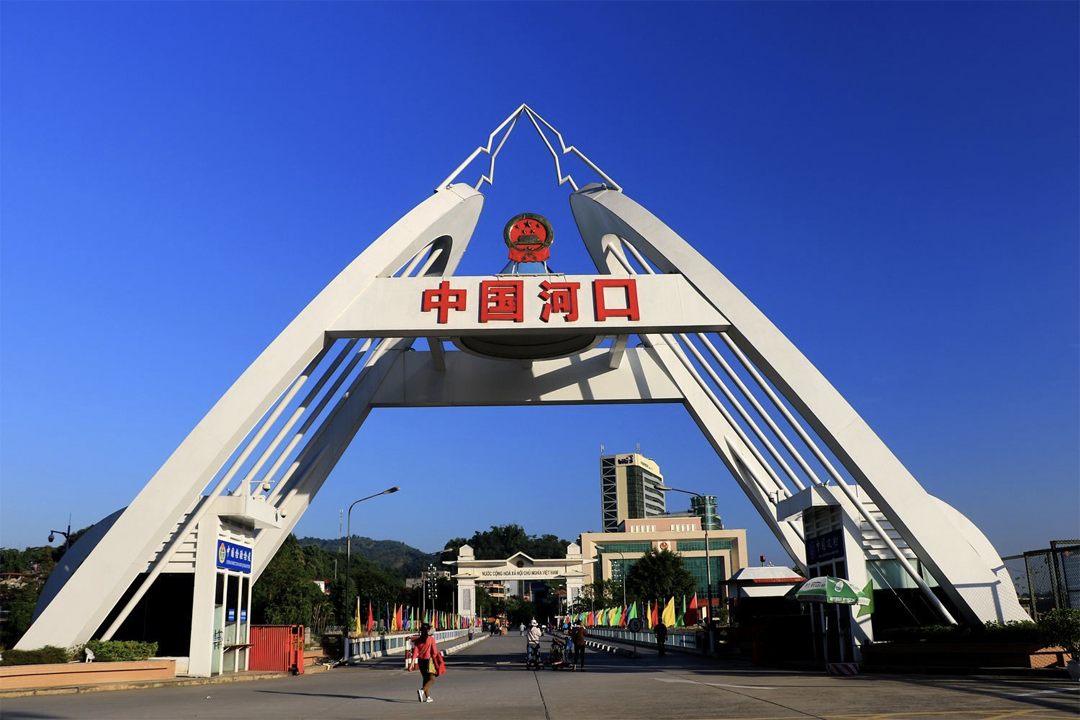
- Chinese Tourist Visa (L Visa): This must be arranged in advance at a Chinese embassy or consulate. Expect processing to take a minimum of 4–7 business days.
- Visa on Arrival: Generally not available for most nationalities at the Hekou crossing.
- 15-Day Visa-Free Transit: Some nationalities (including the US, UK, Canada, and Australia under specific conditions) may qualify for China’s 144-hour or 72-hour transit exemption. However, eligibility can change and is not guaranteed for Yunnan Province. Do not rely on this without confirmation from a Chinese embassy.
Tips: If you are traveling to China, make sure your passport is valid for more than 6 months and that you have a visa or other appropriate travel documents (travel permit). For e-visas, you should print out a copy beforehand.
How to travel to Lao Cai International Border Gate?
Hanoi or Lao Cai city are popular starting points for travelers heading to the Lao Cai International Border Gate. From these two locations, you have many options for getting to the the Border Gate, depending on your needs.
1. From Hanoi to Lao Cai International Border Gate
The distance from Hanoi to the Lao Cai border gate is approximately 280km - 320km depending on the route, mainly via the Hanoi - Lao Cai expressway (CT05). Travel time will depend on the mode of transport you choose.
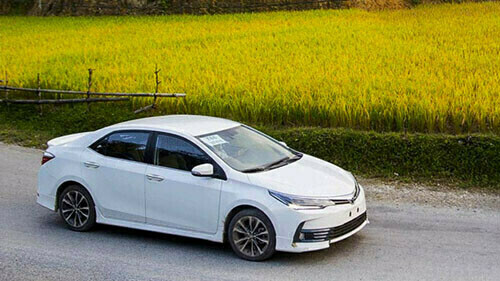
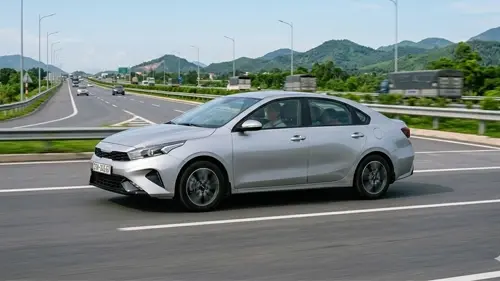
- VIP Limousine Vans/Sleeper Bus: This is the most popular and convenient option. These buses vans offer door-to-door service, picking you up at your location in Hanoi and dropping you directly at the border gate. You can find some famous bus-operators like Sao Viet, Phuc Lam, SapaKing, và Luxury Vân operate frequently (every 30–60 minutes). The bus fare per person is also very cheap, ranging from $10.00 – $15.00 (260,000 – 370,000 VND), depend on your seat class or pick-up point.
- Private Car: Ideal for groups or those with significant luggage. A private transfer allows you to set your own schedule and travel directly without other stops. $80.00 – $135.00 (2,000,000 – 3,500,000 VND) depending on vehicle size.
- Motorbike: If you're an adventurous person or on a cross-country motorbike trip, traveling from Hanoi to Lao Cai might take longer, but it allows you to enjoy the scenery along the way in the most comfortable way.
- Train: This is also the choice of many tourists who want to save on a night's hotel stay. Choose to depart from Hanoi in the evening and you will arrive in Lao Cai safely the next morning. The ticket price ranging from $20-25 USD per normal soft-berth (4/6 berth cabin), and it may be even more expensive if you choose special cabin classes. Lao Cai Railway Station is located about 1 km from the border gate—a quick 5-minute xe ôm (motorbike taxi) ride or a 15-minute walk.
| Option | Duration | Approx. Cost | Notes |
|---|---|---|---|
| Overnight train (soft sleeper) | 8–9 hrs | $15–30 USD | Departs ~21:00-22:00, arrives ~05:30-06:30 |
| Limousine bus | 5–6 hrs | $10–15 USD | Departs from My Dinh station or hotel at Old Quarter |
| Private car | 5–6 hrs | $80–110 USD | Door-to-door, flexible timing |
| Motorbike | 10-12hrs | $8USD/day for rental + fuel cost | A valid international driving license is required. |
2. From Sapa to Lao Cai International Border Gate
Many people combine a trip to Sapa with a quick visit to China. This is a good idea, as Sapa is only 55km from the border crossing, and there are many transportation options from the "city of mist" to get there.
- VIP Limousine Vans/Sleeper Bus: This is a very popular choice for travelers. You'll be sharing the ride with others and enjoying the mountain scenery along the way. The ticket price is approximately $4-7USD (120,000-180,000VND), which take 2 hours to get to the border gate.
- Private Car: Great for those seeking comfort, flexibility, and door-to-door service. A private car from Sapa to Lao Cai costs around $16 USD (400,000 VND) for a standard sedan that can fit up to 3 people with luggage.
- Motorbike: Driving yourself allows for total freedom, but it's only recommended for experienced riders. The cost will depend on if you rent a bike or use your own. The route covers about 35 km and is a popular and scenic road for experienced riders.
Crossing the Border (Step-by-Step)
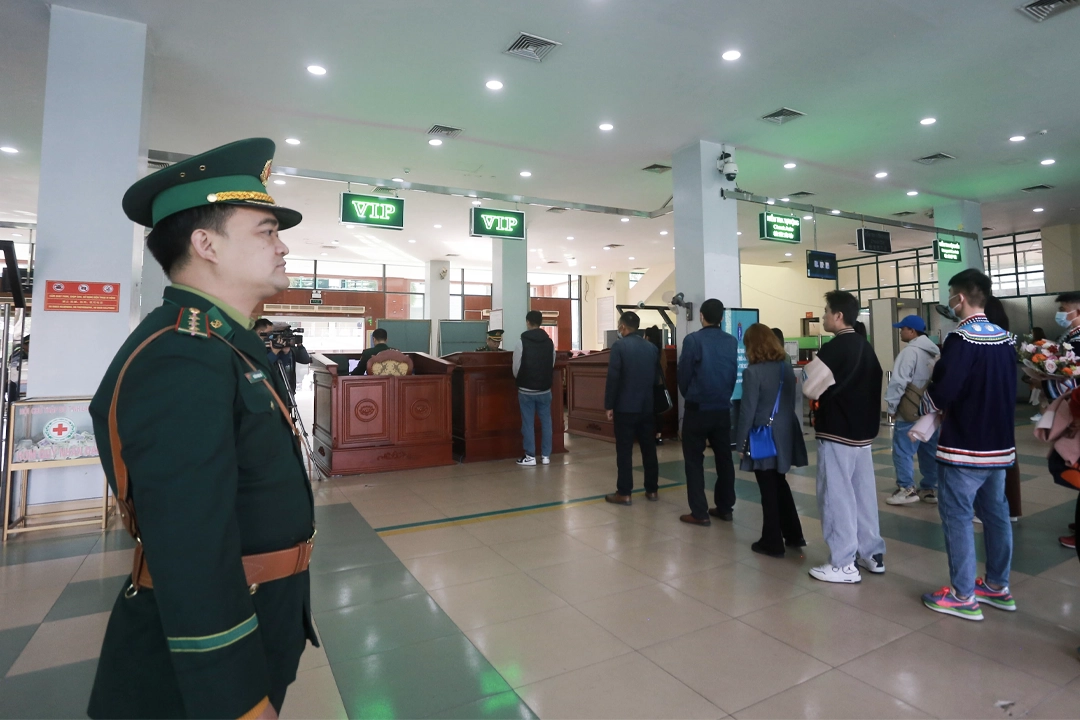
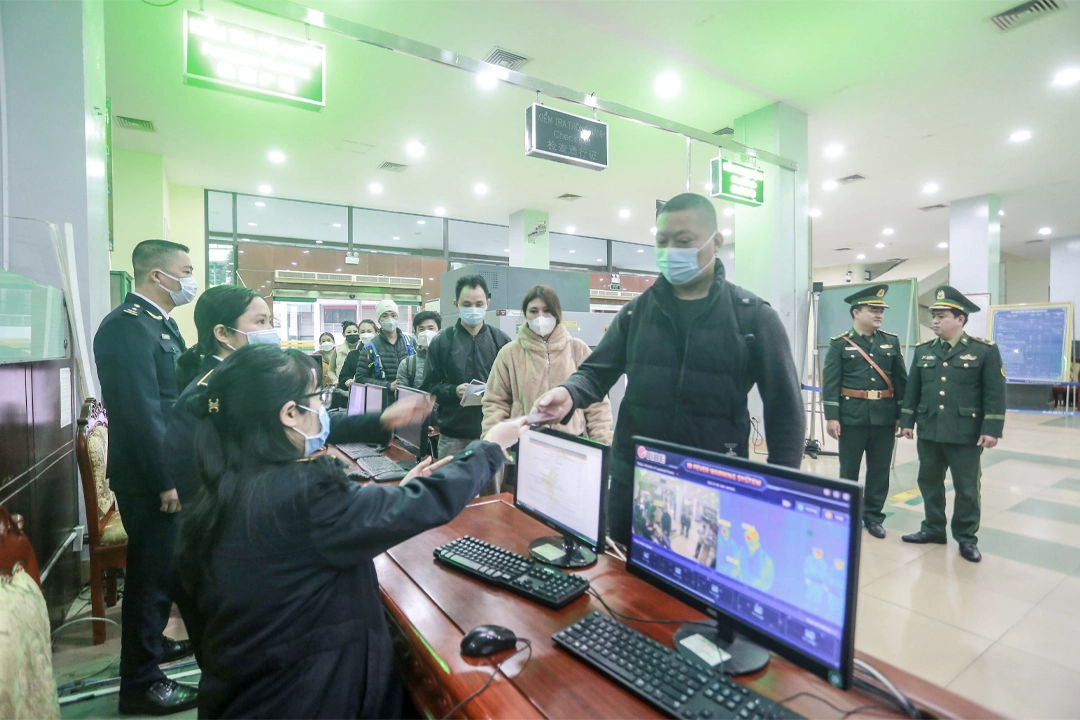
Your border-crossing journey begins at the Lao Cai International Border Gate, where you’ll first clear Vietnam's exit immigration by presenting your passport to receive your departure stamp. Please note that you need to declare if you are carrying cash exceeding USD 5,000 (or the equivalent in foreign currency) or VND 15 million. High-value items (over USD 300) should also be declared to avoid problems upon re-entry. Next, enjoy a scenic 200-meter stroll across the International Friendship Bridge; as you cross over the Red River, you are officially standing in the space between two nations.
Once you reach the Chinese side, enter the Hekou immigration hall to complete your biometrics—including fingerprints and a photo—and pass through the baggage X-ray. Depending on the quarantine regulations at the time of your trip, you may need to declare a health QR code via an app (usually WeChat or the Chinese customs app). After presenting your pre-arranged Chinese L-visa and receiving your entry stamp, you’re all set to walk out and start exploring Hekou city.
Once you’re through Chinese immigration, you’ll find yourself in Hekou. From here, Yunnan’s excellent rail network awaits. The high-speed train is the clear winner: it’s comfortable, fast, and affordable by global standards. Kunming is a major hub, with onward connections to Dali, Lijiang, and Chengdu.
Cultural Immersion: Places to visit and Things to do
In Lao Cai, Vietnam
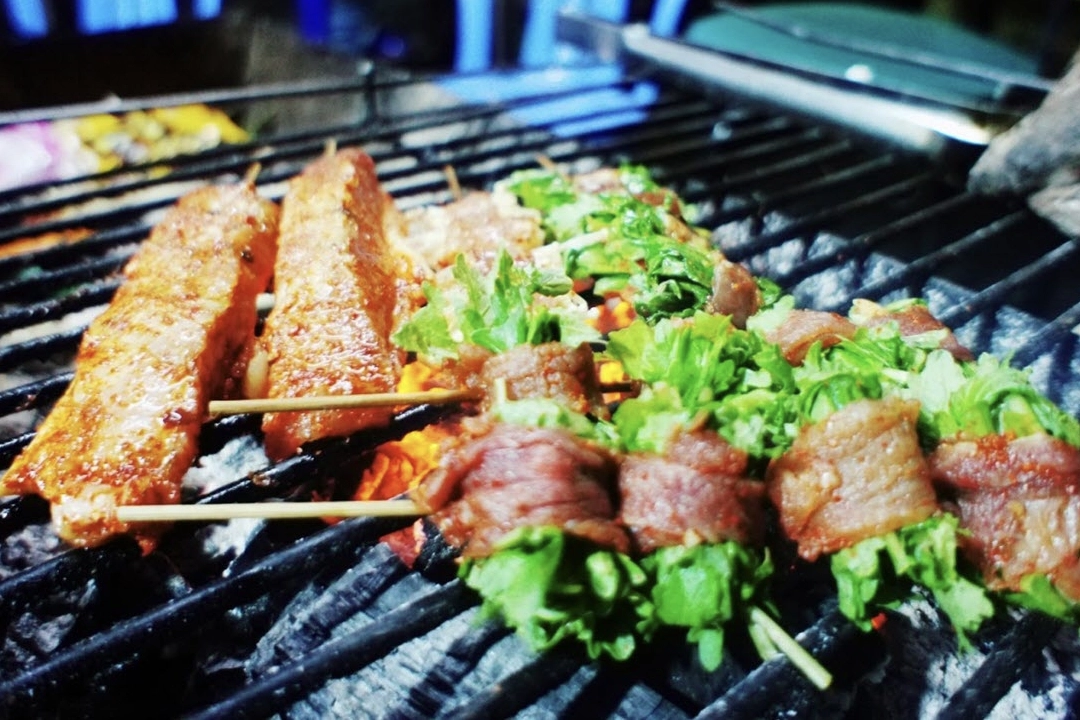
While many travelers view Lao Cai simply as a gateway to the border, this vibrant frontier town possesses a rustic charm that is well worth an overnight stay. If your schedule allows, spend an evening at the Lao Cai Night Market. Unlike the more famous, heavily commercialized markets in nearby Sapa, this market retains a raw, authentic soul where the interactions feel genuinely local. It is the perfect place to sample the bold flavors of Northwest Vietnam. You must try Thang Co, a traditional Hmong specialty. This hearty, aromatic soup, made with horse meat and nearly a dozen forest spices, offers a depth of flavor that is difficult to replicate in the lowlands of Hanoi. For those with a slightly more conventional palate, the regional Salmon Hotpot—utilizing fresh, cold-water fish raised in the surrounding mountains—is a celebrated local delicacy or Roasted Beef Roll —The combination of fresh beef and locally sourced, organic vegetables.
Even if your primary goal is the border crossing, a quick detour to Sapa is highly recommended. Just a 45-minute drive away, a few hours spent wandering the Sapa Market or catching a glimpse of the clouds swirling around the Fansipan peak provides a dramatic visual contrast to the riverfront valley. This short excursion into the Muong Hoa Valley adds a layer of misty, high-altitude magic to your journey before you transition into the tropical heat of the lowlands.

In Hekou, Yunnan (China side)
Upon stepping off the Friendship Bridge into Hekou, Yunnan, the atmosphere shifts into a fast-paced blend of traditional border trade and modern Chinese infrastructure. While Hekou is an interesting melting pot, savvy travelers use it primarily as a springboard to the rest of the province. The most strategic move is to head directly to the Hekou North Railway Station to catch the high-speed train to Kunming.
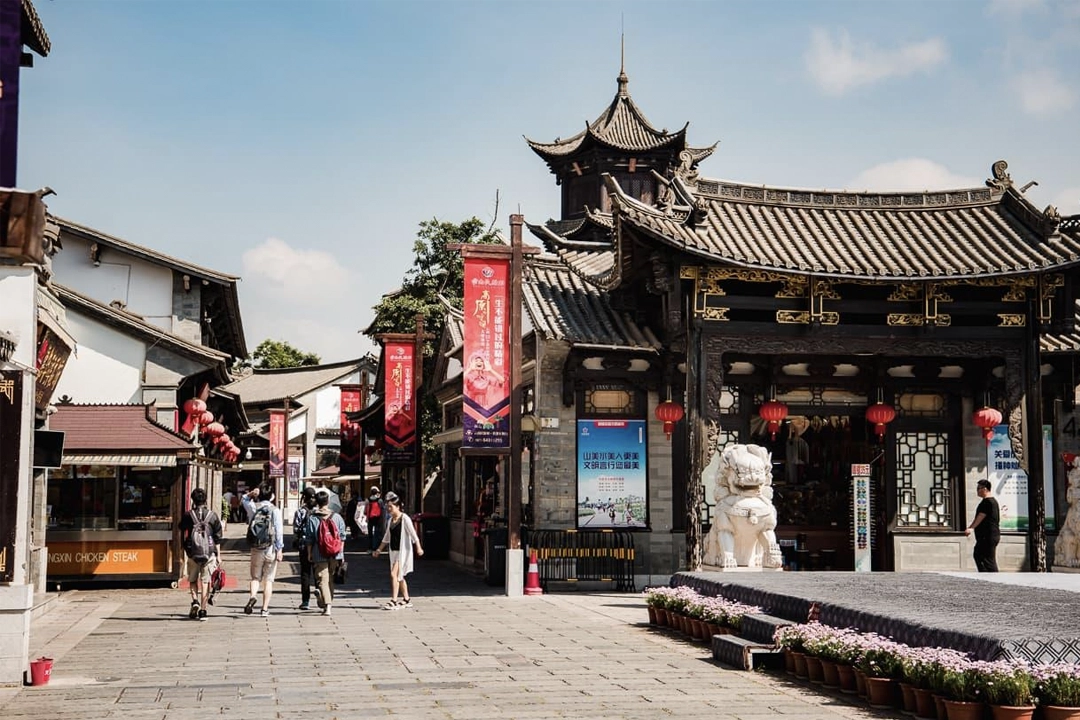
Kunming, known as the "City of Eternal Spring," offers an incredible array of cultural sites, lush botanical gardens, and the famous Stone Forest, which far outshine the humid bustle of the border crossing.
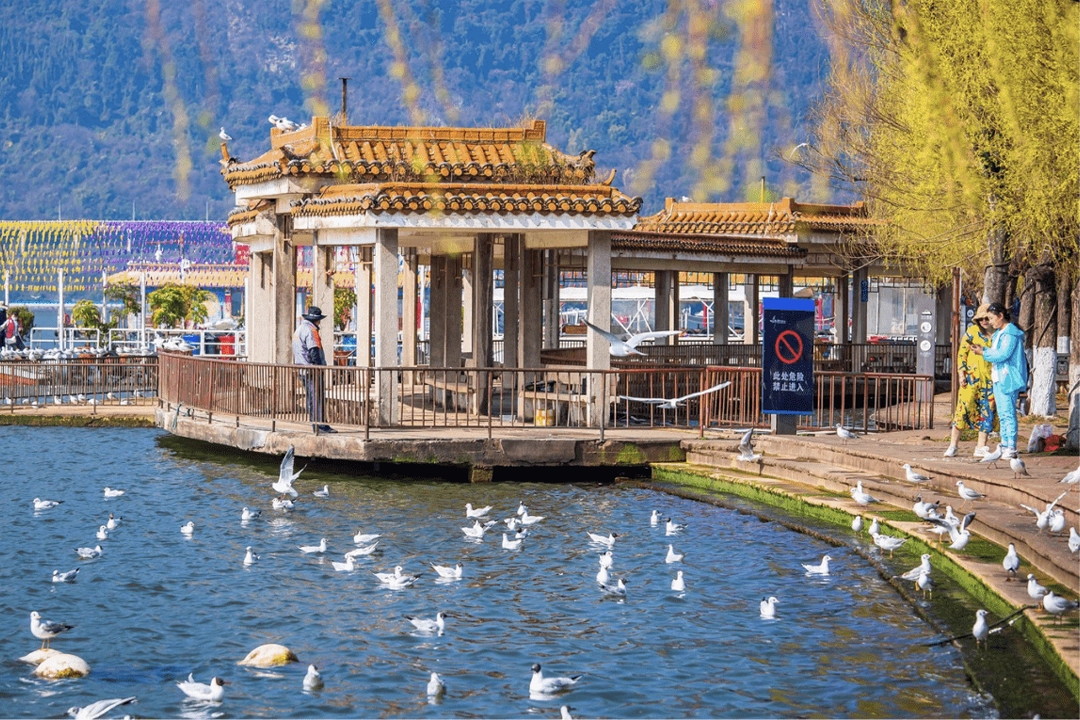
However, before you board your train, there is one non-negotiable culinary ritual: a steaming bowl of Crossing the Bridge Noodles (Guoqiao Mixian). This Yunnan classic is served with a theatrical flair; you are presented with a large bowl of boiling, oil-sealed broth alongside a platter of paper-thin meats, fresh vegetables, and rice noodles. You "cook" the ingredients yourself by dipping them into the broth in a specific order, creating a fresh, customized soup that is both a meal and a cultural experience. Hekou serves some of the most authentic versions in the region, providing the perfect, energy-rich fuel for your high-speed rail journey into the heart of Yunnan. It is a delicious final memory of the border before you are whisked away at 300 km/h toward the provincial capital.cửakh
Pro-Traveler Experience Tips
To navigate the Lao Cai Border Gate with the elegance and efficiency of a professional traveler, logistical foresight and documentation readiness are your primary objectives.
Cross before 6:00 PM. Even though the gate closes at 10:00 PM, crossing earlier gives you buffer time for unexpected queues and ensures you can find onward transport (trains, buses, or accommodation) before nightfall.
Check visa validity dates three times. A visa that starts tomorrow or expired yesterday will get you turned back. Chinese visas, in particular, have strict entry-by dates.
Carry small USD bills. Ten- and twenty-dollar notes are universally recognized by border money changers and can save you if both ATMs are broken or empty.
Never lose your entry/departure cards. Vietnam still uses paper departure cards for some visa types. Losing one means paperwork, delays, and a fine (usually around $10-20 USD, but it’s a hassle).
Download WeChat and Alipay before you cross into China. Also, install a VPN on your phone and test it. Once you’re on China Mobile, Google, WhatsApp, Instagram, and Gmail will be blocked without a working VPN.
Pack for a weather gap. Lao Cai and Hekou sit at low elevation. They are significantly warmer than Sapa, which is up in the mountains. If you’re heading straight from Sapa to the border, dress in layers—you’ll peel off that fleece the moment you descend.
Bring a power bank. You may spend unexpected time queuing, and your phone is your map, ticket, and translation tool. Keep it charged.