Hanoi Airport to Ha Giang by Private Car
Overview
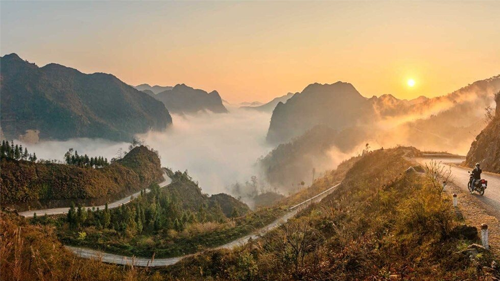
The first image of Ha Giang never comes from a guidebook. It arrives unbidden, perhaps during a late-night scroll: a ribbon of tarmac stitched into a cliff face, the Nho Que River a thread of silk far below, the mountains not jagged and aggressive, but vast, ancient domes softened by a velvet of green. You book the flight. And then, inevitably, comes the question that no photograph can answer. You are standing in the bright, climate-controlled arrivals hall of Noi Bai International Airport, luggage at your feet, the scent of jet fuel still lingering in your clothes. The dream is 320 kilometers north, and between you and it lies one of the most spectacular — and demanding — road journeys in Vietnam. For the traveler who values control, comfort, and a seamless transition from air to mountain, the answer is clear: booking a Hanoi Airport to Ha Giang private car is the most civilized, secure, and deeply rewarding way to begin the adventure. This guide is your unwavering companion for making that journey with grace, honesty, and the kind of local insight that transforms a simple transfer into the opening chapter of an unforgettable story.
Ha Giang - A memorable destination in Northern Vietnam
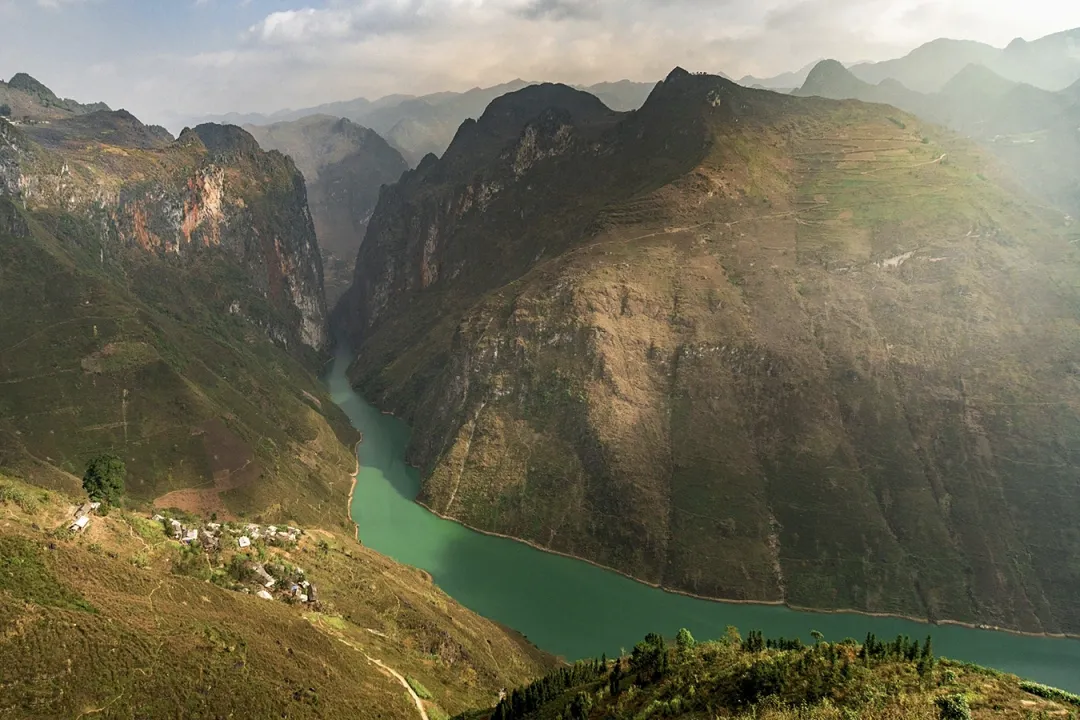
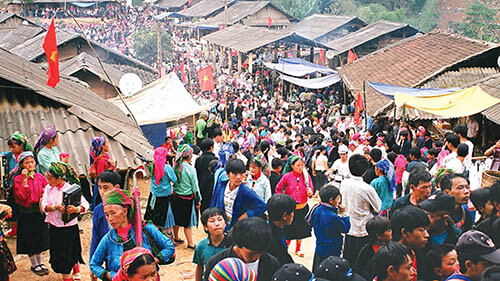
The north-eastern mountainous province of Ha Giang, home to 22 ethnic groups, also well-known as the place where “flowers grow in rocks”. This land is becoming an attractive destination that possesses not only the wild and magnificent beauty but also poetic and dreamy. As a place located in the northernmost part of Vietnam, Ha Giang is an ideal land for romantic souls to travel around and explore many pristine places as a fairy. It is definitely also a place where everyone wants to go and admires the charm of the buckwheat flowers. To say the least, Ha Giang is the place where visitors should come to visit at least once in a lifetime and fall in love at the very first place.
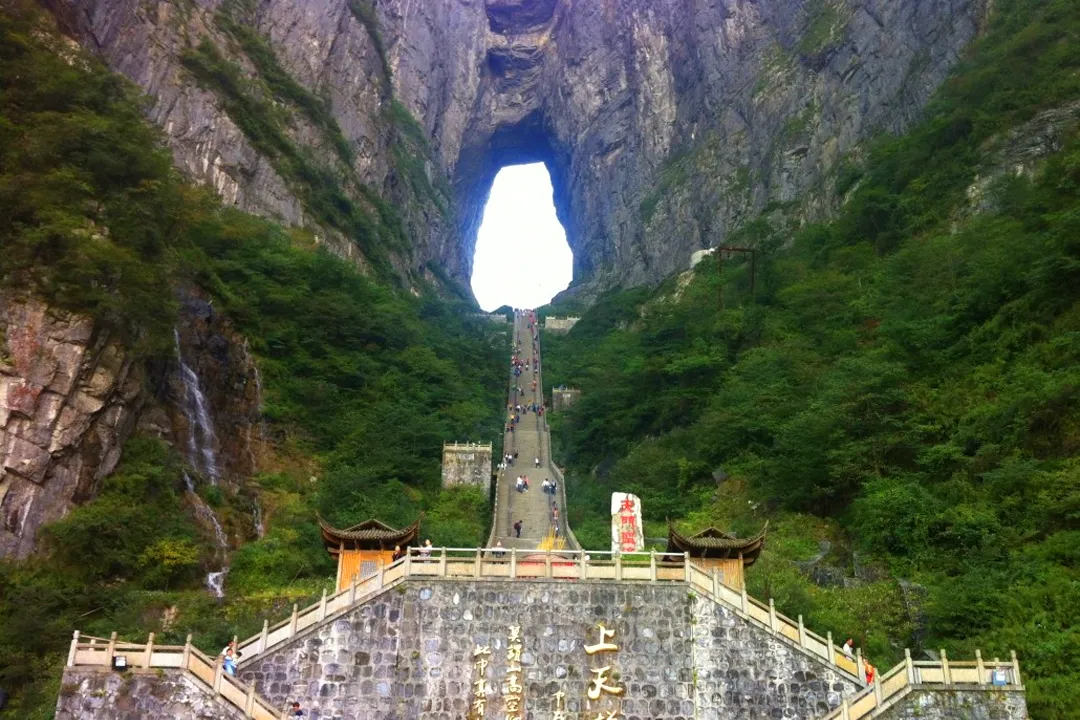
Since the number of visitors coming to Ha Giang every year is immeasurable, resorts, hotels, motels and homestays are 4 popular types of accommodation, the large number of tourist accommodations are mostly in Dong Van District, Meo Vac District, Ha Giang City, and visitors can choose up to the preferences.
Actual distance: How long does it take to get to Ha Giang?
The distance from Noi Bai Airport to the center of Ha Giang City is approximately 320km, a figure that can stretch to 340km depending on the exact routing. It is not a casual hop. Travel time usually sits between 5 to 8 hours, depending on what you take and how the roads are behaving that day. Google Maps, with its algorithmic optimism, may suggest a driving time of five and a half hours. The veteran driver, the one who knows every hidden bend and the rhythm of the mountain traffic, will tell you a different truth: six to seven hours, door to door, is realistic. If your flight lands on a Friday afternoon, or if the mountain mist descends, a gracious eight hours allows the journey to feel unhurried and human.
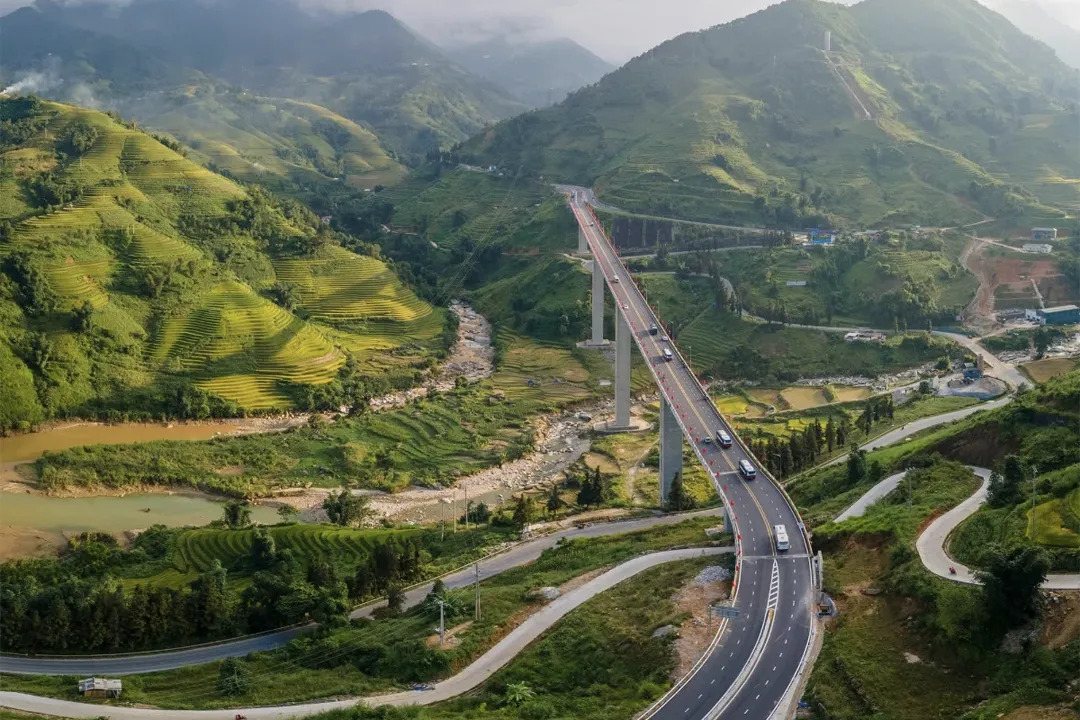
Private Car: Reasons to choose them and the cost
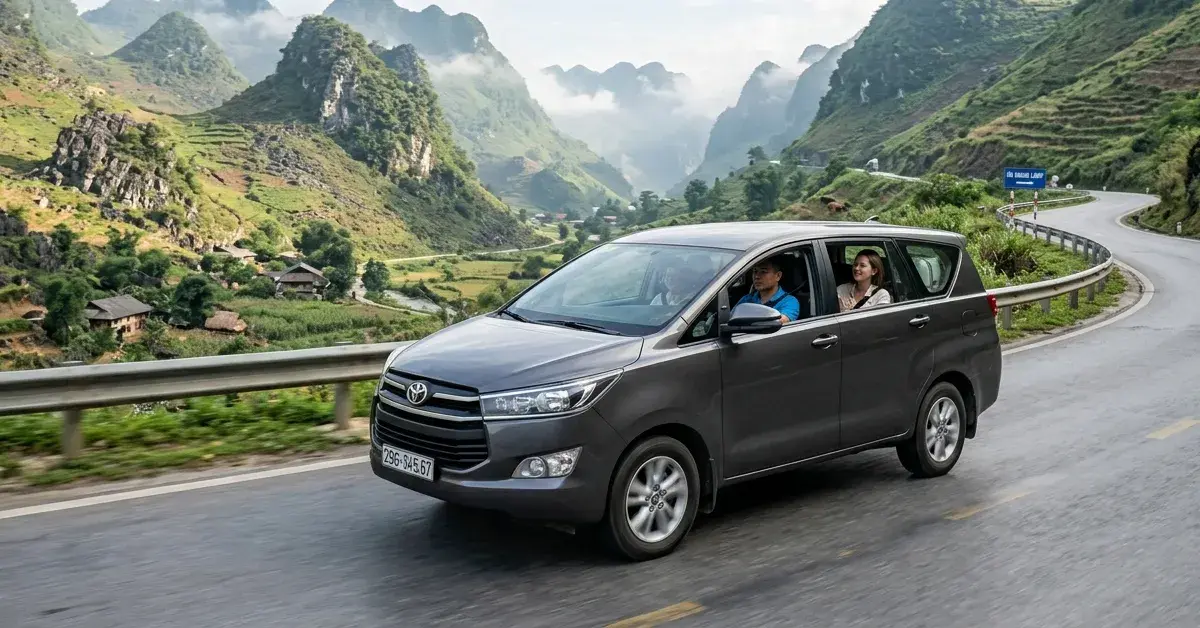
There are several transportation options available to get from Noi Bai Airport to Ha Giang, however, only sleeper buses/cabin buses and private cars depart directly from Noi Bai Airport. Nevertheless, a private car remains a better choice in terms of privacy, time, and convenience. Instead of arguing with taxi drivers or struggling with phone apps, you will find your driver waiting with a sign as soon as you clear customs. They take care of your luggage and provide cold water, allowing you to relax immediately while they handle the logistics.
You also gain complete control over your schedule. Unlike a bus that follows a strict timetable, a private car moves at your pace. You can stop whenever you like to eat at a local restaurant or take photos of a beautiful view without worrying about the time.
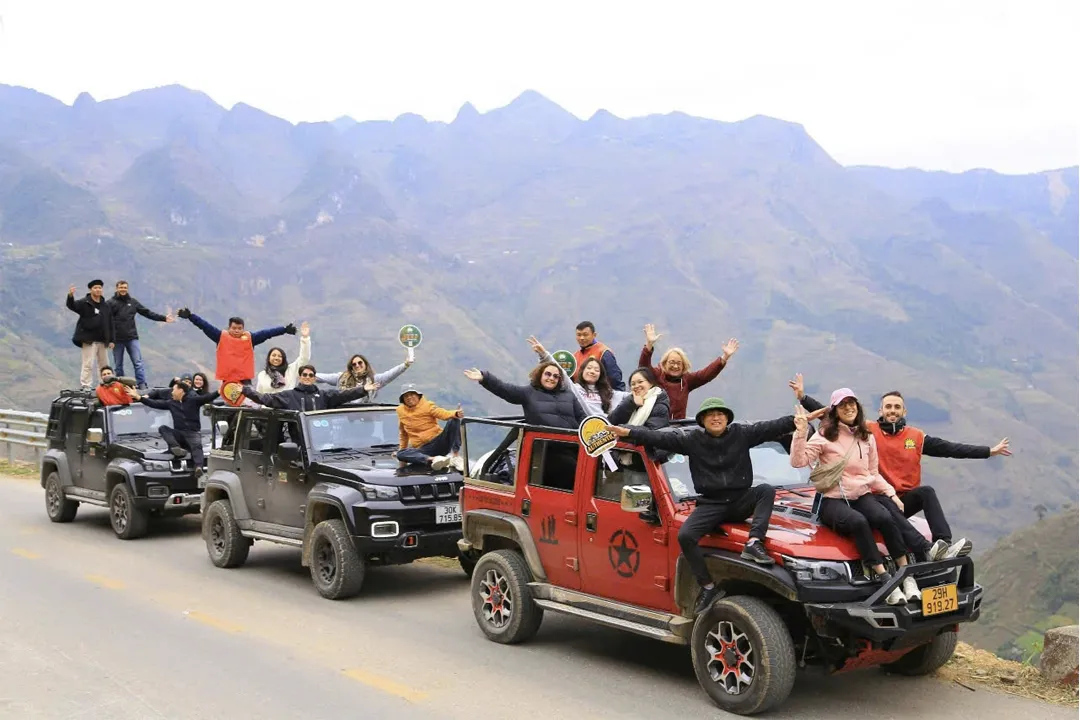
For families or groups with a lot of gear, a private car is very practical. There is plenty of space for heavy luggage, helmets, and camera equipment. For parents, it is much easier to take unscheduled bathroom breaks or play a child’s favorite music than it is on a crowded public bus.
Finally, a private car is much safer. The mountain roads to Ha Giang are narrow, winding, and often foggy. Because the driver is working only for you, you can ask them to slow down or stop if the weather gets bad. On a public bus, the driver is often under pressure to stay on schedule, but in a private car, your safety is the top priority.
Cost is the primary variable. For a standard 4-seater sedan such as a Toyota Vios or Honda City, expect to pay between 3,300,000 - 3,500,000 VND ($128-130 USD). A 7-seater SUV or MPV, suitable for a family with substantial luggage, ranges from 1,600,000 to 2,000,000 VND ($140-145 USD), while a luxury van or high-end vehicle can run to 4,800,000 VND ($145USD) or more. For the most premium options, designed for larger groups such as a 10-seat Commuter van or a 9-seat limousine, prices can range from approximately $235-245 USD. These prices are all-inclusive of tolls, fuel, and driver waiting time. Booking is straightforward through reputable transport companies, hotel concierges, or ride-hailing apps. Please note that you should carefully inquire with the provider about the type of vehicle and any additional fees before booking to avoid potential legal problems later on during the service.
Looking for private car service from Noi Bai Airport to Ha Giang? Check out A21 Tours' services with many great deals right here!

Who Should Book a Private Car?
Despite its advantages in many aspects, the price remains the biggest barrier for many passengers choosing private transportation from Noi Bai Airport to Ha Giang. To be honest, you can still consider other options such as sleeper buses or trains – which are just as popular as private cars. So, who should choose a private car? The list below is compiled after monitoring and analyzing the number of customers who have successfully placed orders with us recently.
- You are a group of three or more people. The per-person cost then tumbles into the range of a VIP bus ticket, making the decision almost automatic.
- You are traveling with bulky or valuable equipment — motorbike gear, camping kit, professional camera rigs — that demands a secure, private trunk.
- You are a family navigating the beautiful chaos of young children or the comfort needs of older relatives.
- You are a first-time visitor arriving on an afternoon flight, seeking a seamless, stress-free start without deciphering bus stations in the dark.
- Your time is genuinely limited, and every hour of daylight saved is an hour you can spend among the karsts.
Note that even if you are among these people, the choice of transportation is still yours, and choosing a different mode of transport than your previous choices might even lead to interesting experiences.
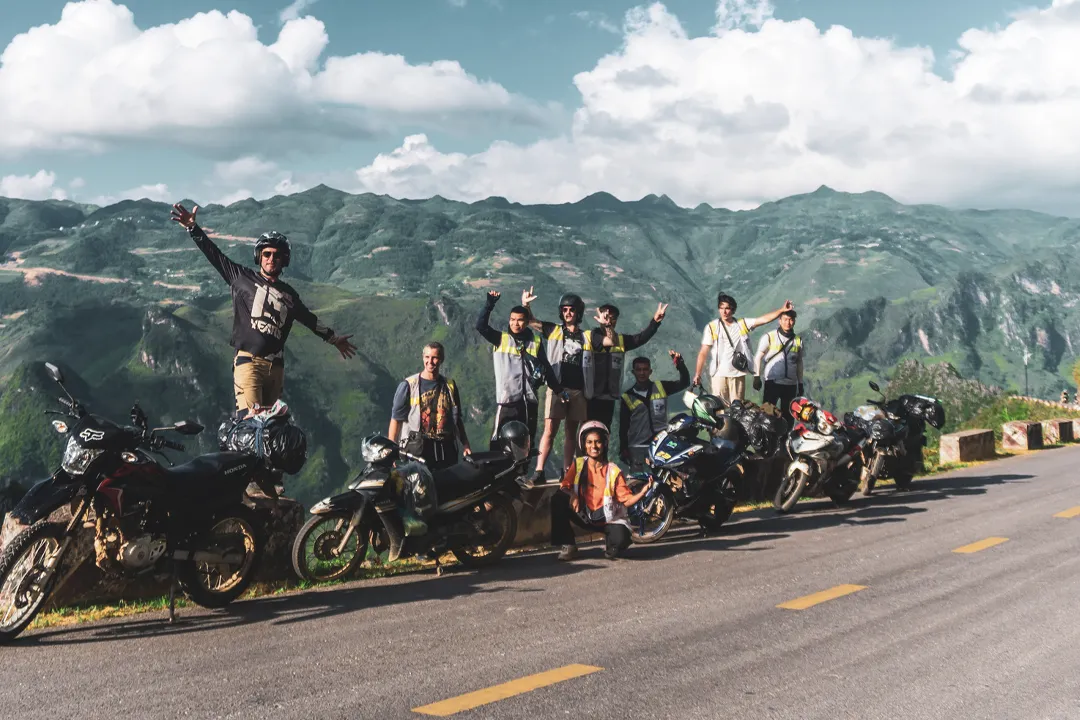
The Popular Route
Understanding the geography of this journey is an act of respect — for the land, the driver, and the experience itself. Your private car transfer begins at the departure curb of Noi Bai International Airport (HAN). Both Terminal 1 (domestic) and Terminal 2 (international) are serviced with a seamless meet-and-greet. Your driver will wait just beyond the sliding glass doors, holding a clear sign, and will escort you to a nearby parking structure where a pre-cooled car awaits. The handshake, the transfer of luggage, and the first sip of water mark the true beginning of your Ha Giang story.
Starting from Hanoi, you can travel to Ha Giang by motorbike or private car via the following two routes:
Route 1: Hanoi – Vinh Phuc – Viet Tri – Phu Tho – Tuyen Quang – Ha Giang
Route 2: Hanoi – Son Tay – Trung Ha Bridge – Co Tiet – Phong Chau Bridge – Phu Tho – Doan Hung – Tuyen Quang – Ha Giang
(Route 1 is about 30km longer than Route 2).
Along the way, you can always stop to admire the majestic, winding mountain passes, with the Lo River flowing below. This is undoubtedly one of the most spectacular sights you can see in Northern Vietnam, and it will become a memorable experience during your visit to Ha Giang.
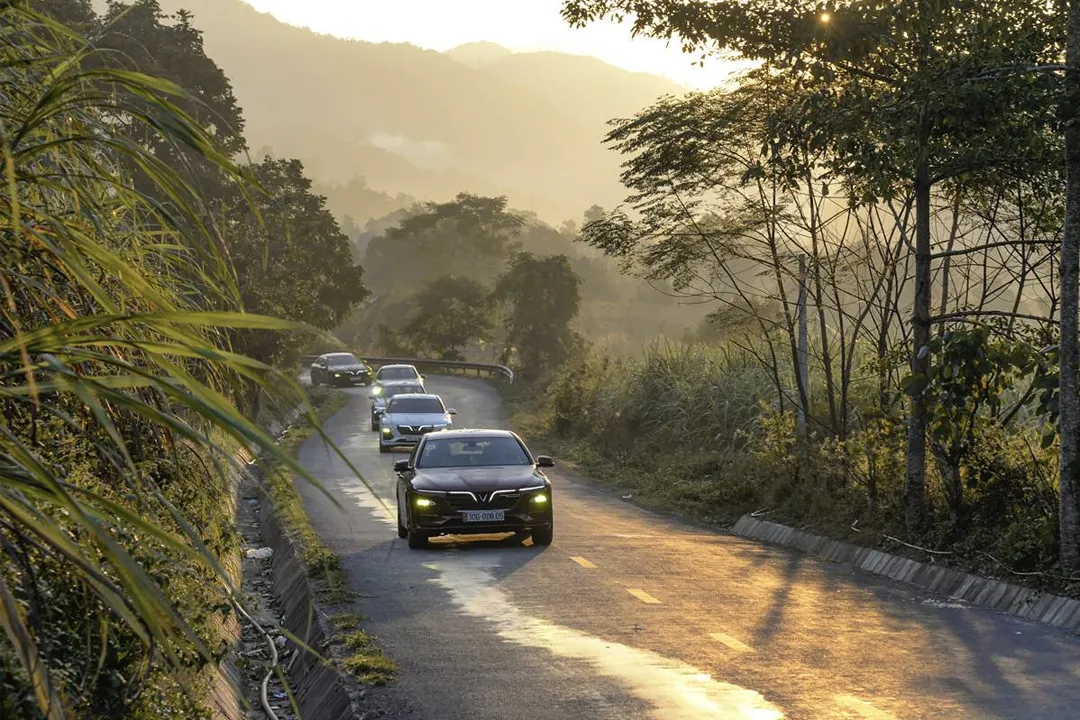
The Safety Context: A Pro-Traveller Tips
Choosing a Driver Who Honors Your Trust
Never accept a ride from a freelance driver soliciting at the terminal. Your process should be deliberate and disciplined. Book through a licensed, registered transport company that can provide a business license number upon request. The company should employ drivers who are part of a team with an English-speaking coordinator available on WhatsApp for the duration of your trip. This coordinator is your lifeline, able to translate concerns in real time.
Before booking, mine the reviews. Do not simply count stars; read the quiet ones. Look for repeated phrases: “safe driver,” “no smoking,” “clean car,” “patient with our stops.” If a pattern of “drove too fast” or “car was old” emerges, walk away without hesitation. A legitimate operation will ask for a modest deposit and issue a clear digital booking confirmation detailing the vehicle type, the agreed price, and your flight number. This paper trail is your armor.
The Vehicle Checklist: A 60-Second Ritual
Before you settle into your seat, perform a small, polite inspection. Click the rear seatbelts. If they are absent or non-functional, refuse the car immediately — this is non-negotiable. Feel the air conditioning. On a hot, humid day, a weak AC can turn the cabin into a glass coffin. Glance at the front tire tread; balding rubber on a mountain pass is a red flag. A professional tourist vehicle should offer a phone charging port and a clean, odor-free interior. These small details signal the hidden health of the mechanical heart.
The Sacred Rule of Night Driving
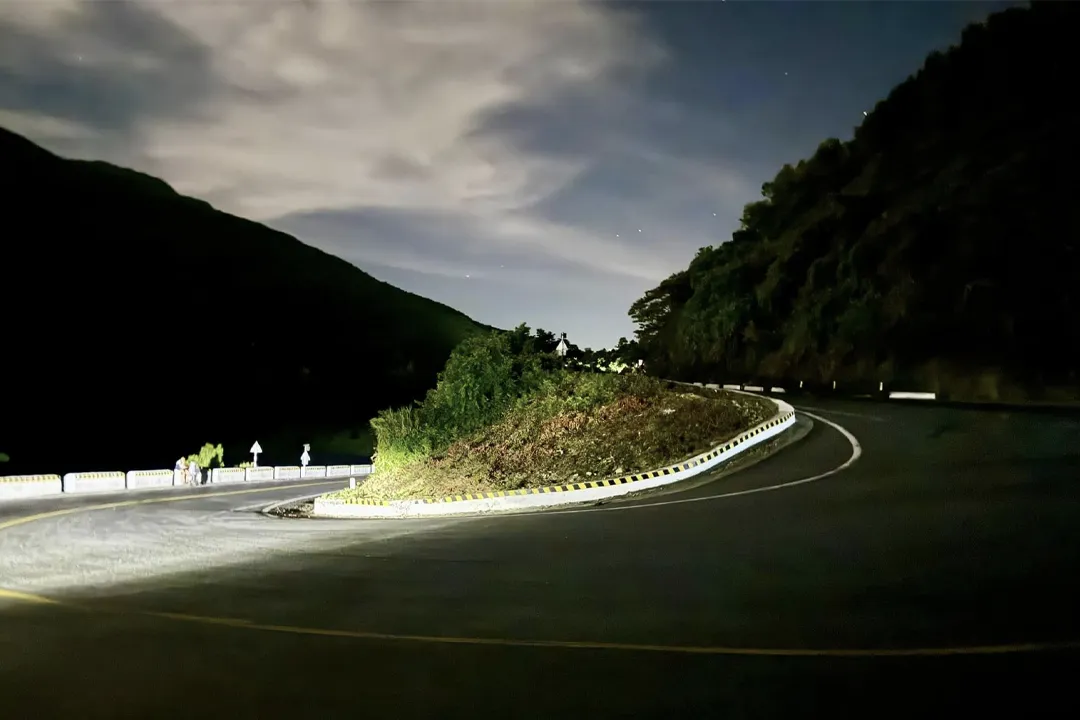
We often give advice to our passengers to do not attempt the drive from the airport to Ha Giang in the evening. If your flight lands after 4:00 PM, the arithmetic is unforgiving. By the time you clear immigration and begin the journey, the final, most treacherous mountain section will be swathed in darkness. Even the finest local driver is navigating unlit rocks, livestock on the road, and blinding high-beam headlights from oncoming traffic. The responsible choice — the one that has saved lives — is to book a transfer from the airport to a quiet Hanoi hotel for the night, and depart for Ha Giang at the first light of dawn. You will arrive in the early afternoon, in full daylight, your body and spirit intact. But if the journey encounters problems and you are forced to depart later than scheduled, ask your driver to slow down to ensure safety. A few hours' delay won't significantly affect you, but an unwanted accident is something no one wants. Also, driving overnight to Ha Giang may requires an additional overtime fee.
Taming the Serpentine Road: Motion Sickness
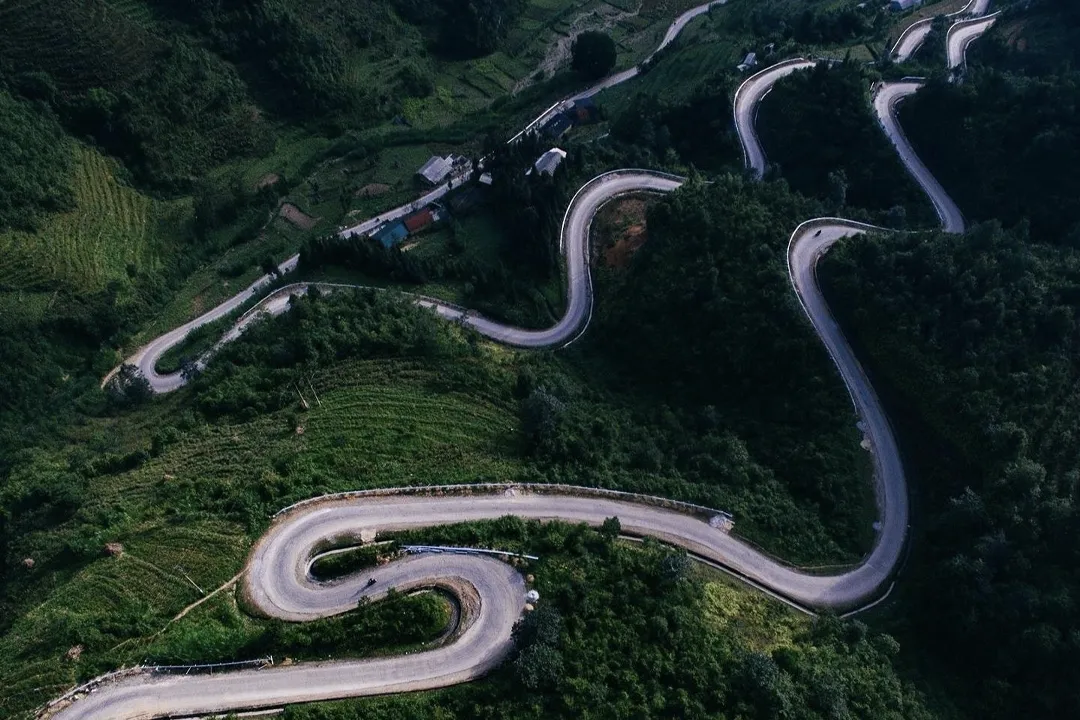
The final 80 kilometers of National Highway 2 are a challenge for anyone, no matter how good their health is. Even travelers who boast iron stomachs have been humbled by the Ha Giang pass. Arm yourself: a non-drowsy motion tablet taken an hour before the serious climbing begins is a worthy insurance policy. Eat a light, bland meal, and avoid dairy or grease. Sit in the front passenger seat if you can, lock your gaze on the distant horizon, and resist the siren call of your phone screen. Ginger tea, often available at humble roadside stalls your driver will know, remains a gentle, ancient remedy. Most importantly, permission to stop is yours to exercise. A ten-minute pause on a mountain saddle, the cool air on your face, is often the most beautiful part of the journey.
Scam Awareness: The Wolves at the Gate
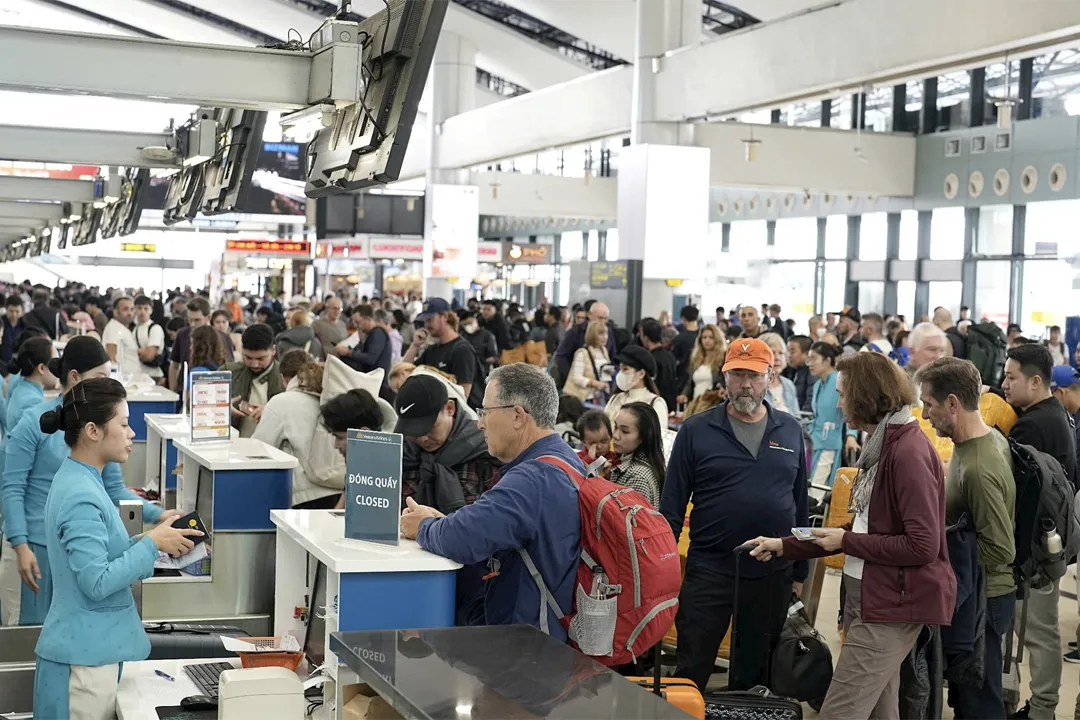
We encourage you to be vigilant as soon as you arrive at Noi Bai Airport. Despite the local government's efforts to address the problem of touting and scams at the airport, customers still encounter problems with seemingly "friendly locals." Fake taxi drivers circulate, their laminated signs and polished pitches designed to confuse the tired. The most common scenario: an operator quotes a seemingly fair price for Ha Giang, only to demand double upon arrival, citing invented tolls or a “per passenger” price you never agreed to. Another variation: a ride-hailing app booking is mysteriously “canceled” by a driver who then arranges for a friend to take you for cash. Your defense is elegantly simple: ignore all unsolicited offers, walk past the scammers without eye contact, and proceed directly to your pre-booked driver, holding your name. Choosing a reputable transportation provider beforehand will significantly reduce your risk of encountering these scammers.
The Silent Guardian: Travel Insurance
Before you board your flight to Vietnam, open your travel insurance policy and read the fine print. Confirm in writing that a road trip in a licensed private hire vehicle from an international airport to a provincial destination is fully covered for medical expenses and emergency evacuation. If you plan to rent a motorbike in Ha Giang, understand that this is a separate, frequently excluded activity. The peace of mind a comprehensive policy provides is not an abstract comfort; it is the net that catches you when the unthinkable happens.
Emergency Numbers to Store Now
Add these to your phone contacts and take a screenshot. The universal emergency number for police is 113, for an ambulance it is 115. The national tourism hotline, 1800 2065, offers some support, though English-language assistance may be patchy. Your most responsive asset in a crisis will be the 24/7 coordinator from your transport company and your country’s Embassy or Consulate in Hanoi. Save these numbers before you need them.
The road from Hanoi Airport to Ha Giang, undertaken in the quiet luxury of a private car with a skilled driver at the wheel, is more than a transfer. It is a rite of passage delivered with elegance, a slow unwinding of the delta into the highlands that prepares your senses for the majesty ahead. The mountains are waiting. Travel wisely, travel safely, and let the journey itself become one of your most treasured memories of Vietnam.