How to Get from Hanoi to Bai Tu Long Bay (Van Don & Cai Rong Port) – Complete Guide

Overview
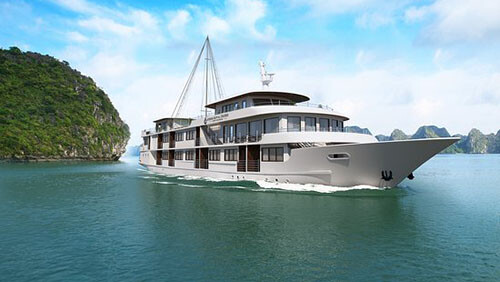
Vietnam’s northern coastline has seen a dramatic shift in travel trends. While Ha Long Bay remains a world-renowned icon, savvy travelers are increasingly turning their gaze eastward to its quieter, more pristine sibling: Bai Tu Long Bay. Spanning hundreds of islands and emerald waters, this bay offers the limestone karst majesty of its neighbor but without the overcrowding of cruise armadas.
Reaching this destination has been transformed by the completion of the modern expressway system, turning what was once a grueling seven-hour trek into a seamless three-hour journey. This guide provides an exhaustive look at how to navigate the route from the capital city of Hanoi to the untamed shores of Bai Tu Long.

What Is Bai Tu Long Bay and Why Visit?
Why should you choose Bai Tu Long Bay?
Bai Tu Long Bay occupies the northeastern part of the Gulf of Tonkin, bordering Ha Long Bay to the southwest and the Chinese sea border to the northeast. While Ha Long Bay draws massive crowds, Bai Tu Long Bay remains a hidden gem due to its stricter environmental regulations and limited cruise permits. Its remote location ensures a more serene atmosphere, free from the "tourist trap" feel of its neighbor. This untouched landscape features pristine karst formations and secluded lagoons, offering a unique, authentic experience for travelers seeking tranquil scenery and a deeper connection with nature’s raw beauty.
Must-see places
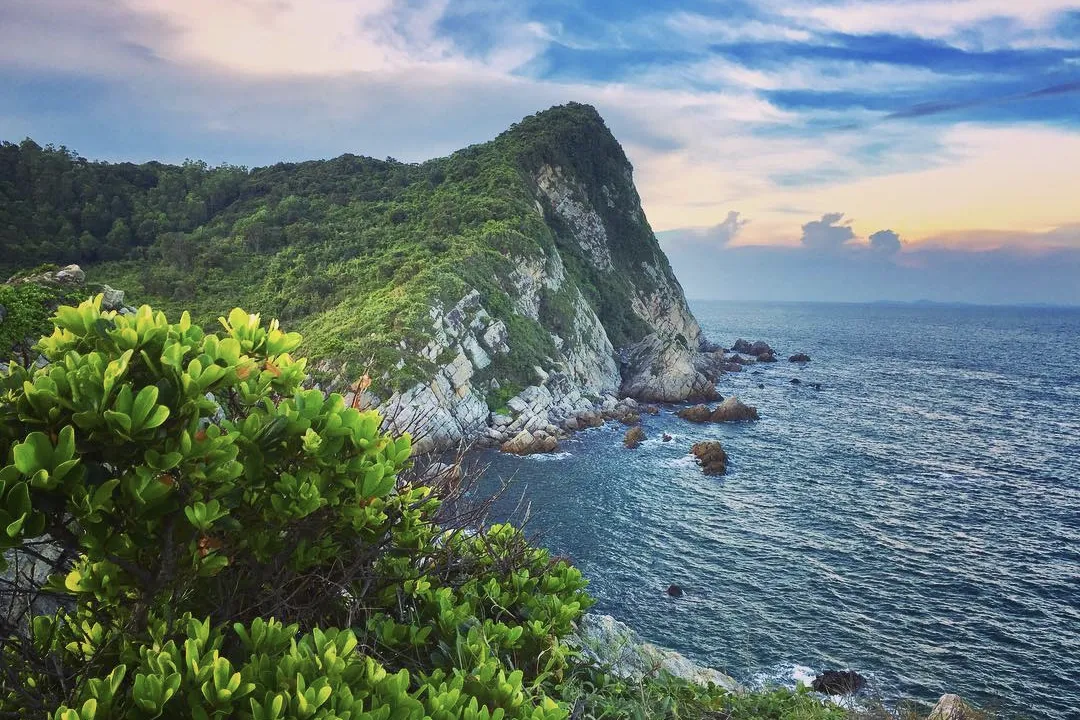
For travelers seeking the ultimate island escape, the region offers a diverse array of coastal gems ranging from historical hubs to untouched wilderness. Quan Lan Island stands out for its unique "porcelain" white sand and its heritage as an ancient trading port, while its northern tip, Minh Chau Beach, is widely celebrated as the most stunning stretch of sand in Northern Vietnam. For those looking for a frontier experience, Co To Island captivates young explorers with its rugged cliffs, iconic lighthouse, and crystal-clear waters. Meanwhile, Ban Sen Island remains the quintessential "off-the-beaten-track" destination in 2026, serving as a hidden jungle paradise where visitors can trek through lush tea plantations and mysterious caves.

What is the best time to visit Bai Tu Long Bay?
Planning your visit during the "Golden Window" from April to June ensures the best experience, as warm temperatures and clear blue skies provide perfect conditions for swimming before the stormy season arrives. September to November is another excellent choice, offering refreshing autumn breezes and high visibility, though travelers should monitor forecasts for late-season typhoons. Conversely, it is wise to avoid July and August, which coincide with the peak domestic travel rush and the height of the rainy season, often resulting in crowded ferries and trip cancellations due to sea storms.
How to Get from Hanoi to Cai Rong Port
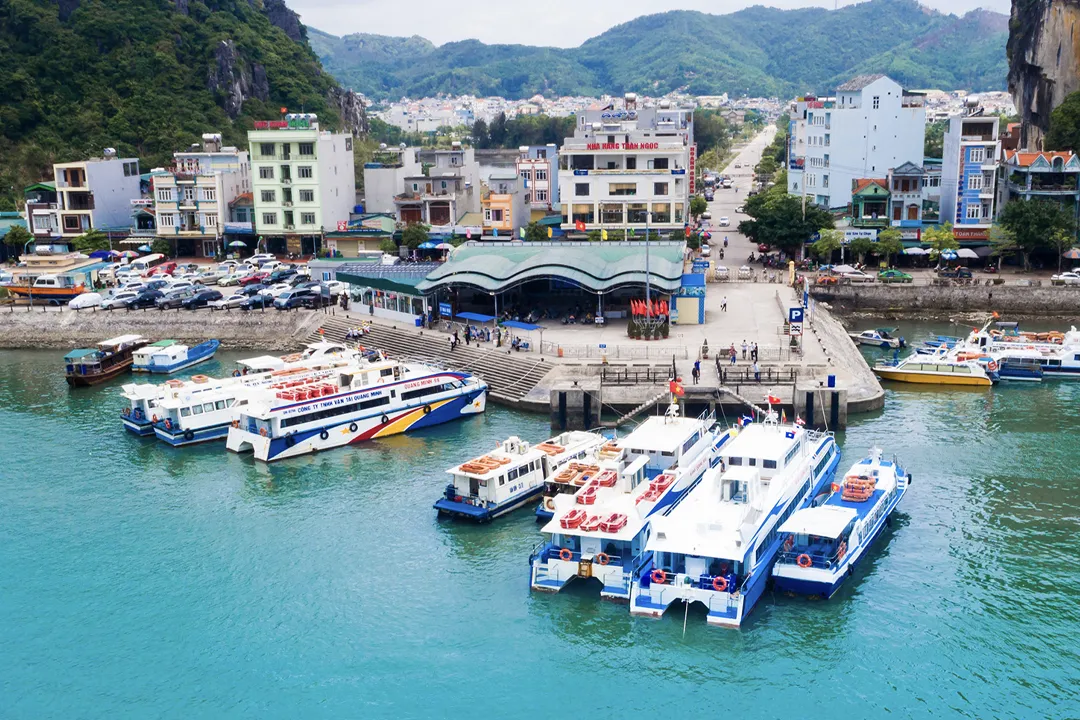
To get to Cai Rong Port, you can choose from several means of transportation such as: motorbike, car, taxi, or bus to Cai Rong Port,... Among these, motorbikes and cars are considered the two most popular options. From the center of Hanoi, it takes approximately 3-4 hours to reach Cai Rong port (220-230 km depending on the route):
If you travel by motorbike, start from the National Convention Center (Nam Tu Liem, Hanoi), follow the road to Noi Bai Airport. Then, turn right at the intersection with National Highway 18 to enter National Highway 18. Next, you will pass through Chi Linh, Uong Bi, Ha Long, and Cam Pha cities. After crossing Van Don Bridge, follow Provincial Road 334 to reach Cai Rong Port.
If you travel by cars, just follow CT04/QL5B and the Hai Phong - Mong Cai Expressway/CT06. You will reach the road to Van Don Airport/Van Dong Boulevard. Then, drive to Ly Anh Tong Street and after about 1km you will reach Cai Rong Port. The distance to the port is approximately 200km and takes almost 3 hours to get there.
Popular modes of transportation to Cai Rong Port include private cars, limousine buses, and public buses. Each option has its own advantages, and you can choose according to your needs. Below is a comparison table based on criteria such as average travel time and price.
| Mode | Est. Price (USD) | Est. Price (USD) | Best For |
| Private Car | 2.5M – 3.5M | $95 – $135 | Families & Privacy |
| Limousine Bus | 350k – 500k | $13 – $19 | Solo Travelers/Couples |
| Public Bus | 150k – 200k | $6 – $8 | Budget Backpackers |
Still unsure about transportation options from Hanoi to Cai Rong Port? Check out A21 Tours' car booking service here.
Cai Rong Port: What to Know Before Arrive
Cai Rong vs. Ao Tien Port
A common point of confusion for travelers is the distinction between Cai Rong Port and the newer Ao Tien International Port.
- Ao Tien Port: Opened recently, this is a modern, high-tech terminal. Most luxury speedboats and large passenger ferries for Co To and Quan Lan have shifted their operations here.
- Cai Rong Port: The traditional wooden wharf. It is now used primarily for local supply boats, fishing vessels, and smaller wooden "slow boats" heading to more remote islands like Ban Sen, Ngoc Vung, and Thang Loi.
The key is: Remember to check your ticket carefully. If you are taking a high-speed boat, you are likely departing from Ao Tien, which is only about 3km from the old Cai Rong center.
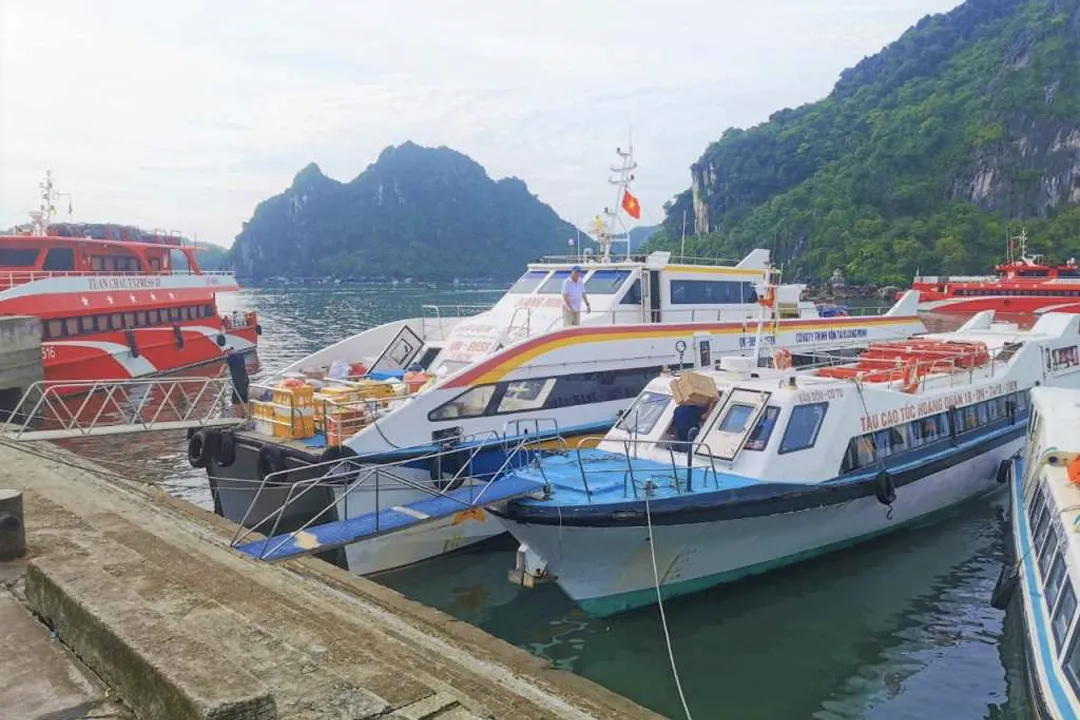
Ferry operators, schedules and ticket prices
Foreigners need to show their passports to buy tickets. Ticket prices vary depending on the route and type of boat chosen:
- For wooden/iron boats: Cai Rong - Co To: $6.08 (160,000 VND), Cai Rong - Quan Lan: $3.80 (100,000 VND), Cai Rong - Minh Chau: $3.80 (100,000 VND), Cai Rong - Ngoc Vung: $3.80 (100,000 VND), Cai Rong - Ban Sen: $1.90 (50,000 VND)
- For High-Speed Boats: Cai Rong - Quan Lan: $7.60 (200,000 VND), Cai Rong - Minh Chau: $6.84 (180,000 VND), Cai Rong - Ngoc Vung: $3.80 (100,000 VND), Cai Rong - Ban Sen: $2.66 (70,000 VND)
The travel time from the Van Don area to the islands of Bai Tu Long Bay varies significantly depending on whether you choose the modern efficiency of a speedboat or the nostalgic, slow-paced journey of a traditional wooden boat. To reach Quan Lan Island, a speedboat typically takes only 45 to 50 minutes, whereas the wooden "slow boat" offers a more scenic but lengthy transit of about 2 to 2.5 hours. If you are heading to the distant frontier of Co To Island, the high-speed catamaran is the most practical choice, covering the distance in approximately 1.5 to 2 hours; notably, wooden boats rarely service this route for passengers anymore due to the distance and open-sea conditions. For those visiting the serene Ngoc Vung Island, the speedboat journey is a quick 45-minute trip, while the traditional wooden vessel provides a leisurely 1.5-hour experience, perfect for those who want to soak in the limestone karst views at a relaxed pace.
Itinerary Suggestion
Tourists typically spend 2-3 days exploring Bai Tu Long Bay as well as Quan Lan/Co To islands. If you're a busy person, only have weekends off, and want a quick getaway, 2D1N itinerary would be more suitable. However, this schedule will be a bit rushed, as the round-trip travel time takes almost a full day. If you want a truly relaxing getaway, choose 3D2N itinerary. Quan Lan Island has many beautiful beaches located far apart (Quan Lan, Son Hao, Minh Chau) and popular check-in spots like Eo Gió - and A 3-day trip allows you to leisurely enjoy all the island's beauty without getting tired from traveling.
Below is a suggested itinerary for your reference:
2 Days 1 Night Itinerary Suggestion
Day 1: Hanoi - Cai Rong Port - Van Don - Bai Tu Long Bay - Quan Lan
- 06:00: The vehicle will pick up guests at the designated meeting point and depart for Cai Rong Port.
- 11:30: The vehicle arrives in Van Don. The group will have lunch at a restaurant.
- 13:00: Guests board a speedboat to Quan Lan Island. Along the way, guests will enjoy views of the unique islands in Bai Tu Long Bay.
- 14:00: Arrive at Quan Lan, check into the hotel and enjoy free time swimming.
- 19:00: Dinner at a restaurant, free time to explore and experience the nighttime scenery of the islands. Overnight stay in Quan Lan.

Day 2: Quan Lan - Van Don - Cai Rong Port
- 6:00: Guests wake up early to watch the sunrise on the island and have breakfast at the restaurant.
- 11:00: Check out of the hotel, then have lunch. Enjoy free time shopping for seafood at the local market.
- 13:00: Take a speedboat back to Van Don, admiring the majestic and beautiful Bai Tu Long Bay. (Boat departure times may change depending on weather conditions and port authority).
- 14:00: Return to Cai Rong Port.
3 Days 2 Night Itinerary Suggestion
Day 1: Hanoi - Cai Rong Port - Van Don - Bai Tu Long Bay - Quan Lan
- 06:00: Pick up guests in Hanoi and depart for Cai Rong Port.
- 11:00: Arrive in Van Don. Lunch at a restaurant.
- 13:00: Board a speedboat to Quan Lan Island. Along the way, guests will enjoy views of the unique islands in Bai Tu Long Bay. (Boat departure times may change depending on weather conditions and port authority).
- 14:00: Arrive at Quan Lan, check into your accommodation, relax, and enjoy swimming.
- 19:00: Dinner at a restaurant, enjoy seafood dishes, and freely explore the island's scenery at night.
Day 2: Quan Lan - Minh Chau
- 06:00: Wake up early to watch the sunrise on the island and have breakfast at the restaurant. Afterwards, head to Minh Chau Beach.
- 11:00: Lunch at a restaurant. Guests are free to check in at famous landmarks such as Eo Gió.
- 7:00 PM: Enjoy dinner with local specialties.

Day 3: Quan Lan - Bai Tu Long - Hanoi
- 7:00 AM: Wake up early, visit Quan Lan Temple, dedicated to the founder of Van Don, and the temples of Tran Khanh Du and Pho Duc Chinh. Free time for shopping for souvenirs such as dried sea worms, needlefish, grouper, dried squid, and shrimp.
- 11:00 AM: Check out of the hotel.
- 1:00 PM: Return to Van Don, passing through Bai Tu Long Bay.
- 2:00 PM: Arrive at Cai Rong port, board the bus back to Hanoi.

Pro-traveler tips
Book in Advance: During the summer (May–August), ferry tickets for the morning slots sell out days in advance. Use apps like Vexere or book through travel agency.
Cash is Important: While Ao Tien Port accepts digital payments, many guesthouses on the smaller islands like Ngoc Vung or Ban Sen still prefer cash (VND). ATMs on the islands can be unreliable.
Pack Light and Water-Resistant: You will be jumping on and off speedboats. A waterproof cover for your backpack is essential, as sea spray is common.
Mobile Signal: 5G is excellent in Van Don and Sapa, but in the middle of Bai Tu Long Bay, signals can drop. Download your offline maps before boarding the boat.