How to Travel from Hanoi to Da Nang: The Complete Guide
Overview
The route from Hanoi to Da Nang is one of Vietnam’s most important travel corridors. It connects the historic, bustling capital in the north to a dynamic central hub famous for its golden bridge, My Khe beach, and the nearby heritage town of Hội An. For many travelers, this journey is the missing link between the rice terraces of Sapa, the karst rocks of Lan Ha Bay, and the imperial tombs of Huế.
The demand for this journey has exploded in 2026. Agoda’s search data shows that Da Nang led domestic search growth in Vietnam, surging 29% year-on-year. Hanoi itself saw a 28% increase in domestic travel interest, driven largely by this coastal escape. Even Vietnam Airlines has responded, boosting seat capacity on the Hanoi–Da Nang route by nearly 30% during peak seasons. Rising airfares have been a major story. One-way tickets on popular routes now range from VND 2.5 million to VND 4.5 million (USD 100–180), with fares to Da Nang often hitting VND 3.8 million (USD 148). This has created a noticeable shift, with many families turning to road trips and train travel as affordable, flexible alternatives.
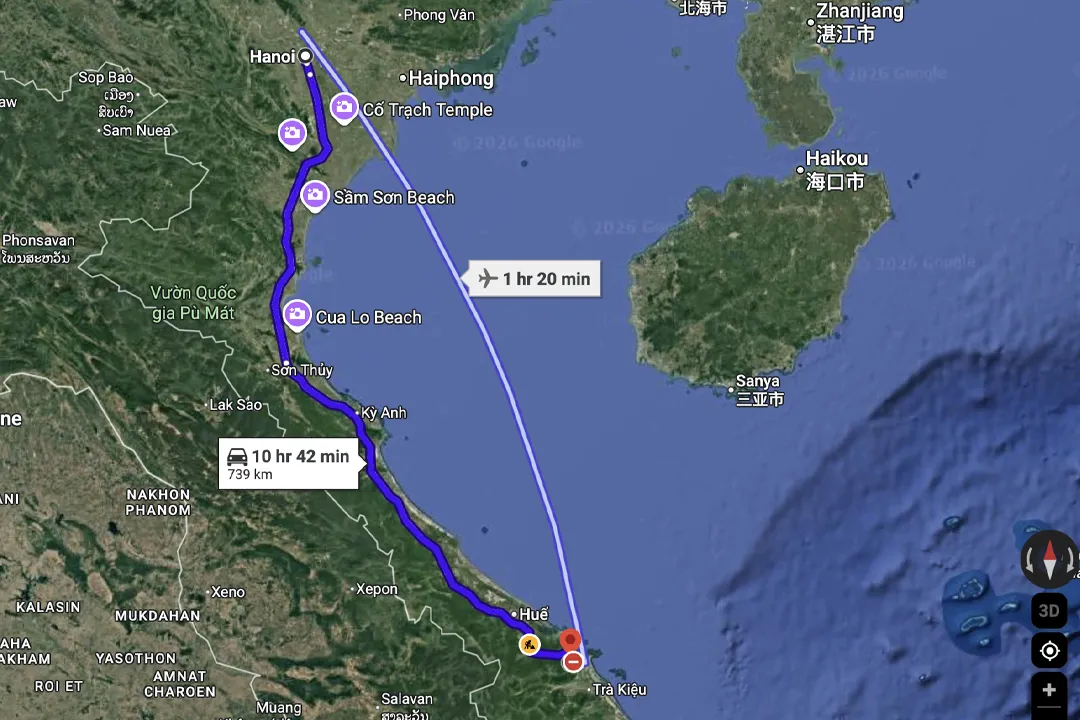
The distance between Hanoi and Da Nang is often confused. The "as the crow flies" flight path is 626 km (389 miles), but the road and rail distance is longer, ranging from 760 km to 790 km (470–490 miles).
Travel time varies dramatically based on your choice:
- Plane: 1h 20m – 1h 30m (plus airport transfers)
- Private Car: 14–16 hours (recommended to break into 2 days)
- Sleeper Bus: 15–17 hours (overnight travel)
- Train: 15–17 hours (overnight scenic journey)
Popular modes of transportation
1. Airplane: The Skyway to the Central Coast
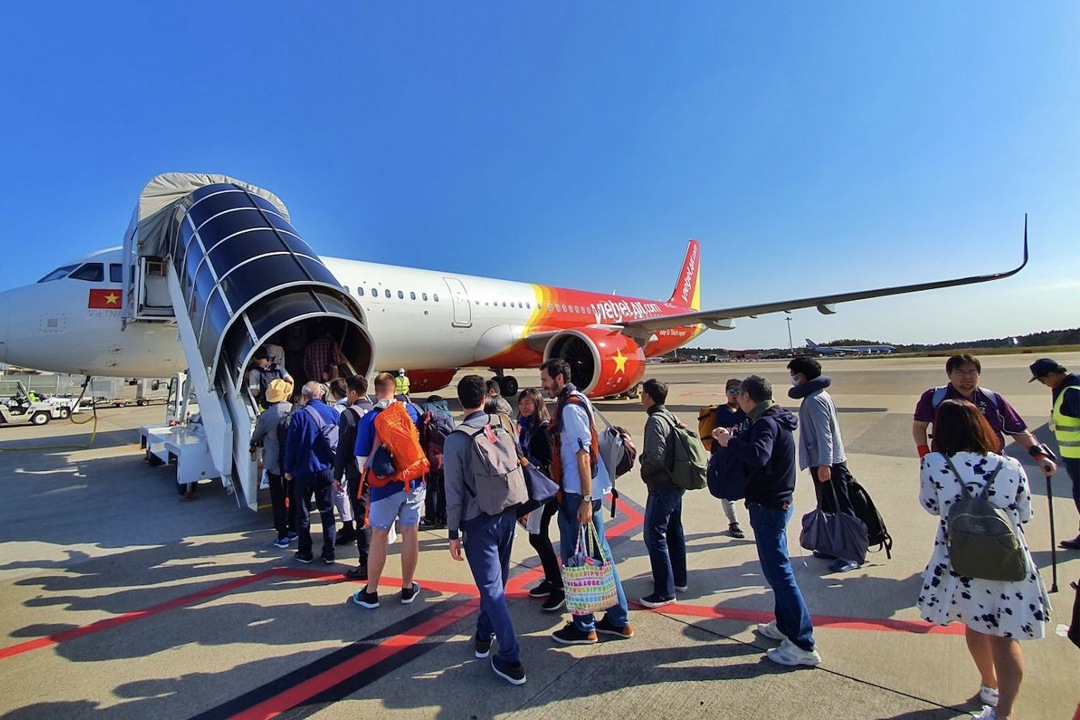
Flying remains the most popular choice for those prioritizing time and efficiency. In 2026, Noi Bai International Airport (HAN) and Da Nang International Airport (DAD) operate like a well-oiled machine, handling over 140 flights per day during peak seasons.
Aviation in Vietnam has matured significantly. While budget carriers still dominate the volume, "Smart Aviation" is the theme of 2026. Contactless e-ticketing and biometric boarding are now standard at both HAN and DAD, reducing airport processing time by nearly 40% compared to previous years.
Advantages
- Speed: It is the only way to leave Hanoi after a morning meeting and be on My Khe Beach by lunchtime.
- Frequency: With a flight departing almost every 30 minutes during daylight hours, travelers have unparalleled flexibility.
- Cost-Benefit: Despite rising global fuel costs, the Vietnamese government’s 2026 fee waivers for the aviation sector have kept domestic ticket prices relatively stable and competitive.
Disadvantages
- Airport Logistics: While the flight is short, the "ground time" (traveling to Noi Bai, security, and the drive from Da Nang airport) adds up to about 4–5 hours of total transit.
- Environmental Impact: As sustainability becomes a core focus in 2026, eco-conscious travelers are increasingly scrutinizing the high carbon footprint of short-haul flights.
- Rigidity: You miss the evolving landscape of the Vietnamese coastline—the transition from the Northern deltas to the rugged Central mountains.
2. The Train: A Romantic Rail Odyssey
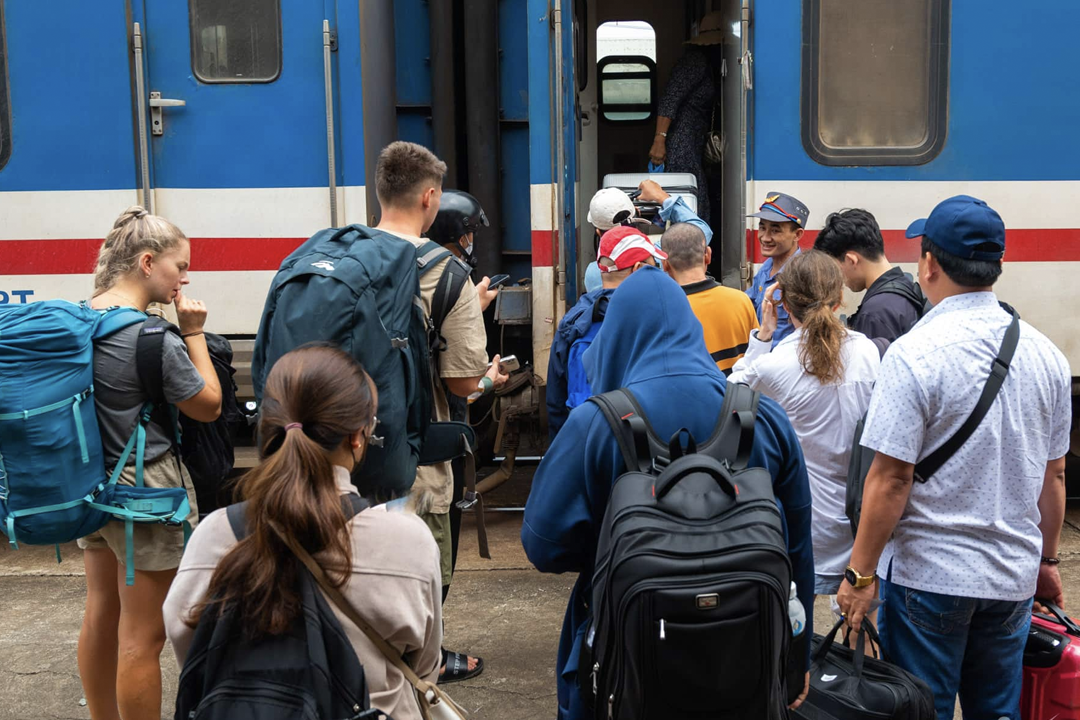
Traveling by train from Hanoi to Da Nang is a rite of passage. In 2026, while the high-speed rail project has only just broken ground, the existing Reunification Express has undergone a luxury makeover to cater to the "Slow Travel" movement.
In response to the demand for experiential travel, several private companies now attach luxury carriages to the standard SE (Super Express) trains. Brands like Lotus Express, Laman Express, and Violette offer 2-berth and 4-berth cabins that feel more like boutique hotel rooms than railway compartments.
Advantages
- Unrivaled Scenery: The final approach to Da Nang takes you over the Hai Van Pass. This stretch of track, winding between emerald mountains and the crashing waves of the East Sea, is arguably the most beautiful rail journey in Asia.
- Comfort and Space: Unlike buses or planes, the train allows you to walk around, visit the dining car, and enjoy a full night’s sleep in a horizontal position.
- Central Terminals: Both Hanoi and Da Nang railway stations are located in the heart of their respective cities, saving you the long commutes required for airports.
Disadvantages
- Duration: At 15 to 17 hours, it requires a significant time commitment.
- Noise and Vibration: Even in luxury cabins, the rhythmic clacking and occasional sway of the older tracks can be a challenge for light sleepers.
- Infrastructure Age: While the service has improved, the technology remains "retro" compared to the high-speed systems found in China or Europe.
3. Private Car: The "Expressway Effect"
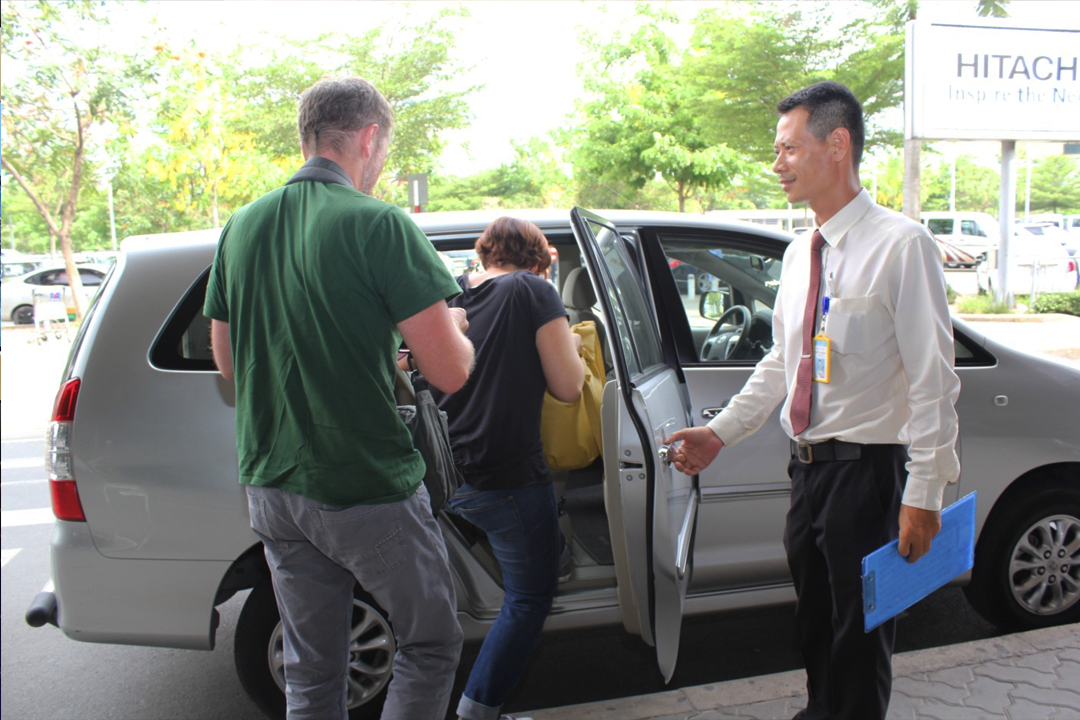
The year 2026 marks a turning point for road travel in Vietnam. The North-South Expressway is now fully operational between Hanoi and Da Nang, effectively bypassing the congested and often dangerous sections of National Highway 1A.
Previously, driving from Hanoi to Da Nang was a grueling 14–16 hour task. Today, with a design speed of 80–120 km/h and a seamless link, the journey can be completed in a manageable 10 to 12 hours.
Advantages
- Absolute Autonomy: For families with children or elderly members, the private car is the "price-to-performance" champion. You control the temperature, the music, and the stops.
- Strategic Stopovers: The expressway passes near some of Vietnam’s greatest wonders. Many travelers choose to spend a night in Ninh Binh (the "Halong Bay on Land") or visit the caves of Phong Nha-Ke Bang in Quang Binh.
- Door-to-Door Convenience: No luggage hauling between terminals. The journey begins at your doorstep in the Old Quarter and ends at your resort in Non Nuoc.
Disadvantages
- Cost: This is the most expensive option for solo travelers or couples. Between vehicle rental, driver fees, and expressway tolls, the price is substantial.
- Driver Fatigue: If you are driving yourself, the 10-hour stretch requires high mental focus. Most professionals recommend hiring a chauffeur to enjoy the journey safely.
- Fuel Volatility: While 2026 has seen some relief through tax cuts, fuel costs remain a variable that can impact the total budget.
4. Limousine Bus and Sleeper Bus: The Modern Nomad's Choice
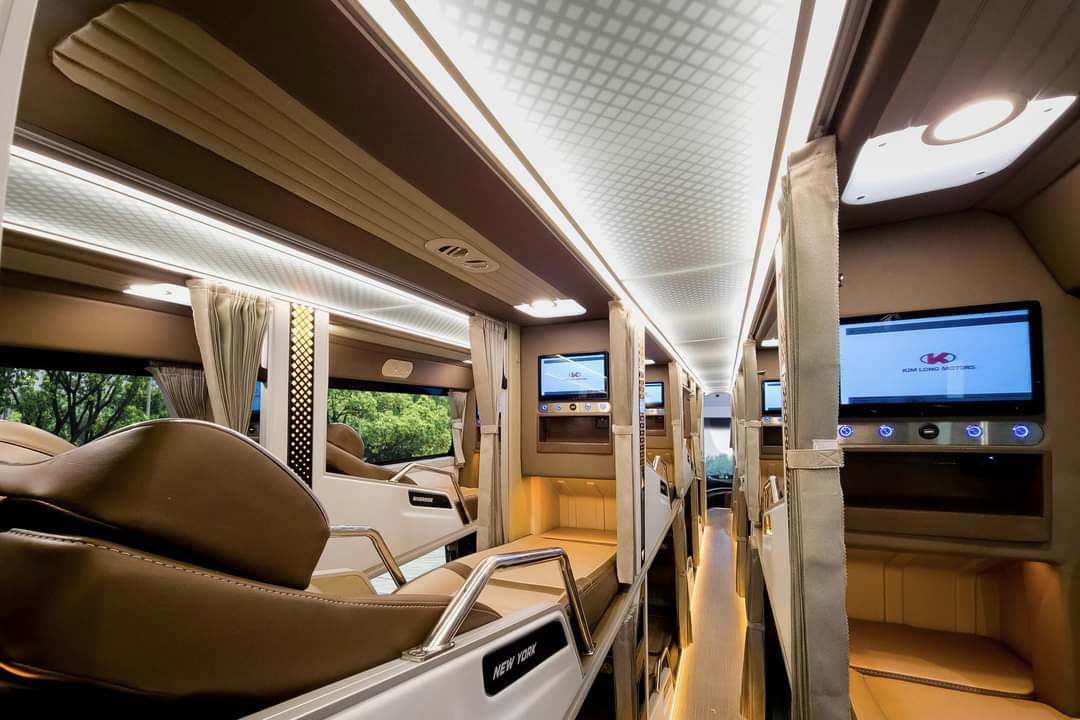
The "sleeper bus" or "limousine bus" is the most popular long-distance transport for Vietnamese travelers. It balances affordability and surprisingly high comfort.
- Standard Sleeper Bus:A large coach with 2-3 tiers of reclining “beds.” These are the classic budget option. Comfort varies widely; some are adequate, others can feel cramped - especially for tall travelers.
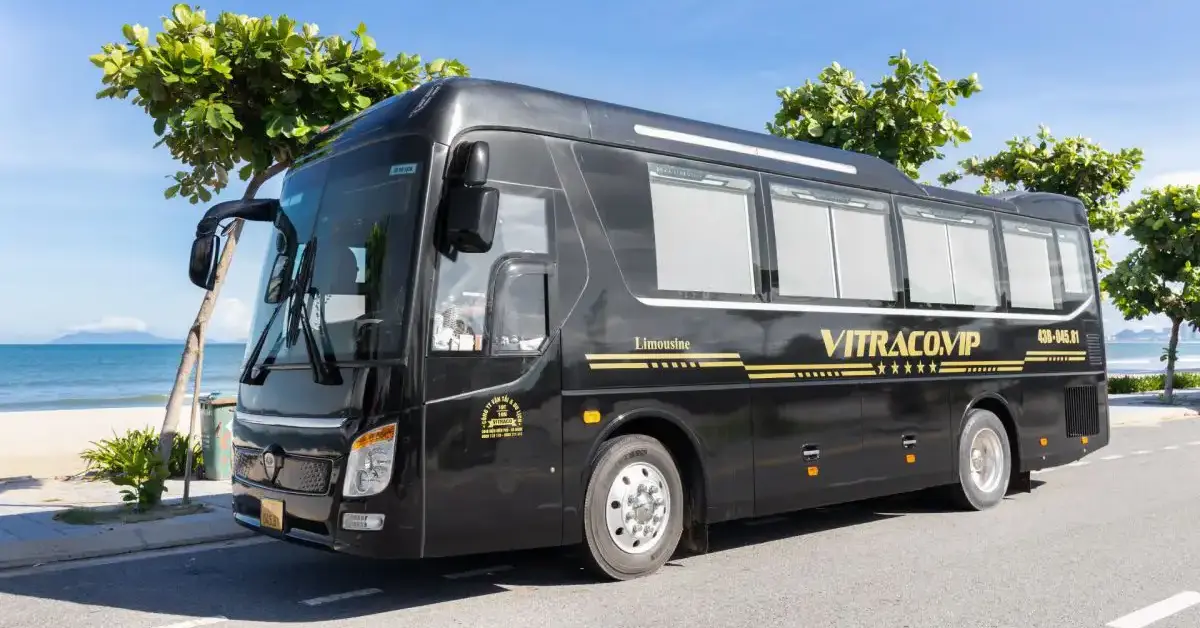
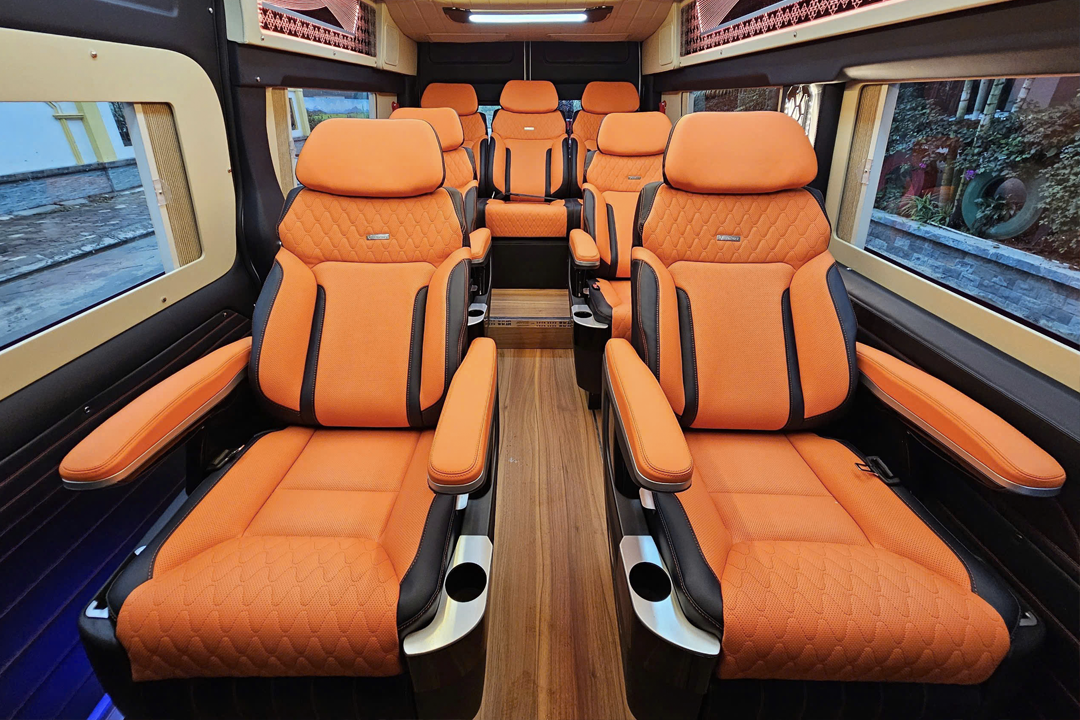
- Limousine Van:A smaller vehicle (typically 9-16 seats) with wide, plush captain’s chairs that recline significantly. These offer much more personal space, USB charging ports, complimentary water and towels, and a smoother, quieter ride. Especially, if you book a shared limousine, there will be fewer seats, meaning fewer passengers will be traveling with you, and the vehicle won't need to stop to pick up or drop off passengers as often. Therefore, travel time will be shorter compared to sleeper buses.
Advantages:
- Excellent Value: Prices are a fraction of flights or private cars. Budget buses start as low as USD 15–20 (VND 380,000–500,000), while premium limousine services with "cabin beds" cost USD 45–55.
- Modern Amenities: Forget old, cramped buses. Modern "VIP cabin" buses feature private pods with sliding curtains, fully flat or nearly flat beds, USB charging ports, reading lights, and blankets.
- Overnight Convenience: Most sleeper buses depart Hanoi between 5:00 PM and 9:00 PM. You sleep on the bus, wake up in Da Nang around 9:00–11:00 AM, saving a night’s hotel cost.
- Frequent Departures: Numerous companies run this route daily, including Camel Transport, King Express Bus, Queen Cafe Bus, and Cua Ong Limousine.
- Central Drop-Offs: Buses typically drop passengers on major streets in Da Nang City Center or near the airport, making onward travel easy.
Disadvantages:
- Shared Space: You are in close quarters with 20–40 other passengers. Noise from snoring, phones, or drivers honking is common.
- Hygiene Concerns: Some travelers report issues with cleanliness, including insect bites or even rodents on a few budget operators.
- Limited Legroom: While beds are long, very tall travelers (over 185 cm) may feel cramped.
- Motion Sickness: Vietnam’s highways can be bumpy, and the combination of a moving vehicle and lying flat triggers nausea for some.
- Strict Schedules: The bus will not wait for you if you’re late. Missed departures usually mean buying a new ticket.
If you are tall, we recommend that you choose a limousine and select the middle two rows of seats for the best experience.
Conclusion: Which Mode Should You Choose?
In 2026, the "best" way to travel from Hanoi to Da Nang depends entirely on your travel persona:
- The Efficient Professional: Take the Airplane. The 80-minute flight and smart airport infrastructure make it the only logical choice for business.
- The Romantic Explorer: Choose the Train. Specifically, book a luxury sleeper on the SE3 or SE19 to witness the sunrise over the Hai Van Pass.
- The Luxury Family: Opt for the Private Car. Use the new expressway to turn the transit into a 2-day boutique road trip through Ninh Binh and Central Vietnam.
- The Savvy Backpacker: Book a VIP Cabin Bus. It offers a private, tech-enabled "pod" experience that provides the best value for money in the region.