Transfer from Ho Chi Minh city to Mui Ne

Updated on 18 Apr 2026
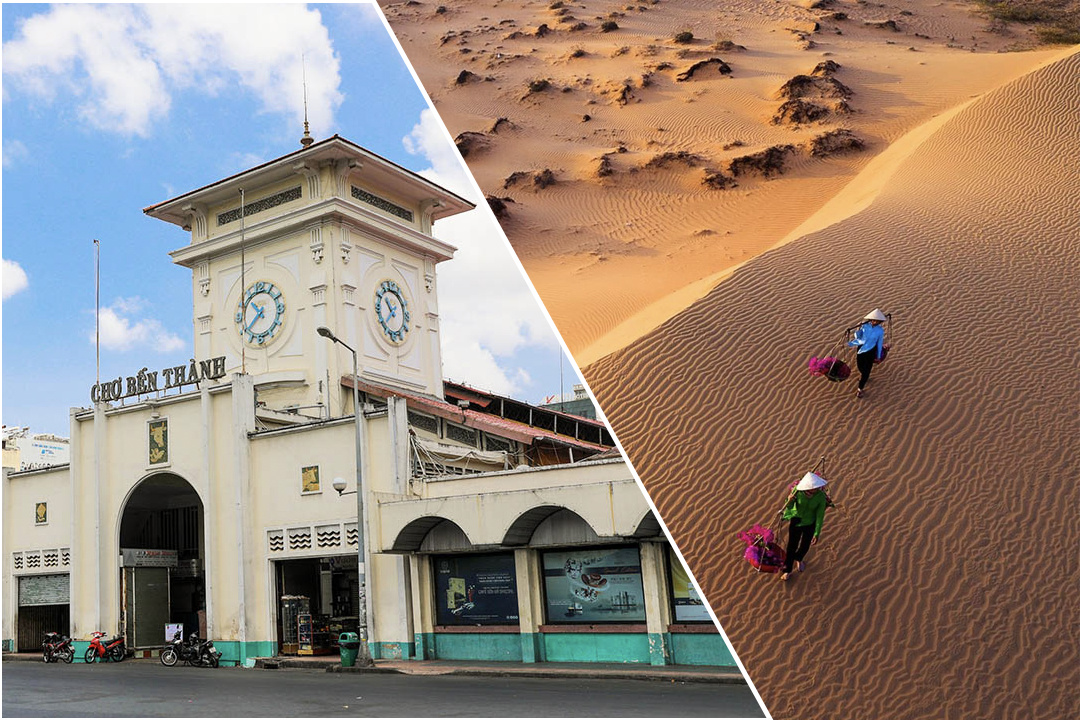
Just a few hours east of the bustling streets of Ho Chi Minh City lies Mui Ne, a coastal town that feels like a world away. Famous for its towering red and white sand dunes, world-class kitesurfing conditions, and palm-fringed beaches, Mui Ne has become one of Southern Vietnam’s most beloved weekend escapes. Whether you’re a budget backpacker, a luxury-seeking couple, or an adventurous soul craving the open road, this 12 km stretch of beachside resorts and seafood restaurants has something for everyone.
The demand for travel from HCMC to Mui Ne has skyrocketed in recent years, driven by both domestic and international tourists. Even outside the peak holiday season, Mui Ne attracts large crowds on weekends, with public beaches packed with swimmers and seafood restaurants operating at full capacity. In 2025, Lam Dong province - home to Mui Ne - set ambitious tourism targets of welcoming 10.6 million visitors, including 430,000 international travelers. The opening of the Dau Giay - Phan Thiet expressway has only accelerated this trend, slashing travel times and making spontaneous weekend getaways more appealing than ever.
There’s often confusion about the exact distance between Ho Chi Minh City and Mui Ne. Depending on the route and source, you’ll see figures ranging from 200 to 220 kilometers. The most widely cited distance is approximately 200 to 220 km (124-137 miles). The main route follows the Dau Giay–Phan Thiet expressway, a modern highway that has significantly reduced travel times compared to the older National Highway 1A.
Travel time varies dramatically based on your chosen mode of transport, traffic conditions, and whether you take the expressway:
- Private car: 2.5-5 hours (expressway significantly reduces travel time)
- Sleeper bus/limousine: 3-6 hours (expressway cuts journey to 3-4 hours)
- Motorbike: 5-7 hours (depending on route, stops, and rider experience)
The key game-changer has been the Dau Giay-Phan Thiet expressway. Before its opening, the journey often took 5-6 hours regardless of transport mode. Today, private cars and premium limousine vans can complete the trip in as little as 3-3.5 hours in good conditions.
Popular Modes of Transportation: Advantages and Disadvantages
1. Private Car
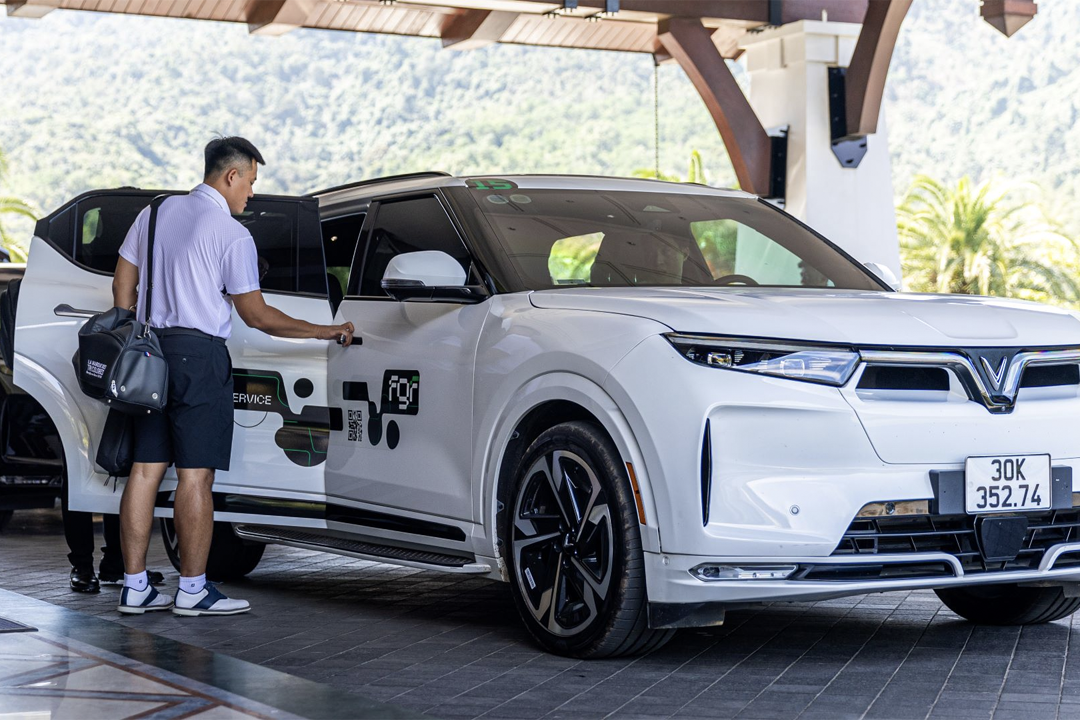
Traveling by private car is the gold standard for comfort, flexibility, and convenience on the HCMC to Mui Ne route. This option is especially popular among families with young children, small groups of friends, honeymooning couples, business travelers, and anyone who values privacy and door-to-door service.
Advantages:
- Ultimate Comfort and Privacy: You’ll ride in a modern, air-conditioned vehicle with no strangers. The car is exclusively yours, allowing you to relax, nap, work, or listen to your own music in complete peace. For couples or families, this is invaluable after a long flight or before a busy vacation schedule.
- Door-to-Door Convenience: Your driver picks you up directly from your hotel, apartment, or Tan Son Nhat Airport in Ho Chi Minh City and drops you off exactly at your resort, hotel, or private villa in Mui Ne. There’s no need to navigate public transport with luggage or arrange separate taxis.
- Complete Flexibility: You control the schedule entirely. Want to leave at 4 AM to catch sunrise on the sand dunes? No problem. Need a restroom break? Feel like stopping for a Vietnamese coffee? Interested in a quick detour to Ke Ga Lighthouse, a dragon fruit farm, or the famous reclining Buddha at Ta Cu Mountain? Your driver will accommodate your wishes.
- Ideal for Group Travel: When costs are split among 3-5 people, a private car becomes surprisingly economical compared to buying individual bus tickets. A 7-seater SUV costs around 1,500,000-1,800,000 VND one-way, which divided among four passengers is very reasonable.
- Family-Friendly Features: Services often provide baby car seats upon request, free bottled water, and onboard Wi-Fi to keep everyone entertained.
- Perfect for Night Arrivals: If your flight lands late at night, finding reliable transport to Mui Ne can be stressful. A pre-booked private car will be waiting for you regardless of the hour, providing peace of mind.
- Ample Luggage Space: Unlike buses or trains, private cars have generous luggage capacity. You can bring surfboards, golf bags, multiple suitcases, or shopping hauls without worrying about restrictions.
Disadvantages:
- Higher Cost for Solo Travelers: For a single traveler or a couple, a private car is the most expensive option. One-way prices range from approximately $56–$80 (1,400,000–2,000,000 VND) for a 4-seater sedan, up to $150–$180 for a 9-seat limousine van.
- Finding a Reliable Provider: With dozens of operators offering private transfers, quality varies significantly. It’s essential to book through reputable companies with verified positive reviews to ensure a safe, comfortable, and honest experience.
- Traffic on Expressway Still Possible: Even with the new expressway, you’re not immune to traffic. On Friday evenings and Sunday afternoons, when Ho Chi Minh City residents flock to and from the coast, congestion can add 30–60 minutes to your journey.
- Not the Most Budget-Friendly: If your primary concern is saving money, the bus will always be cheaper. Private cars are for those who prioritize comfort, time, and convenience over the absolute lowest fare.
2. Limousine Bus & Sleeper Bus
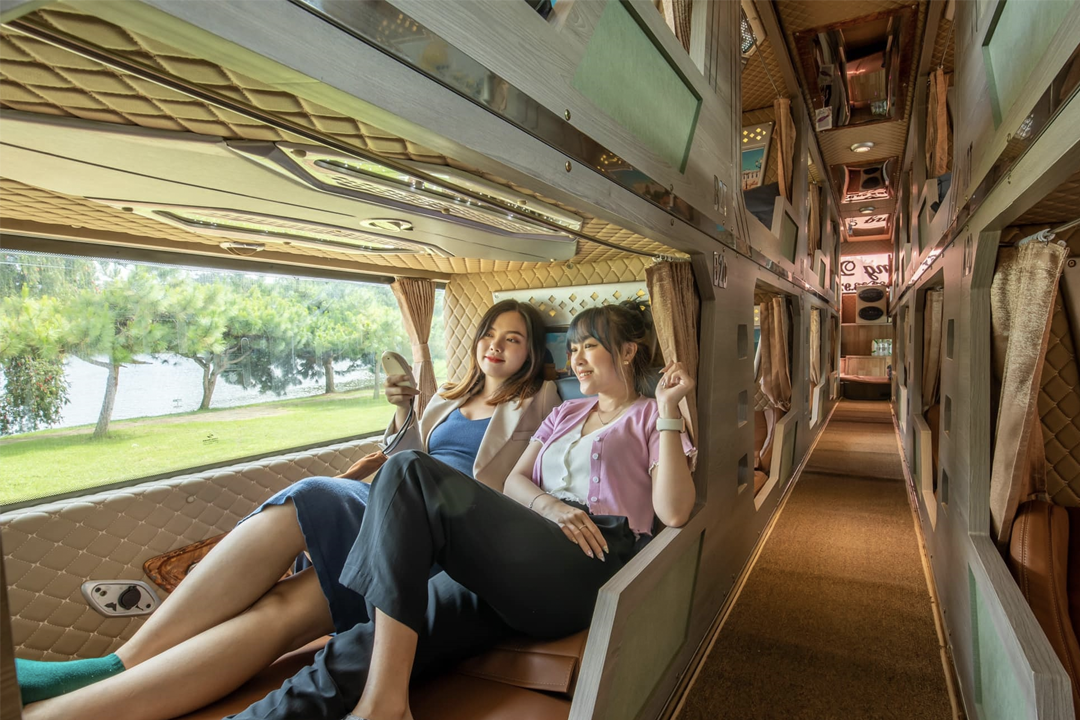
For the vast majority of travelers, the sleeper bus or limousine van strikes the perfect balance between affordability and comfort. Vietnam has truly mastered the art of long-distance bus travel, and the HCMC-Mui Ne route is served by an impressive array of options—from basic budget sleepers to premium VIP limousines that rival business class on an airplane.
It’s important to distinguish between a standard “sleeper bus” and a “limousine van.” Both are popular, but they offer very different experiences.[title]
- Standard Sleeper Bus:[/title] [content]A large coach with 2-3 tiers of reclining “beds.” These are the classic budget option. Comfort varies widely; some are adequate, others can feel cramped - especially for tall travelers.[/content][title]
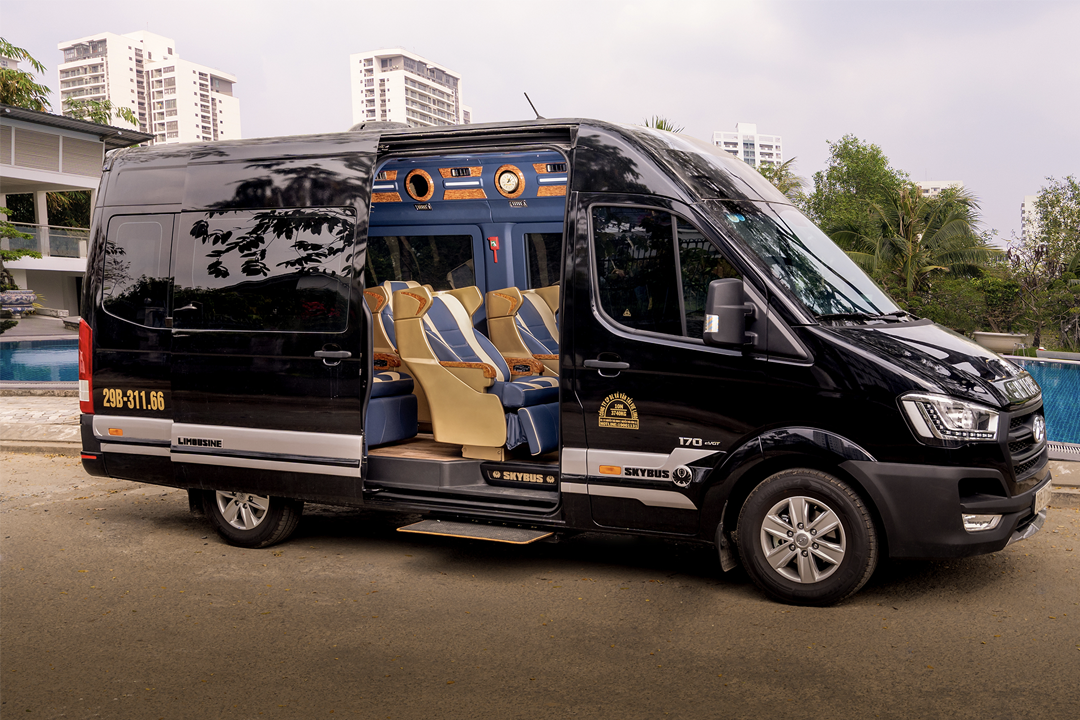
- Limousine Van:[/title] [content] A smaller vehicle (typically 9-16 seats) with wide, plush captain’s chairs that recline significantly. These offer much more personal space, USB charging ports, complimentary water and towels, and a smoother, quieter ride. Especially, if you book a shared limousine, there will be fewer seats, meaning fewer passengers will be traveling with you, and the vehicle won't need to stop to pick up or drop off passengers as often. Therefore, travel time will be shorter compared to sleeper buses.[/content]
Advantages:
- Excellent Value for Money: Even premium limousine services cost a fraction of a private car. Ticket prices range from 180,000 VND ($7) for basic sleepers to 480,000-580,000 VND ($19-22) for top-tier limousine vans.
- Frequent Departures: Major operators run services from early morning (around 6:00 AM) until late evening (around 11:30 PM), with departures every 30-60 minutes.
- Expressway Shortens Journey: Thanks to the Dau Giay–Phan Thiet expressway, limousine vans can now complete the journey in approximately 3-4 hours - comparable to private cars.
- Hotel-Area Drop-offs: Most limousine services drop passengers directly on Nguyen Dinh Chieu Street in Ham Tien Ward, the main tourist strip where most resorts and hotels are located. Some offer complimentary shuttle service to your specific hotel.
- Surprisingly Comfortable: Premium limousine vans feature wide leather seats with ample legroom, individual reading lights, USB chargers, air conditioning, and sometimes WiFi. Some VIP options even have curtains for privacy, turning your seat into a small personal cocoon.
- Night Departures for Overnight Travel: If you want to maximize your time in Mui Ne, night buses allow you to sleep en route and wake up at the beach, ready to explore.
- Easy to Book: Tickets can be purchased online via travel agency hotline or their website.
Disadvantages:
- Shared Space with Strangers: You’ll be traveling with 8 to 30 other passengers, depending on the vehicle. Privacy is minimal compared to a private car.
- Limited Luggage Space: While adequate for weekend trips or backpacks, sleeper buses and limousine vans have strict luggage limits. Oversized items like surfboards, large suitcases, or golf bags may not be allowed.
- Not Ideal for Tall Travelers: Standard sleeper buses have beds designed for the average Vietnamese body type. If you’re over 175 cm (5’9”), you may find the berths cramped and uncomfortable.
If you are tall, we recommend that you choose a limousine and select the middle two rows of seats for the best experience.
- Shuttle Transfer Can Be Confusing: During daytime hours (roughly 6:00 AM to 10:00 PM), sleeper buses are not permitted inside central Ho Chi Minh City. You’ll be picked up by a shuttle bus and taken to an outer terminal to transfer to your actual sleeper coach. First-time visitors often find this confusing, but it’s standard procedure for this route.
- No Proactive Rest Stops: Unlike private cars, buses stop only at designated points, usually just once about 1.5 hours into the journey. If you need an additional break, you’re out of luck.
- Traffic Still Affects Schedules: Even with the expressway, Friday afternoons and Sunday evenings see heavy traffic that can extend travel time by an hour or more
3. Motorbike
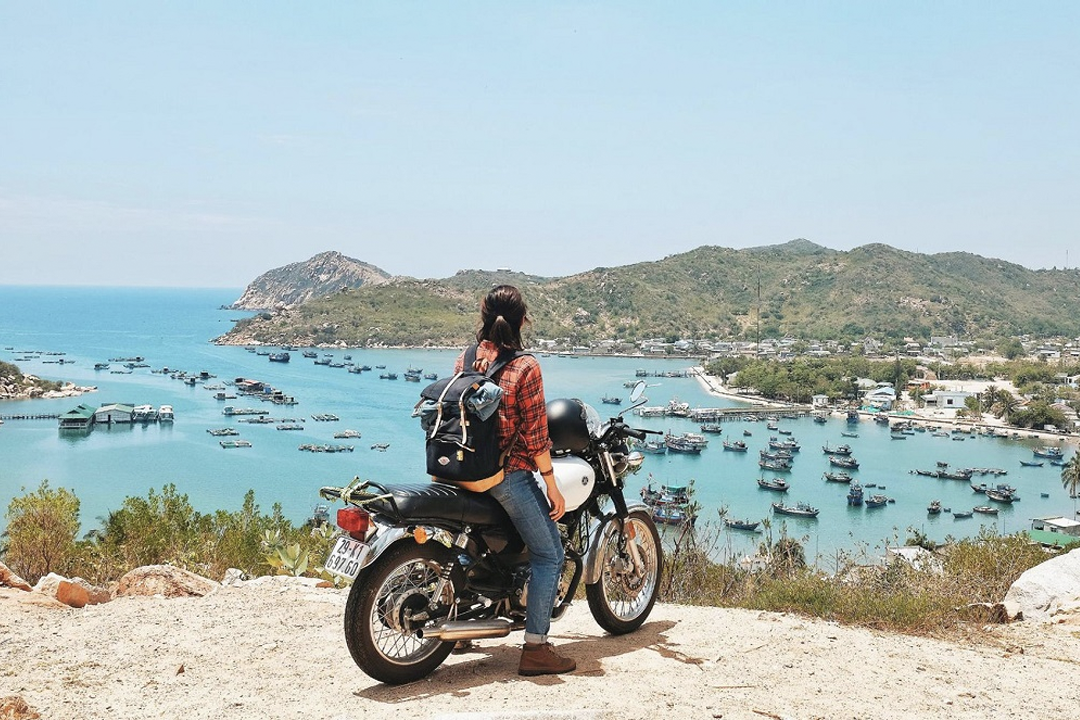
For the truly adventurous, riding a motorbike from Ho Chi Minh City to Mui Ne is not just transportation—it’s a rite of passage. This is the preferred method for backpackers, thrill-seekers, and anyone who believes that the journey is just as important as the destination. Riding a motorbike offers a visceral, immersive experience that no bus or car can replicate.
Advantages:
- Maximum Freedom and Flexibility: You are the master of your itinerary. Want to stop at a roadside coconut stall? Feel like taking a detour through a fishing village? Spot a beautiful stretch of coastline and want to pull over for photos? With a motorbike, you can do all of this without asking anyone’s permission.
- Lowest Cost Option: Renting a reliable motorbike costs approximately $10–$15 per day (250,000–380,000 VND). Fuel for the 200+ km journey is minimal—around 100,000–150,000 VND ($4–6). This makes motorbiking by far the cheapest way to reach Mui Ne.
- Authentic Travel Experience: Riding a motorbike immerses you in the sights, sounds, and smells of Vietnam. You’ll navigate through chaotic city streets, cruise past rubber tree plantations, cross rivers on ferries, and ride alongside the South China Sea. This is how locals travel, and it offers a cultural depth that no tour bus can provide.
- Scenic Coastal Route Options: The coastal route via Cat Lai Ferry, Long Thanh, Ba Ria, Ho Tram, and then along the coast to Phan Thiet offers stunning ocean views, salt fields, green hills, and quaint fishing villages. At certain points, you can ride with the sea on one side and green mountains on the other.
- Sense of Achievement: Completing a 200+ km motorbike journey under your own power is genuinely satisfying. You’ll arrive in Mui Ne not as a passive passenger, but as an adventurer who conquered the road.
- Perfect for Exploring Mui Ne: Once you arrive, your motorbike becomes the ideal tool for exploring the sand dunes, Fairy Stream, fishing village, and nearby attractions at your own pace. Renting a bike in Mui Ne costs extra; bringing your own saves both money and hassle.
Disadvantages:
- Significant Safety Risks: This is the most serious drawback. Vietnam’s highways are notoriously dangerous, with heavy truck and bus traffic, unpredictable drivers, and poor road conditions in some stretches. The route to Mui Ne requires navigating busy highways, industrial zones, and potentially aggressive drivers. Without proper experience, the risk of accidents is real.
- Physically Demanding: A 5–7 hour ride in Vietnam’s tropical heat and humidity is exhausting. You’ll need good physical stamina, proper protective gear (helmet, long sleeves, gloves), and regular hydration breaks.
- Dependent on Weather: Vietnam’s weather is unpredictable. Riding in heavy rain is not just uncomfortable—it’s dangerous due to reduced visibility and slippery roads. The dry season (November to April) is the only recommended time for this journey.
- Requires Proper Licensing: To ride legally in Vietnam, you need a valid International Driving Permit (IDP) with a motorcycle endorsement, along with your home country’s license. Many travelers ignore this, but doing so voids your insurance and leaves you vulnerable to police fines or worse.
- Mechanical Breakdown Risk: Rental bikes are often poorly maintained. A breakdown on a remote stretch of highway with no phone signal is a genuine possibility. Carrying basic tools and knowing how to use them is essential.
- Navigation Challenges: While the main route is straightforward, getting out of Ho Chi Minh City is chaotic, and rural roads can be poorly signposted. A GPS or offline map is non-negotiable.
- Exhaustion Affects Enjoyment: By the time you arrive in Mui Ne after 5–7 hours on the road, you may be too tired to enjoy your first evening. Some riders report being “completely drained” upon arrival.
Recommendation
.webp)
Choosing the right transport from Ho Chi Minh City to Mui Ne ultimately depends on your budget, travel style, and appetite for adventure.
For families, groups, and couples seeking the ultimate in comfort and convenience, a private car is unmatched. The door-to-door service, flexible schedule, and ability to stop at scenic viewpoints along the expressway make the journey as enjoyable as the destination.
For solo travelers, backpackers, and budget-conscious visitors, the sleeper bus or limousine van offers extraordinary value. With frequent departures, surprisingly comfortable seats, and prices starting as low as $7, this is how the vast majority of travelers reach Mui Ne.
For adventurous souls who want to truly experience Vietnam’s landscapes, a motorbike offers freedom and authenticity that no other mode can provide. Just be honest with yourself about your riding skills and risk tolerance - this is not a journey for beginners.
Useful travel blogs
About A21 Tours
As a pioneering e-commerce travel agency in Vietnam, now expanding into Laos and Cambodia, A21 Tours proudly offers over 5,000 unique travel products across Vietnam, Laos and Indochina.
Explore A21 Tours