Ly Son Island Travel Guide: How to Get There?
Why you should visit Ly Son Island?
Ly Son is not your typical tropical resort island. It is a place of rugged beauty, where the geology tells a story millions of years old and the culture is inextricably linked to the sea.
Vietnam's "Kingdom of Garlic
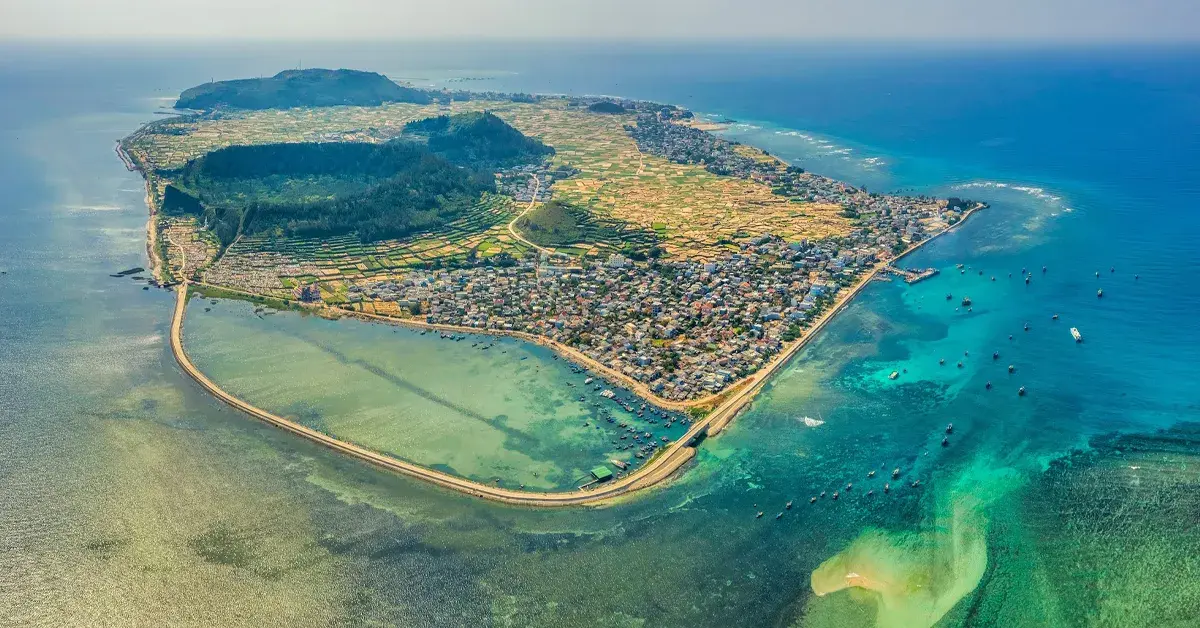
Ly Son is famous throughout Vietnam for its garlic, specifically the "lonely garlic" (tỏi cô đơn)—a single-clove variety that is prized for its medicinal properties and intense flavor. The secret lies in the soil: a unique mixture of volcanic basalt soil and white sand made from ground coral. This "checkered" agricultural landscape, visible from the island's peaks, is unlike anything else in the world.
Volcanic Landscapes and Lava Arches
The island is the remains of five extinct volcanoes. This geological heritage has left behind dramatic landmarks:
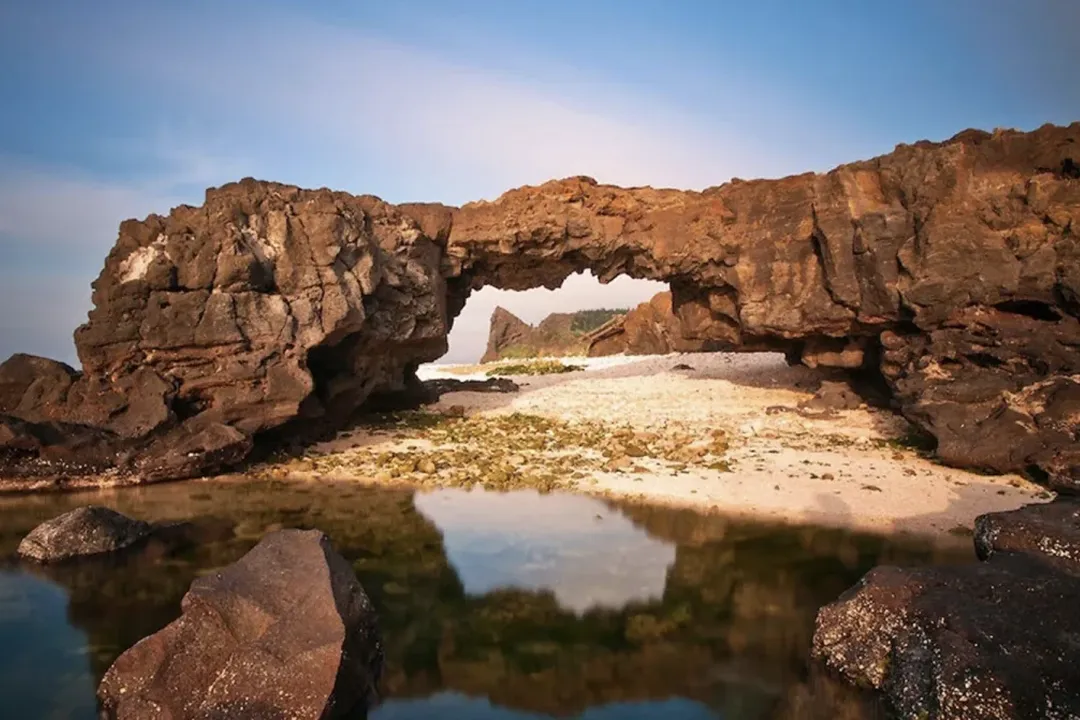
To Vo Gate: A natural lava rock arch that is perhaps the most photographed spot on the island, especially at sunset.
Hang Pagoda (Chùa Hang): A temple built inside a massive seaside cave, carved by the waves and volcanic activity.
Thoi Loi Mountain: The highest peak on the island, offering a panoramic view of the emerald waters and the crater lake that once fueled the island’s creation.
.webp)
Cultural Heritage: Cham and Sa Huynh
Beyond its natural beauty, Ly Son is a cradle of history. Archaeological finds link the island to the ancient Sa Huynh culture and the later Champa Kingdom. It also serves as the spiritual home of the Hoang Sa Flotilla, a group of sailors who, centuries ago, were tasked by the Nguyen Emperors to explore and defend the Paracel Islands.
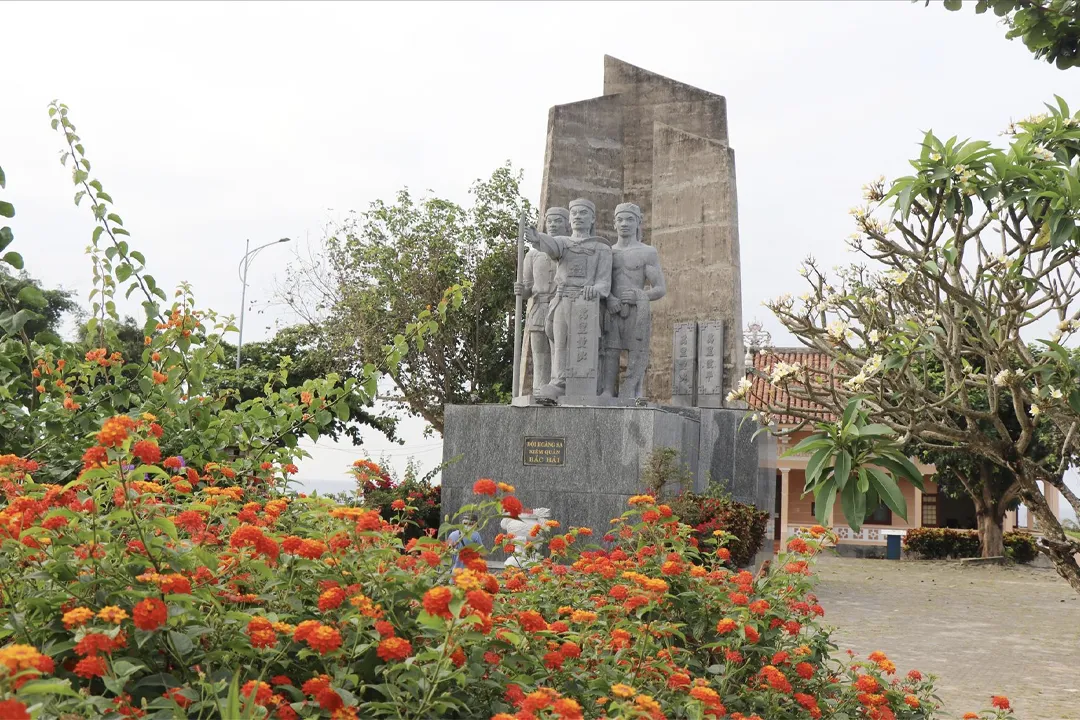
Ly Son Island: An ideal destination
Despite its beauty, Ly Son remains far less crowded than Phu Quoc or Ha Long. You won't find high-rise hotels or massive shopping malls here. Instead, you find homestays, local markets, and a pace of life that feels refreshingly authentic.
The ideal time to visit Ly Son Island is from March to August or from January to April. March to August is the dry season, offering calm seas and crystal-clear water perfect for snorkeling; while January to April is the garlic harvesting season, where you can see the islands covered in lush green shoots and witness the unique agricultural process. Strictly avoid planning trips between September and November. Typhoons in the East Sea can result in the port closing for several days, potentially stranding you on the island.
Where Is Ly Son Island?
Ly Son is an island district belonging to Quang Ngai province. The Ly Son district comprises three islands: Cu Lao Re (the main island), An Binh commune (the smaller island), and Mu Cu islet, located approximately 30 km from the mainland. With its pristine scenery and affordable travel costs, Ly Son has become a popular destination for many tourists in recent years.
-
Big Island (Lớn Island/Cù Lao Ré): The main administrative and commercial hub. This is where the ferry from the mainland arrives and where most accommodation is located.
-
Small Island (Bé Island/An Binh): A 10-minute boat ride from the Big Island. This is where you find the most pristine beaches and the clearest water for swimming.
-
Mu Cu islet: Located east of Ly Son Island (the main island), about 3.2 km from the district center, right near the An Hai boat anchorage. It is the smallest of the three main islands in Ly Son district, famous for being the most beautiful and earliest spot to watch the sunrise.
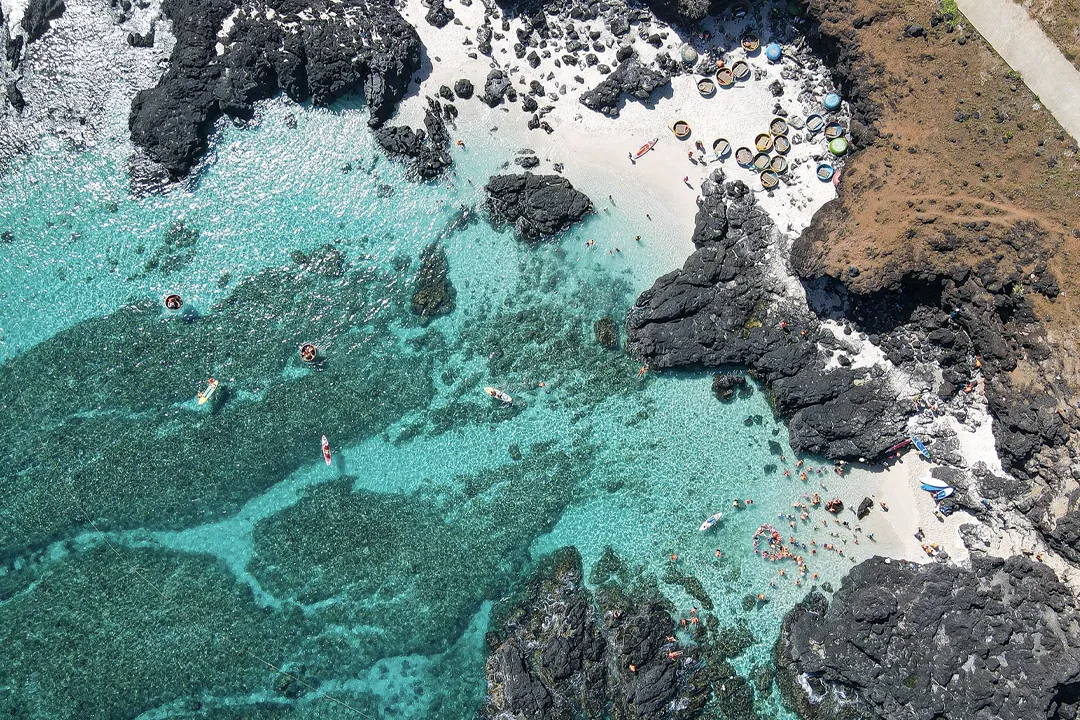
How to Get to Ly Son Island — All Routes
Getting to Ly Son requires a multi-leg journey, but the 2026 infrastructure makes it smoother than ever. The gateway to the island is Sa Ky Port.
1. From Ho Chi Minh City (Saigon) or Hanoi
From Ho Chi Minh City or Hanoi city, the fastest option is a one-hour flight to Chu Lai Airport (served daily by Vietnam Airlines, Vietjet, and Bamboo Airways), followed by a 1.5‑hour private car ride to Sa Ky Port—making the total door‑to‑ferry time about 3.5 hours.
2. From Da Nang and Hoi An
For those already in Central Vietnam, Da Nang offers a direct private car journey of about two hours via the Da Nang‑Quang Ngai Expressway, allowing an early 6:00 AM departure to catch mid‑morning high‑speed ferries. Even closer is Hoi An, where a private car takes just 1.5 hours to reach Sa Ky Port—a popular route for travelers combining a heritage stay in Hoi An with a volcanic escape on Ly Son.
For those already in Central Vietnam, Da Nang offers a direct private car journey of about 2 hours via the Da Nang‑Quang Ngai Expressway, allowing an early 6:00 AM departure to catch mid‑morning high‑speed ferries. Even closer is Hoi An, where a private car takes just 1.5 hours to reach Sa Ky Port—a popular route for travelers combining a heritage stay in Hoi An with a volcanic escape on Ly Son.
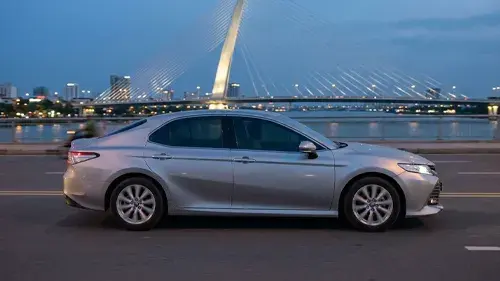
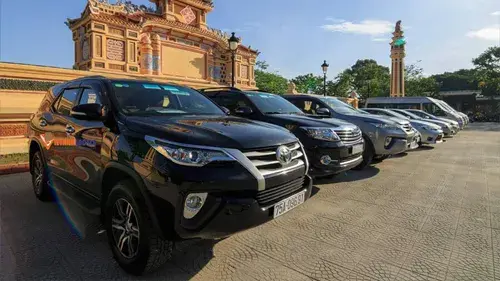
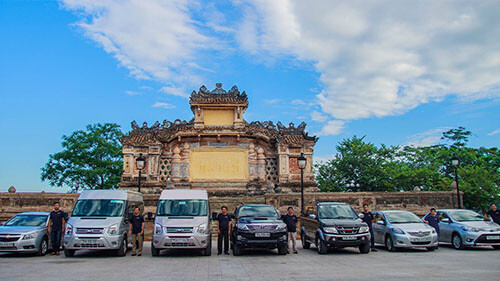
If you're traveling from major cities to Chu Lai Airport (such as Hanoi or Ho Chi Minh City), you might have difficulty finding a suitable transportation service to Sa Ky Port. Local taxis may be more expensive, or it can be difficult to negotiate the price. Don't worry, you can check out A21 Tours' private car service to Sa Ky Port. We offer door-to-door pick-up and drop-off services, with 24/7 support to accompany you throughout your journey.
On the other hand, if you are already in Ly Son, leaving the island is quite simple. The return journey is a mirror of your arrival but requires careful timing to match your onward flights or car transfers. Most of return ferries generally run from 7:30 AM to 3:00 PM. On Sundays or holidays, these fill up quickly; ensure you have your return ticket confirmed a day in advance. Upon arrival at Sa Ky Port, your pre-booked private car can take you back to Chu Lai Airport (1.5 hours) for flights to Hanoi/HCMC, or return to Hoi An (1.5 hours)/Da Nang (2 hours). Note that if you have an afternoon flight from Chu Lai, aim for the 9:00 AM or 11:00 AM ferry to allow a safety buffer for sea conditions.
Sa Ky Port — Everything You Need to Know
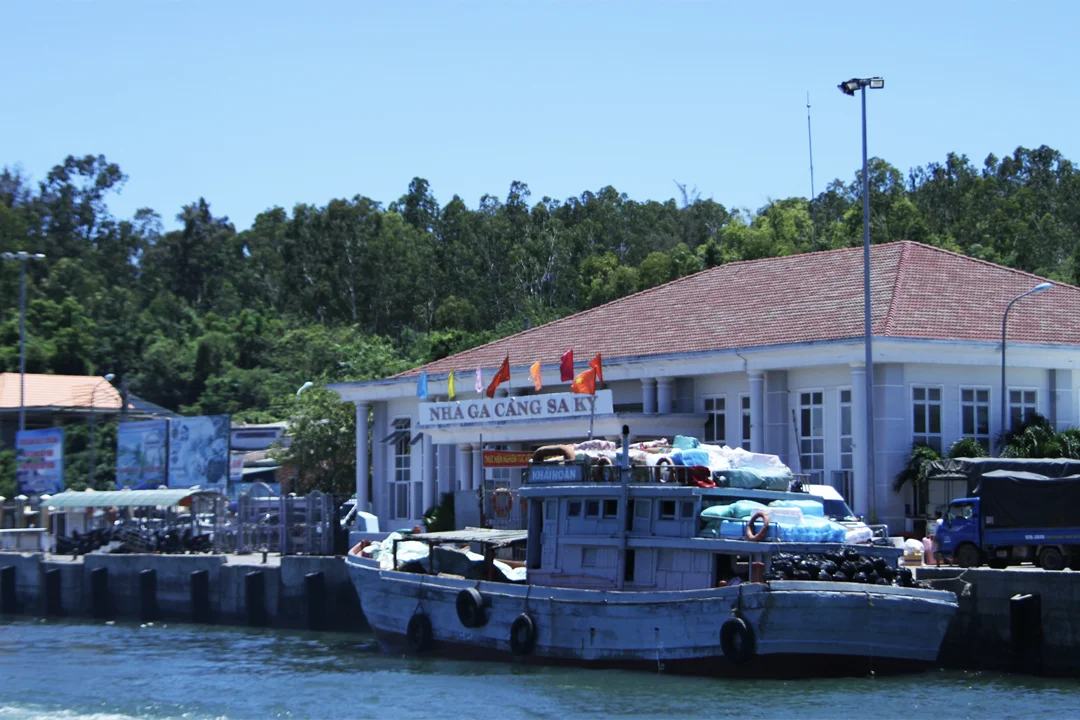
Sa Ky Port, located in the Binh Son District of Quang Ngai province, serves as the essential maritime gateway to the legendary Ly Son Island. In 2026, the port stands as a modernized hub of maritime activity, facilitating swift and professional high-speed ferry connections to "Vietnam's Jeju Island." Surrounded by local fishing life and close to pristine beaches like My Khe, Sa Ky offers more than just transit—it is the start of a restorative sanctuary. For the sophisticated traveler, it represents a seamless portal to volcanic landscapes, crystal-clear diving waters, and the unique cultural heritage of the Hoang Sa flotilla.
Ferry Types and Schedules
In 2026, the fleet has been modernized with "Superdong" and "Phu Quoc Express" style catamarans.
- Speedboat/High-Speed Craft: 30–45 minutes. This is the recommended choice for 2026 travelers.
- Slow Ferry: 75–90 minutes. Mostly used for transporting heavy goods and motorbikes.
- Schedule: Generally, boats depart between 7:30 AM and 3:30 PM. Schedules can shift based on tide and weather.
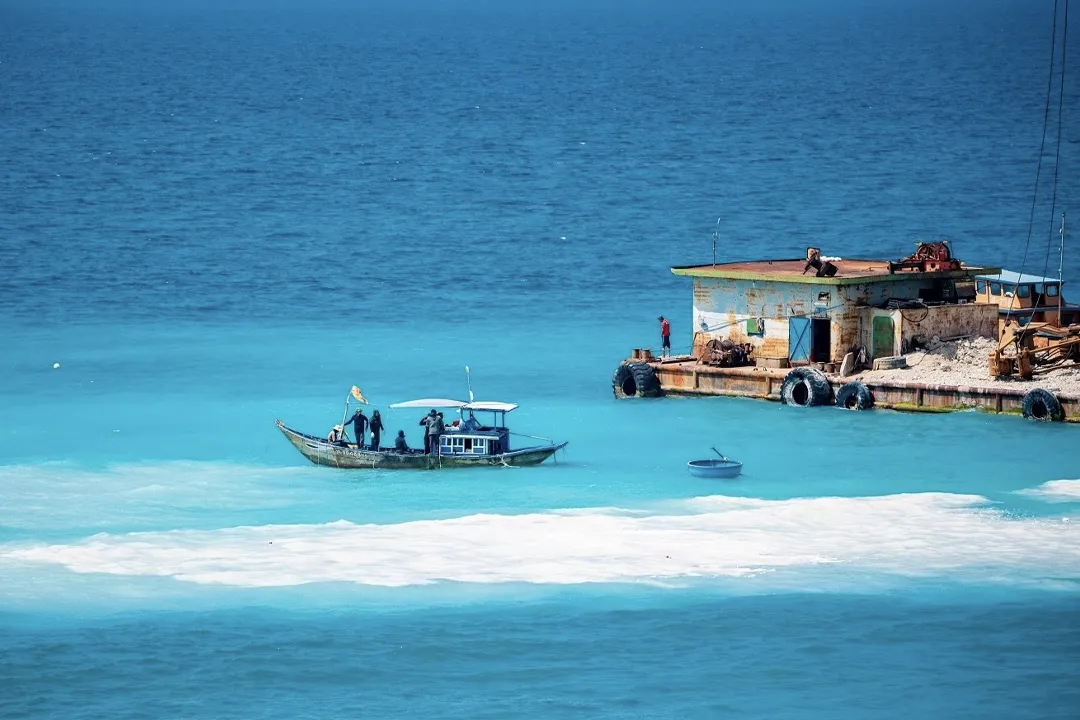
Booking and Facilities
- Tickets: Prices range from 180,000 to 220,000 VND ($7–$9 USD).
- Advance Booking: Highly recommended for weekends. You can book via the official Sa Ky Port website or various travel apps.
- Facilities: The port has a modern waiting room, clean restrooms, and small stalls selling snacks and "Banh Mi."
Pro Tip: Arrive at Sa Ky at least 45 minutes before departure. You will need to present your Passport (or ID) to collect your physical ticket and pass through the port security gate.
Must-see places in Ly Son
Ly Son is a destination that rewards exploration. The island’s compact size makes it easy to navigate, yet every corner reveals a different geological or cultural wonder.
Thoi Loi Volcano: As the highest of the five extinct craters on the island, a hike or ride to the summit is mandatory. At the top, you’ll find a massive freshwater crater lake and a panoramic view of the entire island, where the white sand of the garlic fields contrasts sharply with the deep blue of the East Sea.
To Vo Gate: This is Ly Son’s most iconic landmark. A natural stone arch formed by volcanic residue, it stands as a gateway to the ocean. It is the ultimate spot for sunset photography, though you should expect a small crowd during the "golden hour."
Hang Cau Beach: Located at the foot of Thoi Loi Mountain, this beach features dramatic, towering cliffs of black volcanic rock that have been carved into intricate patterns by wind and salt over millennia. It is arguably the most photogenic coastline in Central Vietnam.
Chua Duc (Duc Pagoda): Built into the side of a mountain, this ancient temple is guarded by a massive statue of Quan Am (the Goddess of Mercy) overlooking the sea. After visiting the temple, you can walk through the nearby local community to see the traditional way of life on the island.
The Garlic Fields: If you visit between January and April, the island is a patchwork of vibrant green. The fields are unique because the farmers use a layer of white coral sand over volcanic soil, creating a striking aesthetic.
Small Ly Son Island (Đảo Bé): A 10-minute boat ride from the main harbor takes you to this tiny paradise. With almost no permanent residents and crystal-clear "Maldives-style" water, it is the best place for a day trip.
Snorkeling and Diving: The volcanic reefs surrounding both the Big and Small islands are home to diverse marine life. The visibility in 2026 remains excellent, making it a hidden gem for underwater enthusiasts.
How Many Days to Spend on Ly Son?
To truly appreciate the "Kingdom of Garlic," timing your visit with the ferry schedules is essential. While a single day is technically possible—taking the first boat in and the last boat out—it feels extremely rushed and leaves no buffer for weather delays. A two‑day stay offers a more comfortable timeframe, giving you enough time to explore the main volcanic sites on the Big Island and enjoy a seafood dinner. For the best experience, three days is the recommended "sweet spot": you’ll have a full day for the Big Island, a dedicated day for the Small Island, and plenty of time to relax without constantly checking your watch for the next ferry.

Suggested 3-Day Itinerary
- Day 1: Arrive at Sa Ky Port, take the morning ferry. Check-in and lunch (Sea Urchin Porridge). Afternoon visit to To Vo Gate and Hang Pagoda. Sunset at Thoi Loi Mountain.
- Day 2: Morning boat to Đảo Bé (Small Island). Spend the day snorkeling, swimming, and exploring the tiny village. Return to the Big Island for a seafood feast.
- Day 3: Visit the garlic fields and the Hoang Sa Flotilla Museum. Do some last-minute souvenir shopping (dried garlic and seafood) before catching the 1:00 PM ferry back to the mainland.
Where to stay and what to eat?
Accommodation on Ly Son remains true to the island’s authentic character. By 2026, a handful of boutique eco‑resorts have opened, yet most lodgings are still charming guesthouses and homestays—and incredibly affordable, with a clean, comfortable double room typically costing between $12 and $20 USD (300k–500k VND) per night. No visit is complete without sampling the island’s signature dishes: rich, buttery sea urchin porridge (cháo nhum), garlic‑fried squid made with Ly Son’s famous “lonely garlic,” freshly prepared tuna salad (gỏi cá ngừ) mixed with herbs and spices, and dried abalone, a premium local delicacy often served in soups or stir‑fries.
Pro-Traveler Tips
Book Ferry Tickets Early: Especially during the peak "domestic" season (June–August), tickets can sell out. Use online platforms or ask your homestay host to book for you.
Rent a Motorbike: This is the best way to see the island. Rental is usually around $6.00 USD (150k VND) per day. The roads are mostly paved and easy to ride.
No ATMs: Ly Son is largely a cash-only economy. While some larger hotels may take cards, the markets, small restaurants, and boat operators do not. Withdraw enough VND at Sa Ky Port or Da Nang before you board the ferry.
Pack Wisely: Bring high-SPF sunscreen (the volcanic rock reflects heat), a hat, and a light rain jacket. Even in the dry season, a stray tropical shower is possible.