Mong Cai Border Crossing (Vietnam–China): Complete Travel Guide 2026
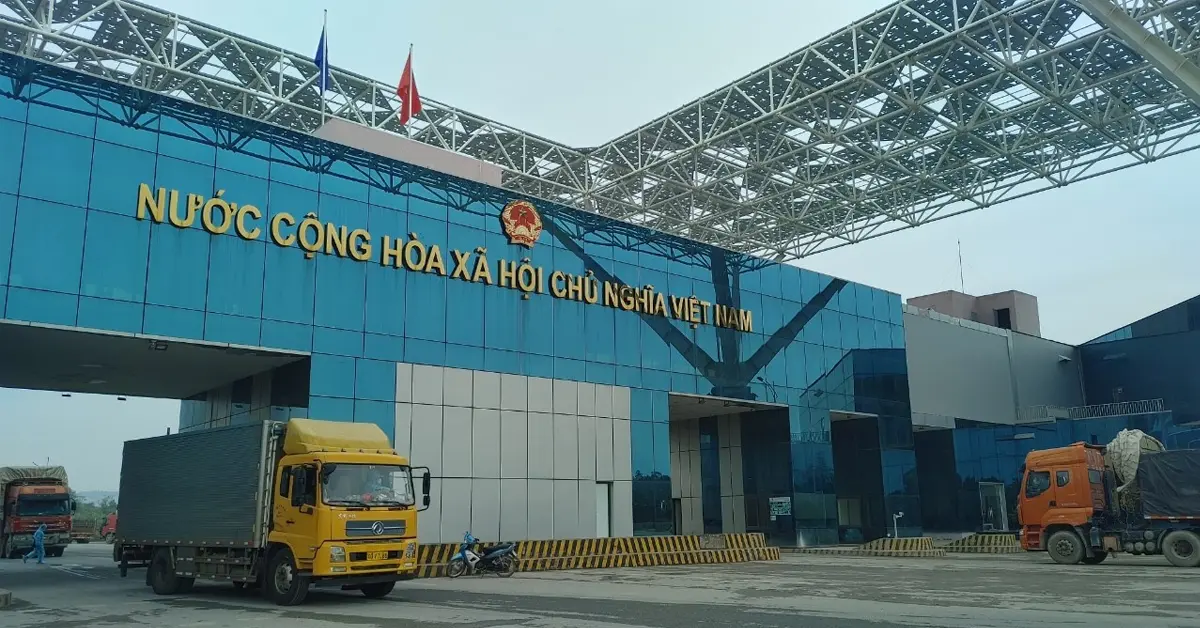
Spanning the Beilun River, the international border crossing connecting Mong Cai in Vietnam's Quảng Ninh Province with Dongxing in China's Guangxi Zhuang Autonomous Region is one of the most vibrant and historic land borders in the region. Fully reopened to foreign travelers, the Mong Cai–Dongxing crossing is a key gateway for those looking to transition between the stunning landscapes of Ha Long Bay and the dynamic cities of southern China, particularly Nanning.
Whether you are concluding a journey through Vietnam's northeastern coast, beginning an exploration of Guangxi, or making a strategic crossing, this comprehensive guide provides everything you need for a seamless border transit in 2026.
Border Crossing Essentials
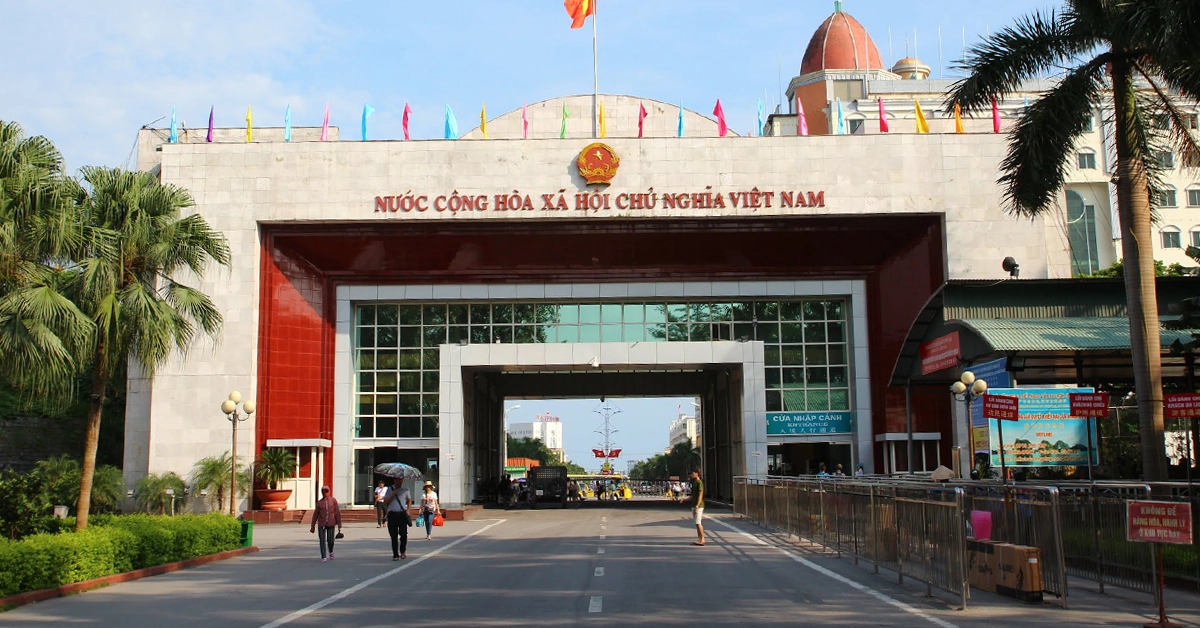
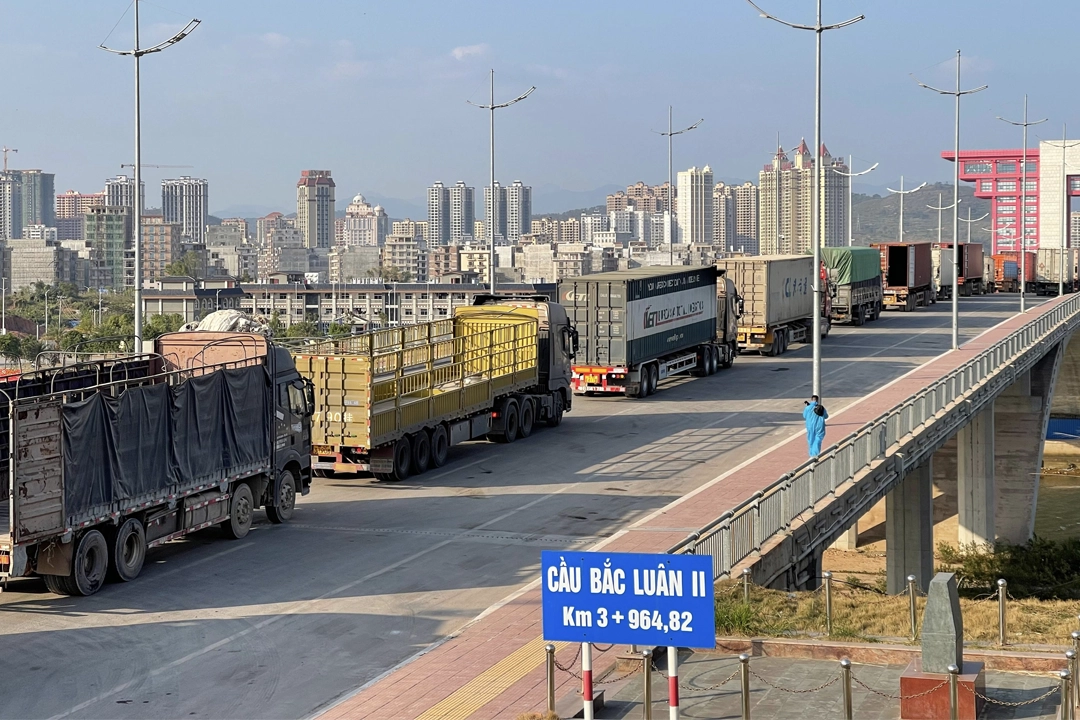
The Móng Cái–Dongxing border comprises two bridges across the river, with a major shift in operations as of March 2026. It's essential to understand which bridge to use for a smooth crossing.
- Vietnamese Side: Mong Cai International Border Gate (Quang Ninh Province)
- Chinese Side: Dongxing Port / Ha Khau, Dongxing City, Guangxi
- River Crossed: Beilun River
- Pedestrian Access: Yes, but most travelers will now be directed from the main terminal to the designated bridge by electric shuttle.
- Crossing Type: Fully international and open to all foreign passport holders with correct documentation.
From March 23, 2026, the entry/exit flow has been adjusted due to the construction of a 'smart' border gate. This is the single most important change for travelers this year.
1. Bac Luan I Bridge: Access is now severely restricted to only:
- Vietnamese-Chinese border residents using local permits
- Chinese nationals holding one-year multiple-entry permits\
- Visitors from Hong Kong, Macau, and Taiwan applying for Chinese entry documents
- International tourists obtaining visas at the border.
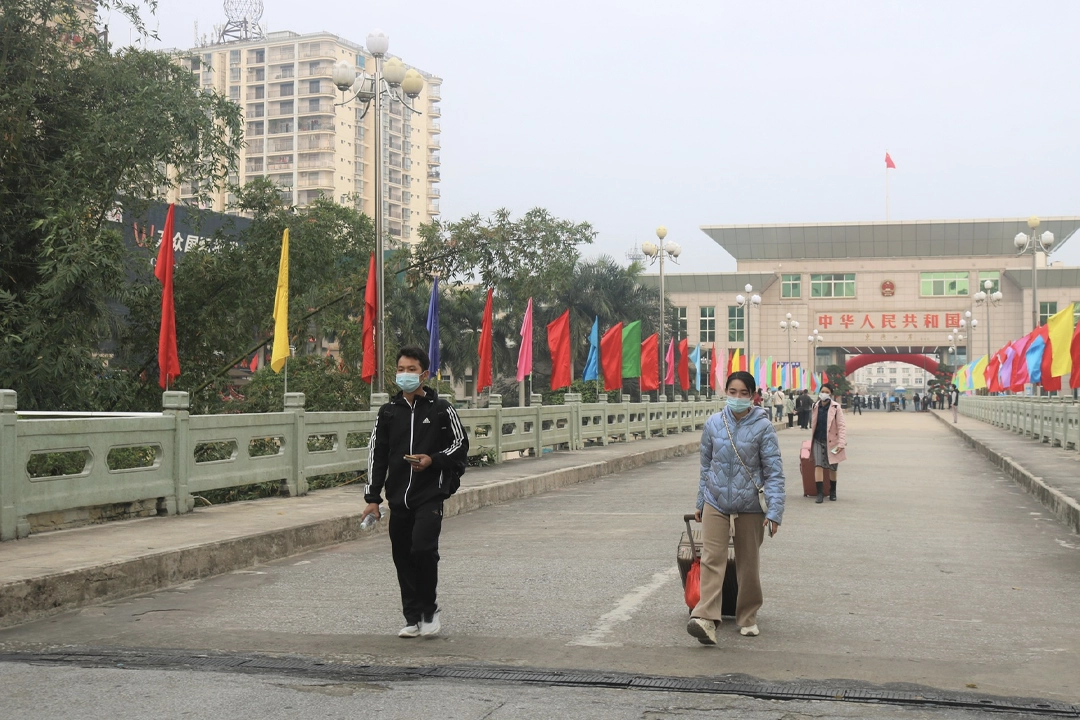
2. Bac Luan II Bridge: This is the designated crossing point for virtually all foreign tourists and tour groups. All valid passports and entry/exit documents are processed here, which located approximately 3.2km downstream from Bac Luan I Bridge on the Ka Long River.
Important Note: Operating hours for both bridges remain unchanged, running daily from 7 AM to 8 PM (Hanoi/ICT time). Please note that China is one hour ahead of Vietnam. Always double-check with local sources, as hours can shift during major Chinese national holidays.
Visa Requirements
For Vietnamese citizens, you can choose a travel permit instead of a visa because the procedure is simpler and the cost is much lower than applying for a passport and visa. For foreign tourists, applying for an e-visa will be more convenient and secure. Remember that if you arrive without valid Chinese documentation, you will be turned back at the bridge. There is no exception at this crossing.
For Entering Vietnam
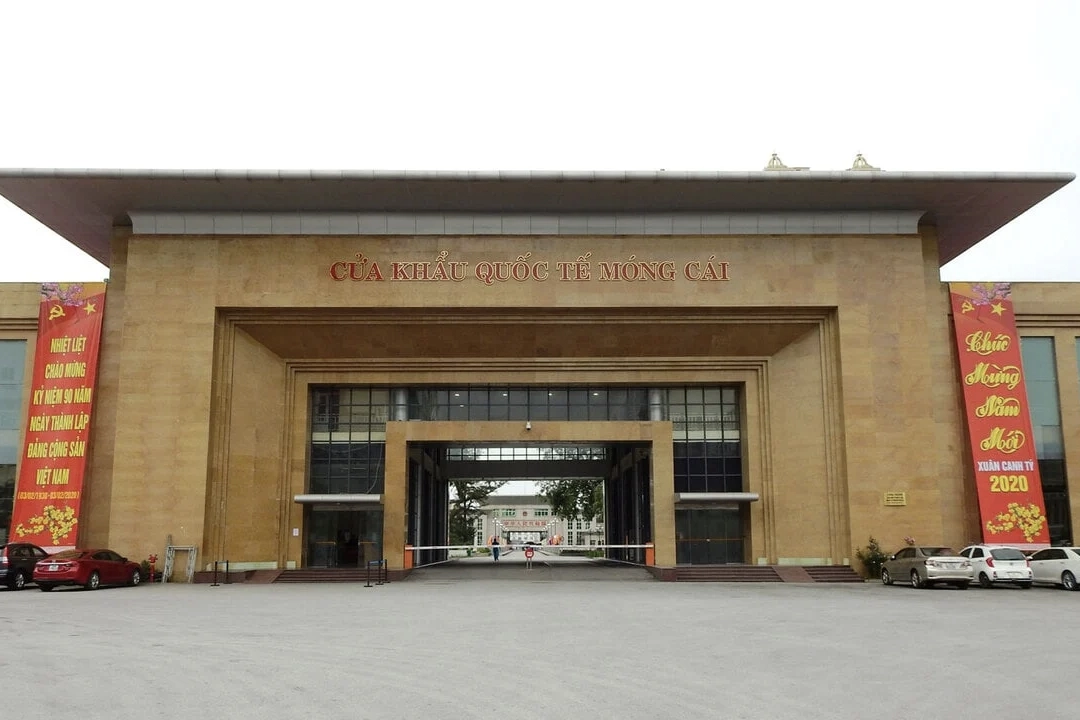
- Vietnam E-Visa (Highly Recommended): This is your best option. It is easily applied for online, valid for 90 days, and offers single or multiple entries for up to 80+ nationalities. Crucially, the Mong Cai Border Gate is an official e-visa entry point. Ensure you apply at least 3 business days in advance.
- Visa on Arrival (VOA): Not available. The VOA system is strictly for international airports.
- Visa Exemption: Check the current list to see if your nationality qualifies for visa-free entry into Vietnam.
For Entering China
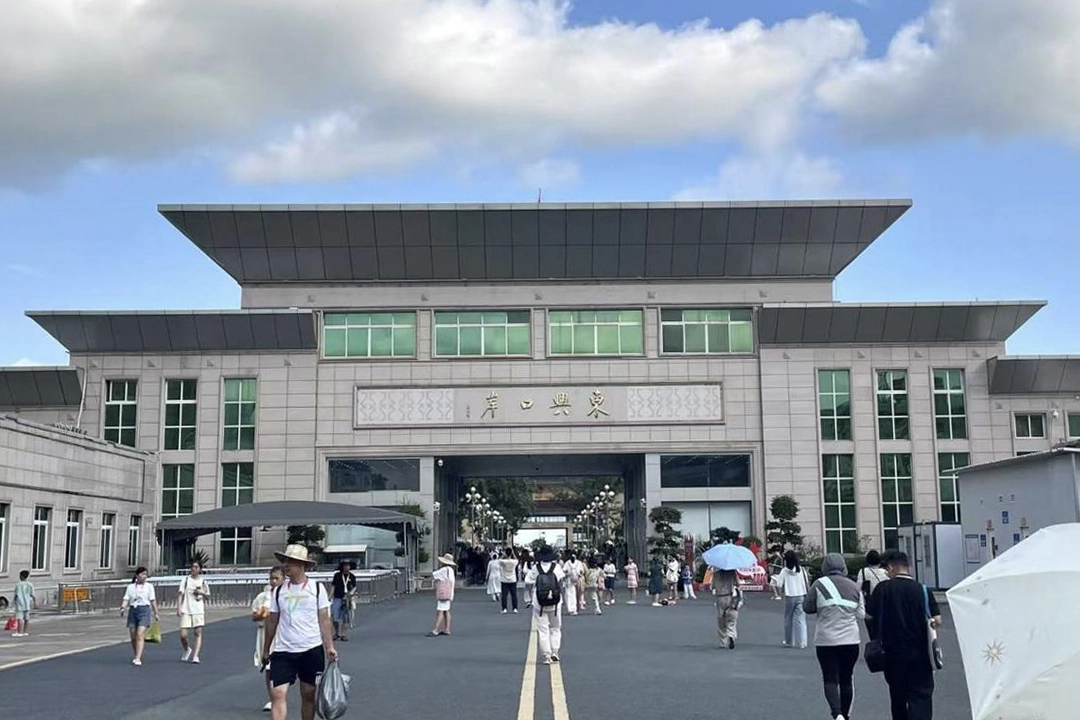
- Chinese Tourist Visa (L Visa): Must be obtained from a Chinese embassy or consulate before your trip. Processing takes 4-7 business days.
- Visa on Arrival: Not available at the Dongxing crossing for most nationalities.
- Visa-Free Transit Policies: Some nationalities may qualify for China's transit exemptions. However, eligibility for Guangxi Province via a land border varies and changes frequently. Do not rely on this without explicit, confirmed approval from a Chinese embassy.
- Golden Rule: If you arrive at Mong Cai without a valid, pre-arranged Chinese visa, you will be turned back. There are no side entrances or exceptions to this rule.
How to travel to Mong Cai International Border Gate?
Reaching Móng Cái is part of the adventure, offering a journey through Vietnam's beautiful northeastern region via a modern highway system.
1. From Hanoi to Mong Cai International Border Gate
The distance from Hanoi to the Mong Cai border gate (Quang Ninh) is approximately 300-350 km depending on the route, with travel time via the new expressway usually taking about 4-5 hours. The most popular route currently is via the Hanoi - Hai Phong - Van Don - Mong Cai expressway (approximately 328-350 km).
- Sleeper buses/limousines: Reputable bus companies include Kalong (Tien Trinh), Thao Trieu, Gia Khanh, Cong Phuong, and Hoang Cong (which offers 29-seater buses on the highway). Buses usually pick up and drop off passengers at their destination or at My Dinh/Nuoc Ngam bus station. Ticket prices range from $16 USD - 22 USD (400,000 VND to 550,000 VND), depending on the ticket class and the type of vehicle you book.
Below is a comparison table of popular sleeper bus/limousine service providers traveling from Hanoi to Mong Cai.
| Provider | Vehicle Type | Price (VND & USD) | Departure Frequency | Key Features |
| Ka Long | VIP Cabin / Sleeper |
300k – 700k VND (~$12 – $28 USD) |
Every 60 mins (20:00 – 23:00) |
Most famous for overnight VIP cabins with private screens and curtains. |
| Anh Tung Limousine | 9-Seat Limousine |
430k – 450k VND (~$17 – $18 USD) |
Hourly (05:00 – 20:00) |
High frequency; door-to-door pickup in Hanoi center and Mong Cai city. |
| Duc Trong Limousine | 9-Seat / 11-Seat |
450k VND (~$18 USD) |
Every 60 mins (04:30 – 19:30) |
Modern fleet; uses the new expressway; complimentary water and cold towels. |
| Mong Cai Limo | 9-Seat Limousine |
400k – 450k VND (~$16 – $18 USD) |
Every 60 mins (05:00 – 21:00) |
Highly rated for punctuality; professional drivers specializing in the highway route. |
| Quang Minh Limousine | 9-Seat (Massage) |
420k – 480k VND (~$17 – $19 USD) |
Multiple daily trips (09:45 – 20:00) |
Premium leather seats with built-in massage functions and USB charging ports. |
| Gia Khanh | Sleeper Bus (40+ seats) |
250k – 300k VND (~$10 – $12 USD) |
Nightly departures (approx. 21:45) |
Budget-friendly option; departs mainly from My Dinh and Giap Bat bus stations. |
- Private car: If you are a group or family traveler and prioritize privacy, choosing a private vehicle would be the optimal decision. The price for a private car service from Hanoi to Mong Cai will range from $100-120 USD/one way (2,600,000 ~ 3,200,000 VND), depend on type of car and time when arrive (nighttime hours may incur an additional charge).
Traveling from Hanoi to Mong Cai has never been easier! Try A21 Tours' private car transfer service from Hanoi to Mong Cai.
Motorbike: If you're an adventurous person or on a cross-country motorbike trip, traveling from Hanoi to Lao Cai might take longer, but it allows you to enjoy the scenery along the way in the most comfortable way.
2. From Halong Bay to Mong Cai International Border Gate
For many people, Mong Cai is the next stop on a trip, often after exploring Ha Long Bay or Bai Tu Long Bay. The distance from Ha Long City to Mong Cai border gate is approximately 176-189 km. The fastest way to travel is via the Ha Long - Van Don - Mong Cai expressway, which takes only about 2-2.5 hours.
- VIP Limousine Vans/Sleeper Bus: This is a very popular choice for travelers. You'll be sharing the ride with others and enjoying the mountain scenery along the way. The ticket price is approximately $5-8USD (220,000-350,000VND), which take 2.5 hours to get to the border gate.
- Private Car: Great for those seeking comfort, flexibility, and door-to-door service. A private car from Halong to Mong Cai costs around $75 -139USD (1,900,000 - 3,656,000 VND) for a standard sedan that can fit up to 3 people with luggage.
Looking for a reliable private car service from Ha Long to Mong Cai? Try A21 Tours: 24/7 support, experienced drivers, instant confirmation!
- Motorbike: Driving yourself allows for total freedom, but it's only recommended for experienced riders. The cost will depend on if you rent a bike or use your own. The route covers about 170-200 km and is a popular and scenic road for experienced riders. Note that motorcycles are not allowed on the Ha Long - Van Don - Mong Cai expressway. The most popular route is Ha Long city center - National Highway 18 (towards Cam Pha) - Tien Yen - Dam Ha - Hai Ha - Mong Cai.
Crossing the Border (Step-by-Step)
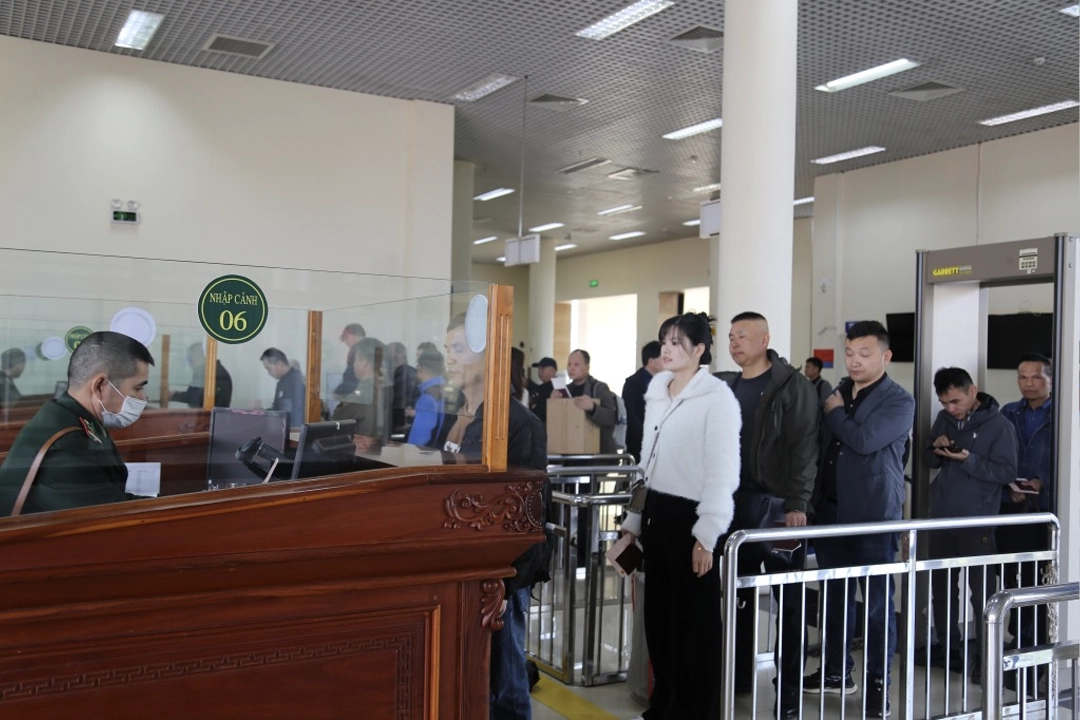
To begin your journey into China, arrive at the main Mong Cai International Border Gate terminal to complete the Vietnamese exit procedures by presenting your passport and valid visa. Once processed, you will take a short taxi or the provided electric shuttle bus to the Bắc Luân II Bridge, where you will walk across the border into Chinese territory.
Upon entering the Dongxing immigration hall, you must complete the biometrics process—including a photo and fingerprints—and present your pre-arranged Chinese visa to the officials. After receiving your entry stamp, you can officially step into Dongxing, a bustling border city that offers excellent transport links to major Chinese cities and the wider region.
| Destination | Mode of Transport | Approx. Duration | Approx. Cost | Notes |
|---|---|---|---|---|
| Nanning | High-Speed Train | 1.5-2.5 hrs | ¥80–150 CNY | Frequent daily departures. |
| Nanning | Long-Distance Bus | 3-4 hrs | ¥80–100 CNY | Many departures from Dongxing Bus Station. |
| Guilin | High-Speed Train | 4+ hrs | ¥150–250 CNY | Requires a transfer in Nanning, but well worth it. |
| Guangzhou / Shenzhen | Flight | ~2 hrs | ¥400-800 CNY | Fly from Nanning's airport (NNG). |
Cultural Immersion: Places to visit and Things to do
In Mong Cai, Vietnam
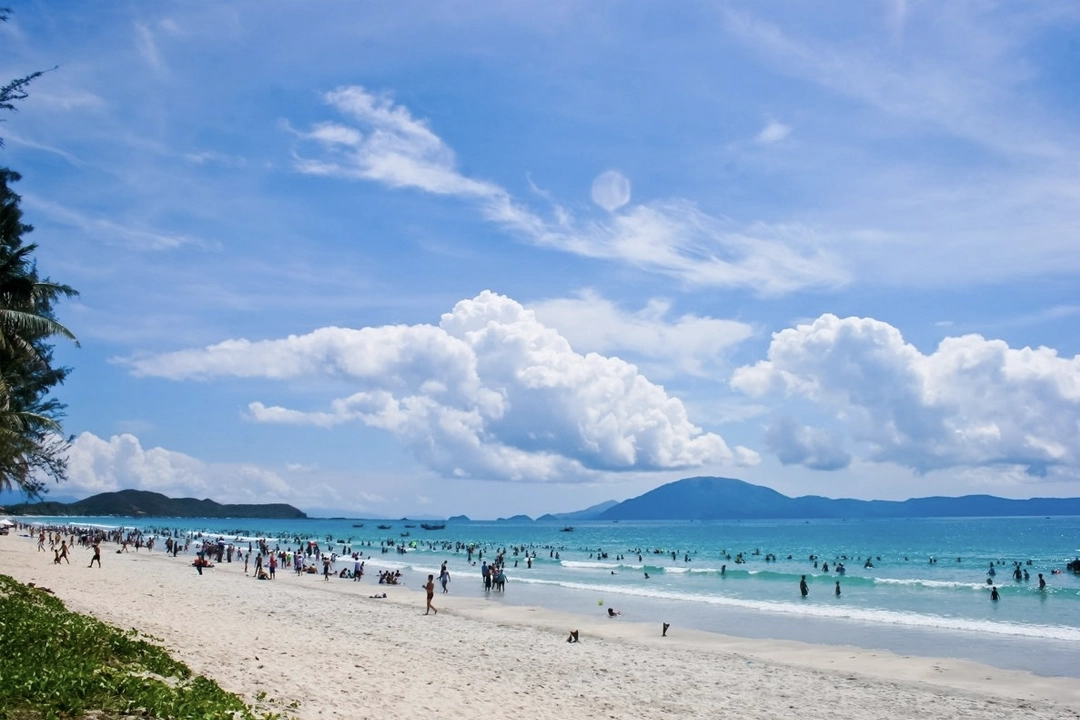
While many travelers see Mong Cai simply as a transit point, this coastal border city possesses a distinct charm that warrants a full day of exploration. The region’s crown jewel is Tra Co Beach, which stands as Vietnam’s longest beach at a staggering 17 kilometers. Located about 10 kilometers northeast of the city center, its fine white sands and tranquil waters offer a serene escape before you continue your journey. Just a stone’s throw from the shore lies the Tra Co Communal House, a 500-year-old architectural masterpiece dedicated to the village’s founding gods that provides a profound window into local history.
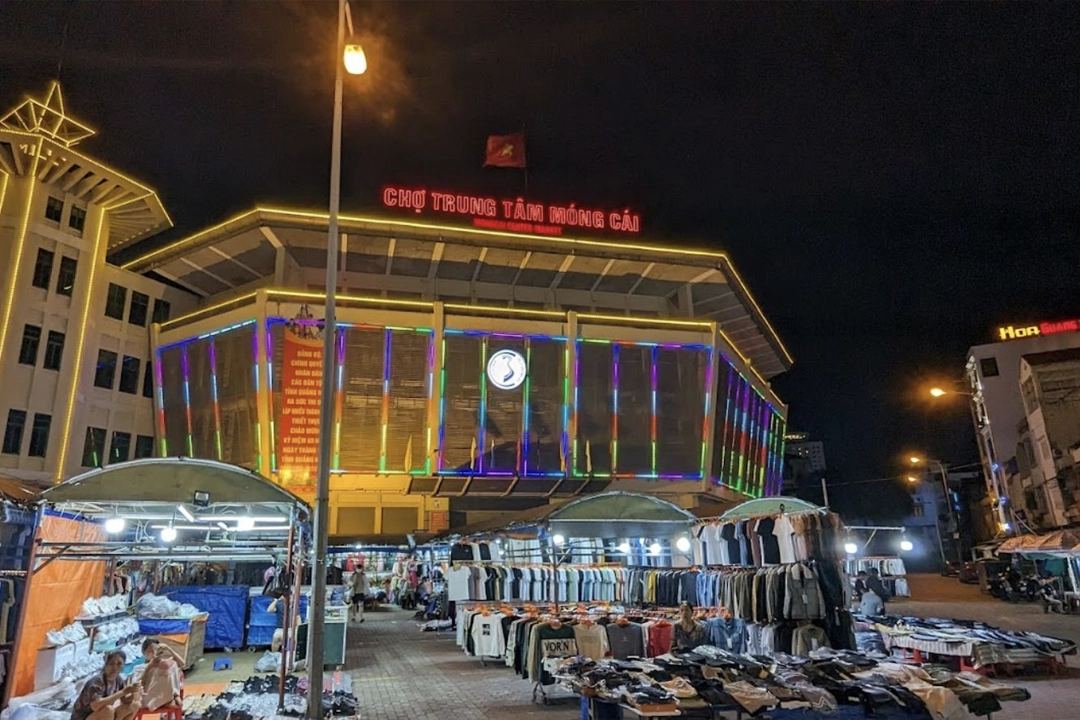
For a more sensory experience, the Mong Cai Market is an essential stop; it is a vibrant hub where you can find everything from dried seafood specialties and tropical fruits to a vast array of imported Chinese goods. To cap off your visit, head to Sa Vi Cape, the northeasternmost point of Vietnam. Standing at this symbolic marker, you can gaze out over the Gulf of Tonkin from the very spot where the country’s S-shaped coastline begins.
In Dongxing and Guangxi, China
Across the border, many travelers leverage Dongxing as a strategic gateway for deeper exploration into China’s stunning Guangxi region. The city itself is a haven for food lovers, famous for its bustling night markets where you can sample authentic Peking duck, fresh dim sum, and a variety of regional street foods. If you have time to linger, Wanwei Golden Beach and the Xiwang Tourist Area offer beautiful coastal paths perfect for cycling or renting a boat to enjoy the sea breeze.

However, for the strategic traveler, the real rewards lie further inland. With the convenience of modern high-speed rail, it is now incredibly easy to reach Nanning in under two hours, which serves as the perfect hub for connecting to the world-famous karst landscapes of Guilin and Yangshuo. Moving quickly from the border city allows you to immerse yourself in the postcard-perfect mountains and emerald rivers that define the true wonder of Southern China.
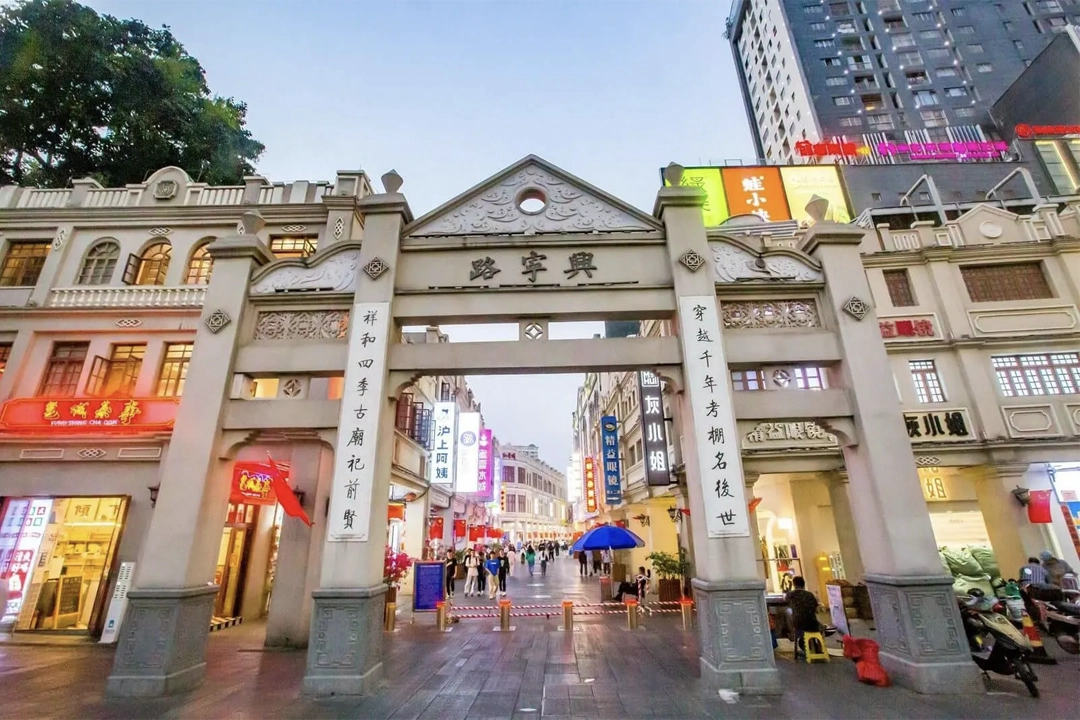
Strategic Advice: While Dongxing has a few sights, your time and itinerary are likely best spent moving on to the major destinations. Use it as a springboard, not a final stop.
Pro-Traveler Experience Tips
To avoid ruining your travel experience, you'll probably need to know a few things to keep in mind along the way.
- Arrive Before 5:00 PM. Although the gate closes at 8:00 PM, crossing earlier provides a comfortable buffer for unexpected queues and ensures you can arrange onward transport or accommodation before nightfall.
- Double, Triple-Check Visa Validity. A Chinese visa that starts tomorrow or expired yesterday will result in an immediate denial. Chinese visas, in particular, have strict entry-by dates.
- Bring Small USD Bills. Ten- and twenty-dollar notes are universally accepted by money changers and can be a lifesaver if local ATMs are out of service.
- Carry a Printed Copy of Your E-Visa. A digital copy on your phone is not always sufficient. Always have a physical, printed copy of your Vietnam e-visa for entry.
- Have Vietnamese Dong (VND) for Local Expenses. You will need small denom VND notes for taxi fares, bus tickets, and refreshments before you clear the Vietnamese side.
- Set Up WeChat and Alipay BEFORE Crossing into China. These digital wallets dominate payments in China. Having them set up with funds before you cross will make your life significantly easier. Cash is becoming increasingly rare.
- Install and Test a Reliable VPN. Once you connect to a Chinese mobile network, Western apps like Google, WhatsApp, Instagram, and Gmail will be blocked. Verify your VPN works before you cross the border.
- Pack for a Climate Shift. Unlike the Sapa border crossing, Móng Cái and Dongxing are low-lying and humid. If you are arriving from the cool temperatures of Hà Nội or Hạ Long Bay, dress in light layers that you can easily remove.