Ha Tien - Prek Chak Border Crossing: Complete Travel Guide 2026
There is a certain poetry in borderlands. They are neither here nor there, but a suspended space where languages, currencies, and landscapes blend into something singular. The Prek Chak border, straddling Vietnam’s sun-scorched Kien Giang province and Cambodia’s lush, pepper-scented Kampot region, is one such threshold. This is not a chaotic truck-clogged corridor but a relatively serene, deeply local crossing that connects the emerald islands of the Mekong Delta and Phu Quoc to the crumbling colonial charm of Kep and Kampot. For the traveller who seeks to stitch together southern Vietnam and Cambodia without the sterile efficiency of a long-haul flight, the Prek Chak border is a narrative device as much as a logistical necessity. This comprehensive guide, crafted with precision and a deep affection for this quiet coastal frontier, will escort you through every detail of crossing from Vietnam into Cambodia—visas, transport, the step-by-step walk across the Friendship Bridge, and the cultural treasures waiting on both sides.
Border Crossing Essentials
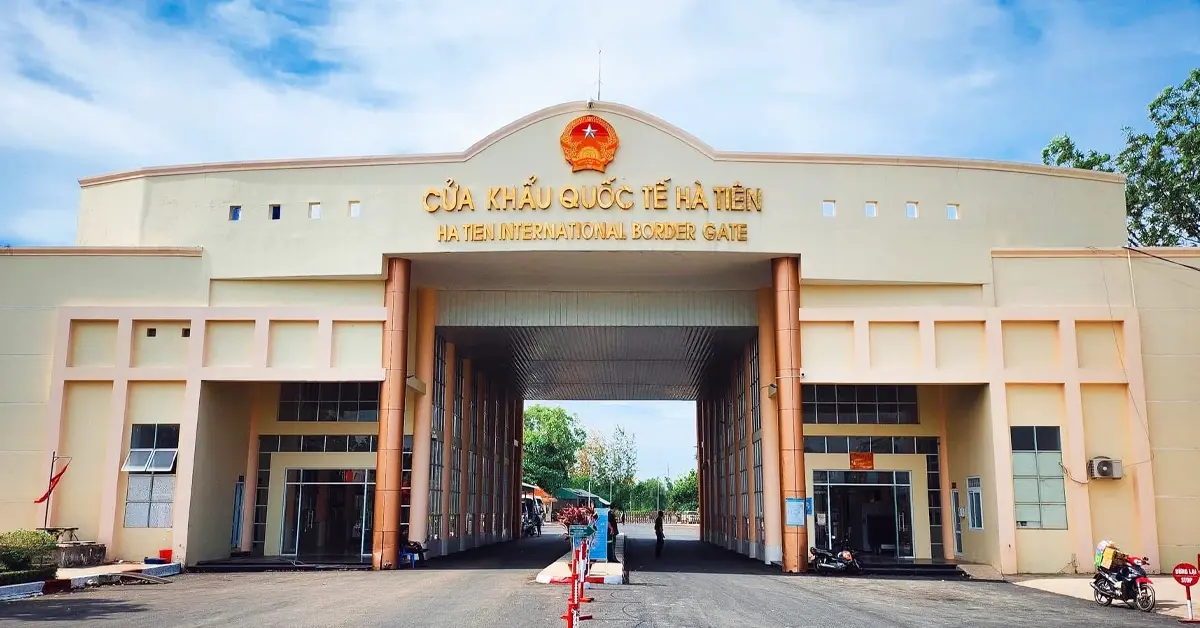
Vietnamese Side: Ha Tien (old name "Xa Xia") International Border Gate (also known as Ha Tien Landport), Ha Tien City, Kien Giang Province.
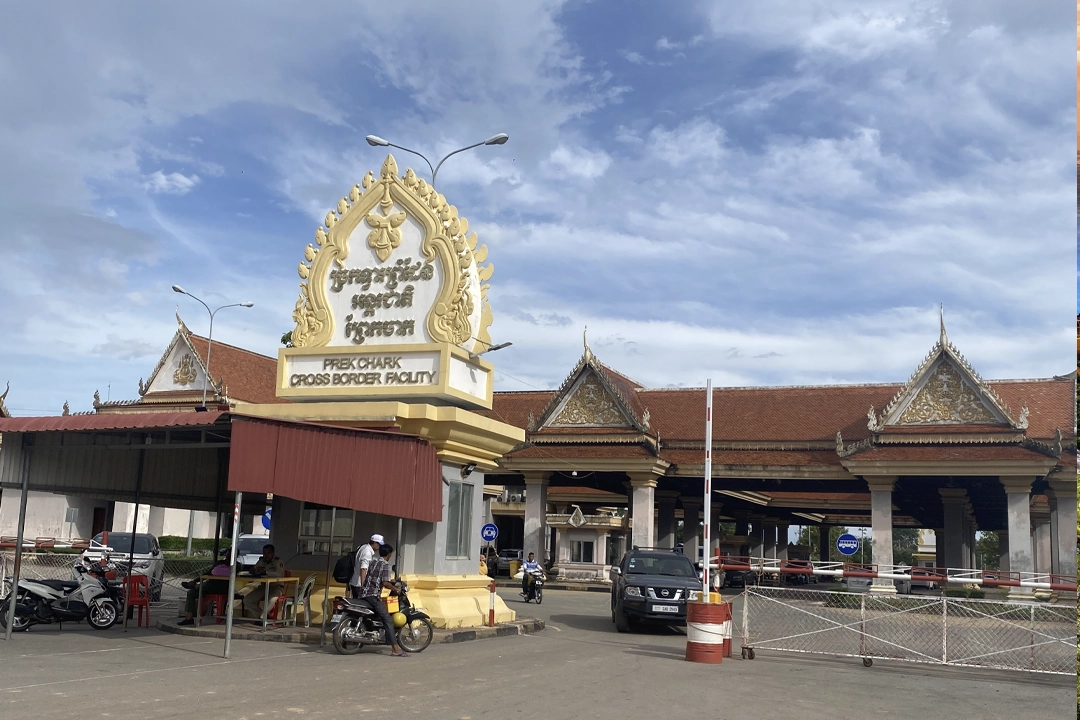
Cambodian Side: Prek Chak International Border Gate, Lork Village, Kampot Province.
Opening Hours: 7:00 AM – 6:00 PM daily (Indochina Time). Note: While some major borders stay open until 8:00 PM, Xa Xia typically concludes processing for international travelers by sunset. Always check with local operators 24 hours before your trip.
Crossing Type: Fully international (open to all foreign passport holders with valid documentation).
Pedestrian Access: Yes—the transition between the two immigration halls is a short walk, often manageable on foot or via a brief transit.
Visa Requirements: The Most Important Section
A frontier is only as permeable as your paperwork. This is the section where journeys are saved or shattered, and it demands your full attention. The rules are mercifully clear on both sides if you prepare.
For Entering Vietnam
.webp)
- E-visa: This is your golden ticket. Vietnam’s official e-visa portal website allows citizens of over 80 countries to apply for a 90-day, single- or multiple-entry e-visa for a fee of $25 USD. Processing takes three working days. You must specify your entry port as Ha Tien International Border Gate on the application. Print a copy—immigration officers at this land border prefer paper.
- Visa on Arrival (VOA): This is available at most land and river crossings, including Ha Tien/Prek Chak Border. The VOA process is straightforward. You fill out a form, provide a passport photo, hand over the cash fee, and wait for your passport to be stamped. The cost is generally around $30-35 USD.
- Visa Exemption: Citizens of many ASEAN countries, plus Japan, South Korea, and several European nations, enjoy visa-free entry for 15 to 45 days. Always verify the latest list on the official immigration website before travel.
For Entering Cambodia
- E-visa: The Prek Chak border crossing does not yet support e-visas.
- Visa on Arrival (VOA): Available at Prek Chak, but it requires more time and patience. You need a completed application form, one passport-sized photo, and $30 USD in cash. Counters are clearly marked, and the process generally takes 15–30 minutes depending on the queue.
- Passport Validity: Cambodia requires your passport to be valid for at least six months beyond the date of entry. Ensure this is unquestionably true.
How to Travel to Ha Tien - Prek Chak Border Gate
The road to this southern frontier is a passage through the Mekong Delta’s amphibi-ous heart—a land of rice paddies, coconut groves, and boats that serve as trucks. Depending on your point of departure, you have several graceful options.
1. From Ho Chi Minh City to the Border Gate
The distance from Ho Chi Minh City to the Ha Tien border gate is approximately 300–320 kilometres, depending on the route taken via National Highway 1A and the coastal road through Rach Gia. Travel time varies with road conditions and traffic, but the new expressway sections have shortened the journey considerably.
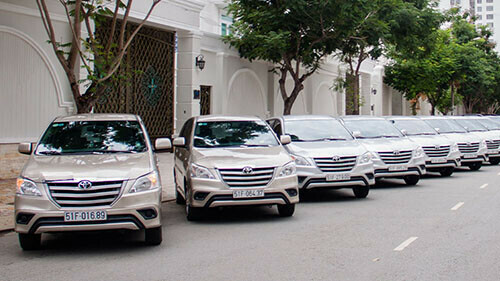
VIP Limousine Vans / Sleeper Buses: This is the most popular option for comfort and cost. Companies like Phuong Trang (FUTA Buslines), Kumho Samco, and a host of boutique limousine operators run frequent services from Ho Chi Minh City to Ha Tien, often departing in the early morning or late evening. A sleeper berth costs between $11-17 USD, while a VIP limousine seat (an oversized reclining chair with USB and Wi-Fi) ranges from $15-19 USD. The journey takes 7–8 hours, with a scheduled rest stop. Most buses will drop you at the Ha Tien bus station; from there, a 10-minute taxi or Grab ($3-4 USD) deposits you at the border gate.
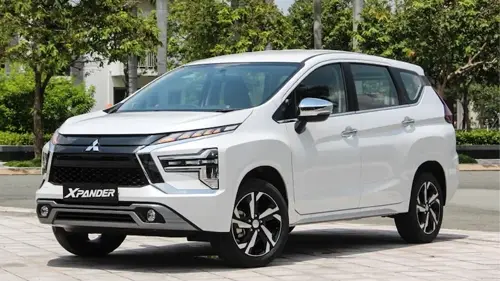
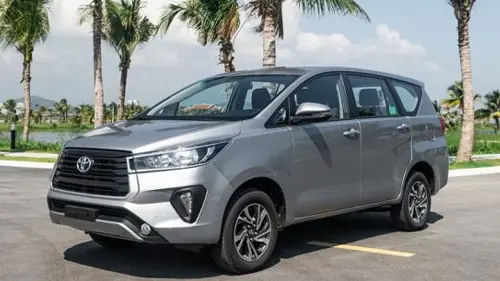
Private Car: For small groups, families, or anyone who values a tailored departure time, a private car is a sanctuary. A 4-seater sedan from Ho Chi Minh City to the border gate costs $150–170 USD; a 7-seater SUV runs $160–175 USD. The drive is a comfortable 6–7 hours with the flexibility to pause at a delta village for coconut water or a steaming bowl of hủ tiếu. The car drops you at the very doorstep of the Vietnamese immigration hall.
Looking for a reputable private car service provider? Check out A21 Tours' HCMC - Ha Tien private car service booking service now!
Motorbike: For the steel-willed wanderer, the delta roads offer a sensory feast. The ride via Highway 1A to My Tho, then branching south towards Rach Gia and Ha Tien, is roughly 300 km and can be accomplished in a day of concentrated riding. Rental of a 150cc bike costs $15–20 USD/day. However, crossing an international border with a rented Vietnamese motorbike requires written permission from the rental agency, a valid registration card, and—critically—a Carnet de Passage or the bike must be approved for temporary import into Cambodia, which is bureaucratic. Most riders leave the bike in Ha Tien and cross on foot, renting a new bike in Cambodia.
There is no train service to Ha Tien. The railway ends at Rach Gia, a further 2.5-hour drive away, therefore, choosing to travel by train is not an option we recommend.
There is a comparison table between different vehicles to help you make an informed choice based on your needs.
| Option | Duration | Approx. Cost | Notes |
|---|---|---|---|
| Sleeper Bus | 7.5–8 hrs | $10–15 USD | Drops at Ha Tien station, then short taxi |
| VIP Limousine Van | 7–8 hrs | $14–18 USD | Door-to-door from Saigon, comfortable |
| Private Car | 6–7 hrs | $150–170 USD | Direct to border gate, flexible stops |
| Motorbike | 8–10 hrs riding | $15–20 USD/day rental + fuel | Requires paperwork for crossing |
2. From Phu Quoc Island to the Border Gate
Many travellers combine a stay on Phu Quoc’s white-sand beaches with a crossing into Cambodia. This is an inspired idea. Phu Quoc is connected to Ha Tien by a fleet of modern express ferries and hydrofoils that race across the Gulf of Thailand in 1 hour and 30 minutes. Operators like Superdong, Phu Quoc Express, and Thanh Thoi offer 5–7 daily departures, with tickets ranging from $12–16 USD per person.
Once docked at Ha Tien’s ferry terminal, the border gate is an 8kme, 15-minute taxi or Grab ride costing $3–3–4 USD. Conversely, if you arrive early, you can linger over a seafood breakfast in Ha Tien’s central market before heading to the crossing. The total door-to-island-resort-to-border time is roughly 2.5 to 3 hours, making this one of the most scenic and seamless multi-country connections in Southeast Asia.
3. From the Cambodian Side (Kampot / Kep)
If you are travelling in reverse, the approach is delightfully simple. From Kampot town, it is 35 kilometres to the Prek Chak gate; from Kep, a mere 20 kilometres. A hired tuk-tuk costs $10–15 and takes 30–45 minutes. Taxis are air-conditioned and priced around $20. The road is scenic, passing through durian orchards and salt pans, and it deposits you at the Cambodian immigration complex.
Crossing the Border (Step-by-Step)
Your border-crossing ballet begins at the imposing, cream-coloured Ha Tien International Border Gate complex on the Vietnamese side. The following choreography assumes a Vietnam-to-Cambodia journey, but the reverse is the mirror image.
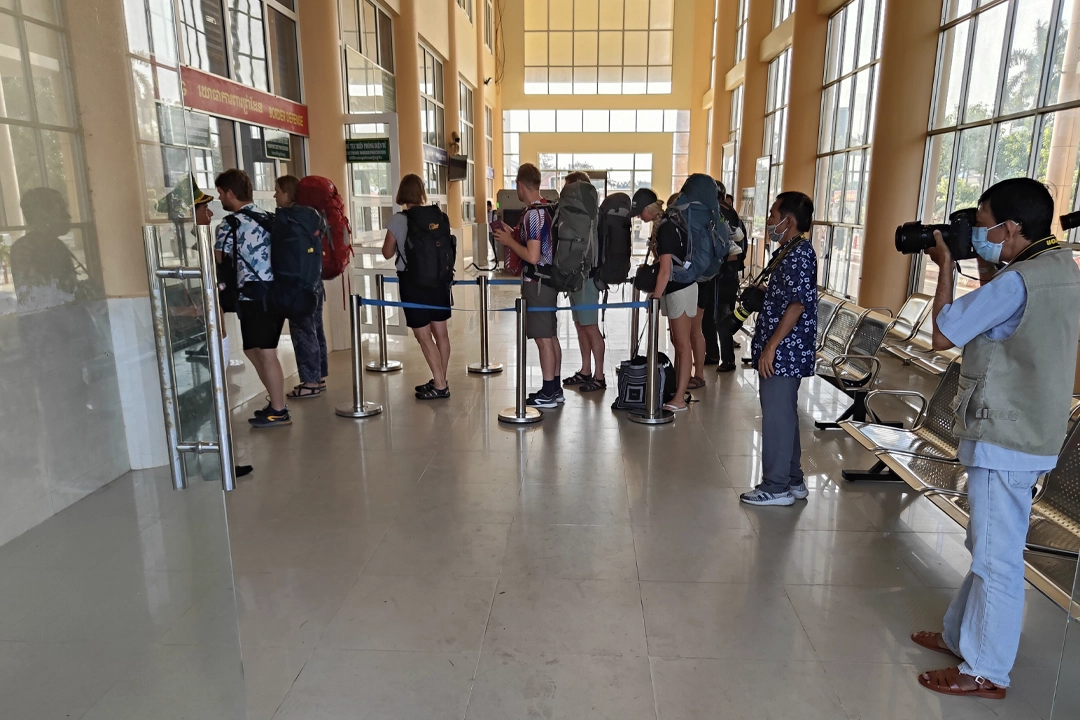
Step 1: Clear Vietnam Exit. Enter the Departures hall and present your passport to the uniformed officer at the immigration counter. If you used an e-visa, hand over the printed copy alongside your passport. The officer will verify your details, scan your documents, and stamp you out. This is typically swift and silent, taking under two minutes. Declare if you are carrying cash exceeding USD 5,000 or the equivalent in foreign currency, or over VND 15 million, using the customs declaration form provided.
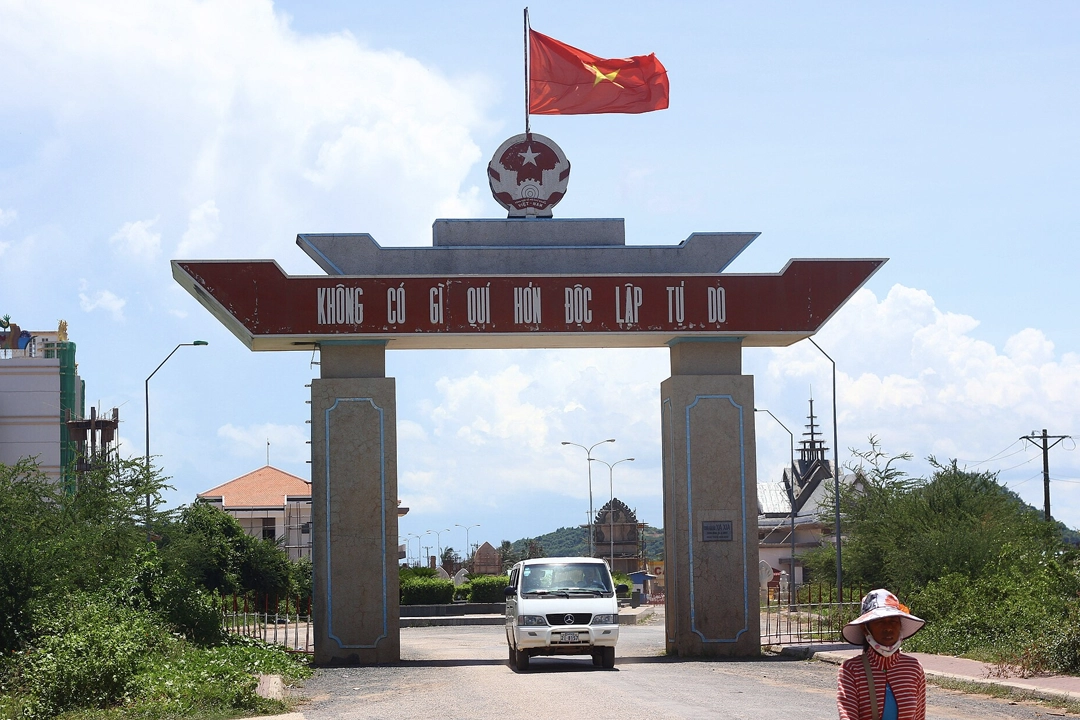
Step 2: Walk the Friendship Bridge. Exiting the Vietnamese hall, you step into the open air and follow the paved path across a low, functional bridge over the Giang Thanh canal. The walk is less than 200 metres. Halfway across, a painted line and a sign mark the exact frontier. This is the moment—one foot in Vietnam, one foot soon to be in Cambodia. On a clear day, you can see the Cardamom Mountains shimmering in the distance.
Step 3: Enter Cambodia. On the Cambodian side, enter the Prek Chak immigration hall. If you hold an e-visa, join the dedicated lane (often shorter) and present your passport with the printed e-visa. If you need a visa on arrival, proceed to the Visa on Arrival counter, fill out the form, submit your photo and $30, and wait for your passport to be returned with the full-page visa sticker. Both lanes then process you through immigration: you will have your fingerprints scanned and a photograph taken. This is standard and takes 5–15 minutes.
Step 4: Customs Declaration and Exit. Collect your stamped passport, ensure the entry date is correct, and walk through the baggage scanner. You are now legally in Cambodia. Immediately outside the gate, a small market of tuk-tuk drivers, money changers, and SIM card vendors awaits. A local SIM card with generous data costs $2–3USD can be obtained from a money changer or, better, withdrawn in Kampot.
Cultural Immersion: Places to Visit and Things to Do
The immediate area around the border is a gateway to two profoundly beautiful regions, each offering a different flavour of Indochina.
In Ha Tien, Vietnam
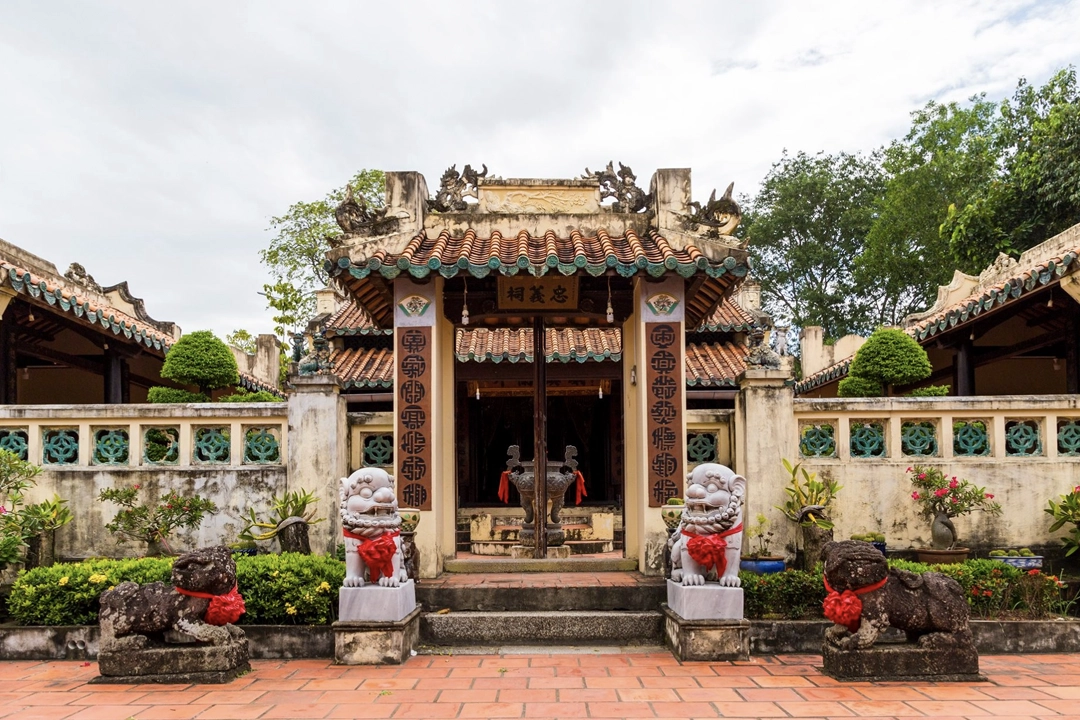
To dismiss Ha Tien as merely a transit point is to abandon a deep, tranquil charm to the purgatory of “not yet there.” This coastal town, cradled between limestone karsts and the Gulf of Thailand, rewards an overnight stay. Rise early and walk the waterfront promenade as the sun ignites the white façade of the Mac Cuu Temple, dedicated to the Chinese general who founded the settlement in the 18th century. A short motorbike ride outside town brings you to Thach Dong cave, a limestone grotto with a Buddhist shrine and a harrowing, vertical shaft known as the “Heaven’s Well.”
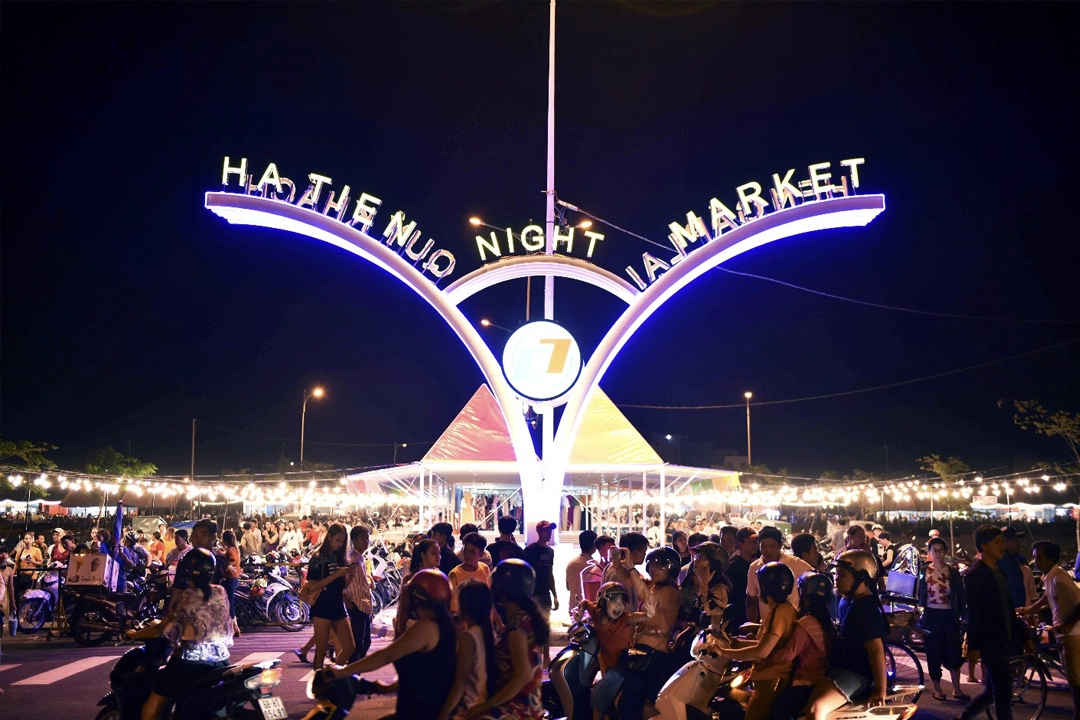
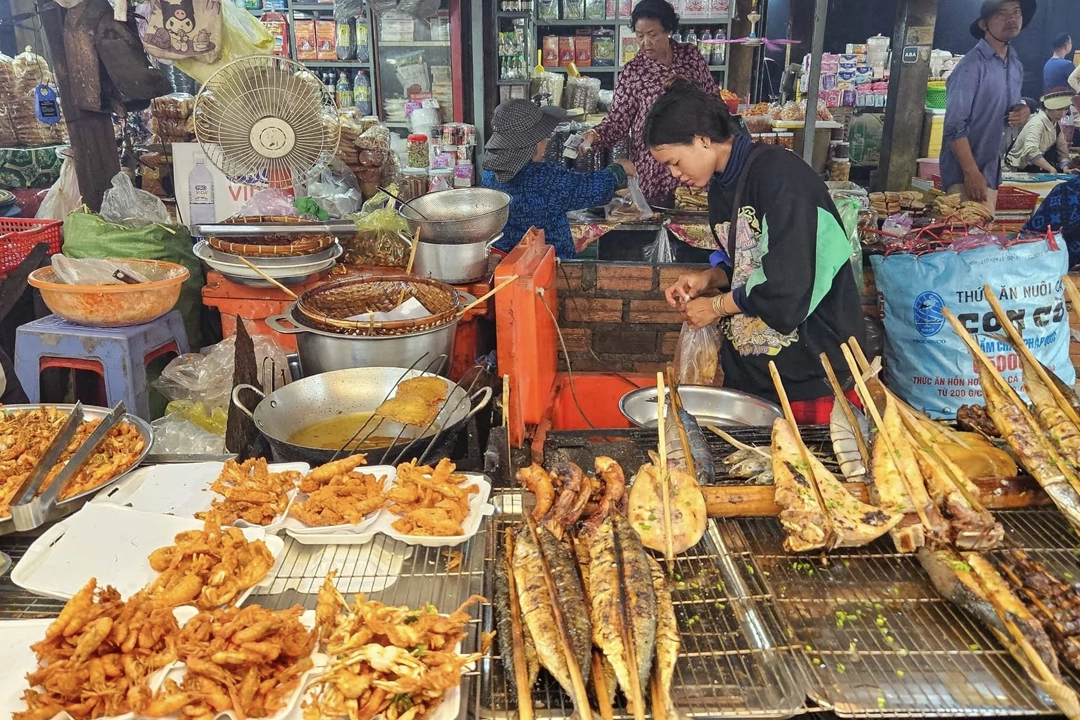
The Ha Tien Night Market, small but fiercely local, serves an array of dishes that sing of the sea. Seek out bún kèn, a fragrant fish-and-coconut curry noodle soup that is Ha Tien’s culinary signature. For a more substantial feast, the seafood restaurants along Duong Lam Son serve crabs, snails, and grilled squid hauled from the water hours before. If time allows, a 15-minute taxi ride takes you to Mui Nai beach, a quiet crescent of sand fringed by casuarina trees, perfect for a final Vietnamese sunset before you cross into Cambodia.
In Kampot and Kep, Cambodia
Once your passport is stamped, the province of Kampot opens before you like a slow, seductive smile. Most travellers head first to Kep, only 20 kilometres from the border. The Crab Market here is a pilgrimage site for food lovers. Wooden shacks perched over the water serve crab with Kampot green pepper—whole crabs stir-fried with fresh, aromatic peppercorns, arriving at your table still sizzling. It is a meal so intimately tied to its location that it justifies the entire journey.
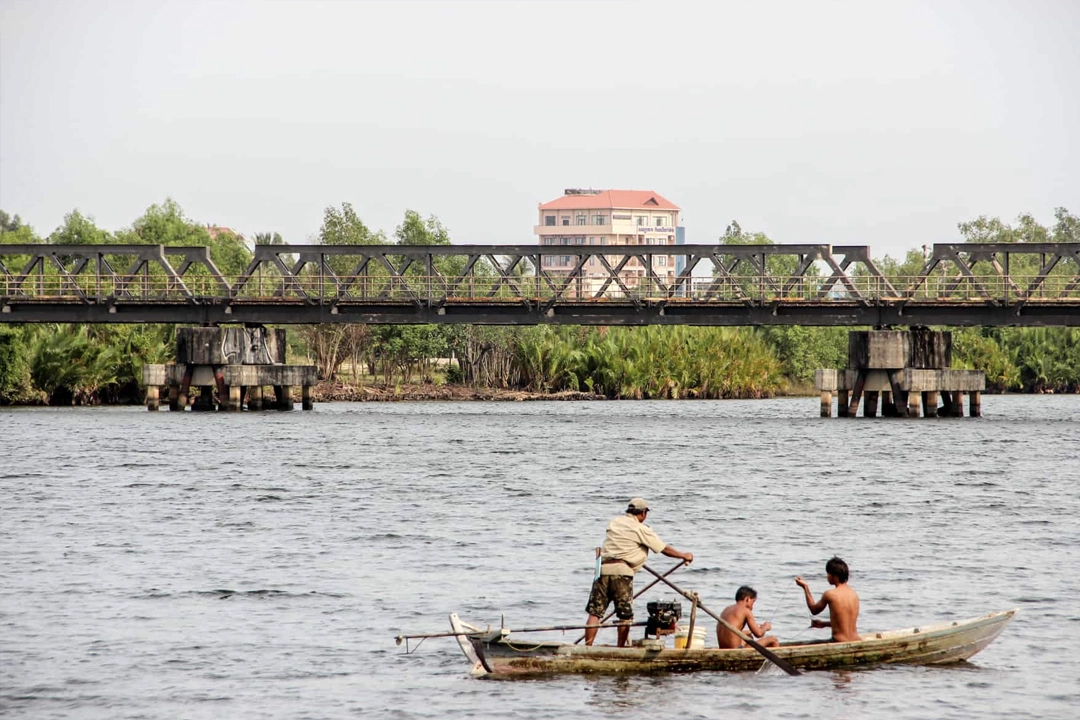
Kampot town, a further 25 kilometres inland, is a languid riverside settlement whose decaying French colonial shopfronts now house art galleries, eco-cafés, and guesthouses. Rent a bicycle and pedal along the Praek Tuek Chhu River to the salt pans and durian plantations. The most iconic day trip is Bokor National Park, a cool hill station where a ruined French church and an abandoned casino sit enveloped in mist, overlooking a forested drop to the sea. It is a place of surreal, melancholic beauty, and it lies barely an hour’s drive from the border.
For the traveller continuing west, the high-speed rail from Sihanoukville or Phnom Penh is not yet relevant; but buses and private taxis from Kampot can whisk you to the capital in 3–4 hours, or to the islands of Koh Rong via Sihanoukville in two.
Pro-Traveller Experience Tips
To cross Prek Chak with the unhurried authority of a seasoned wanderer, internalise these precepts.
Cross before 3:00 PM. Though the gate closes at 5:00 PM Vietnam time, crossing earlier ensures you navigate any queues with ample time and—crucially—reach Kampot or Kep before darkness makes onward transport harder to find.
Print everything. The border’s Wi-Fi is unreliable. Have a physical copy of your Vietnamese e-visa, Cambodian e-visa, and hotel reservations. Officers on both sides appreciate paper.
Carry small USD bills. US dollars are Cambodia’s de facto currency. Fresh, crisp $1, $2, $5, $10 notes are perfect for visas, tuk-tuks, and that first bowl of crab. Torn or marked notes are often refused.
Beware the “visa surcharge” on VOA. If obtaining a Cambodian visa on arrival, you may be quoted $35 USD instead of $30 USD. Politely insist on the official price, or have exact change and a photograph ready to minimise friction. The e-visa quietly bypasses this theatre.
Health and quarantine. As of 2026, there are no routine health declaration forms required at this land border, but regulations can change at short notice. Check the latest advisories on the Cambodia Ministry of Health website or your embassy’s page 72 hours before crossing.
Weather and packing. The delta and coastal regions are hot and humid year-round. Dress in lightweight, breathable layers. The short walk across the bridge is exposed to the sun; carry a hat and water.
Power and connectivity. A charged power bank is essential. While Cambodia does not block the internet like China, connectivity can be spotty. Download offline maps and save your Kampot hotel address. A Cambodian SIM card is cheap and best bought just outside the immigration hall.
Never lose your departure card. Vietnam still uses paper departure cards for some nationalities. Tuck it inside your passport immediately. Replacing one at the border is a time-consuming, costly nuisance.