Sapa to Da Nang transfer guide

Tổng quan
Hành lang giữa Sapa và Đà Nẵng đã lặng lẽ trở thành một trong những hành trình liên vùng hấp dẫn nhất Việt Nam. Sapa, từ lâu được yêu mến nhờ trekking và những cuộc gặp gỡ với các dân tộc thiểu số, nay thu hút sự hòa trộn tinh tế của dân du mục kỹ thuật số, các cặp đôi hưởng tuần trăng mật và những người tìm kiếm văn hóa. Đà Nẵng, trong khi đó, đã nở rộ từ một cái tên thời chiến thành một thành phố năng động, hướng tới tương lai — cửa ngõ đến những con phố đèn lồng của Hội An, vẻ uy nghiêm cung đình của Huế, và một số bãi biển đẹp nhất cả nước. Du khách ngày càng kết hợp cả hai vào một hành trình duy nhất, tìm kiếm sự tương phản giữa cái lạnh vùng cao và hơi ấm nhiệt đới. Nhu cầu này đã thúc đẩy sự đa dạng hóa các lựa chọn vận chuyển: bên cạnh phương án cũ kỹ là chuyến tàu đêm rung lắc, nay còn có xe giường nằm VIP, chuyến bay trực tiếp từ Hà Nội, và thậm chí cả những hành trình xe riêng nhiều ngày được thiết kế riêng. Nhưng càng nhiều lựa chọn càng dễ rối. Hầu hết các hướng dẫn trực tuyến đều đóng băng từ năm 2019, giá cả và lịch trình không còn gắn với thực tế năm 2026. Bài viết này sẽ gỡ bỏ mọi phỏng đoán.
Khoảng cách thực tế giữa thị trấn Sapa và trung tâm thành phố Đà Nẵng, theo đường chim bay, khoảng 850 kilômét. Tuy nhiên, nếu đi đường bộ, dải Quốc lộ 1A và các tuyến cao tốc mới mở rộng kéo dài hành trình lên khoảng 1.200 kilômét. Thời gian tiêu tốn rất khác nhau. Một chuyến bay trực tiếp từ Hà Nội — đòi hỏi phải xuống núi về thủ đô — có thể đưa bạn đến đường băng Đà Nẵng chỉ trong sáu giờ từ khách sạn đến sân bay. Một chiếc xe giường nằm VIP hiện đại, chạy xuyên đêm dọc theo bờ biển, sẽ đưa bạn đến nơi trong 20 đến 22 giờ. Một chiếc xe riêng, tận hưởng hành trình như một chuyến đi đường bộ nhiều ngày với những điểm dừng được chọn lọc, có thể trải dài quãng đường trong hai hoặc ba ngày thong thả. Và một chiếc xe máy, phép thử tối thượng của sức bền và đam mê xê dịch, có thể mất bốn đến bảy ngày, tùy thuộc vào mức độ vòng vo của bạn. Hiểu rõ những đặc điểm thời gian này là bước đầu tiên để chọn phương tiện phù hợp với phong cách du lịch của bạn.
Các phương thức vận chuyển phổ biến
Kết hợp Tàu hỏa + Máy bay
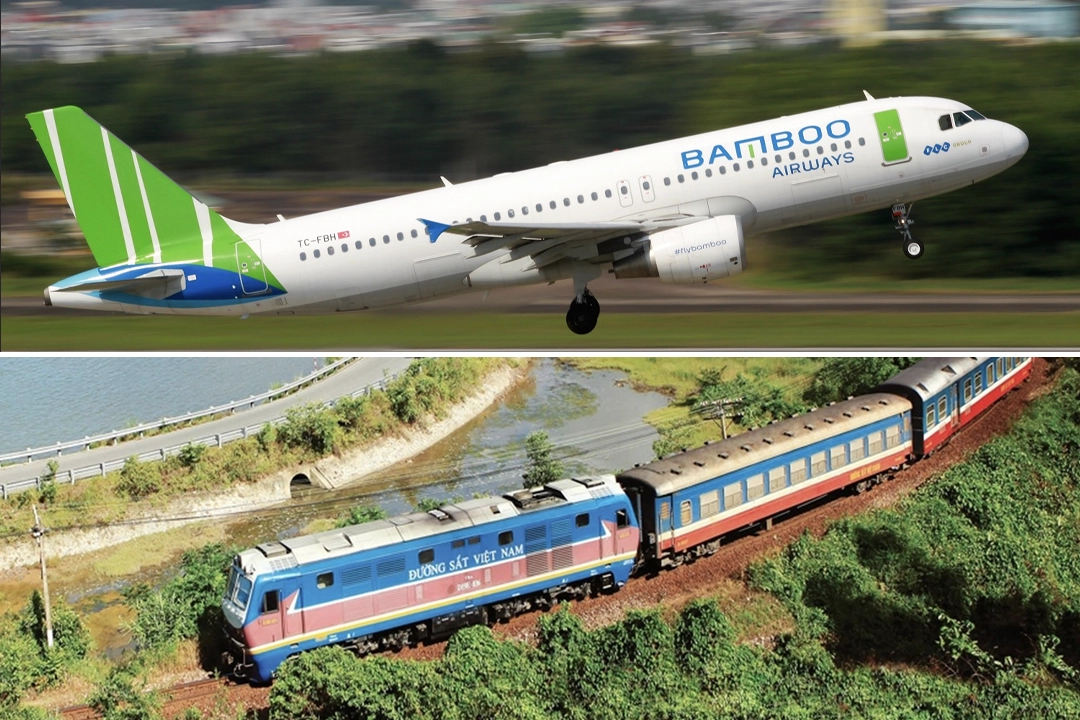
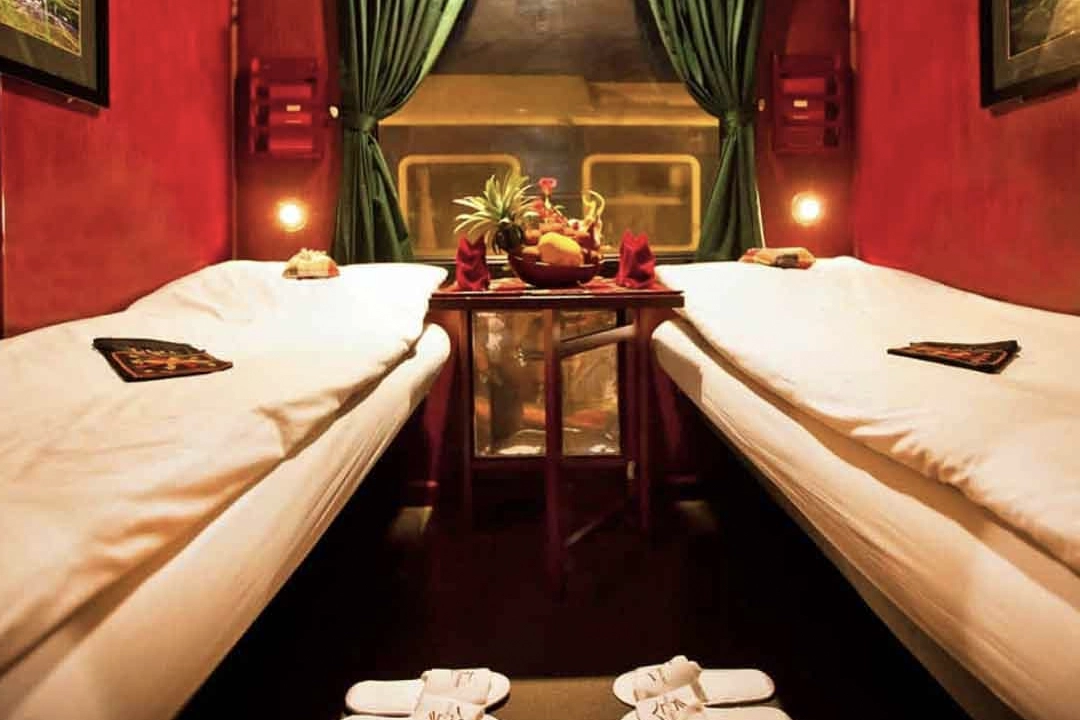
Đây vẫn là lựa chọn phổ biến nhất cho những du khách coi trọng sự thoải mái, an toàn và sự kết nối tinh tế giữa đường sắt di sản và máy bay hiện đại. Hành trình không bắt đầu từ chính Sapa, mà từ ga Lào Cai, cách thị trấn vùng cao khoảng nửa giờ đi xe buýt chia sẻ hoặc xe riêng. Từ đây, chuyến tàu đêm của Đường sắt Việt Nam — một khách sạn lăn bánh với các cabin giường nằm mềm và chuyển động nhẹ nhàng — đi xuống qua thung lũng sông Hồng, đưa bạn đến Hà Nội vào lúc bình minh trong trạng thái sảng khoái. Sau một bát phở buổi sáng ở thủ đô, một chuyến di chuyển ngắn đến sân bay Nội Bài và chuyến bay 75 phút sẽ đưa bạn đến Đà Nẵng, thường là vào đầu giờ chiều.
Giường nằm mềm trên tàu Lào Cai–Hà Nội có giá từ 50-60 USD mỗi người cho cabin bốn giường chia sẻ, với cabin VIP hai giường riêng có giá 70-80 USD. Chuyến bay Hà Nội–Đà Nẵng dao động từ 95-100 USD tùy thuộc vào việc đặt vé trước và hãng hàng không — Vietnam Airlines, VietJet và Bamboo Airways đều khai thác tuyến này. Tổng chi phí từ cửa đến cửa, bao gồm xe buýt chia sẻ từ Sapa đến ga Lào Cai và xe buýt chia sẻ từ sân bay Đà Nẵng vào thành phố, rơi vào khoảng 13-16 USD và 12-17 USD mỗi người. Tổng thời gian từ khách sạn Sapa đến khách sạn Đà Nẵng là 8 đến 10 giờ, khiến đây trở thành lựa chọn nhanh nhất với khoảng cách khá xa.
Ưu điểm:
- Nhanh chóng và hiệu quả: Không có phương thức nào khác đưa bạn từ núi sương mù đến hơi ấm ven biển trong một ngày duy nhất, hợp lý.
- Thoải mái và an toàn: Tàu hỏa là phương tiện di chuyển đường bộ an toàn nhất về mặt thống kê ở Việt Nam, và các cabin giường nằm mềm cung cấp ga trải giường sạch sẽ, điều hòa nhiệt độ và giấc ngủ nhẹ nhàng, đung đưa.
- Cảnh quan đa dạng: Chuyến tàu xuống núi vào sáng sớm qua đồng bằng sông Hồng và tầm nhìn từ trên cao của dãy Trường Sơn là những món quà thị giác.
- Lịch trình linh hoạt: Nhiều chuyến tàu đêm và tối đa 20 chuyến bay Hà Nội–Đà Nẵng mỗi ngày cho phép thời gian gần như tùy chỉnh.
Nhược điểm:
- Nhiều lần trung chuyển: Xe buýt Sapa–Lào Cai, chờ ở ga, trung chuyển sân bay Hà Nội và đón ở Đà Nẵng đồng nghĩa với bốn chặng riêng biệt cần quản lý.
- Phụ thuộc thời tiết: Khí hậu vùng núi Lào Cai đôi khi có thể làm chậm trễ việc di chuyển đường bộ, và các chuyến bay dễ bị ảnh hưởng bởi mùa bão tháng 10–11 ở miền Trung Việt Nam.
- Cuộc chạy đua lúc bình minh lạnh giá: Đến ga Hà Nội lúc 5:00 sáng đòi hỏi phải sắp xếp trước xe hoặc Grab đến sân bay, hoặc đối mặt với đám đông taxi chèo kéo — một khoảnh khắc có thể xử lý được nhưng không hoàn toàn suôn sẻ.
Phù hợp nhất với: Du khách có ngân sách trung bình đến cao, các cặp đôi, gia đình và bất kỳ ai coi trọng thời gian hơn chi phí rẻ nhất. Đây là lựa chọn của những người lãng mạn thực tế.
Kết hợp Xe riêng + Tàu hỏa
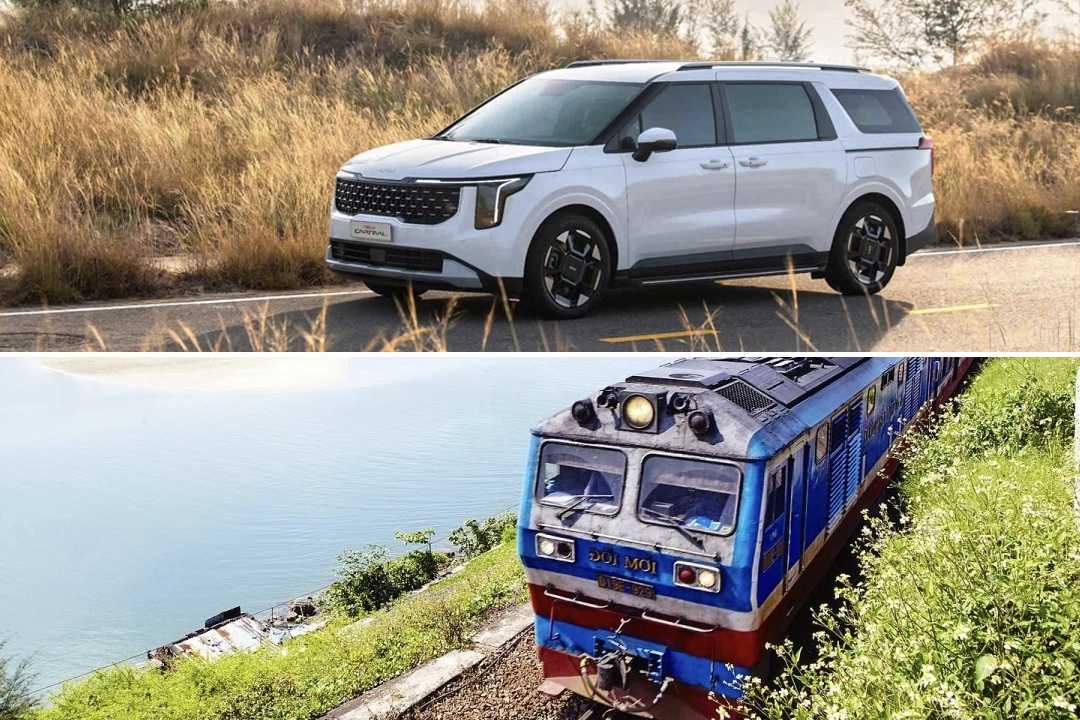
Có một cách lặng lẽ hơn, có chủ đích hơn để ghép hai điểm đến này lại với nhau, một cách hy sinh tốc độ của chuyến bay để đổi lấy niềm vui sâu sắc khi ngắm đất nước trôi qua ở tầm mắt mặt đất. Đặt một chiếc xe riêng từ Sapa trực tiếp đến ga Hà Nội, rồi lên tàu Thống Nhất cho hành trình qua đêm dọc theo xương sống của Việt Nam đến Đà Nẵng. Sự kết hợp hai phần này biến việc trung chuyển thành một sàn quan sát lăn bánh liền mạch, và nó hấp dẫn những du khách tìm thấy sự phong phú thiền định trong nhịp điệu của bánh thép trên mối nối đường ray.
Khúc dạo đầu bắt đầu tại cửa khách sạn Sapa của bạn. Bạn bước lên một chiếc sedan hoặc SUV riêng, tài xế đã đến sớm, hành lý được xếp gọn gàng trong cốp. Con đường xuống núi, men theo sông Hồng khi không khí ấm dần và ánh sáng thay đổi. Chuyến lái xe đến Hà Nội mất khoảng năm đến sáu giờ qua tuyến cao tốc mới, và bạn kiểm soát nhịp độ. Dừng ăn trưa tại một nhà hàng sân vườn, chụp ảnh những đồi chè gần Mộc Châu, hoặc đơn giản để cảnh quan trải ra trong im lặng. Tài xế đưa bạn trực tiếp đến cổng có hàng cột của ga Hà Nội, thường là vào cuối buổi chiều.
Từ đây, bạn lên chuyến tàu đêm đến Đà Nẵng. Các chuyến SE1, SE3, SE5 và SE7 đều có cabin giường nằm mềm — khoang bốn hoặc sáu giường với điều hòa, ga trải giường sạch, đèn đọc sách và cửa khóa. Tàu khởi hành từ Hà Nội vào buổi tối, chạy qua đêm ngang qua những núi đá vôi Ninh Bình, đồng bằng lúa Thanh Hóa và Nghệ An, cố đô Huế, và cuối cùng là đường ven biển đến Đà Nẵng. Bạn thức dậy đón bình minh trên Biển Đông, băng qua đèo Hải Vân hùng vĩ trên đường ray, trước khi vào ga Đà Nẵng khoảng giữa trưa. Một chuyến taxi ngắn đưa bạn đến khách sạn ven biển của mình.
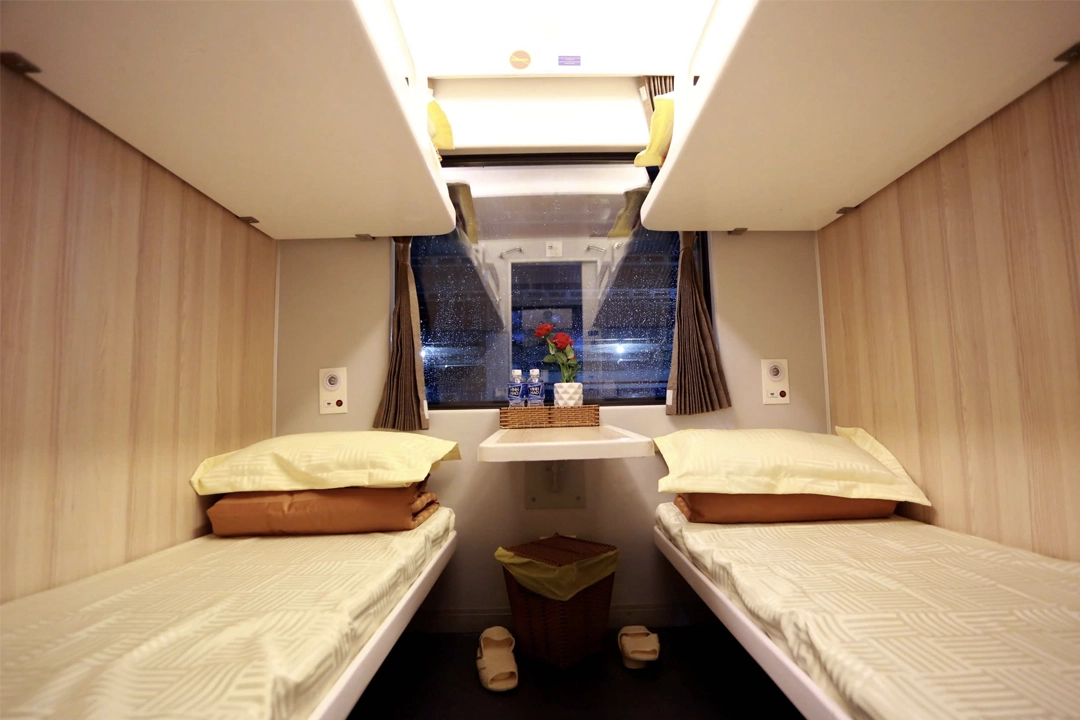
Chặng xe riêng từ Sapa đến Hà Nội có giá từ 135-150 USD cho sedan hoặc SUV, tùy thuộc vào loại xe và mùa. Giường nằm mềm trên tàu từ Hà Nội đến Đà Nẵng có giá 45-50 USD mỗi người, với cabin VIP hai giường riêng có giá 69-75 USD. Tổng chi phí mỗi người cho một cặp đôi sử dụng sedan và cabin bốn giường chia sẻ rơi vào khoảng 185-195 USD mỗi người, trong khi một du khách đi một mình trong cabin hai giường riêng sẽ trả gần 200 USD tổng cộng. Thời gian từ cửa đến cửa là 20 đến 24 giờ thong thả, với chuyến tàu đêm hấp thụ phần lớn quãng đường bằng tiền tệ của giấc ngủ.
Ưu điểm:
- Hành trình hai hồi thong thả: Chặng xe cho bạn cảnh quan ban ngày và sự linh hoạt tuyệt đối; chặng tàu cho bạn một đêm ngủ sâu nhẹ nhàng.
- Đắm mình trong cảnh quan: Tàu từ Hà Nội đến Đà Nẵng được cho là hành trình đường sắt đẹp nhất Việt Nam, uốn lượn qua núi ven biển và dọc đèo Hải Vân lúc bình minh.
- Không căng thẳng sân bay: Không xếp hàng check-in, không giới hạn hành lý ngoài lẽ thường, không khám xét an ninh.
- Riêng tư và rộng rãi: Xe riêng từ Sapa đến Hà Nội mang lại một nơi trú ẩn; cabin giường nằm trên tàu, đặc biệt nếu đặt hai giường riêng, mang lại không gian yên tĩnh, có khóa cho ban đêm.
Nhược điểm:
- Lâu hơn kết hợp bay: Bạn hy sinh một ngày cho hành trình, đến Đà Nẵng vào khoảng giữa trưa ngày thứ hai.
- Hai lần trung chuyển: Việc chuyển từ xe sang tàu tại ga Hà Nội đòi hỏi phải di chuyển qua sảnh ga đông đúc, dù tài xế sẽ hỗ trợ hành lý.
- Phụ thuộc lịch tàu: Tàu khởi hành vào giờ cố định, nên giờ khởi hành từ Sapa phải khớp với lịch buổi tối, có thể để bạn vài giờ ở Hà Nội trước khi lên tàu.
- Nhạy cảm với chuyển động: Sự đung đưa nhẹ nhàng của tàu đêm chủ yếu là êm dịu, nhưng một số hành khách có thể thấy khó chịu; nút tai và bịt mắt được khuyến nghị.
Phù hợp nhất với: Các cặp đôi, du khách lớn tuổi, người yêu tàu hỏa và bất kỳ ai thấy ý tưởng băng qua hai phần ba đất nước trong khi ngủ là một dạng giả kim thuật du lịch. Đây là lựa chọn của những người lãng mạn đường bộ duyên dáng.
Xe giường nằm VIP trực tiếp

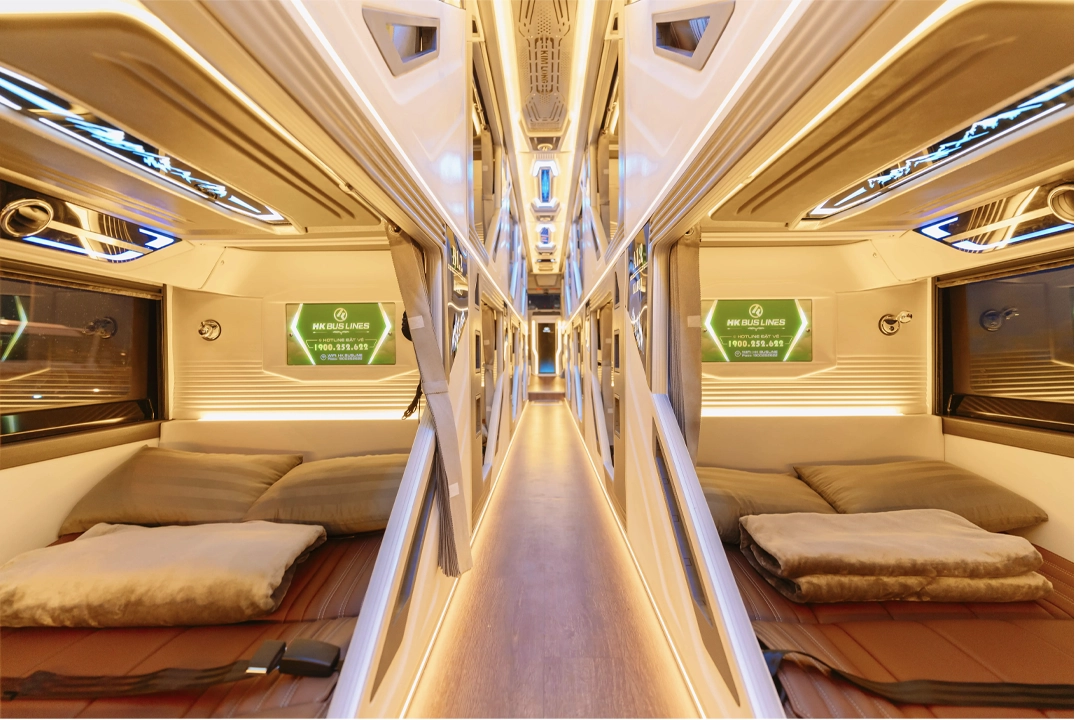
Đối với những người thích một vé duy nhất và một lần lên xe, xe giường nằm trực tiếp từ Sapa đến Đà Nẵng là một sự mặc khải về sự đơn giản. Năm 2026, các nhà điều hành tốt nhất đã hiện đại hóa trải nghiệm đáng kể: xe hai tầng với giường ngả hoàn toàn, rèm riêng tư, sạc USB, Wi-Fi, và thậm chí cả tiếp viên trên xe phục vụ nước và khăn lạnh. Xe khởi hành từ Sapa vào cuối buổi chiều hoặc đầu buổi tối, lao xuyên đêm dọc theo cao tốc Hà Nội–Lào Cai, tránh hoàn toàn thủ đô qua các đường vành đai mới, và tiếp tục xuống Quốc lộ 1A ven biển qua Thanh Hóa, Vinh và Huế, đến Đà Nẵng vào tối hôm sau.
Giá vé cho giường cabin VIP dao động từ 65-75 USD, khiến đây trở thành lựa chọn từ cửa đến cửa tiết kiệm nhất. Thời gian di chuyển là 19 đến 20 giờ, với các điểm dừng nghỉ theo lịch trình mỗi 4–5 giờ để ăn uống và vệ sinh. Các nhà điều hành tốt nhất — Hà Sơn Hải Vân, HK Bus và Sapa Express — đã có danh tiếng vững chắc về xe sạch sẽ, lái xe an toàn và dịch vụ trung thực. Một điểm dừng ăn tại nhà hàng ven đường sạch sẽ thường được tính vào lịch trình; bữa ăn do bạn tự chi trả, dù mì ăn liền và nước thường được miễn phí.
Ưu điểm:
- Đơn giản và tiết kiệm: Một lần đặt, một chỗ ngồi, không trung chuyển, và tổng chi phí thấp nhất — hoàn hảo cho du khách tiết kiệm.
- Nghỉ ngơi liên tục, không gián đoạn: Một cabin ngủ được thiết kế tốt có thể thực sự thư giãn, và hành trình dài được chia thành những khúc manageable bởi nhịp điệu giấc ngủ tự nhiên của cơ thể.
- Cảnh quan ven biển: Phần ban ngày của hành trình, từ Vinh trở xuống, men theo bờ biển Đông, với những thoáng nhìn sóng biển và làng chài qua cửa sổ.
- Hành lý không rắc rối: Hành lý của bạn đi trong khoang chứa dưới sàn rộng rãi của xe, an toàn và dễ tiếp cận tại mỗi điểm dừng chính.
Nhược điểm:
- Thời gian và cảm giác bí bách: 22 giờ trên xe, dù thoải mái đến đâu, là một thử thách thể chất và tâm lý. Những người bị đau lưng hoặc sợ không gian kín nên cân nhắc kỹ.
- Nguy cơ say xe: Những khúc cua núi từ Sapa đến cao tốc có thể gây buồn nôn, và giao thông ven biển dừng-đi có thể làm dạ dày nhạy cảm khó chịu.
- Rủi ro tài xế mệt mỏi: Dù các công ty uy tín sử dụng đội hai tài xế, quãng đường không ngừng nghỉ có thể dẫn đến lái xe mệt mỏi, đặc biệt ở chặng cuối qua đường hầm đèo Hải Vân.
- Chất lượng cabin không đồng đều: Không phải xe “VIP” nào cũng khớp với quảng cáo. Bạn nên mua vé qua nền tảng đã xác minh hoặc đại lý tin cậy.
Phù hợp nhất với: Dân du lịch bụi đi một mình, các cặp đôi tiết kiệm, và bất kỳ ai tìm thấy sự lãng mạn kỳ lạ trong ý tưởng thức dậy ở một tỉnh mới mỗi vài giờ. Lựa chọn của những chiến binh xe giường nằm.
Đang tìm nhà cung cấp dịch vụ xe giường nằm uy tín? Khám phá ngay dịch vụ đặt vé xe cabin Sapa-Đà Nẵng của A21 Tours!
Xe riêng
.webp)
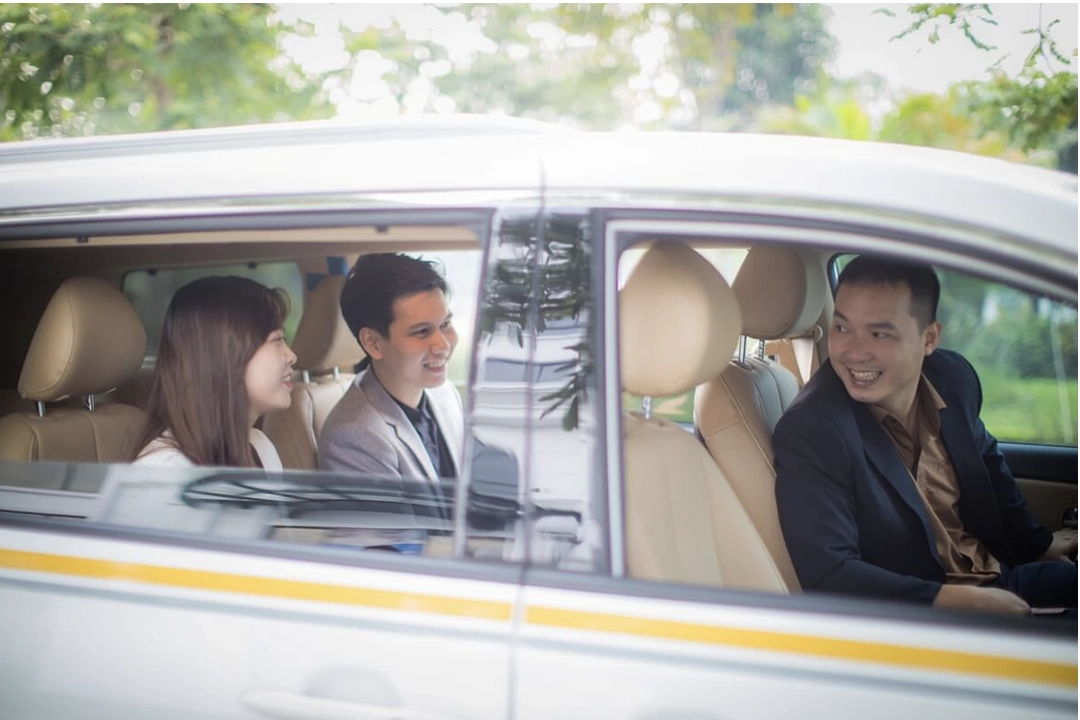
Đối với một loại du khách nhất định, hành trình không phải là một đường thẳng giữa các điểm mà là một câu chuyện tự thân. Một chiếc xe riêng được đặt cho chuyến đi đường bộ hai ngày từ Sapa đến Đà Nẵng biến việc trung chuyển thành một cuộc phiêu lưu, cho phép bạn dừng ở những dòng sông núi đá vôi Ninh Bình, cố đô Huế, hay đèo Hải Vân cao vút — một dải đường mà Top Gear từng tuyên bố là một trong những cung đường ven biển đẹp nhất thế giới. Bạn ấn định giờ khởi hành, nhịp độ và danh sách nhạc. Tài xế, được sàng lọc bởi một công ty uy tín, trở thành hướng dẫn viên văn hóa, và chiếc xe trở thành căn cứ di động của bạn.
Hành trình thường chia thành hai ngày. Ngày một: Sapa đến Hà Nội (hoặc xa hơn đến Ninh Bình), với những điểm dừng có thể tại đồi chè Mộc Châu hoặc Chùa Hương. Ngày hai: Hà Nội/Ninh Bình đến Đà Nẵng, qua những bãi biển Vinh, địa đạo Vĩnh Mốc, hoặc lăng tẩm Huế, trước khi leo đèo Hải Vân vào cuối buổi chiều đầy kịch tính để vào Đà Nẵng. Tổng thời gian lái xe là 14–16 giờ, chia thành hai ngày, và chi phí cho một chiếc sedan là 350–450 USD, bao gồm nhiên liệu, phí đường, chỗ ở của tài xế và phụ cấp ăn uống của tài xế. Một chiếc SUV 7 chỗ cho gia đình hoặc nhóm nhỏ có giá 500–600 USD. Thoạt nhìn, con số này có vẻ cao, nhưng chia cho ba hoặc bốn hành khách, có thể chỉ tốn 100–150 USD mỗi người — tương đương với kết hợp tàu và bay, nhưng với câu chuyện phong phú hơn nhiều.
Do đó, trừ khi bạn có mục đích cụ thể cho chuyến đi (ví dụ: nhiếp ảnh) hoặc yêu cầu cực cao về sự riêng tư, đây không phải là lựa chọn được khuyến nghị.
Ưu điểm:
- Tự do tuyệt đối và tùy chỉnh: Bạn chọn mọi điểm dừng, từ tắm thác đến bữa tiệc ẩm thực đường phố ở một thị trấn tỉnh lẻ mà sách hướng dẫn chưa tìm ra.
- Nơi trú ẩn thoải mái, riêng tư: Nhiệt độ của riêng bạn, đồ ăn vặt của riêng bạn, nhịp độ của riêng bạn. Chiếc xe trở thành phòng khách lăn bánh.
- An toàn và trách nhiệm: Một tài xế chuyên nghiệp duy nhất chịu trách nhiệm trước bạn, điều hướng những con đường họ biết rõ, không bị áp lực phải theo lịch xe buýt.
- Xử lý hành lý liền mạch: Vali, đồ trekking và đồ mua từ chợ Sapa đều đi an toàn, không giới hạn trọng lượng hay trung chuyển hành lý.
Nhược điểm:
- Chi phí tuyệt đối cao nhất: Đối với du khách đi một mình hoặc cặp đôi có ngân sách hạn hẹp, giá này là quá cao.
- Cam kết nhiều ngày: Hành trình tiêu tốn hai ngày trong lịch trình của bạn, phải được tính vào thời gian nghỉ phép.
- Tương thích với tài xế: Hành trình hai ngày với tài xế không nói tiếng Anh, dù thường quyến rũ, có thể âm thầm cô đơn nếu không có nhạc hay ngôn ngữ chung.
Phù hợp nhất với: Gia đình có trẻ em, nhóm 3–4 người bạn, nhiếp ảnh gia và bất kỳ ai tin rằng kỷ niệm du lịch đẹp nhất được tạo ra không phải ở điểm đến, mà trong những khoảnh khắc yên tĩnh, bất ngờ dọc đường.
Xe máy
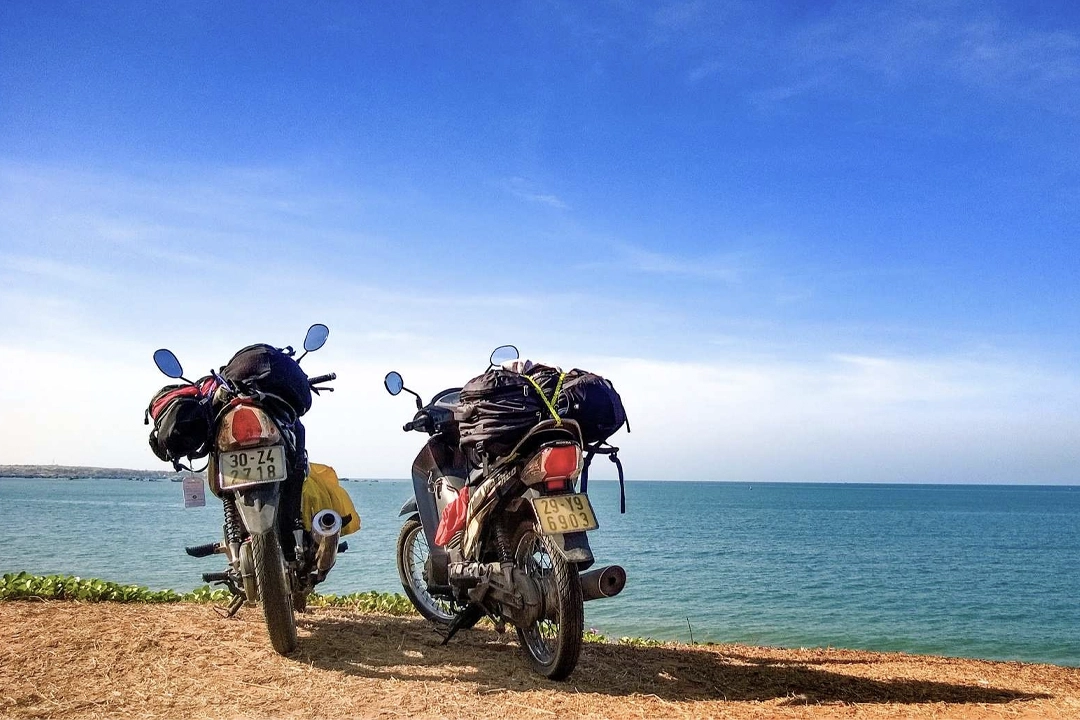
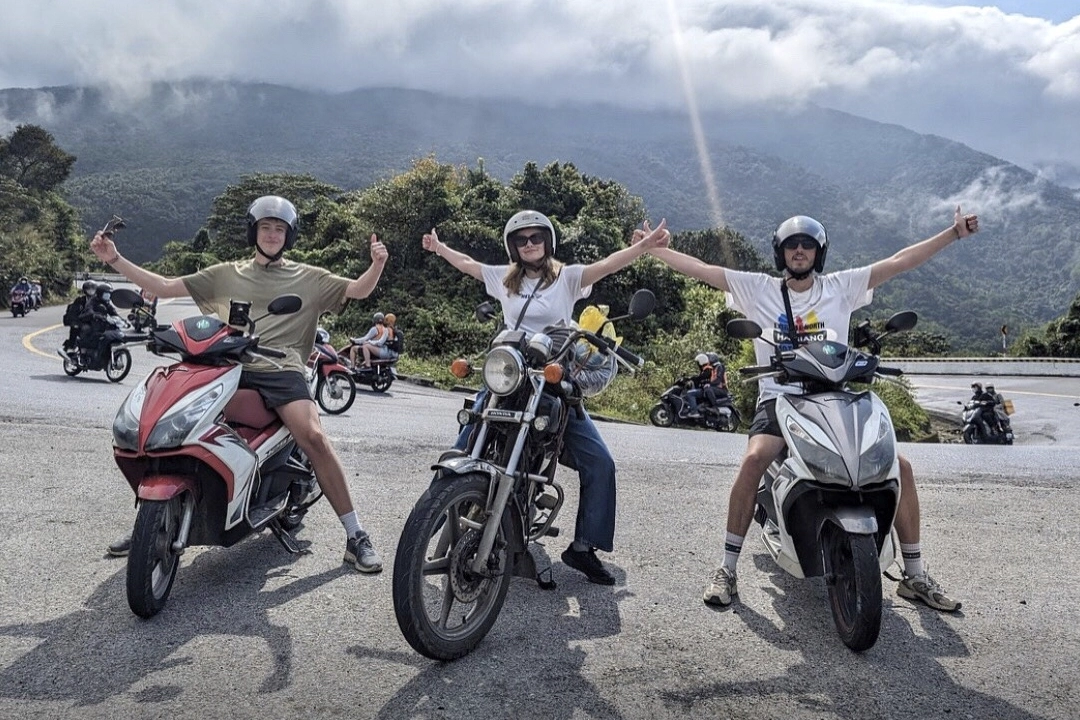
Lái xe máy từ Sapa đến Đà Nẵng là thực hiện một trong những cuộc phiêu lưu hai bánh kinh điển của Việt Nam. Đây không phải là trung chuyển; đây là một cuộc thám hiểm. Tuyến đường, thường dài 1.200–1.500 kilômét tùy theo vòng vo, uốn xuống từ dãy Hoàng Liên Sơn, băng qua đồng bằng sông Hồng phù sa, và men theo xương sống của dãy Trường Sơn dọc theo đường Hồ Chí Minh — huyết mạch phía tây huyền thoại, yên tĩnh hơn, xanh hơn và ngoạn mục hơn nhiều so với Quốc lộ 1A đầy xe tải. Hành trình mất bốn đến bảy ngày, tùy thuộc vào sức chịu đựng của bạn với những khúc cua và những đêm homestay làng quê tự phát.
Thuê một chiếc xe máy 150cc dual-sport hoặc touring đáng tin cậy, được bảo dưỡng tốt, bắt đầu từ 15–20 USD mỗi ngày, với phí trả xe một chiều tại Đà Nẵng là 30–50 USD (thương lượng với các công ty cho thuê như Tigit Motorbikes hoặc Style Motorbikes). Chi phí nhiên liệu cho toàn bộ chuyến đi là 25–40 USD. Chuyến đi tự thân là một bản giao hưởng của các giác quan: cái lạnh của những đèo cao quanh Pha Đin, mê cung núi đá vôi của Vườn quốc gia Phong Nha-Kẻ Bàng, sự im lặng ám ảnh của vùng DMZ cũ và Khe Sanh, và chiến thắng ven biển của đèo Hải Vân. Bạn dừng lại khi một khung cảnh thôi thúc bạn, ăn ở những quán ven đường nơi không ai nói tiếng Anh, và ngủ ở những ngôi làng sẽ không bao giờ xuất hiện trên Instagram.
Ưu điểm:
- Tự do và khám phá vô song: Kiểm soát hoàn toàn từng kilômét. Chiếc xe mở ra những con đường mà xe buýt không bao giờ thấy.
- Đắm mình sâu sắc vào văn hóa: Mỗi điểm dừng là một tương tác, mỗi bữa ăn là một cuộc thương lượng bằng nụ cười, mỗi đêm là một lời mời vào cuộc sống địa phương.
- Chi phí hiệu quả theo ngày: Chi phí thuê và ăn uống hàng ngày thấp, khiến đây trở thành cuộc phiêu lưu nhiều ngày khả thi cho du khách độc lập về ngân sách.
Nhược điểm:
- Nguy hiểm cao: Đường cao tốc và đường núi Việt Nam thực sự nguy hiểm. Chuyến đi đòi hỏi Giấy phép Lái xe Quốc tế hợp lệ, bằng lái xe máy đầy đủ từ quê nhà, kỹ năng lái xe cao cấp và đồ bảo hộ nghiêm ngặt.
- Kiệt sức về thể chất và tinh thần: Nhiều giờ trên yên xe trong cái nóng và mưa thử thách thể trạng khỏe mạnh nhất. Mưa ở cao nguyên miền Trung có thể rất lớn.
- Hành lý tối giản: Bạn chỉ mang theo những gì có thể buộc vào giá sau trong một hoặc hai túi mềm. Không vali.
- Phức tạp bảo hiểm: Nhiều chính sách bảo hiểm du lịch loại trừ việc lái xe máy trừ khi có bằng lái xe máy và dung tích động cơ cụ thể được khai báo.
Phù hợp nhất với: Chỉ những người lái có kinh nghiệm, có giấy phép, với khả năng chịu rủi ro cao và cơn đói phiêu lưu vô tận. Lựa chọn của những người hành hương mông sắt.
Bảng so sánh
| Yếu tố | Tàu + Bay | Xe riêng + Tàu | Xe giường nằm VIP trực tiếp | Xe riêng (2 ngày) | Xe máy |
|---|---|---|---|---|---|
| Thời gian từ cửa đến cửa | 8–10 giờ | 20–24 giờ | 19-20 giờ | 1-2 ngày (14-16 giờ lái xe) | 4–5 ngày (bao gồm thời gian dừng) |
| Chi phí (một chiều, mỗi người) | 75-135 USD (ghế hạng phổ thông) + 30-35 USD phí taxi trung chuyển | 185-195 USD (lựa chọn giường mềm) + 17 USD phí taxi trung chuyển | 65-70 USD | 500-600 USD (trong nhóm) | 80–120 USD tổng cộng (thuê+xăng+phí trả xe) |
| Thoải mái | Cao (tàu giường nằm + máy bay) | Cao (xe riêng + cabin giường nằm) | Trung bình (cabin giường nằm, thời gian dài) | Rất cao (riêng tư, điều hòa, tùy chỉnh) | Thấp (phơi nắng, thể chất) |
| Hành lý | Tốt (giới hạn hàng không) | Tốt (cốp xe, giá tàu) | Trung bình (khoang dưới sàn) | Xuất sắc (cốp lớn) | Rất kém (chỉ túi mềm) |
| Dịch vụ từ cửa đến cửa | Không (nhiều lần trung chuyển) | Phần lớn (xe đến ga, tàu đến thành phố) | Không (bến xe ở Sapa và Đà Nẵng) | Có, hoàn toàn tùy chỉnh | Có, hoàn toàn tự điều khiển |
| An toàn | Cao (tàu + hàng không) | Cao (tài xế chuyên nghiệp + đường sắt) | Trung bình (xe buýt đường dài, tài xế mệt mỏi) | Cao (tài xế chuyên nghiệp) | Thấp (đường nguy hiểm, kỹ năng lái) |
| Phù hợp nhất với | Hầu hết du khách, gia đình, người tiết kiệm thời gian | Cặp đôi, người yêu tàu, người lãng mạn đường bộ | Dân du lịch bụi đi một mình, du khách tiết kiệm | Nhóm nhỏ, gia đình, nhà thám hiểm tùy chỉnh | Người lái xe máy đường dài có kinh nghiệm |
Kết luận: Chọn hành trình từ Sapa đến Đà Nẵng

Quyết định trước mắt bạn không phải là một hành động mua vé đơn giản. Đó là một tấm gương phản chiếu triết lý du lịch của bạn. Bạn là người sưu tầm khoảnh khắc, đo lường chuyến đi bằng số lần ăn vặt ven đường bất ngờ và những vòng vo không kế hoạch? Hay bạn là người gìn giữ thời gian quý báu, thích đến nơi sảng khoái và sớm, sẵn sàng dành trọn năng lượng cho Đà Nẵng? Không có phương thức vận chuyển nào vốn dĩ vượt trội; mỗi cách chỉ đưa ra một lời hứa khác nhau về loại hành trình bạn sẽ nhớ.
Chọn kết hợp Tàu + Bay nếu bạn là cặp đôi, gia đình, hoặc du khách đi một mình coi trọng hành trình liền mạch, an toàn và nhanh đáng kinh ngạc. Bạn trân trọng sự lãng mạn của chuyến tàu đêm đung đưa nhẹ nhàng, nhưng cũng thích cảm giác thăng hoa xuyên qua mây trên núi khi máy bay nghiêng về phía bờ biển. Bạn không ngại quản lý vài điểm trung chuyển, và bạn hiểu rằng điệu nhảy hậu cần nhỏ — ga Lào Cai, sân bay Hà Nội — là cái giá để băng qua gần hết chiều dài Việt Nam trong một ngày văn minh duy nhất. Đây là lựa chọn của người lãng mạn thực tế, du khách muốn nếm trải hành trình mà không bị nó nuốt chửng.
Chọn xe giường nằm VIP trực tiếp nếu ngân sách của bạn eo hẹp và sự tò mò của bạn rộng lớn. Bạn là dân du lịch bụi, nhà phiêu lưu gap-year, hoặc người lang thang dài hạn biết cách biến một không gian di động nhỏ thành nhà trong một ngày. Chuyến đi dài, chậm trở thành một phần của câu chuyện — thức dậy trong sương mù trên đồng lúa Thanh Hóa, ăn một bát mì tại trạm dừng cao tốc khi mặt trời lặn, và cảm nhận sự biến đổi tinh tế của ánh sáng và thảm thực vật khi bạn đến gần vùng nhiệt đới. Đây là lựa chọn của người kể chuyện kiên nhẫn, người tin rằng hành trình ngàn kilômét nên để lại dấu vết vật lý của sự đi qua.
Chọn chuyến đi đường bộ bằng xe riêng nếu bạn đi như một bộ tộc nhỏ — gia đình với trẻ em tò mò, ba người bạn trong cuộc phiêu lưu chung, hoặc cặp đôi mà hành trình chính là tuần trăng mật. Bạn muốn dừng ở ngôi đền mà sách hướng dẫn không biết, ăn đặc sản địa phương ở một thị trấn bạn chưa từng dự định đến, và thức dậy ở khách sạn Ninh Bình hay Huế vì bạn chọn, không phải vì lịch xe buýt đòi hỏi. Bạn coi trọng sự an toàn của một tài xế chuyên nghiệp lành nghề và sự sang trọng của một bong bóng kín, điều hòa, thuộc về bạn và chỉ bạn mà thôi. Đây là lựa chọn của nhà thám hiểm tùy chỉnh, người mà khoảng giữa chính là điểm đến.
Chỉ chọn xe máy nếu bạn là người lái có kinh nghiệm, có giấy phép, với sự hiểu biết không nao núng về rủi ro. Bạn không chỉ di chuyển từ A đến B; bạn đang thực hiện một nghi lễ trưởng thành dọc theo đường Hồ Chí Minh, con đường đã mang theo lịch sử, nỗi buồn và vẻ đẹp với mức độ ngang nhau. Bạn đi nhẹ, lái phòng thủ, và chấp nhận rằng mưa, bụi và kiệt sức không phải là bất tiện mà là những phần thiết yếu của món quà. Đây là lựa chọn của người hành hương trái tim thép, người đo lường hành trình không phải bằng số giờ tiết kiệm, mà bằng số đèo núi đã vượt qua và độ sâu của sự tĩnh lặng nội tâm tìm thấy dọc đường.
Dù bạn chọn tuyến nào, hành trình từ Sapa đến Đà Nẵng vẫn là một trải nghiệm đậm chất Việt Nam. Nó lần theo xương sống địa chất và văn hóa của đất nước, từ vùng cao nguyên cổ kính, sương mù phía bắc xuống năng lượng ngập nắng, hướng tới tương lai của bờ biển miền Trung. Hãy đi khôn ngoan, đi an toàn, và để hành trình tự thân trở thành một trong những ký ức bền vững về thời gian bạn ở vùng đất độc đáo, lay động tâm hồn này.
Ghi chú biên dịch:
- "As the crow flies" được dịch là "theo đường chim bay" — cách nói phổ biến trong tiếng Việt.
- "Digital nomads" giữ nguyên là "dân du mục kỹ thuật số" theo cách gọi phổ biến hiện nay.
- "Gap-year adventurer" dịch là "nhà phiêu lưu gap-year" — thuật ngữ đã quen thuộc với độc giả trẻ Việt Nam.
- "Iron-butt pilgrim" được dịch thoát ý là "người hành hương mông sắt" — cách nói hình tượng về người đi xe máy đường dài.
- "Rolling living room" dịch là "phòng khách lăn bánh" để giữ hình ảnh ẩn dụ của bản gốc.