Typhoon No.1 Maysak: Update July, 2026
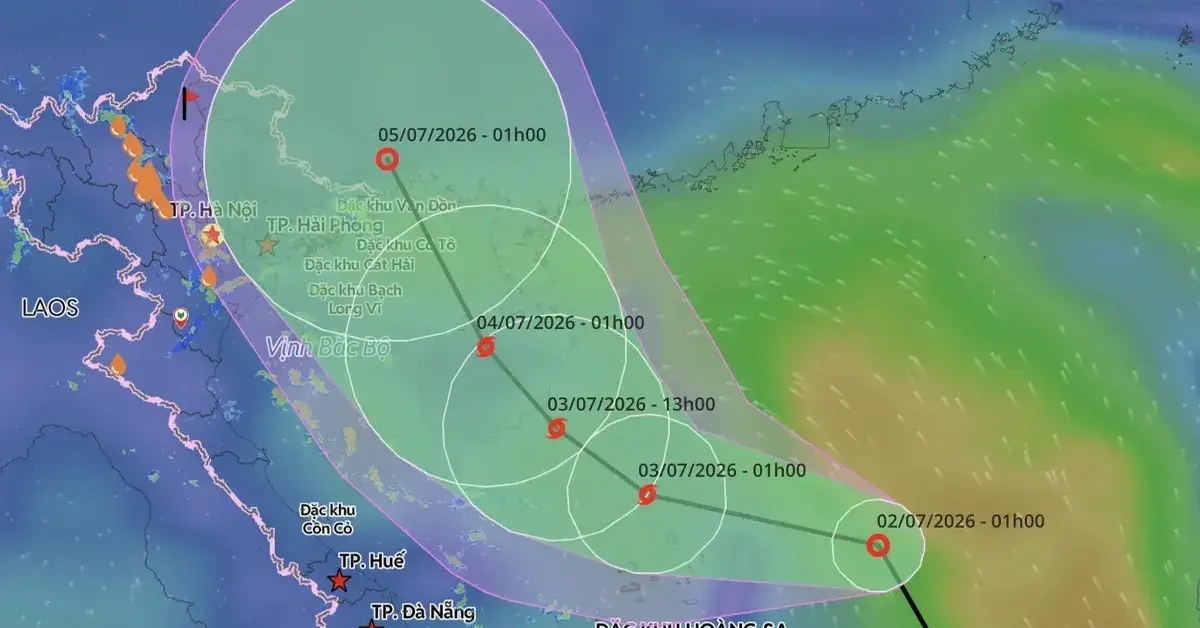
In the early morning of July 3rd, the tropical depression in the East Sea strengthened into a typhoon, the first typhoon of 2026, with the international name Maysak. If you are currently in or heading to Northern Vietnam, please be aware that the first major storm of the 2026 season has officially formed. Here is everything you need to know about Typhoon No. 1, internationally known as Maysak, to keep yourselves safe and adjust your itineraries accordingly.
Recent Developments and Current Status
Latest update from the National Center for Hydro-Meteorological Forecasting, at 4:00 AM on July 3rd, the center of storm No. 1 was located at about 17.3 degrees North latitude - 110.1 degrees East longitude, in the sea area northwest of the Hoang Sa special zone, about 120km south of Hainan Island (China). The strongest wind near the center of the storm is strong at level 8 (62-74 km/h), gusting at level 10; moving in the West direction at a speed of about 10 km/h.
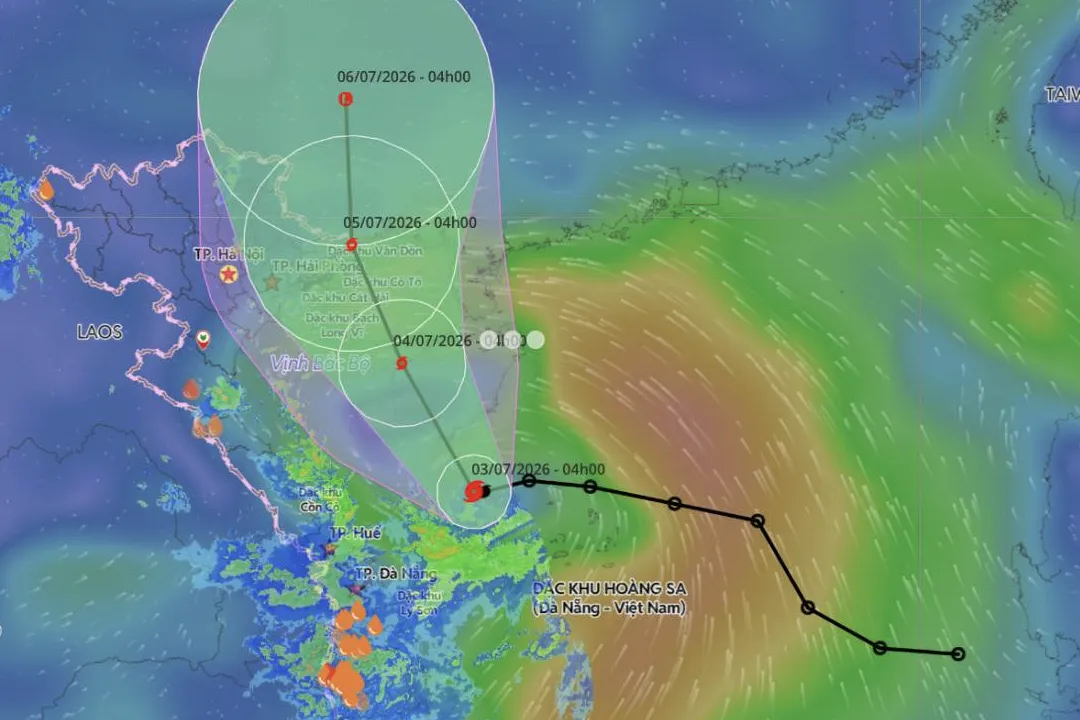
Typhoon No. 1 is strongest at level 8, gusting at level 10.
Forecast: Path and Intensity
- Immediate Outlook: Typhoon No. 1 will move in a north-northwest direction at a speed of approximately 10-15 km/h, making landfall on Hainan Island (China).
- Landfall Projection: The storm will move in a North-Northwest direction at a speed of about 10-15 km/h. By 4:00 AM on July 5th, the storm center will be located at about 21.5 degrees North latitude - 107.9 degrees East longitude, over the sea area of Quang Ninh - Hai Phong. The strongest wind near the storm center is strong at level 8, gusting at level 10.
- Became a tropical depression: The storm will move in the North direction at a speed of about 10-15 km/h, weakening into a tropical depression, then weakening into a low pressure area. By 4:00 AM on July 6, the storm's center will be located at about 23.9 degrees North latitude - 107.8 degrees East longitude, over the southern area of Guangxi province (China).
Impact Forecast for Vietnam
Sea Conditions
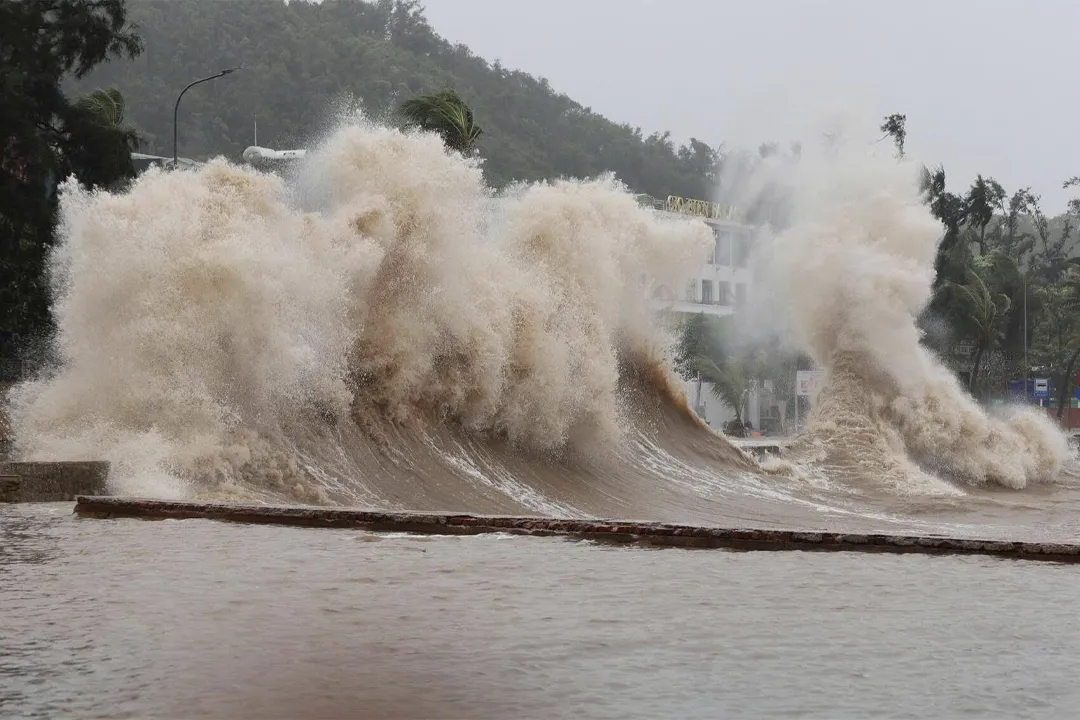
The maritime environment will become highly dangerous, particularly affecting island tourism and transit.
- Wind, Waves: Risk, strong winds at level 6-7, near the storm center level 8, gusts at level 10; sea waves 2-4m high, near the storm center 3-5m; very rough seas.
- Affected Areas: The western sea area of the Northern East Sea (including the Hoang Sa special zone); from the night of July 3 expanding to the Gulf of Tonkin (including Bach Long Vi, Van Don, Co To, Cat Hai special zones and Hon Dau island).
- Hazards: Dangerous weather conditions can cause capsizing, sinking or damage to fishing boats, transport boats, tourist boats and vehicles operating at sea; aquaculture cages, boat anchorage areas and coastal works are at risk of being damaged. Seafood exploitation, transportation and tourism activities at sea are likely to be interrupted.
Land Impact
For the coastal mainland area, the affected area is the coast of Quang Ninh, Hai Phong and Hung Yen provinces.
Risk from the afternoon of July 4, strong wind level 6, near the storm center level 7-8, gusts level 9-10; sea waves 2-3m high; storm surge of about 0.2-0.3m.
The main impact is that strong winds can blow off roofs, damage temporary structures, break down green trees and billboards; affecting electricity, communication and traffic systems. Large waves combined with rising water can cause localized flooding in river mouths, tidal flats and low-lying areas; affecting dikes, seawalls and coastal structures.
Regarding heavy rain on land, the affected areas are Northeast and Thanh Hoa.
Risk, from the night of July 3rd to the end of July 5th, there will be heavy to very heavy rain, common rainfall of 100-200mm; especially Northeast of the North 150-250mm, locally over 350mm.
The main impact, prolonged heavy rain may cause flooding in urban areas, industrial parks and low-lying areas; increase the risk of floods on small rivers and streams, flash floods and landslides in mountainous areas; affect traffic, agricultural production and people's lives.
Recommendations for Travelers
Safety must be your top priority. While dealing with sudden travel disruptions is undoubtedly frustrating, Typhoon Maysak poses genuine risks. Please adhere to the following guidelines:
- Cancel Island Excursions: Do not attempt to travel to or from islands like Co To, Cat Ba, or Quan Lan. Ferry services will be halted, and the seas are unsafe for any recreational boating or paddleboarding.
- Postpone Mountain Trekking: Avoid all hiking, camping, and trekking activities in the northern mountains. Heavy rain drastically increases the risk of flash floods near streams and landslides on unpaved trails.
- Stay Away from the Beach: Coastal areas will experience dangerous surf, high winds, and storm surges. Swimming is strictly prohibited during this time.
- Stay Informed: Monitor updates from official sources, such as the A21 Tours website or VNR announcements, for the latest on service restoration and alternative travel options.
- Adjust Itineraries: If you are currently in Quang Ninh, Hai Phong, or mountainous northern provinces, consult with your hotel regarding safety protocols or consider moving inland to safer regions until the storm passes.
If you are planning a trip to areas affected by the storm and have already made a booking with A21 Tours, you may want to consider changing your itinerary or requesting a refund/cancellation. We support refunds in the following cases: 1, the service is cancelled by the provider due to the storm; 2, the cancellation time meets the refund conditions listed in our refund/cancellation policy.
Conclusion
Typhoon Maysak is a significant weather event that requires immediate attention from anyone traveling in Northern Vietnam. While it may require you to pause your adventures temporarily, making smart, cautious decisions now ensures you can continue exploring safely once the skies clear. Stay indoors, stay informed, and stay safe.
Source: Vietnam's National Center for Hydro-Meteorological Forecasting, and weather experts as of July 3, 2026.