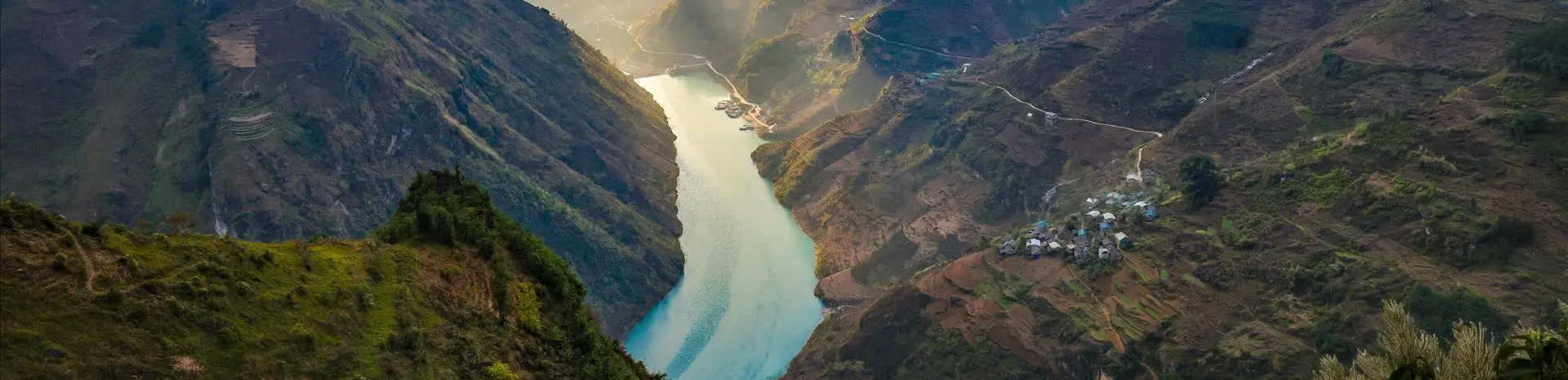
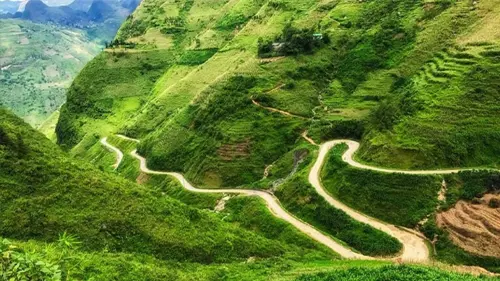
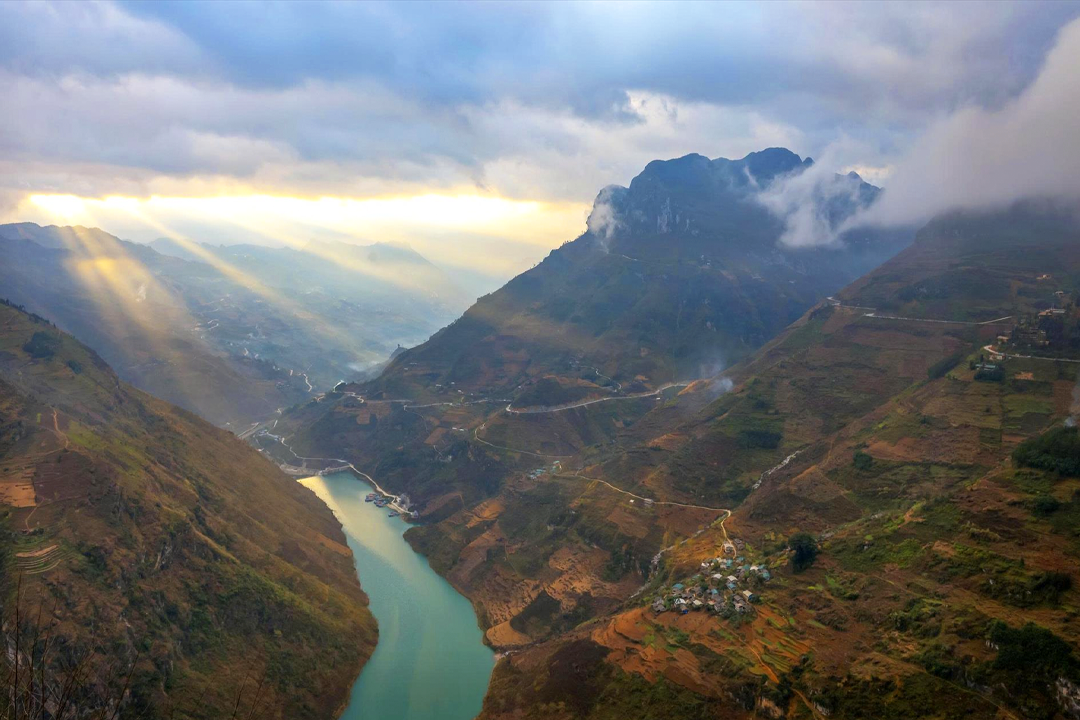
Ma Pi Leng Pass, often referred to as the "King" of Vietnam’s mountain passes, is a breathtaking 20-kilometer stretch of road connecting Dong Van and Meo Vac in Ha Giang province. Carved into the limestone peaks of the Dong Van Karst Plateau Geopark, it stands as a testament to human determination and natural splendor. The pass offers dizzying views of the emerald Nho Que River snaking through the Tu San Canyon far below. For travelers seeking raw beauty, dramatic cliffs, and an authentic encounter with Northern Vietnam's ethnic cultures, Ma Pi Leng is the ultimate high-altitude sanctuary.
The Conquest of the Happiness Road
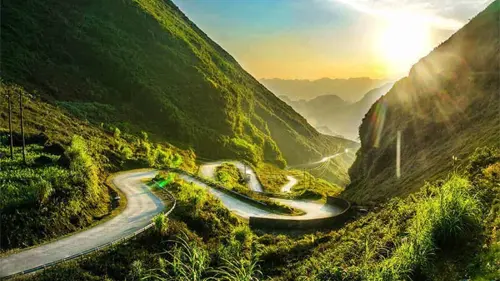
The journey across Ma Pi Leng is more than a drive; it is a brush with history. Known as part of the "Happiness Road," this pass was hand-carved by thousands of volunteers from various ethnic groups over several years. Today, as you navigate the hairpin turns, you are treated to a panoramic theater of stone. The limestone peaks rise like jagged teeth against the horizon, while the Tu San Canyon—the deepest canyon in Southeast Asia—drops precipitously into the valley. The engineering of the road itself is a mechanical marvel, offering a rhythmic flow of ascents and descents that reveal a new, breathtaking vista at every bend.
Emerald Serenity: The Nho Que River Experience
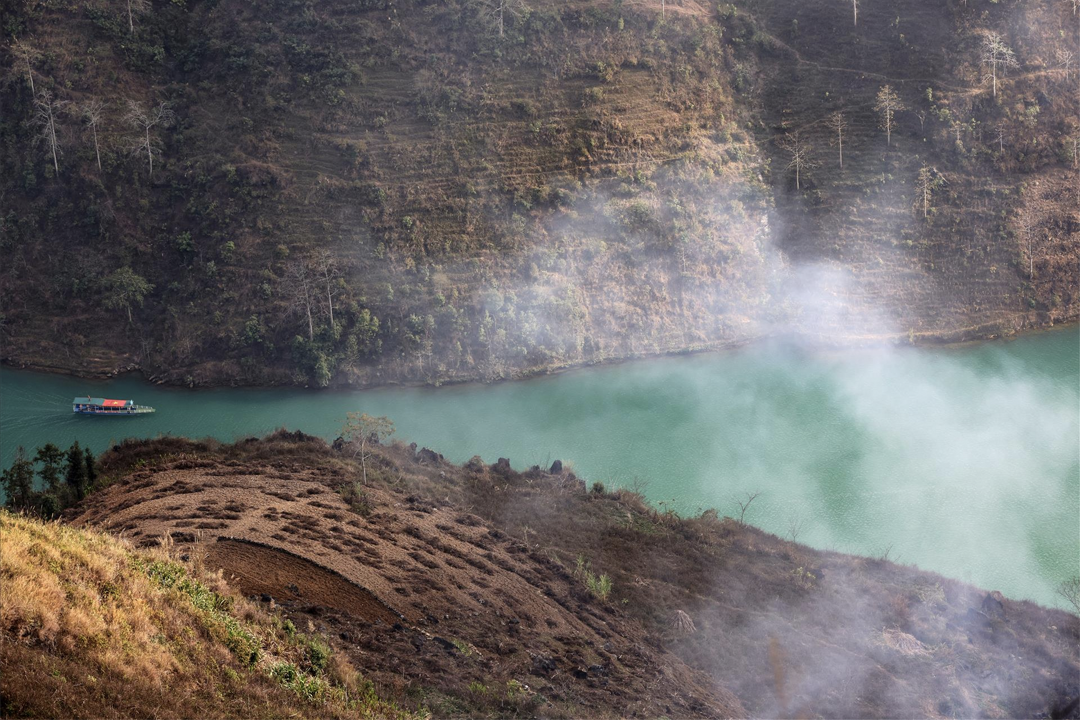
To truly appreciate the scale of Ma Pi Leng, one must descend from the clouds to the water. A boat trip on the Nho Que River provides a completely different perspective of the pass. Floating through the towering walls of the Tu San Canyon, you feel the true immense scale of the karst landscape. The water is a consistent, vibrant emerald, reflecting the lush vegetation clinging to the cliffs. It is a moment of profound quietude, contrasting with the exhilarating wind of the high mountain pass above. This dual experience—the high-altitude drama and the riverside calm—defines the spiritual pull of Ha Giang.
Pro-Traveler Experience Tips
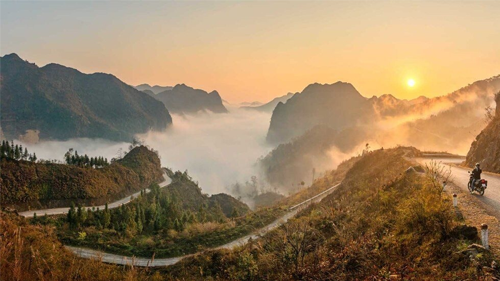
To achieve the best "Price-to-Performance" for your photography and comfort, I highly recommend timing your arrival at the Ma Pi Leng Panorama viewpoint for golden hour (around 4:30 PM - 5:30 PM). The way the sinking sun illuminates the karst peaks and casts long shadows into the Tu San Canyon is a visual masterpiece. If you prefer a more solitary experience, an early morning visit at 6:30 AM often rewards you with a "sea of clouds" phenomenon, where the peaks poke through a thick white mist.
Regarding the Nho Que River boat tour, do not wait until you reach the river to arrange your logistics. We suggest booking your boat ticket in advance through your travel agency or accommodation in Dong Van. The standard price for a shared boat trip is 120,000 VND ($4.80 USD) per person. For a more "travel-focused" and exclusive experience, you can charter a private boat for approximately 500,000 VND to 700,000 VND ($20 - $28 USD). This allows you to stop for photos at your own pace without the pressure of a group schedule. If you are a trekking enthusiast, the Ma Pi Leng Sky Path is a mandatory experience. This narrow trail sits above the main road and offers even more dramatic, unobstructed views. It is a 2-3 hour trek that requires a moderate level of fitness. Wear sturdy hiking boots with good grip, as the limestone can be slippery when damp.
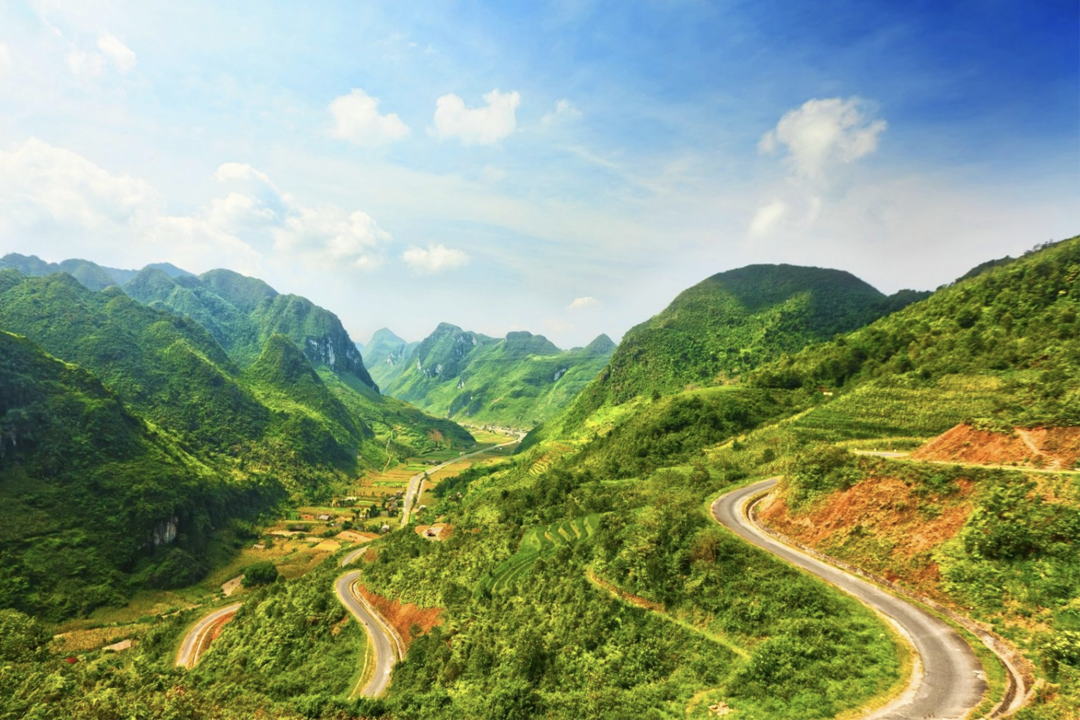
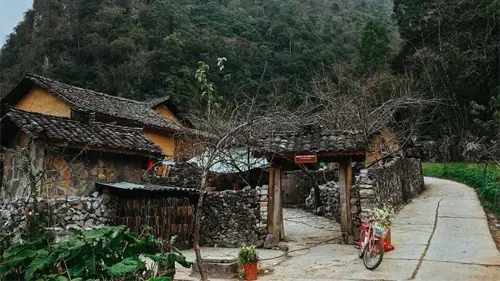
From a mechanical and safety perspective, if you are riding a semi-automatic or manual motorbike, ensure your brakes are in peak condition before attempting the descent to the river wharf. The slope is exceptionally steep. For those not comfortable on two wheels, hiring an "Easy Rider" (a professional local driver) is a high-value choice. A day trip with a professional driver typically costs around 600,000 VND ($24 USD), inclusive of fuel. This allows you to keep your eyes on the scenery rather than the road. Lastly, support the local economy by stopping at the small kiosks operated by the H'mong people along the pass. A hot cup of local corn wine or a simple snack of grilled sweet potatoes—usually costing about 20,000 VND ($0.80 USD)—is the perfect way to warm up in the thin mountain air. Always carry a light, windproof jacket, even in summer, as the temperature at the summit can be 5°C to 7°C lower than in the valleys below.