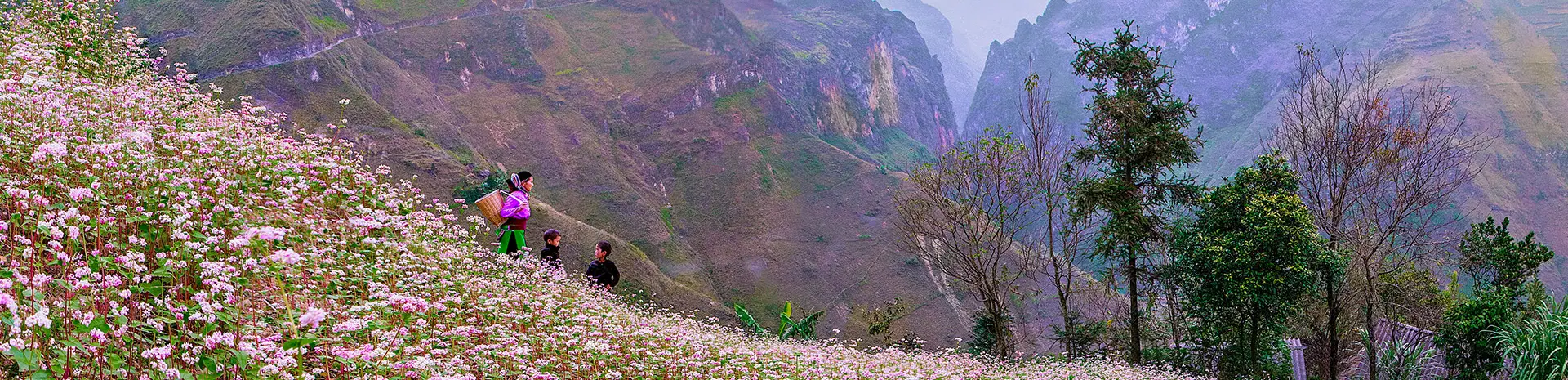
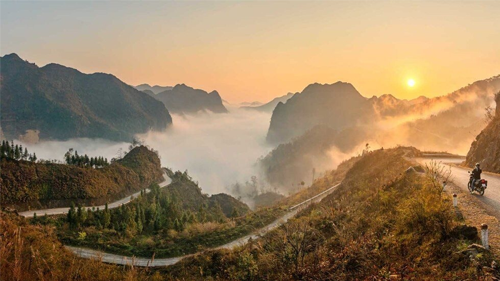
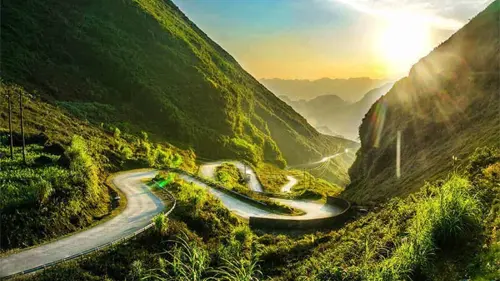
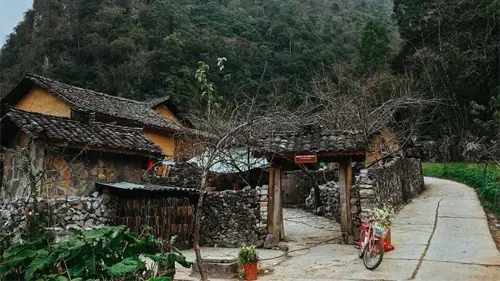
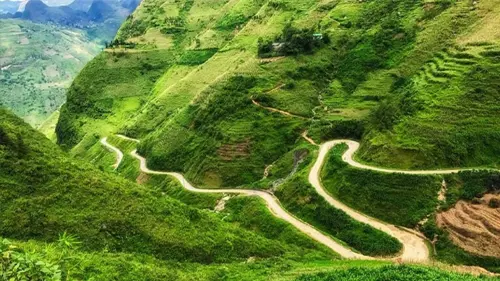
Meo Vac is a captivating highland destination nestled within the UNESCO-recognized Dong Van Karst Plateau. Following the 2025 merger of Ha Giang and Tuyen Quang provinces, Meo Vac remains the definitive gateway to the legendary Ma Pi Leng Pass and the emerald Nho Que River. Known for its stark limestone landscapes and the vibrant Sunday Market, the town serves as a cultural sanctuary for the Hmong, Lo Lo, and Tay communities. For the elite traveler in 2026, Meo Vac offers a rare blend of "Price-to-Performance" luxury, where high-end eco-lodges meet the raw, unbridled beauty of Vietnam’s northernmost frontier.
The Sunday Market: A Symphony of Culture
The Meo Vac Sunday Market is not merely a place of trade; it is the most significant social event in the region. Every Sunday morning, the town transforms into a vibrant kaleidoscope of colors as ethnic minority groups—primarily the Flower Hmong, Dao, and Tay—descend from the surrounding mountains. Unlike tourist-centric markets, Meo Vac remains authentic, a place where locals trade livestock, intricate handmade textiles, and the famous "Thang Co" stew. For the discerning visitor, wandering through the market at 7:00 AM provides an intimate look at a lifestyle that has remained largely unchanged for centuries. The atmosphere is one of festive urgency, filled with the sounds of traditional bargaining and the aroma of mountain spices.
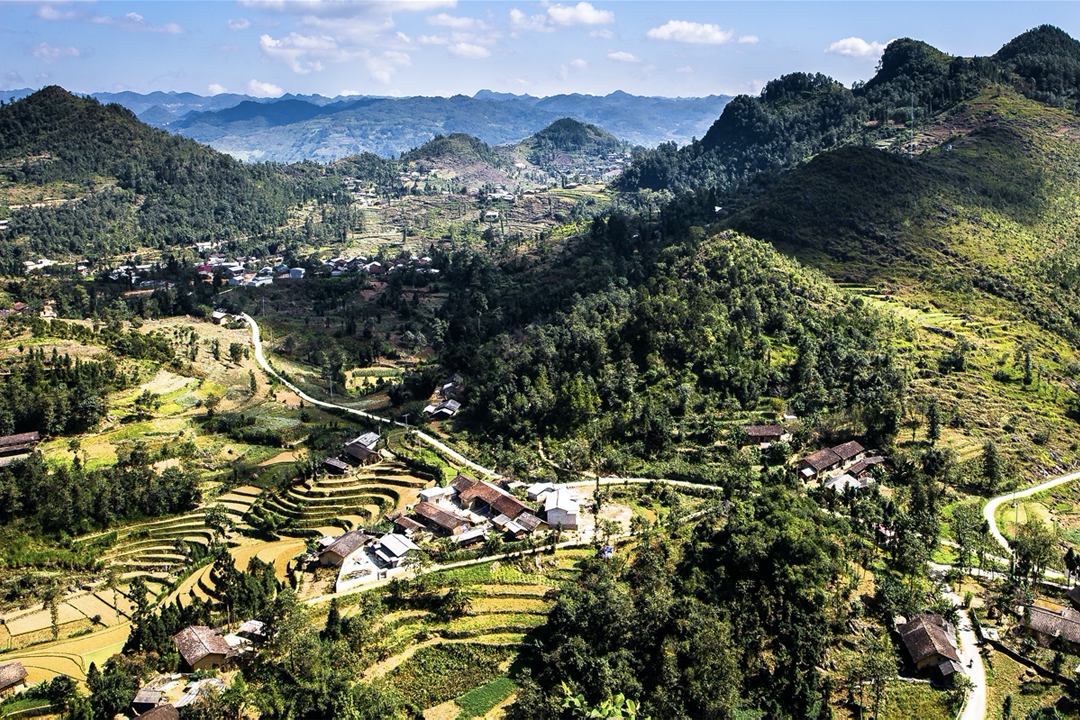
The Pavi Hmong Village Experience
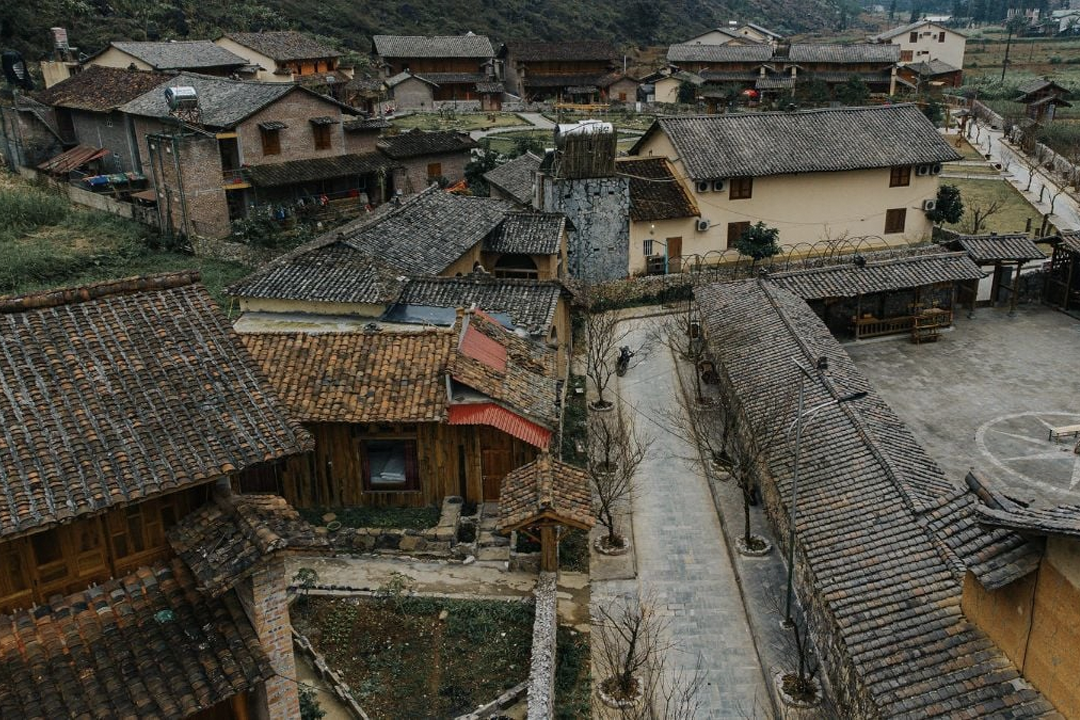
Located just a few kilometers from the town center, the Pavi Hmong Village (Meo Vac Community Cultural Tourism Village) represents the modern evolution of highland hospitality. Built with traditional "Trinh Tuong" (rammed earth) architecture, this village offers a luxurious way to immerse oneself in local life without sacrificing comfort. The honeycomb-patterned layout of the houses, nestled against the grey limestone cliffs, creates a stunning visual harmony. Staying here allows travelers to enjoy high-end amenities while participating in traditional weaving workshops or enjoying a private Hmong musical performance under the starlit mountain sky. It is the perfect strategic base for those looking to conquer the nearby Ma Pi Leng Pass at dawn.
Pro-Traveler Experience Tips
To maximize your 2026 journey to Meo Vac, prioritize your overnight logistics. While many travelers treat Meo Vac as a brief transit point, we recommend a minimum stay of two nights. This allows you to experience the "Quiet Hour"—the period just after the Sunday Market closes—when the town returns to its serene, misty roots. For the best "Price-to-Performance" ratio in accommodation, book a Premier Room at a boutique lodge in Pavi Village. These rooms typically cost between 1,500,000 VND and 2,500,000 VND ($60 - $100 USD) per night and provide a mechanical necessity for rest after the long drive from Tuyen Quang city.
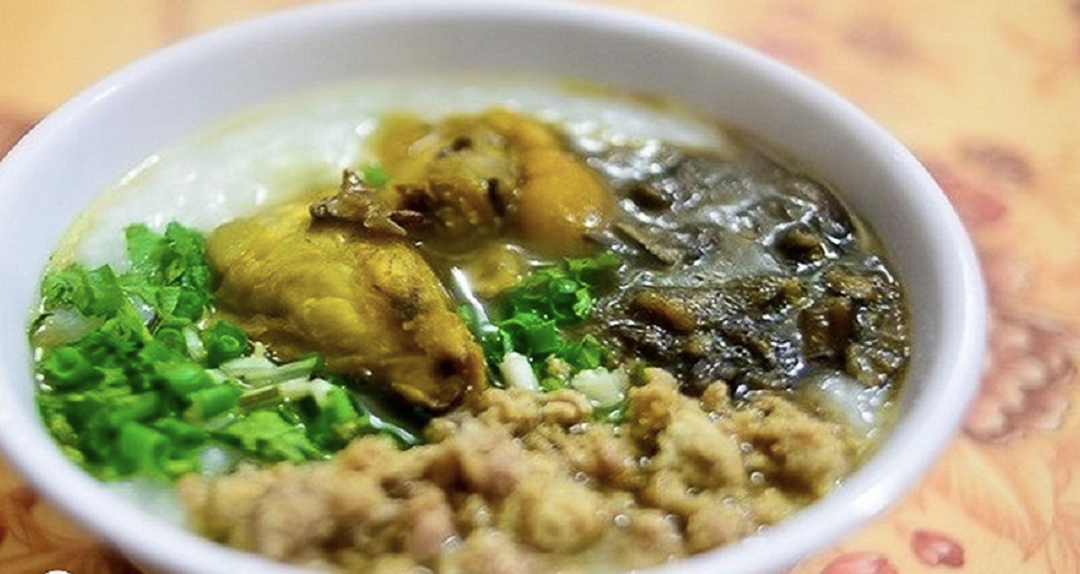
When it comes to the Sunday Market, arrive early. The most authentic cultural exchanges happen between 6:30 AM and 8:30 AM. If you wish to photograph the locals, it is a hallmark of an elegant traveler to ask for permission first or engage in a small purchase from their stall. Speaking of purchases, look for authentic hemp linens; a high-quality hand-dyed scarf will cost approximately 350,000 VND to 500,000 VND ($14 - $20 USD) and is a far superior memento than mass-produced souvenirs. Safety and comfort are non-negotiable in the highlands. For 2026, I strongly advise against self-driving motorbikes unless you are an expert. Instead, secure a Private SUV with a local driver. This ensures you can focus on the panoramic views of the "Happiness Road" rather than the treacherous hairpin turns. A professional driver also acts as an informal cultural bridge, helping you navigate local customs and finding the "hidden" viewpoints that aren't on Google Maps. Lastly, the Nho Que River boat trip is a mandatory addition. To avoid the midday crowds, take the boat at 9:00 AM. The shuttle service from the main road to the wharf costs about 30,000 VND ($1.20 USD), and a private boat charter is roughly 1,200,000 VND ($48 USD). This is the ultimate way to appreciate the Tu San Canyon's scale. After your tour, enjoy a bowl of Au Tau Porridge in town for 50,000 VND ($2 USD)—it is a local specialty known for its "medicinal" properties that soothe the body after a day of exploration.