The Last Journey of the Enlightened King
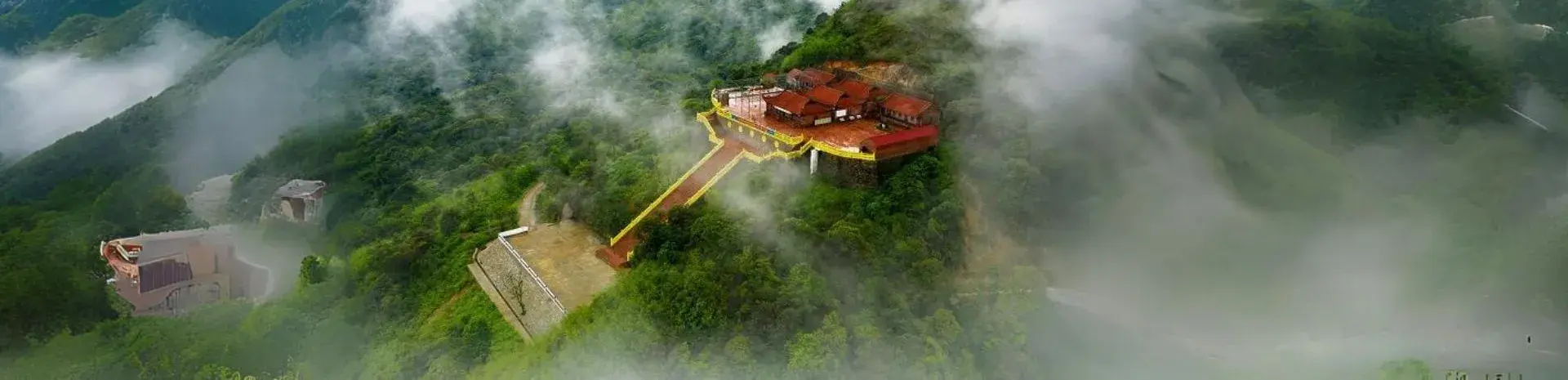
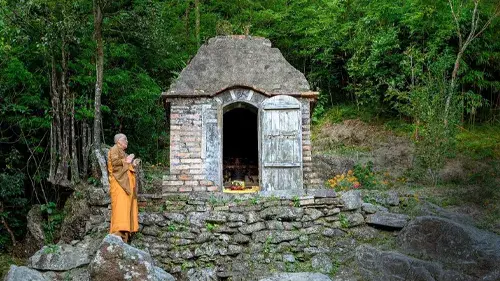
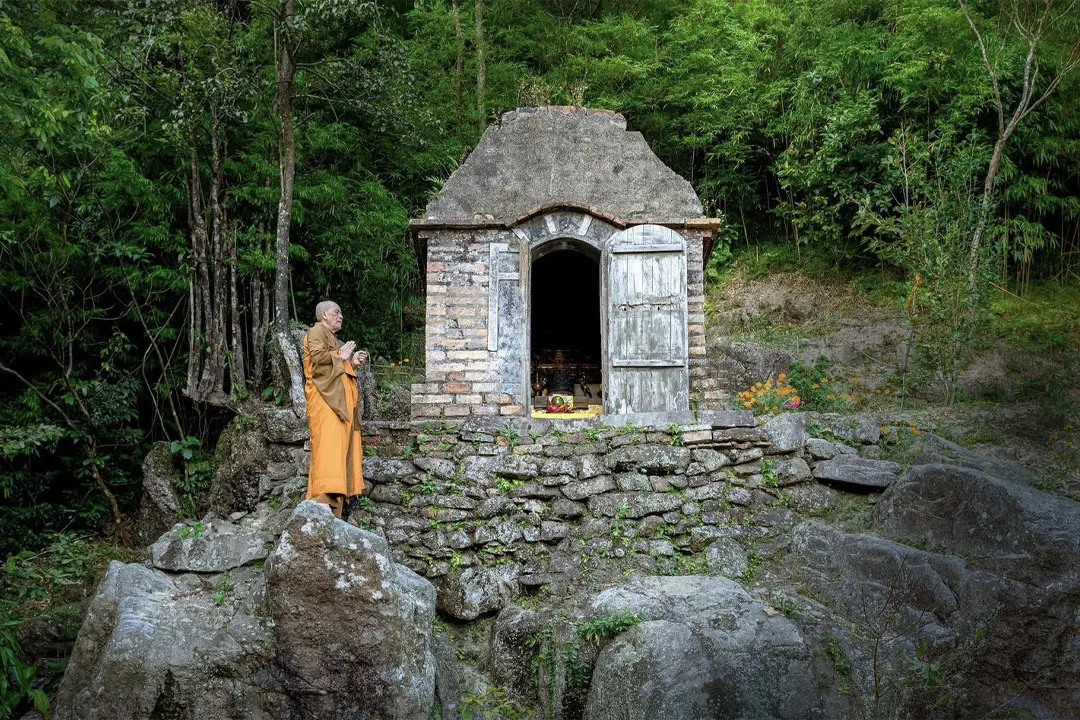
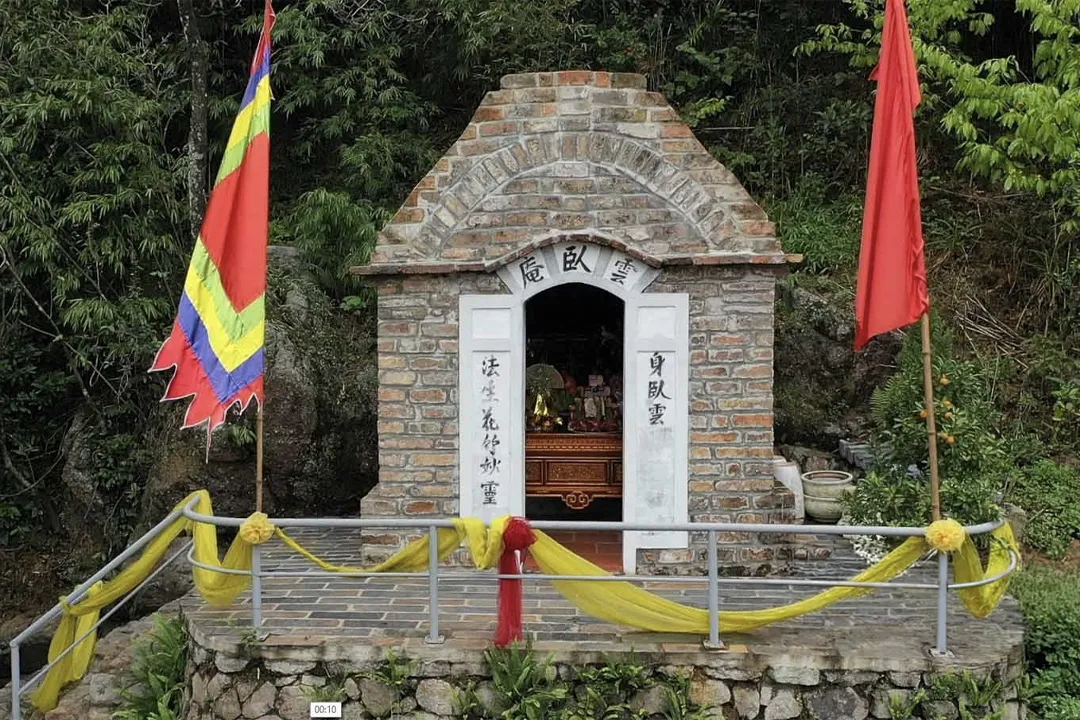
The story of Ngoa Van Am begins with one of the most extraordinary figures in Vietnamese history. King Tran Nhan Tong, the monarch who led the nation to a decisive victory against the Mongol Yuan dynasty in 1288, made an almost unthinkable choice at the height of his power. In 1293, he abdicated the throne to his son and devoted himself entirely to spiritual pursuits. For years, he studied under eminent masters before retreating to Yen Tu Mountain, where he formally established the Truc Lam Zen school—a uniquely Vietnamese synthesis of Buddhism, Taoism, and Confucianism that emphasized mindfulness within daily life and service to the nation. But even among the temples of Yen Tu, the king sought ever-deeper solitude. In the final years of his life, he withdrew to an isolated hermitage on a hidden plateau of Bao Dai Mountain: Ngoa Van Am. Here, surrounded by a handful of devoted disciples, he meditated, composed poetry, and prepared for his final transition. According to the sacred annals of the tradition, on the first day of the eleventh lunar month in 1308, the Enlightened King entered parinirvana while seated in meditation, his body becoming a bridge between this world and the luminous realms beyond.
The Golden Reclining Buddha: A National Treasure Unearthed
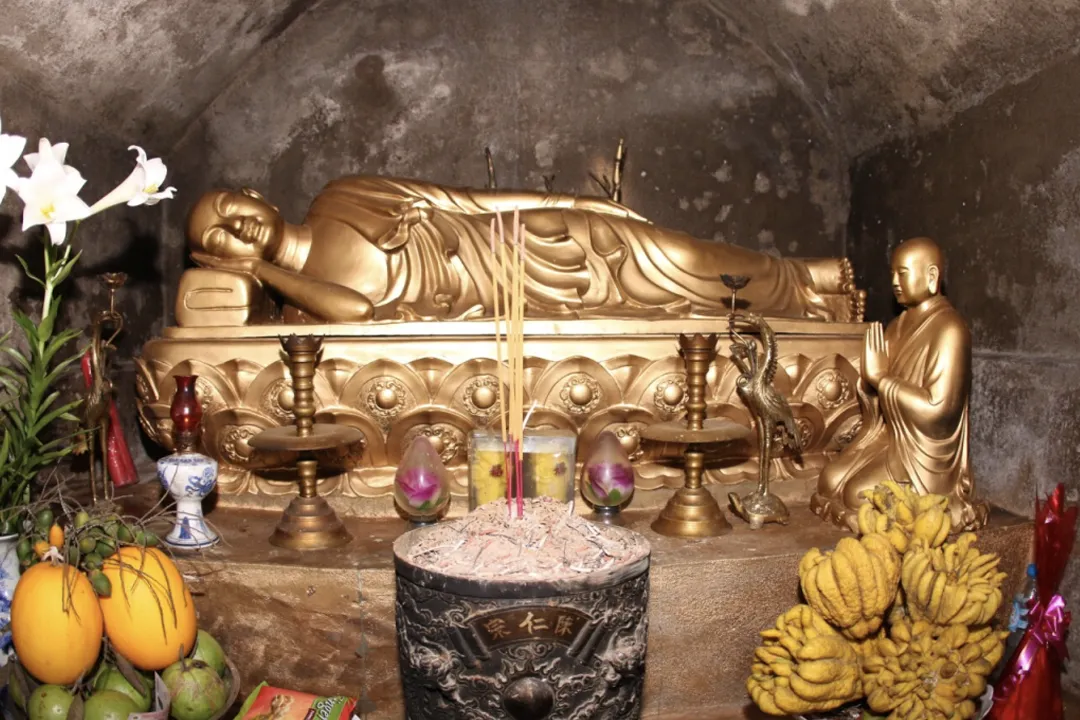
In 2019, archaeological excavations at Ngoa Van yielded a discovery that astonished the scholarly world and deepened the site’s sacred aura. Beneath the layers of soil and centuries of fallen leaves, archaeologists uncovered a reclining Buddha statue of exquisite craftsmanship. The statue, fashioned from bronze and gilded with gold, depicts the Buddha—or, according to some scholars, Tran Nhan Tong himself—in the posture of parinirvana, lying peacefully on his right side with his head resting upon his hand. The level of detail is extraordinary: the serene facial features, the flowing robes, and the subtle suggestion of a transcendent smile. Designated a National Treasure, the statue has become a focal point of veneration and a tangible link to the spiritual grandeur of the Tran Dynasty. For pilgrims and art lovers alike, standing before this luminous figure is a moment of pure awe, a direct encounter with the devotional artistry of a golden age.
The Path of Clouds: Trekking to the Hermitage
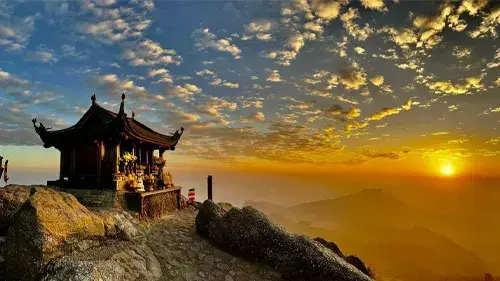
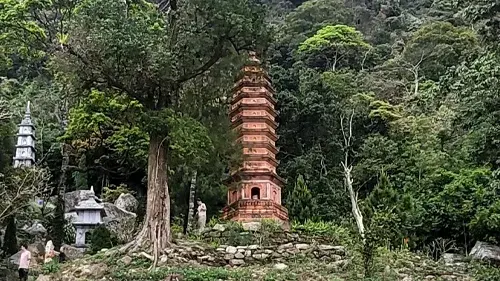
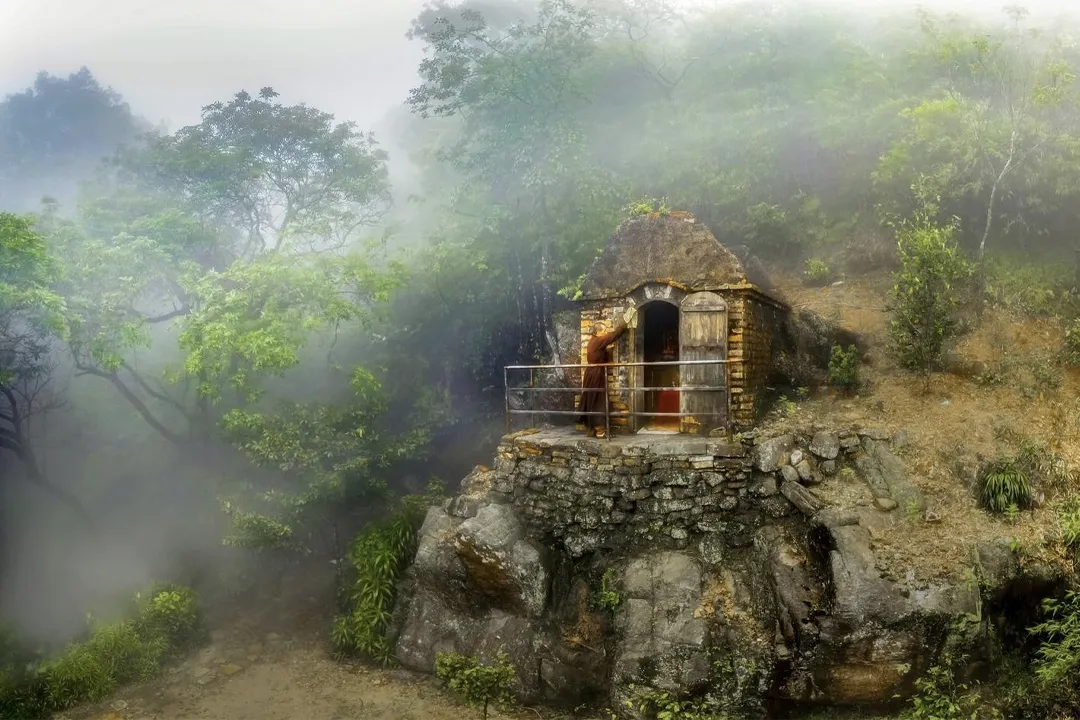
For those who wish to follow in the footsteps of the ancient monks, the traditional trekking route to Ngoa Van is a pilgrimage in itself. The trail begins at the base of the mountain, winding upward through a pristine forest of ancient hardwoods, rare orchids, and centuries-old pines. The path is well-maintained but demands a moderate level of fitness, ascending roughly 500 meters over the course of one to two hours. Along the way, pilgrims pause at small shrines and stone inscriptions that recount the life of the King-Monk and the teachings of Truc Lam. The forest changes as you climb: the humid lowland jungle gives way to a cooler, pine-scented alpine woodland, and distant peaks emerge through the mist like islands in a sea of cloud. In 2024, a state-of-the-art cable car system was inaugurated, offering a swift and breathtakingly scenic alternative that glides over the forest canopy, delivering visitors to the threshold of the hermitage in under fifteen minutes. Whether you choose the ancient footpath or the modern gondola, the journey is an essential part of the Ngoa Van experience, preparing the heart and quieting the mind for the sanctity that awaits above.
The Ngoa Van Spring Festival: A Gathering of Devotion
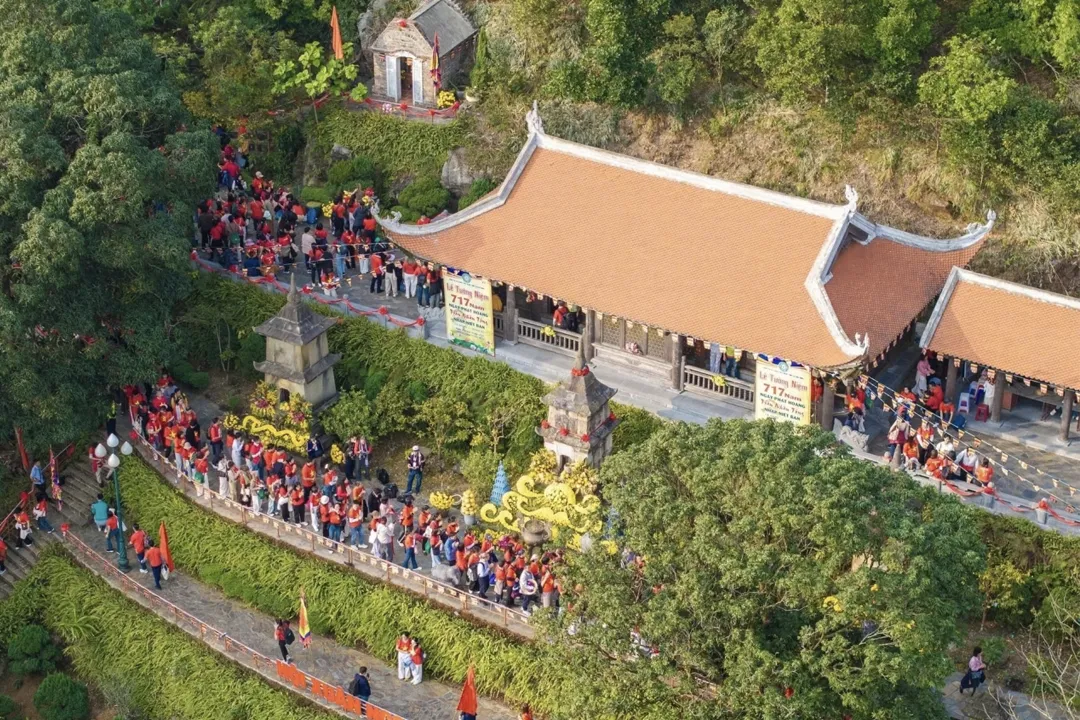
Each year, during the first lunar month, Ngoa Van Am transforms into a vibrant beacon of pilgrimage. The Ngoa Van Spring Festival draws thousands of devotees and curious travelers from across the country, who ascend the mountain to pay homage to the King-Monk and seek blessings for the new year. The air fills with the rhythmic chanting of sutras, the deep resonance of bronze bells, and the sweet fragrance of incense that curls through the pine trees. Monks in saffron robes lead solemn ceremonies at the hermitage altar, while folk performances, traditional games, and vegetarian feasts animate the lower slopes. The festival reaches its spiritual peak with the Memorial Ceremony for the Enlightened King’s parinirvana, a deeply moving ritual that reaffirms Ngoa Van’s role as the living heart of the Truc Lam tradition. For travelers, this festival offers an unmatched window into the enduring power of Vietnamese Buddhism—not as a museum piece, but as a vibrant, contemporary faith that still shapes the rhythms of community life.
A UNESCO Dream: The Chain of Sacred Mountains
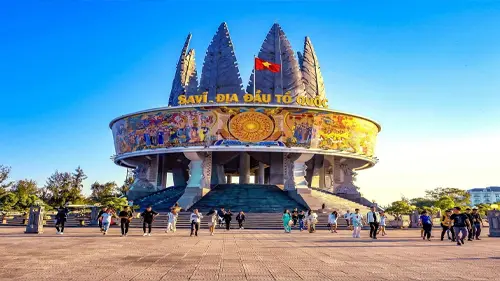
Ngoa Van Am does not exist in isolation. It is a vital link in the magnificent chain of Tran Dynasty sacred sites that stretches across Quang Ninh, Bac Giang, and Hai Duong provinces. Together with Yen Tu, Ho Thien, Quynh Lam, and Con Son Kiep Bac, Ngoa Van forms part of the Yen Tu - Vinh Nghiem - Con Son Kiep Bac Complex, a cultural landscape actively nominated for UNESCO World Heritage status. Each site represents a different facet of the Truc Lam story: Yen Tu, the founding temple where the King-Monk first established the school; Ho Thien, the elite training monastery for advanced disciples; and Ngoa Van, the ultimate hermitage of enlightenment. The planned integration of cable car systems will soon allow pilgrims to traverse this entire sacred geography in a seamless, multi-day journey, tracing the spiritual biography of a monarch who reshaped a nation’s soul. For the culturally curious traveler, exploring this network of sites is one of Southeast Asia’s most profound heritage experiences.
Pro-Traveler Experience Tips
A visit to Ngoa Van Am rewards thoughtful preparation. The site is open daily from approximately 7:00 AM to 5:30 PM, and arriving early—by 8:00 AM—ensures the most serene experience, as the morning mist still clings to the peaks and the crowds have yet to arrive. There is no entrance fee to the hermitage itself, a testament to its status as an active place of worship. However, if you choose the cable car, a round-trip adult ticket costs approximately 250,000 VND (10 USD), with discounted rates for children and seniors. Parking at the base station is well-organized, with a fee of about 10,000 VND (0.40 USD) for motorbikes and 30,000 VND (1.20 USD) for cars. A voluntary donation of 20,000–50,000 VND (0.80–2.00 USD) to the temple’s offering box is a graceful and deeply appreciated gesture.
Dress modestly and respectfully: shoulders and knees should be covered, and comfortable slip-on shoes are ideal, as you will be required to remove them before entering the inner sanctums. The mountain air at nearly 600 meters can be surprisingly cool, even in spring; a light jacket or wrap is highly recommended, especially for early-morning visits. Photography is generally permitted in outdoor areas and on the trekking paths, but always refrain from using flash near the ancient statues, the Golden Reclining Buddha, or the altar. Do not touch the stone stelae or relics, as the oils from skin can irreversibly damage their surfaces. The trekking route takes 60 to 90 minutes and requires moderate fitness; sturdy, non-slip footwear is essential, and a reusable water bottle is a must. The cable car offers a swift, 12-minute alternative with panoramic views, and many travelers choose to take the cable car up and hike down, enjoying the best of both worlds. The spring festival period (first lunar month) is the most culturally vibrant but also the busiest; for contemplative solitude, a weekday in autumn (October–November) is unparalleled. Finally, consider combining Ngoa Van with nearby Ho Thien Pagoda and the Yen Tu complex on a 2-to-3-day private car itinerary—a journey that traces the complete sacred geography of the Truc Lam founders and delivers one of Vietnam’s most spiritually enriching travel experiences.