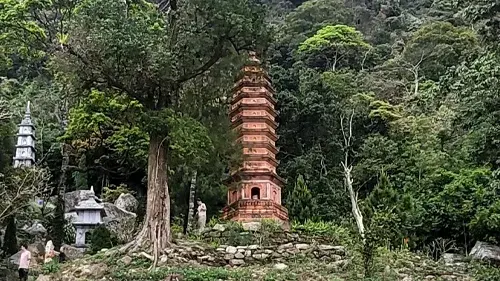
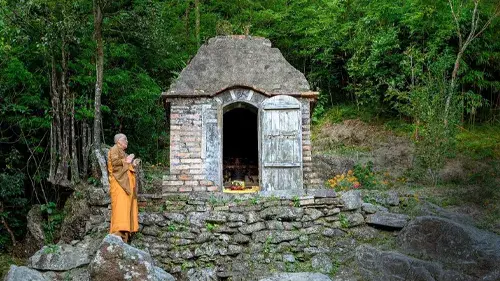
The morning mist clings to the crimson leaves of 700‑year‑old frangipani trees, and the faint sound of a temple bell echoes across the valley. From the summit, a lotus‑shaped bronze pagoda glints in the sun, while at its base, a graceful white statue of Avalokitesvara Bodhisattva stands in eternal meditation.
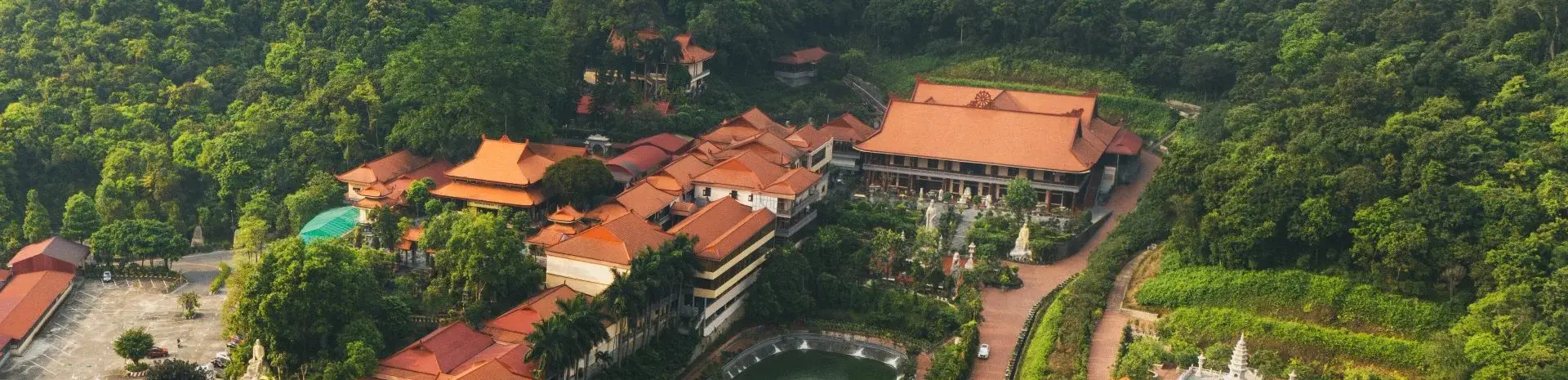
This is Truc Lam Yen Tu Zen Monastery, the sacred heart of Vietnamese Buddhism and the birthplace of the Truc Lam (Bamboo Forest) Zen sect. Located in Quang Ninh Province, just 130 kilometers northeast of Hanoi, this spiritual sanctuary was established by a king who gave up his throne to pursue enlightenment. Today, it draws pilgrims from across the country and travelers seeking a profound connection to Vietnam's ancient spiritual traditions. If you've never set foot here, here are the reasons to change that.
Overview
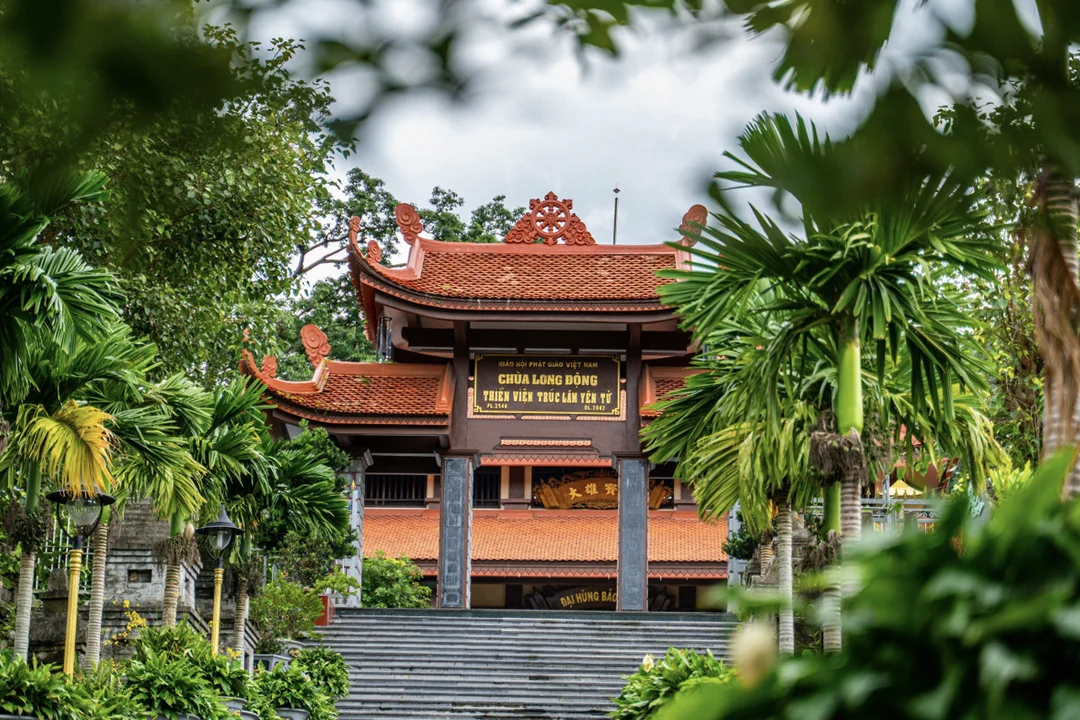
Truc Lam Yen Tu Zen Monastery is located in Thuong Yen Cong Commune, Uong Bi City, Quang Ninh Province. It sits at the foot of Yen Tu Mountain, a site revered as the capital of Vietnamese Buddhism and the fourth beatitude of Giao Chau. The monastery is approximately 130 kilometers northeast of Hanoi, a 2.5‑ to 3‑hour drive, and just 50 kilometers from the world‑famous Ha Long Bay.
It is called Lan Pagoda (Kylin Pagoda) because it is situated on a mountain shaped like a prostrating Kylin, thus taking its name from the mountain's contour. The pagoda's formal name is "Long Dong" (Dragon Cave). Legend has it that on his way to Yen Tu, Retired Emperor Tran Nhan Tong and his disciple Bao Sai stayed overnight here. That night, the King dreamed of riding a golden dragon into a beautiful cave, which featured a sparkling lake full of blooming, fragrant lotus flowers. Upon waking, the King recounted the dream to Bao Sai and named Lan Pagoda as Dragon Cave Pagoda (Long Dong Tu in Sino-Vietnamese).
The ancient pagoda was built during the Tran Dynasty (the foundation vestiges of the old pagoda still remain in front of the Main Hall – Dai Hung Bao Dien). It had a massive, magnificent scale and was one of the two centers of Yen Tu: Long Dong and Van Yen. The pagoda was the place of practice and Dharma propagation for the Three Patriarchs of Truc Lam before they moved to the Van Yen center. A folk saying goes: "The alley of Lan Pagoda, the courtyard of Muong Pagoda, the rice fields of Quynh Pagoda," referring to the three grandest landmarks during the flourishing period of the Truc Lam Zen sect.
During the resistance war against the French, the pagoda served as a revolutionary base and was destroyed by the enemy. Local people later rebuilt it on the old foundation on a smaller scale. After several restorations, in 2002, Most Venerable Thich Thanh Tu and Buddhist followers from all over made merit to rebuild Lan Pagoda – Truc Lam Yen Tu Zen Monastery on a 23.7-hectare campus with three main functions:
- A center for Zen practice: Guiding monks, nuns, and Buddhists in meditation according to the Truc Lam Zen sect.
- A research and preservation hub: Studying and conserving documents and cultural publications related to Yen Tu and the Truc Lam Zen sect.
- A spiritual destination: Serving sightseeing and Buddhist pilgrimages for visitors from all directions.
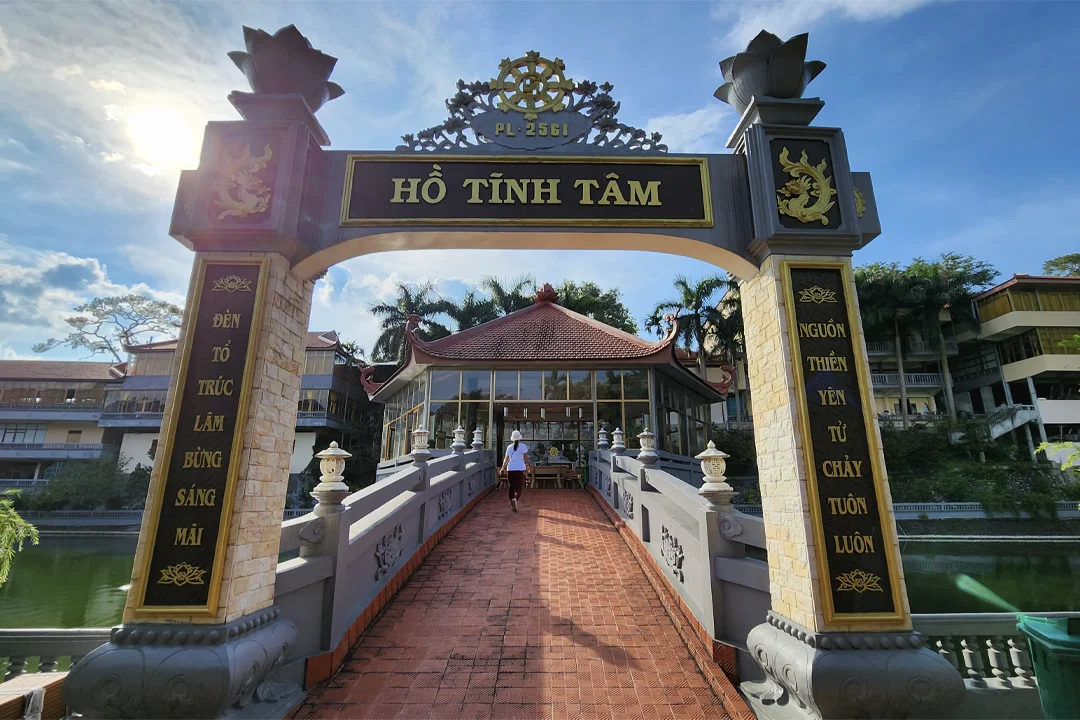
The complex includes main areas such as the Main Hall (Dai Hung Bao Dien), the Patriarch House, the Meditation Hall, the Arhat Hall, the Dining Hall (Trai Duong), the Dharma Hall (Chanh Phap Duong), and Tinh Tam Lake (Lake of Tranquility)…
Highlights
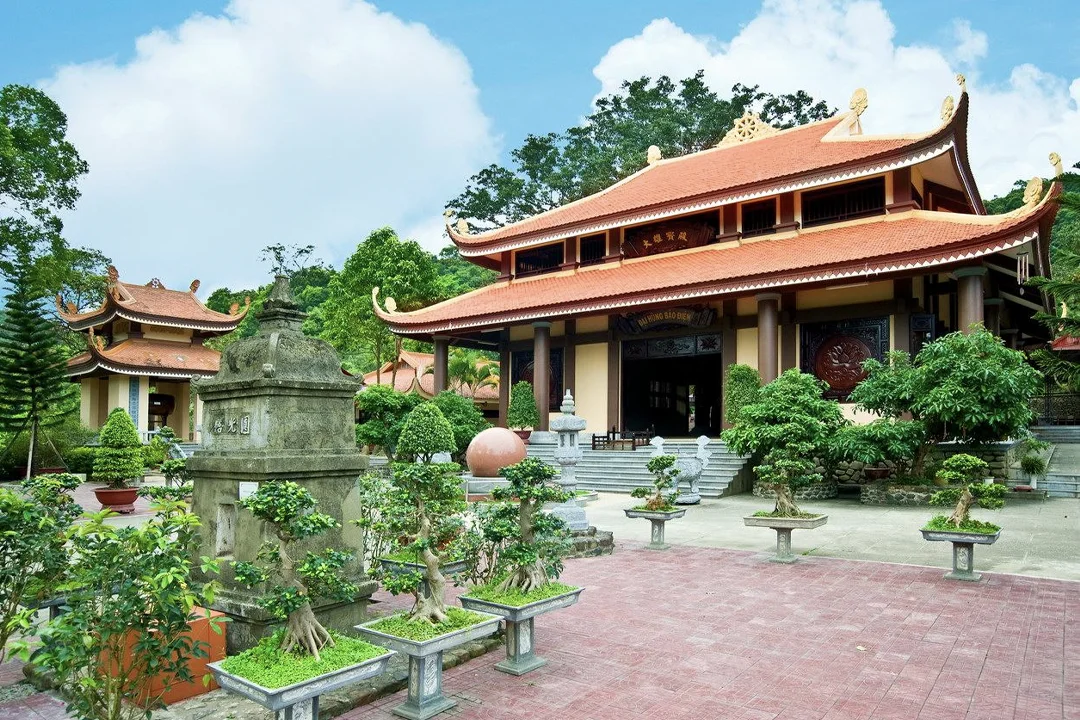
The monastery itself, also known as Lan Pagoda or Long Dong Pagoda, was built in 1293 by King Tran Nhan Tong as his place of monastic practice and sermonizing. The architecture follows traditional Vietnamese Zen style, divided into inner and outer courtyards. The main hall features a serene statue of Shakyamuni Buddha, flanked by graceful carvings of dragons, clouds, and lotus flowers. Inside, a 1.1‑ton bronze bell inscribed with Buddhist scriptures hangs from the steeple.
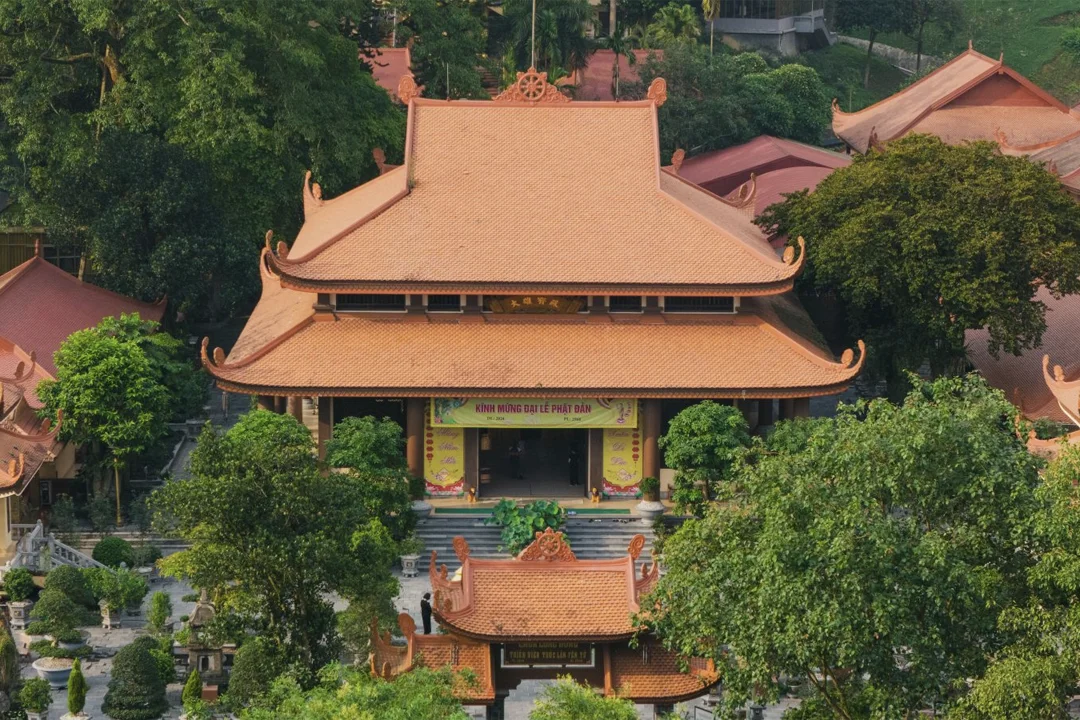
Behind the main hall is the Truc Lam Palace, a grand structure designed to host major Buddhist events and ceremonies. Completed in 2018 at a cost of $8.6 million, the palace honors the three patriarchs of Truc Lam Buddhism: Tran Nhan Tong, Phap Loa, and Huyen Quang. Its high, wide interior combines traditional Vietnamese elements with modern functionality, creating a space that feels both sacred and welcoming.
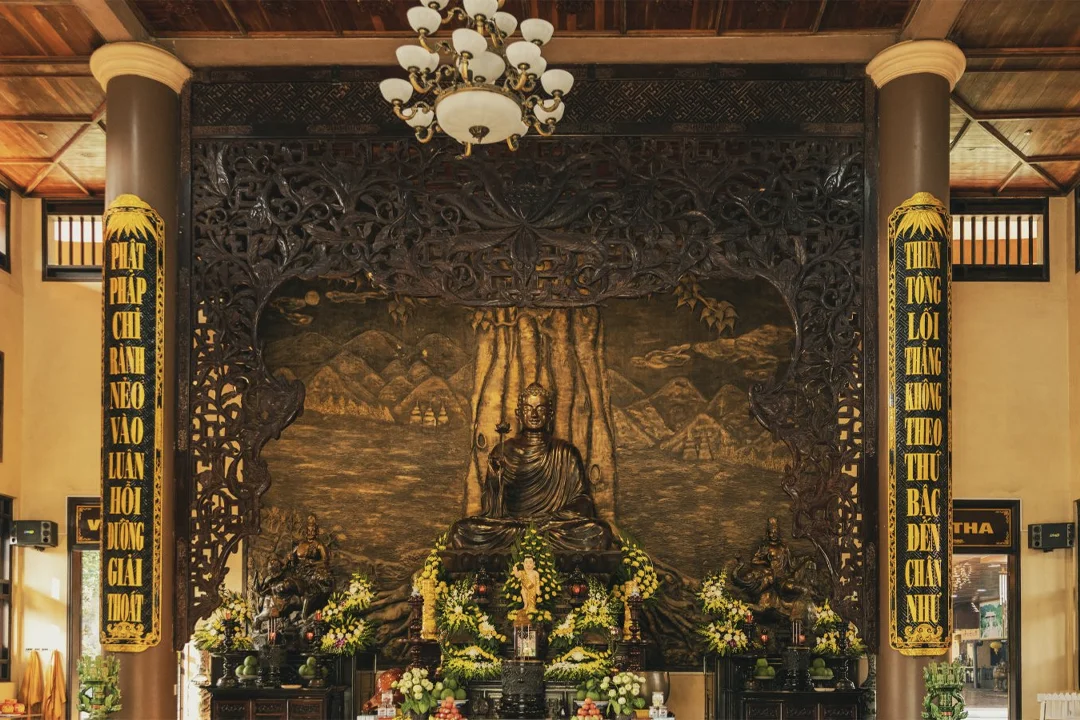
Besides the Main Hall, Truc Lam Yen Tu Zen Monastery also possesses a rich system of architectural works, contributing to a harmonious and solemn spiritual space. Most prominent are the Drum Tower and the Bell Tower, symmetrically arranged on both sides of the main hall, clearly reflecting the philosophy of balance in Buddhist architecture. Within the monastery's campus, there are currently three ancient stupas, which both hold historical value and enhance the contemplative and venerable beauty of the entire complex.
In front of the main hall is the Vien Minh Stupa, and behind it are the Patriarch House and Tinh Quang Stupa—structures closely associated with the monastic life of the Truc Lam Zen sect. The Patriarch House is the place of worship for the founding patriarchs, while the stupas preserve the relics of high-ranking monks, carrying profound meanings of remembrance and gratitude. In particular, standing out in the middle of the monastery's courtyard is an ancient banyan tree over 700 years old, regarded as a historical witness and a symbol of the enduring and everlasting nature of Vietnamese Buddhism on the sacred Yen Tu mountain.
Major Events and Prominent Spiritual Festivals
During every festival season, Truc Lam Yen Tu Zen Monastery becomes a destination for tens of thousands of Buddhists from various places. The Yen Tu Festival, held from the 10th day of the first lunar month to the end of the third lunar month, attracts a massive crowd of people who come to pay their respects. On full moon days, especially the first full moon of the year, the pagoda's grounds become solemn with many rituals praying for peace, blessings, and academic success. Occasions like Buddha's Birthday (Vesak) and the Vu Lan Festival (Ullambana) are also solemnly celebrated with the participation of a large number of Buddhists. These are not only profoundly spiritual occasions but also provide opportunities for tourists to explore the unique features of Vietnamese Buddhist culture as well as the spirit of the Truc Lam Zen sect.
Practical Tips & Notes
Planning a trip to the Yen Tu Zen Monastery is ideal during the spring months of January through March, which feature the deeply moving Yen Tu Festival and pleasant weather, or during autumn from September to November for cooler temperatures and beautifully clear skies. If you plan to visit during the busy spring festival, arriving early—ideally before 9:00 AM—allows you to experience the grounds at their most peaceful while avoiding long lines at the ticket booths. For an independent solo traveler, a day trip is highly affordable at approximately 630,000 VND (25 USD), covering a standard motorbike rental ($100,000$ VND), round-trip fuel ($30,000$ VND), a local lunch ($150,000$ VND), and a round-trip cable car ticket ($350,000$ VND). Taking the cable car is highly recommended to save energy, as the alternative is a grueling four-to-six-hour hike to the summit. Because small local vendors, market stalls, and the traditional donation boxes do not accept cards, carrying physical cash is an absolute necessity.
When packing for the mountain journey, prioritizing both physical comfort and cultural respect is essential. You should wear modest clothing that fully covers your shoulders and knees out of respect for this active pilgrimage site, along with sturdy, comfortable walking shoes to handle the many stone steps. Additionally, bring along sunscreen, a hat, a camera, and a light jacket to keep warm against the cooler mountain air at higher elevations. Finally, practicing proper cultural etiquette ensures a respectful visit for everyone: speak quietly in the temple halls, remove your hat before entering any of the main sanctuaries, and strictly refrain from climbing on sacred statues or ancient stone stupas.
Suggested multi‑point one‑day itinerary:
- Morning (7:30 – 9:30): Explore Truc Lam Yen Tu Monastery, the main hall, and the Avalokitesvara Statue.
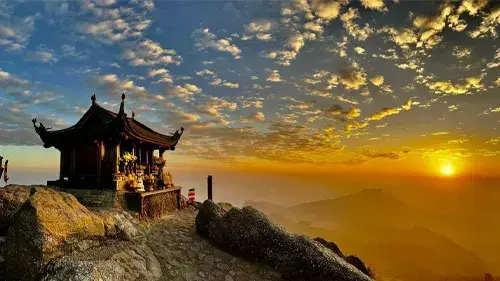
- Late morning (9:30 – 11:30): Take the cable car to Hoa Yen Pagoda; admire the 700‑year‑old frangipani trees and the Tower Garden.
- Lunch (11:30 – 12:30): Enjoy a vegetarian meal at the monastery canteen.
- Afternoon (12:30 – 15:30): Hike or take the second cable car segment to Dong Pagoda at the summit.
- Late afternoon (15:30 – 17:00): Return to the base, visit the souvenir village, and drive 30 minutes to Ha Long Bay for a sunset cruise.