Da Nang to Hoi An, My Son & Ba Na Hills: Best Way to Get Around Central Vietnam
Overview
In 2026, Da Nang has solidified its reputation as the most livable city in Vietnam and the absolute best "base camp" for exploring the country's cultural heart. Whether you are a solo adventurer, a family, or a digital nomad, this coastal city offers the perfect blend of modern convenience and ancient charm.
Da Nang - The Perfect Base in Central Vietnam
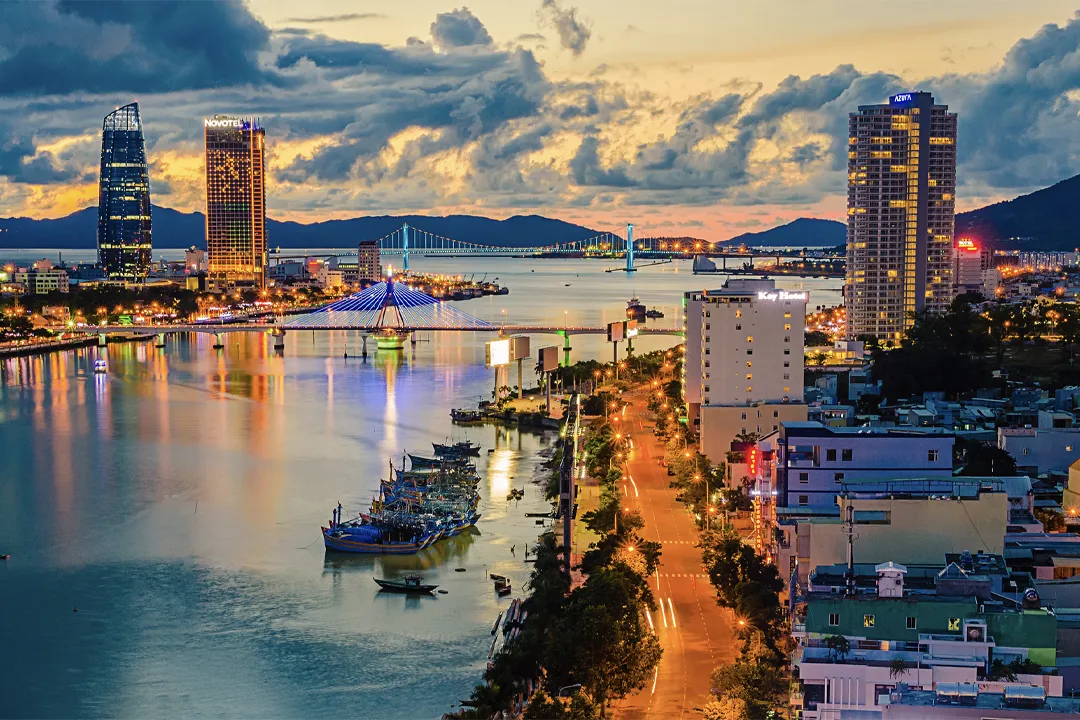
Da Nang’s greatest asset is its strategic central location. Nestled between the mountains and the sea, it acts as the geographic pivot point between three major UNESCO World Heritage Sites.
- Connectivity: Da Nang International Airport is just 10 minutes from the city center, offering seamless connections to Hanoi, Ho Chi Minh City, and major Asian hubs.
- Lifestyle: Between the sprawling My Khe Beach and the legendary food scene (famous for Mi Quang and fresh seafood), you have world-class amenities at your fingertips.
- The "Golden Window": We recommend basing yourself here for 3 to 5 days. This allows you to explore the city’s Dragon Bridge and Marble Mountains while leaving ample time for essential day trips.
Ba Na Hills - The Golden Bridge
.webp)
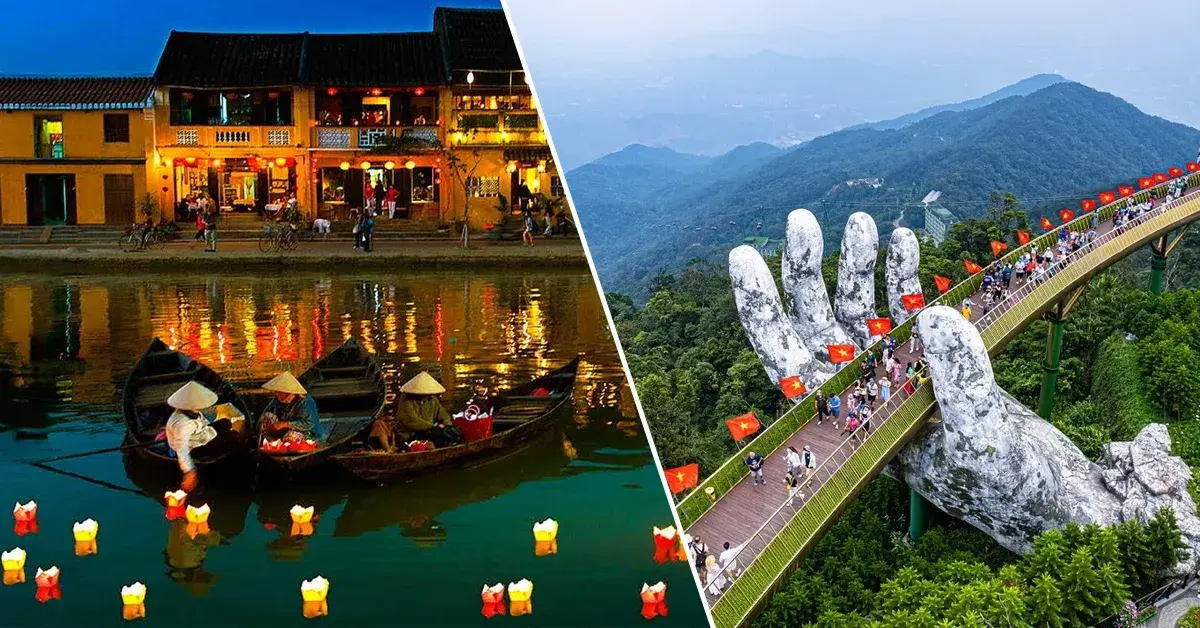
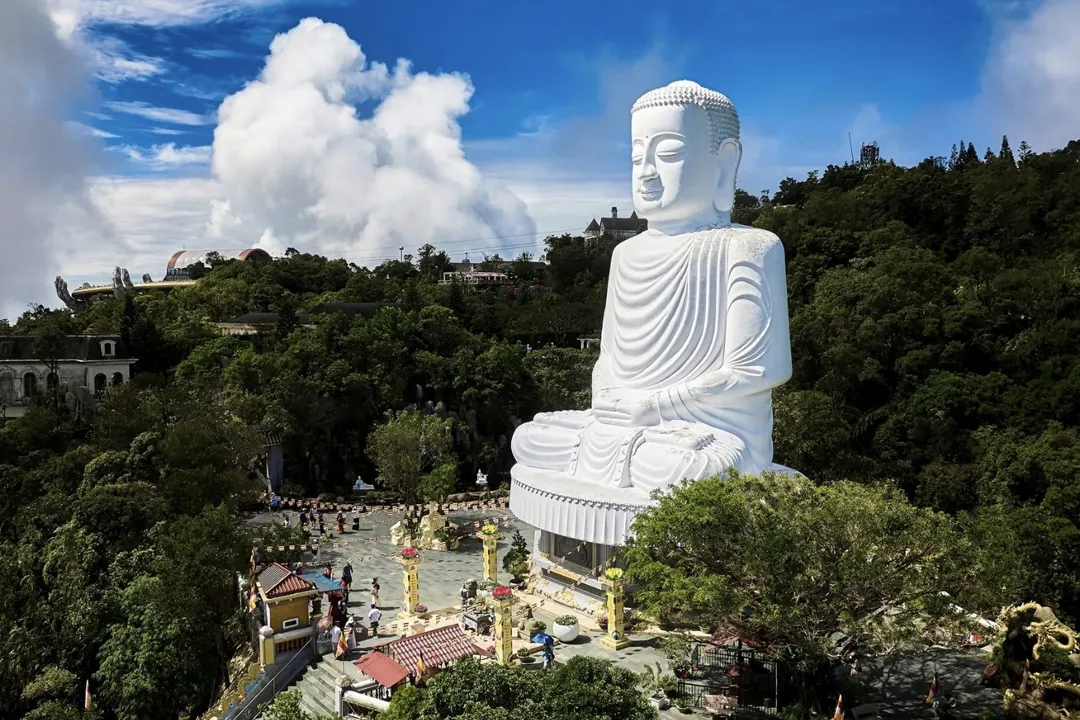
Perched 1,487 meters above sea level, Ba Na Hills is a high-altitude Sun World resort that feels like a slice of Europe dropped into the tropical mountains of Vietnam, featuring a sprawling French Village, a record-breaking cable car system, and the world-famous Golden Bridge (Cau Vang);where two giant stone hands emerge from the mountainside to hold a shimmering golden thread. The resort is about 40 km (1 hour) from Da Nang city center, with tickets costing approximately 900,000 VND (including the cable car) and operating hours from 8:00 AM to 10:00 PM.
We recommend you arrive by 7:30 AM to catch the first cable car of the morning;this is the only way to photograph the Golden Bridge before the mid-morning tour groups arrive.
Enjoy a direct, round-way private transfer between Da Nang to Ba Na Hills by our Da Nang to Ba Na Hills private car transfer serivce. Check now!
Hoi An Ancient Town
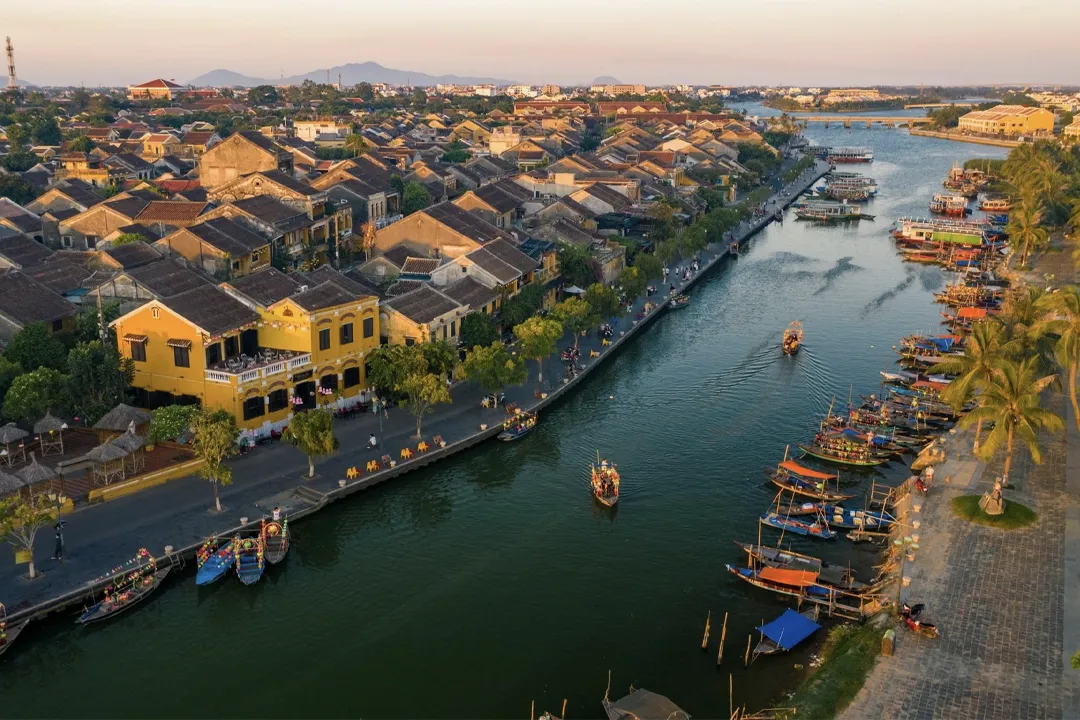
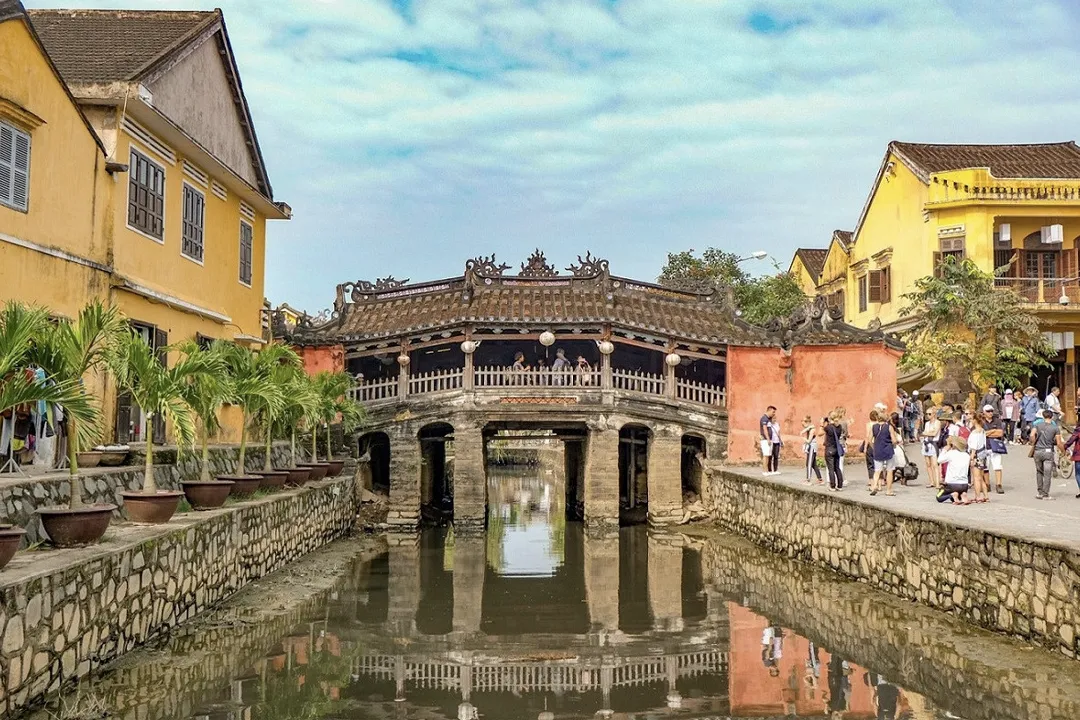
A UNESCO World Heritage Site, Hoi An is an exceptionally well-preserved example of a Southeast Asian trading port dating from the 15th to the 19th century, known for its yellow-walled merchant houses, tailor shops that can craft a suit in 24 hours, and the iconic Japanese Covered Bridge. Located just a short 30 km (45 minutes) drive south of Da Nang, the town offers top activities such as wandering the lantern-lit streets after 6:00 PM, taking a basket boat tour in the Cam Thanh coconut forest, and visiting Tra Que Vegetable Village for an organic farming experience.
The town's historical significance is deeply rooted in its role as a thriving trading port from the 15th to the 20th century. During this period, Hoi An Ancient Town served as a vital hub for commerce, connecting European merchants with their Asian counterparts. Traders from China, Japan, and Portugal left their indelible marks on the town through a diverse array of architectural patterns. Recognizing the exceptional value of Hoi An Old Town, UNESCO designated it as a World Cultural Heritage site in 1999. This recognition underscores the town's status as a living museum, showcasing a wide range of construction designs and urban lifestyles from around the world. Today, Hoi An Old Town has managed to retain its original charm and character, thanks to dedicated conservation efforts. Strict regulations and guidelines have been implemented to ensure that any restoration work or new constructions maintain the town's pure and oriental medieval style. This commitment to preservation has allowed visitors to experience the ambiance of a bygone era and gain insight into the historical significance of the town. Wandering through Hoi An Old Town, visitors will encounter an array of well-preserved structures, including ancient houses, assembly halls, pagodas, and temples.
The best time to visit is late afternoon;arrive around 4:00 PM to see the town in daylight, then stay for the spectacular lantern transformation at night.
Still wondering how to get from Da Nang to Hoi An? Check out A21 Tours' private car transfer service from Da Nang airport to Hoi An or from Da Nang to Hoi An!
My Son Sanctuary
.webp)
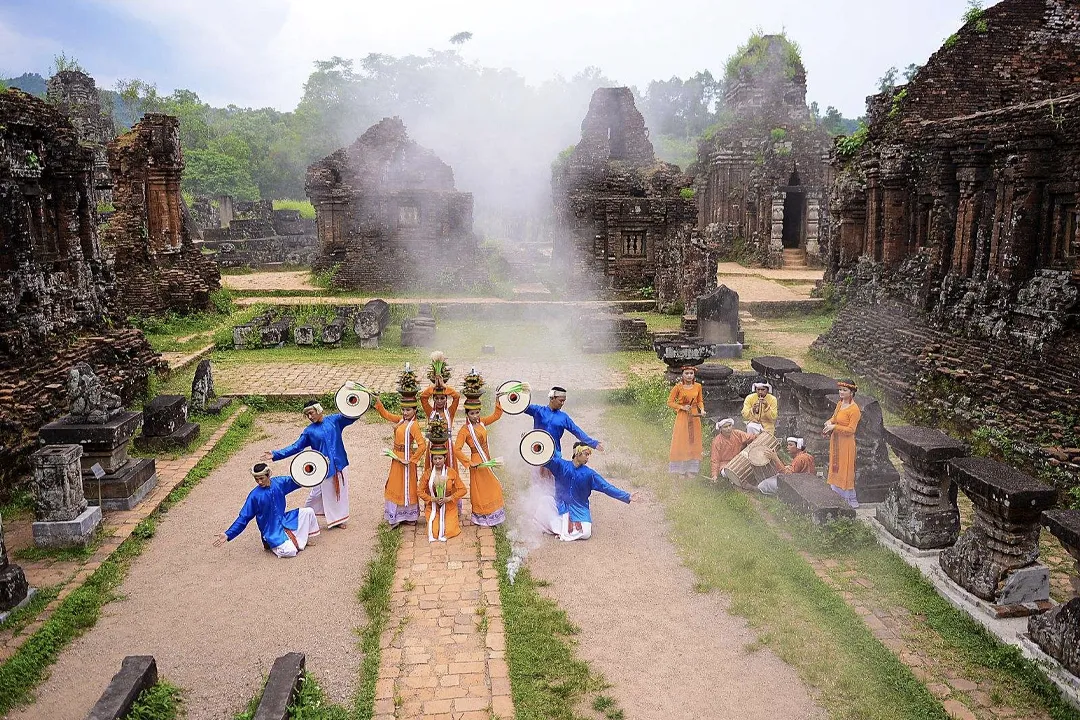
For history enthusiasts, My Son Sanctuary is an essential pilgrimage—it served as the religious and political capital of the Champa Kingdom between the 4th and 13th centuries—offering a cluster of partially ruined Hindu temples constructed from red brick and sandstone, a testament to the sophisticated engineering of the Cham people. Located approximately 70 km (1.5 hours) from Da Nang, what sets My Son Sanctuary apart from other archaeological sites like Angkor Wat in Cambodia or Bagan in Myanmar is the unique construction technique used by the Cham people. Each structure was built layer by layer using red bricks decorated with intricate carvings. Questions about the methods used by the Cham builders remain unanswered to this day, including how they fired the bricks, how they stuck them together and when in the process the decorative carvings were made. Nevertheless, the temples have stood the test of time and now represent a beautifully restored relic of the Cham civilisation. For luxury travellers seeking enriching cultural experiences, My Son Sanctuary offers an ideal blend of ancient history and natural beauty.
Tickets cost around $5.70USD (~150,000 VND), and hiring a site guide is highly recommended to understand the complex symbolism of the carvings. Because My Son sits southwest of the city, many travelers combine it with an afternoon in Hoi An for a full "heritage" day.
Looking for a quick and easy way to travel from Hoi An to My Son by private car? Check out A21 Tours' private car transfer here!
Combining Day Trips and Sample Itineraries
If you are short on time, strategic planning is key. Below is a suggested itinerary to give you more options for your trip.
1-day itinerary
Morning: Da Nang - My Son Sanctury
- 07:30 - 08:30: Depart for My Son - Quang Nam, beginning your one-day My Son Sanctuary tour from Da Nang.
- 09:30: Arrive to My Son Sanctury. Explore the unique architecture of My Son, enjoy a spectacular Champa dance and music performance. Visit the Tra Kieu Holy Mother Center: This place was built on the foundations of the ancient Lion City of the Champa people.
- 11:30: Have lunch at a local restaurant and enjoy the characteristic cuisine of Quang Nam region.
Afternoon: Hoi An Ancient Town - Da Nang
- 13:30: Travels to Hội An Ancient Town to begin exploring this World Heritage site, with highlights including the Japanese Bridge—a unique symbol of Hội An with its distinctive architecture—the Sa Huỳnh Cultural Museum, which houses many valuable artifacts of the Sa Huỳnh culture, hundred-year-old houses that reveal the history and unique architecture of Hội An, the Phúc Kiến Assembly Hall, a beautiful architectural work rich with historical stories, and handicraft workshops where visitors can enjoy traditional Vietnamese music and shop for unique souvenirs.
- 16:00: Back to the original pick-up point in Da Nang.
3-Days itinerary
Day 1: Da Nang Airport - Ba Na Hills - Da Nang
- 07:30 – 08:00: Depart from airport to for the most famous tourist area in Central Vietnam - Sun World Ba Na Hills with many record-breaking structures and magical scenery.
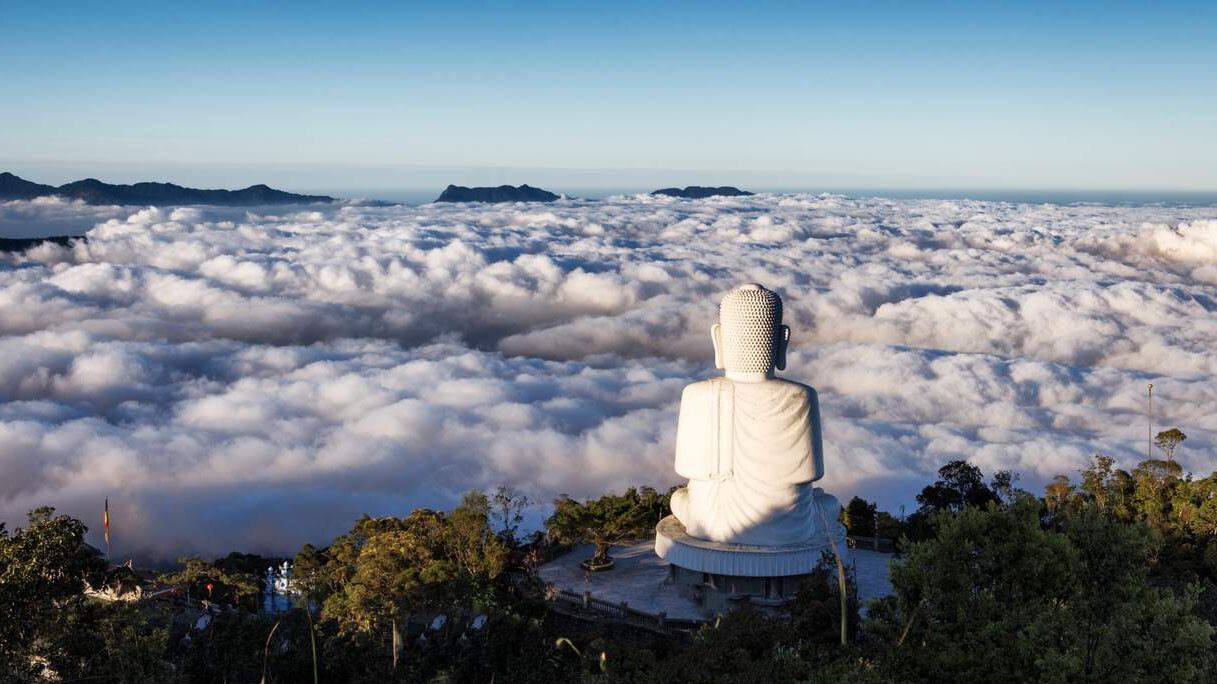
- 9:00: Arrive at the foot of the mountain, check in at the Time Gate. Experience the cable car—ranked among the Top 11 most amazing cable car routes in the world by The Telegraph—to reach Bà Nà Hills, where you can take photos at the Golden Bridge (also known as the Hand Bridge) suspended in mid-air. Then, check in at Le Jardin flower garden with its many unique miniature landscapes, Linh Ứng Pagoda 2 (part of the chain of three Linh Ứng pagodas in Đà Nẵng), and the 27-meter-high Buddha statue. Stroll along Carnival Street, admiring two magnificent buildings and colorful festival-themed games, then travel on the No. 2 mountain railway to enjoy the majestic scenery before entering Moon Castle—the capital of the magical kingdom—where you can discover mysteries. Experience modern virtual reality technology at the Airship "Flying Eyes" cinema, viewing the Moon Kingdom from a completely new perspective, and enjoy the world-class themed show "Battle in the Moonlight Kingdom." Explore the world of art at the Sun God Waterfall—a unique structure in Vietnam from Frilli Gallery—and finally, participate in over 100 free games at Fantasy Park along with the super-speed waterslide.
- 12:00: Enjoy a 70-item buffet lunch at a luxurious restaurant.
- 15:00: The group gathers to descend the cable car. 3:45 PM - 4:00 PM: The bus departs back to the city.
- 17:00: Arrive back in Da Nang.
- 19:00: Dinner at a restaurant.
Day 2: My Khe Beach - My Son Sanctuary - Hoi An Old Town
- 06:30: Watch the sunrise at My Khe Beach. Afterthat, take a breakfast before depart for My Son Sanctuary
- 08:00: Depart for My Son Sanctuary, considered one of the main Hindu temple centers in Southeast Asia and the only heritage site of this type in Vietnam. It was also a cultural and religious center of the Champa dynasties and the burial place of powerful kings and priests.
- 09:00: Arrive at My Son Sanctuary. Guests will watch an Apsara dance performance, a reenactment of the famous Champa dance (if available).
- 10:30: After the performance, guests will admire a complex of towers nestled in a valley approximately 2km long, with the main tower (Kalan) and surrounding smaller towers.
- 12:00: Lunch: Enjoy the local specialty, Cau Mong roasted veal (located in Vinh Dien town, 30km south of Da Nang). Rest at the restaurant.
- 14:00: Depart for Hoi An, check into the hotel and rest.
- 16:00: Begin your tour of Hoi An Old Town, the most beautiful lantern street at night, with a distinct traditional style. During the tour, you will have the opportunity to visit the Japanese Bridge, built in the early 17th century, a unique and beloved symbol of Hoi An. Afterward, you will visit two of the following places: the Guangdong Assembly Hall, the Fujian Assembly Hall, Tan Ky Old House, or Phung Hung Old House.
- 19:00: Take a dinner at a restaurant and enjoys Hoi An specialties. Free time for shopping and strolling through the Old Town at night.
Day 3: Hoi An - Son Tra Peninsula - Airport/Train Station
- 08:00: Watch the sunrise at Cua Dai beach. Visit the traditional market or local eateries to enjoy a traditional breakfast.
- 11:00 AM: Check out of the hotel and depart for Da Nang.
- 12:00: Have lunch at a restaurant.
- 13:00: The group departs to visit Son Tra Peninsula, located about 10km from the center of Da Nang. Son Tra Peninsula is part of the Truong Son mountain range connecting to the mainland and is one of Da Nang's most beautiful scenic spots. Afterthat, you can rent a car to go shopping at the local markets.
- 15:00: Transfer to the airport or train station.

Pro-Traveler Tips
Choose the right mode of transportation
With the suggested itinerary above, you can flexibly change your mode of transportation to suit your needs. Generally, you can choose to buy shuttle bus ticket to travel from Da Nang to Hoi An and vice versa. This option meets the needs of most customers with advantages such as: hotel pick-up and drop-off service, fast travel time, and cost-effectiveness
Of course, for travelers who prioritize convenience and privacy, choosing a private car is still a good option. With the advantage of being able to change the time and locations in the itinerary according to personal preferences, the travel will be highly personalized, helping you have a more optimal travel experience. You might also consider popular ride-hailing apps like Grab Taxi; however, be aware of potential problems during your journey (most drivers don't speak English, there might be fake drivers, etc.).
Below is a comparison table between limousines, local buses, and private cars for your reference:
| Criteria | Private Car (Pre-booked) | Grab / Taxi | Shuttle Bus / Tour Bus | Motorbike (Rental) |
| Travel Time | 45 – 50 mins | 45 – 50 mins | 60 – 75 mins | 60 mins |
| Flexibility | High: Pick your own time and door-to-door stop. | High: On-demand via app or street hail. | Low: Fixed departure times and pick-up points. | Maximum: Total freedom to stop at beaches/cafes. |
| Est. Price (USD) | $10 – $14 | $14 – $20 | $5 – $7 | $5 – $6 |
| Target Profile | Families, groups, or those seeking a seamless "VIP" feel. | Last-minute travelers or those without a set schedule. | Solo backpackers and budget-conscious travelers. | Adventurers and young travelers wanting a scenic ride. |
Things to note
The best time to visit is during the dry season from February to August, which offers the most stable weather, so you should avoid the heavy rains of October and November. Regarding dress code, both My Son and Hoi An temples are active spiritual sites, so ensure your shoulders and knees are covered, or carry a sarong in your bag. As for currency, while 2026 sees high digital payment adoption in Da Nang, smaller vendors at My Son and Hoi An still prefer VND cash.