Detail guide for Luggage Allowance: Bus, Limousine, Train & Ferry Rules

Vietnam Luggage Allowance by Transport: What Every Traveler Should Know
“How much luggage can I bring?”
It seems like a simple question, doesn't it? Yet, in nearly a decade of helping travelers navigate the beautiful and bustling roads, rails, and waterways of Vietnam, this is the single most common point of confusion before booking a ticket.
The truth is that in Vietnam, every vehicle type has different rules. A sleeper bus to Sapa does not operate like a luxury limousine to Ha Giang, and a train to Hue has a different tolerance level than a ferry to Phu Quoc. Reading the fine print on a ticket can feel overwhelming, and frankly, many official regulations don't always match the reality on the ground. But here is the good news: The system is often more flexible than you think—provided you understand the unwritten rules.
In this guide, A21 Tours will pull back the curtain on Vietnamese luggage policies. We will explain the official regulations (the black-and-white rules), the operational reality (how drivers and staff actually handle luggage day-to-day), and—most importantly—when you must contact us to avoid surprises at the station.
Whether you are a solo backpacker with a 65-liter pack, a family of four with three large suitcases, or a cycling enthusiast bringing your own bike, this guide will ensure you travel smoothly.
Sleeper Bus Luggage Allowance in Vietnam (Cabin Buses)
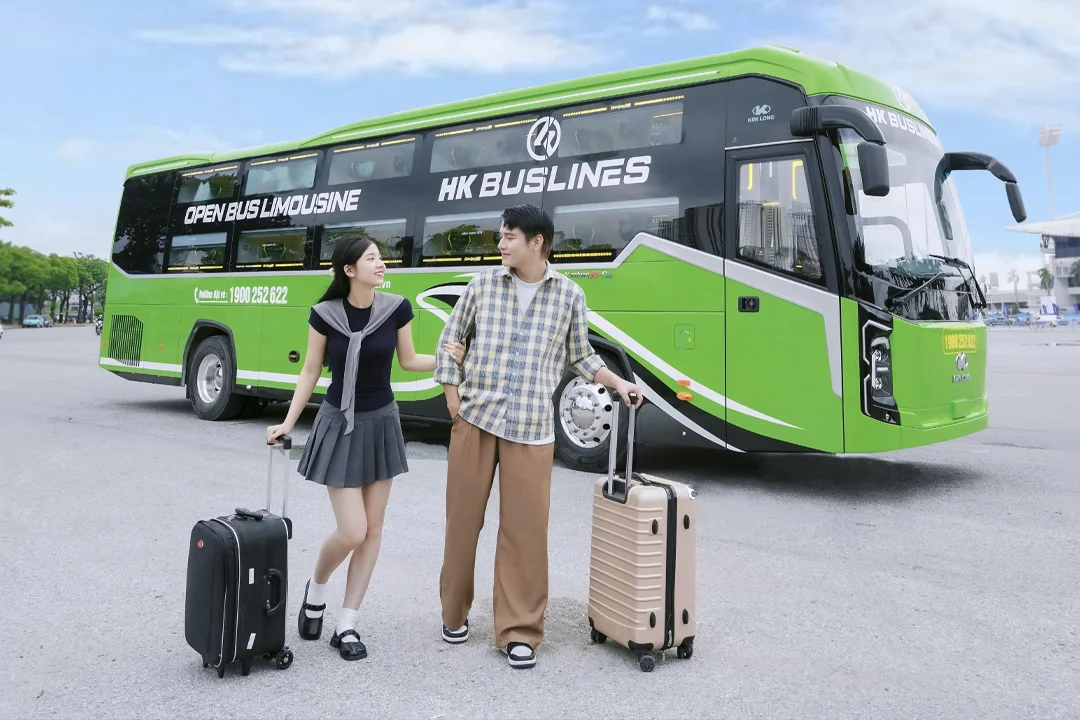
Sleeper buses (also known as cabin buses in Vietnamese) are one of the most popular types of buses in Vietnam. With their spacious and comfortable interiors, they are a top choice for tourists, especially on long journeys such as Hanoi - Sapa, Hanoi - Da Nang, or Ho Chi Minh City - Nha Trang, etc.However, space is a carefully managed commodity.
Official Luggage Rules for Sleeper Buses: Weight & Size Limits
According to most bus operator terms and conditions, the standard allowance is:
- Carry-on Baggage: Approximately 7kg. This bag must fit either under your bed compartment, in the overhead rack above your seat, or between your legs.
- Checked Baggage (Cargo Hold): Total weight should not exceed 20kg per person.
- Dimensions: Suitcases and bags should generally not exceed 60cm x 40cm x 30cm (roughly a medium-sized 24-inch suitcase).
These limits exist to ensure that every passenger on a full bus has equal space. The cargo hold on a standard sleeper bus is only so big, and when the bus is full (41-45 passengers), 20kg x 45 people is over 900 kg of luggage.
How Flexible Are Sleeper Bus Luggage Rules in Practice?
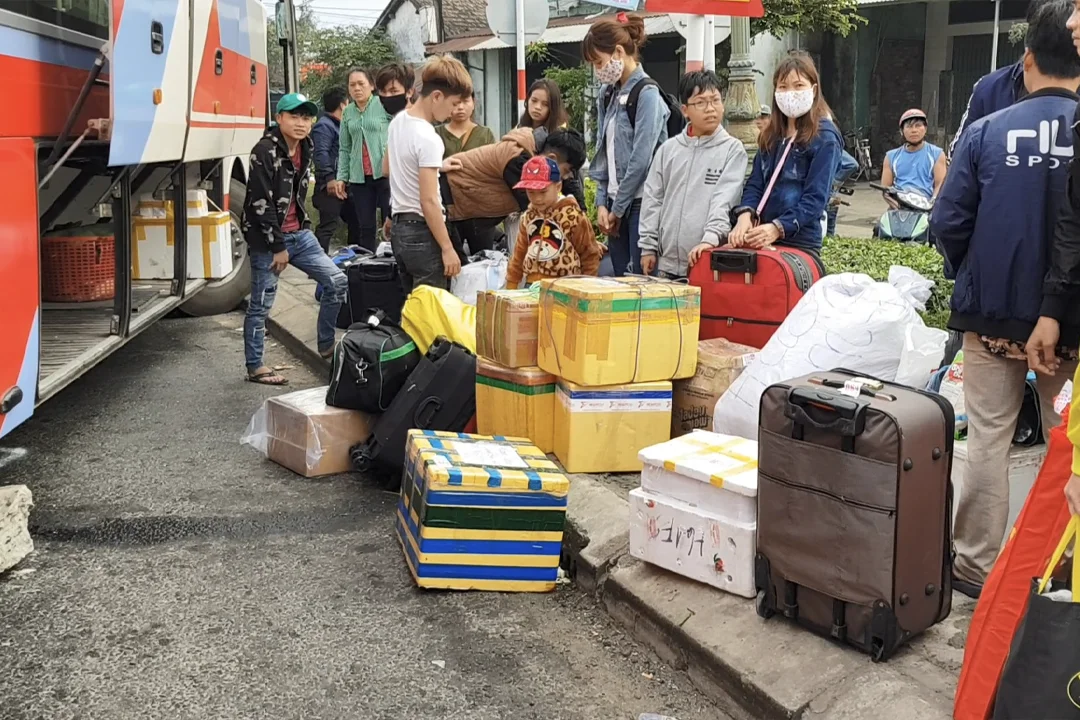
Here is where the official rules meet real-world Vietnamese efficiency. In fact, in about 80% of cases, no one will weigh your bag. The driver or the station attendant will perform a quick "eye test." If your luggage looks reasonable, you are fine. If you are traveling on a Tuesday morning and the bus is only 50% occupied, the driver will almost always allow you to bring 2-3 suitcases, even if the total weight exceeds 25kg. They have the physical space, and refusing you means leaving money on the table.
To illustrate in a simpler way, Vietnamese travelers often carry large sacks of produce or home goods. If locals are allowed to bring heavy boxes, you generally have leeway for tourist luggage. However, you also need to be careful if your luggage contains "special" items. Most commonly, these are agricultural products that can produce strong odors, such as jackfruit or durian, or specific local specialties like fish sauce. Make sure you wrap them securely and place them in a location where they won't be easily bumped during the journey to avoid potential problems. If you carry a large quantity of these items and your luggage is damaged, this could significantly affect your boarding.
What they actually care about
- Does it fit? If the suitcase is so large it blocks the aisle or prevents other passengers from loading their bags, it will be rejected.
- Is it dangerous? No flammable or explosive goods. Remember these "special goods" we mentioned above? They are not prohibited, but it's best to take precautions to store them properly.
- Does it affect other passengers? Obviously that you cannot put a dirty motorbike engine next to a businessperson’s suit. We also recommend that you take proper measures to protect your luggage to avoid the risks of collisions with other passengers' luggage.
What is Absolutely NOT Allowed
While drivers are flexible with weight, they are strict about these items:
- Motorbikes and Electric Bikes: Normally, due to space limitations, you cannot put a motorbike in the cargo hold of a standard sleeper bus. If you need to transport a bike, you must hire a separate cargo truck or book a specialized vehicle.
- Commercial Bulk Goods: Are you traveling with a carton of 50 pairs of shoes or 100kg of coffee beans for trade? That is freight, not luggage. You will need a separate cargo ticket.
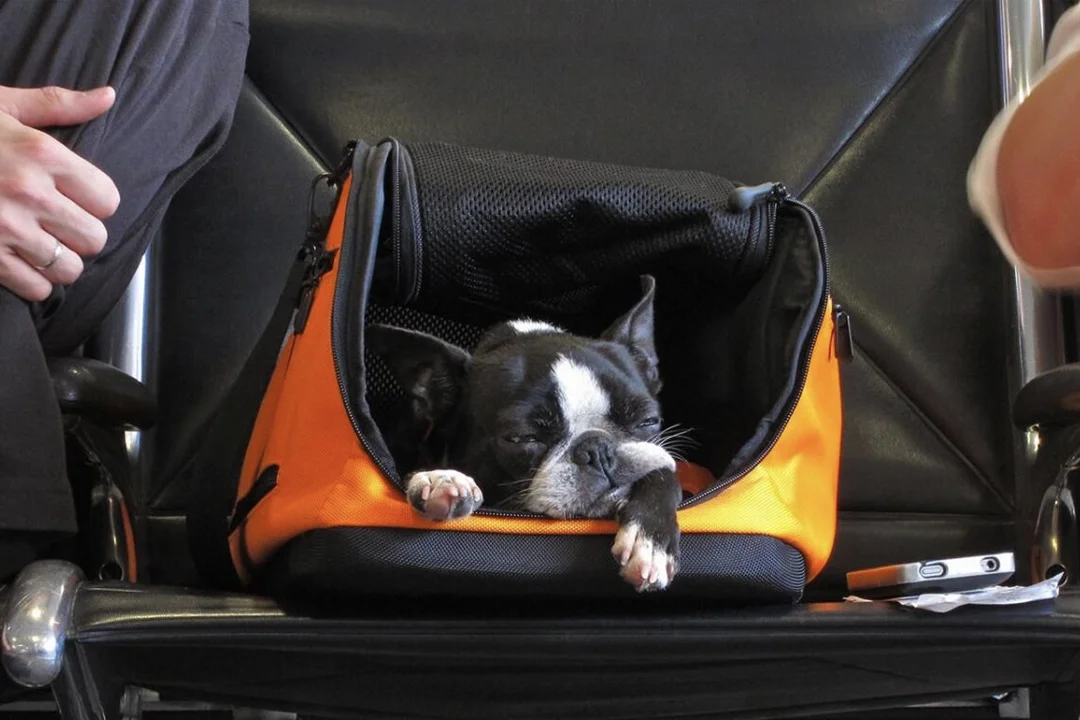
- Live Animals: Some local buses allow chickens in cages, but international tourists will generally not be permitted to bring pets in the cabin unless pre-arranged with a pet-friendly service.
- Flammable Materials: Gasoline, propane canisters, industrial cleaning supplies.
Limousine Van Luggage Allowance (9 to 16-Seater Vehicles)
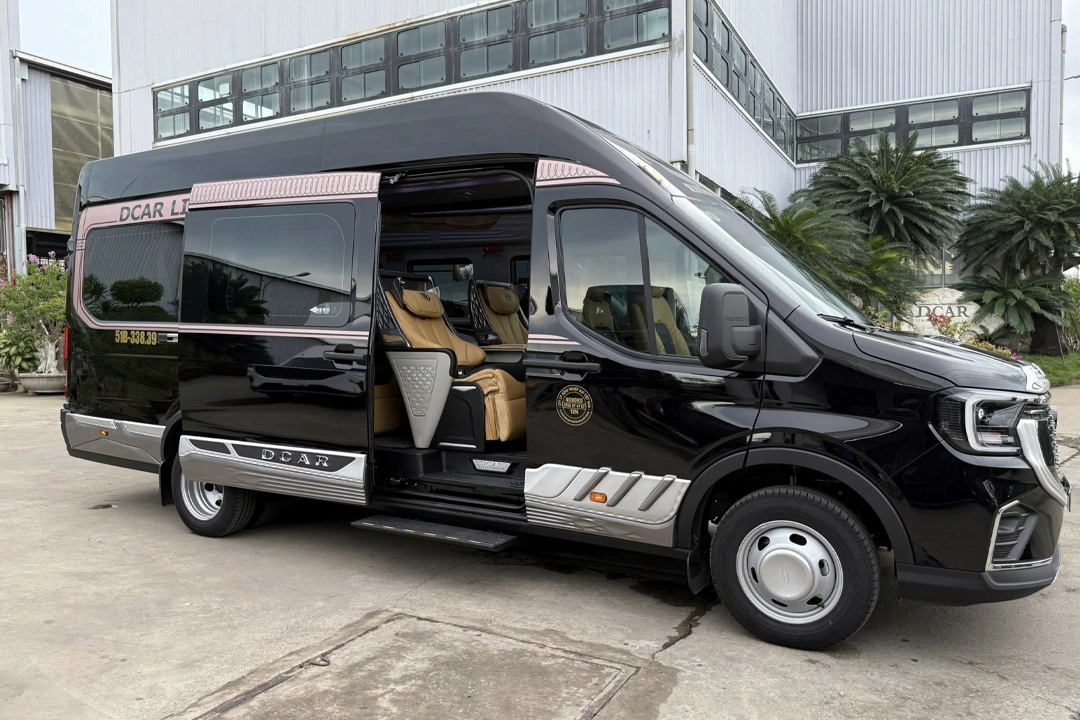
If you're driving on the streets of Vietnam, you might occasionally see a large, tall, box-shaped vehicle. That's a 'limousine', a popular mode of transportation for long or medium-distance journeys, catering to customers who value privacy and comfort.
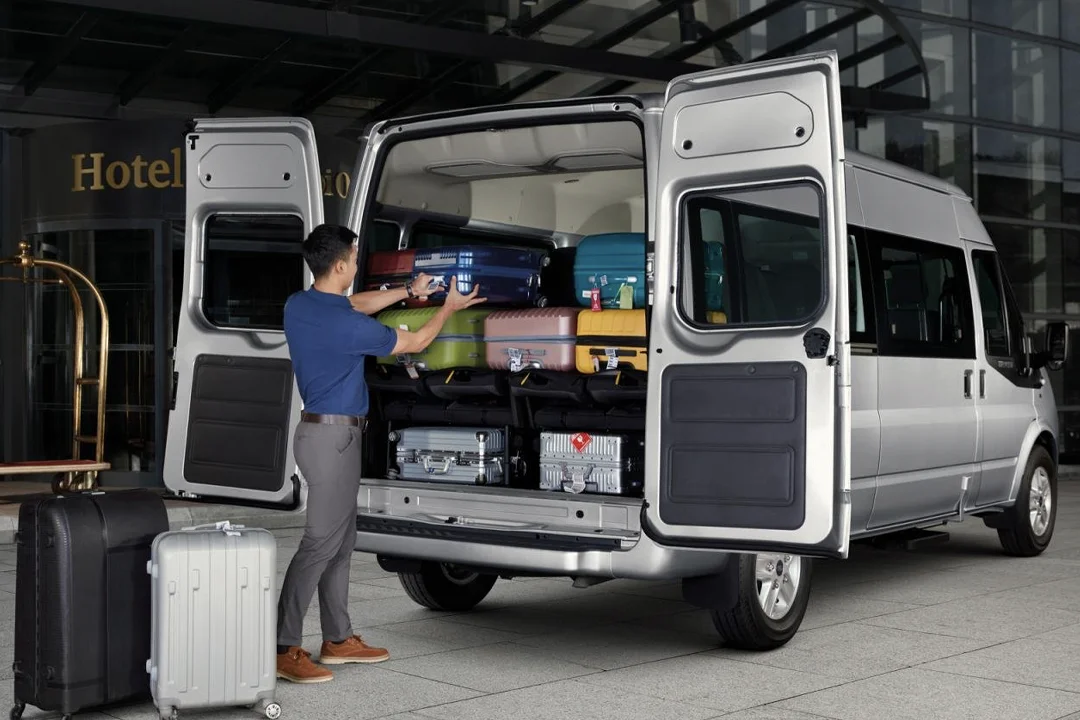
9-seater limousines typically have more limited trunk space and luggage capacity, while 16-seater limousine are known for their various seat configurations, allowing you to optimize luggage space.
Official Luggage Regulations for Limousine Vans in Vietnam
- Weight: Usually 20 kg per person
- Composition: Typically 1 main suitcase + 1 small handbag/backpack.
- The Key Constraint: The trunk is significantly smaller than a full-sized bus. A 9-seat limo might have a trunk that holds only 4-5 large suitcases total.
Unlike buses where you have a massive undercarriage hold, a limousine uses a standard van trunk. Some operators also use the front passenger seat for cargo, but this is inconsistent. Notice that if your luggage exceeds this limit, you may be charged extra.
Limousine Luggage in Practice: What You Can Actually Fit
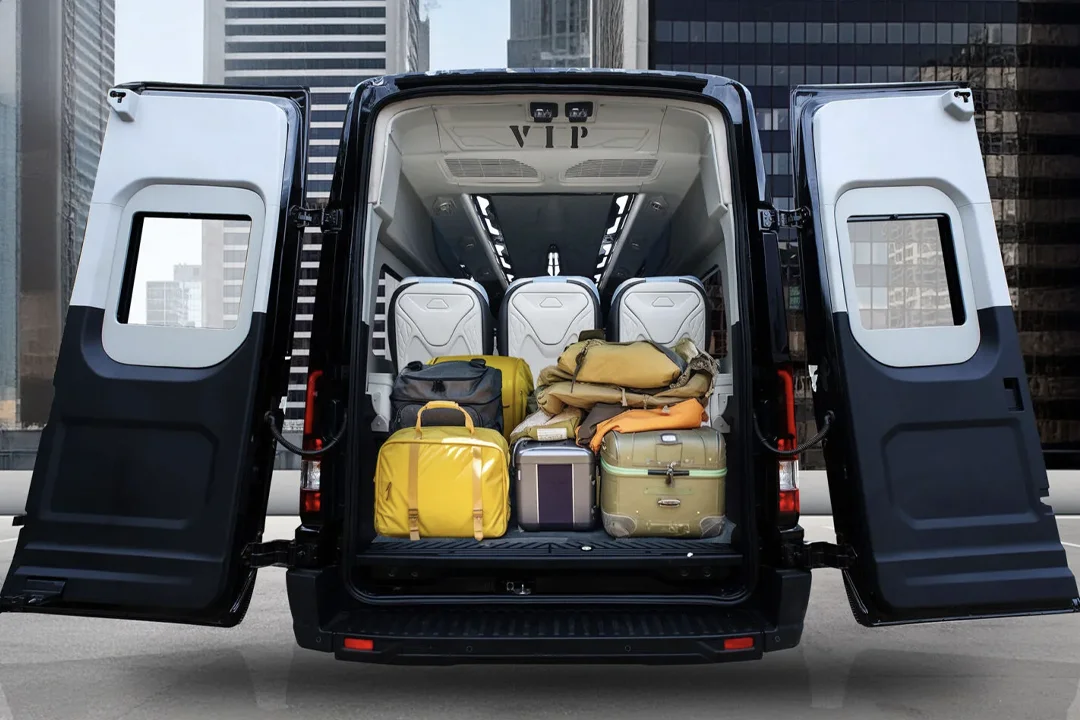
Because a limousine carries fewer passengers, the relationship is more personal and easier to negotiate—but you are fighting physics.
The Physics Problem: A standard 26-inch or 28-inch suitcase might not fit in the trunk of a Ford Transit or Mercedes Sprinter if the trunk is shallow. If it doesn't fit, the driver cannot make it fit.
The Negotiation Factor: Unlike a bus driver who might be grumpy, limousine drivers are often open to solutions by using empty seats. If the van is not full (e.g., only 4 out of 9 seats booked), the driver may allow you to put a suitcase on an empty seat. You should offer to strap it in with the seatbelt.
The "Small Bag" Loophole: You can usually bring a surprisingly large "personal item" (like a 40L backpack) onto your lap or under your seat in addition to your suitcase. The space between the seats usually allows you to place your backpacks.
If you know you have a lot of luggage, where you sit matters immensely. Typically, if you book the middle rows (often classified as 'VIP seats' by providers), the space between these seats is usually wider than in the front and back rows. A few backpacks wouldn't be a problem.
However, if you are bringing a suitcase larger than 24 inches or more than two bags total, you should to notify travel agency before departure. They will check with the limo company to see if your luggage profile is feasible. If not, they will suggest you change your mode of transportation to better suit the amount of luggage you are carrying.
Train Luggage Allowance in Vietnam (Vietnam Railways)
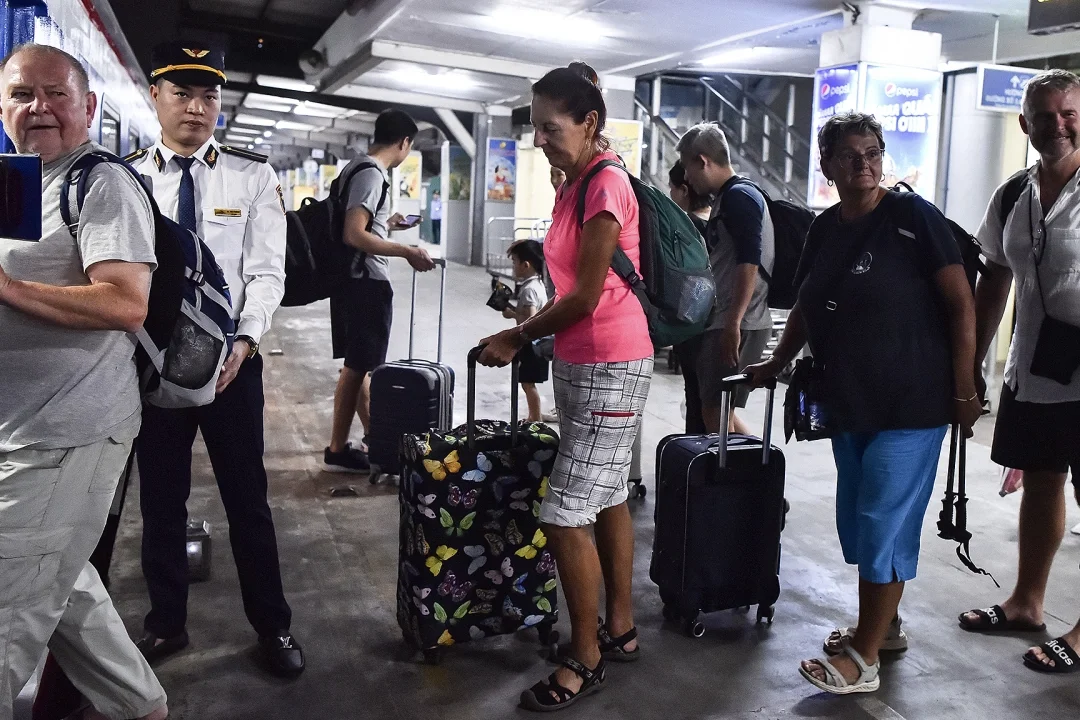
The train is the most romantic and scenic way to travel Vietnam, especially the Reunification Express route from Hanoi to Ho Chi Minh City. Unlike the varying regulations of different bus companies, the baggage regulations on Vietnam Railways trains are standardized and relatively clearly defined. You can easily find this information on the Vietnam Railways website or at the regulations posted in ticket offices at train stations.
Vietnam Railways Official Luggage Rules: Weight, Size & Quantity
Vietnam Railways has a clear, published policy. Though it is not always enforced uniformly, these are still fundamental rules that we recommend customers follow to avoid any problems during boarding.
- Free Allowance: 30 kg per person.
- Maximum Dimensions per Piece: 80cm x 50cm x 40cm. The volume shall not exceed 0.16 m³. Note that the minimum baggage allowance for checked baggage is 5kg per piece; any fractional weight from 0.5kg upwards is rounded up to 1kg; weights of 6kg or more are calculated based on the actual weight (rounded).
- Maximum Number of Pieces: No more than 3 pieces total.
- The Consequence: If you exceed these limits, you must purchase an excess baggage ticket (vé hành lý) at the station before boarding. These tickets are cheap but require time at the counter.
Train Luggage Allowance by Ticket Class: Seat vs. Sleeper Berth
Not all train cars are created equal. Your luggage experience depends entirely on your class:
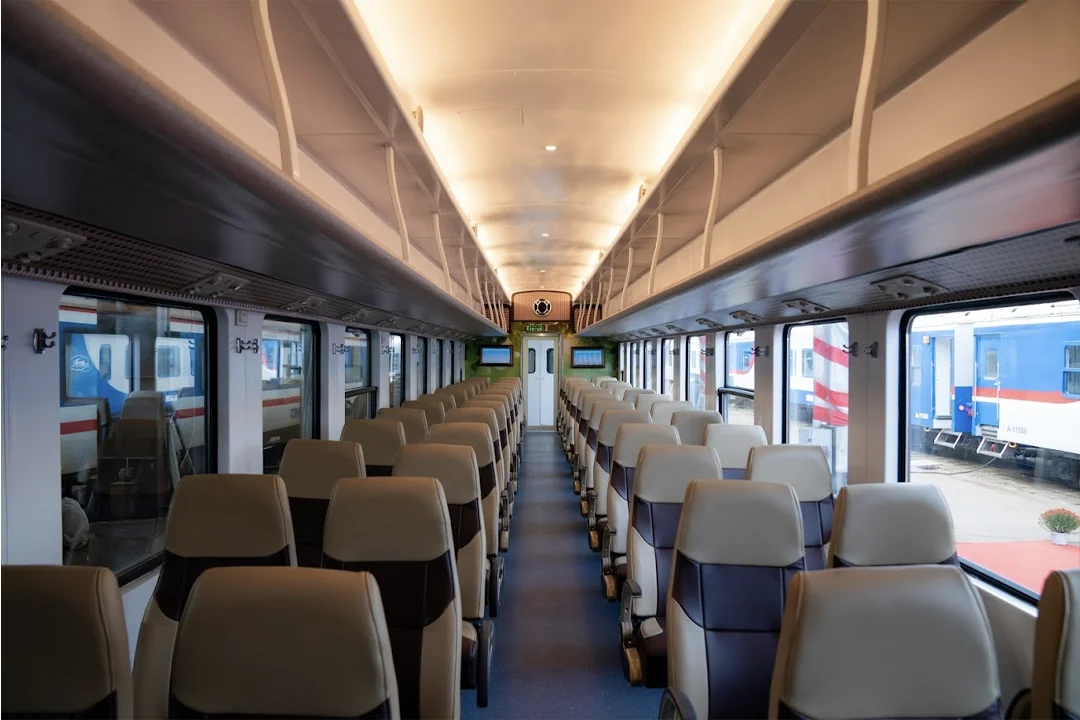
Soft Seat (Ghế Mềm): These are airline-style seats in a carriage. There is overhead rack space (limited to about 10kg) and space under your seat. Do not bring a 28-inch suitcase here; it won't fit overhead.
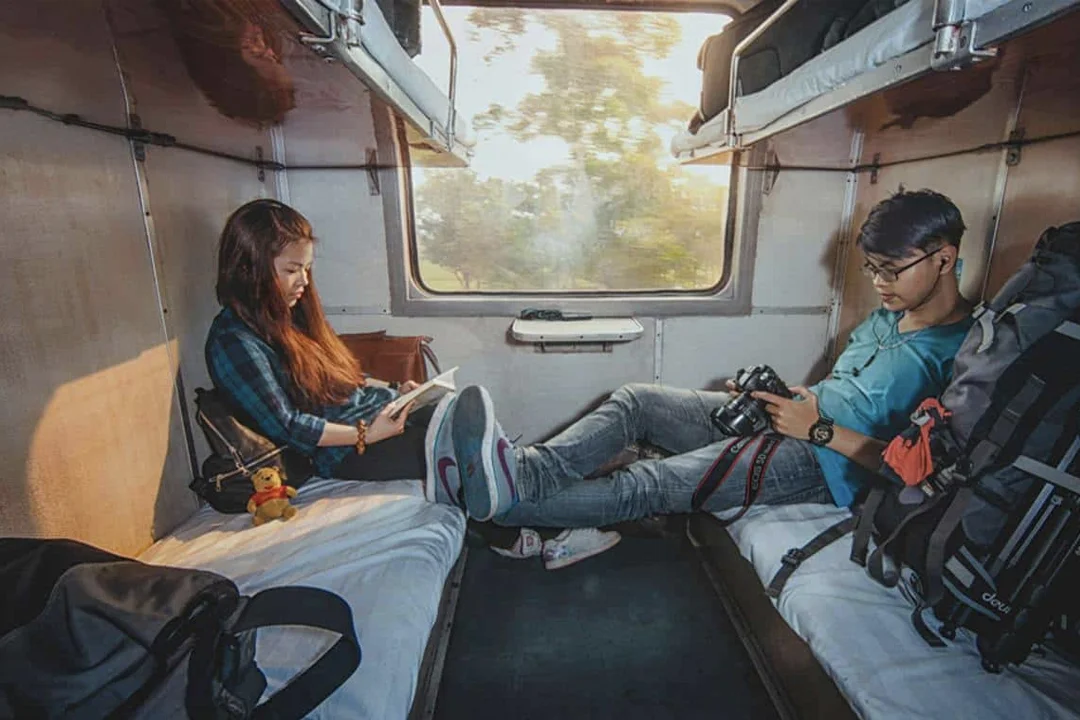
6-Berth Sleeper Cabin (6 giường): The most common overnight option. Storage includes:
- Under the bottom bunk: This is where all luggage goes. The space is roughly 30cm high. A 28-inch suitcase will not fit standing up, but it will fit lying flat. You may have to slide it under the bunk.
- Overhead rack: For backpacks and small bags.
4-Berth Sleeper Cabin (4 giường): This is a good balance between price and performance with the under-bed area is slightly taller. You also need to share the space with fewer people.
2-Berth VIP Cabin (2 giường): This is the most comfortable option. You'll have plenty of private space to store your luggage.
How Strictly Are Train Luggage Rules Enforced?
Unlike limousines and bus cabins, trains, despite having clearer baggage regulations, offer the most luggage space, especially when booking sleeping compartments. However, you also need to pay attention to arranging your luggage properly to avoid problems with train conductors and station staff.
- Staff presence: Train conductors and station staff actually patrol the carriages. However, they will usually estimate the weight visually instead of having passengers weigh their luggage like on an airplane. You should avoid letting oversized luggage block the aisle; ideally, place it in front of you (for heavy/large items) or in the overhead compartments near your line of sight (for backpacks and small bags) to avoid attracting their attention.
- The "Under-Bed" Rule: In a 6-berth cabin, you have six people trying to put luggage under three beds. If you have a massive bag, you are effectively stealing space from your cabin mates. This leads to arguments. The advice is that if you have too much luggage, consider paying extra for more beds in a train compartment, or switching to a compartment with fewer beds to avoid sharing luggage space with too many people.
- Excess Baggage Enforcement: At major stations (Hanoi, Da Nang, Saigon), they do have scales. If you roll up with a 45kg backpacking kit, they will send you to the excess baggage counter.
Bringing a Bicycle or Motorbike on the Train: Rules & Procedures
Normally, large suitcases can still be loaded onto regular train compartments along with passengers. However, bicycles, motorcycles, and other oversized items will be considered "bulky" and will have their own separate charges.
- Specifically, bicycles are charged 50kg/piece; electric bicycles and motorcycles with engine capacities less than 50cm³ are charged 100kg/piece; electric motorcycles and motorcycles with engine capacities from 50cm³ to under 125cm³ are charged 150kg/piece.
- Motorcycles with engine capacities from 125cm³ to under 250cm³ are charged 250kg/piece; motorcycles with engine capacities from 250cm³ to under 500cm³ or more are charged 450kg/piece. Motorcycles with engine capacities of 500cm³ or more are charged 700kg/piece.
- Bicycles and motorcycles of all types (both complete and disassembled) that are packed into sturdy crates and can be stacked with other goods will be charged at a rate of 250kg per meter.
Especially, trains are one of the few modes of transport with relatively lenient regulations regarding pets. Dogs, cats, birds, and ornamental fish are all included in the list of goods not prohibited on board; however, if you wish to bring them, you must comply with certain conditions. You can find more information about regulations related to pet transportation in A21 Tours' article "Travelling with Your Pet in Vietnam: The Complete Guide for International Travellers," specifically in the section on transportation by train.
Ferry Luggage Allowance in Vietnam (Island & River Routes)
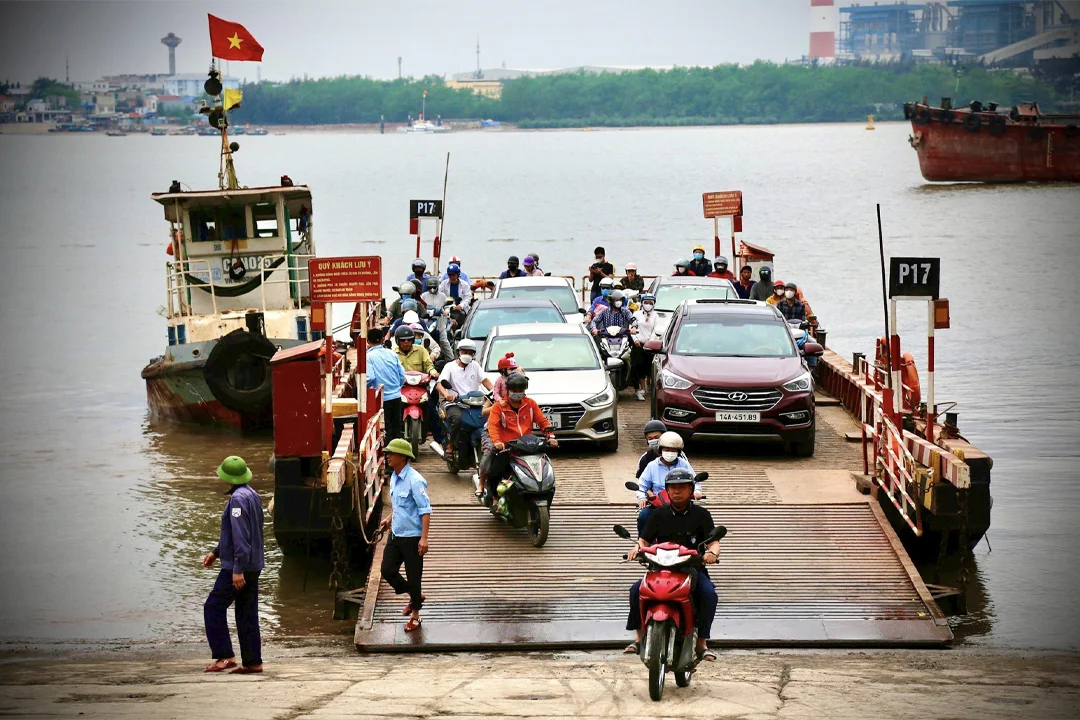
With numerous islands and archipelagos that are popular tourist destinations, the demand for transportation between the mainland and islands in Vietnam is relatively high. Ferries are one of the most popular modes of transport, often chosen by tourists due to their affordability and convenient luggage handling.
Ferry Luggage Rules: River Crossings vs. Island Routes
- Short Ferries (River Crossings, Binh Dai Ferry, etc.): These are essentially floating bridges. There is no luggage limit. You walk on, drive on, or cycle on. You hold your bag or put it on the deck.
- Island Ferries (Cat Ba, Phu Quoc, Con Dao): These are high-speed hydrofoils or large car ferries. Their primary purpose is to transport passengers, so they will have stricter baggage requirements compared to local ferries. Baggage limits are usually set at 30-40kg/per person, however, there's generally no strict security checks. Unless you're traveling with around five large 28-inch suitcases full of goods, everything should be fine. If you want to transport personal vehicles, you will need to pay a small additional fee and contact the ferry company in advance to inform them and reserve space for your motorbike – as vehicle transport on these ferries is often limited.
Taking a Motorbike or Car on a Ferry: Tickets & What to Expect
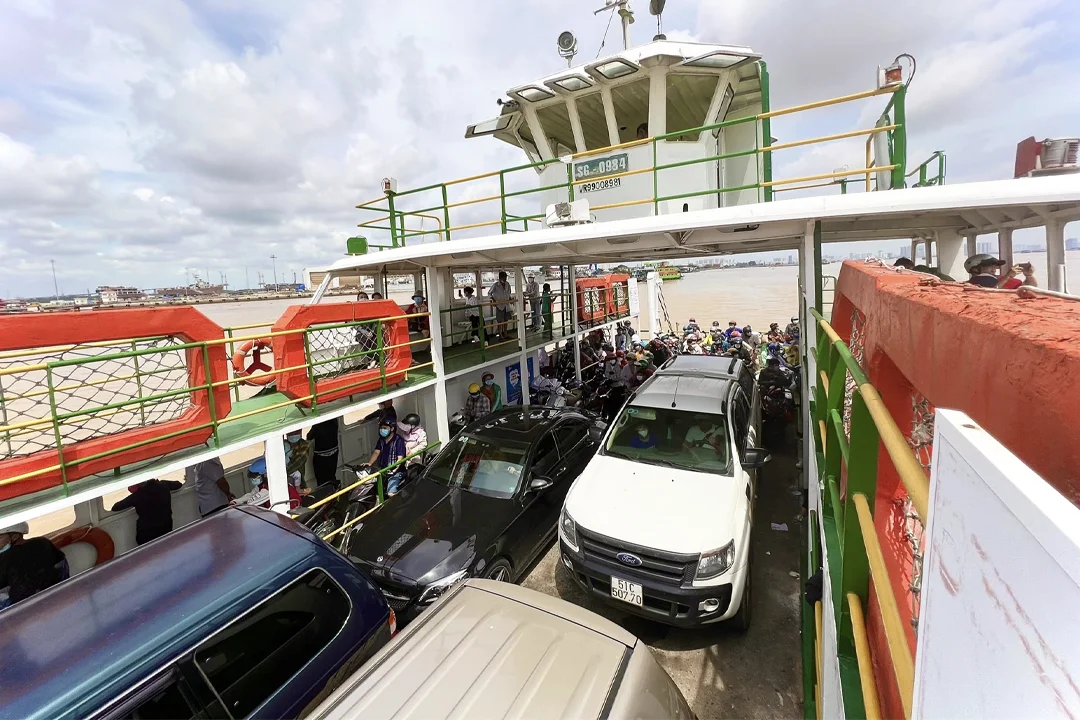
Ferries are a commonly used means of transporting "extra-large luggage," ranging from rudimentary vehicles to large ones. Therefore, there are virtually no limits on luggage allowed on ferries. However, for larger vehicles, you may need to purchase additional baggage allowance for a small fee. Remember to follow the service provider's parking instructions to avoid any risks during transport.
- Motorbikes/Scooters: Most island ferries allow motorbikes. You must buy a separate ticket for the vehicle, not just the passenger. Usually, the ticket for a motorbike is 50-100% of a human ticket price. Just ride your bike onto the ferry and park it on the lower deck. They will have straps or wooden chocks to keep it upright.
- Cars/SUVs: Roll-on/Roll-off (RoRo) ferries exist for routes like Haiphong to Cat Ba. You can bring your car onto the ferry. Note that the car ticket does not include the passenger; you need separate tickets for the car and for the passenger.
- Bicycles: Most ferries allow bicycles on board for a small fee of about 1 USD (25,000 VND).
Why Ferries Offer the Most Flexible Luggage Policy
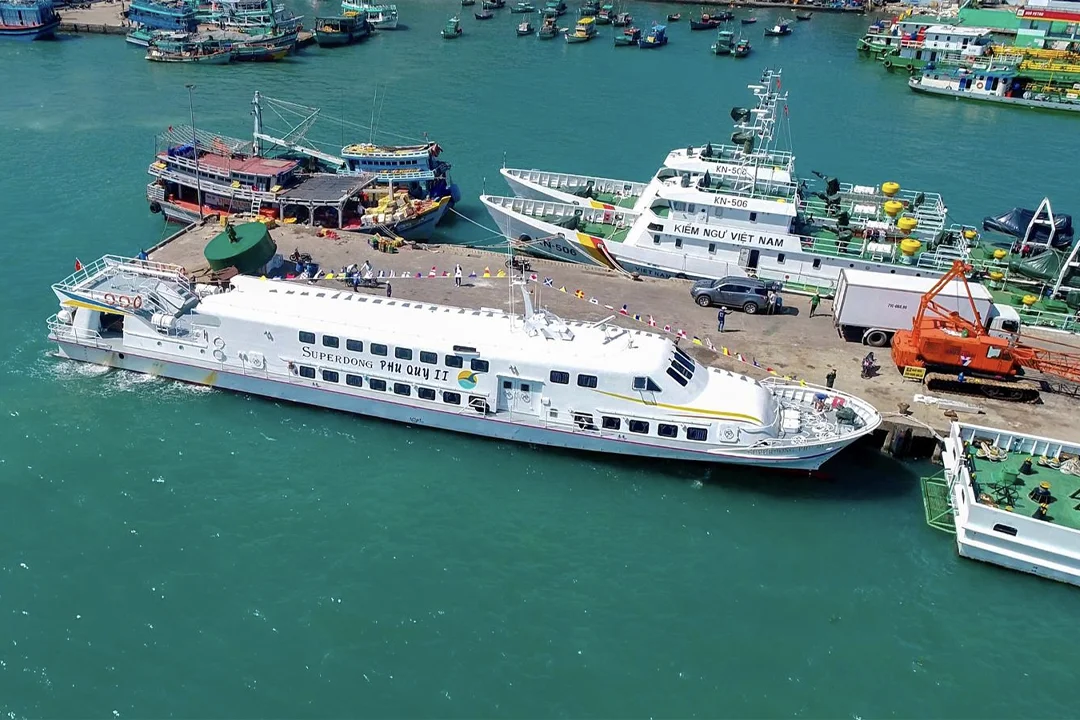
Ferries are the undisputed champions of luggage flexibility because ferries have massive open decks. A bus has a 10 cubic meter hold; a ferry has an entire floor. Unless the ferry is sinking, there is always space for another bag.
What does "flexible" mean?
- You can bring a cooler of seafood.
- You can bring a 50kg sack of rice.
- You can bring a surfboard, a kiteboard, or a full scuba gear set.
- You can bring a stroller, a wheelchair, and three duffel bags.
The Only Caveat: High-speed "express" ferries (like the Ngoc Thanh or Superdong to Phu Quoc) have smaller indoor luggage racks. If the sea is rough, they will tie luggage down. If you have a truly absurd amount of luggage, you should book a seat on cargo-passenger ferry, not an express boat and notify ferry's provider in advance to arrange a good position on the ferry.
Private Car Charter: Luggage Allowance & Why It's the Most Convenient Option
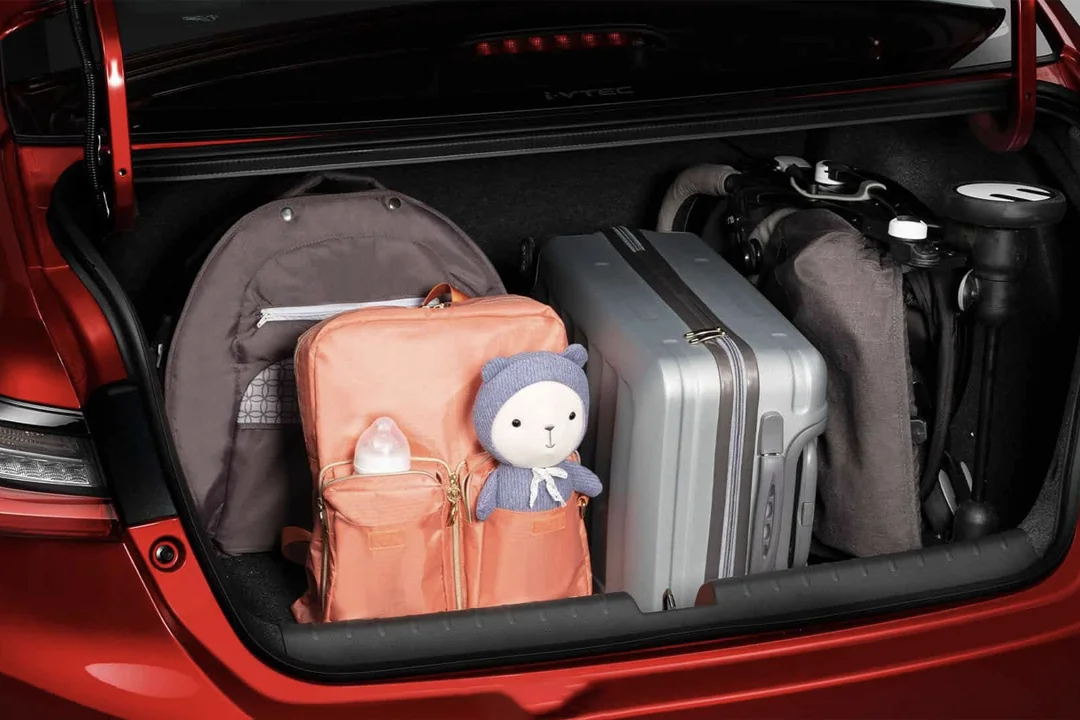
Passenger transport service providers offer a variety of vehicles to meet different customer needs: 4-seater sedans, 7-seater SUVs/MVPs, etc. However, a common point is that when using these services, your luggage allowance is usually quite generous. Unless you need to transport oversized items like a motorbike, a few suitcases are usually not a big problem. You just need to contact the service provider and clearly describe the condition and quantity of your luggage to receive advice on the most suitable type of vehicle.
At A21 Tours, for private car services, we usually provide recommendations on the number of people allowed per vehicle. This is to ensure customer comfort during the journey, as well as to ensure that the amount of luggage accommodates the vehicle's capacity (for example, a 4-seater car can carry a maximum of 3 people along with 3 carry-on backpacks and 3 medium-sized suitcases). For larger amounts of luggage, we usually recommend switching to a larger vehicle to ensure comfort during the journey.
Luggage Allowance Comparison: Bus vs. Limousine vs. Train vs. Ferry
| Vehicle Type | Official Free Allowance | Operational Reality (The "Real" Rule) | Special Notes |
|---|---|---|---|
| Sleeper Bus | ~25 kg total | Very flexible if bus is not full | Motorcycles/Folding bicycle is accepted, but required an additional fee. |
| Limousine Van | ~20 kg (1 vali + 1 bag) | Limited by trunk size; call ahead for large bags | Limited luggage. Best for 24" suitcases or smaller. Motorcycles/Folding bicycle is not accepted in the most of case. |
| Train | 30 kg / 3 pieces | Most strict; potential excess fees | Bicycles must be shipped separately in cargo car. Additional luggage tickets available at the station |
| Ferry | 30-40 kg | Extremely flexible; rarely enforced | Separate vehicle tickets required for motorcycles |
When You Should Contact A21 Tours About Your Luggage in Advance
While the system is flexible, there are clear red lines. Do not just show up at the station if you fall into any of these categories. In the most of cases, we recommend you contact us directly at least 24 hours in advance if:
Traveling with 2 or More Large Suitcases Per Person: If you are traveling solo with two 28-inch suitcases, a standard bus or limo will struggle. We need to inform the operator so they can leave extra cargo space or book you on a less crowded vehicle.
Transporting Commercial Goods or Wholesale Cargo: You have some jars of tea you bought in Ha Giang in your luggage? A box of coffee beans? Art for a gallery? That is freight. You need a separate ticket. We will arrange a cargo bus or train freight service for you.
Bringing Sports Gear, Musical Instruments, or Oversized Equipment:
- Bicycles (non-folding): Even if you put it in a box, many buses refuse bikes. We will find you a bike-friendly bus or a cargo service.
- Surfboards / Kiteboards: Length over 1.5 meters is problematic. We need to find a bus with a long cargo hold.
- Golf Clubs: Usually fine, but we must tell the driver so they don't stack heavy suitcases on top of your clubs.
- Scuba Tanks (empty): Technically allowed on ferries, but buses and trains often ban compressed cylinders for safety.
- Musical instruments: Most are permitted on buses/ferries/trains, but may require special transport service.
Large Group Travel with Shared or Consolidated Luggage: 6 people with 12 suitcases is fine. 6 people with 6 suitcases + 6 backpacks + 4 boxes of "stuff" is a problem. Groups often consolidate luggage into fewer, heavier bags. A bus driver might reject a single 50kg bag because one person cannot lift it. We will warn them in advance or split the group across two vehicles.
Not Sure About Luggage Rules for Your Specific Route? A route like Hanoi to Ha Giang (mountainous, twisty roads) has different luggage constraints than Hanoi to Hai Phong (flat highway). Limousine drivers on mountain routes are stricter about weight because it affects fuel efficiency and braking.
Final Tips on Luggage Allowance — Travel Smart with A21 Tours
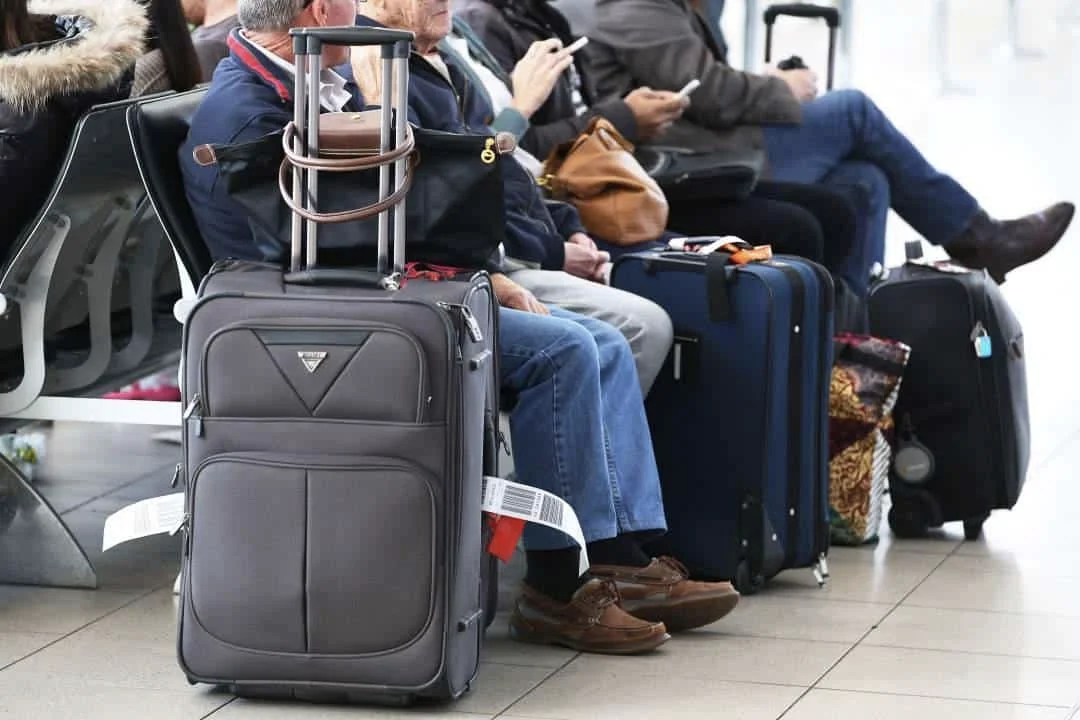
Traveling through Vietnam with luggage does not have to be stressful. It's important that you understand the exact baggage limits. Although regulations in Vietnam are often quite lax, you should still adhere to them to completely avoid any potential problems with transportation providers. If you must exceed the limits, recognize that the system is operated by humans, not robots. A smile, a polite request, and a little flexibility on your end (e.g., holding a bag on your lap) go a long way. Most drivers will help you if they can.
There is one piece of advice you may have heard before: never gamble on a tight connection with excessive luggage. The worst travel days happen when a family arrives at the bus station at 9:00 PM for a 9:30 PM departure, only to be told their four giant suitcases won't fit. Now they are stranded, stressed, and facing expensive last-minute taxis. So how can you avoid this nightmare? The simplest way is to ask your service provider beforehand. They are experienced and usually know the regulations regarding luggage and vehicle capacity to help you choose the perfect option that avoid incurring extra fees or being refused entry at the dock.
Ready to Travel? Two Next Steps
1. Get Free Advice: Do you have a specific luggage scenario? Don't guess – Tell us your route, your group size, and your luggage, and we will reply within 2 hours with the perfect vehicle recommendation.
2. Book Your Ticket: You have read the guide. You know the rules. Now book with confidence – All A21 Tours bookings come with free pre-departure luggage verification. We confirm your bags with the operator before you pay.
Safe travels, and don't forget to pack light enough to bring home some Vietnamese coffee!