Luggage policy in Vietnam train
Luggage on Trains in Vietnam: What to Expect and How to Prepare
Traveling by train in Vietnam is a scenic and practical way to get around the country, offering a unique glimpse into local life. But if you're planning to take the railway, you might wonder: What should I do with my luggage?
Luggage Allowance and Restrictions
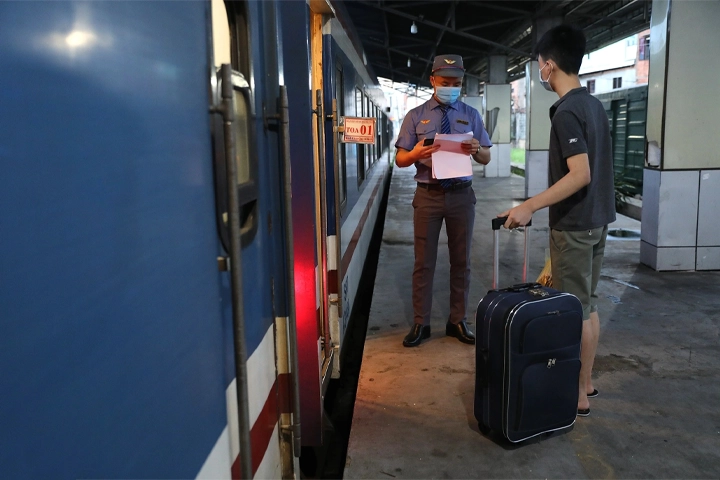
Vietnam Railways does not enforce a strict weight limit for personal luggage, especially for regular seats and sleeper berths. Technically, the official allowance is around 20–30 kg per passenger, but in reality, the rule is loosely applied. It's common to see local families boarding with large boxes, bags of produce, or even motorbike parts wrapped in plastic.
That said, common sense is key. If your luggage is too bulky or obstructs the aisle, attendants may ask you to move or reorganize it. You’re unlikely to be charged extra unless it’s extremely excessive.
Storage Options Onboard
Once you're onboard, you’ll need to store your luggage yourself — there are no porters or luggage carts, and stations can be chaotic during boarding and disembarking.
Here are your storage options:
- Overhead racks: Above each seat or berth, you'll find metal racks that can hold medium-sized suitcases, backpacks, or duffel bags. These are ideal for items up to 60L in size.
- Under-seat storage: On most soft-seat and sleeper trains, there is some space beneath the lower bunks or seats for smaller bags.
- Compartments and corners: In sleeper cabins (4-berth or 6-berth), travelers often place larger suitcases in the space between beds or along the cabin walls. If you're in a private cabin or traveling as a group, this is usually manageable.
For soft sleeper cars, each compartment typically accommodates several mid-sized suitcases if passengers cooperate. You may have to rearrange bags to make everything fit.
Security Tips
While theft is not rampant, it’s wise to take precautions:
- Keep valuables (passport, wallet, electronics) in a daypack and keep that close to you at all times — especially overnight.
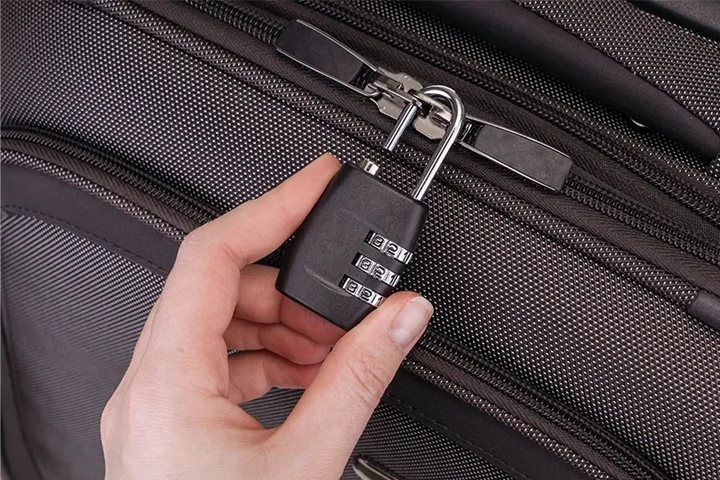
- Use a cable or bicycle lock to secure large bags to the rack or bedframe. Some travelers even carry small padlocks for their backpacks.
- When leaving your berth for the restroom or food, ask a cabinmate to watch your things or take your daypack with you.
Boarding and Getting Off
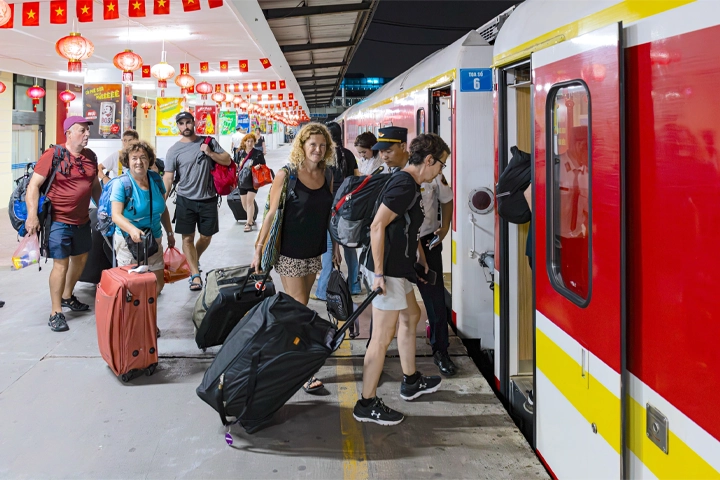
Vietnamese train stations can be confusing, with minimal English signage and little crowd control. Boarding is often rushed, especially at major stations like Hanoi, Da Nang, or Ho Chi Minh City. There are no trolleys or porters, so you’ll need to carry your luggage yourself, up steps and across platforms. If you have multiple bags, it helps to pack light or use a backpack or wheeled luggage that’s easy to manage.
Special Tip for Long Routes
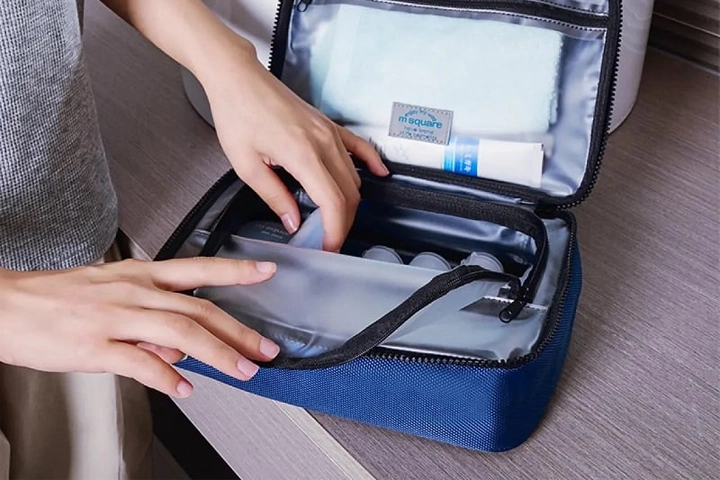
If you're traveling on long-distance routes such as Hanoi to Hue, Hue to Da Nang, or Hanoi to Ho Chi Minh, pack a small overnight bag separately with essentials — toothbrush, change of clothes, snacks, etc. That way, you won’t need to rummage through your main luggage during the journey.