Sedan, SUV, MPV or Van? A Tourist's Complete Guide to Private Car Types in Vietnam, Cambodia & Thailand
What Type of Private Car Hire Should You Book in Vietnam, Cambodia, and Thailand?
Planning a private car hire service in Vietnam, Cambodia, or Thailand? You have just arrived in Hanoi, Bangkok, or Phnom Penh. You pull out your phone and search for “private car from Hanoi to Halong Bay” or “airport transfer to Siem Reap.” Suddenly, you are overwhelmed by the options. A 4-seat sedan? A 7-seat SUV? A 7-seat MPV? A 9-seat limousine? A 16-seat van? But what do these names actually mean? Is a Toyota Innova the same thing as the “family minibus” you rented in Australia? Can a “7-seat SUV” comfortably accommodate your family of five plus three large suitcases? Why do some listings call the Ford Transit a “minibus” while others call it a “passenger van”?
If you have ever felt confused by the various vehicle classifications, you are not alone. The confusion is real, and it can cost travelers time, money, and comfort. In Vietnam, Cambodia, and Thailand, the same vehicle may be given completely different names depending on the country, booking platform, or even the driver you speak to. International travelers often book a “7-seater” only to discover that the third row is barely comfortable enough for a child, or that their “limousine” is actually a party bus converted in the 1990s.
The reason for writing this comprehensive guide is that vehicle names can vary significantly between countries and individual travel service providers, which often causes confusion for international travelers. While our primary focus is the Vietnamese market, we will also cover the transportation landscape in Cambodia and Thailand. Through this guide, we hope you will know exactly what type of vehicle you are booking for your journey.
Why the Same Vehicle Can Have Three Different Names in Vietnam, Cambodia, and Thailand
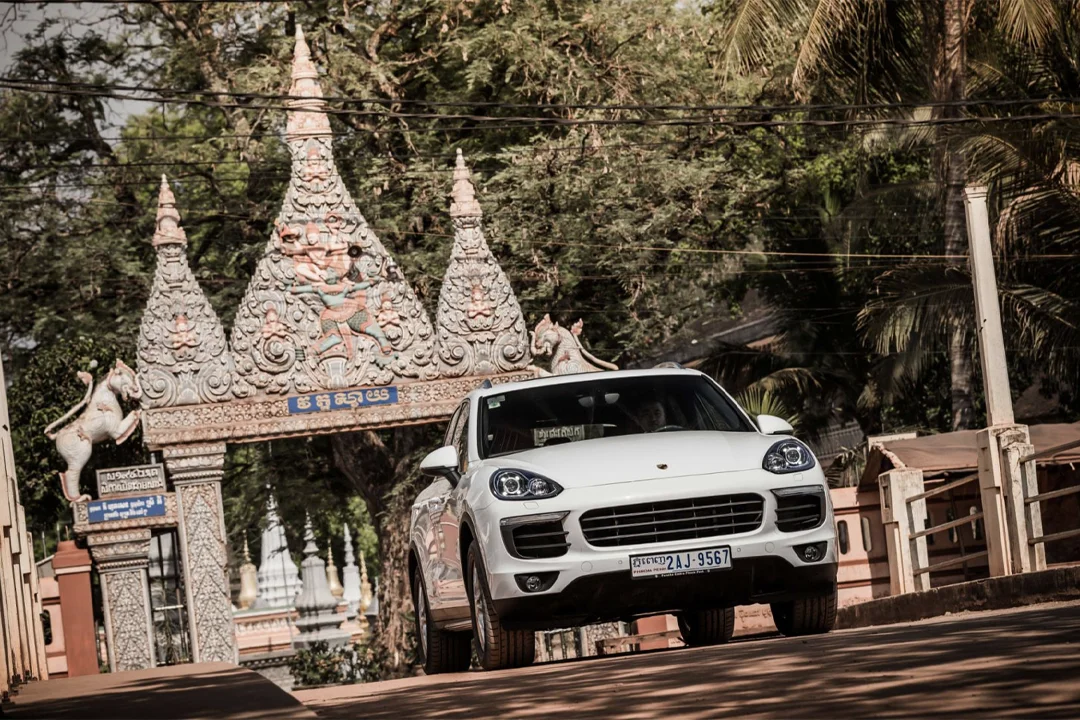
Before we look at specific vehicle types, it is worth understanding why the naming systems can seem so inconsistent. The same vehicle may be marketed under three different names depending on the seller. Vehicle names can also differ from country to country because of unique local market perceptions, translation issues, trademark conflicts, and regional brand histories. Automakers adapt names to resonate with local cultures, avoid unfortunate or vulgar meanings in local dialects, work around existing copyrights, and capitalize on established local brand names.
For example:
- Toyota Innova: In Vietnam, it is commonly referred to as an MPV. However, some travel agencies may list it as a 7-seat SUV, while travelers from Australia or the UK may think of it as a family minibus.
- Ford Transit: In the United States, it is commonly referred to as a 16-seat minibus. In the UK, it may be called a passenger van, while in Vietnam it is generally referred to as a 16-seat van.
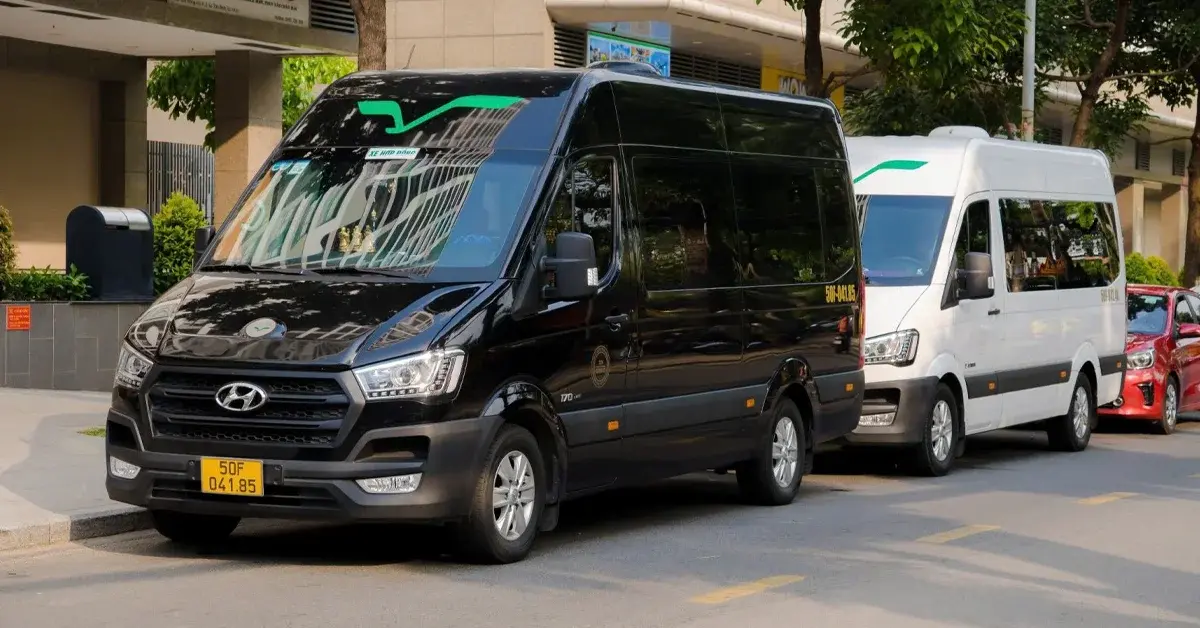
- Limousine (or Dcar): There is actually no standardized international naming convention for this type of vehicle. A Dcar Limousine is a heavily upgraded luxury commercial van widely used in Vietnam. Standard 16-seat vans such as the Ford Transit or Hyundai Solati are converted into 7- to 11-seat configurations, providing a business-class travel experience for airport transfers, intercity travel, and corporate transportation.
Important note: In Southeast Asia, passenger vehicles are often classified by seat count rather than by the vehicle's actual body type. When booking, you should always confirm both the number of seats and the specific vehicle model.
6 Types of Private Car Hire in Vietnam Explained — Seats, Luggage Space, and Real-World Assessment
Below is a detailed breakdown of each vehicle type to help you understand its definition, practical seating capacity, ideal passenger profile, luggage capacity, and common models.
Sedan (4–5 seats) — Best for Couples, Solo Travelers, and Airport Transfers in Vietnam
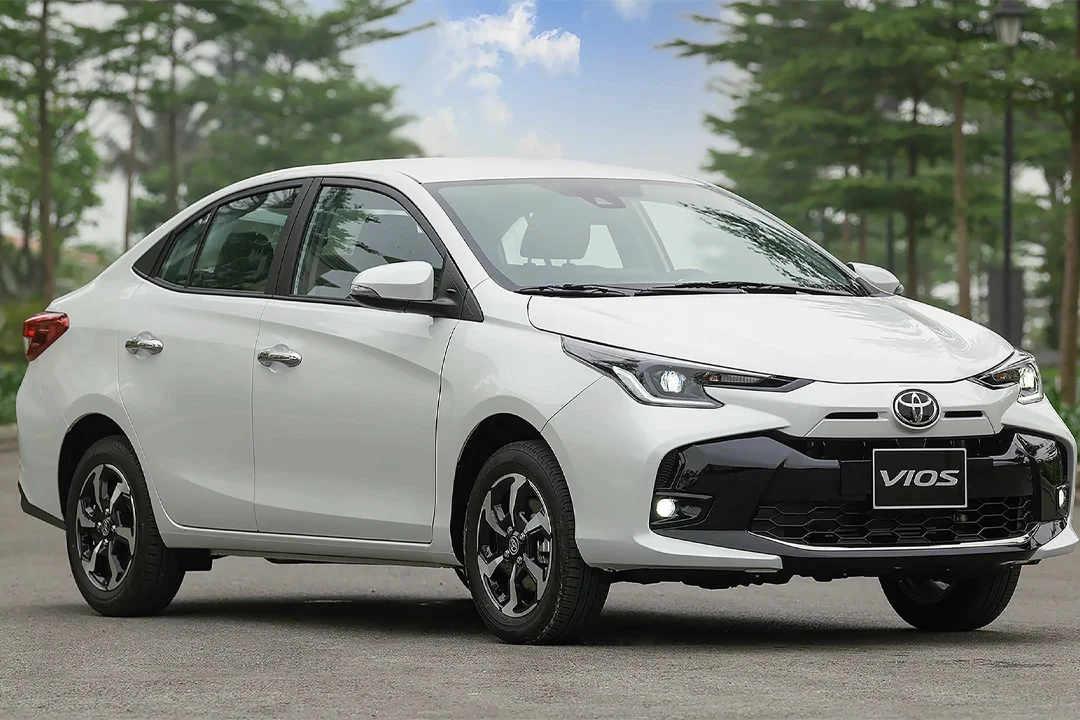
The classic three-box sedan has a separate trunk. These are among the most common rental vehicles for short trips and airport transfers. Sedans typically have four doors, a ground clearance of less than 200 mm, and a three-box structure consisting of the engine compartment, passenger cabin, and luggage compartment.
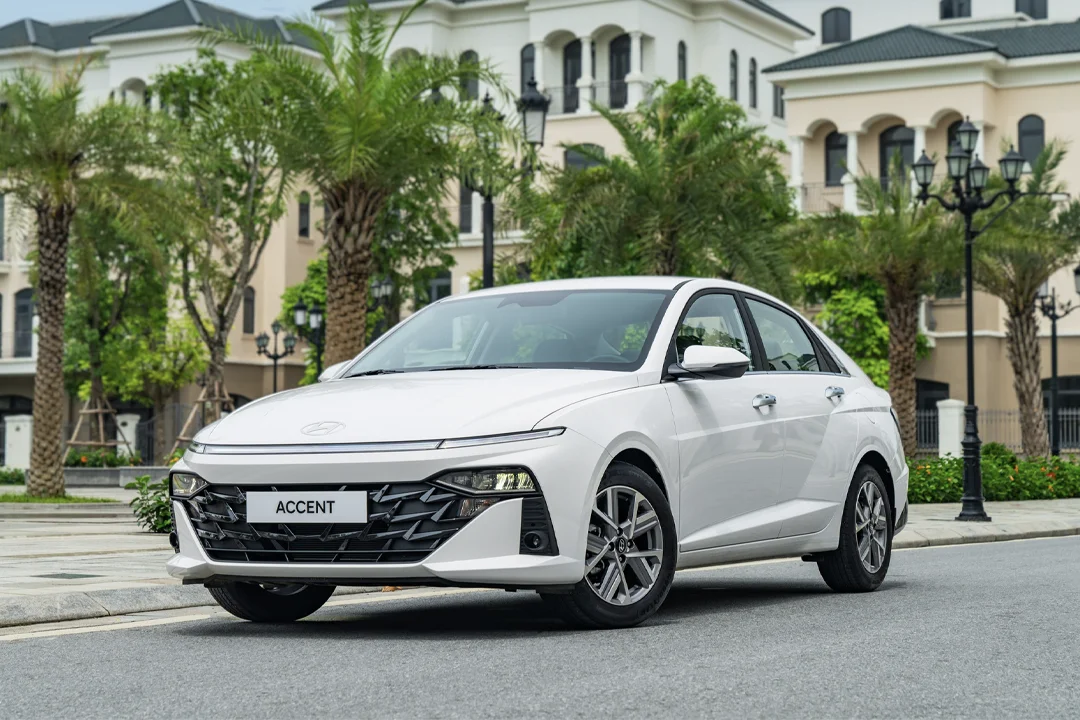
In the current Vietnamese market, sedans are divided into several segments based on size, including A-segment sedans (small city cars), B-segment sedans (small economy cars), C-segment sedans (compact cars), D-segment sedans (midsize cars), and E-segment sedans (midsize luxury cars). Each segment has its own characteristics and target customers, contributing to the diversity of this vehicle category. In overseas markets such as the United States and Europe, larger sedans in the D and E segments are very popular. In Vietnam, however, small and midsize cars in the B and C segments account for the vast majority of sales and are much more common.
- Comfortable capacity: 1–3 adults with luggage
- Maximum capacity (crowded): 4 adults (without large suitcases)
- Luggage capacity: 1–2 medium suitcases (22–24 inches) plus 2 small backpacks. With careful packing, it can accommodate 3 carry-on suitcases and 1 large (28-inch) suitcase, although the seats need to be folded, reducing passenger space.
- Best for: Business travelers traveling alone, couples on short city breaks, airport-to-city transfers for 1–2 people, and city sightseeing.
This compact vehicle is well suited to city driving and long highway journeys. It offers the lowest rental rates, is easy to park in tight spaces, has excellent fuel efficiency, and has a small cabin that can cool down almost instantly. However, trunk space is fixed and relatively limited for luggage, ground clearance is low and unsuitable for rough roads, and the rear seat may feel cramped for a third passenger on long journeys.
Most Common Sedan Models in Vietnam, Cambodia, and Thailand
| Country | Economy Sedans | Mid-Range Sedans | Luxury Sedans |
|---|---|---|---|
| Vietnam | Toyota Vios, Hyundai Accent, Kia Soluto, Honda City | Toyota Camry, Honda Accord, Mazda 3 | Mercedes C/E-Class, BMW 3/5 Series |
| Cambodia | Toyota Camry (older models), Hyundai Elantra | Toyota Camry (newer models) | Mercedes C-Class |
| Thailand | Toyota Corolla Altis, Honda City | Toyota Camry, Honda Accord, Mazda 6 | Mercedes C/E-Class, BMW 3 Series |
7-Seat SUV Rental in Vietnam — Best for Mountain Roads and Rough Terrain
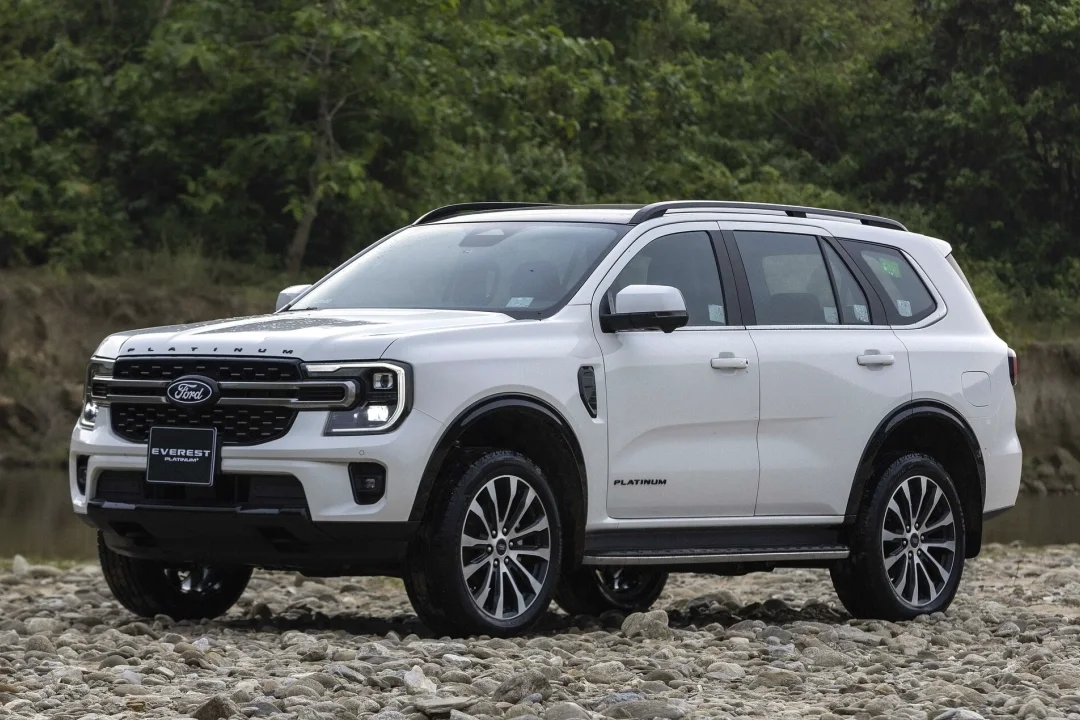
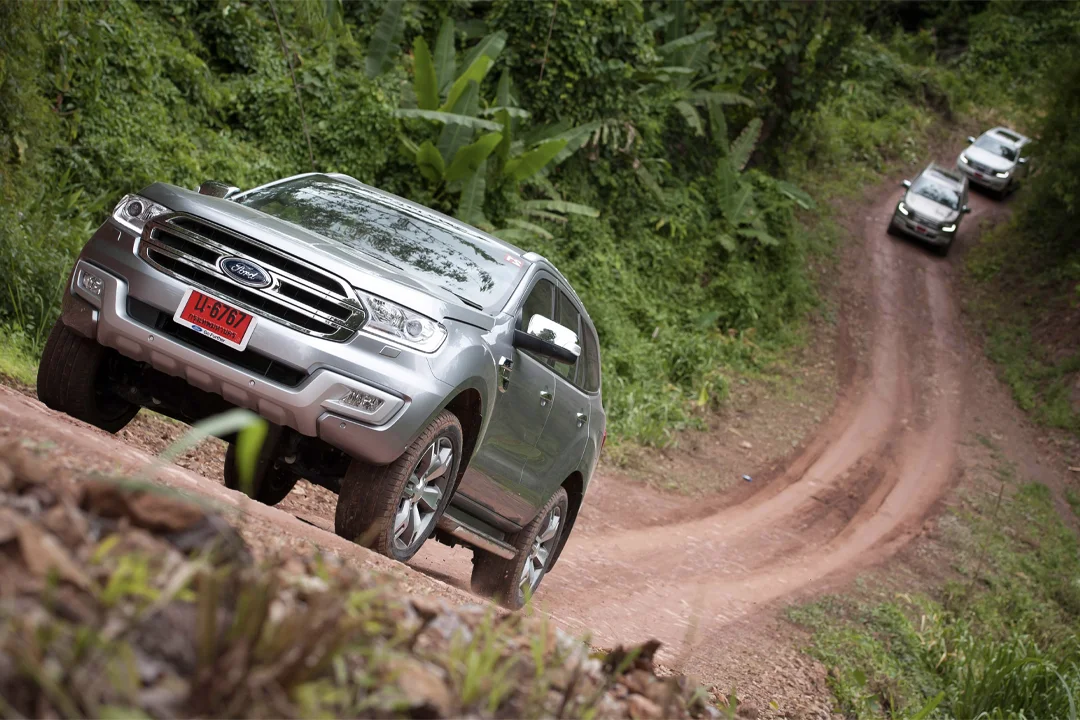
“SUV” stands for “sport utility vehicle,” a term referring to high-riding, boxy, and rugged vehicles designed to combine off-road capability with passenger comfort. In Vietnam, these vehicles typically feature body-on-frame construction, high ground clearance, powerful engines, and four-wheel drive, allowing them to handle challenging terrain with ease. As a result, many travelers who book an SUV expect a spacious interior and the rugged versatility needed for all kinds of adventures.
The reality is more nuanced. Most SUVs with a third row are not designed for a 4-hour journey with adults sitting there. Legroom is minimal, the seats are flat and firm, and headroom can also be tight. Think of the third row as “emergency seating” or “children's seating.”
- Comfortable capacity: 2–5 adults with luggage
- Maximum capacity (crowded): 5 adults + 2 children
- Luggage capacity: 2–3 medium suitcases (behind the third row), or 4–5 large suitcases (with the third row folded flat)
- Best for: Small families with children, groups of 3–5 adults, routes involving mountain passes, rough roads, or potential flooding, and travelers who prioritize vehicle height and a sense of security over fuel economy.
SUVs offer excellent visibility, a commanding road presence, and high ground clearance, making it easy to handle potholes and light off-road conditions. However, they are less fuel-efficient, more difficult to park in crowded urban spaces, and their third-row seats can be cramped for adults on long journeys.
Popular Models by Country
| Country | Popular SUV Models |
|---|---|
| Vietnam | Toyota Fortuner, Ford Everest, Hyundai Creta, Toyota Corolla Cross |
| Cambodia | Toyota Fortuner, Ford Everest, Toyota Corolla Cross |
| Thailand | Toyota Fortuner (very common), Isuzu MU-X, Ford Everest |
7-Seat MPV — Spacious, Family-Friendly, and an Alternative to an SUV
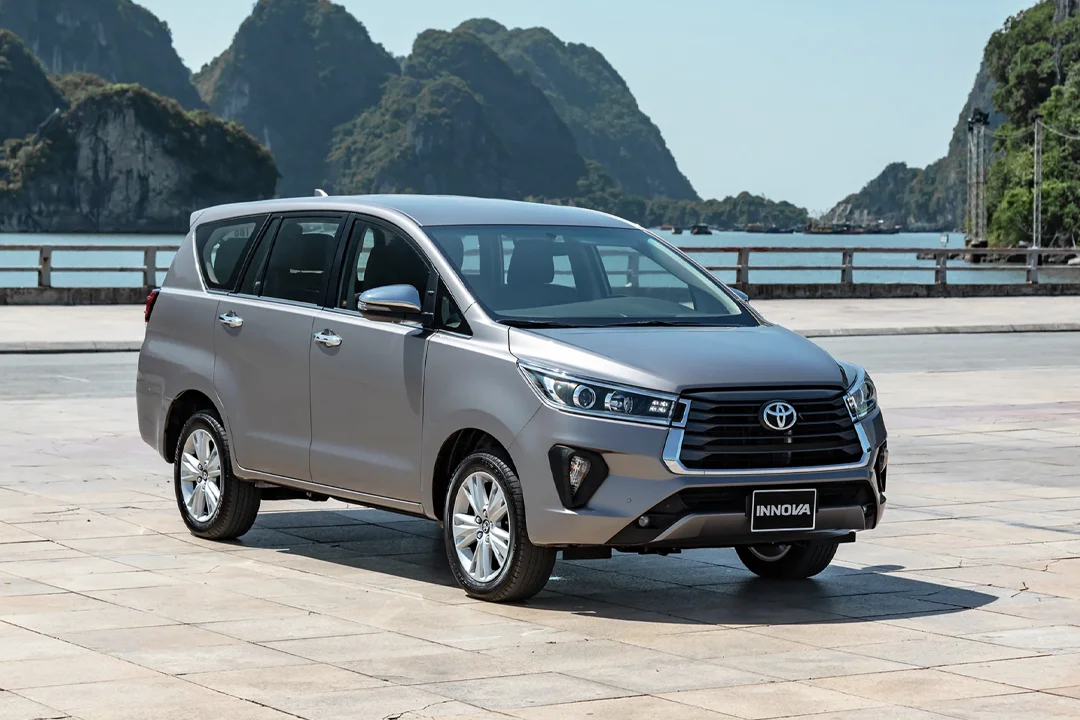
MPV stands for “multi-purpose vehicle.” These vehicles are designed to be spacious and highly practical, with the unique ability to switch between passenger and cargo carrying by rearranging the rear seats.
While most MPVs lack the sleek, sporty, or aerodynamic styling of sedans, SUVs, or crossovers, they use a softer, simpler design focused on interior space. As the name suggests, an MPV's greatest advantage is its versatility, offering a spacious cabin capable of accommodating both larger groups and substantial amounts of luggage.
- Comfortable capacity: 4–6 adults with luggage
- Maximum capacity (crowded): 7 adults
- Luggage capacity: With all seats upright, a Toyota Fortuner can accommodate 2–3 medium suitcases behind the third row. Folding the third row flat allows 4–5 large (28-inch) suitcases to be placed horizontally. If you are wondering how many suitcases a Toyota Fortuner can hold for a family of four, the answer is 3 large suitcases while allowing everyone to travel comfortably.
- Best for: Families of 3–5 people, including seniors or children; groups of 4–6 adults on day trips; long highway journeys; and travelers carrying a large amount of luggage relative to the number of passengers.
MPVs offer a spacious “living room on wheels,” with a third row that is also reasonably comfortable for adults and easy access in and out of the vehicle. However, they have lower ground clearance, are less suitable for rough roads, may carry the stereotype of a “small bus,” and can feel underpowered when fully loaded with passengers and luggage.
Most Common MPV Models in Vietnam, Cambodia, and Thailand
| Country | MPV Models |
|---|---|
| Vietnam | Toyota Innova (most common), Mitsubishi Xpander, Kia Carnival |
| Cambodia | Toyota Innova, Kia Carnival |
| Thailand | Toyota Innova Crysta, Kia Carnival, Mitsubishi Xpander |
Vietnam Travel: 7-Seat SUV vs. MPV — Which Is Right for You?
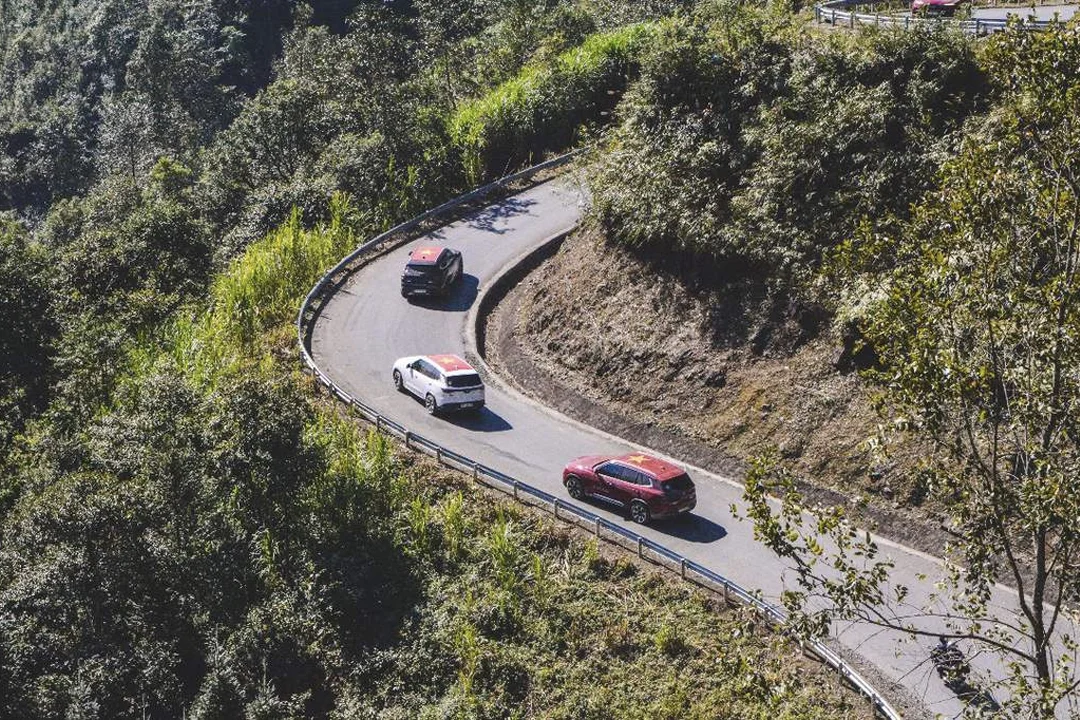
The question we hear most often from first-time visitors is: “Is the Toyota Fortuner or Toyota Innova better for my trip?” The short answer is — if your route includes mountain passes or rough roads, such as Sapa or Ha Giang, choose the Fortuner (SUV). If you are traveling on flat highways with more passengers or luggage, such as from Ho Chi Minh City to Da Lat, choose the Innova (MPV). The MPV's taller cargo area allows luggage to be stacked vertically, while an SUV's folded third row provides a flatter but shorter cargo area.
Private Kia Carnival Hire in Vietnam — Luxury MPV, 7–8 Seats, Business-Class Comfort
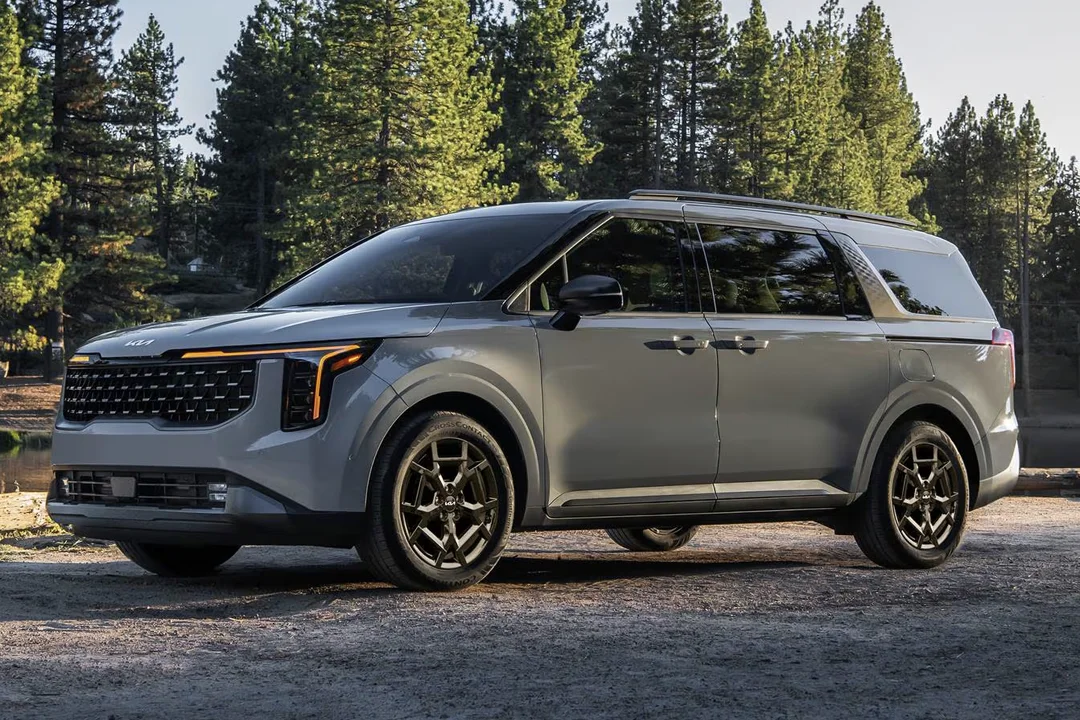
The Kia Carnival deserves its own section because it occupies a unique position in the Southeast Asian private car hire market. It is a large luxury MPV (7–8 seats), positioned perfectly between a standard MPV such as the Toyota Innova and a fully customized luxury limousine. It is becoming increasingly popular for private car hire in Vietnam for one simple reason: it offers genuine business-class space at a more reasonable price than a traditional luxury limousine. The model is even available in 7-seat and 8-seat versions to meet different user needs. In general, the differences between the two are relatively minor. The 7-seat version, mainly found in Premium Signature models, focuses on maximum comfort for VIP passengers, while the 8-seat version, typically found in Luxury Premium models, is optimized for passenger capacity.
Think of it as business class on wheels — spacious, quiet, and equipped with power-adjustable seats. It is ideal for groups of four to five people seeking comfort on long-distance routes without paying the full price of a luxury limousine. That's the Kia Carnival.
In the US and Australian markets, the Carnival was previously sold under the name Kia Sedona. It is the exact same model, so if you have ridden in a Sedona before, you already know exactly what you are booking.
- Comfortable capacity: 4–5 adults with luggage (7-seat version), 5–6 people (8-seat version)
- Maximum capacity (crowded): 7 adults
- Luggage capacity: 3–4 large suitcases (with the third row folded), 2 medium suitcases (fully occupied)
- Best for: Families of 3–5 people, including seniors or children; groups of 4–6 adults on day trips; long highway journeys; and travelers carrying a large amount of luggage relative to the number of passengers.
The Kia Carnival offers a luxurious design, exceptionally comfortable second-row seats, excellent sound insulation, power sliding doors, and a huge cargo area that is ideal for family or business travel. However, its large body makes parking more difficult in narrow urban lanes, while its lower ground clearance, lack of four-wheel drive, and higher rental price limit its suitability for rough terrain compared with standard MPVs.
What Makes the Kia Carnival Worth Upgrading to Instead of a Standard MPV?
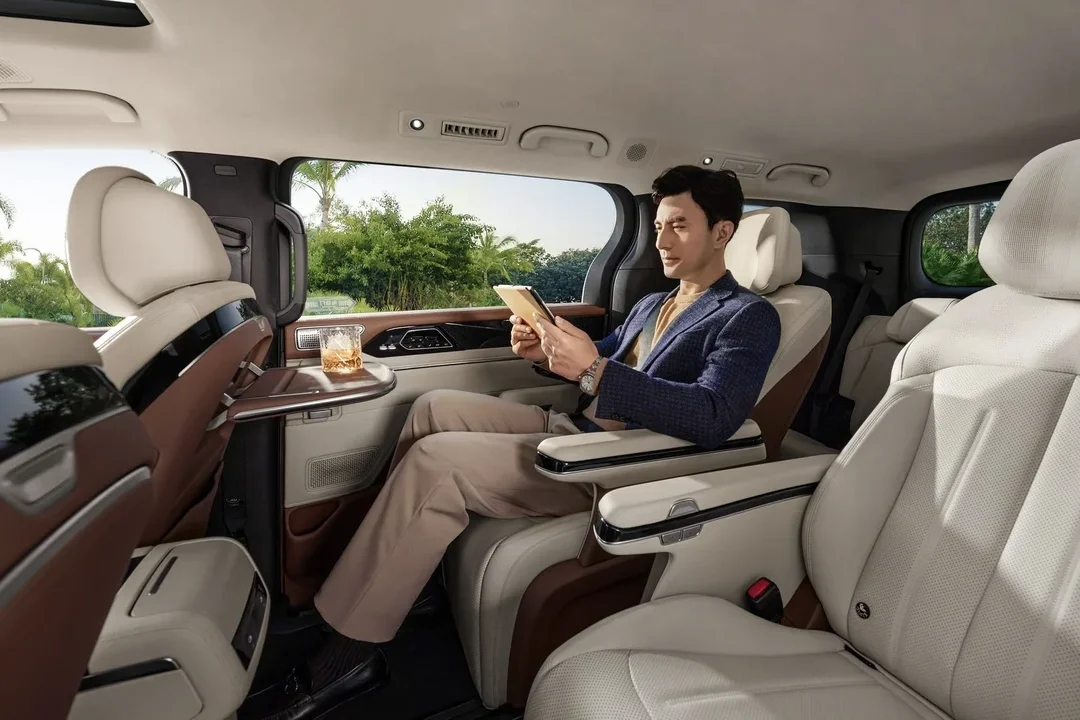
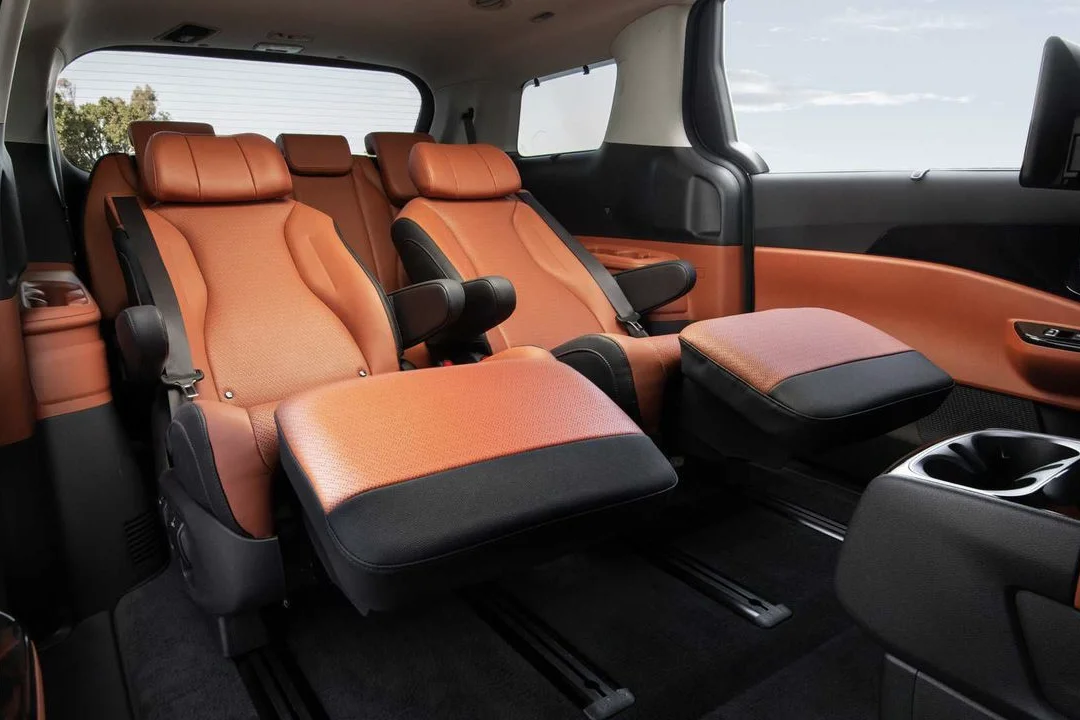
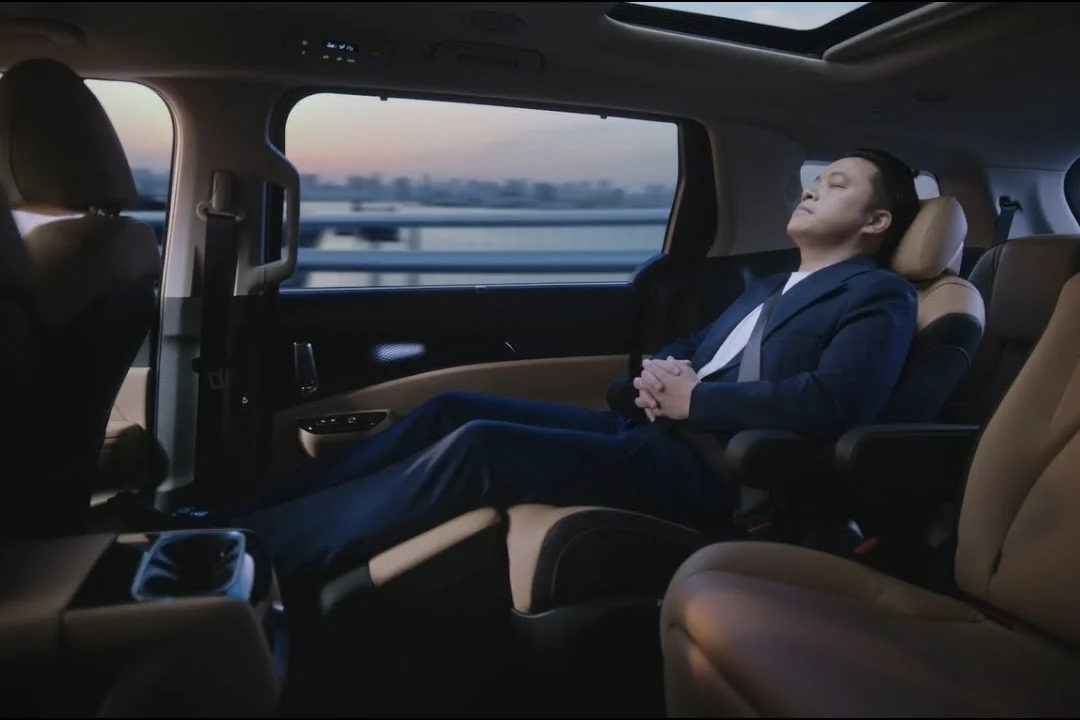
- Business-class seats (second row): This is the vehicle's biggest selling point. In the premium 7-seat versions (Premium/Signature), the second row features two individual captain's chairs. These seats offer multi-way power adjustment, footrests/leg rests, deeply reclining relaxation modes, and heated and ventilated functions. There is enough space for a laptop and drinks, allowing passengers to work comfortably. Second-row passengers enjoy an experience comparable to business class on an airplane during long journeys.
- Unibody construction: Unlike the body-on-frame construction used by the Toyota Fortuner or Ford Everest, which is inherently more prone to vibration, the Carnival uses a unibody platform. Combined with advanced sound insulation, this significantly reduces wind and tire noise, providing a smooth, luxury-sedan-like ride on highways.
- Power sliding doors: The wide power sliding doors on both sides make getting in and out extremely convenient, especially for seniors, children, or guests carrying a lot of luggage. You also do not have to worry about hitting a parked vehicle next to you in a tight space.
- “Living room” cabin: The vehicle has a spacious aisle, high roof, and panoramic sunroof (depending on the version), creating an airy, open feeling even on long journeys.
Recommended Routes for Choosing the Kia Carnival
| Route | Suitability | Notes |
|---|---|---|
| Hanoi → Halong Bay | Excellent | This is our most popular route — the Kia Carnival is our top recommendation for this approximately 2.5-hour highway journey. |
| Hanoi → Ninh Binh | Very good | A short highway journey with plenty of time to enjoy the luxury. |
| Bangkok → Pattaya | Excellent | Flat highways and often a lot of luggage; the Carnival performs exceptionally well. |
| Ho Chi Minh City → Mui Ne | Good | Some rough sections, but the route is paved overall. |
| Sapa or Ha Giang | Poor | Too many potholes and steep slopes; choose a Fortuner instead. |
Toyota Innova vs. Kia Carnival in Vietnam — Which Should You Book?
Both are 7-seaters and can travel on Vietnam's major highways — but they serve different types of travelers. The Innova is the practical choice: rental prices are lower (around 30–40% cheaper), ground clearance is higher, it is suitable for secondary roads, and it is easier to find on short notice. The Carnival is for travelers who want the journey itself to be part of the vacation: power-adjustable captain's chairs, an almost silent cabin, and a huge trunk that can accommodate four large suitcases without folding any seats. For groups of 3–4 people traveling on highway routes such as Hanoi to Ninh Binh or Bangkok to Pattaya, the extra cost of the Carnival is generally justified. For groups of 6–7 people sharing the cost, the Innova offers better value.
Limousines in Vietnam (9–11 Seats) — What the Term Actually Means in Southeast Asia
In the West, “limousine” usually refers to an extended luxury sedan, but in Southeast Asia the term means something completely different. It is generally used specifically for premium vehicles or 9-seat VIP vans with specialized interiors, such as massage seats, entertainment screens, and minibars. These are essentially 16-seat vehicles that have been converted to meet passenger transportation needs.
In Cambodia and Thailand, “limousine” may refer to a “luxury sedan” or a “9-seat limousine,” while in Vietnam, in most cases, it usually refers to a 9-seat limousine.
A. Luxury Limousine (Stretch Limousine)
- Includes models such as the Mercedes S-Class, E-Class, BMW 7 Series, 5 Series, Audi A8, and Lexus LS
- Used for VIP airport transfers, corporate executives, and honeymooners
- Comfortably accommodates 1–3 passengers
- Luggage capacity: 2 large suitcases + 2 carry-on bags
B. 9-Seat Limousine (Vietnam)
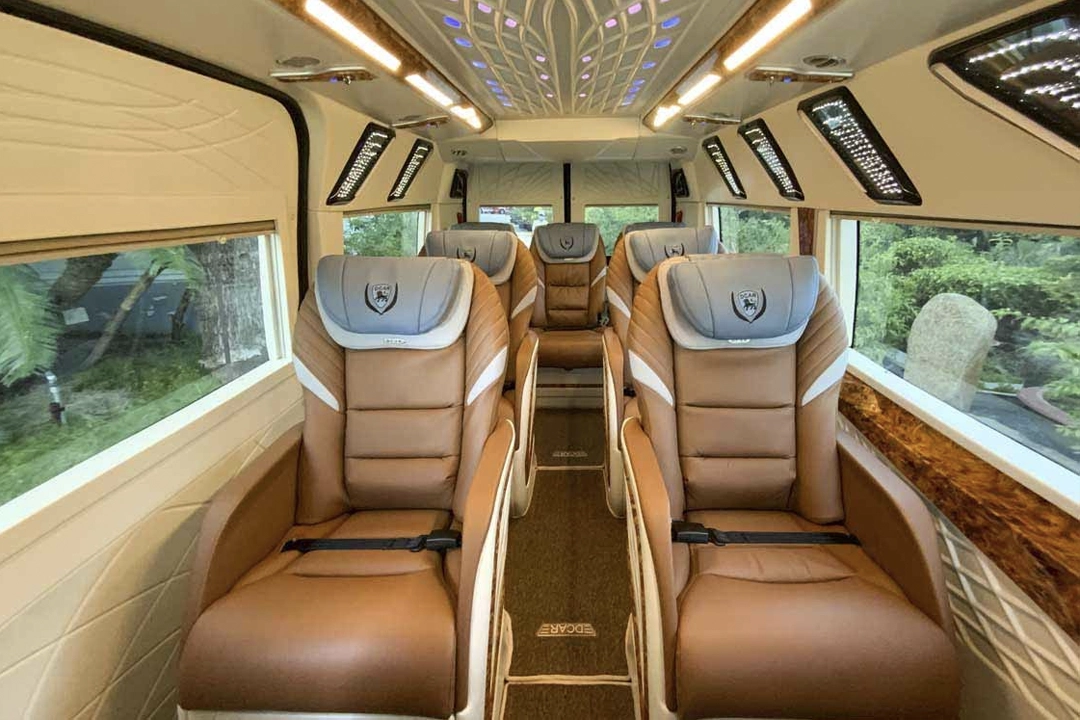
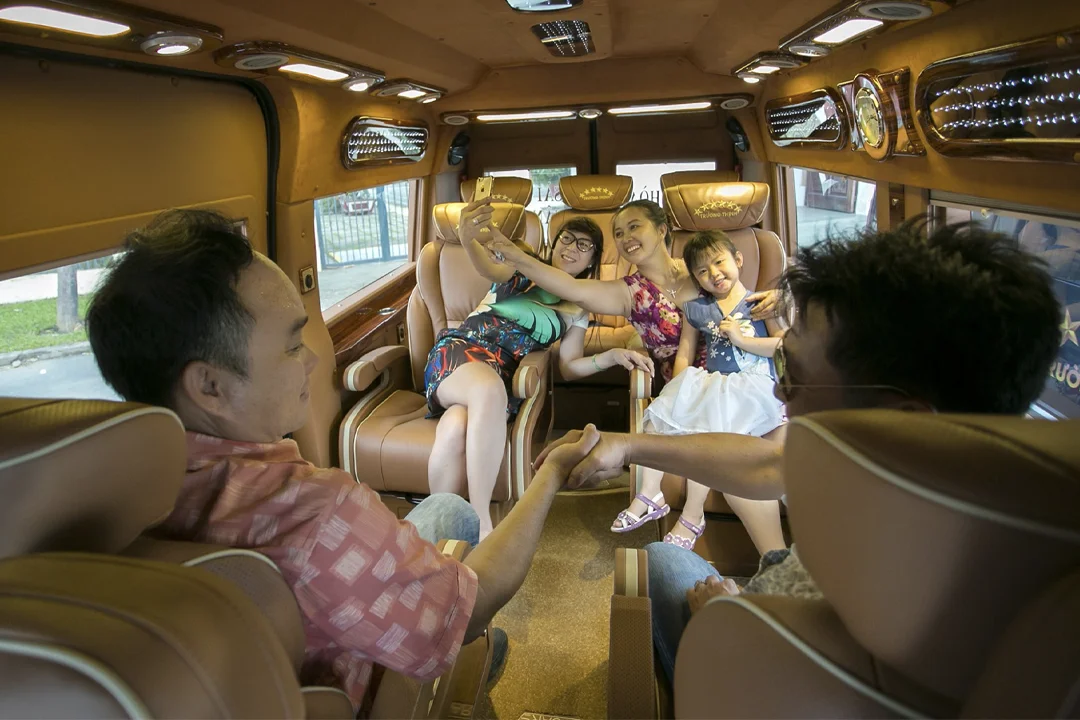
If you are researching Dcar Limousines in Vietnam, here are a few things to know: Dcar is a Vietnamese conversion brand that takes standard Ford Transit or Hyundai Solati bodies and completely rebuilds the interior from scratch — replacing the original 16 seats with 9 to 11 VIP reclining seats and adding ambient lighting, curtains, USB charging ports, and sometimes entertainment screens. The ride quality on highways can genuinely rival business class on a short-haul flight. The downside is availability: Dcar vehicles are concentrated in northern Vietnam, particularly along the Hanoi, Halong Bay, and Sapa corridor, and are less common in the south or on cross-border routes to Cambodia.
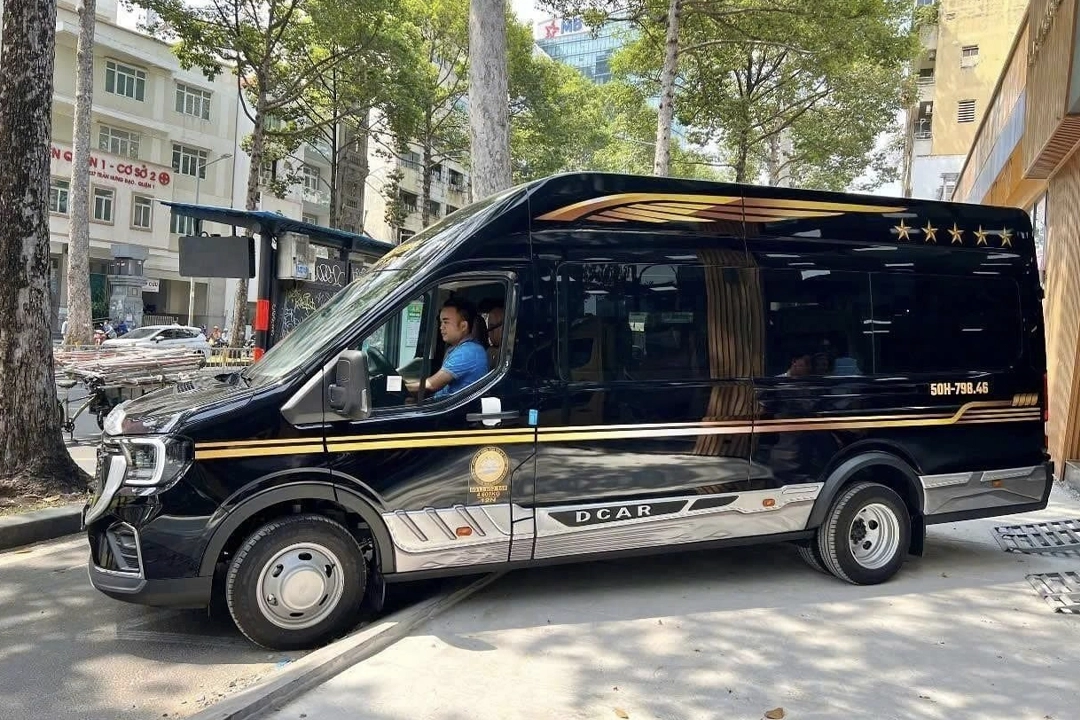
- Dcar (Vietnamese brand), Toyota Alphard, Lexus LM, Mercedes V-Class
- Standard minibus body, but with a completely redesigned interior: massage seats, LED ambient lighting, curtains, and sometimes a minibar or karaoke screen
- Can accommodate 7–8 passengers in ultimate comfort, or 9 passengers at full capacity (although the front seats may be less comfortable, especially for taller Western travelers)
- Luggage capacity: 4–6 large suitcases (dedicated rear compartment)
Limousines are ideal for honeymoon transfers, corporate delegations, and celebrity travelers, offering top-tier comfort, excellent privacy, and professional uniformed drivers, as well as a sense of status. However, they are very expensive, costing three to five times as much as a standard sedan, and high-end models such as the Lexus LM are limited in availability and require advance booking. Overall, while they provide an unmatched luxury experience, they are often considered excessive for short, routine journeys.
Limousine Models Available in Vietnam, Cambodia, and Thailand
| Country | Luxury Sedan | Limousine |
|---|---|---|
| Vietnam | None | Dcar Limousine, Toyota Alphard, Lexus LM, Mercedes V-Class |
| Cambodia | Mercedes C-Class | Toyota Alphard, Mercedes V-Class |
| Thailand | Mercedes C/E/S, BMW 5/7 | Toyota Alphard (very common), Mercedes V-Class |
16-Seat Van — The Most Economical Choice for Group Travel
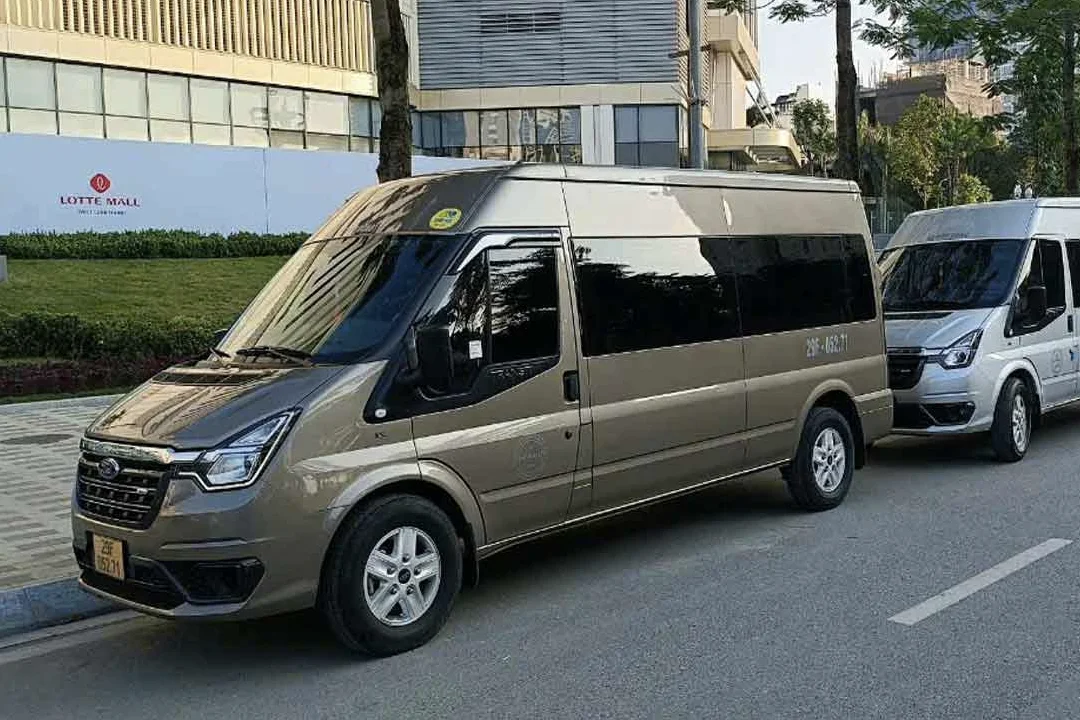
These are commercial vans converted for passenger transportation, typically accommodating 15–16 seats. Thanks to their optimized passenger capacity, they are a popular choice for passenger transportation, employee shuttles, group tours, and contracted services.
- Comfortable capacity: 10 adults
- Maximum capacity (crowded): 15 passengers
- Luggage capacity: 2–3 medium suitcases (with the third row folded), 5–6 or more suitcases (using a roof rack), plus carry-on backpacks stored at individual seats
- Best for: Airport transfers for tour groups, sports teams, or school groups, and budget group travel.
A 16-seat van is an ideal choice for group travel, keeping everyone together while offering the lowest per-person cost and wide sliding doors for easy loading. However, passengers must compromise on comfort, as these vehicles are equipped with basic seats, have higher cabin noise, a truck-like bumpy ride for rear passengers, and a large body that is difficult to park on narrow city streets.
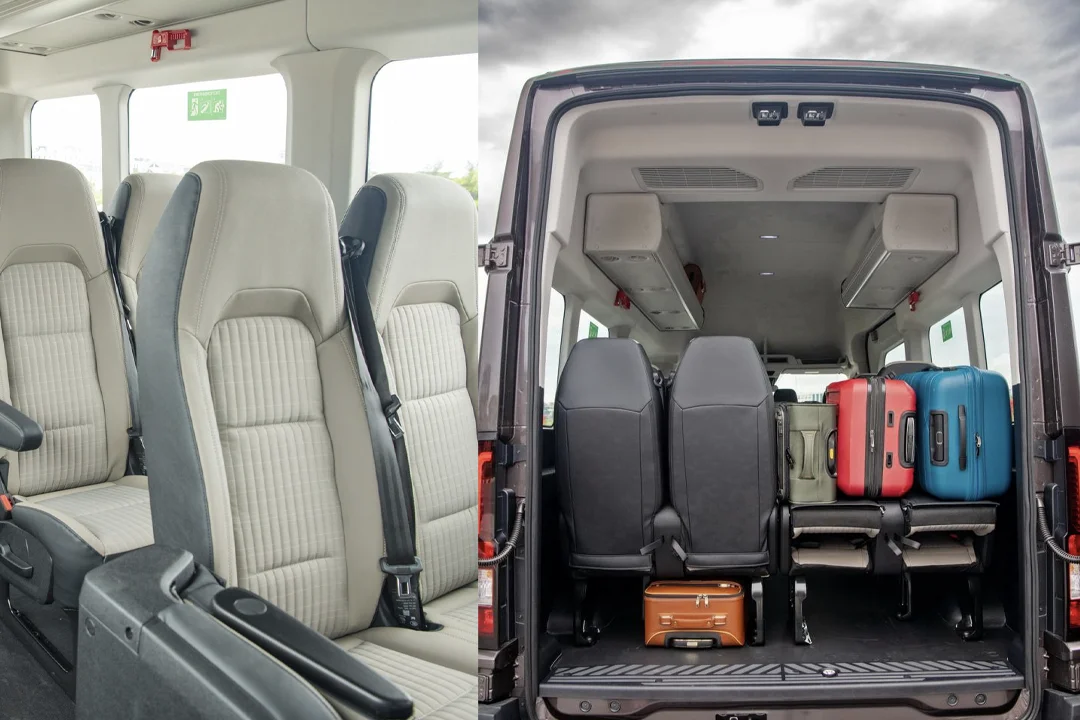
Common 16-Seat Van Models in Vietnam, Cambodia, and Thailand
| Country | 16-Seat Van Models |
|---|---|
| Vietnam | Ford Transit (most common), Hyundai Solati, Toyota Hiace |
| Cambodia | Toyota Hiace, Ford Transit |
| Thailand | Toyota Hiace (very common), Ford Transit |
Did you know? In Thailand, this is the undisputed king of group transportation. It is reliable, parts are readily available, and every driver knows how to operate one. However, it is not a luxury vehicle. If your group wants comfort, upgrade to a 9-seat limousine (Toyota Alphard) or two SUVs.
Comparison Table — At a Glance
| Criteria | Sedan | SUV (7-seat) | MPV (7-seat) | Kia Carnival | Limousine | 16-seat Van |
|---|---|---|---|---|---|---|
| Practical passenger capacity | 1–3 | 2–5 | 4–6 | 4–6 | 8 | 10–14 |
| Luggage (large suitcases) | 2 | 3 (third row folded) | 4 (third row folded) | 5+ | 5+ | 5–8 (using roof rack) |
| Long-distance comfort (3+ hours) | Good for 2 people | Front rows acceptable; third row poor | Good in all rows | Excellent (second row) | Excellent | Poor to acceptable |
| Highway stability | Excellent | Good | Excellent | Excellent | Excellent | Acceptable |
| Rough-road/mountain capability | Poor | Excellent | Acceptable | Poor | Poor | Acceptable |
| Price (per person, per day) | $ | $$ | $$ | $$$ | $$$$ | $$ |
| Best for | Couples, solo business travelers | Small families, rough roads | Families, groups with luggage | Luxury small groups | VIPs, honeymooners | Large budget groups |
Note: Because these vehicles have more seats, they offer better value for group travel. For larger vehicles such as limousines or 16-seat vans, the per-person price may even be lower.
What Are the Most Common Vehicle Models in Vietnam, Cambodia, and Thailand?
| Vehicle Type | Vietnam | Cambodia | Thailand |
| Standard Sedan | Toyota Vios, Hyundai Accent | Toyota Camry, Hyundai Elantra | Toyota Camry, Honda Accord |
| Luxury Sedan | Mercedes C/E-Class, BMW 3/5 | Mercedes C-Class | Mercedes C/E-Class |
| 7-Seat SUV | Toyota Fortuner, Ford Everest | Toyota Fortuner, Ford Everest | Toyota Fortuner, Isuzu MU-X |
| 7-Seat MPV | Toyota Innova, Kia Carnival | Toyota Innova, Kia Carnival | Toyota Innova Crysta, Kia Carnival |
| Luxury Limousine/VIP | Dcar, Toyota Alphard, Lexus LM | Mercedes V-Class, Toyota Alphard | Toyota Alphard, Mercedes V-Class |
| 16-Seat Van | Ford Transit, Hyundai Solati | Toyota Hiace | Toyota Hiace |
How to Choose the Right Private Car Hire in Vietnam Based on Group Size, Route, and Budget

Making the right vehicle choice ultimately comes down to three main factors: the size of your group, your route, and your budget. When choosing based on group size, a sedan or small SUV is ideal for one or two people, while groups of three to four should consider an SUV or 7-seat MPV. Larger groups of five to six people carrying a lot of luggage will find a spacious MPV or 9-seat limousine more suitable, while groups of seven or more will need a 16-seat van.
Your route type also plays a crucial role in the decision. For sightseeing in cities with narrow streets, such as Hanoi or Bangkok, a maneuverable sedan or small SUV is ideal. If you are tackling a long route with mountain passes — such as Hanoi to Sapa or Chiang Mai to Pai — you will need a powerful SUV with high ground clearance, such as the Toyota Fortuner. For flat highway journeys, such as a private car hire from Hanoi to Halong Bay, an MPV or limousine offers the smooth, comfortable ride you want. Regardless of the destination, a 16-seat van remains the practical standard choice for large groups.
Finally, adjust your choice according to your budget to find the right balance between cost and comfort. Budget-conscious travelers can book a standard sedan or significantly reduce costs by sharing the price of a 16-seat van among a large group. For a mid-range balance of value and practicality, reliable options such as the Toyota Innova MPV or Toyota Fortuner SUV are excellent choices. If you want a premium experience, you can choose a luxury limousine or high-end VIP vehicle such as a Dcar or Toyota Alphard.
7 Questions to Ask Before Booking a Private Car Hire in Vietnam — Avoid Surprises on the Road
To ensure a smooth journey and avoid unpleasant surprises, be sure to confirm the following details with your travel agency or transportation provider before finalizing your booking:
What is the exact make and model of the vehicle?
What is the vehicle's model year?
Does the vehicle have a fully functioning air-conditioning system that actually cools the cabin?
Does the driver speak English?
Are highway tolls and ferry fees included in the final price?
Are flexible stops along the way allowed?
What is the refund policy if I cancel my booking?
Choosing the Right Private Car Hire in Vietnam, Cambodia, and Thailand — A Quick Recap
The private car hire market in Southeast Asia is extremely diverse, offering tremendous flexibility but often confusing first-time visitors. To summarize your options: sedans are ideal for 1 to 3 passengers on flat roads, while SUVs excel on rough terrain but have tighter third-row seating. For six adults traveling in genuine comfort on highways, an MPV such as the Toyota Innova is an excellent choice, while the Kia Carnival is a hidden gem offering a “business class on wheels” experience for four to five travelers. If you are looking for luxury and comfort, limousines offer high-end comfort rather than the traditional stretched-limousine appearance, while 16-seat vans are ideal for large budget-conscious groups willing to sacrifice some comfort. Since images on booking websites can be misleading, the golden rule is to always ask for the exact vehicle model and confirm luggage capacity directly with your travel agency. If you are still unsure which vehicle is right for your group, avoid guessing and contact A21 Tours directly. By sharing your number of passengers, luggage type, route, and any special requirements, you will receive an accurate vehicle recommendation and photos of the actual vehicle before making any payment.