Traditional Festivals in Southern Vietnam: Discover Vietnam's Local Heritage
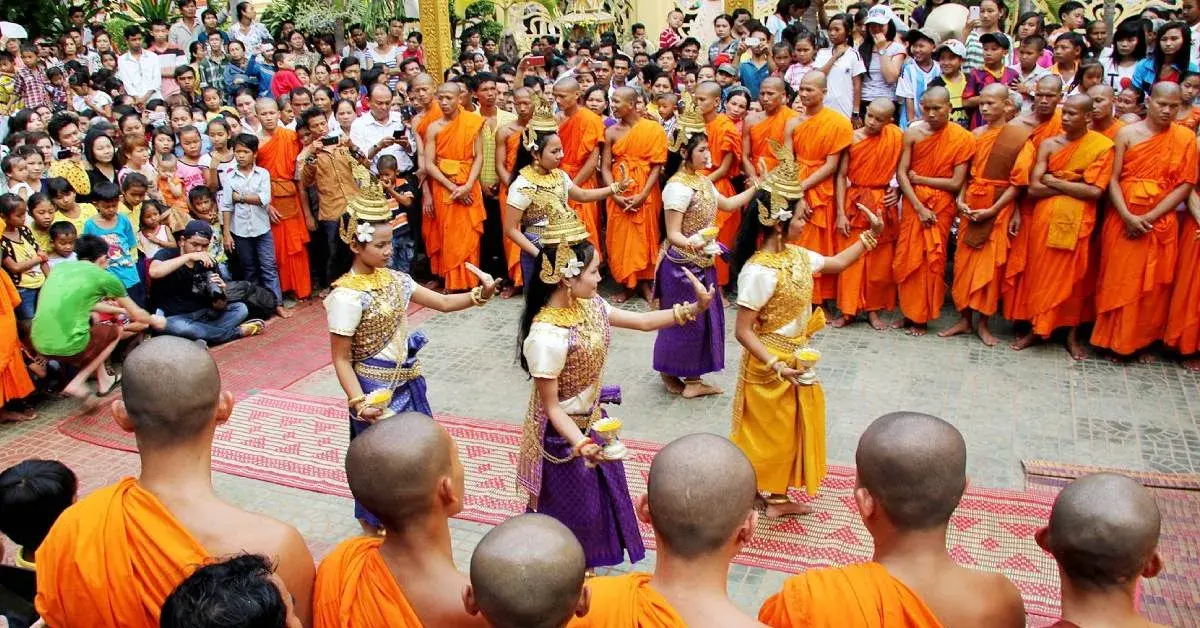
Southern Vietnam is a region shaped by rivers, agriculture, fishing communities and the cultural traditions of different ethnic groups. Its festivals reflect this diversity, from religious pilgrimages at Sam Mountain to coastal ceremonies honouring the sea and Khmer celebrations connected with the agricultural calendar.
For travellers, these events offer a chance to discover a different side of the Mekong Delta and the communities that give the region its distinctive character. Visitors can observe traditional worship, enjoy folk performances, watch boat races and sample local food while exploring destinations beyond the major cities.
This guide introduces three traditional festivals in southern Vietnam: the Ba Chua Xu Festival at Sam Mountain, the Nghinh Ong Festival in Can Gio and the Ok Om Bok Festival in the former Soc Trang area. Together, they offer three different cultural experiences, each closely connected with local beliefs and community life.
Some festival sites are several hours from major urban centres, while others involve river journeys or crowded public areas. A private car with a driver can make the road journey more convenient and help you combine the festival with nearby attractions.
Dates are based on the traditional calendar and may fall on different Gregorian dates each year. Check local announcements before booking accommodation or transport.
1. Ba Chua Xu Festival at Sam Mountain
Location: Ba Chua Xu Temple, Sam Mountain area, Chau Doc, An Giang Province
Usual time: The 22nd–27th days of the fourth lunar month
Type of festival: Religious pilgrimage, traditional worship and community ceremonies
Recommended visit: Two to three days, or longer for a Mekong Delta tour
Discover one of southern Vietnam's most important religious festivals
The Ba Chua Xu Festival at Sam Mountain is one of the best-known traditional religious celebrations in southern Vietnam. It takes place at Ba Chua Xu Temple in Chau Doc, An Giang, and attracts worshippers and visitors from different parts of the country.
The festival is dedicated to Ba Chua Xu, a female deity widely worshipped in southern Vietnam. Devotees visit the temple to express gratitude and pray for health, protection, peace and prosperity.
The main festival period runs from the 22nd to the 27th days of the fourth lunar month. The programme includes a series of ceremonies that follow a traditional sequence, while additional cultural activities may take place around the main dates.
In 2024, the festival was inscribed on UNESCO's Representative List of the Intangible Cultural Heritage of Humanity. This recognition highlights its cultural importance and the participation of different communities in maintaining the tradition.
For visitors, the festival provides an opportunity to experience an important southern Vietnamese religious tradition while exploring the distinctive landscapes and cultural diversity of the Mekong Delta.
Main activities and highlights
The procession of the statue
The procession of the Ba Chua Xu statue is one of the festival's important ceremonies. Participants carry the statue along a designated route as part of the traditional observances.
This ritual attracts large numbers of worshippers and forms one of the most significant moments in the festival programme.
The bathing ceremony
The bathing ceremony takes place according to the traditional ritual calendar. It involves changing the statue's clothing and jewellery as part of the worship practices.
Visitors should observe quietly and follow instructions from the organisers, especially in crowded areas around the temple.
Traditional offerings and worship
The festival includes ceremonies such as inviting the deity, formal worship and presenting offerings. These rituals are central to the spiritual meaning of the event.
Travellers who want to witness a particular ceremony should check the latest programme rather than assume that all activities take place at the same time every year.
Cultural and community activities
Alongside the religious ceremonies, the wider festival period may feature cultural performances, exhibitions, sporting activities and other community events.
These activities offer another way to discover the cultural life of Chau Doc and the beliefs surrounding Sam Mountain.
Exploring Sam Mountain and nearby temples
The festival is also an opportunity to explore the wider religious heritage of the area. Travellers can visit other temples and historic sites around Sam Mountain and learn more about the cultural diversity of An Giang.
The surrounding region combines religious sites with rural landscapes, local markets and waterways, making it suitable for a longer cultural journey.
Who should attend?
Ba Chua Xu Festival is suitable for spiritual travellers, cultural visitors, families and people interested in Vietnamese folk religion.
It also appeals to travellers who want to understand the range of beliefs and cultural traditions found in southern Vietnam.
Because the festival attracts large crowds, visitors should allow extra time for walking, waiting and moving between different areas. Those who prefer quiet sightseeing may want to explore nearby attractions outside the busiest periods.
Suggested tours with a private car and driver
Chau Doc and Sam Mountain spiritual tour
Visit Ba Chua Xu Temple and other religious sites around Sam Mountain. A driver can connect the different locations and organise the road journey from your hotel.
Chau Doc–Tra Su forest tour
Combine the festival with a visit to Tra Su cajuput forest, known for its waterways and natural scenery. This itinerary offers a contrast between spiritual tourism and ecological experiences.
Mekong Delta discovery tour
Travellers with more time can continue to other destinations in the Mekong Delta, exploring local markets, riverside communities and cultural attractions.
2. Nghinh Ong Festival in Can Gio
Location: Thuy Tuong Temple and associated festival sites in Can Thanh, Can Gio, Ho Chi Minh City
Usual time: The 15th–17th days of the eighth lunar month
Type of festival: Whale worship, fishing community traditions, sea procession and folk activities
Recommended visit: One full day for the festival, or two days for a wider Can Gio trip
Discover the traditions of Vietnam's coastal fishing communities
Nghinh Ong Festival in Can Gio is a traditional celebration connected with whale worship and the beliefs of coastal fishing communities.
In many parts of Vietnam, whales are regarded by fishing communities as protective beings associated with safety at sea. The annual festival provides an occasion for fishermen and local residents to express gratitude, pray for favourable conditions and remember the traditions of their community.
In Can Gio, the festival is traditionally held from the 15th to the 17th days of the eighth lunar month. Its main activities take place at Thuy Tuong Temple and other locations around Can Thanh, including coastal waters and public spaces used for community celebrations.
The festival combines solemn religious ceremonies with lively public activities. Visitors can therefore experience both the spiritual traditions of local fishermen and the festive atmosphere of a coastal community.
Can Gio is also known for its mangrove ecosystem and natural landscapes. Combining the festival with a nature excursion makes the destination especially attractive to travellers staying in Ho Chi Minh City.
Main activities and highlights
The sea procession
The sea procession is one of the festival's most distinctive activities. Decorated fishing boats travel along the water as part of the traditional ceremonies associated with whale worship.
The sight of boats carrying flags and ceremonial decorations reflects the close connection between the festival and the sea.
Visitors interested in maritime traditions and coastal life may find this particularly memorable. However, viewing arrangements depend on the official programme and local access rules.
Ceremonies at Thuy Tuong Temple
Religious ceremonies are an important part of Nghinh Ong Festival. Local residents gather to offer prayers and express gratitude for protection, safety and well-being.
These ceremonies also provide insight into the beliefs of fishing communities and their relationship with the sea.
Celebrating the fishing community
The festival recognises the role of fishing in local life. Some activities are dedicated to the experiences and achievements of fishermen, reflecting the importance of the sea to the local economy and community identity.
For travellers, this provides an opportunity to learn more about the people who depend on coastal resources for their livelihoods.
Folk games and outdoor activities
The wider programme may include sports, cultural performances and traditional games. Depending on the edition, visitors may find recreational activities and demonstrations connected with coastal life.
These public events create a lively atmosphere around the main ceremonies and offer additional opportunities to observe local customs.
Exploring Can Gio's natural environment
Visitors can combine festival activities with nature-based experiences in Can Gio. The mangrove landscape provides a contrast to central Ho Chi Minh City's busy streets and commercial districts.
Depending on opening hours and available services, a day trip can include suitable nature attractions alongside cultural activities.
Who should attend?
Nghinh Ong Festival is ideal for cultural travellers, families, photographers and visitors interested in fishing traditions and coastal communities.
It is particularly suitable for people staying in Ho Chi Minh City who want to discover a different environment beyond the city's urban attractions.
The festival may also interest visitors who want to understand how local beliefs are connected with the sea and the natural world.
Suggested tours with a private car and driver
Ho Chi Minh City–Can Gio day trip
Travel from Ho Chi Minh City to Can Gio and spend the day attending festival activities and exploring the local area. Your driver can coordinate the road journey and agree on a pickup point that suits the event schedule.
Can Gio festival and mangrove tour
Combine festival activities with suitable nature attractions, including the Can Gio mangrove area and other local sites that are open to visitors.
Southern coastal culture tour
Travellers with more time can include Can Gio in a wider southern Vietnam itinerary, combining urban sightseeing with coastal communities and natural landscapes.
3. Ok Om Bok Festival and Ngo Boat Racing in Soc Trang
Location: The former Soc Trang area, now part of Can Tho City, especially the Maspero River and Khmer pagoda communities
Usual time: The evening of the 14th and the 15th days of the tenth lunar month
Type of festival: Khmer moon worship, agricultural traditions, folk performances and traditional boat racing
Recommended visit: Two days, or longer for a Mekong Delta itinerary
Celebrate Khmer traditions during the Moon Worship Festival
Ok Om Bok, also known as the Moon Worship Festival, is one of the most important traditional celebrations of Khmer communities in southern Vietnam.
The festival is connected with the agricultural calendar and the end of the rainy season. It expresses gratitude to the Moon for favourable weather and successful crops, while also reflecting hopes for prosperity and a good harvest.
The festival traditionally takes place on the evening of the 14th and the 15th days of the tenth lunar month. In the former Soc Trang area, the wider celebration is closely associated with Khmer pagodas, the Maspero River and annual Ngo boat races.
Soc Trang became part of the expanded Can Tho City following Vietnam's 2025 provincial reorganisation. Its Khmer heritage nevertheless remains an important part of the area's cultural identity.
Ok Om Bok is particularly appealing because it combines traditional religious customs with a major public sporting event. Visitors can experience the quieter atmosphere of the moon-worship ceremony and then enjoy the excitement of boats racing along the river.
Main activities and highlights
Moon-worship ceremony
The moon-worship ceremony is the spiritual centre of Ok Om Bok. Families and communities gather at homes or pagodas to present food and agricultural products as a sign of gratitude.
Traditional offerings may include flattened rice, fruit and other seasonal products. The ceremony expresses hopes for favourable conditions, a good harvest and well-being for the community.
Observing the ceremony offers insight into the relationship between Khmer beliefs, agriculture and the natural world.
Flattened rice and traditional food
Flattened rice, known in Vietnamese as cốm dẹp, is closely associated with the festival. It is made from young rice and features in traditional offerings and food customs.
Visitors may have opportunities to learn about this food tradition and sample local specialities during the festival period.
Food is an important way to explore Khmer cultural identity, and travellers can discover other regional dishes at local markets and food stalls.
Ngo boat racing
Ngo boat racing is the major public attraction associated with the festival in the former Soc Trang area. Teams representing Khmer pagodas and communities compete in long traditional boats, with rowers working together to maintain speed and direction.
The races create an energetic atmosphere along the Maspero River. Spectators gather along the banks to cheer for their favourite teams, while drums, music and crowd celebrations add to the excitement.
The competition is more than a sporting event. It reflects community identity, teamwork and the long-standing relationship between river life and Khmer culture.
Water lanterns and illuminated displays
Depending on the programme, the festival may include illuminated water lanterns and decorated traditional boats. These activities create colourful scenes along the river and reflect local beliefs about peace, renewal and the removal of misfortune.
The schedule and locations should be confirmed before visiting, particularly if you want to see a particular evening activity.
Traditional Khmer performances
The wider programme may feature traditional music, dance and performances associated with Khmer culture, including folk entertainment and other community activities.
These programmes help visitors understand the cultural richness of the Mekong Delta and the role of Khmer communities in the region's heritage.
Who should attend?
Ok Om Bok Festival is suitable for cultural travellers, families, photographers, sports fans and visitors interested in ethnic diversity and agricultural traditions.
It is particularly recommended for travellers who want to discover Khmer culture in southern Vietnam rather than focus only on rivers, markets and fruit gardens.
The boat races can attract large crowds, so visitors who prefer quieter experiences may want to attend the moon-worship activities or explore other cultural sites at less busy times.
Suggested tours with a private car and driver
Can Tho–Soc Trang cultural tour
Travel to the former Soc Trang area and explore Khmer temples and local cultural attractions before attending the festival.
Ok Om Bok and Ngo boat-racing tour
Plan your visit around the official race schedule. Your driver can arrange suitable arrival and departure points, allowing you to focus on the competition and festival atmosphere.
Mekong Delta heritage journey
Extend your trip to other destinations in the Mekong Delta, combining Khmer cultural sites with local markets, riverside communities and regional cuisine.
Plan Your Southern Vietnam Festival Journey
Southern Vietnam's traditional festivals provide a memorable introduction to the cultural diversity of the Mekong Delta and the southern coast. The Ba Chua Xu Festival brings together religious traditions and pilgrimage, Nghinh Ong Festival celebrates the heritage of coastal fishing communities, and Ok Om Bok reflects the agricultural beliefs and cultural identity of Khmer communities.
Each event can be combined with other experiences in the region. Visitors to Chau Doc can explore Sam Mountain and nearby natural attractions, while a trip to Can Gio offers a mixture of coastal culture and mangrove scenery. Travellers attending Ok Om Bok can discover Khmer pagodas, local food and the waterways of the Mekong Delta.
A private car with a driver is particularly useful for long-distance journeys and itineraries that include several attractions. It allows travellers to plan departure times, connect destinations and return to their hotel without managing multiple road transfers.
However, festival travel still requires flexibility. Road closures, crowded event areas and designated walking routes may affect access, so arrange pickup and drop-off points in advance and allow sufficient time for on-site activities.
Before travelling, check the dates in the lunar calendar, confirm the latest programme and respect local customs during religious ceremonies.
Discover southern Vietnam through its river culture, coastal traditions and community festivals—and enjoy a more flexible journey with a private car and driver.
Explore the Other Parts of This Guide now: