If you are looking for multiple transfers around Vietnam and Cambodia, simply send us your travel request.
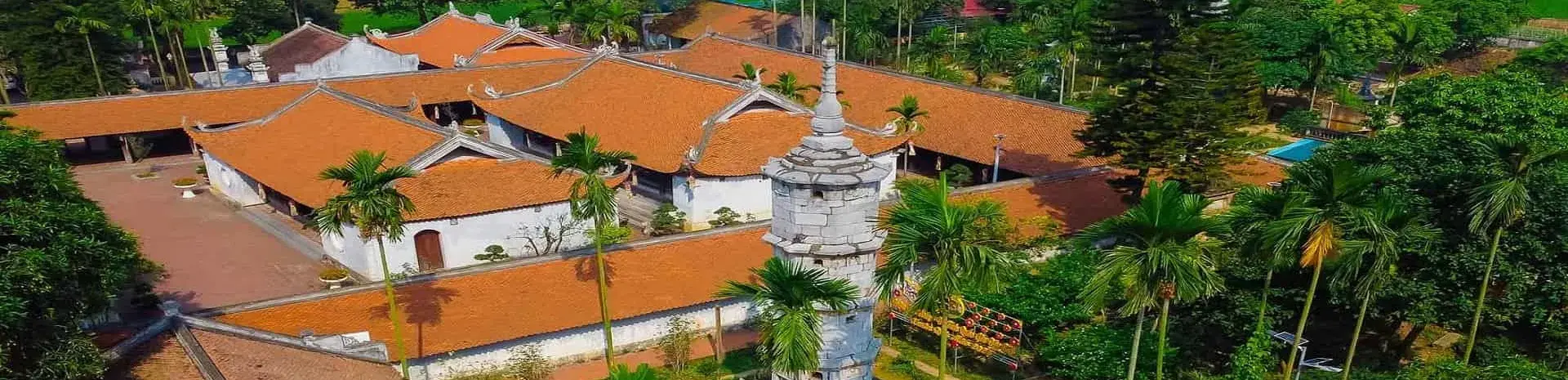
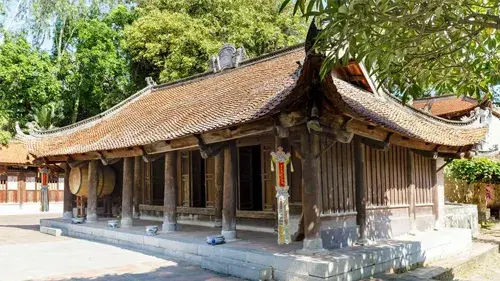
But Thap Pagoda located along the serene banks of the Duong River in Bac Ninh, is a cornerstone of Vietnamese Buddhist architecture. Recognized as one of the most intact 17th-century structures in the country, it is a treasury of National Treasures, including the world-renowned "Thousand-Hand, Thousand-Eye" Guan Yin statue. For the 2026 traveler, the pagoda offers a sophisticated journey through the Le Trung Hung dynasty's artistic zenith. With its iconic pen-shaped Bao Nghiem stupa and intricate stone carvings, But Thap provides a restorative sanctuary that perfectly balances historical gravity with the tranquil beauty of the Northern countryside.
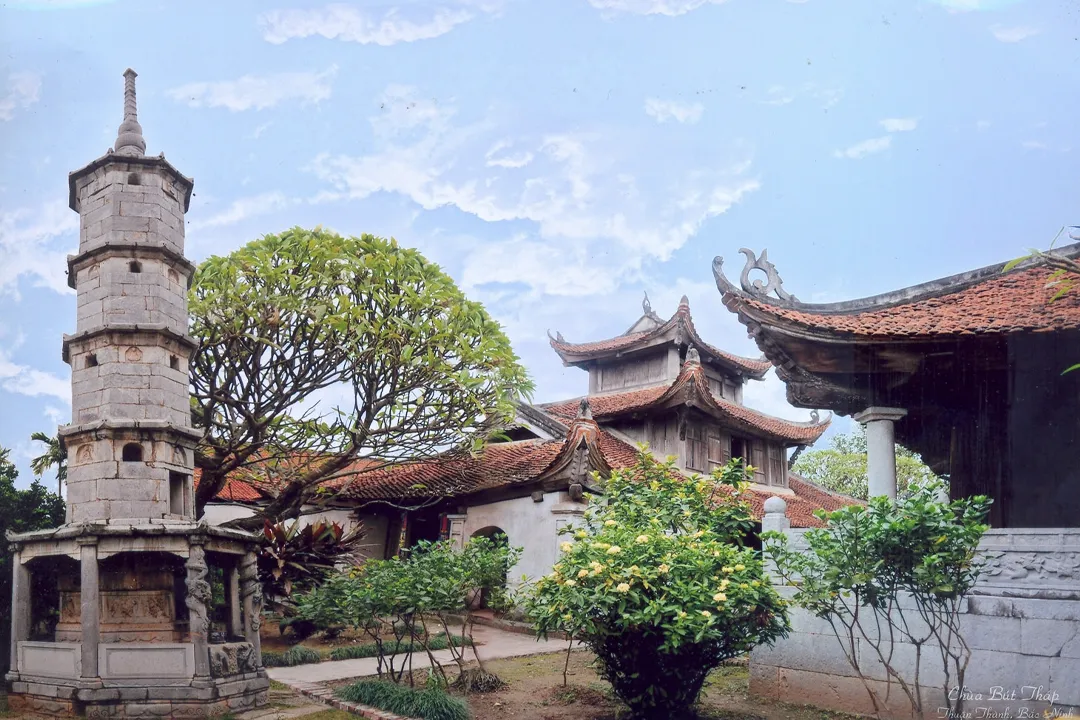
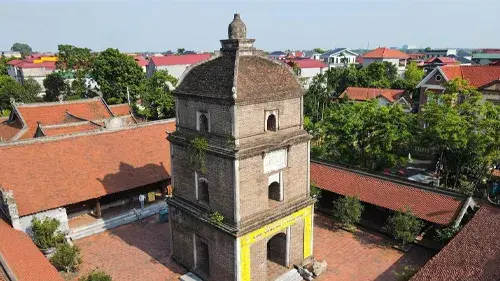
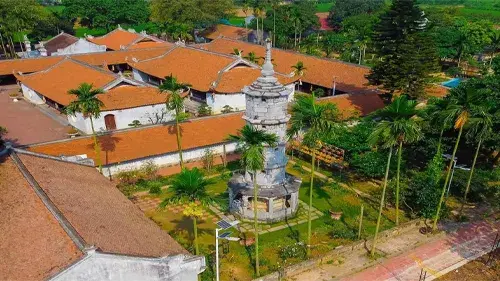
Approaching But Thap, your eye catches first the Bao Nghiem Tower, commonly called the Pen Tower, piercing the skyline. This severe yet graceful stone stupa was built in 1737, its five tiers symbolising the five elements and the Buddha’s enlightenment. Carved directly into the grey stone are lotus petals, phoenixes, and celestial beings so delicate they seem to flutter. At the tower’s base, an ancient banyan tree spreads its roots intimately around the foundation stones, as though nature and devotion have grown inseparable over the centuries. On still mornings, the tower’s reflection in the surrounding lotus pond creates a perfect double image, inviting silent contemplation.
The Thousand-Armed Guan Yin: A National Treasure
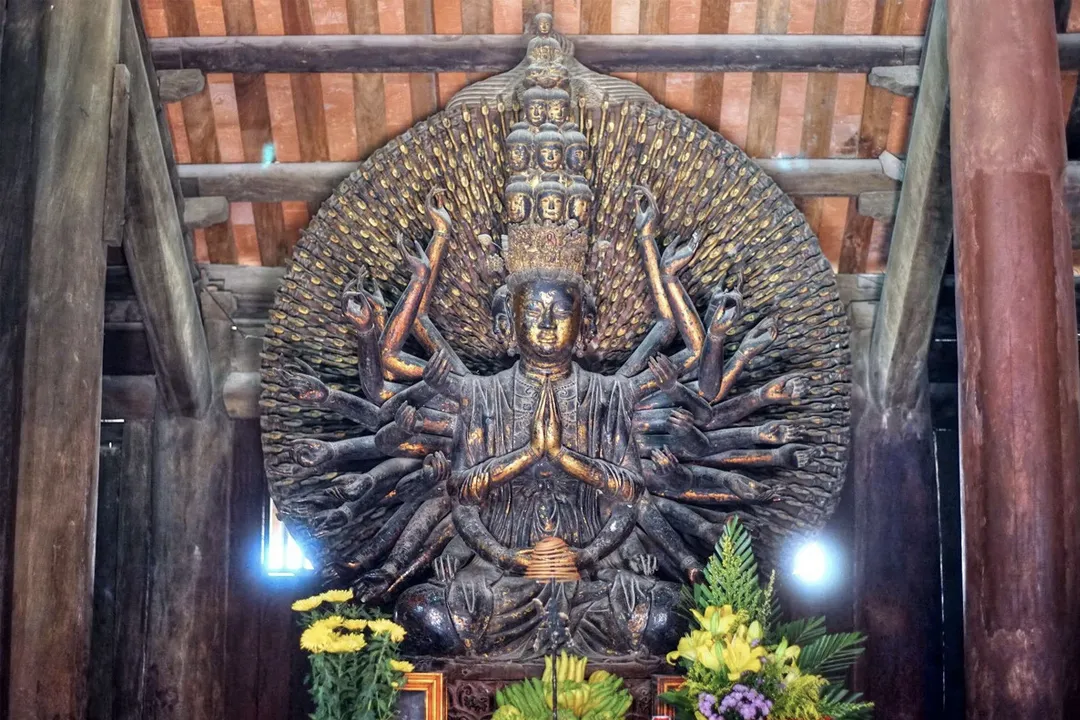
Inside the dimly lit main sanctuary, housed within a gilded wooden case, sits the temple’s supreme masterpiece — the statue of Quan Am Thien Thu Thien Nhan, the Bodhisattva of Compassion with a thousand arms and a thousand eyes. Carved in 1656 by the legendary sculptor Truong, this 3.7-metre-high seated figure is an extraordinary feat of artistry and spiritual imagination. Forty-two large arms radiate in a perfect mandala, each hand either forming a sacred mudra or holding a symbolic object, while hundreds of tinier arms halo behind like a shimmering aura. The faces, subtly smiling, radiate an almost hypnotic serenity. Recognised as a National Treasure, the statue epitomises the Vietnamese Buddhist ideal of compassion reaching out in every direction — and seeing every suffering — simultaneously.
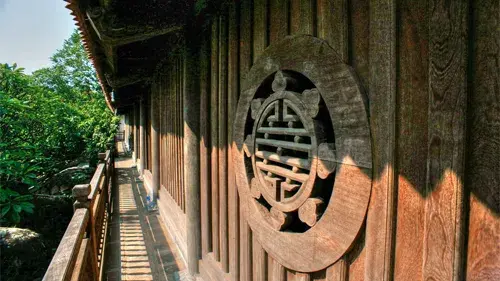
While the Guan Yin inspires awe, the full glory of But Thap unfolds in the Tien Duong, or Front Hall. The immense wooden pillars, beams, and altars here are encrusted with a riot of carved figures — dragons coiled around clouds, herds of deer gambolling, wrestlers straining, musicians playing traditional bamboo instruments, and scenes of agrarian life plucked straight from 17th-century Red River Delta villages. The carving is so deep and vigorous that the wood seems almost liquid. Local guides point out the famous “Mother Suckling Child” panel, a surprisingly tender secular touch amidst the theological themes. These carvings collectively read like a wooden folk encyclopaedia of Vietnamese rural and spiritual life, each panel rewarding minutes of close looking.
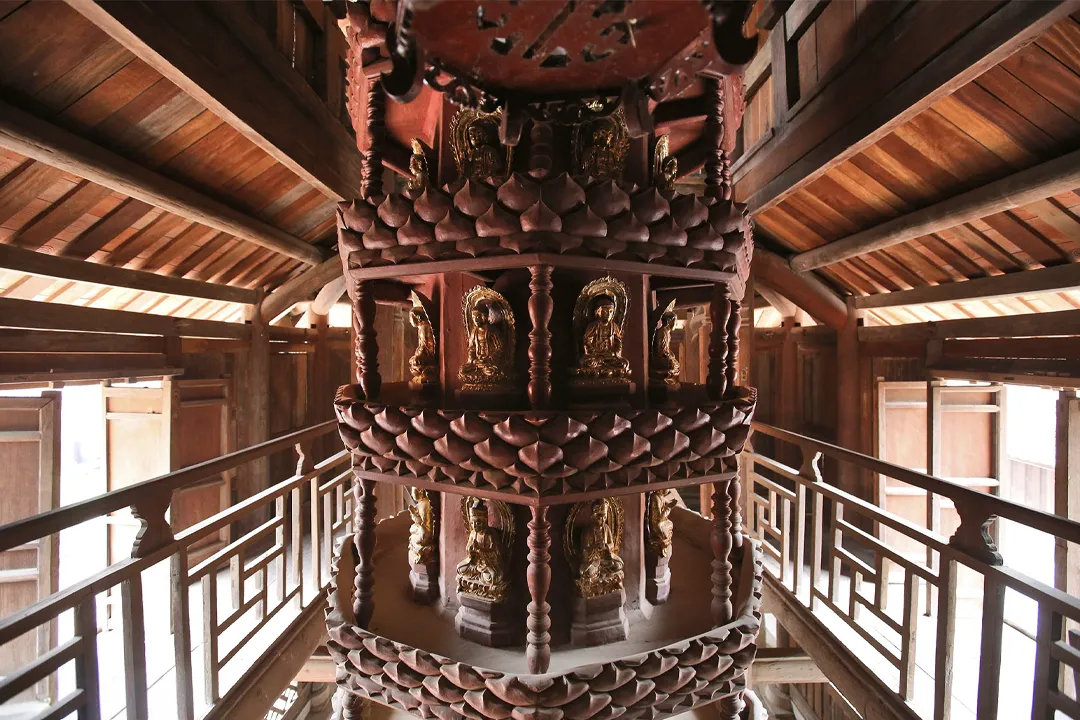
The pagoda owes its existence to the remarkable Lady Trinh Thi Ngoc Co, a princess of the ruling Trinh lord family who, after the death of her husband, retired to this quiet bend of the Duong River. In 1647, she funded a complete reconstruction of the dilapidated temple, transforming it into a magnificent monastic complex as an act of spiritual devotion. The story goes that she personally oversaw the artisans and monks, demanding the highest standard of sacred art. Her legacy is a temple built with distinctly feminine sensibilities — intimate in scale, deeply compassionate in its iconography, and meticulous in its attention to detail. A stone stela in the garden still records her piety.
Each spring, on the 23rd and 24th days of the third lunar month, But Thap Pagoda awakens into the vibrant But Thap Festival. Villagers from across Thuan Thanh district process to the temple bearing palanquins, offerings of sticky rice and fruit, and the region’s signature quan ho folk singers, whose call-and-response love duets drift beautifully through the ancient courtyards. A highlight is the water puppet performance staged on the temple’s lotus pond, a rare opportunity to see this quintessentially Vietnamese art form in a setting remarkably close to its original 11th-century context. For the traveller fortunate enough to align calendars, the festival transforms an already enchanting visit into an immersive cultural memory.
Beyond the main sanctuary rises the Ton Duc Tower, an elegant eight-sided wooden structure housing a large bronze bell cast in 1799. Climbing the tower’s steep wooden stairs, visitors reach a viewing platform that overlooks the entire temple complex, the surrounding rice fields, and the distant blue silhouettes of Phat Tich and Dau mountains. The bell’s deep tone, still rung twice daily for morning and evening meditation, carries across the water and the fields with a clarity that seems to scrub the mind clean. The tower’s upper level also holds a small altar to the Mother Goddess of the Forest, a reminder of the pre-Buddhist animism woven into Vietnamese spirituality.
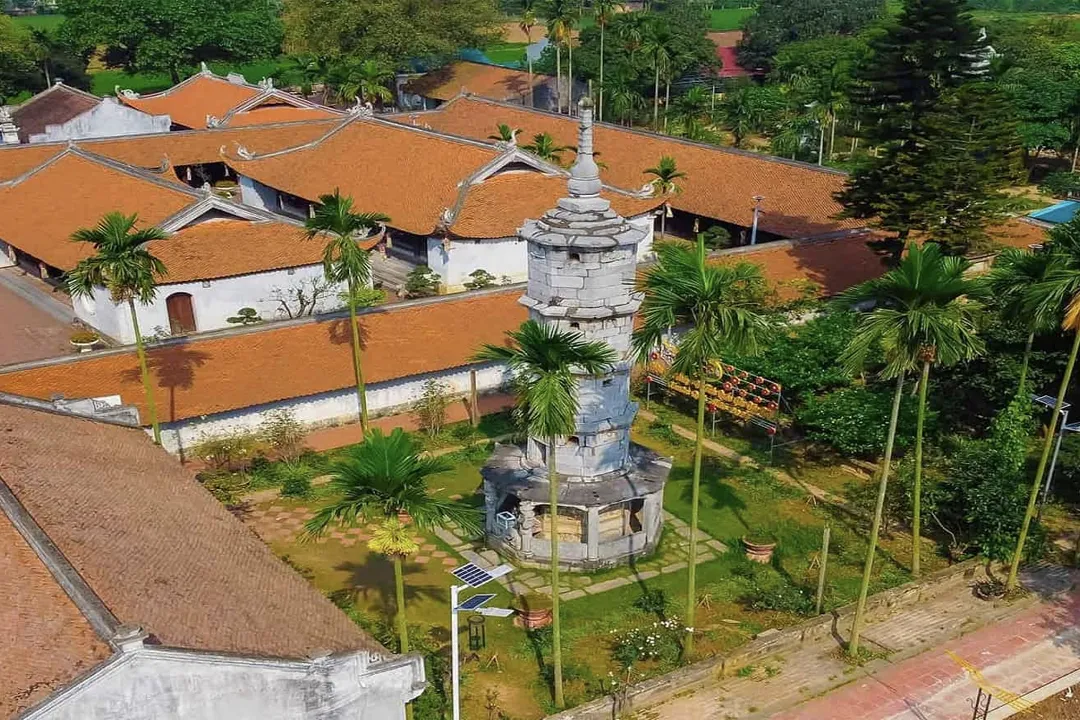
Regarding etiquette and dress code, But Thap is an active place of worship and a National Special Relic. A mandatory requirement for entry into the main halls is a respectful dress code (shoulders and knees covered). While photography is encouraged in the outdoor courtyards and near the Bao Nghiem Stupa, a professional traveler always uses a silent shutter and avoids flash when inside the hall with the Guan Yin statue. This maintains the meditative atmosphere of the restorative sanctuary for local devotees.
In terms of seasonal planning, the most appealing window is from February to April. During this time, the weather is mild, and the surrounding rice fields are a vibrant green. However, avoid the But Thap Festival (the 23rd and 24th days of the 3rd lunar month) if you prefer a quiet, contemplative visit; during the festival, the site is lively with traditional ceremonies and crowds. For a sophisticated, quiet visit, a Tuesday or Wednesday morning is your best bet for uninterrupted photography and study.
For a restorative break, we recommend sampling Nem Bùi (fermented pork with rice powder), a Bac Ninh specialty found in the nearby Thuận Thành market. A portion costs roughly 50,000 VND ($2.00 USD) and is a travel-focused culinary requirement for those wanting an authentic taste of the region.
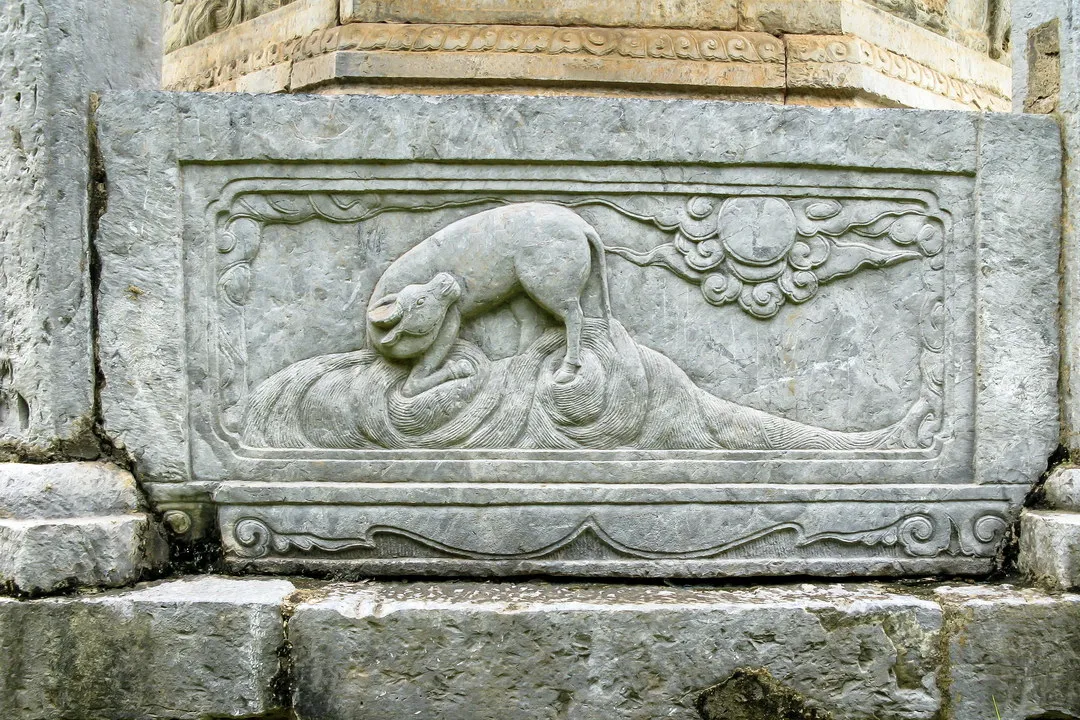
A critical tip for 2026: The "But Thap" Light. To capture the best "Price-to-Performance" photography of the stone carvings on the Bao Nghiem Stupa, arrive by 9:30 AM. The morning sun hits the western face of the tower, highlighting the 3D relief carvings of the monkeys, elephants, and dragons. Furthermore, check the official Bac Ninh tourism app for the latest QR-coded audio guides; these are a mechanical necessity for deciphering the 17th-century Chinese inscriptions throughout the temple. By coordinating these professional details, you ensure your visit to the "Pen Pagoda" is defined by profound discovery and seamless travel.