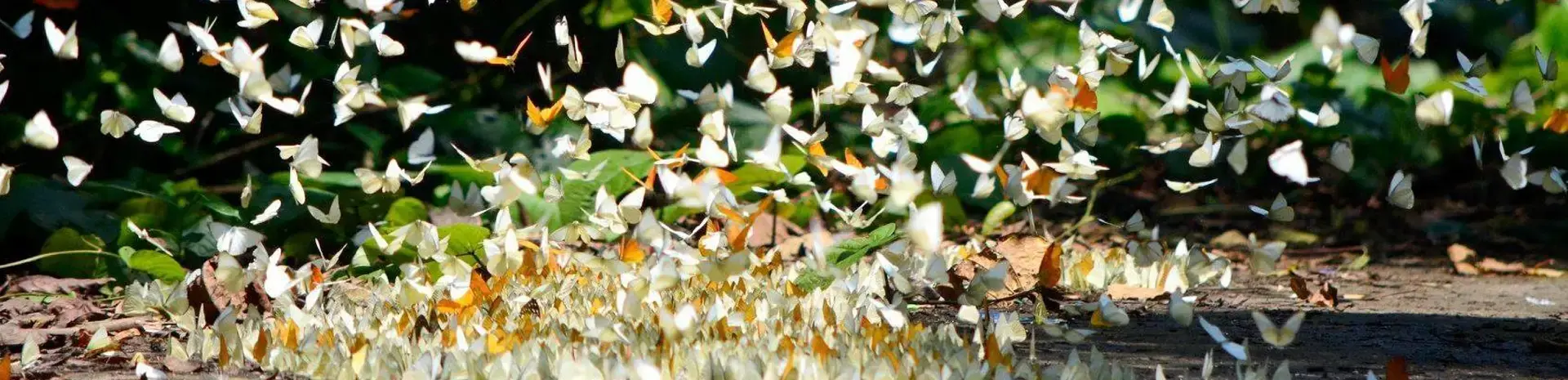
Cuc Phuong National Park is Vietnam's inaugural national park and a cornerstone of Southeast Asian biodiversity. Spanning over 22,000 hectares across the limestone mountains of Ninh Binh, Thanh Hoa, and Hoa Binh, it offers a sanctuary for rare flora and fauna found nowhere else on Earth. Travelers are drawn here for the immersive jungle trekking, world-class primate and turtle conservation centers, and the ethereal "Butterfly Season" in late spring. It is an outdoor laboratory of the natural world, providing a profound disconnect from urban life and a rare glimpse into Vietnam’s prehistoric and ecological heritage.
Conservation Excellence: The Primate and Turtle Centers
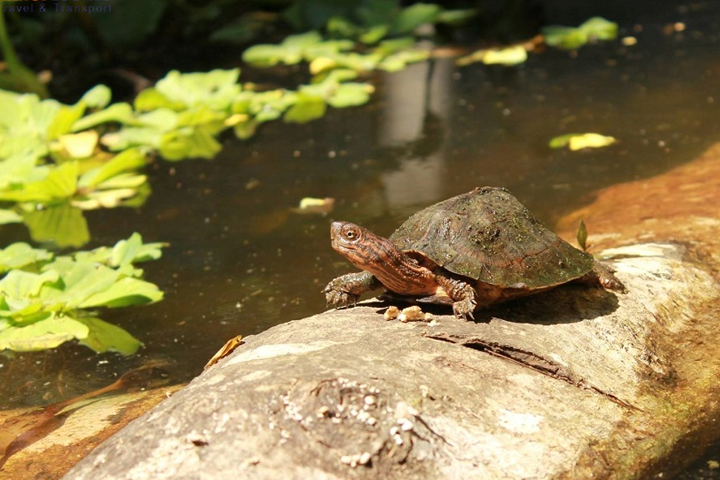
A visit to Cuc Phuong is incomplete without acknowledging its role as a global leader in wildlife preservation. The Endangered Primate Rescue Center (EPRC) is a somber yet inspiring sanctuary for species like the Delacour’s Langur—one of the world's most endangered primates. Watching these animals in a semi-wild environment is a lesson in the fragility of our ecosystem. Just a short walk away, the Turtle Conservation Center offers a rare look at over 20 species of freshwater turtles and tortoises. These centers are not just "zoos"; they are active research facilities where every ticket contributes to the survival of these species.
Into the Heart of the Jungle: The 1,000-Year-Old Tree
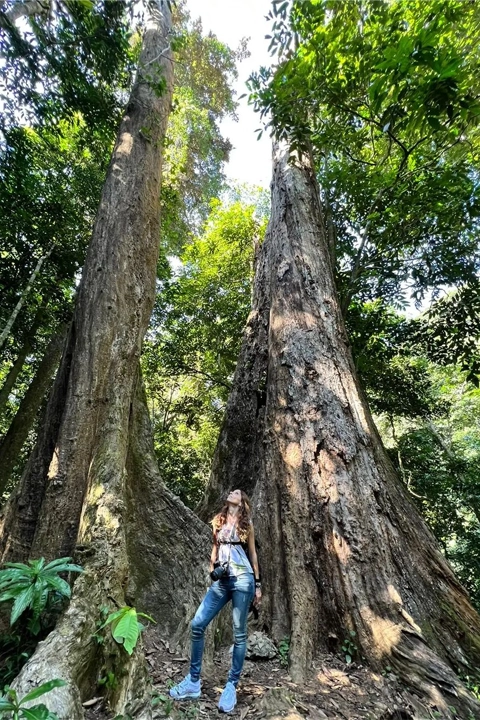
The trek to the "Cay Tro Ngàn Năm" (1,000-year-old Cho Chi tree) is the definitive Cuc Phuong hiking experience. The trail winds through dense primary forest, where the canopy is so thick that the temperature drops several degrees. Reaching the giant tree is a humbling experience; its massive buttress roots and towering height are a testament to a millennium of resilience. Along the way, the path is punctuated by the sounds of the "silver-fronted" langurs and the vibrant colors of tropical birds, making every step a discovery for the patient observer.
Pro-Traveler Experience Tips
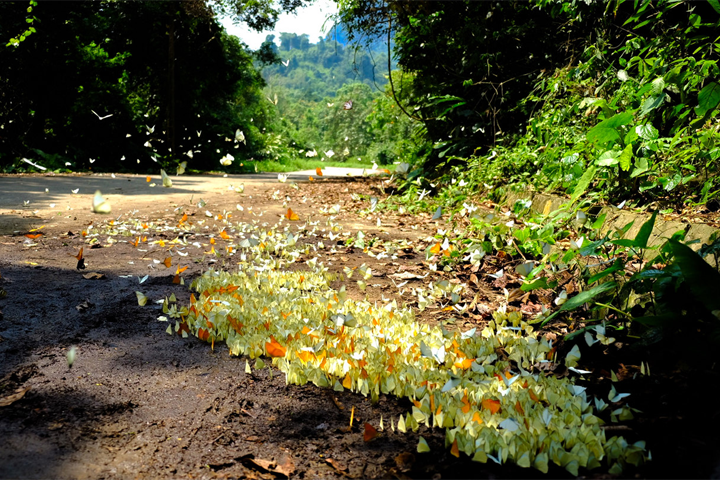
Regarding timing is the key here. If you are visiting for the Butterfly Season, you must aim for late April to May. On a sunny day following rain, the forest floor erupts in millions of white and yellow butterflies. To get the best photos without the crowds, drive deep into the park to the "Center" (Bong Station) rather than stopping at the entrance.
From my personal experience, leech protection is non-negotiable. Do not rely on "natural" remedies; buy dedicated "leech socks" at the park gate for approximately 60,000 VND ($2.40 USD). They are essentially cloth bags you wear over your socks and under your boots. Spray them with DEET-based repellent. If a leech does get on you, stay calm—they are harmless, but a bit of salt or a flick will get them off.
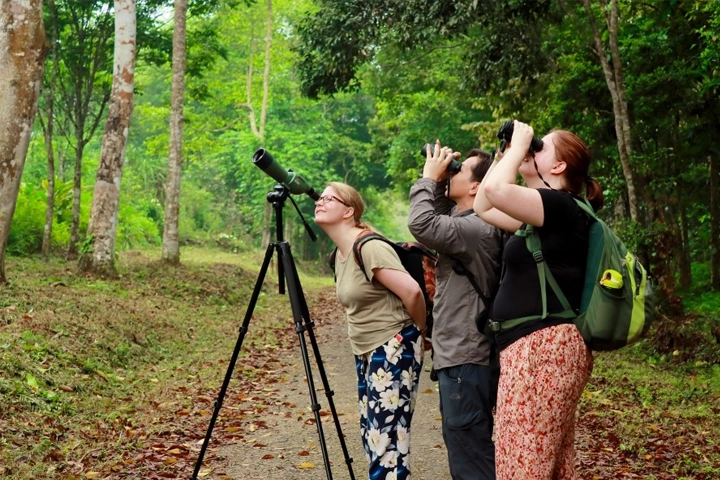
Accuracy in gear matters: the humidity inside the jungle is often above 90%. I highly recommend packing a dry bag for your camera and electronics. Even if it doesn't rain, the moisture in the air can fog up your lenses. For food, while there are restaurants at the gate and at Bong Station, I suggest trying the "Cơm Lam" (Bamboo-tube rice) and "Gà Đồi" (Hill Chicken). A full local meal for two will cost around 400,000 VND to 600,000 VND ($16 - $24 USD). The flavor of free-range chicken cooked over an open flame is the perfect reward after a 7km trek.
Lastly, if you can, stay overnight at the park’s guest houses. Waking up at 5:30 AM to the "gibbon chorus"—the haunting, musical calls of the primates—is an experience that day-trippers completely miss. It is the most authentic way to feel the soul of the forest.