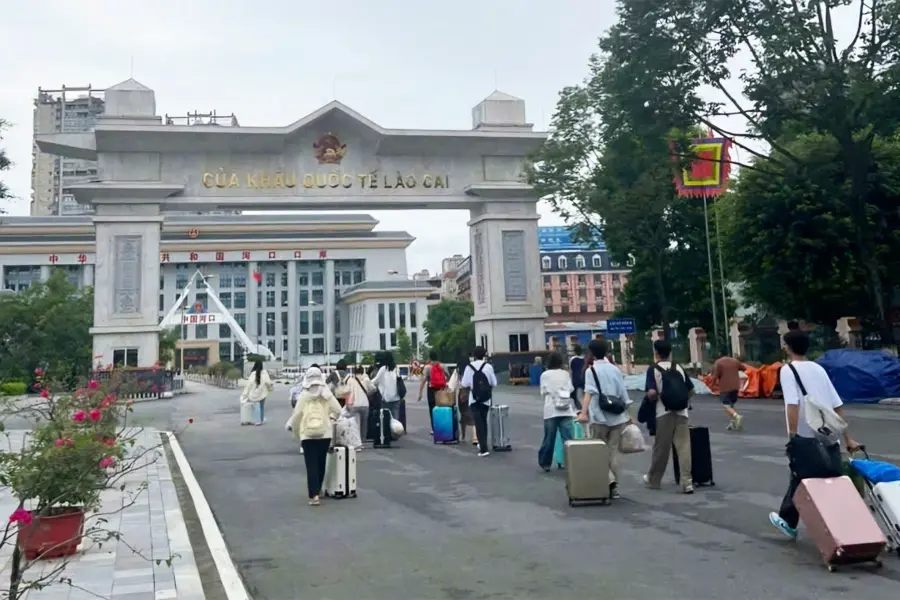
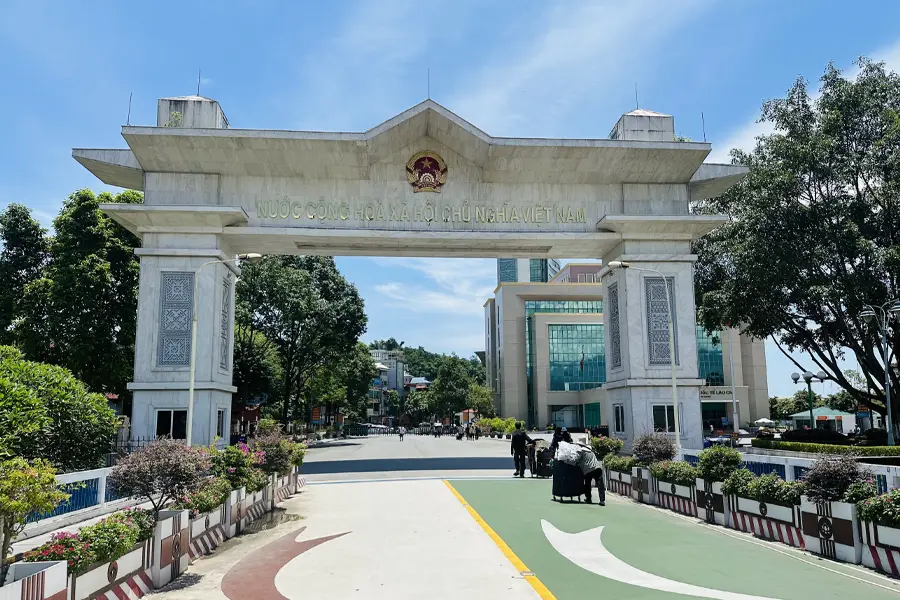
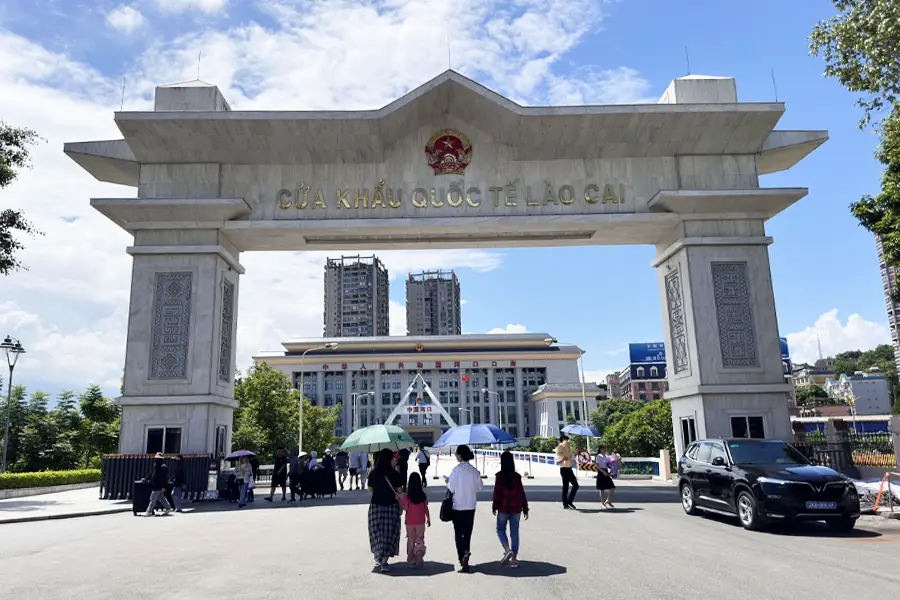
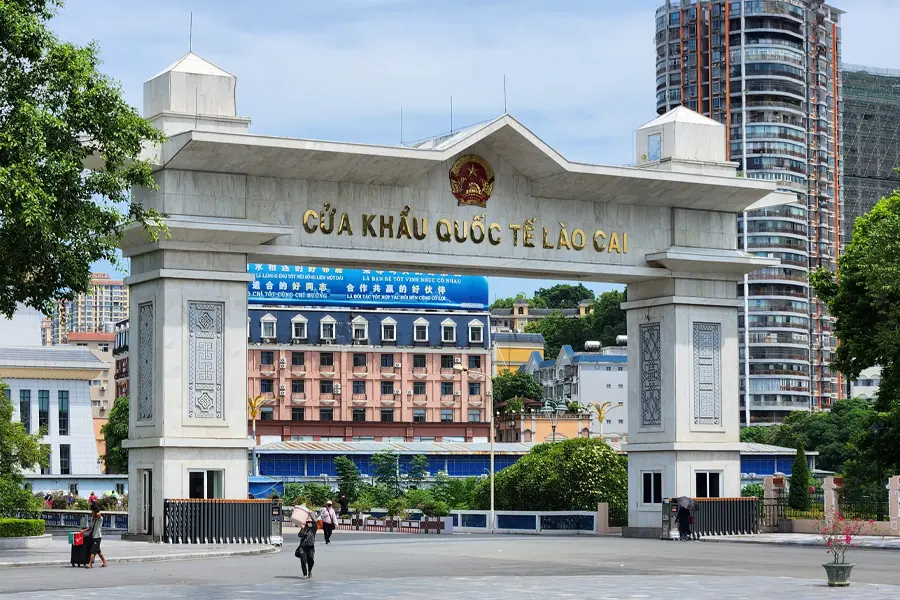
How to get there?
Reaching the Lao Cai International Border Gate from the capital or the northern highlands has become remarkably efficient in 2026, thanks to the expansion of the high-speed road network and premium transport services.
1. From Hanoi to Lao Cai Border Gate
The journey from the capital follows the modern CT.05 (Hanoi – Lao Cai Expressway), making it a smooth and rapid transit.
-
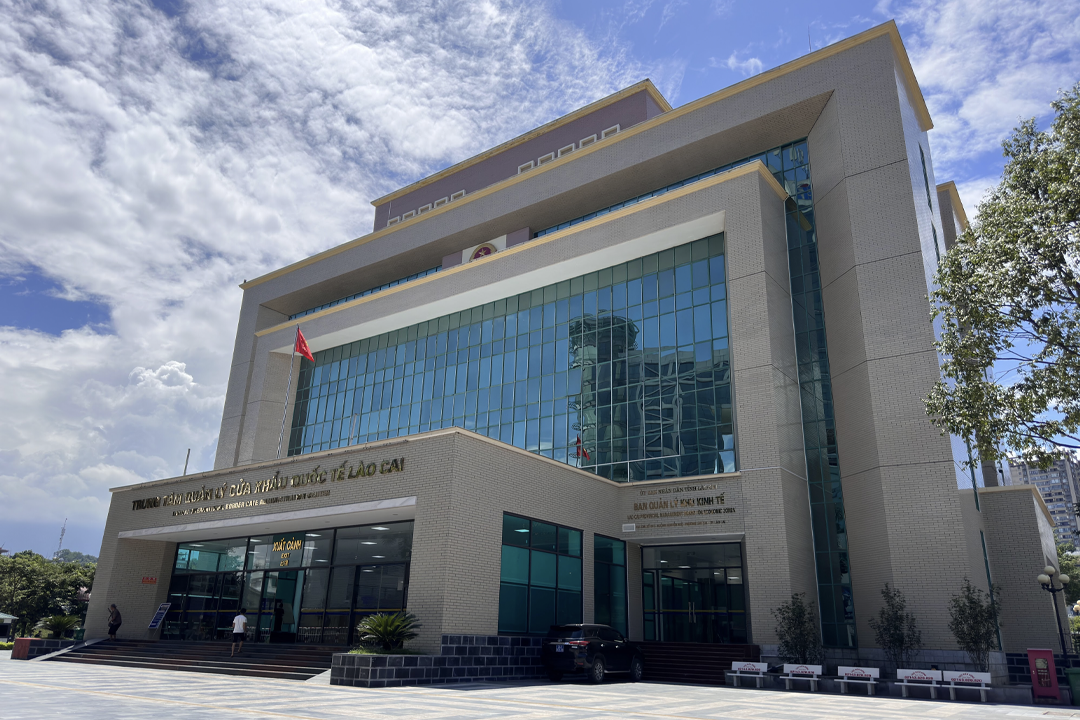
By Private Car: For the ultimate "Price-to-Performance" experience, a private SUV is the most sophisticated choice. The route takes approximately 4.5 to 5 hours. A one-way transfer for a 7-seater vehicle typically costs around 3,800,000 VND to 4,500,000 VND ($152 – $180 USD), including all tolls. This option allows you to be dropped off directly at the immigration hall entrance.
-
By Bus / Limousine: Premium 9-seater Dcar Limousines offer door-to-door service from your Hanoi hotel to the border. The travel time is roughly 5.5 hours, with tickets priced at approximately 450,000 VND ($18 USD). Alternatively, sleeper buses from My Dinh Bus Station cost about 300,000 VND ($12 USD) but may drop you at the Lao Cai central station, requiring a short taxi ride to the gate.
2. From Ha Giang to Lao Cai Border Gate
Travelers finishing the "Ha Giang Loop" can transition to the border via the scenic but winding northern mountain roads.
-
By Private Car: A private 4WD SUV is a mechanical necessity for navigating the steep terrain of the QL2 and QL70 safely and comfortably. The journey takes about 5 to 6 hours. Expect to pay approximately 3,200,000 VND ($128 USD) for a dedicated one-way trip. This is the most reliable way to ensure you arrive at the border before the 10:00 PM closing time.
-
By Bus: Several "inter-provincial" buses connect Ha Giang city to Lao Cai daily. These are typically smaller 16-seater vans or medium coaches. The travel time is approximately 6.5 to 7 hours, and tickets cost around 250,000 VND to 300,000 VND ($10 – $12 USD). Most buses arrive at the Lao Cai Bus Station, which is only about 3km from the international border gate.
Listed Transporation Services

Popular Transfer Routes
No departure routes from this location.
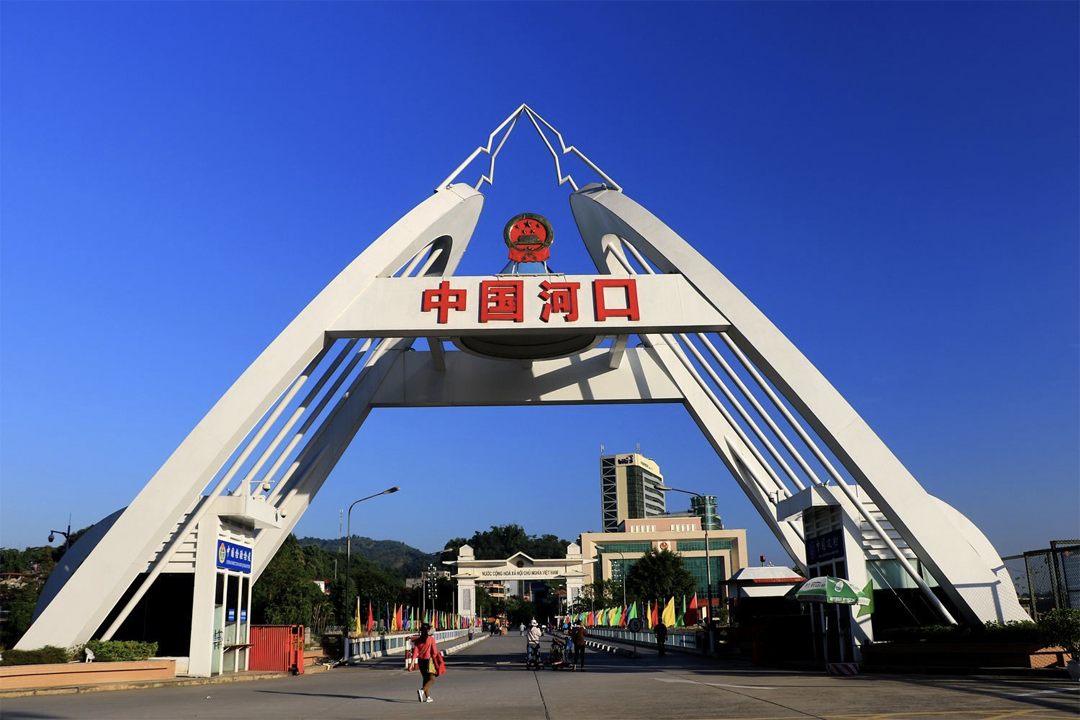
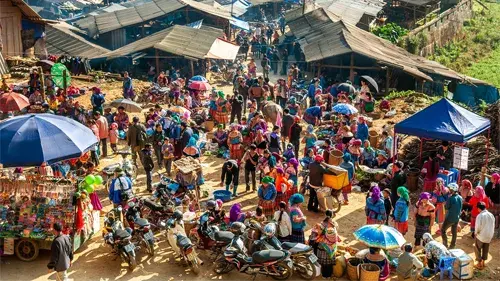
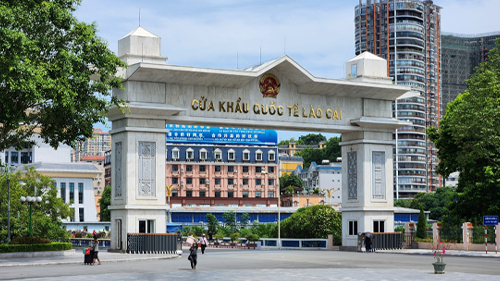
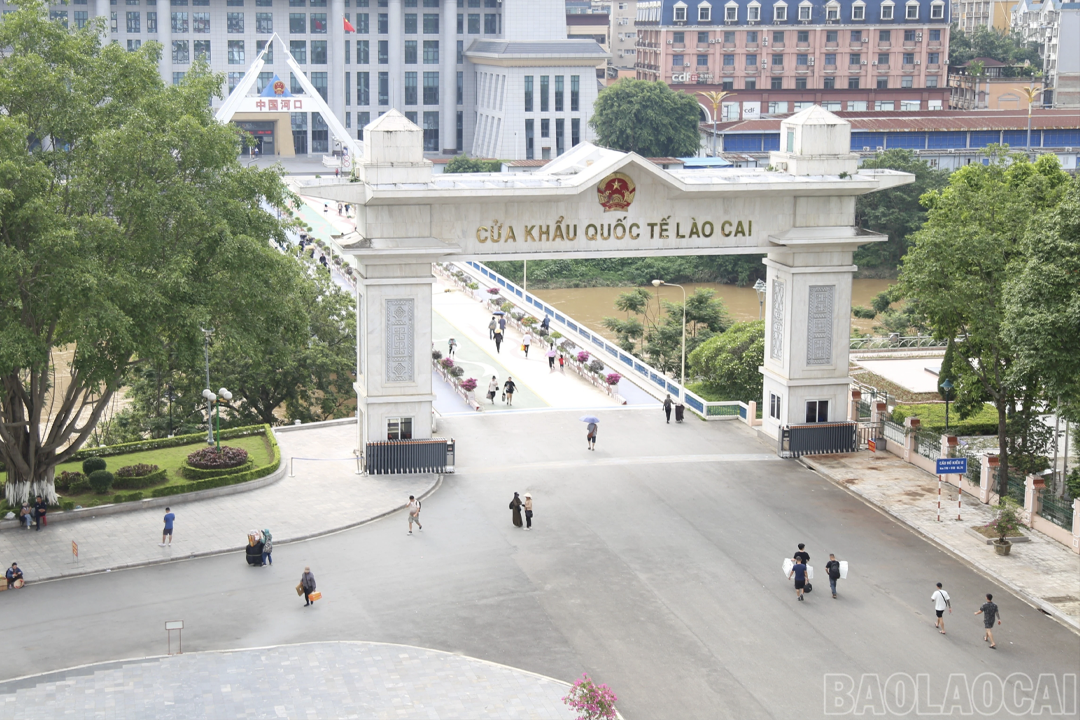 Lao Cai International Border Gate is a premier highland crossing connecting Vietnam’s Lao Cai City with Hekou Town in China’s Yunnan Province. Divided into a road bridge (Ho Kieu) and a historic railway link, it serves as a vital artery for the "Kunming-Hanoi-Hai Phong" economic corridor. For the 2026 traveler, the gate is more than a transit point; it is a cultural crossroads where the Red River flows under the watchful eyes of mountain peaks. Its proximity to Sapa makes it the perfect logistical choice for those seeking to blend alpine trekking with an international overland adventure into the heart of Southwest China.