How to get there?
From Hanoi to Sapa
-
Option 1: Luxury Limousine Van.
-
Pros: Door-to-door service; very comfortable and fast (5.5 hours).
-
Cons: More expensive, approx. 500,000 - 600,000 VND ($20.00 - $24.00 USD).
-
-
Option 2: Overnight Train to Lao Cai.
-
Pros: Iconic experience; you save a night's hotel cost.
-
Cons: Only goes to Lao Cai station; requires a 50,000 VND ($2.00 USD) shuttle bus to reach Sapa town. Prices: 500,000 - 800,000 VND ($20.00 - $32.00 USD).
-
From Cat Ba to Sapa
-
Option 1: Direct Sleeper Bus.
-
Pros: The only direct way to avoid a stop in Hanoi; travel overnight to save time.
-
Cons: A long 10-hour journey; can be bumpy.
-
Price: Approximately 750,000 - 850,000 VND ($30.00 - $34.00 USD).
-
-
Option 2: Ferry + Private Car.
-
Pros: Maximum comfort and flexibility for groups.
-
Cons: Very expensive, approx. 6,000,000 VND ($240.00 USD) for a 7-seat car.
-
A21 Tours provides passenger transportation services of the highest quality and at the most optimal cost for our customers. Please refer to the services below and feel free to contact us now if you have any questions.
Listed Transporation Services


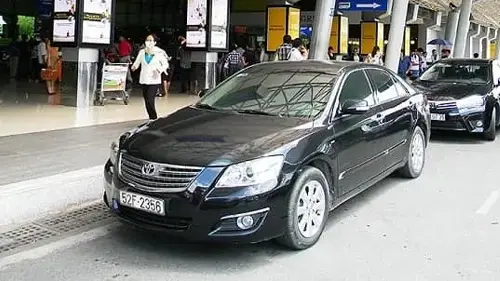


Popular Transfer Routes
- Lao Cai (Sapa) → Tuan Chau island
- Lao Cai (Sapa) → Halong Bay
- Lao Cai (Sapa) → Cat Ba
- Lao Cai (Sapa) → Hanoi
- Lao Cai (Sapa) → Noi Bai airport Hanoi - HAN
- Lao Cai (Sapa) → Sapa
- Lao Cai (Sapa) → Lao Cai train station
- Lao Cai (Sapa) → Trang An
- Lao Cai (Sapa) → Tam Coc
- Lao Cai (Sapa) → Ninh Binh
- Lao Cai (Sapa) → Mua Caves (Hang Múa)
- Lao Cai (Sapa) → Hoa Lu Ancient Capital
- Lao Cai (Sapa) → Ha Giang
- Lao Cai (Sapa) → Mu Cang Chai
- Lao Cai (Sapa) → Mai Chau
- Lao Cai (Sapa) → Halong International Cruise port
- Lao Cai (Sapa) → Vinpearl Resort & Spa Halong
- Lao Cai (Sapa) → Sofitel Legend Metropole Hanoi
- Lao Cai (Sapa) → Capella Hanoi
- Lao Cai (Sapa) → Old Quarter Hanoi
- Hanoi → Lao Cai (Sapa)
- Noi Bai airport Hanoi - HAN → Lao Cai (Sapa)
- Cat Ba → Lao Cai (Sapa)
- Halong Bay → Lao Cai (Sapa)
- Lao Cai train station → Lao Cai (Sapa)
- Sapa → Lao Cai (Sapa)
- Tuan Chau island → Lao Cai (Sapa)
- Ninh Binh → Lao Cai (Sapa)
- Tam Coc → Lao Cai (Sapa)
- Mua Caves (Hang Múa) → Lao Cai (Sapa)
- Trang An → Lao Cai (Sapa)
- Ha Giang → Lao Cai (Sapa)
- Old Quarter Hanoi → Lao Cai (Sapa)
- Mu Cang Chai → Lao Cai (Sapa)
- Mai Chau → Lao Cai (Sapa)
- Vinpearl Resort & Spa Halong → Lao Cai (Sapa)
- Sofitel Legend Metropole Hanoi → Lao Cai (Sapa)
- Capella Hanoi → Lao Cai (Sapa)
- Bac Ha Market → Lao Cai (Sapa)