A Kaleidoscope of Ethnic Heritage
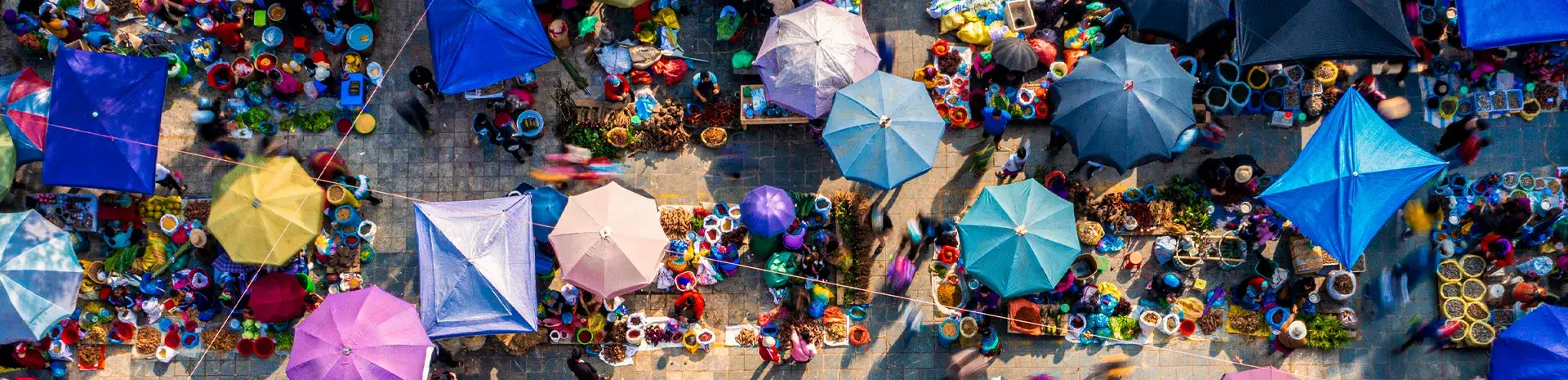
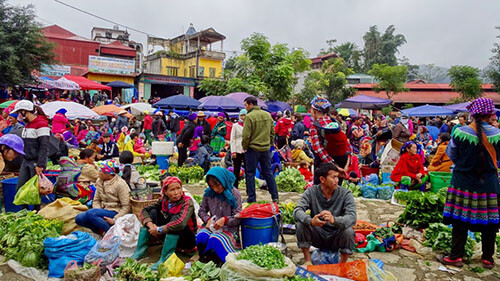
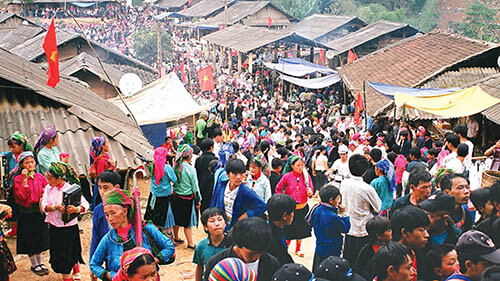
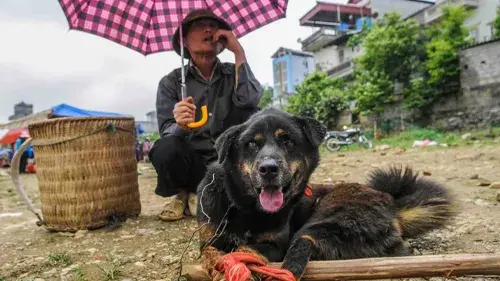
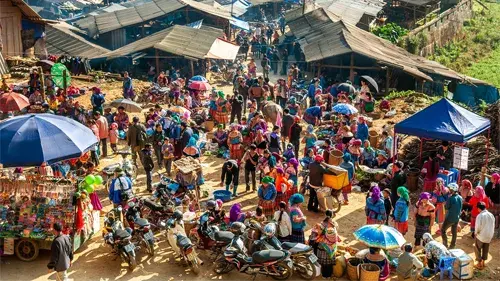
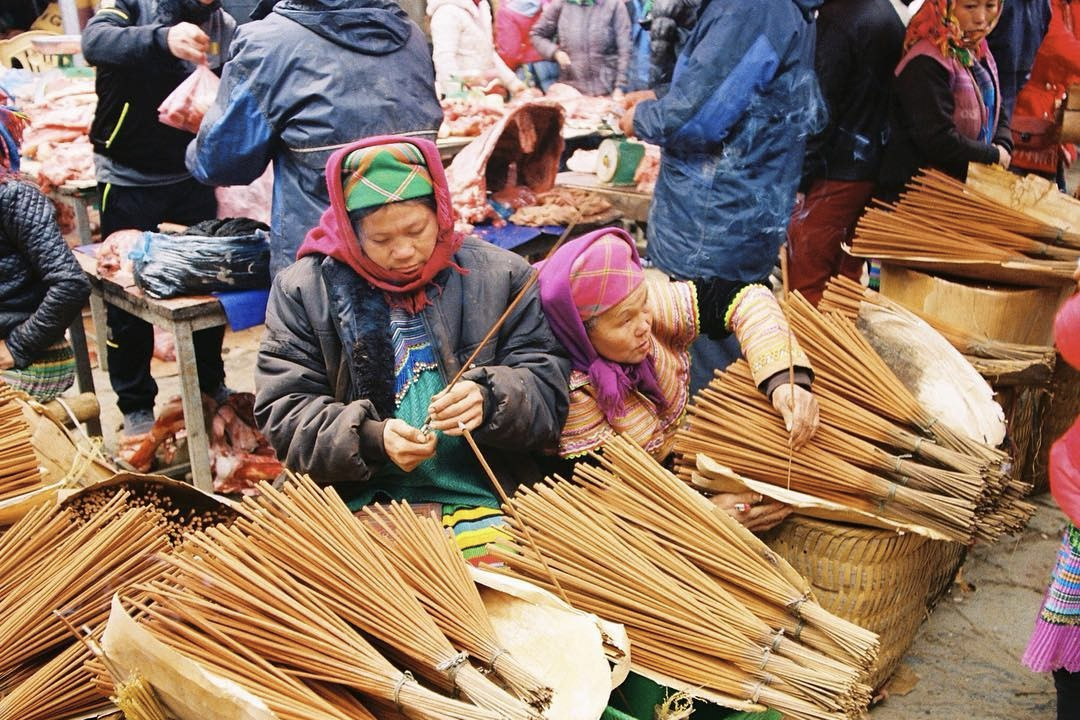
The defining feature of Bac Ha is the dazzling attire of the Flower Hmong women. Their intricate, hand-stitched costumes create a sea of neon pinks, oranges, and greens that are a dream for any photographer. Unlike more commercialized markets, Bac Ha remains a vital social hub. Here, you will see families catching up over bowls of steaming "Phở chua" (sour pho) and men negotiating the price of sturdy mountain ponies. The market is divided into distinct sections: the vibrant textile area, the pungent spice and incense aisles, and the bustling livestock market at the edge of town, each offering a unique sensory overload.
.webp)
The Taste of the Highlands
For the adventurous foodie, the food court at Bac Ha is the ultimate frontier. The aroma of "Thắng Cố"—a traditional Hmong stew made from horse meat and 12 secret mountain spices—wafts through the air, drawing locals together around large iron pots. This is accompanied by the potent scent of "Rượu ngô" (corn wine), fermented in the nearby Ban Pho village. Sampling these delicacies is not just about the flavor; it is about participating in a communal ritual that has defined highland hospitality for centuries. For those with a gentler palate, the local colorful sticky rice and fresh mountain plums offer a sweet, vibrant alternative.
Pro-Traveler Experience Tips
To capture the true essence of Bac Ha without the "tourist filter," timing is your most valuable asset. While most tour buses from Sapa arrive around 10:30 AM, the market’s authentic soul reveals itself between 6:30 AM and 8:30 AM. During these early hours, the light is soft and golden—perfect for the Sony A7R3’s high dynamic range—and the interactions are genuine trades rather than tourist performances. If you are filming, I recommend using a gimbal to navigate the crowded aisles, but be mindful of "human traffic"; the market gets incredibly packed, and a compact setup is far superior to a bulky rig. When photographing the locals, especially the elder Flower Hmong, a polite nod or asking "Chụp ảnh được không?" (Can I take a photo?) goes a long way. Many are happy to pose if you show genuine interest in their craftsmanship. For the best vantage point of the entire market "sea of color," head to the higher ground near the entrance or the stairs leading to the food stalls. Technically, the market presents a challenge with mixed lighting—harsh mountain sun outside and deep shadows under the blue tarps. I suggest shooting in RAW to recover those shadows later in post-production. Don't miss the livestock area located down the hill; it is the most raw and visceral part of the experience, where water buffalo and horses are traded. Finally, if you intend to buy brocade, look for the "real deal"—hand-loomed hemp rather than factory-printed fabric. You can tell by the weight and the slight irregularities in the weave. A small purchase often opens the door to a much better conversation and more intimate photo opportunities. Wear sturdy boots, as the ground in the livestock area can be muddy and uneven.