Sapa to Hanoi Travel Guide: Which vehicle you should choose?
Overview
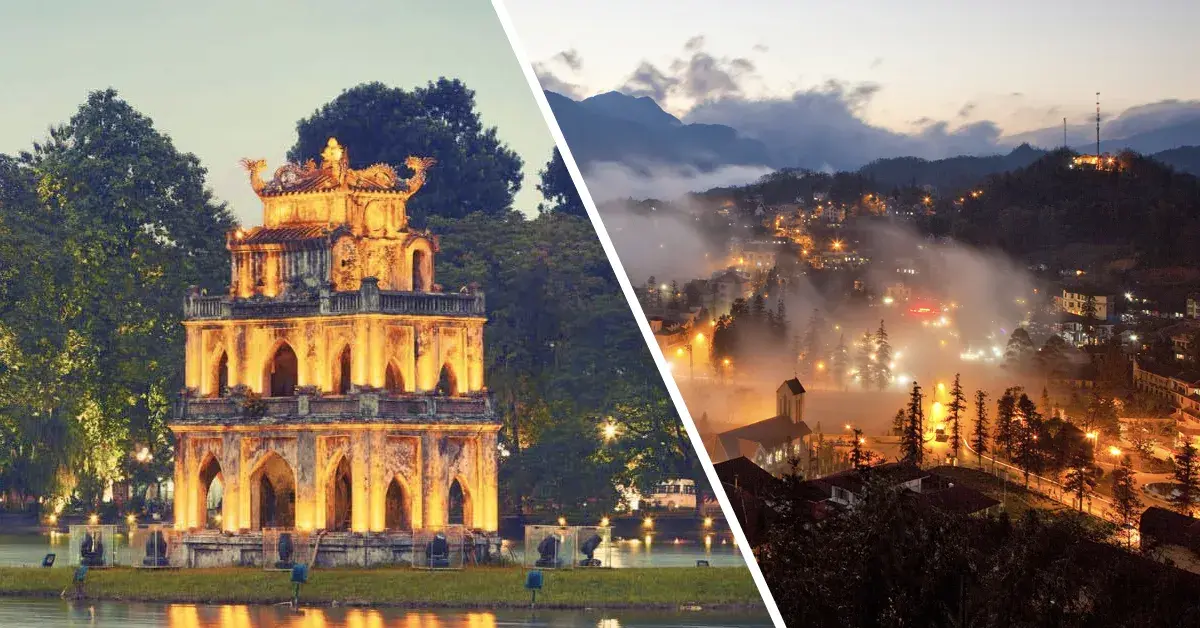
Leaving the misty peaks of Sapa often feels like waking up from a dream. Whether you’ve spent your days trekking through the terraced rice fields of Muong Hoa Valley or conquering the "Roof of Indochina" at Fansipan, the journey back to the urban energy of Hanoi is a transition of both altitude and atmosphere.
Now, this route is more streamlined than ever, thanks to the maturation of the Noi Bai – Lao Cai Expressway and the evolution of "smart tourism" in Vietnam’s northern highlands. This guide provides an exhaustive look at the four primary ways to navigate the 320-kilometer descent from the mountains back to the capital. Recent data shows that nearly 170 buses and multiple trains operate daily to move the thousands of travelers returning to the capital. The peak demand occurs on Sunday afternoons, as the "weekend warriors" from Hanoi head home, and on Friday mornings for international tourists finishing their northern circuits. In 2026, the rise of "digital nomadism" in Sapa has also created a steady stream of mid-week travelers who prioritize reliable Wi-Fi and comfort during their transit.
The actual travel distance from Sapa town to the center of Hanoi is approximately 315 to 320 kilometers (196 to 200 miles). Thanks to the high-speed expressway infrastructure, travel time has been significantly reduced:
- By Bus/Car: The journey typically takes 6 to 7. hours. This includes at least one or two mandatory rest stops for the driver and passengers.
- By Train: The total journey time is approximately 9 to 10 hours. This includes a 1-hour road transfer from Sapa to Lao Cai and an 8-hour train ride.
- By Motorbike: While technically possible in one very long, it takes 7 to 10 hours. You can choose to do this in a single day with 2–3 short breaks or stop overnight in Mu Cang Chai or Than Uyen to truly enjoy the O Quy Ho Pass into Sapa.
In particular, if you need to travel directly to Noi Bai Airport, most shuttle services offer a stop there, eliminating the need to return to downtown Hanoi.
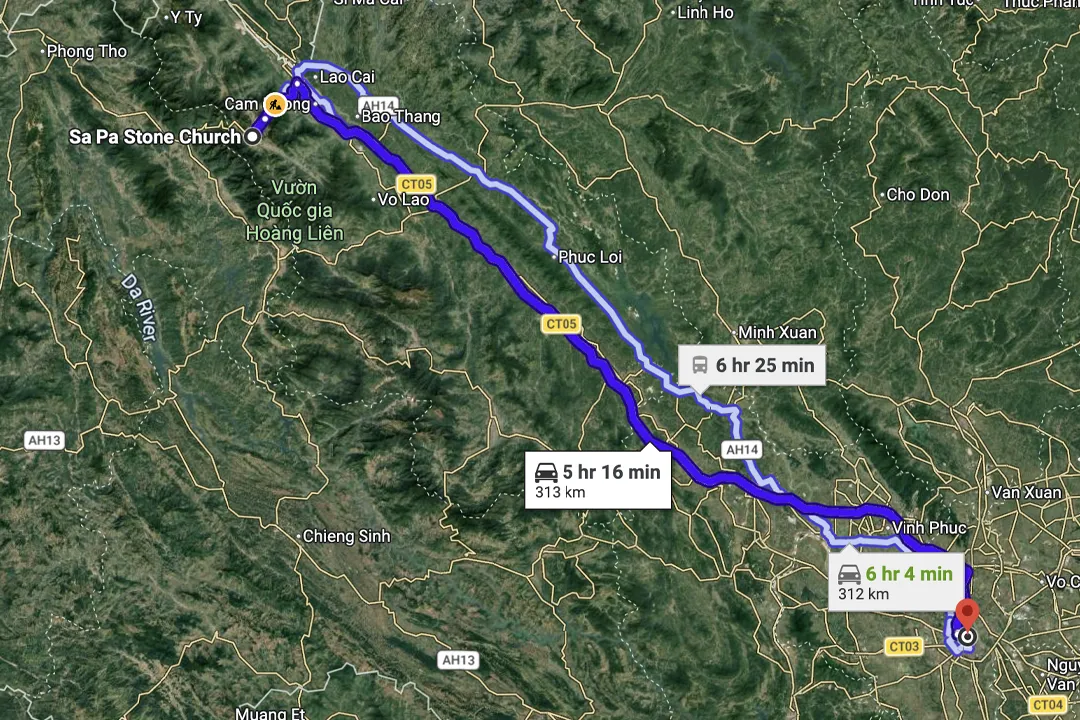
Popular Modes of Transportation
Train: The Classic Rail Journey
Even in the 2026 era of high-speed expressways, the overnight train remains a romantic and exceptionally safe staple for travelers returning to Hanoi. The journey typically begins with a 35km descent from Sapa to Lao Cai Railway Station, where trains like the SP2 or SP4 depart in the late evening to pull into the capital by a crisp 5:00 AM. While this rail odyssey offers a stable, fog-proof alternative to road travel and lets you maximize your final day in the mountains while saving on a hotel bill—especially with upgraded luxury carriages like Laman Express or VicSapa Train—it does come with its logistical quirks. You’ll need to weigh the heritage charm against a potentially grueling shuttle ride down those hairpin turns and a very early arrival, all while keeping in mind that the combined cost of the train and taxi makes this one of the more expensive ways to head home.
.webp)
Private Car: The Door-to-Door Luxury
For those who prioritize autonomy and a tailored schedule, the private car remains the "Gold Standard" of 2026 travel, offering a level of seamless efficiency that other modes simply cannot match. This elite option provides door-to-door convenience, picking you up directly from luxury stays like Silk Path or Pao’s Sapa and whisking you to your doorstep in Hanoi while shaving up to 45 minutes off the travel time compared to larger buses. Beyond speed, the real luxury lies in customization—whether you want to stop in Yen Bai for a specific local lunch or pause for fresh fruit along the highway, the driver is entirely at your service. However, this premium experience comes at the highest price point, as you are responsible for the vehicle, fuel, tolls, and the driver's return leg, and it requires booking through reputable agencies to ensure driver safety and avoid the risks of fatigue.
You can book intercity taxis, or use popular ride-hailing services offered by travel agencies. Check out A21 Tours' Private car service from Sapa to Hanoi here.

Sleeper Bus/Cabin Bus/Limousine: The Modern Ground Airplane
For budget-conscious travelers and backpackers, the overnight sleeper bus is the most popular and cost-effective way to get back from Sapa to Hanoi. Many services now run direct from Sapa town to Noi Bai Airport, saving you the hassle of a transfer in Hanoi. But at first, it’s important to distinguish between “sleeper bus”, "cabin bus" and a “limousine van.” Both are popular, but they offer very different experiences.
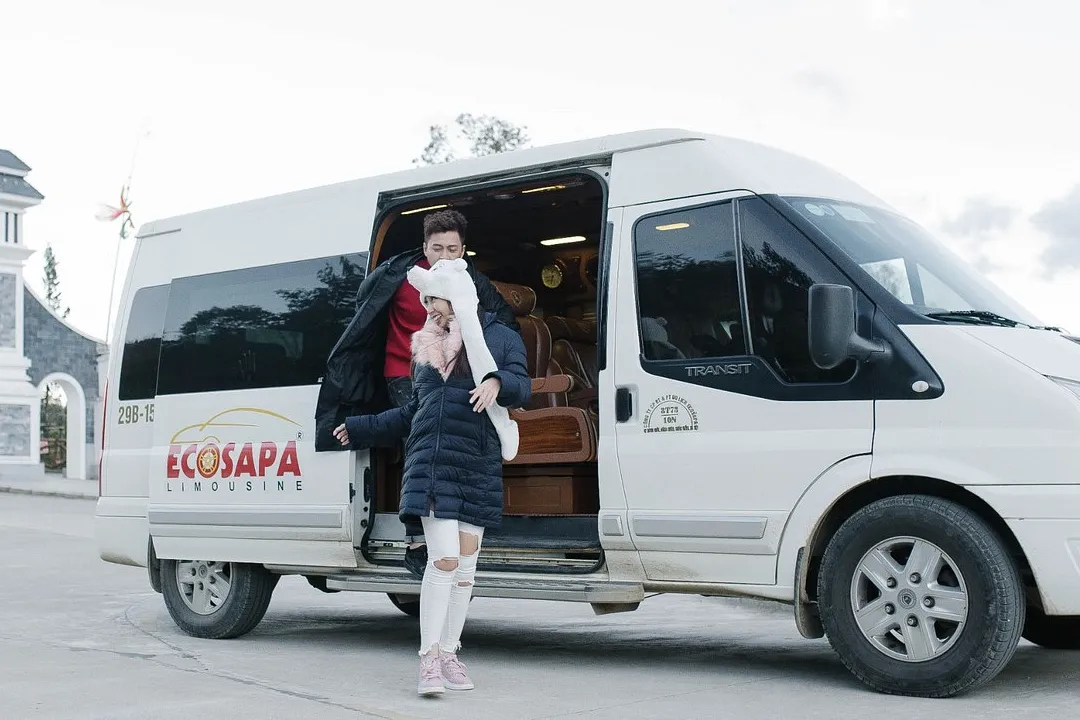
Limousine Van: A smaller vehicle (typically 9-16 seats) with wide, plush captain’s chairs that recline significantly. These offer much more personal space, USB charging ports, complimentary water and towels, and a smoother, quieter ride. Especially, if you book a shared limousine, there will be fewer seats, meaning fewer passengers will be traveling with you, and the vehicle won't need to stop to pick up or drop off passengers as often. Therefore, travel time will be shorter compared to sleeper buses.
Sleeper buses are the most traditional type of bus on the Hanoi – Sapa route, suitable for those who want to save money. These buses have bunk beds and no private compartments, but offer advantages in terms of price and frequent departures.
- Design: Two levels, three beds per row on each side, open space.
- Operating companies: Sao Viet, King Express, Inter Bus Lines, Group Bus
.webp)
Cabin Bus divide into two types - Single Desk and Double Desk. Single desk are designed for one person, like a private "mini-room" right on the bus. This is a suitable option if you want a quiet, comfortable overnight sleep without being disturbed by others. Beside of that, double desk are considered a more premium version, designed for two people to share. The spacious interior, private curtains, and entertainment amenities make the journey much more comfortable than a regular sleeper cabin.
- Design: Spacious beds, private compartments, control screens, complete bedding.
- Operating companies: G8 Sapa, FUTA, HK Bus Lines
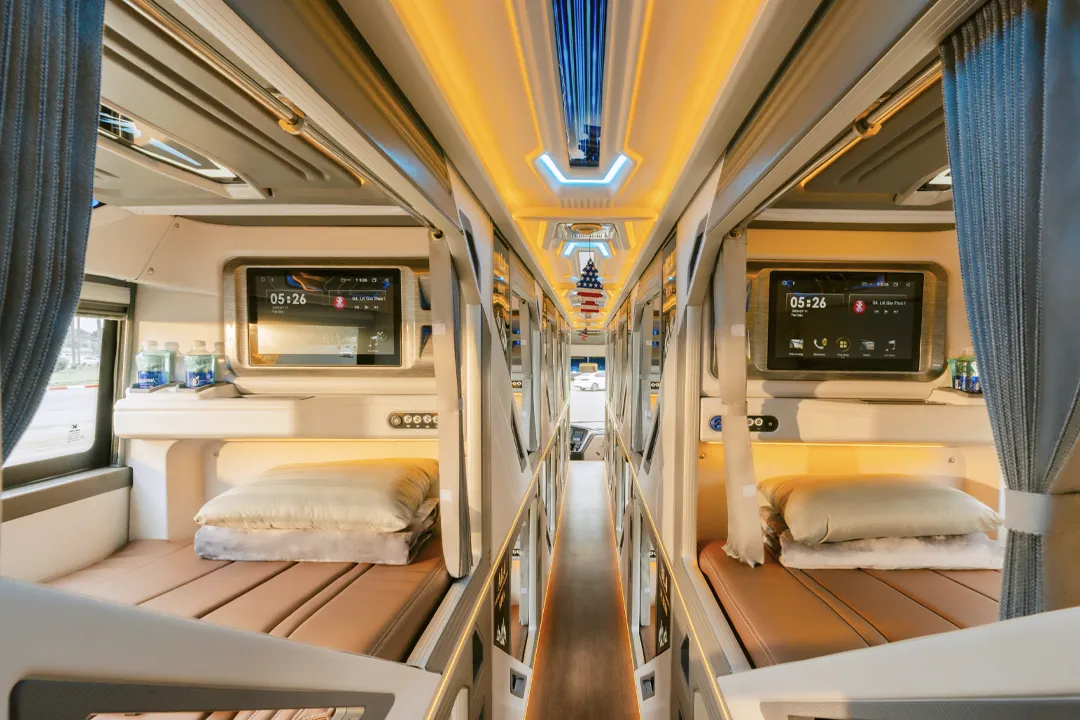
Basically, there isn't much difference in travel time between these types of buses (a difference of only about 20-30 minutes), largely depending on the size of the vehicle. Larger buses (cabin buses, sleeper buses) tend to travel slower, but are more comfortable due to their more spacious interiors. It's also worth noting that, in common usage, cabin buses are sometimes called sleeper buses because of their similar sleeping berths; however, cabin buses are distinguished by having physical partitions between passengers (creating independent 'cabins'). Therefore, it is very important to contact the service provider to confirm which type of vehicle you have chosen.
Advantages:
- High Comfort, Low Price: It offers a "Business Class" experience for a fraction of the cost of a private car.
- Direct to the City: Most buses drop you off at major hubs like My Dinh, Giap Bat, or even specific offices in the Old Quarter.
- Frequency: Buses depart Sapa almost every hour during the day, providing ultimate flexibility.
Disadvantages:
- Limited Privacy: You are in an open-plan cabin with up to 20-40 other passengers (Sleeper Bus or Cabin Bus).
- Popularity: These cabins often sell out days in advance, especially for Sunday afternoon departures.
- Space Constraints: These are still designed for average heights; taller travelers may find it difficult to fully extend their legs.
| Single Desk | Double Desk | Standard Sleeper | |
| Privacy Level | High | High (fully curtained, soundproofed) | Low, open space |
| Comfort | Good, quiet, suitable for overnight sleep | Very good, spacious | Average, sufficient for basic needs |
| Amenities | Reading light, curtains, charging port, drinking water | TV, charging port, curtains, blanket & pillow | Drinking water, air conditioning, thin blanket |
| Price | $20 – $23 | $22 – $25 | $15–$17 |
| Best For | Solo travelers, guests needing privacy | Couples, small families | Students, budget travelers, groups of young friends |
Note: Since this vehicle is primarily designed for locals, if you are taller than 1.75m or weigh more than 70kg, we recommend booking a single-cabin vehicle for the most comfortable experience.
Sapa - Hanoi popular bus operators
Now, the Sapa – Hanoi route is serviced by a competitive range of operators, with Sao Viet Bus, Eco Sapa, HK Buslines (HK Travel), and G8 Sapa Express standing out as the top choices. Each caters to a different travel style, from budget-friendly sleepers to high-end private cabins.
1. Sao Viet Bus: The "Logistics Leader"
As the "Logistics Leader" of 2026, Sao Viet Bus distinguishes itself by offering the only cabin buses on this route equipped with an onboard toilet—a feature that provides immense peace of mind for families and overnight travelers. Their schedule is the most flexible in the industry, with departures nearly every hour to accommodate last-minute plan changes.
.webp)
2. Eco Sapa: The "Luxury Commuter"
For those seeking a "Luxury Commuter" experience, Eco Sapa excels with an intimate 9–10 seat Limousine Van setup, prioritizing a quiet, premium environment and the unique convenience of free door-to-door pick-up and drop-off within the Hanoi Old Quarter and Sapa town center.
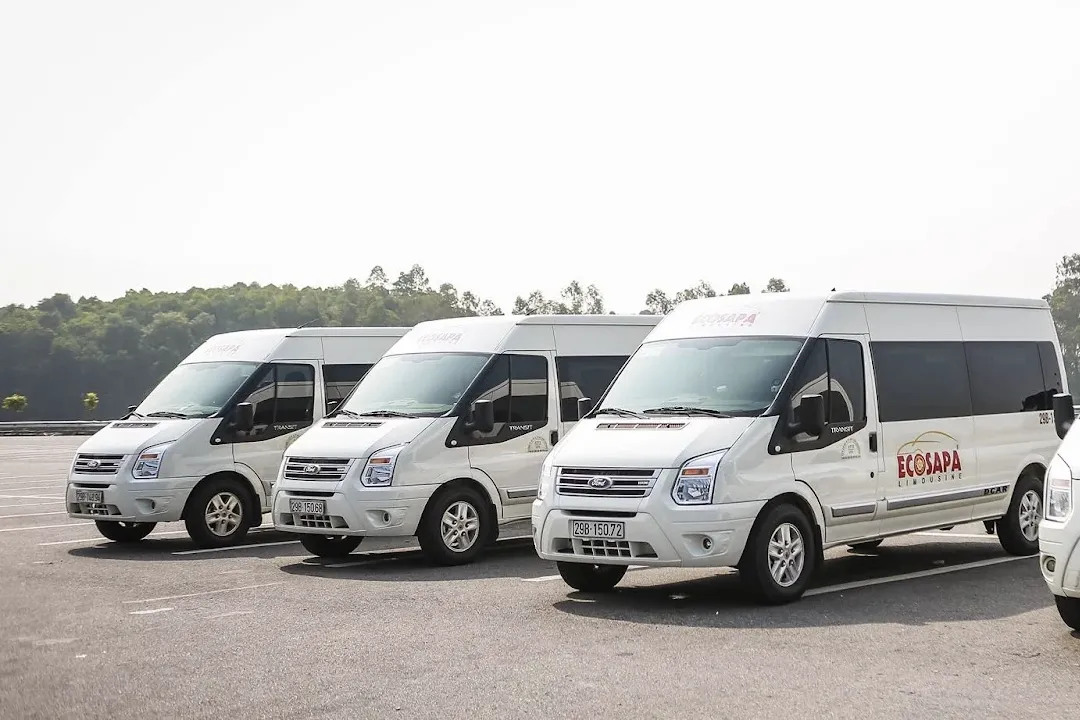
3. HK Buslines (HK Sapa Open Tour): The "Modern Choice"
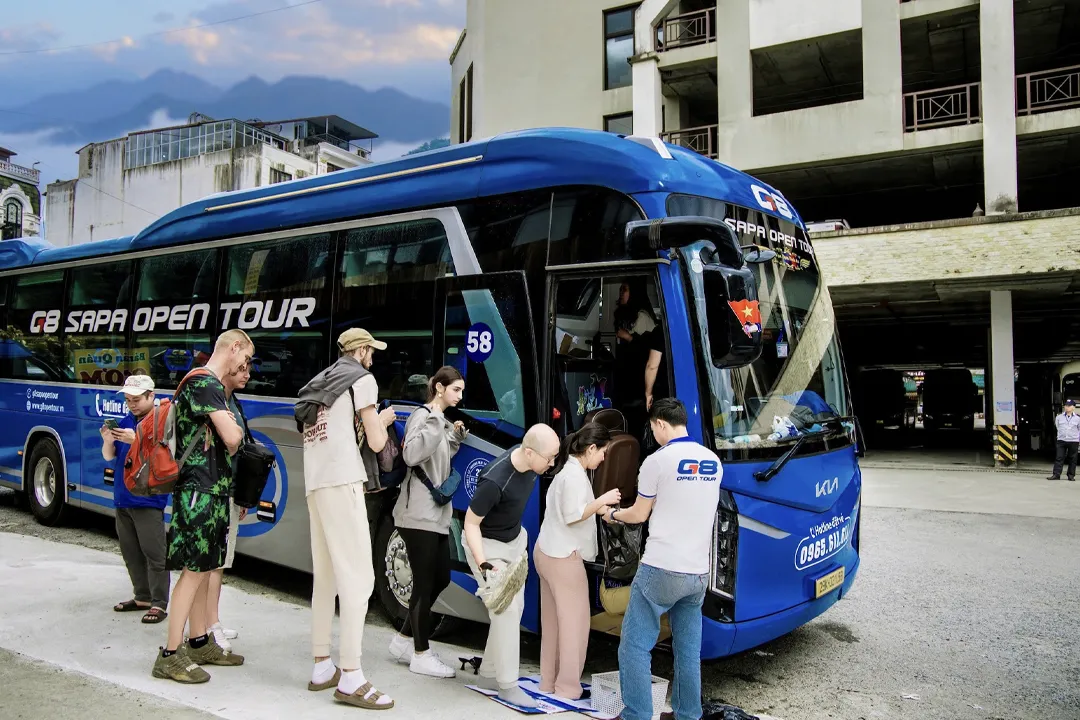
Alternatively, HK Buslines has earned its reputation as the "Modern Choice" by focusing on high-quality soundproofing, privacy curtains, and a tech-forward cabin design featuring consistent Wi-Fi and USB-C ports, making it a top pick for digital nomads. Meanwhile, G8 Sapa Express serves as the ultimate "Entertainment Hub," enticing travelers with built-in massage beds and personal media screens loaded with movies, all while maintaining a highly competitive cost-benefit ratio for those seeking "flashpacker" luxury.
.webp)
4. G8 Sapa Express: The "Entertainment Hub"
G8 Sapa Express serves as the ultimate "Entertainment Hub," enticing travelers with built-in massage beds and personal media screens loaded with movies, all while maintaining a highly competitive cost-benefit ratio for those seeking "flashpacker" luxury.
Here is comparision chart base on passenger's review:
| Operator | Primary Vehicle Type | Unique Features & Amenities |
| Sao Viet Bus | Single/Double Cabin & Sleeper | Only bus with a toilet onboard; hourly departures; high reliability. |
| Eco Sapa | VIP Limousine Van (9-10 seats) | Luxury leather seats; 10–45° recline; direct hotel pick-up; ideal for car sickness. |
| HK Buslines | VIP Single/Double Cabin | Massage beds; modern entertainment systems; very clean and professional. |
| G8 Sapa Express | VIP Single/Double Cabin | Massage beds; modern entertainment systems; mid-range price |
Conclusion: Which Mode Should You Choose?
Choosing between air travel and bus/ferry travel for the Sapa – Hanoi route largely depends on your priorities regarding time, budget, and experience.
Below is a detailed comparison table:
| Mode of Transport | Price Range (USD) | Travel Time | Best For (Target Customer) |
| Private Car | $135 – $210 (per vehicle) | ~5 hours | Families & Groups: Those seeking door-to-door convenience and absolute privacy. |
| VIP Cabin Bus | $17 – $30 (per person) | ~5.5 hours | Couples & Professionals: Travelers wanting a "Business Class" experience with high privacy. |
| Standard Sleeper Bus | $11 – $14 (per person) | ~6 hours | Budget Travelers: Students and backpackers looking for the most economical transit. |
| Train + Taxi/Shuttle | $35 – $65 (per person) | ~9 hours | Classic Travelers: Those who value safety and want to save a night's hotel cost. |
| Motorbike | $5 – $8 (fuel only) | 9 – 11 hours | Adventurers: Seasoned riders who want to experience the O Quy Ho Pass and scenic backroads. |