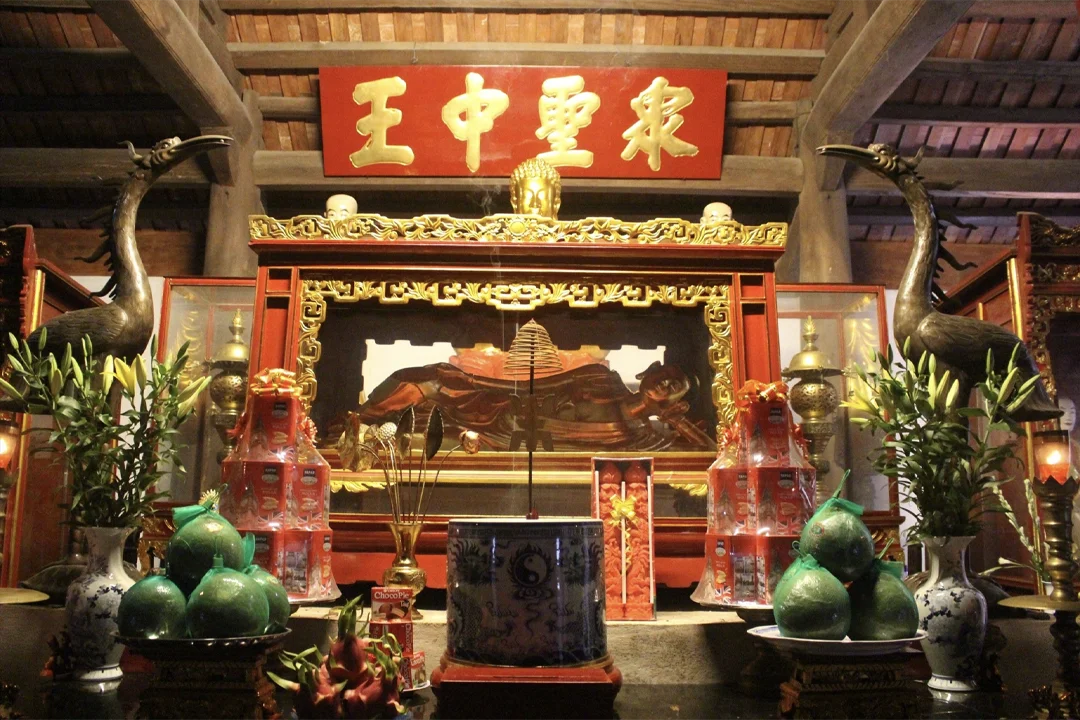
The morning sun filters through the ancient ironwood doors, casting long shadows across stone steps worn smooth by centuries of pilgrims' feet. In the front courtyard, the 14‑tiered Pho Minh Tower rises from a lotus‑shaped base, its red bricks still bearing the name of the king who built it seven centuries ago. The scent of incense drifts from the main sanctuary, where a reclining statue of the Buddha King rests in eternal nirvana.
This is Pho Minh Pagoda, a sacred site that has witnessed the rise and fall of dynasties, foreign invasions, and the quiet devotion of generations. Located in the historic heart of what is now Ninh Binh province, this over‑760‑year‑old temple stands as a rare and enduring monument to the splendour of the Tran Dynasty (1225–1400). Unlike the bustling crowds of other Ninh Binh attractions, here you can walk in the footsteps of emperors, breathe the same air as Zen masters, and touch stones that have remained unchanged for seven centuries. If you've never set foot here, here are the reasons to change that.
Overview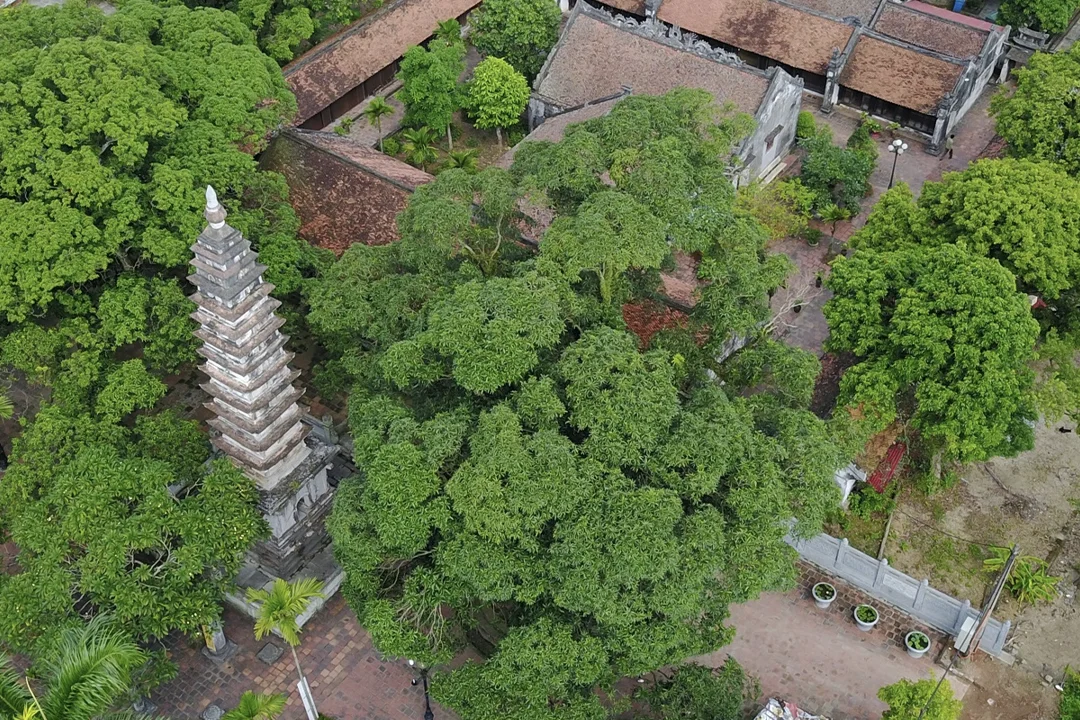
Pho Minh Pagoda is located in Tuc Mac Village, Loc Vuong Ward, within what is now Ninh Binh province (historically part of Nam Dinh province before the administrative merger). It lies approximately 100 kilometers south of Hanoi, about 15 kilometers northeast of Ninh Binh City, and just 300 meters west of the adjacent Tran Temple complex.
The best time to visit is from January to March (spring), when the weather is mild and pleasant, and the traditional festivals bring the grounds to life. The dry season from November to April offers the most comfortable conditions for walking the ancient paths and sitting by the lotus ponds.
What makes Pho Minh truly special is its dual significance: it is both a living Buddhist sanctuary and a priceless architectural relic. Designated a Special National Relic by the Prime Minister in 2012, it remains remarkably intact, preserving the hallmark aesthetics of Tran‑era Buddhist architecture. According to ancient records, the pagoda was originally built during the Ly Dynasty (1009–1225) and expanded in 1262 under King Tran Thanh Tong, becoming a key spiritual site for the royal court. The revered Emperor Tran Nhan Tong, who abdicated the throne to become a monk and founded the Vietnamese Truc Lam Zen sect, was known to have frequented the pagoda on his spiritual journeys. Pho Minh is not merely a place of worship; it is a living witness to a golden chapter of Vietnamese history.
Top Attractions
The Ancient Pagoda Grounds
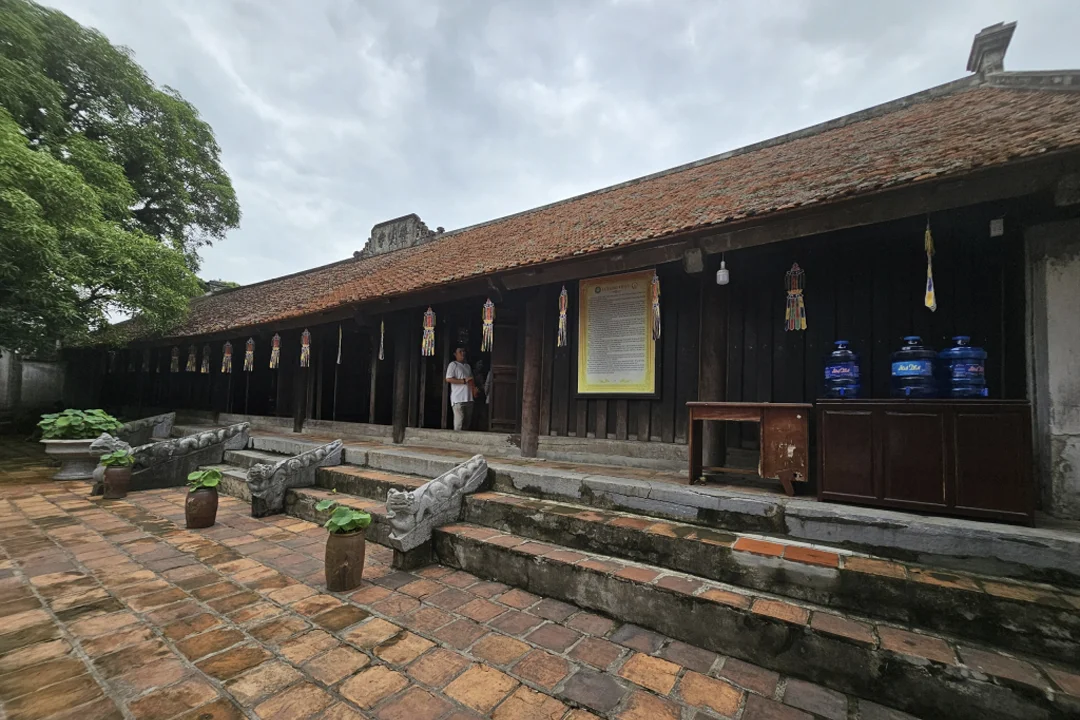
The pagoda's layout is both expansive and harmonious. Its main structure comprises a nine‑bay front hall, a three‑bay incense hall, and the upper sanctuary – all arranged in the traditional shape of the Chinese character "gong" (工). The triple‑arched entrance gate is built from wood and brick, with a traditional tiled roof and a wooden calligraphy panel reading "Dai Hung Bao Dien" (Great Heroic Treasure Hall) above. A pair of stone dragons faces the main hall, and two stele houses flank the courtyard.
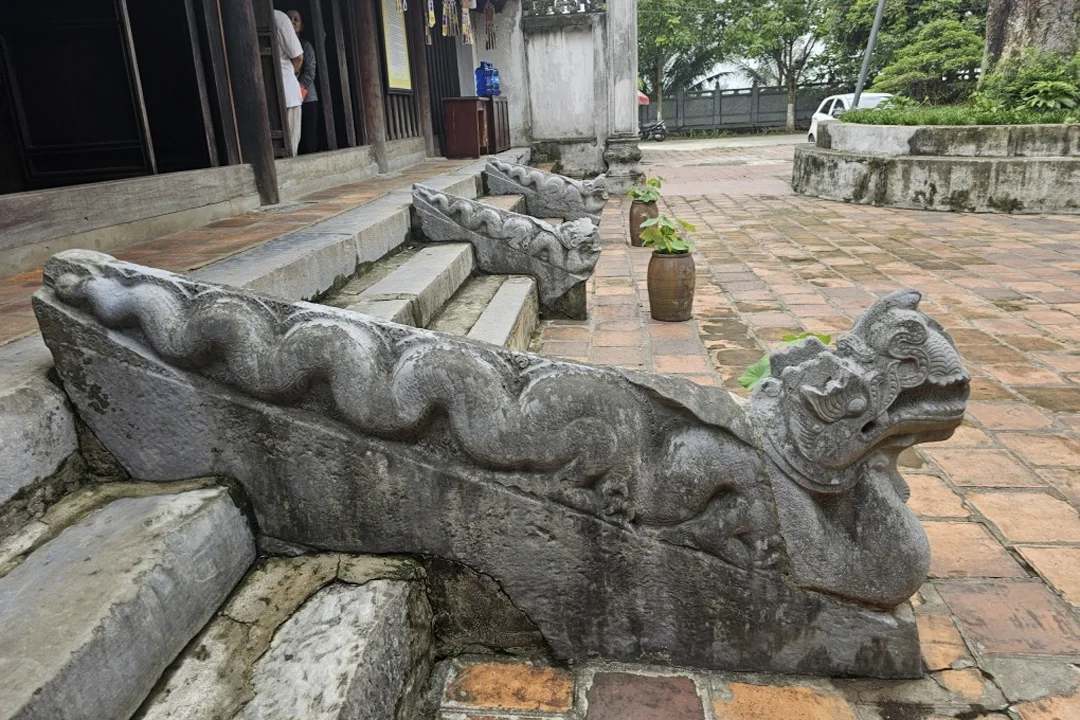
The stele on the right bears the inscription "Pho Minh Zen Temple," carved in 1668, while the stele on the left reads "Pho Minh Bao Thap Tu Bi," carved in 1916 – testament to the pagoda's long‑standing historical continuity. Behind the main hall lies an 11‑bay building arranged in the shape of the Chinese character "one" (一), which houses the ancestral hall, monks' quarters, and a shrine containing a white stone statue of Lady Mac seated on a lotus throne.
The grounds are shaded by ancient trees, some of which have been honoured as "heritage trees of Vietnam" and are hundreds of years old. Two ancient wells stand at the entrance, and the entire complex is surrounded by a sense of deep, undisturbed peace.
Pho Minh Tower: A 700‑Year Monument
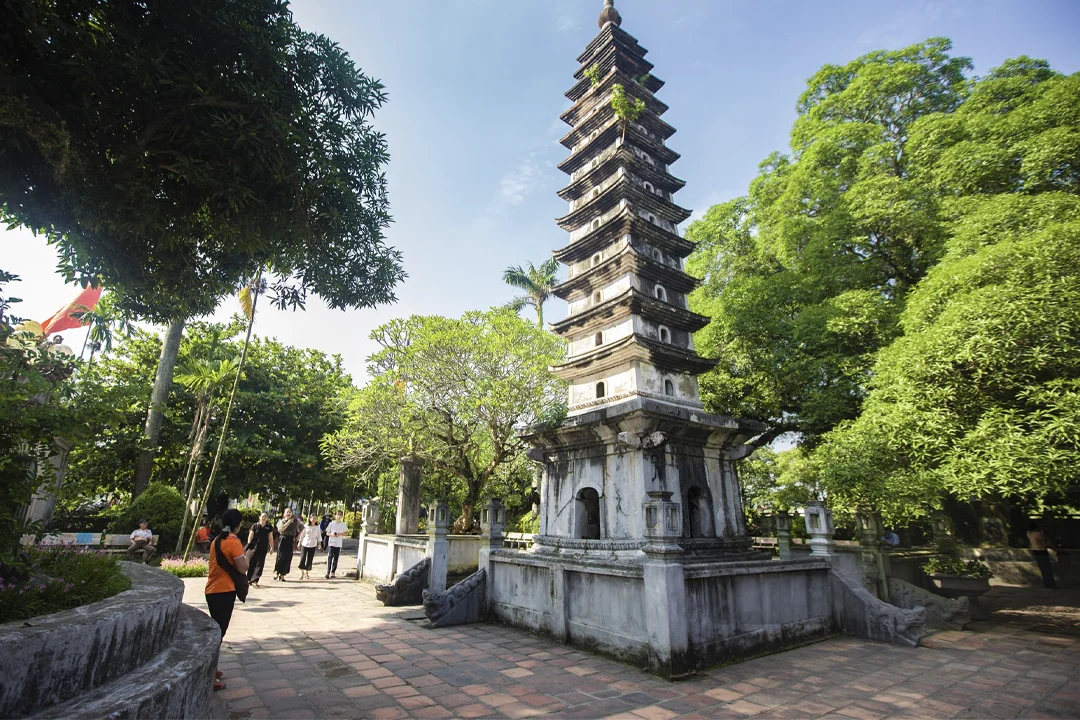
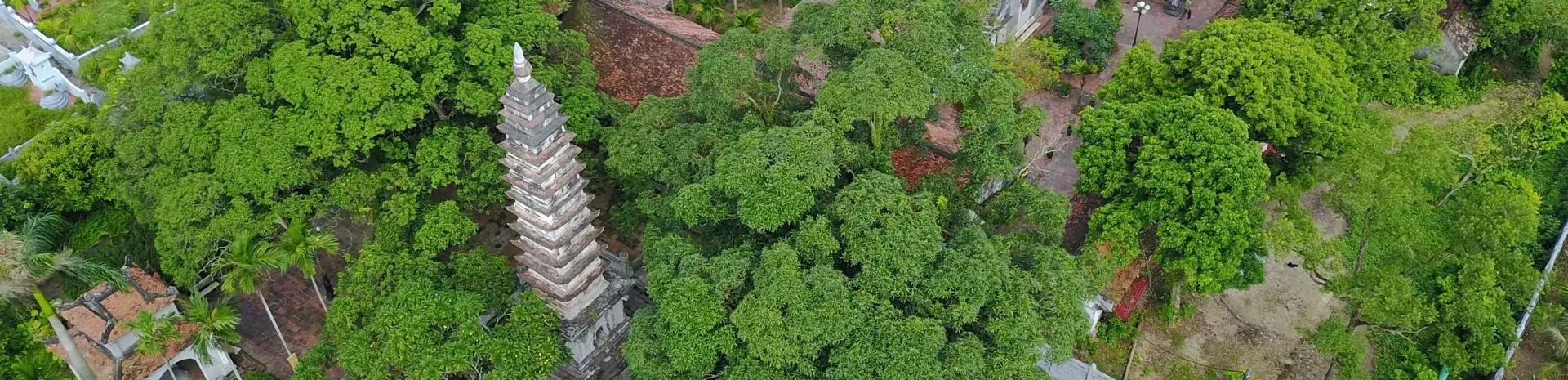
Standing proudly in the front yard, Pho Minh Tower is the iconic symbol of the pagoda and one of Vietnam's most valuable national treasures. Built in 1305 under King Tran Anh Tong to house the relics of his father, the venerated King Tran Nhan Tong, this 14‑tiered tower rises to a height of 19.51 metres.
The construction is a marvel of ancient engineering. The two lowest levels are built from smooth green stone, intricately carved with lotus petals and wave patterns. The upper 12 tiers are made of red baked bricks, stacked without mortar – each brick bearing the inscription "Hung Long thap tam nien" (the 13th year of the Hung Long era – 1305) and carved with a Tran‑dynasty dragon. At the apex sits a multi‑layered stone block shaped like a lotus blossom, symbolising purity and enlightenment.
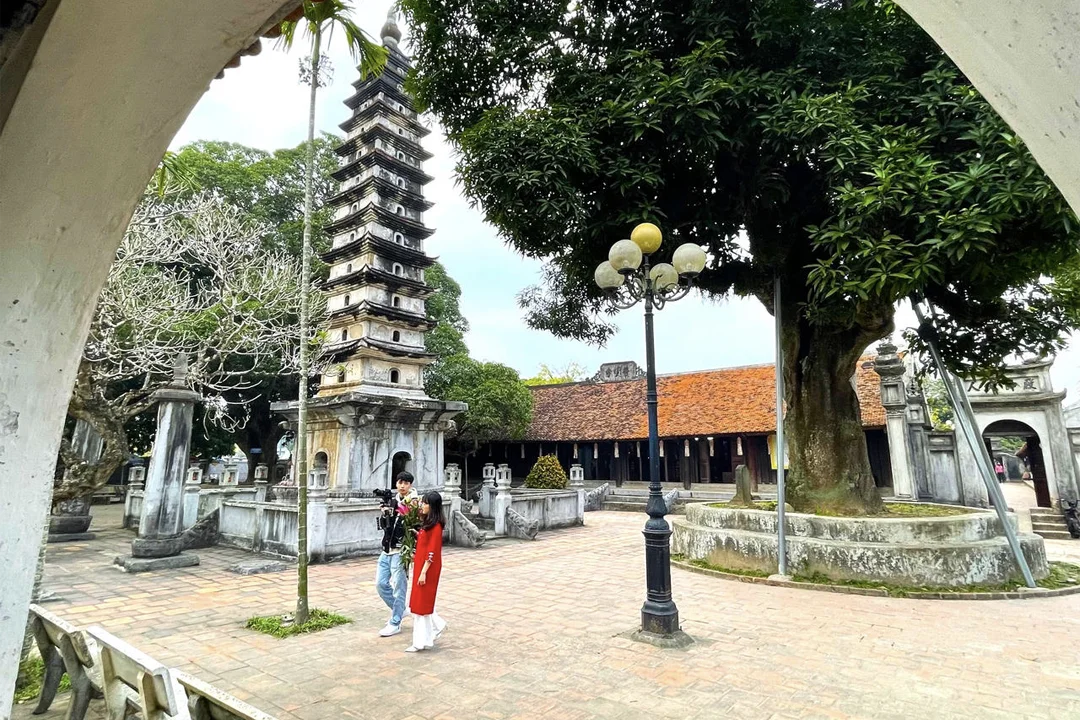
The tower rests on a square stone platform, with each side measuring 5.2 metres. A lotus‑petal band surrounds the base, creating the illusion of the tower rising from a sacred flower. Despite seven centuries of war, weather, and natural disasters, the tower remains remarkably well‑preserved and nearly intact. Its image is so emblematic that it was once featured on the 100 VND banknote. From the tower's base, you can look up and imagine the artisans who, with only rudimentary tools, created a structure that would defy time itself.
National Treasures Within the Sanctuary
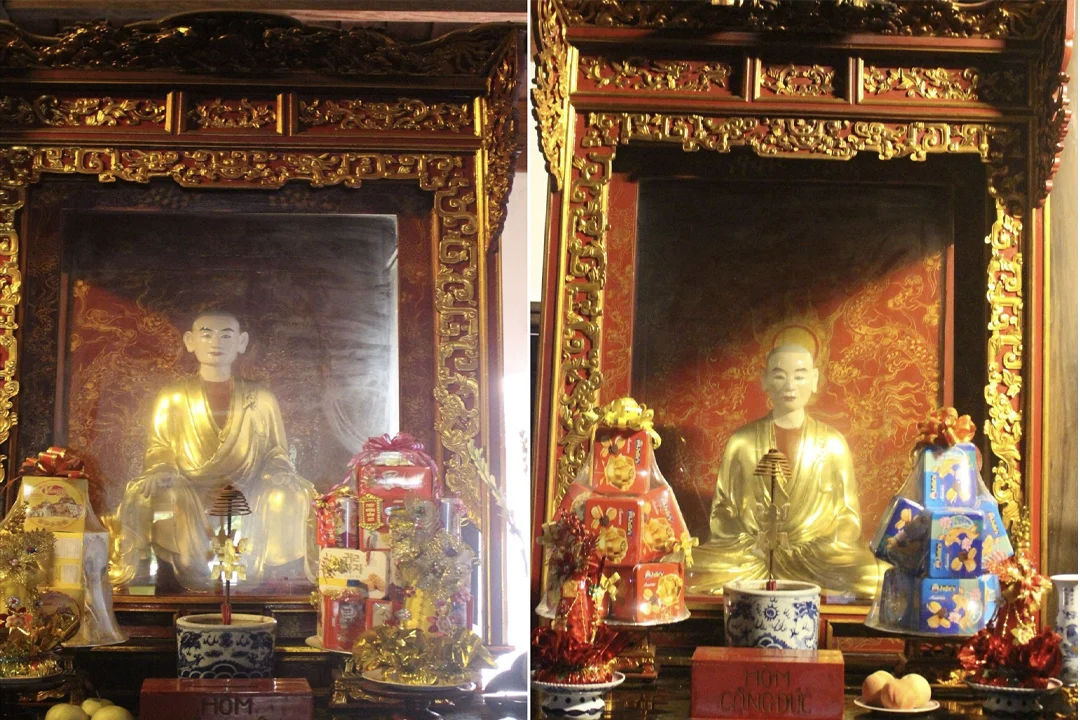
Inside the main sanctuary, the pagoda safeguards some of Vietnam's most precious religious artefacts. Among the most valuable is a set of statues known as the Truc Lam Tam To (Three Founders of the Truc Lam Zen Sect). This includes a reclining statue of Tran Nhan Tong in nirvana, flanked by statues of the second patriarch Phap Loa and the third patriarch Huyen Quang. Dating to the 17th century, the statues are made of lacquered and gilded wood and remain in pristine condition. This set was officially recognised as a national treasure by the Prime Minister in Decision No. 41/QD‑TTg on January 30, 2023.
Another national treasure is a set of four ancient wooden doors that once adorned the temple's front hall, showcasing the refined craftsmanship of the Tran period. The pagoda also boasts an impressive collection of historical relics, including ancient bronze bells, Tran‑era bas‑reliefs, an age‑old stone well, and a pair of stone crocodiles dating from the Mac Dynasty.
What visitors often miss: Behind the main sanctuary, separated by a narrow courtyard, is an 11‑compartment building. In the middle are five compartments of the patriarch house, flanked by three compartments for monks on the left and three for the shrine on the right. Two corridors connect the front hall to this rear building, forming a square that encloses the pagoda's entire architectural structure. Walk these corridors slowly – you will discover hidden shrines and centuries‑old carvings that most tourists rush past.
The Tran Temple Festival and Modern Serenity
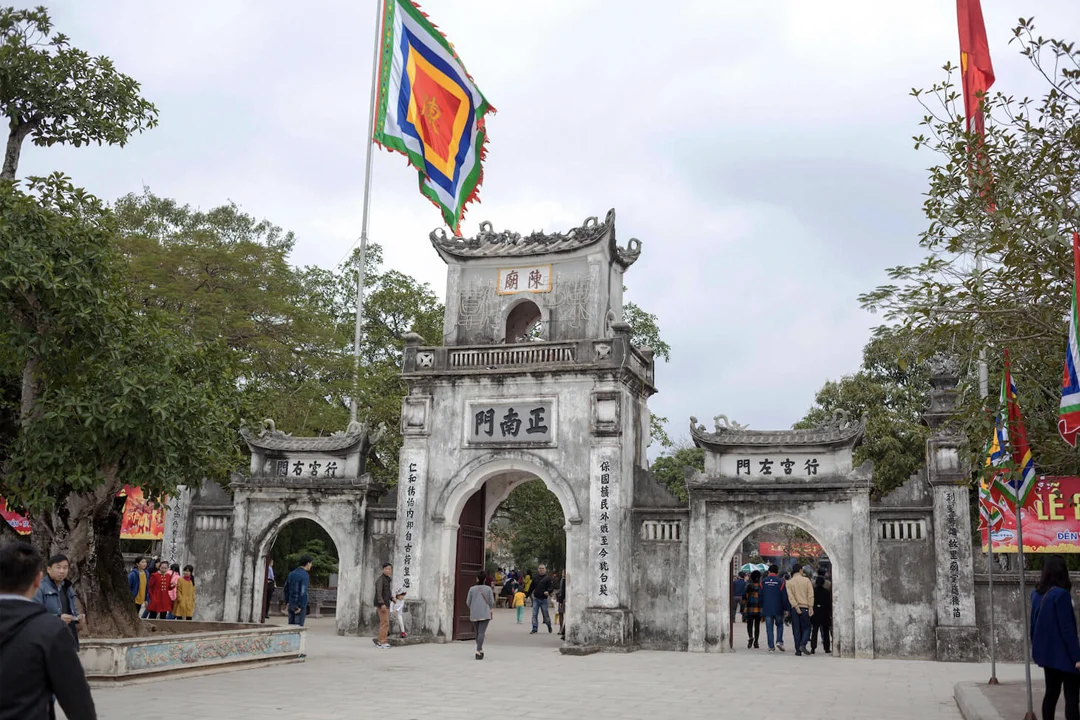
Pho Minh Pagoda shares its sacred grounds with the adjacent Tran Temple, a collection of three temples (Thien Truong, Co Trach, and Trung Hoa) honouring the 14 Tran kings and the national hero Tran Hung Dao. Together, they form one of the most important spiritual sites in the Red River Delta.
Each spring, the site comes alive during the Tran Temple Seal Opening Festival, recognised as a National Intangible Cultural Heritage. Held annually on the night of the 14th and early morning of the 15th day of the first lunar month, the festival commemorates the day in 1258 when King Tran Thai Tong held a banquet to reward officials and soldiers who had defeated the Mongol‑Yuan invaders. Thousands gather for the midnight procession of the sacred seal, the incense offerings, and the distribution of stamped amulets believed to bring blessings of health and prosperity for the year ahead.
For travellers who prefer solitude over crowds, visit on a weekday morning. The lotus ponds, the ancient trees, and the sound of temple bells create an atmosphere of such profound peace that you may find yourself lingering for hours.
Practical Tips & Notes
When planning a trip to Pho Minh Pagoda, the spring months from January to March offer the most pleasant weather alongside a vibrant festival atmosphere, though those seeking a quieter, more meditative experience should aim for weekday mornings before 9:00 AM. For a solo traveler, the excursion is exceptionally budget-friendly with an average cost of approximately 220,000 VND (~$8.40 USD)—which covers a motorbike rental for 100,000 VND (~$3.80 USD), 20,000 VND (~$0.75 USD) for fuel, and 100,000 VND (~$3.80 USD) for lunch—while entrance to the pagoda itself is completely free. Packing essentials include modest clothing that covers both your shoulders and knees out of respect for this active place of worship, along with comfortable walking shoes, sunscreen, a hat, insect repellent, and a camera. To ensure a smooth visit, remember to bring cash since entrance donation boxes and local vendors do not accept card payments, and try to arrive early to capture the best photography light while the grounds are at their most peaceful. Because Pho Minh Pagoda is located a mere 300 meters away from the Tran Temple complex and shares the same historical lineage, it is highly recommended to combine the two into a single trip. Finally, adhering to proper cultural etiquette is vital: always remove your hat before stepping into the main sanctuary, speak in hushed tones throughout the temple halls, never touch or climb on the ancient Pho Minh Tower or surrounding structures, and maintain a respectful distance or ask for permission before photographing pilgrims at prayer.
Suggested multi‑point one‑day itinerary:
- Morning (7:30 – 9:30): Explore Pho Minh Pagoda – the tower, main sanctuary, and ancient grounds.
- Late morning (9:30 – 11:00): Walk 300 metres west to the adjacent Tran Temple complex (Thien Truong, Co Trach, and Trung Hoa temples).
- Lunch (11:30 – 13:00): Goat meat and burnt rice at a local restaurant near the entrance.
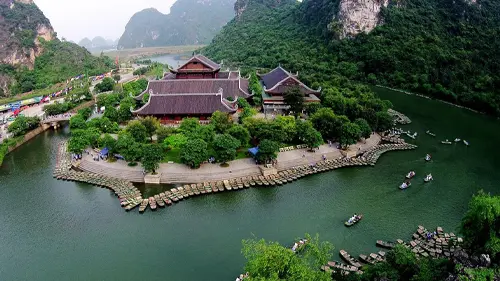
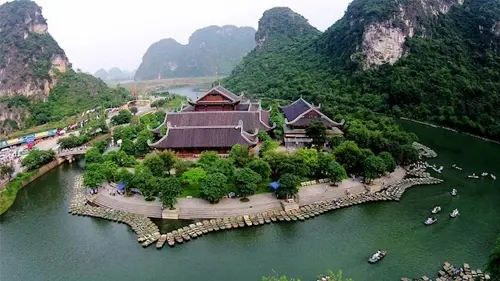
- Afternoon (13:30 – 16:30): Combine with nearby attractions: Hoa Lu Ancient Capital (15 km), Mua Cave (20 km), Trang An (22 km), or Bai Dinh Pagoda (25 km).
- Late afternoon (16:30 – 17:30): Return to the pagoda for a quiet walk by the lotus ponds before heading back.