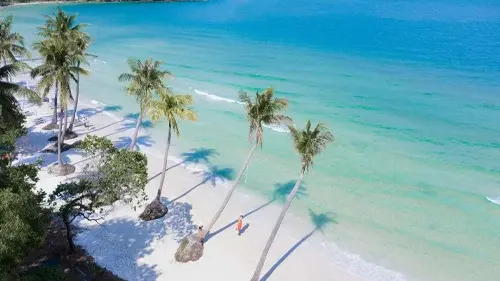
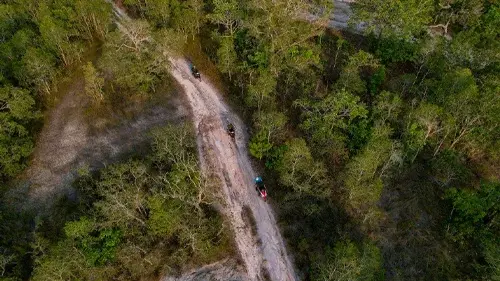
Overview
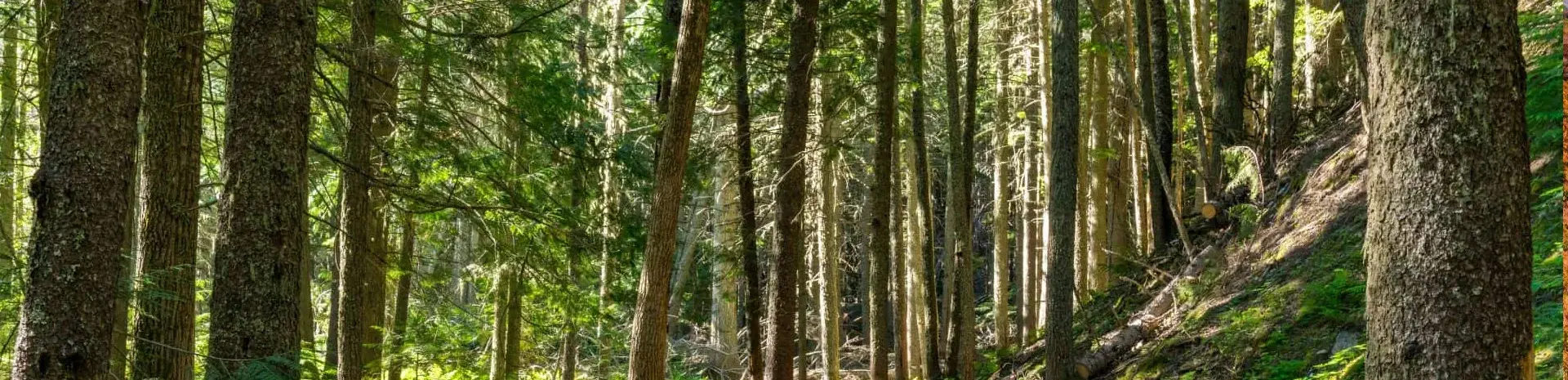
Phu Quoc National Park is more than just a protected forest; it is the green lung of Vietnam's largest island. Established in 2001 and later expanded, the park now encompasses over 31,422 hectares of terrestrial area and approximately 27,000 hectares of marine zone, creating one of the most ecologically significant protected areas in the country. Unlike the manicured beaches and bustling night markets of Duong Dong and Long Beach, the northern half of Phu Quoc remains rugged, wild, and largely untouched by mass tourism. Here, the landscape is defined by dense evergreen tropical forests, steep granite mountains, and a coastline fringed with coral reefs and mangroves.
The name "Phu Quoc" translates to "Prosperous Country," but within the national park, prosperity is measured not in commerce but in biodiversity. The park is a transitional zone between the Indochinese and Sundaic biogeographical regions, giving it an exceptionally rich mix of flora and fauna. Many species found here are endemic or globally threatened, including the silvery langur (Trachypithecus germaini), the slow loris, and the pileated gibbon. In 2010, the park's marine component was declared a Marine Protected Area (MPA), safeguarding dugongs, sea turtles, and vibrant coral gardens.
Why Phu Quoc National Park?
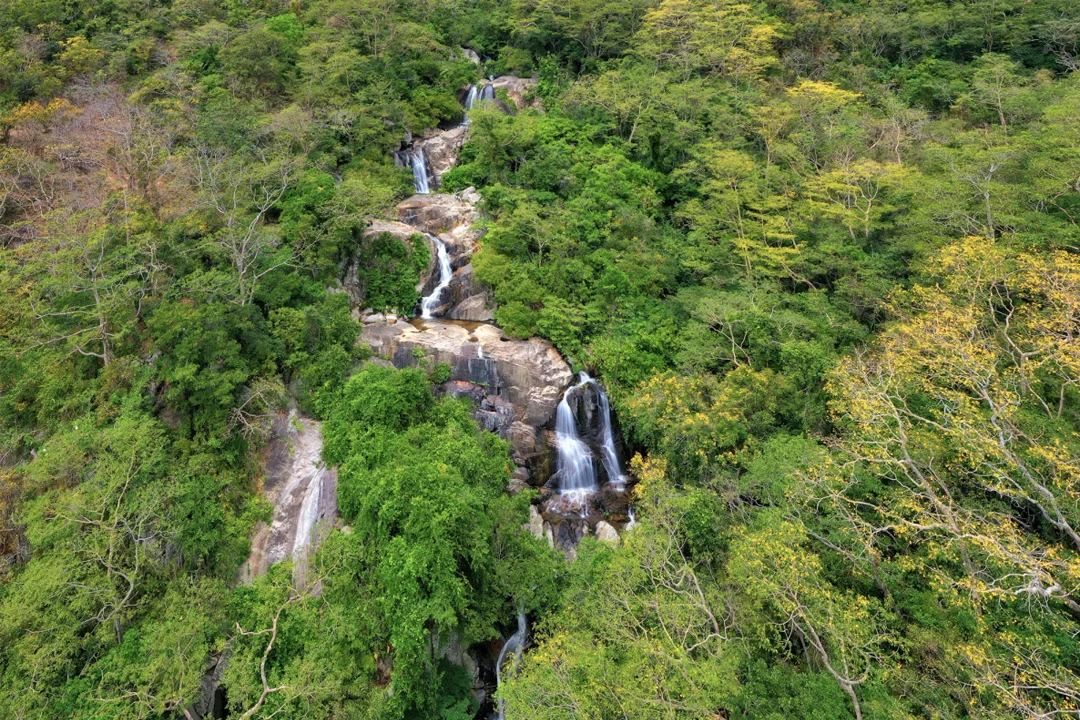
What elevates Phu Quoc National Park beyond a standard scenic stop is its dual terrestrial and marine significance. It is one of the few places in Vietnam where you can trek through primary rainforest in the morning and snorkel over untouched coral reefs in the afternoon, all within the same protected boundary. Unlike the vertical karst drama of Ha Long Bay or the terraced rice fields of Sapa, Phu Quoc offers a "mountain-meets-sea" experience that is uniquely Southern.
The park serves as a critical water catchment area for the entire island, feeding streams, rivers, and groundwater reserves that sustain local communities. It is also a mechanical necessity for the survival of countless rare species. The terrestrial section features the island's highest peak, Mount Chua (603 meters), offering panoramic views of the Gulf of Thailand. Meanwhile, the marine zone contains some of Vietnam's most pristine coral reefs, particularly around the Hon Thom and Hon Dua islands. Whether you are a trekker, birdwatcher, kayaker, or snorkeler, the park delivers an authentic, travel-focused experience that remains refreshingly free from mass tourism.
Best Time To Visit?
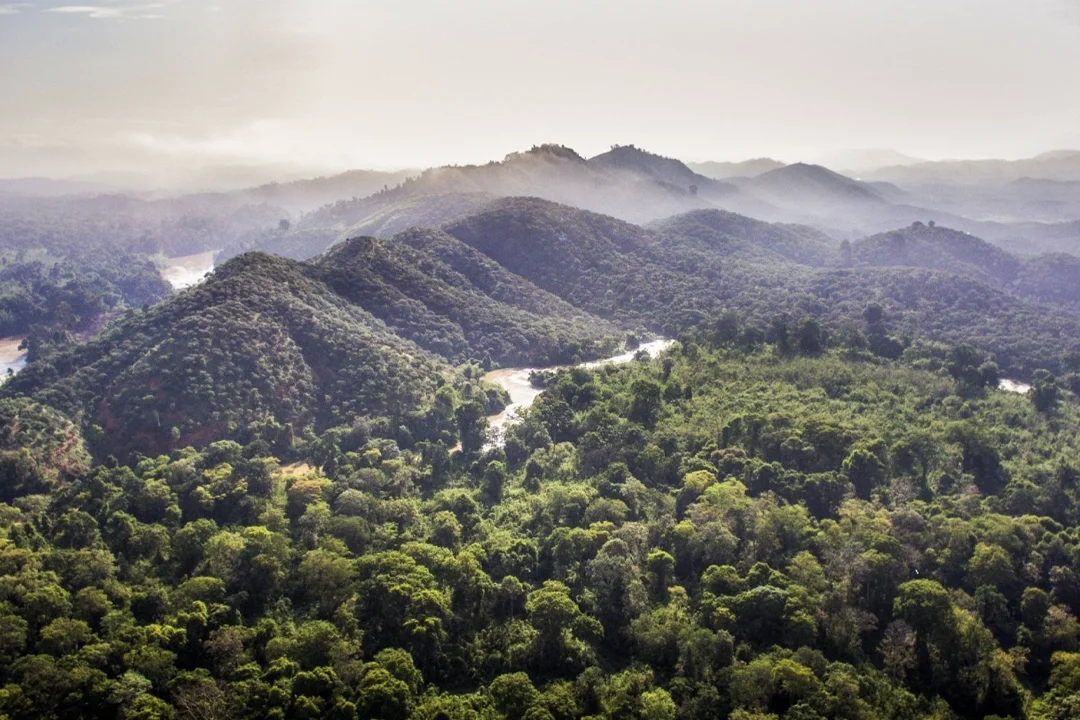
Visitors can explore Phu Quoc National Park year-round, but weather patterns differ significantly from northern and central Vietnam. The island has two distinct seasons: the dry season (November to April) and the wet season (May to October). However, the best time for trekking and marine activities is from December to March, when the northeast monsoon brings calm seas, clear skies, and comfortable temperatures ranging from 25°C to 30°C.
The Pristine Dry Season (November - April)
The period from November through April represents the classic "good weather window" for Phu Quoc and all of southern Vietnam. During these months, rainfall is minimal (averaging only 30-50 mm per month), humidity is low, and the sea is mirror-calm. Daytime temperatures hover between 27°C and 32°C, with cool breezes in the evenings. This is the optimal time for trekking to Mount Chua, kayaking in the calmed bays of Ganh Dau, and snorkeling at the marine protected area, where underwater visibility can exceed 15 meters. Trail conditions are firm, and mosquitoes are less active. For those seeking accessibility, comfort, and picture-perfect views, this is the window to aim for.
However, note that December and January can bring slightly rougher seas on the west coast due to changing wind patterns, but the east coast (including the park's shoreline) remains protected.
The Lush Wet Season (May - October)
From May through October, the southwest monsoon brings higher humidity, afternoon downpours, and occasional storms. This is not to suggest the wet season should be avoided; it simply requires different expectations and activities. The landscape transforms into a sensational, vivid green, and the waterfalls (like Suoi Tranh and Suoi Da Ban, though outside the park core) reach their peak volume. The forest feels intensely alive, and birdwatching can be excellent as resident species breed. However, trekking trails become muddy and slippery, certain remote routes may be closed for safety, and boat trips to the marine park can be cancelled during storms. For the flexible traveler who does not mind occasional rain, the wet season offers the park at its lushest and least crowded. It is also the best time to see the island's streams and waterfalls in full force.
Festivals & Local Calendar
Phu Quoc's cultural calendar is deeply tied to the sea and the forest. The most significant event is the Nghinh Ong Festival (Whale Worship Festival), held annually in the third lunar month (usually April). This festival honors the whale as a guardian deity of fishermen. Locals from villages like Rach Vem and Ham Ninh decorate boats, carry offerings to the sea, and perform traditional rituals for safety and bountiful catches. The festival includes boat races, folk games, and music performances.
Another important event is the Dinh Cau Festival, also held in the third lunar month, at the famous Dinh Cau Temple in Duong Dong. While not inside the park, it reflects the spiritual life of the islanders. The Nguyen Trung Truc Festival (commemorating a national hero) takes place in August in Rach Gia, with some celebrations extending to Phu Quoc.
For travelers aligning their visit with these festivals, you will encounter an authentic cultural landscape that few international tourists ever see: not just a natural sanctuary, but a vibrant community in celebratory voice.
Must-See Places
Ganh Dau Cape & The Cambodian Border
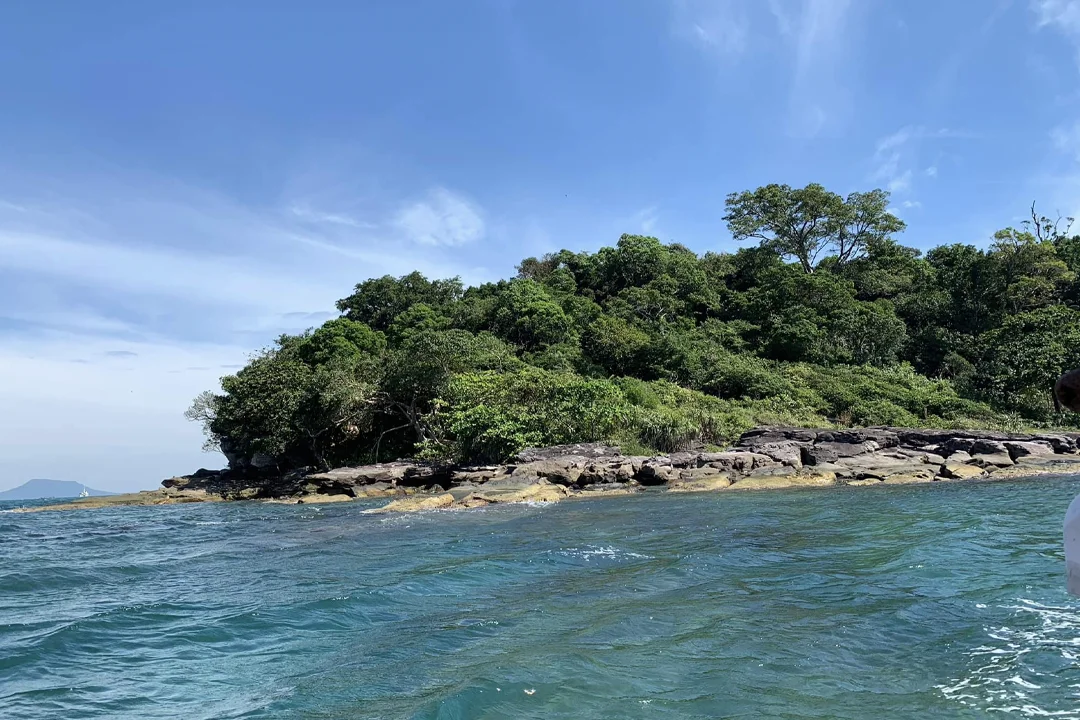
At the northwestern tip of the island, Ganh Dau Cape marks the boundary between Vietnam and Cambodia, just 4 km across the sea to the Cambodian coast. The cape offers stunning sunset views over the Gulf of Thailand. From here, you can see the distant outline of Koh Ta Kiev island. The forest trail along the cape leads to a small lighthouse and pristine beaches that are never crowded. It is an excellent starting point for kayaking tours into the park's marine zone.
Bat Cave - Tien Son Peak
Phu Quoc Bat Cave is a unique ecotourism destination, hidden within the pristine forest of Phu Quoc National Park. Located in the Suoi Tranh area of Phu Quoc National Park, Kien Giang province, it is a natural cave nestled in a dense forest, about 9km southeast of Duong Dong town center. Inside the cave, visitors can admire unique stalactites and observe the bat colony. Phu Quoc Bat Cave is an ideal destination for nature lovers and adventure enthusiasts. If you enjoy trekking, encountering fascinating moments, and seeking unique experiences, you definitely shouldn't miss Bat Cave.
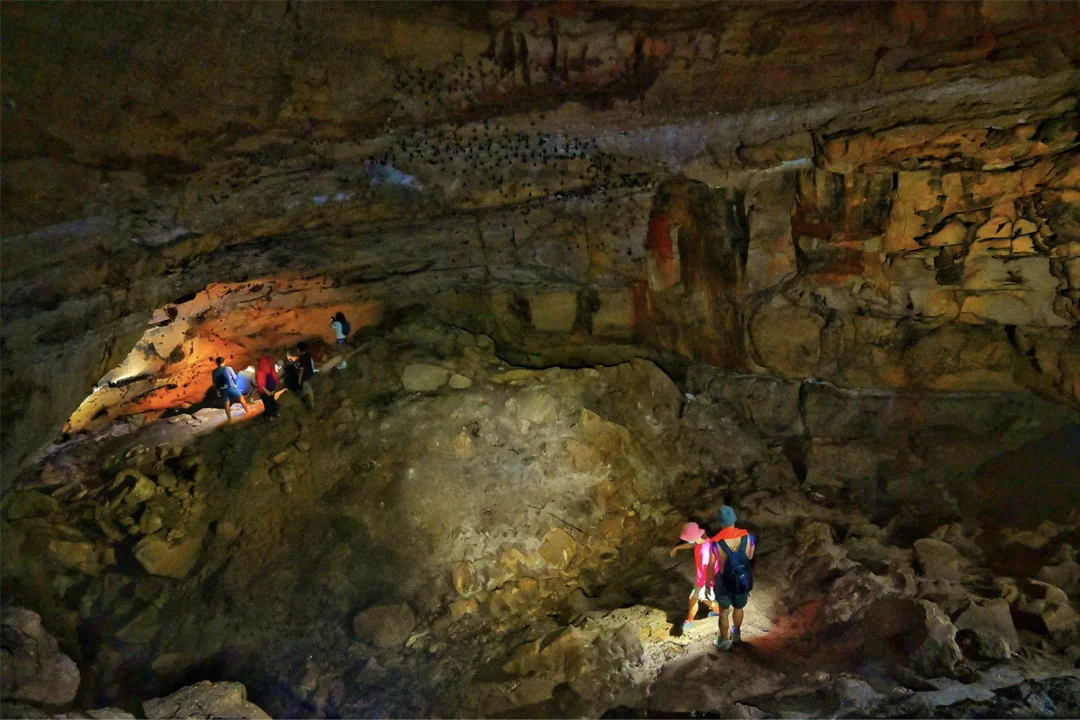
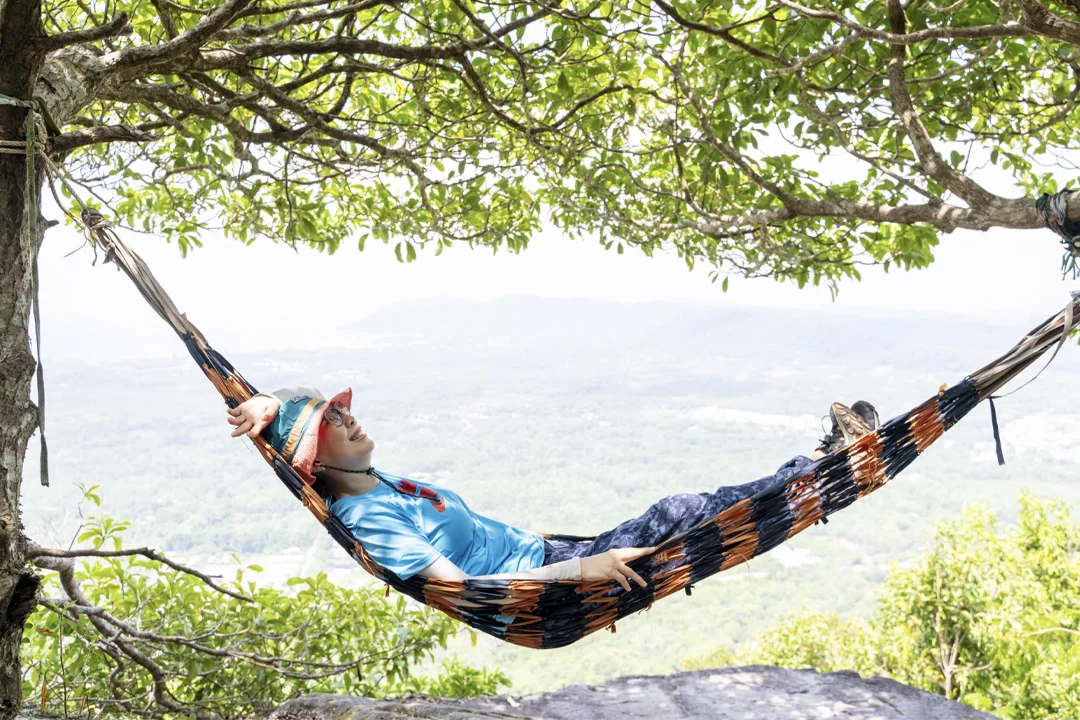
Leaving the cave, the path leads to Tien Son Peak. Standing at the summit, visitors can take in the entire National Park with its deep green forest and open space. Here, trekking groups often set up hammocks, eat, and relax. Tien Son Peak, located at the end of the Ham Ninh mountain range, is over 500m above sea level and is 10km east of Duong Dong ward (Phu Quoc city).
Rach Vem Village & Starfish Beach
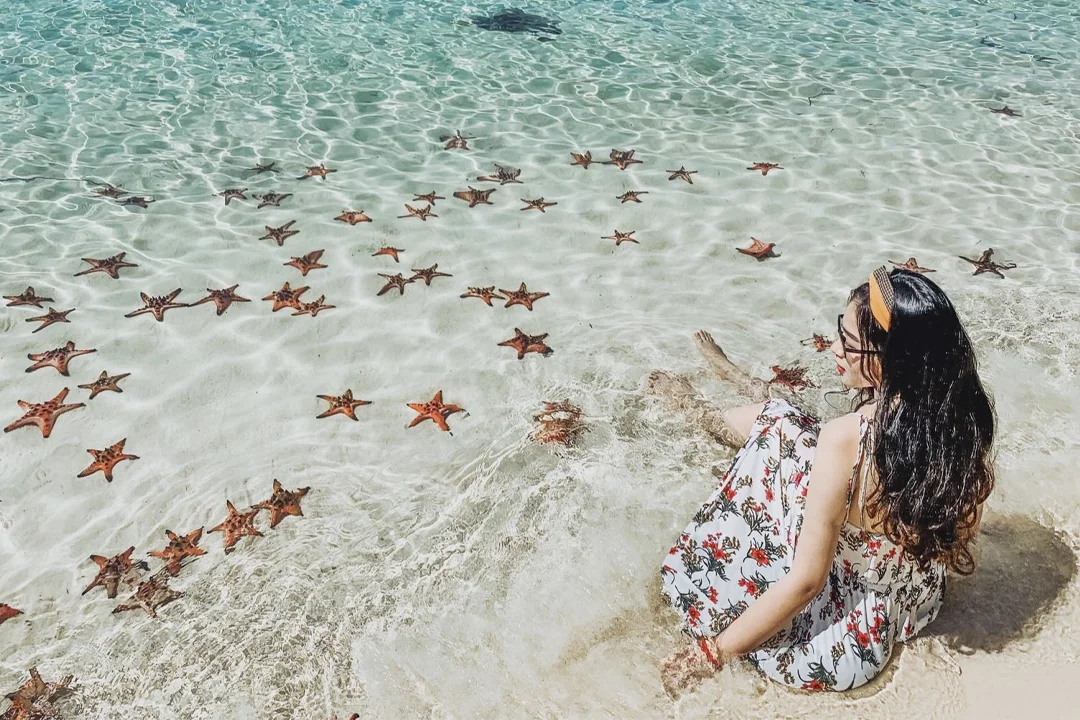
Rach Vem is a small fishing village on the northeast coast, located within the buffer zone of the park. Its shallow, clear waters are famous for the thousands of red starfish (cushion starfish) that gather on the seagrass beds. Unlike the commercialized beaches, Rach Vem remains rustic, with floating houses and simple seafood restaurants. You can walk out to the starfish without swimming. Remember not to touch or remove the starfish, as they are protected.
Bai Thom & The East Coast Trail
Bai Thom (Thom Beach) is a wild, undeveloped beach on the eastern side of the park, accessible via a dirt road or a trek from Ganh Dau. The beach faces the Gulf of Thailand but is sheltered by the mainland, making it calm for swimming. The surrounding forest is home to the Phu Quoc ridgeback dog (a rare breed) and the long-tailed macaque. A coastal trail connects Bai Thom to Rach Tram, offering 8 km of untouched shoreline for adventurous hikers.
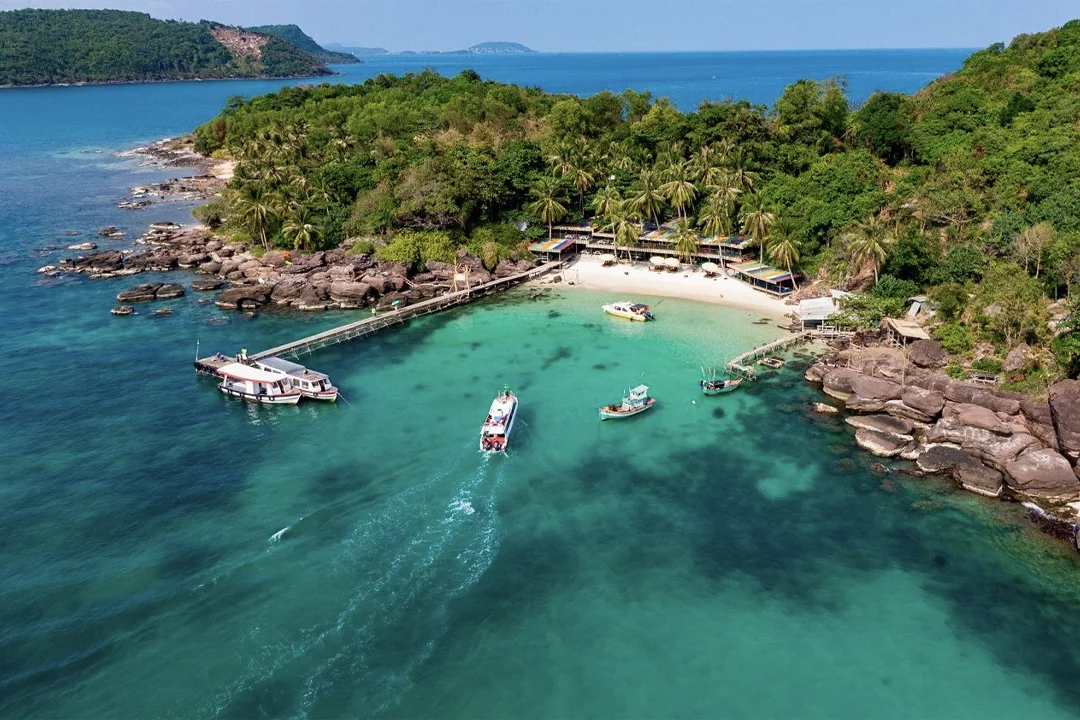
The Marine Protected Area (Hon Thom & Hon Dua)
The marine zone of the park covers coral reefs around the southern islands of Hon Thom (Pineapple Island) and Hon Dua. While Hon Thom has become a tourist attraction with a cable car, the protected zone around it retains pristine coral gardens. Snorkeling and diving here reveal brain corals, staghorn corals, clownfish, parrotfish, and, if lucky, the hawksbill sea turtle. Boat tours to the marine park must be booked through registered operators, and anchoring is restricted to protect the seabed.
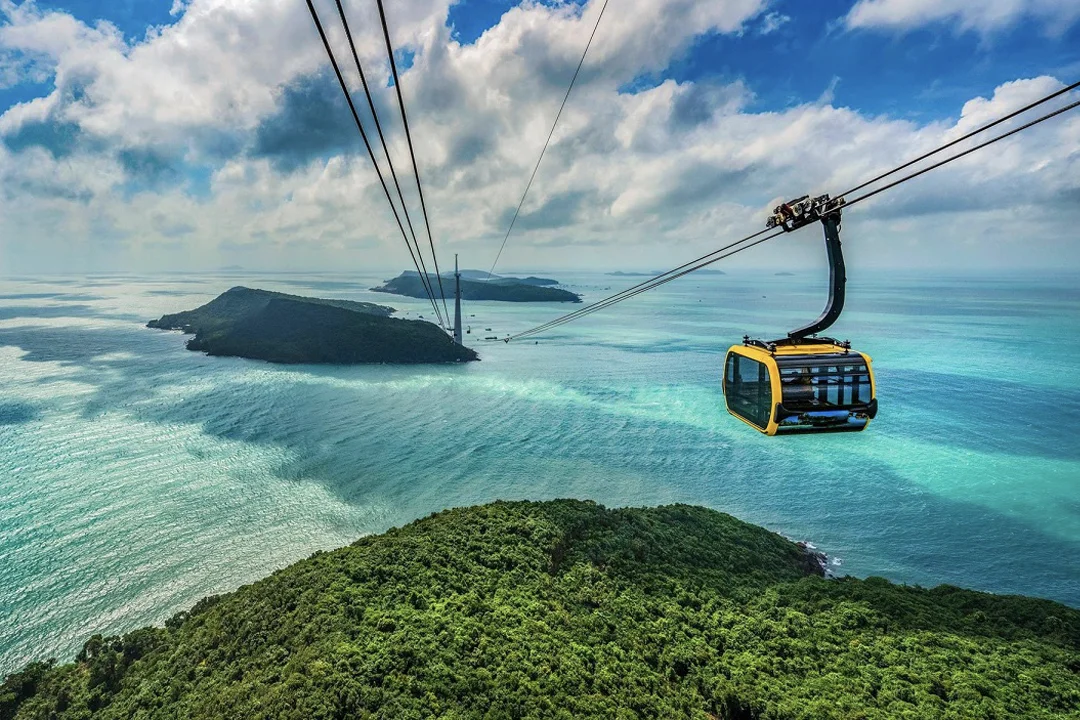
Da Ban Stream & Tranh Stream (Park Periphery)
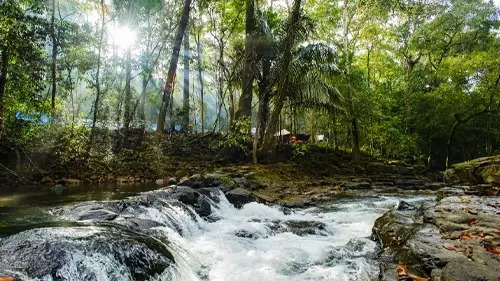
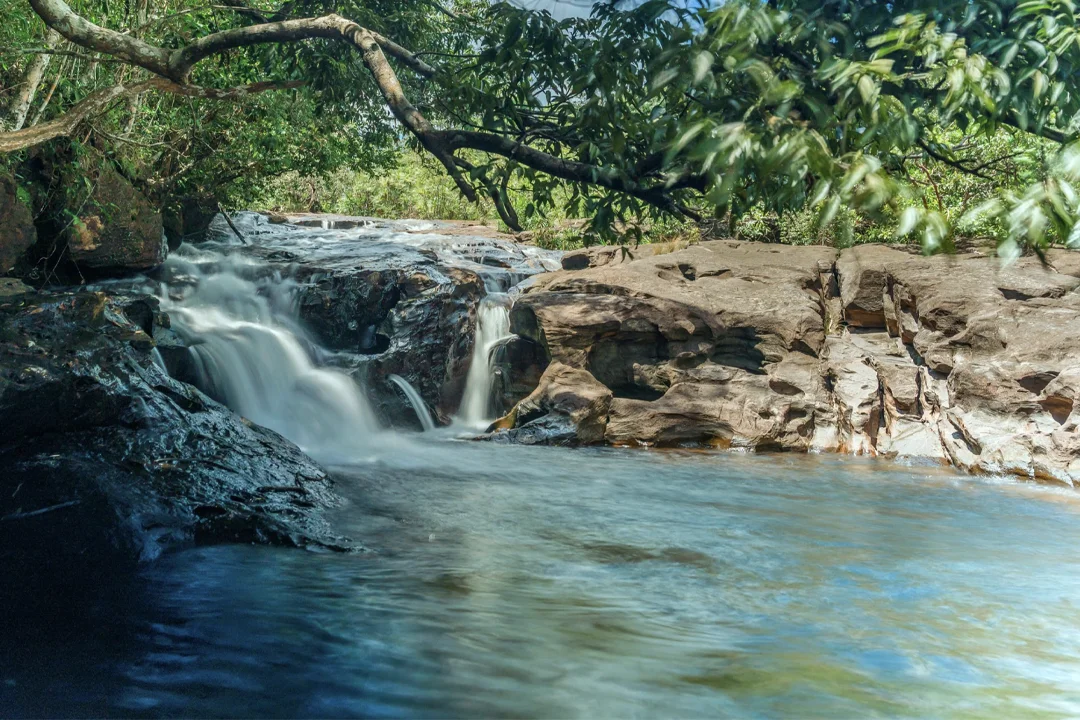
Though technically just outside the core national park boundaries, these streams are often included in park-adjacent itineraries. Suoi Da Ban (Table Rock Stream) features large flat granite boulders and cool pools, surrounded by secondary forest. Suoi Tranh is more developed but offers an easy walk to a small waterfall. Both are good for a half-day visit.
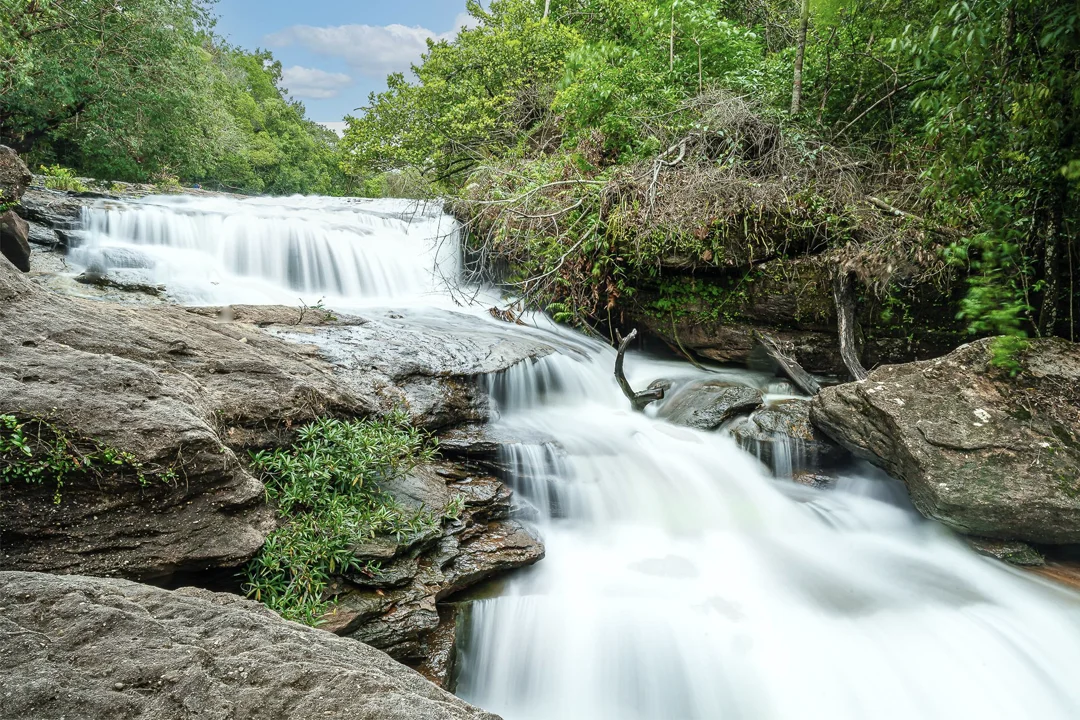
Where to Stay: Authentic Sanctuary
Homestays & Eco-Lodges in Ganh Dau and Rach Vem
For an authentic, travel-focused experience, staying in a homestay or eco-lodge in the fishing villages of Ganh Dau, Rach Vem, or Bai Thom is essential. These accommodations are run by local families, many of whom are former fishermen turned conservation advocates. You can sleep in simple wooden bungalows overlooking the sea or the forest, with mosquito nets and cold-water bathrooms. Typical room rates range from 300,000 VND to 600,000 VND ($12−24 USD) per night, often including breakfast or a home-cooked seafood dinner.
For those wanting more amenities (hot water, air conditioning, Wi-Fi), eco-lodges near the park entrance on the north-west road offer mid-range options from 800,000 VND to 1,500,000 VND per night. The Phu Quoc National Park Guesthouse (run by the park management) provides basic but clean rooms for researchers and budget travelers.
Resorts & Hotels Outside the Park
If you prefer luxury, there are no resorts inside the national park. However, the northern beaches (Vung Bau, Ong Lang) have upscale resorts just outside the buffer zone. These are comfortable bases for day trips into the park. Prices range from 1,500,000 VND to 5,000,000 VND per night.
Camping Options
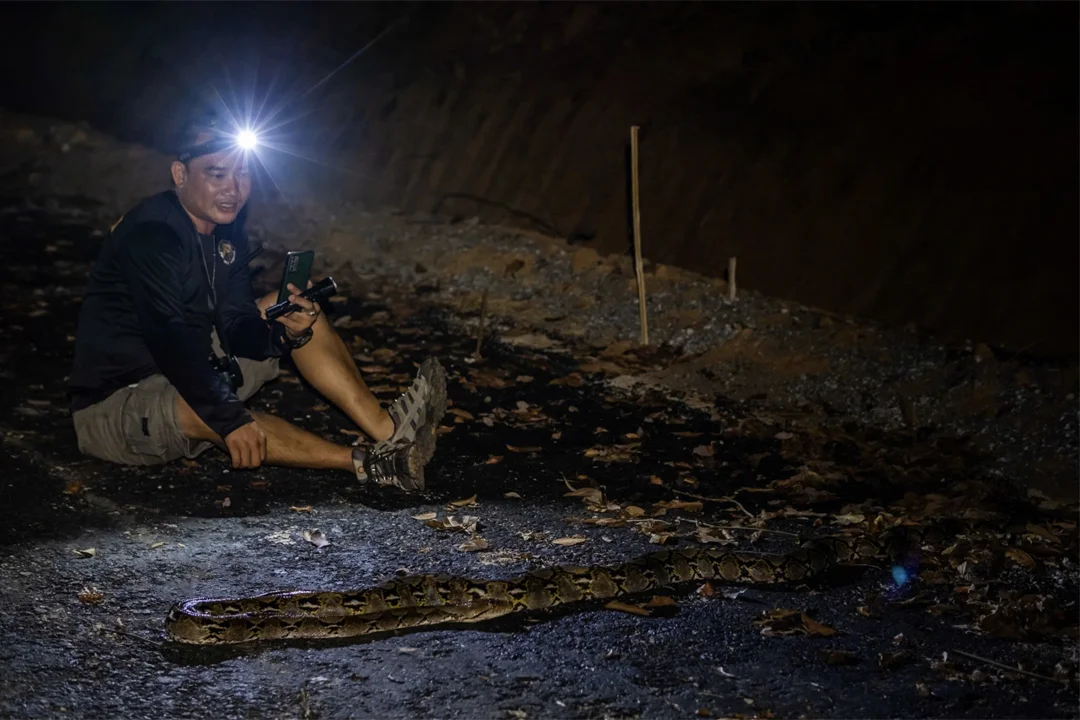
Camping inside the terrestrial core zone of Phu Quoc National Park is strictly prohibited due to conservation sensitivity and the presence of dangerous wildlife (including snakes and wild boar). However, organized overnight trips are available through registered tour operators and the park management. These involve camping on designated sites at Ganh Dau or on the beach at Bai Thom, with tents, dry bags, and cooking equipment provided. Rangers accompany groups. Prices range from 1,000,000 VND to 2,500,000 VND per person, including meals, guide, and camping gear.
For those seeking a truly remote experience, "wild camping" is allowed on specific approved beach zones if you arrange a permit through the park office at least one week in advance. Camping is most feasible during the dry season (November to April). Do not attempt independent camping inside the forest; you risk fines, injury, or animal encounters.
Practical Travel Tips
Park Entrance Fees & Activity Costs (as of 2026)
- Park entrance fee: 60,000 VND (approximately $2.50) per adult. Children half price.
- Guide fee (mandatory for Mount Chua trek): 500,000 VND for half day (up to 4 people); 800,000 VND for full day.
- Kayak rental: 300,000 VND per single kayak for 2 hours; 500,000 VND for double kayak.
- Snorkeling boat trip (marine zone): Ranges from 600,000 VND to 1,200,000 VND per person depending on group size and route. Includes mask, fins, and lunch.
- Camping package (organized): 1,000,000 - 2,500,000 VND per person.
All prices are indicative and subject to change. Cash is required at the park gate; no credit cards accepted.
Responsible Tourism & Respect for Local Culture
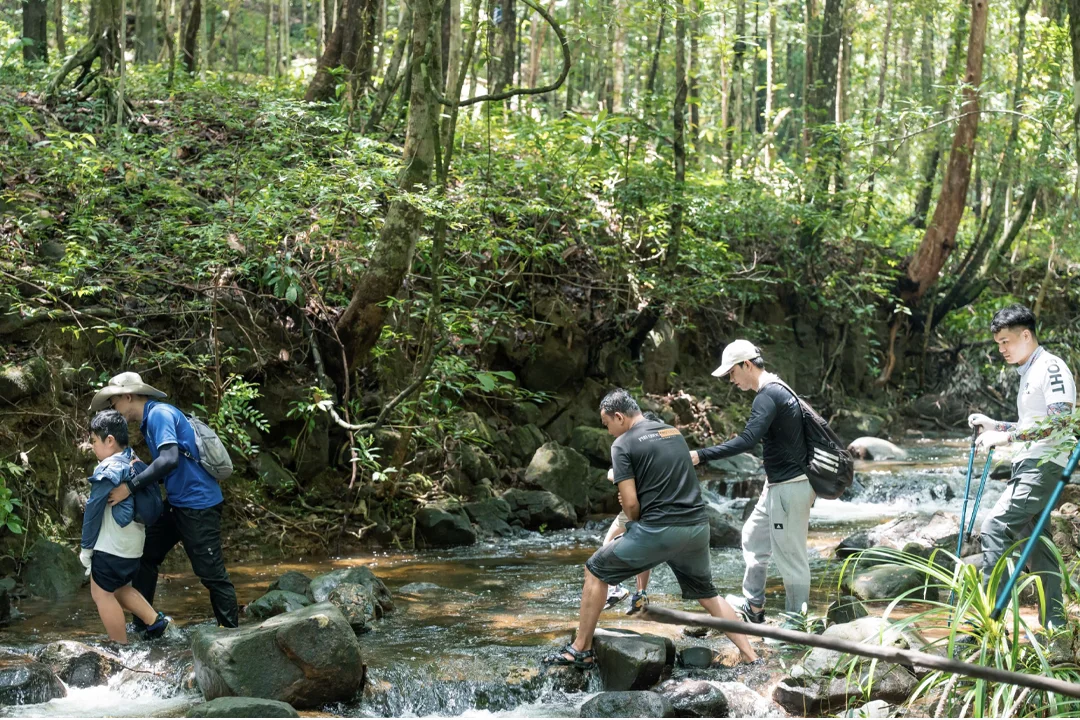
Phu Quoc National Park's relatively untouched character depends entirely on traveler behavior. Follow these principles:
- Do not touch or remove starfish at Rach Vem. These creatures are fragile and protected.
- Do not anchor on coral or stand on live coral during snorkeling. Use sandy areas only.
- Keep a safe distance from wildlife. Silver langurs and macaques are wild; do not feed them.
- Hire only registered guides. Unauthorized guides may take you into restricted zones or harm the environment.
- Leave no trace. Pack out all rubbish, including food scraps and plastic. The park has no regular trash collection.
- Support the local economy. Buy meals from village homestays, hire local boatmen, and purchase handmade souvenirs (pepper, fish sauce, woven mats) directly from artisans.
- Dress modestly when passing through fishing villages (cover shoulders and knees).
- Ask permission before photographing people, especially in Ham Ninh and Rach Vem villages.