Ha Long Bay vs Bai Tu Long Bay: Which to Choose in 2026
Overview
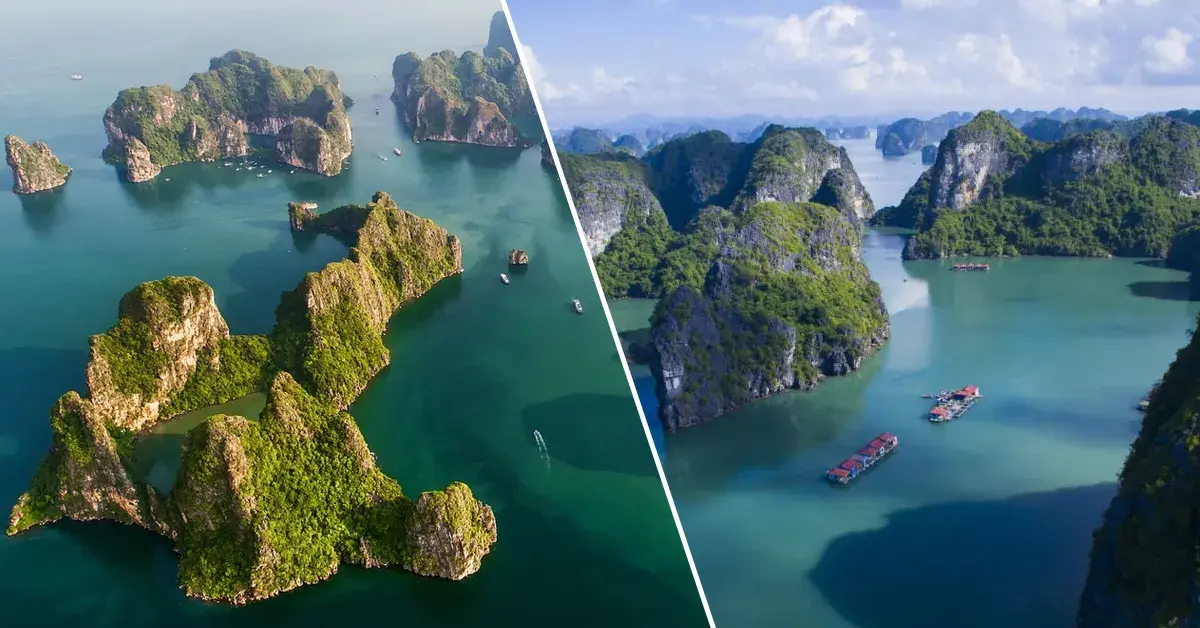
In the limestone theater of Northern Vietnam, two masterpieces stand side-by-side: Ha Long Bay and Bai Tu Long Bay. To the untrained eye looking at a postcard, they appear identical—a labyrinth of emerald waters and jagged karst pillars rising like the spines of sleeping dragons. However, for the traveler standing at the docks in 2026, the experience offered by each is worlds apart.
This guide serves as a comprehensive roadmap to help you navigate the "iconic vs. authentic" dilemma, ensuring your journey through this UNESCO-listed landscape aligns perfectly with your travel soul.
Introduction: Same Scenery, Completely Different Trips
Both bays share the same scenery. Located in the Gulf of Tonkin in Quang Ninh Province, they comprise a vast drowned karst landscape formed over 500 million years. Vietnamese folklore breathes life into these rocks. Legend tells of a celestial Mother Dragon and her children sent by the gods to protect the ancient Vietnamese from invaders. As the dragons descended, they spat out pearls and jade that transformed into the 1,600+ islands we see today, forming a natural wall against enemy fleets.
-
Ha Long Bay translates to "Descending Dragon," marking where the Mother Dragon first landed.
-
Bai Tu Long Bay means "The Dragon Parts the Offspring," the area where her children settled to protect the northeastern frontier.
In the limestone theater of Northern Vietnam, two masterpieces stand side-by-side: Ha Long Bay and Bai Tu Long Bay. To the untrained eye looking at a postcard, they appear identical—a labyrinth of emerald waters and jagged karst pillars rising like the spines of sleeping dragons. However, for the traveler standing at the docks in 2026, the experience offered by each is worlds apart.
While they share a legend and a border, the core question for a 2026 traveler remains: Do you want the iconic spectacle of Ha Long, or the untouched serenity of Bai Tu Long?
I. Ha Long Bay — The Iconic Choice
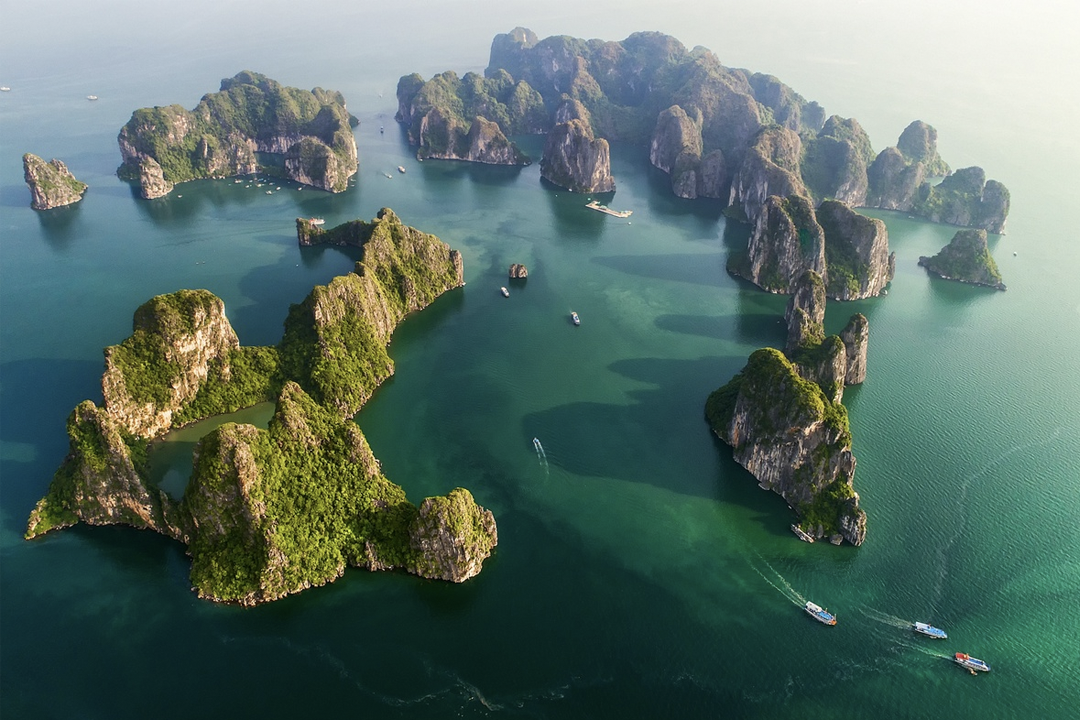
Ha Long Bay is the "Big Ticket" item. A UNESCO World Heritage Site since 1994, it is the most photographed natural landscape in Vietnam and remains a cornerstone of the Southeast Asian travel circuit.
1. What Makes It Special
What makes Ha Long Bay truly extraordinary is its status as a UNESCO World Heritage Site, a title it has held since 1994 due to its superlative aesthetic value and complex geological history. The bay is a labyrinthine masterpiece featuring over 1,600 limestone islands and islets that rise dramatically from the sea, creating the most iconic and photographed natural landscape in Vietnam. This geological grandeur is matched by an unparalleled diversity of travel experiences; in 2026, the region offers a wide range of cruise options that cater to every traveler, from accessible budget day-trips to ultra-luxury "floating hotels" equipped with world-class amenities.
2. Top Attractions
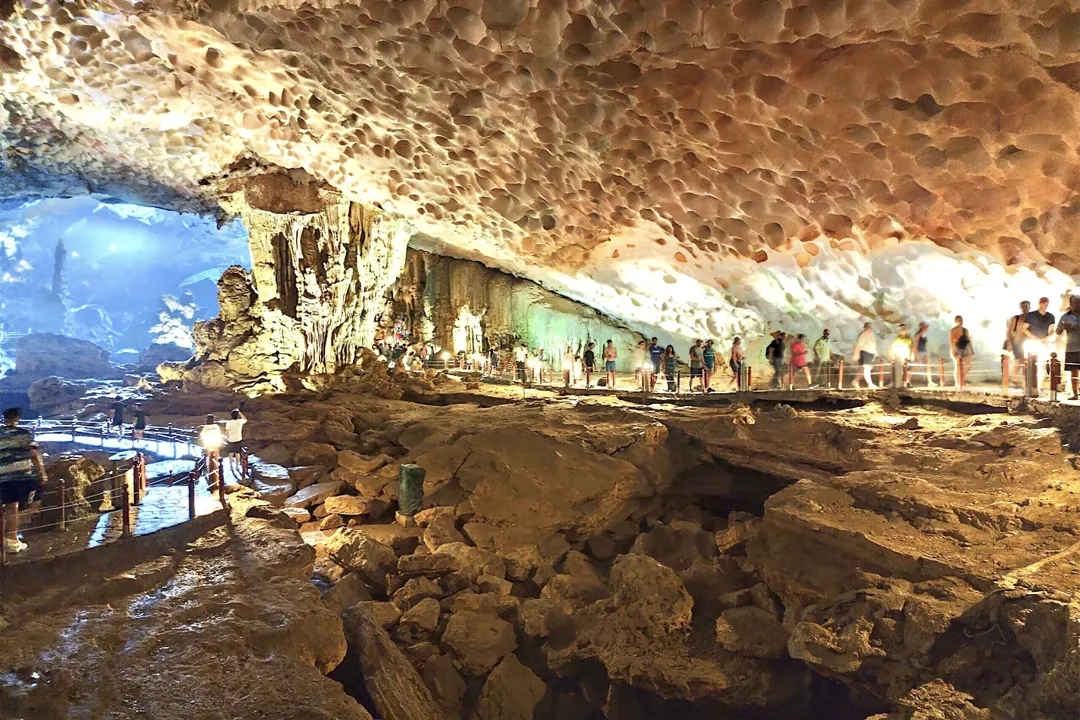
Sung Sot (Surprising) Cave: The largest and most famous cave. In 2026, it features a newly renovated eco-friendly LED lighting system that highlights its three vast chambers—the largest of which can hold thousands of people.
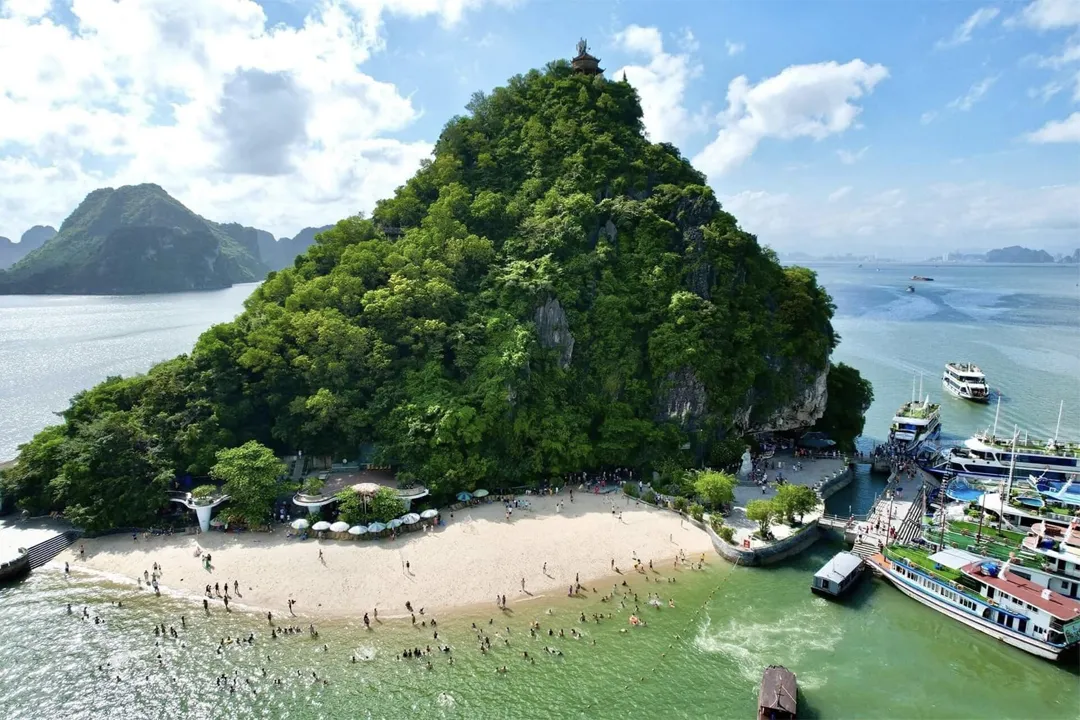
Titov Island: Named after a Soviet cosmonaut, this is the bay’s most famous hub. It offers a sandy crescent beach for swimming and a steep 400-step climb to a panoramic viewpoint that provides the "classic" Ha Long Bay photo.
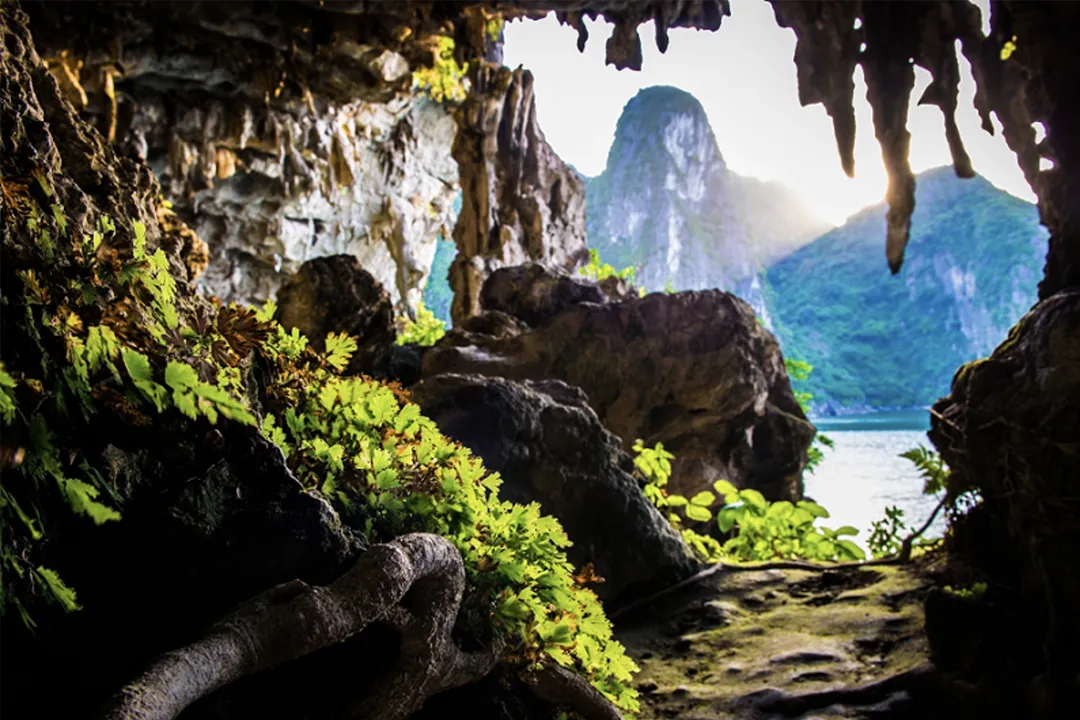
Luon Cave: A tunnel-like cave arch accessible only by kayak or bamboo boat. It leads to a perfectly circular, enclosed lagoon surrounded by vertical cliffs where wild monkeys are frequently spotted.

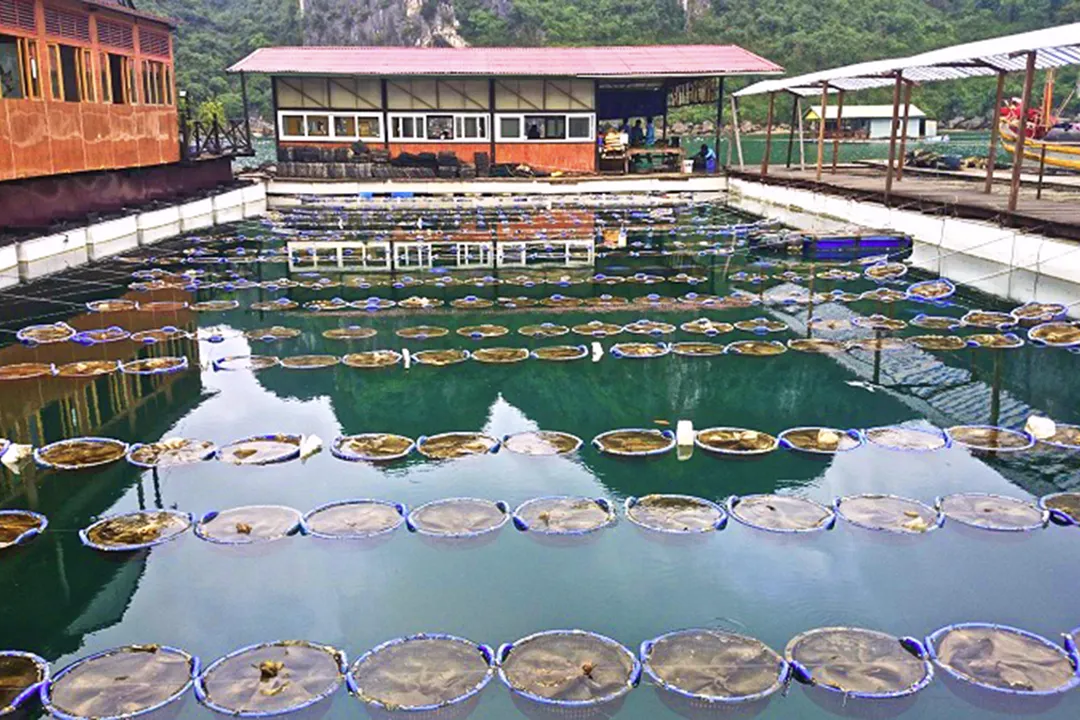
Tung Sau Pearl Farm: A fascinating cultural stop where you can witness the delicate process of pearl cultivation, from oyster grafting to the final harvest.
3. Best Activities
When visiting Ha Long Bay, the quintessential experience is an overnight cruise, which allows you to witness the limestone karsts at sunset and wake up to a serene, misty sunrise on the water. For those seeking adventure, kayaking through Luon Cave offers a unique perspective of the bay’s hidden lagoons, while a climb up the 400 steps of Titov Island rewards travelers with the most famous panoramic view of the emerald seascape. Exploring the vast, illuminated chambers of Sung Sot (Surprising) Cave reveals the bay's geological history, and as night falls, trying your hand at squid fishing or joining a traditional Vietnamese cooking class on deck rounds out a perfect itinerary of maritime discovery.
4. Things to note
While Ha Long Bay is undeniably spectacular, it comes with a few "honest downsides" that every traveler should consider before booking. The most prominent issue is overtourism; during the peak season from November to April, the bay can feel incredibly crowded, with dozens of boats huddled in the same overnight anchorages and "traffic jams" of tour groups snaking through popular spots like Sung Sot Cave. This high volume of visitors contributes to a commercial atmosphere where the experience can feel overly standardized and "packaged," leaving little room for those seeking a sense of raw, pioneer exploration. Furthermore, the constant environmental pressure from thousands of daily tourists means that despite 2026's stricter waste management laws, the water clarity often remains lower than in the neighboring, more secluded bays.
5. Who Should Choose Ha Long Bay?
Ha Long Bay is the ideal destination for several specific types of travelers, primarily first-time visitors who are eager to witness the "must-see" limestone landmarks and world-famous caves they have seen on television and postcards. Because of its proximity to the mainland and well-established infrastructure, it is also the perfect choice for time-constrained travelers looking for an efficient one-day or two-day escape from Hanoi. Furthermore, the bay is a magnet for luxury seekers who desire the "floating resort" experience, as it hosts the largest ships equipped with high-end amenities like infinity pools, gyms, and cinemas. Finally, budget travelers will find Ha Long Bay highly attractive; the intense competition between operators means that 3-star cruises and day-trip packages are significantly more affordable here than in the more secluded neighboring bays.
II. Bai Tu Long Bay — The Authentic Choice
.webp)
If Ha Long is the bustling capital, Bai Tu Long is the quiet, elite suburb. It occupies the northeastern three-quarters of the UNESCO-listed area but sees only about 10% of the total visitor volume.
1. What Makes It Special
The primary appeal of Bai Tu Long Bay in 2026 is its sense of exclusivity; because the government strictly limits cruise licenses for this region, it is one of the few places where you can sail for hours without seeing another vessel on the horizon. This controlled access has preserved a remarkably pristine environment, with water clarity measuring an impressive 7 to 9 meters—nearly double that of the busier Ha Long Bay. Furthermore, the area is home to the Bai Tu Long National Park, a protected sanctuary featuring a diverse ecosystem of mangroves and seagrass beds that support rare wildlife and marine species rarely found in the more commercialized parts of the gulf.
2. Top Attractions
Thien Canh Son Cave: While smaller than Sung Sot, it is far less crowded. The cave features sparkling stalactites and a hidden pathway that leads to a cliffside view over the entire bay.
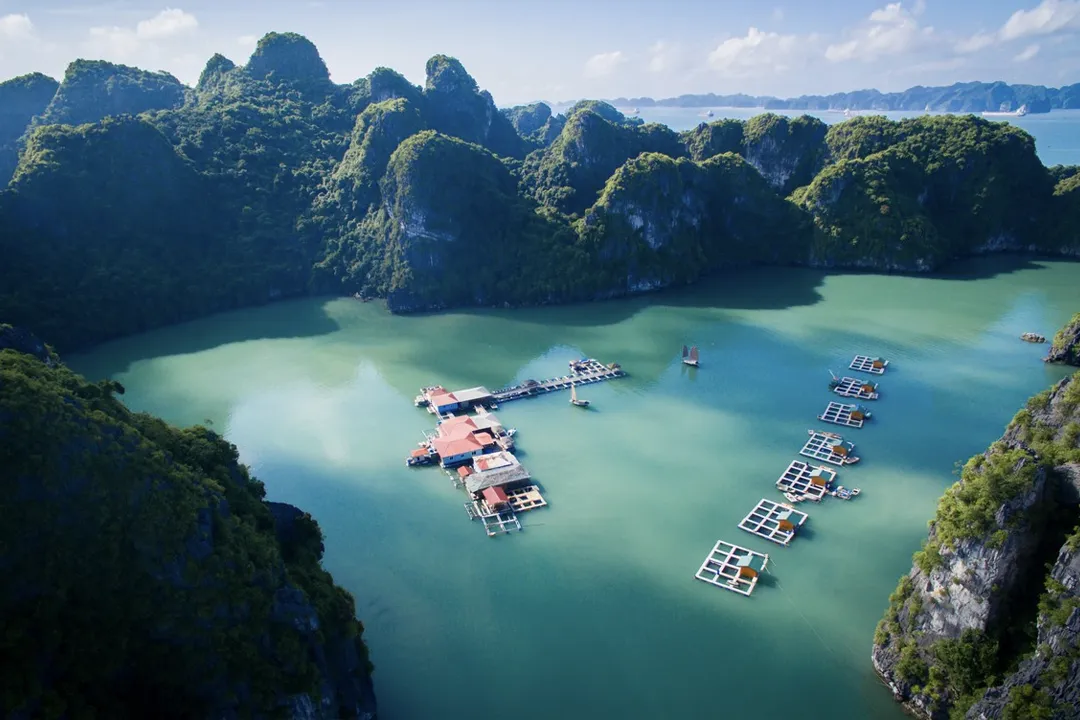
Vung Vieng Fishing Village: One of the few villages where you can still see authentic maritime life. Travelers visit via traditional bamboo boats rowed by local villagers.
Cap La & Cong Do: These areas are known for their crystal-clear lagoons and "coral gardens." In 2026, these are the premier spots for unhurried kayaking.
3. Things to note
While Bai Tu Long Bay is a haven for those seeking solitude, it does come with a few logistical trade-offs. The most notable is the higher cost, as cruises here lean toward the boutique and premium end of the market, with starting prices typically ranging from $180 to $250 USD per person. Travelers will also find limited options compared to the neighboring bay; because the route is strictly regulated, there are far fewer ships to choose from, and budget-friendly day trips are virtually non-existent. Additionally, its geographical position further northeast makes it more exposed to monsoon winds, which can lead to slightly higher cancellation rates during the winter months when the sea becomes rougher.
4. Who Should Choose Bai Tu Long Bay?
Bai Tu Long Bay is the definitive choice for second-timers or honeymooners who have already seen the major landmarks and are now seeking the deep privacy and romantic, quiet atmosphere that only a secluded route can provide. It is a sanctuary for nature enthusiasts and those who wish to kayak in absolute silence, offering a chance to witness a more vibrant and undisturbed marine ecosystem away from the heavy traffic of the central bay. Furthermore, it perfectly suits the "slow traveler"—someone who prefers a three-day itinerary to truly immerse themselves in the scenery, allowing the timeless beauty of the karst landscape to unfold at a relaxed and unhurried pace.
Conclusion
In 2026, the choice between Ha Long and Bai Tu Long isn't about which is "better"—it’s about which story you want to tell.
If you want to stand on the peak of Titov, look out over a thousand ships, and feel the pulse of one of the world's greatest wonders, Ha Long Bay will not disappoint. It is efficient, spectacular, and undeniably grand.
However, if you want to wake up to a silent horizon, kayak through a lagoon where the only sound is your paddle hitting the water, and feel as though you have discovered a secret world, Bai Tu Long Bay is your destination.
Quick comparison at a glance
| Ha Long Bay | Bai Tu Long Bay | |
|---|---|---|
| Vibe | Iconic, Vibrant, Bustling | Tranquil, Authentic, Exclusive |
| Daily visitors | 8,000–10,000 | Under 1,000 |
| Licensed cruise operators | 200+ | ~28 |
| Embarkation port | Tuan Chau Marina | Hon Gai Port |
| Distance from Hanoi | ~2.5 hrs | ~3 hrs |
| Average cruise cost | $180–220 USD/pax | $280 USD/pax |
| Best for | First-timers, bucket list | Returning visitors, nature lovers |
| Minimum recommended stay | 1 night | 2 nights |
| Island stays available | Limited | Yes (Quan Lan, Co To) |