Ho Chi Minh City to Phnom Penh: The Complete Travel Guide (2025) — Transport, Border Crossing, Visa & What to Do
Overview
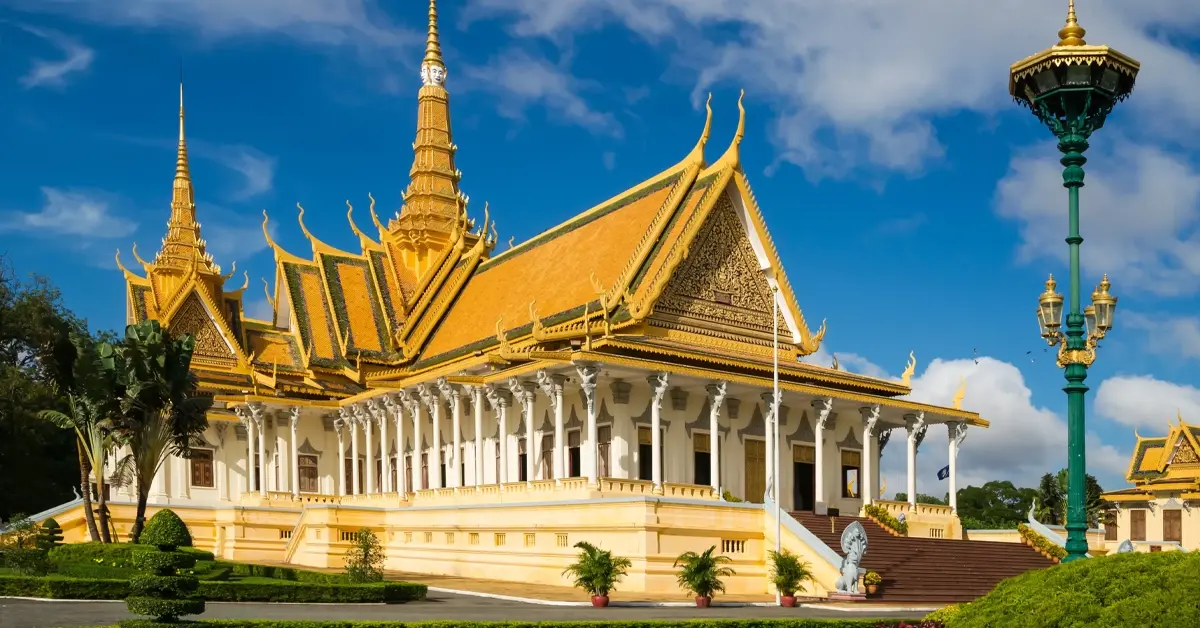
The overland journey from Ho Chi Minh City to Phnom Penh is Southeast Asia’s quintessential road corridor—a 230-kilometer passage from Vietnam’s relentless energy to Cambodia’s soulful capital. In 2026, this route is smoother, safer, and more refined than ever, yet it still demands a bit of traveler’s wisdom.
Whether you choose a VIP bus with onboard Wi-Fi, a private car that delivers you door‑to‑door, or an adventurous taxi‑to‑border combo, each option has its own rhythm and reward. The critical moment is the Moc Bai–Bavet border crossing, where patience and small USD bills separate a seamless transition from an anxious wait.
Beyond logistics, this guide prepares you for Phnom Penh itself: the Royal Palace’s silver floors, the sobering Killing Fields, and the riverfront’s golden hour. With the right preparation—visa sorted, currency in hand, and expectations set—this journey becomes not a hurdle, but a memorable prelude to Cambodia’s heart.
Phnom Penh: A Heart Of Cambodia
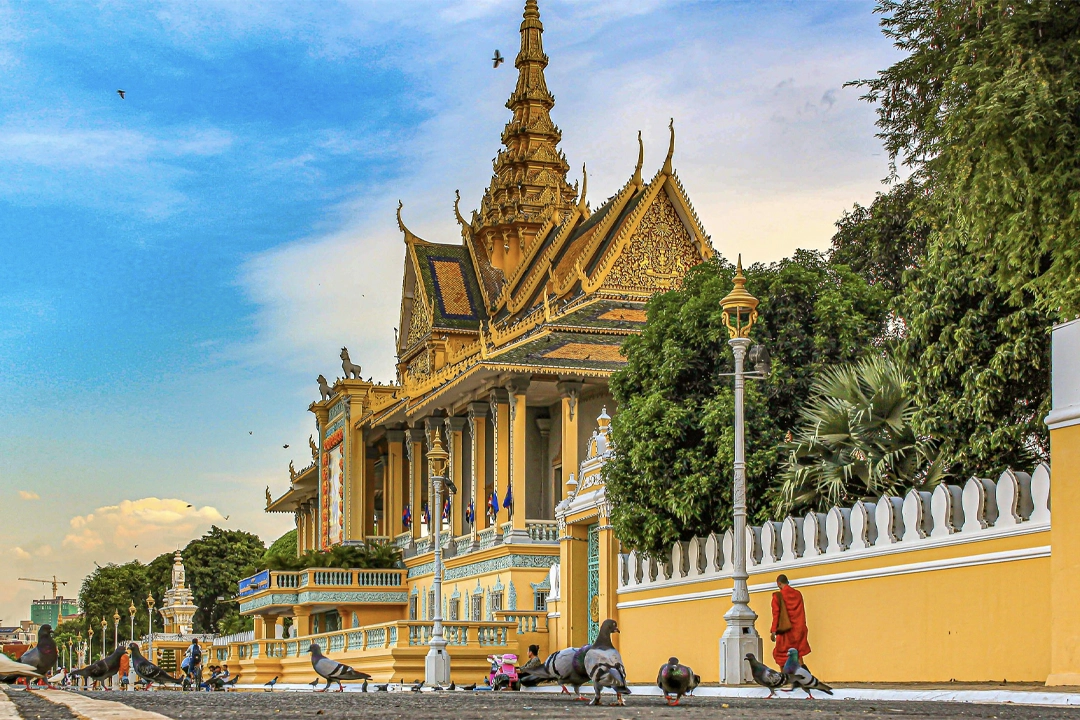
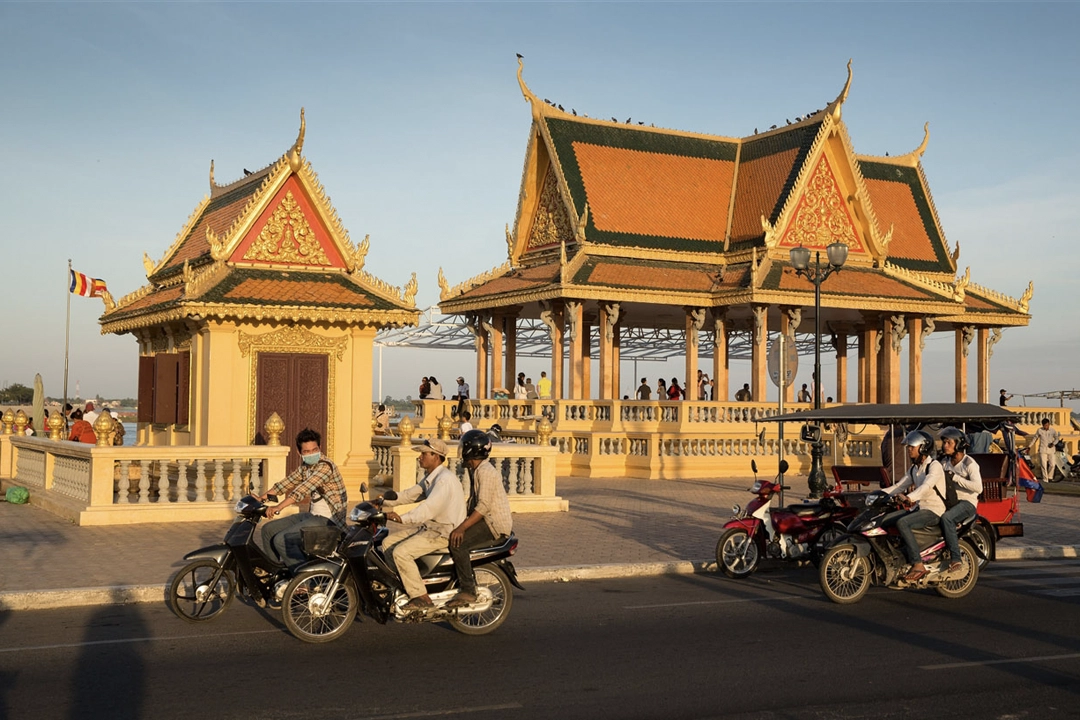
Phnom Penh is a city of quiet resilience and unexpected charm, where gilded spires meet French-colonial boulevards. Cambodia’s capital flows along the Tonle Sap and Mekong rivers, offering golden afternoons at the Royal Palace and somber reflection at the Killing Fields. The streets hum with tuk-tuks, aromatic noodle stalls, and art deco markets like Central Market. By sunset, the riverside promenade glows with soft light and laughter. It is not a polished capital, but a deeply human one—where beauty and sorrow walk hand in hand. For the thoughtful traveler, Phnom Penh leaves an indelible mark.
The direct road distance from Ho Chi Minh City to Phnom Penh is approximately 230km (143 miles). However, the total travel time depends heavily on your chosen transport, border processing, and Vietnamese traffic. In ideal conditions, the pure driving time is around 4 to 5 hours, but with exit and entry formalities, plan for 6 to 9 hours door-to-door.
The standard route follows Vietnam’s National Highway 1A to the Moc Bai border, crosses into Cambodia at Bavet, and continues on National Road 1 straight into Phnom Penh. It is a flat, well-paved journey through the Mekong Delta’s lush farmland, dotted with roadside cafes, fuel stations, and the occasional water buffalo.
Popular Modes of Transportation
Sleeper Bus/Limousine Bus
 |
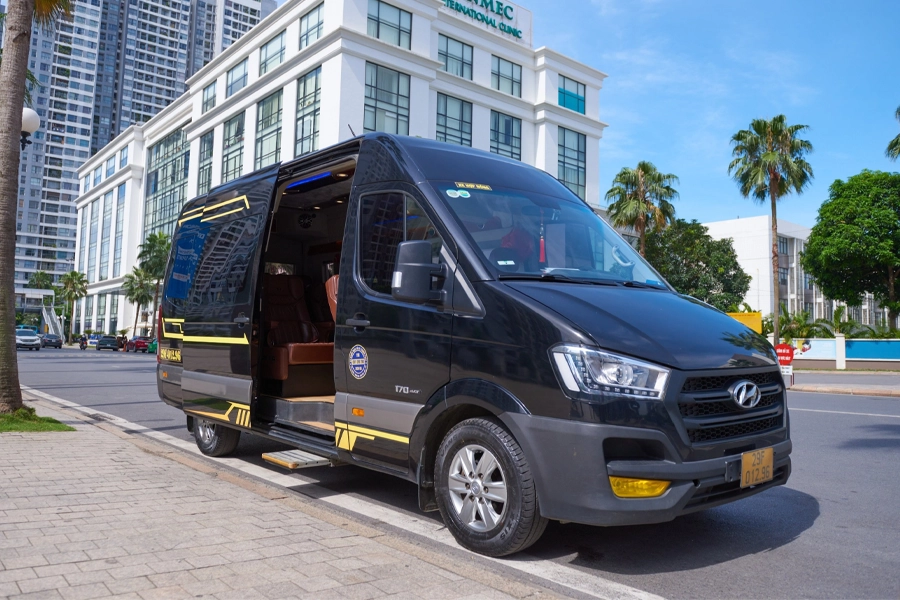 |
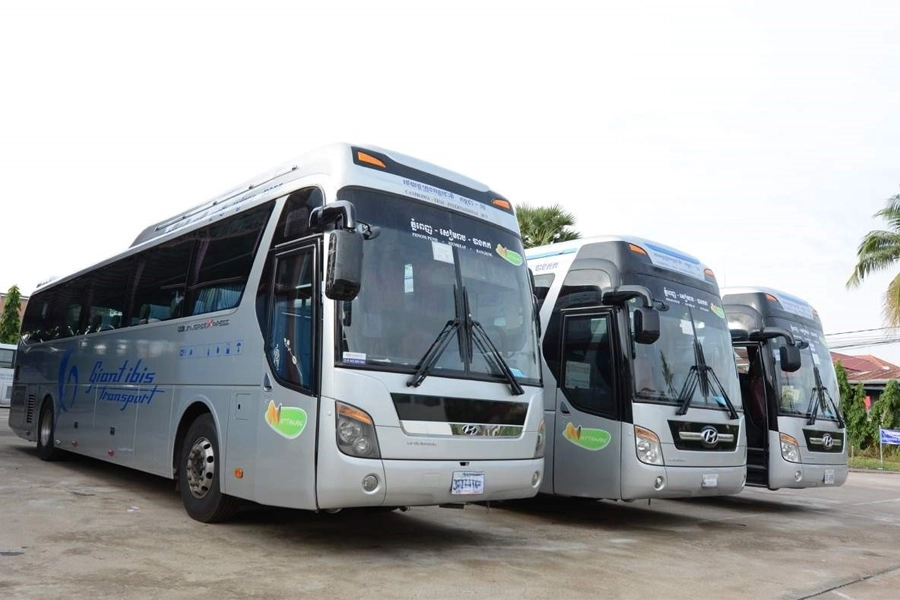
The bus remains the backbone of this route. Every morning, backpackers and locals alike gather near Pham Ngu Lao Street — Saigon’s backpacker district — clutching passports and instant noodles for the road. In 2026, the bus has evolved: think Wi-Fi that actually works, air conditioning that fights the tropical heat, and seats that recline further than economy class on a regional flight.
Direct bus vs connecting bus — which is better?
A direct bus is the only sensible choice. Direct buses from Ho Chi Minh City to Phnom Penh carry you and your luggage across the border without requiring a vehicle change. You will stay on the same bus through both immigration checks — a small mercy when you are sleep-deprived or carrying a heavy pack.
Connecting buses (rare on this route in 2026) force you to disembark at the border, find a Cambodian bus on the other side, and negotiate luggage space. Avoid them unless you enjoy logistical suspense.
Top bus operators, ticket prices, departure times (2026)
Book at least one day in advance during peak season (November to March). Popular and reputable limousine companies operating routes from Ho Chi Minh City to Phnom Penh (Cambodia) include MEKO Limousine, Hoang Dung Cambodia, Thai Duong Limousine, and Khai Nam, with prices ranging from 550,000 VND to 850,000 VND per ticket. These companies typically offer high-quality vehicles, comfortable seating, expedited immigration assistance, and frequent daily departures. Remember that you should book at least one day in advance during peak season (November to March).
| Provider | Price (VND/USD) | Amenities | Departure Times | Travel Duration |
| MEKO Limousine | 600,000 – 700,000 VND ($24 – $28) | Premium 9-seat/VIP limousine, massage chairs, Wi-Fi, USB ports, water, cold towels. | 06:10, 07:10, 08:50, 12:10, 15:10, 16:10 | ~6 hours |
| Hoang Dung Cambodia | 600,000 VND (~$24) | High-quality 28-seat/VIP limousine, leather seats, Wi-Fi, air conditioning, professional border support. | 06:00, 07:00, 15:00 | ~6.5 – 7 hours |
| Thai Duong Limousine | 550,000 – 750,000 VND ($22 – $30) | Standard & VIP options (16-31 seats), leather seating, Wi-Fi, snacks, pick-up near Tan Son Nhat airport. | 07:00, 09:00, 11:30, 13:00, 15:00 | ~6 – 7 hours |
| Khai Nam | 550,000 VND (~$22) | Large fleet, Sleeper (Giường nằm) & Seater options, standard Wi-Fi, air conditioning, most frequent departures. | Hourly from 04:30 to 15:30 (approx. 11 trips/day) | ~6.5 – 7 hours |
What happens at the border — does the bus wait for you?
Yes — and this is crucial. On a direct bus, the driver will park at the Moc Bai (Vietnam) side, and you will take all your belongings off the bus. You clear Vietnamese exit immigration, walk (or take a small electric cart) about 200 meters to the Cambodian Bavet entry point, clear Cambodian immigration, and then reboard the same bus on the other side. The bus waits for all passengers. Do not dawdle, but do not panic.
A21 Tours is an official partner of MEKO Limousine. Check out MEKO Limousine's HCMC to Phnom Penh limousine services here.
Private car or minivan transfer
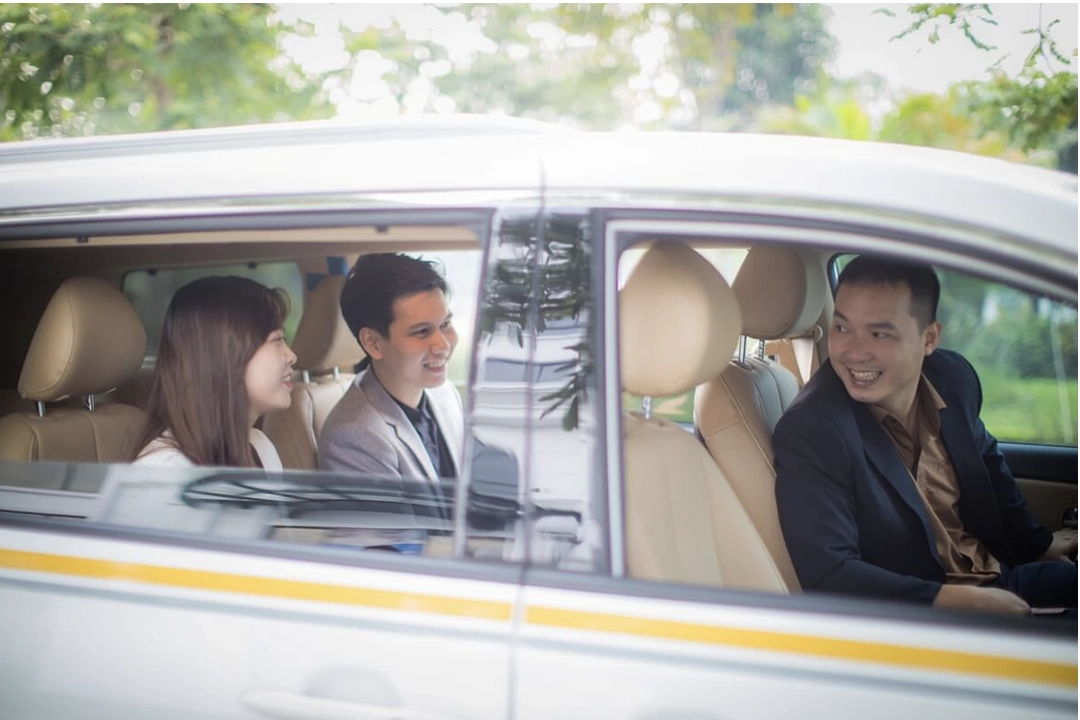
For those who value time, privacy, and peace of mind, a private car is not a luxury — it is a quiet revolution. This is also a perfect choice for families, groups, and travelers with lots of luggage. A private car (sedan, max 3 passengers) costs $120-135 USD total for the entire vehicle. A minivan (up to 8 passengers) ranges &320-335 USD. These prices include Fuel, tolls, and road taxes, door-to-door service (your hotel in Saigon to your hotel in Phnom Penh) and assistance at the border (the driver will not go through immigration with you but will explain the process and wait)
If you are traveling with children, elderly parents, or more than one large suitcase per person, choose private. The ability to stop for a proper lunch, stretch your legs at a roadside cafe, and control the air conditioning is worth every extra dollar.
Door-to-door service explained
Your driver will meet you in the lobby of your Ho Chi Minh City hotel at the agreed time. They will load your luggage, drive you to the border, wait patiently while you process both exits and entries, and then deliver you directly to your Phnom Penh accommodation. No tuk-tuk haggling, no lost luggage, no confusion.
At A21 Tours, we guarantee you'll have the support of a driver throughout your journey, from departure in Ho Chi Minh City to arrival at your hotel in Phnom Penh. Check out our discounted private car service from HCMC to Phnom Penh here.
Taxi or ride-share to the border, then Cambodian taxi
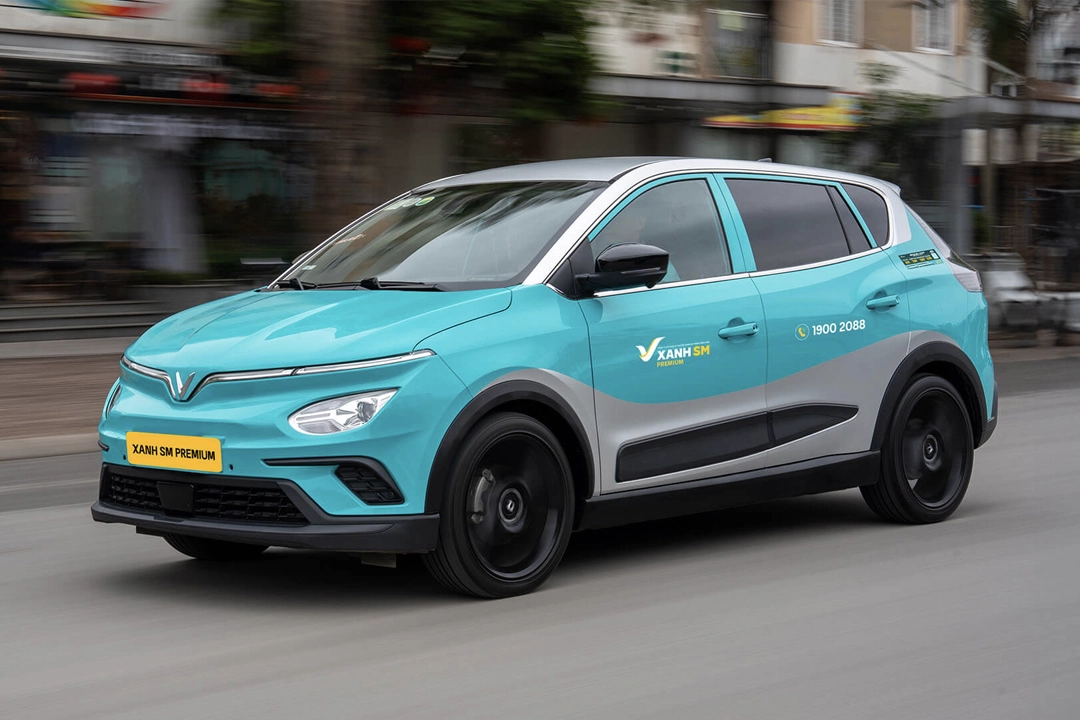
This is the route of the adventurous minimalist. It works, it can be slightly cheaper than a full private car, but it requires a higher tolerance for uncertainty.
Navigating the journey from Ho Chi Minh City to Phnom Penh independently involves a structured, multi-step process that begins with a two-hour Grab or Vinasun taxi ride to the Moc Bai border, typically costing between $35 and $45. Once there, you must manually walk through the Vietnamese exit immigration before crossing a 200-meter stretch to reach the Cambodian entry point at Bavet. After clearing Cambodian customs, the final leg requires negotiating with local taxi drivers or shared minivan operators for the remaining 160 km to Phnom Penh, which generally costs an additional $20 to $30.
The total financial investment for this route ranges from $55 to $75, with a total travel time of six to eight hours depending on your efficiency at the border and how quickly you secure onward transport. While this approach offers a sense of spontaneity and a mid-range price point, it is primarily recommended for experienced solo travelers; first-time visitors who may be intimidated by potential border scams or the logistics of independent negotiation might find this method more stressful than a direct bus.
Plane
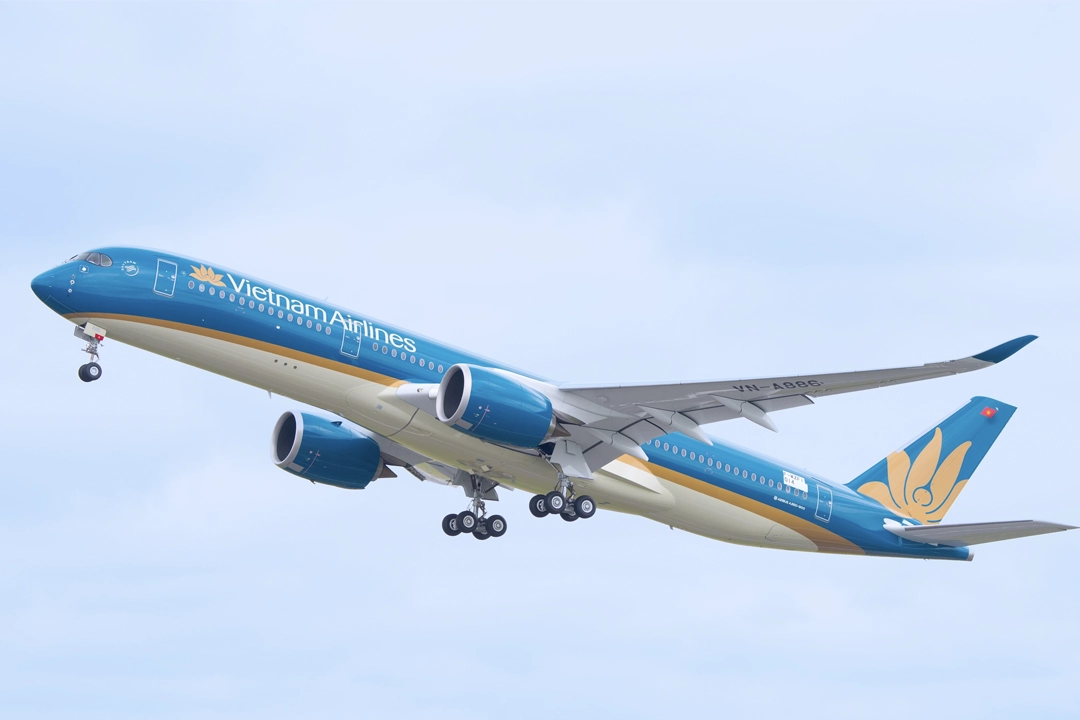
Yes, you can fly. Vietnam Airlines and Cambodia Angkor Air operate direct flights from Ho Chi Minh City (SGN) to Phnom Penh (PNH). Flight time is just one hour. But you should choose airplane only if you are extremely short on time, you have a mobility issue, or you are connecting to an onward international flight. For everyone else, overland is more rewarding and less stressful.
- Vietnam Airlines: $120–180 one way, two daily flights.
- Cambodia Angkor Air: $100–150 one way, one to two daily flights.
- Baggage: 20–30 kg checked luggage included on both.
Airport transfers add 30–45 minutes on each end (Tan Son Nhat is notorious for traffic, and Phnom Penh International is 30 minutes from the city center). Security, check-in, and boarding add another 90 minutes.
Total cost, time and overland — honest comparison
| Flight | Private Car | VIP Bus | |
|---|---|---|---|
| Door-to-door time | 4–5 hours | 5–7 hours | 7–9 hours |
| Total cost (1 person) | $120-180 USD | $120-135 USD | $22–30 USD |
| Scenic value | None | Moderate | Moderate |
| Hassle factor | Moderate | Low | Moderate |
The border crossing: Moc Bai (Vietnam) – Bavet (Cambodia)
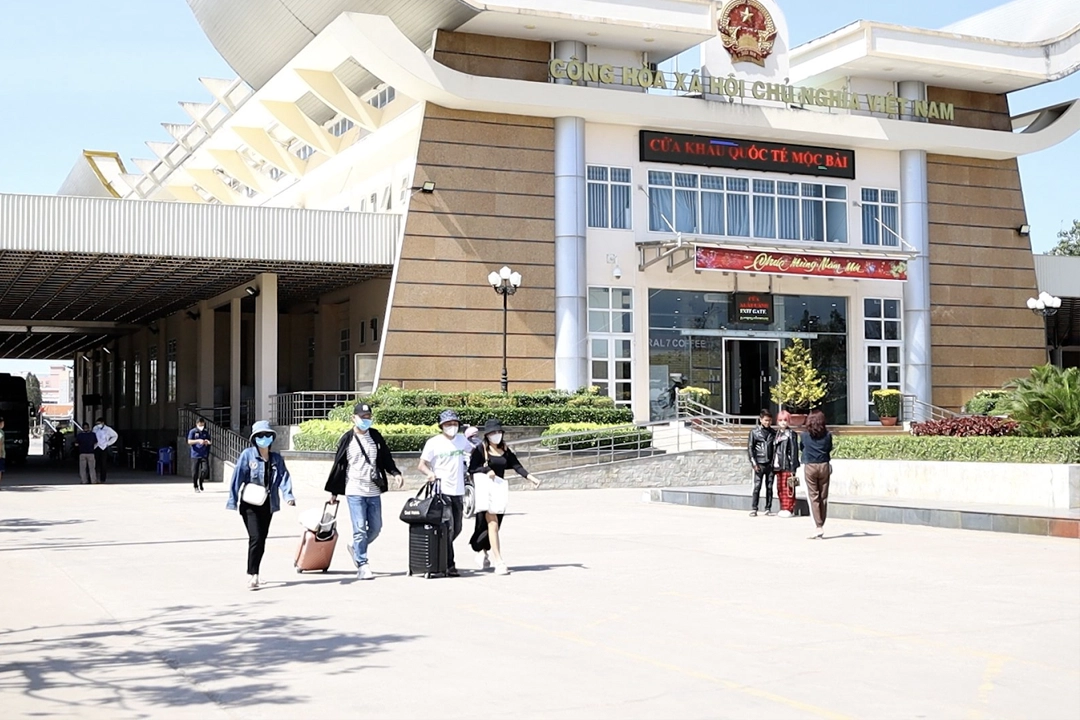
This is where most travelers feel their pulse quicken. It is normal. Two countries, two sets of immigration officers, and a no-man’s-land of currency changers and unofficial “helpers.” Let us demystify it completely.
To optimize your travel experience from Ho Chi Minh City to Phnom Penh, timing is everything. Scheduling an early morning departure between 6:00 AM and 7:00 AM is highly recommended, as it allows you to reach the border before the midday rush of tourist buses and ensures you arrive in Phnom Penh by early afternoon. Conversely, it is wise to avoid major holidays such as Vietnamese Tet in late January or February and the Khmer New Year in mid-April, as well as the Friday preceding any long weekend. The absolute worst travel day is typically the Sunday following a major holiday, when border wait times can easily exceed two hours due to the sheer volume of travelers returning home.
Step-by-step: exactly what happens at the border
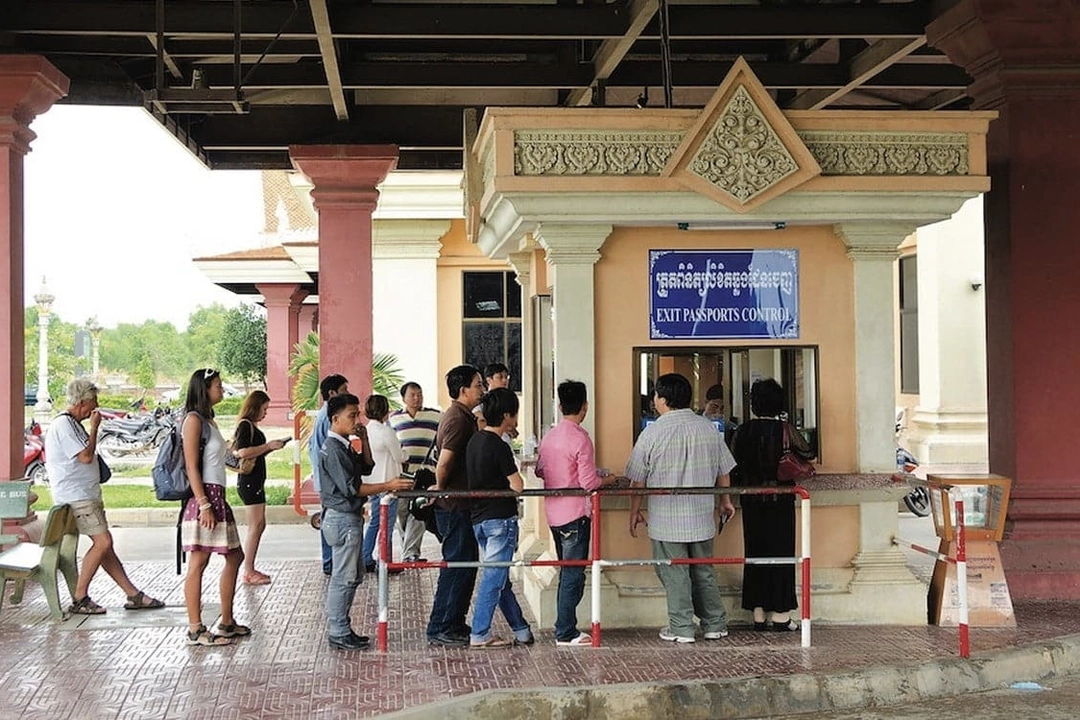
The border crossing process between Vietnam and Cambodia is a structured transition that begins when your vehicle arrives at the Moc Bai parking area. At this point, you must collect all your luggage and proceed on foot into the Vietnamese immigration hall, following the signs for Xuất Cảnh (Exit). You simply present your passport and Vietnam visa or exemption to the official, and once you receive your exit stamp—free of charge—you depart the building. From there, you walk approximately 200 meters to the Cambodian side, a distance you can cover by following the crowd or by taking a small electric cart for a nominal fee of $1.
Upon entering the Cambodian immigration hall, the protocol depends on your documentation; travelers with a pre-arranged e-Visa should present their printed copy and passport, while those requiring a Visa On Arrival must first visit the designated window to complete the necessary paperwork. After the official stamps your passport—which should not incur any costs beyond the official visa fee—you exit the hall to reboard your vehicle on the Cambodian side for the remainder of the journey.
How long does it take? (average vs busy days)
- Normal day: 20–40 minutes total for both sides.
- Busy day (Friday afternoon, Sunday evening, Vietnamese or Cambodian holidays): 1–2 hours.
- Peak holiday (Lunar New Year, Khmer New Year in mid-April): 3+ hours. Avoid these dates.
Common scams and unofficial fees — what to refuse
Let us be direct. You will be approached by men and women wearing unofficial lanyards, offering to “help” you with your visa or carry your bag. They are not immigration officers.
- The “health fee” scam: Someone in a white coat may request $1–2 USD for a fake health check. Politely say “No, thank you” and walk past.
- The expedited visa fee: An agent may offer to get you a visa faster for $10 extra. Not necessary. The official visa on arrival takes 10 minutes.
- Baggage “help”: If someone grabs your bag without asking, they will demand $5–10 USD on the other side. Keep your hands on your luggage at all times.
The only legitimate payments are: the official Cambodian visa fee (see below) and possibly a $1–2 USD tip for the electric cart if you are tired.
Pro-Traveller Experience Tips
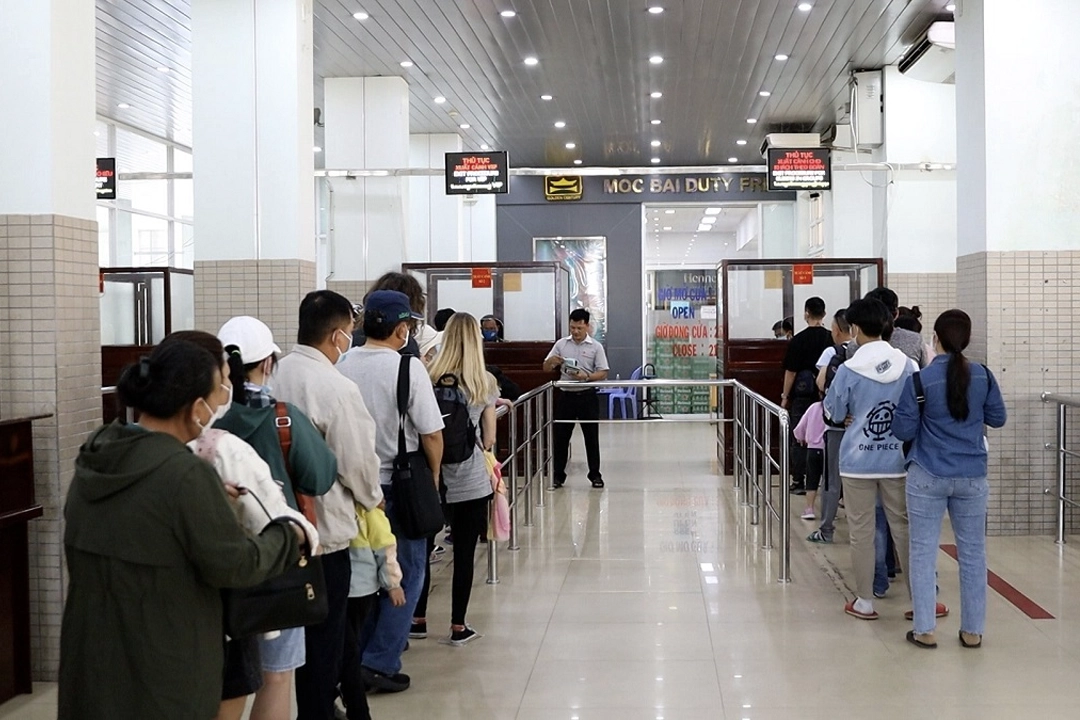
To cross Moc Bai Border Crossing with the unhurried authority of a seasoned wanderer, internalise these precepts:
Cross before 3:00 PM. Though the gate closes at 5:00 PM Vietnam time, crossing earlier ensures you navigate any queues with ample time and—crucially—reach Kampot or Kep before darkness makes onward transport harder to find.
Print everything. The border’s Wi-Fi is unreliable. Have a physical copy of your Vietnamese e-visa, Cambodian e-visa, and hotel reservations. Officers on both sides appreciate paper.
Carry small cash amount. When traveling from Vietnam to Cambodia, managing your currency requires a bit of tactical planning. While you are still in Vietnam, stick to using Vietnamese Dong (VND) for your immediate needs. However, once you arrive at the border, the requirements shift strictly to US Dollars (USD); this is the only currency accepted for visa fees. Once you have crossed into Cambodia, the economy operates on a dual-currency system where USD is accepted almost everywhere. You will typically receive your change in Cambodian Riel (KHR), which is useful for small transactions. For daily expenses, it is best to rely on small-denomination USD notes, as larger bills can be difficult for local vendors to break and are more likely to be scrutinized for authenticity.
Beware the “visa surcharge” on VOA. If obtaining a Cambodian visa on arrival, you may be quoted $35 USD instead of $30 USD. Politely insist on the official price, or have exact change and a photograph ready to minimise friction. The e-visa quietly bypasses this theatre.
Health and quarantine. As of 2026, there are no routine health declaration forms required at this land border, but regulations can change at short notice. Check the latest advisories on the Cambodia Ministry of Health website or your embassy’s page 72 hours before crossing.
Weather and packing. The delta and coastal regions are hot and humid year-round. Dress in lightweight, breathable layers. The short walk across the bridge is exposed to the sun; carry a hat and water.
Power and connectivity. A charged power bank is essential. While Cambodia does not block the internet like China, connectivity can be spotty. Download offline maps and save your Kampot hotel address. A Cambodian SIM card is cheap and best bought just outside the immigration hall.
Never lose your departure card. Vietnam still uses paper departure cards for some nationalities. Tuck it inside your passport immediately. Replacing one at the border is a time-consuming, costly nuisance.
Buy a local SIM card. Your Vietnamese SIM (Viettel, Mobifone, Vinaphone) will stop working shortly after you cross into Cambodia. Buy a Cambodian SIM on the Bavet side – Smart or Cellcard stall right after immigration. $5 gets you 50GB for 30 days. Alternatively, use an eSIM app like Airalo for seamless connectivity.
Food and rest stops along the way. Reputable bus companies (Giant Ibis, Mekong Express) stop once for 20 minutes at a clean rest stop about 30 minutes before the border. Expect banh mi, pho, instant noodles, and surprisingly good Vietnamese iced coffee. Private cars allow you to stop anytime – try the roadside grilled bananas or sugarcane juice.
Cambodia Visa: What you need before you go
You cannot enter Cambodia without a visa (unless you hold a passport from a Southeast Asian ASEAN nation). Do not try. Here is how to do it correctly.
Visa on arrival at Bavet — who qualifies, cost, what to bring
Almost all nationalities qualify for a Cambodian visa on arrival (VOA) at the Bavet border crossing. Exceptions include a handful of African and Middle Eastern countries (check with your local Cambodian embassy).
Bring your passport (valid for at least 6 months) and $30 USD in clean, undamaged bills. ($35 if applying for ordinary/business visa). If you’re travelling to Cambodia via one of the international airports (Siem Reap, Phnom Penh, Sihanoukville) – you can now pay for your Cambodia visa with credit card. You will receive a small white visa application form either on the bus or at the border window. Fill it out completely.
e-Visa: apply online before your trip (recommended)
The Cambodia eVisa is an online tourist or business visa you apply for before you leave home. Once approved, you get a PDF visa you can print or show on your phone at immigration – no queues for visa on arrival required which can save you a bit of time, and give you peace of mind.
How It Works
1 – Go to the official government site: evisa.gov.kh (DO NOT use third party sites! They’re unreliable and will try to charge you more than the official amount)
2 – Fill in your passport details and details of your arrival and departure dates
3 – Upload a recent photo and passport page scan.
3 – Pay the visa fee securely online. There used to be an additonal charge for buying your eVisa in advance with credit card – but this has now been scrapped! Your visa will cost the same regardless of if you buy an eVisa in advance, or get a Cambodia visa on arrival.
You’ll usually receive your eVisa in about 3 business days if everything is correct. If you apply for your eVisa too far in advance, it won’t be processed until nearer your arrival date. You will still receive a confirmation email though, don’t fret! Just be patient and wait until closer to your arrival date.
You can also obtain your Cambodia visa through the Cambodia e-Arrivals app.
Vietnamese citizens and special cases
Vietnamese passport holders do not need a visa for stays up to 30 days in Cambodia. Simply present your passport at entry. This also applies to holders of Vietnamese residence permits (certain nationalities).
Passport requirements (validity, blank pages)
- Validity: Your passport must be valid for at least 6 months from the date you enter Cambodia.
- Blank pages: At least one full blank page for the Cambodian visa sticker.
Arriving in Phnom Penh: first steps
The chaos of Phnom Penh hits you immediately after the quiet of the highway. Motorbikes swarm, horns blare, and the smell of the Tonle Sap river mixes with street food smoke. Do not be overwhelmed.
Where buses and private transfers drop you off
Except for private vehicles offering pick-up and drop-off services upon request, most coach service providers will drop off passengers at their representative offices in Phnom Penh. Below are the drop-off points for a few providers:
| Bus Provider | Office Address in Phnom Penh | Area / Notes |
| MEKO Limousine | 343 Preah Sihanouk Blvd (Street 274), Sangkat Veal Vong, Khan 7 Makara. | Located on the main Preah Sihanouk axis, very close to the Olympic Stadium area. |
| Hoang Dung Cambodia | 375 Preah Sihanouk Blvd (Street 274), Khan 7 Makara. | Also on the main Preah Sihanouk axis, situated in a busy central district. |
| Thai Duong Limousine | No. 88 & 89, St. 173 & 348 (Corner of St. 374), Sangkat Toul Svay Prey 1, Khan BKK. | Near the Olympic Market area and popular residential hubs. |
| Khai Nam | No. 56, Street 286, Sangkat Toul Svay Prey 2, Khan Chamkar Mon. | Near Mao Tse Toung Blvd; convenient for catching onward transport to other parts of the city. |
Getting to your hotel: tuk-tuk, Grab, or taxi options
- Grab (app): $2–4 USD for most central trips. The most elegant and scam-free option. Download the Grab app before you leave Vietnam.
- Tuk-tuk: Negotiate before you get in. No more than $3–5 USD for any destination inside central Phnom Penh.
- PassApp: The Cambodian equivalent of Grab, slightly cheaper but Khmer-language heavy.
Currency exchange on arrival — best rates, where to avoid
Do not exchange at the border or at your hotel. The best rates in Phnom Penh are at:
- Central Market (Psar Thmei): Multiple exchange booths, competitive rates.
- Any Acleda Bank branch: Professional, safe, slightly lower rates but zero scams.
- Avoid: Street-side money changers near the riverfront. They are notorious for slight-of-hand tricks.
Top things to do in Phnom Penh
You have arrived. Now what? Phnom Penh is not a city of instant gratification. It asks you to sit with beauty and sorrow in equal measure. Determining the ideal length for a stay in Phnom Penh depends largely on your preferred pace and depth of exploration. For those on a tight schedule, two full days serve as a functional minimum, allowing one day to reflect on history at the Killing Fields and Tuol Sleng, and a second to admire the Royal Palace and the riverside. A more comfortable three-day itinerary provides breathing room to venture further to sites like Oudong or Koh Dach. However, to truly capture the city’s atmosphere, a leisurely four to five days is recommended; this extended stay allows for a Mekong sunset cruise, local cooking classes, and plenty of time to soak in the ambiance of a French-colonial café.
Suggest itinerary
When planning a trip from Ho Chi Minh City to Phnom Penh, it is important to realize that a single-day round trip is highly unrealistic; with eight to ten hours spent navigating the road and border crossings, you would likely only have a few hours for a rushed lunch and a view of the Royal Palace. Instead, a two-day itinerary is the practical minimum for a meaningful visit. This schedule typically begins with a morning departure from Saigon, arriving in Phnom Penh by mid-afternoon to explore the Royal Palace and the riverside. The following day can then be dedicated to the city's somber history at the Tuol Sleng Museum and the Killing Fields before returning to Vietnam in the evening.
For travelers who prefer a deeper dive, a three to five-day itinerary allows for a much more enriched experience beyond the standard historical sites. After covering the essentials in the first two days, a third day can be spent on a trip to the ancient capital of Oudong or cycling through the silk-weaving community of Koh Dach. Additional days offer the chance to participate in a social enterprise cooking class at Friends International, shop at the iconic Central Market, and end the journey with a scenic sunset cruise on the Mekong River before catching a flight or bus back to Saigon.
Place to visit
Royal Palace and Silver Pagoda
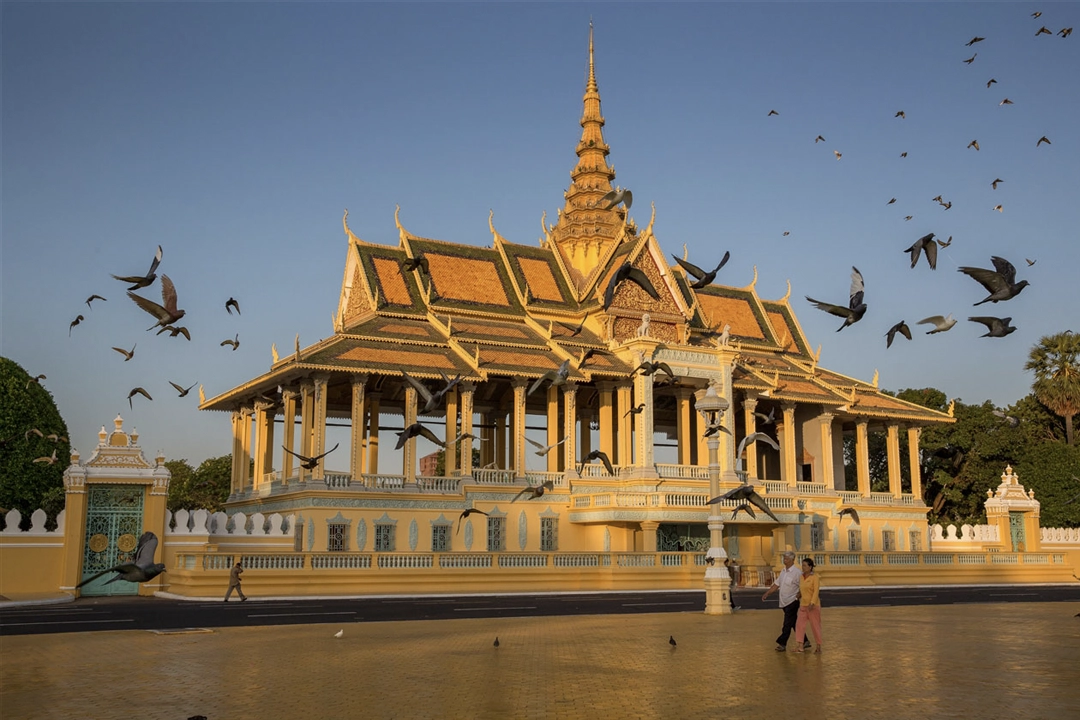
Gilded roofs, emerald Buddhas, and a floor paved with over 5,000 silver tiles. The Royal Palace is the soul of modern Cambodia. Go early (8:00 AM) to avoid heat and crowds. Dress code strictly enforced (shoulders and knees covered). Entry: $10.
Tuol Sleng Genocide Museum (S-21)
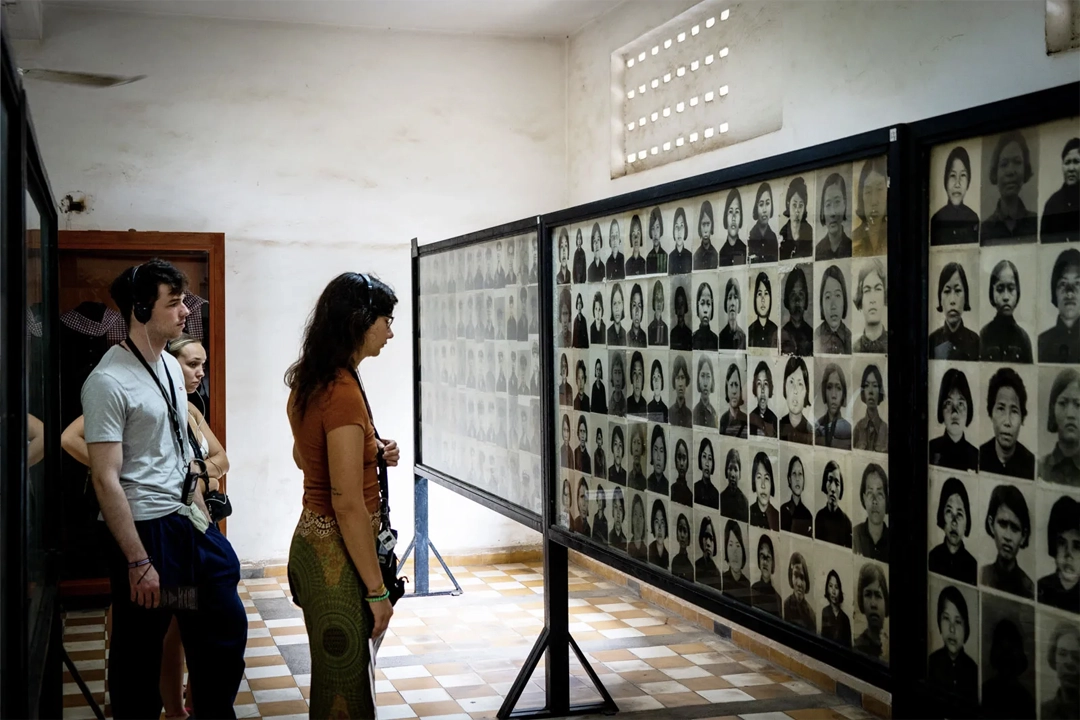
The Tuol Sleng Genocide Museum is a museum for the Cambodian genocide. Located in Phnom Penh, the site is a former secondary school that had been turned into an internment facility known as Security Prison 21 (S-21) by the Khmer Rouge regime from 1975 until its fall in 1979. From 1976 to 1979, an estimated 20,000 people were imprisoned at Tuol Sleng; it was one of between 150 and 196 torture and execution centers established by the Khmer Rouge and their secret police
Killing Fields of Choeung Ek
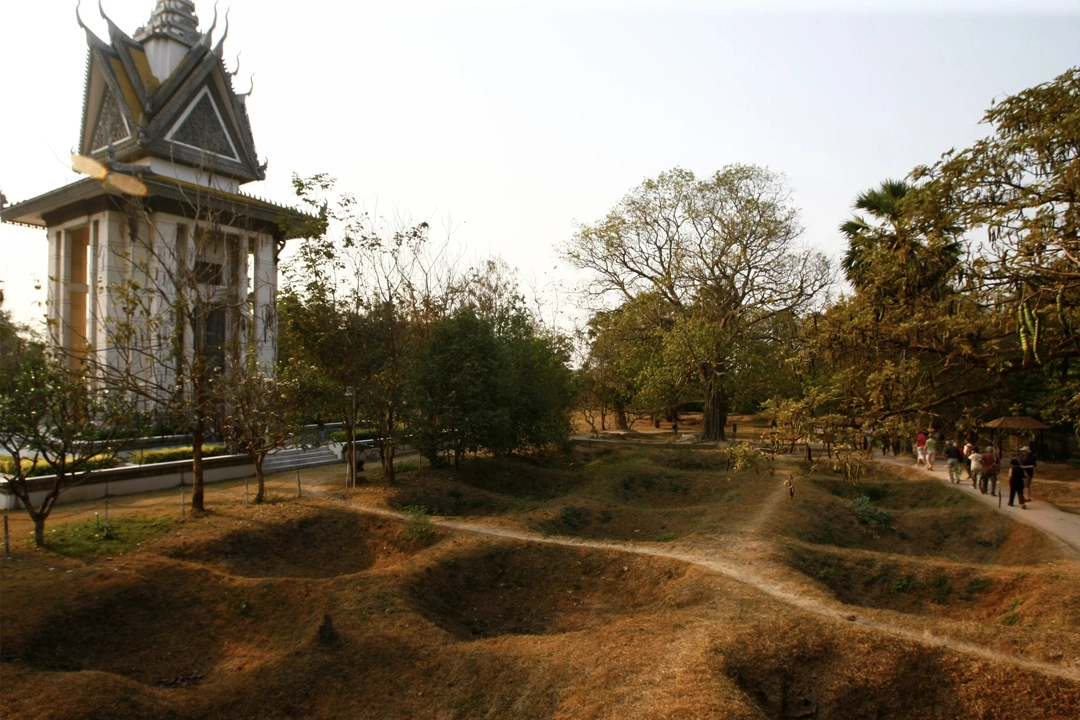
Fifteen kilometers south of the city, this memorial stupa contains over 5,000 human skulls. A glass tower displays bones and clothing. The audio tour (included) is one of the most moving museum experiences anywhere. Combine with Tuol Sleng in one day. Entry: $6 (includes audio).
Riverside and night markets
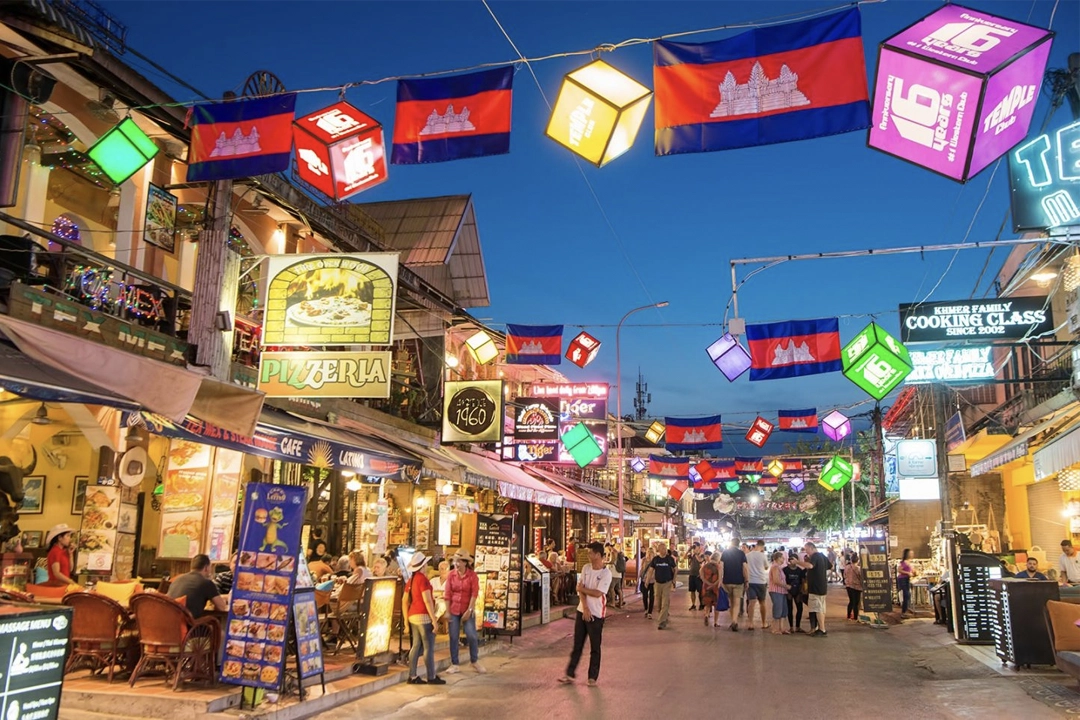
After heavy history, breathe along Sisowath Quay. Watch the sunset over the Tonle Sap, then walk to the Night Market (Phsar Reatrey) for street food, cheap souvenirs, and a surprisingly local atmosphere. Open Thursday to Sunday from 5:00 PM.
FAQs
How long does it take from Ho Chi Minh City to Phnom Penh?
Do I need a visa to enter Cambodia from Vietnam?
Is it safe to travel by bus to Phnom Penh?
What is the cheapest way from Ho Chi Minh City to Phnom Penh?
Can I cross the Moc Bai border on foot?
What currency is used in Phnom Penh?