Travel Guide: Ho Chi Minh City to Can Tho—A Journey through the Heart of the Mekong Delta
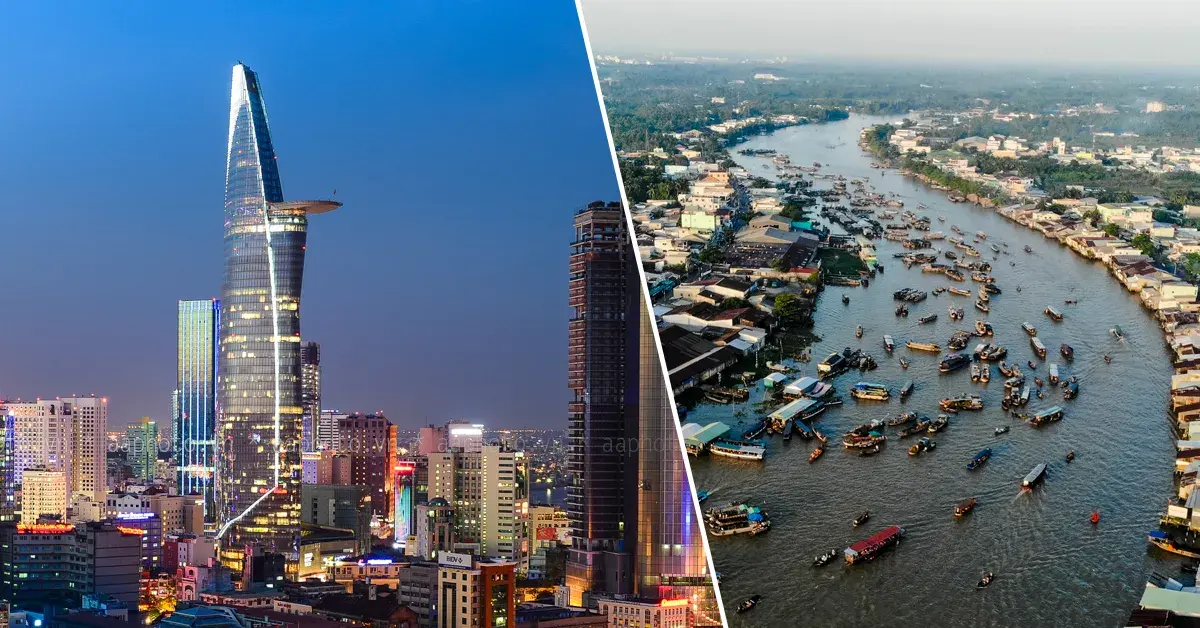
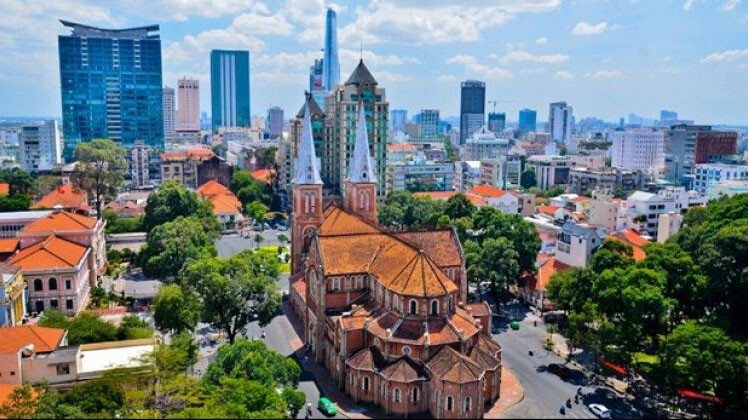
The corridor between Ho Chi Minh City and Can Tho has long stood as Vietnam’s most iconic southern inter-regional journey. Ho Chi Minh City, the nation's high-octane economic engine, draws an energetic mix of global travelers, digital nomads, and culinary enthusiasts to its neon-lit skyscrapers and historic alleys. Can Tho, meanwhile, has blossomed from a rustic riverside trading post into a dynamic, forward-looking delta capital—a gateway to the labyrinthine waterways of the Mekong, the vibrant dawn commerce of the Cai Rang Floating Market, and hidden fruit orchards. Travelers increasingly weave the two into a single itinerary, seeking the stark contrast of a frenetic urban megacity and the serene, slow-paced charm of life on the river. This booming demand has fueled a dramatic evolution in transport: the old, grueling crawl down National Highway 1A has been replaced by a sleek, continuous expressway network populated by high-tech VIP sleeper buses, luxury limousine vans, and seamless private car charters. Yet with these rapid infrastructure shifts comes confusion. Most online guides are frozen in a pre-expressway era, their routes, prices, and travel times completely untethered to the swift realities of 2026. This article strips away the guesswork.
Ho Chi Minh City to Can Tho: Distance, Travel Time & Route Overview
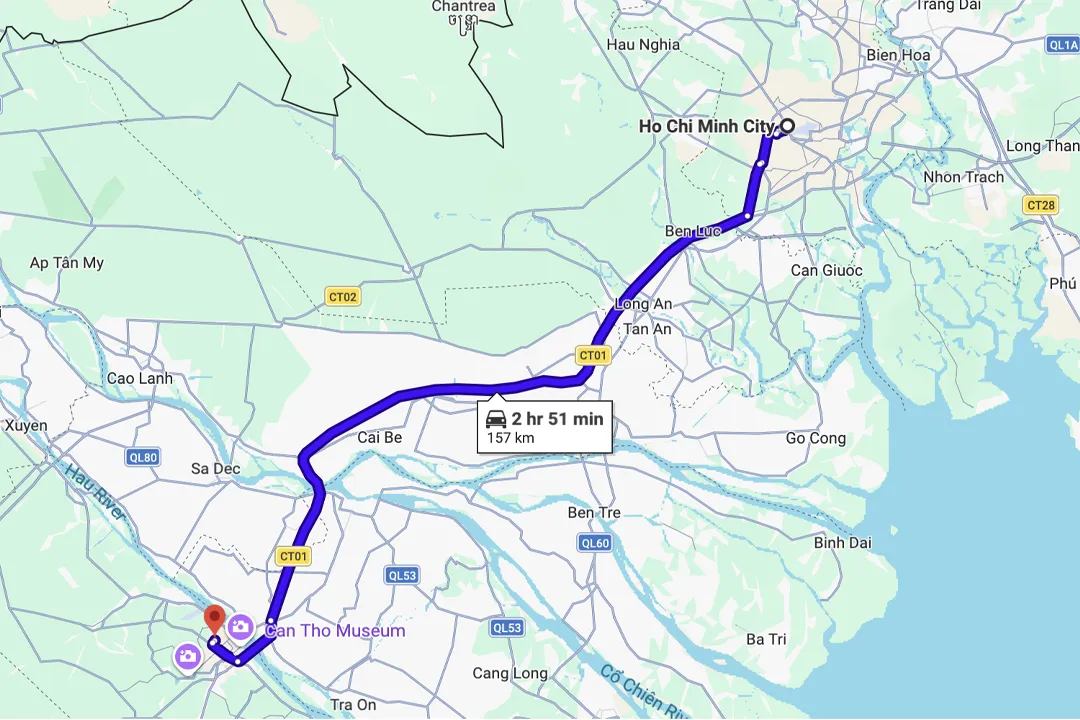
Distance, Travel Time & Route Overview
Since there are no direct flights from Ho Chi Minh City to Can Tho, the only option is by road. The distance from Ho Chi Minh City to Can Tho is approximately 170km, taking about 2-4 hours to travel (highly dependent on your vehicle and departure time). Travel time may be longer on holidays or weekends.
Route 1: Ho Chi Minh City center – Binh Chanh district – Binh Thuan overpass – National Highway 1A – My Yen, Vinh Loc – Ben Luc bridge – Tan An bridge (Tien Giang) – My Tho city – across My Thuan bridge (Vinh Long) – Can Tho
.webp)
This route is suitable for both motorcycles and cars. You'll pass through more residential areas, and if travel by private car or motorbike, you will have plenty of options for stopping to rest or enjoy local specialties. This route's drawback is that it has a longer travel time due to speed limitations. It will likely take you about 4.5-5.5 hours to get to Can Tho.
Route 2: Ho Chi Minh City center – Binh Chanh district – Binh Thuan overpass – Ho Chi Minh City/Trung Luong expressway – My Tho city – across My Thuan bridge (Vinh Long) – Can Tho
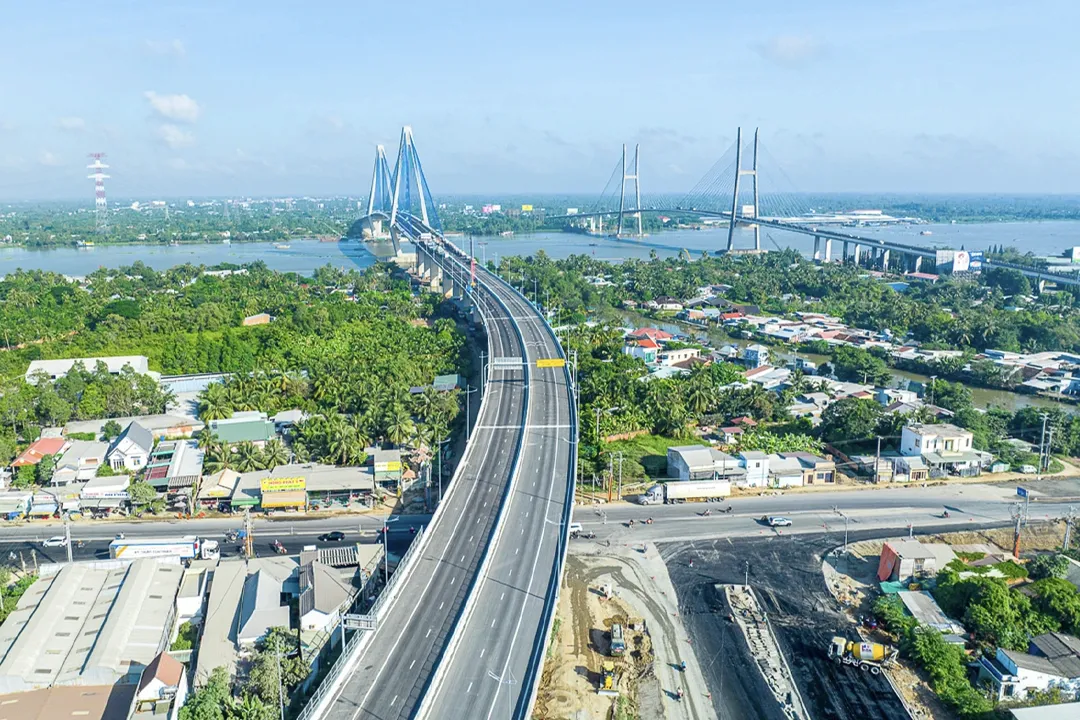
The entire travel dynamic changed with the completion of the modern expressway chain, capped off by critical links like the My Thuan – Can Tho section and the My Thuan 2 Bridge. By bypassing narrow local towns and opening up higher speed limits, these expressway improvements have successfully slashed the average car or bus journey time down to a clean 2 to 3 hours under normal conditions. Just keep an eye on major holidays (like Tet), when heavy traffic can still push the trip closer to the 4-hour mark.
Transportation providers often arrange short stops along the route so that passengers can use the restroom, grab a snack, or buy souvenirs (usually in My Tho). Passengers will stop for 15-20 minutes at each of these rest stops.
Transportation Options
Choosing how to get from Ho Chi Minh City to Can Tho depends entirely on your budget, schedule, and how much of the scenery you want to absorb along the way.
Private Car or Limousine Van
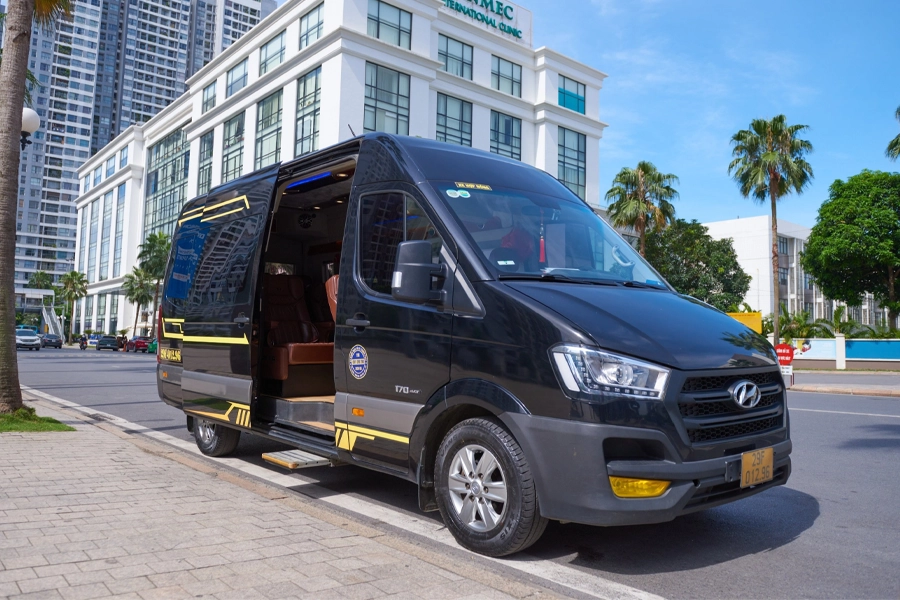
Pros: For those who value comfort and flexibility, book a car or a limousine van is the best way to travel to Can Tho. Both options have nearly identical travel times and offer door-to-door service, picking up and dropping off passengers from points in HCMC (including Tan Son Nhat Airport) directly to your stay in Can Tho. Private cars offer more flexible stopover options along the journey, greater privacy and offers flexible pick-up/drop-off times; while a seat in a limousine is cheaper and provides more onboard amenities such as Wi-Fi and reclining seats with better quality.
Cons: Chartering a private vehicle is the most expensive route by a wide margin. While shared limousine vans are affordable, they still run on fixed schedules and offer limited luggage space compared to large coaches.
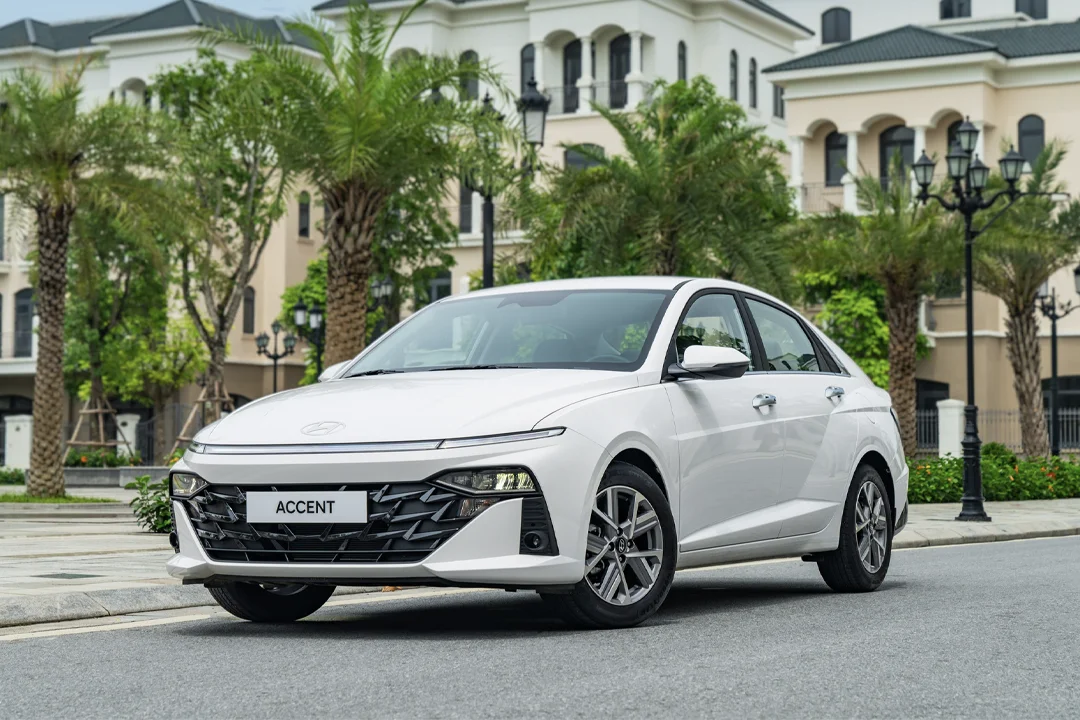
Check out A21 Tours' limousine and private car transfer service from HCMC to Can Tho right here!
Instant confirmation, quick payment, and support throughout your trip.
Motorbike
Strengths: This is a unique choice for foreign tourists. Riding a motorbike gives you unparalleled freedom to explore the Mekong Delta at your own pace. You can pull over at spontaneous roadside fruit stalls in Tien Giang, take detours along rural canal paths, and dodge the monotony of closed highway driving. The freedom to drive a vehicle when traveling in another country is extremely exciting for them.
Weaknesses: Motorbikes are strictly banned from the expressway network. You will have to take the older National Highway 1A (QL1A), which adds roughly an hour or more to the journey. Navigating large trucks, dealing with unpredictable tropical downpours, and managing highway exhaust makes this the most physically demanding and high-risk option.
.webp)
Bus or Coach
The service of buses and coaches will not be as excellent as that of limousines. However, the quality of the vehicle will still be guaranteed with comfortable seats, cool air conditioning, and cheap fares suitable for tourists to save on travel costs.
Strengths: This is the most popular way to make the trip. Large, reputable fleet operators like FUTA Bus Lines (Phương Trang), run high-quality sleeper buses almost 24/7. Tickets are remarkably inexpensive, and the modern double-decker cabins allow you to lie flat, watch a screen, and nap the entire way.
Weaknesses: Most intercity buses pick up passengers at major bus terminals. On weekends, these locations are often very crowded, easily leading to situations such as pickpocketing, touting, or security issues. Furthermore, these buses often pick up passengers along the way, resulting in longer travel times due to multiple stops or waiting for a full bus load at the terminal. Limited privacy is also a problem, as these buses often have many seats or sleeping berths.
.webp)
Here is the updated breakdown of the primary ways to travel between Ho Chi Minh City and Can Tho, compared by speed, cost, and travel style.
| Transportation Mode | Average Travel Time | Estimated Cost | Ideal For |
| Private Car / Limousine Van | 2.5 – 3 hours |
• Shared Van: 13 USD/seat • Private Car: 65 USD - 145 USD/car (depend on type of car) |
Families, groups, business travelers, and those prioritizing comfort. |
| Motorbike | 3.5 – 4.5 hours | 6-11 USD/day (Fuel + optional daily rental) | Backpackers, solo adventurers, and photography enthusiasts. |
| Bus or Coach | 3 – 4 hours | 6-8 USD/seat | Budget-conscious travelers, solo tourists, and locals. |
Tips & tricks for booking tickets
- The best time to travel from Ho Chi Minh City to Can Tho is from 6 to 7 am, when the traffic on the road is not yet crowded, the roads are still clear to avoid rush hour, and the harsh sunlight of noon.
- Search for information and book tickets on the A21 Tours website to get good services when booking tickets, reasonable prices, and policies for international tourists.
- Some applications you should install on your phone: Grab/Xanh SM to use reputable taxi services, avoid being overcharged, and avoid going further than the distance you need to go. Google Maps is a popular route-finding tool in Vietnam. WiFi in Vietnam is extremely good and free everywhere, so you can go to some coffee shops to use free WiFi.
- You need to read the terms carefully and learn more about reputable ticket booking services to avoid being scammed.
Highlights and Must-Visit Attractions in Can Tho
Floating Markets – Cai Rang Floating Market
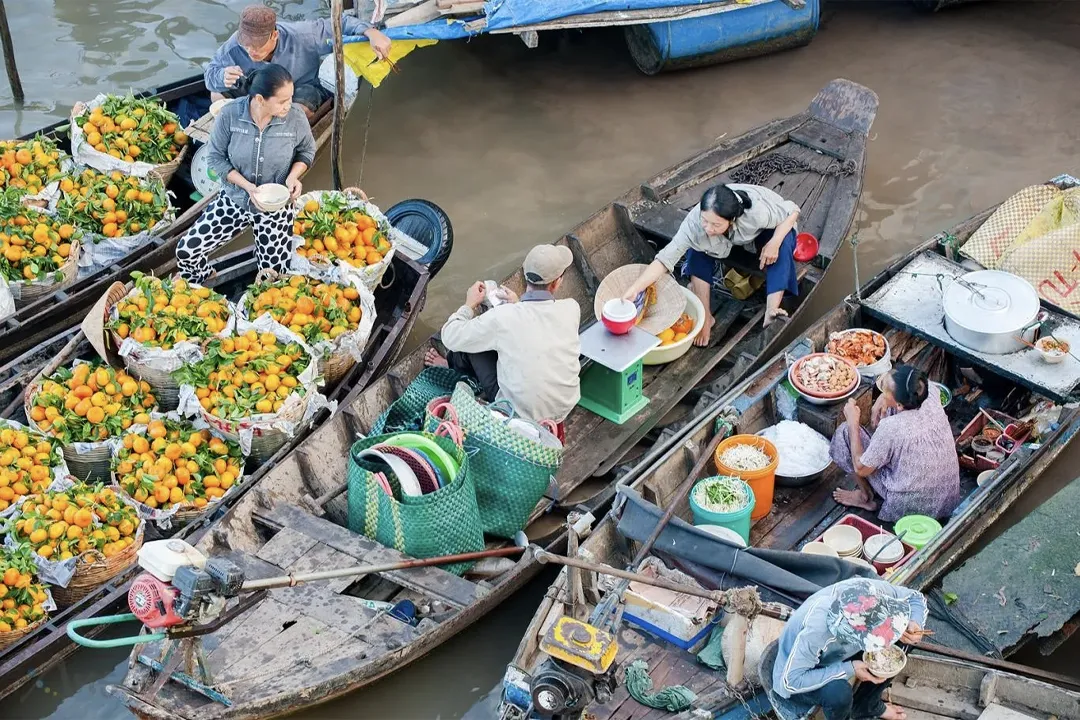
Cai Rang Floating Market is a must-see destination in Can Tho in the early morning. Take a boat trip down the river at dawn and witness the bustling market scene where street vendors sell fresh produce and local goods straight from their boats. This vibrant market is not only a commercial hub but also a living tradition that reflects the spirit of the Mekong Delta. Here, visitors will sit on boats drifting down the river, experiencing rich cuisine such as "hu tieu," which once challenged the contestants of MasterChef US season 4.
Tip: Arrive between 5:30 AM and 6:30 AM for the most energetic atmosphere before the midday heat sets in.
Binh Thuy ancient house
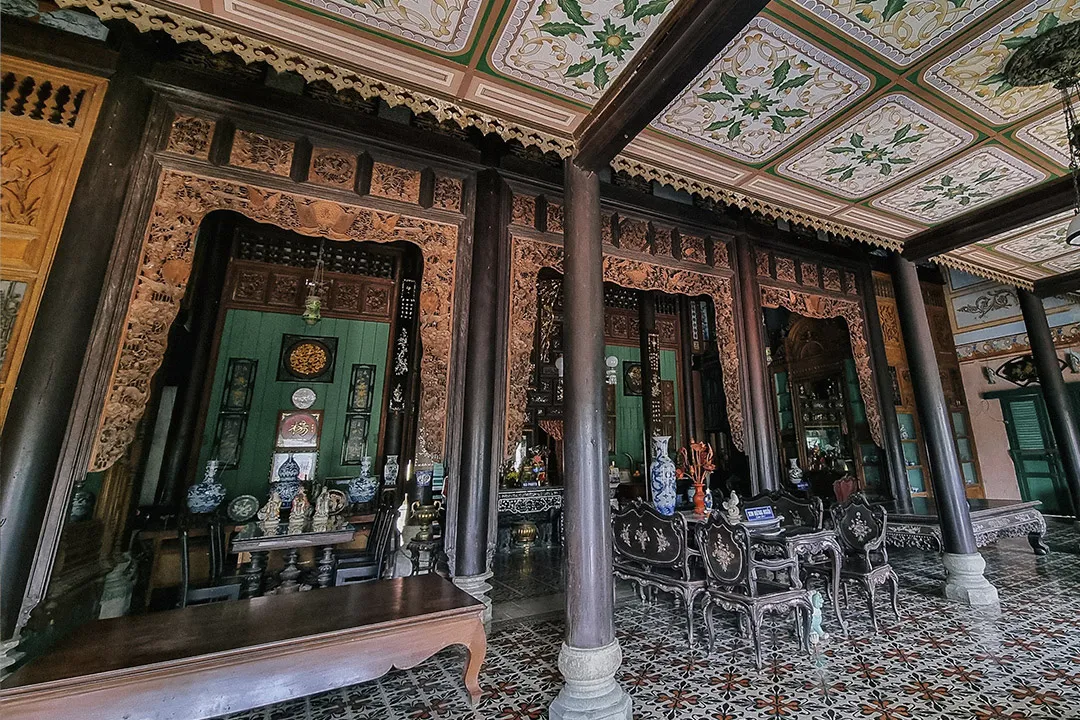
Binh Thuy ancient house is a remarkably well-preserved French-colonial and traditional Vietnamese architectural masterpiece originally built in 1870. Owned by the Duong family for generations, this rare gem showcases an exquisite blend of Western flair—like European floor tiles and French windows—with Eastern feng shui and antique wooden carvings. This location famously served as a prominent filming location for the acclaimed 1992 romantic drama film The Lover.
Tip: There's also a cafe here, an ideal place to take a short break before continuing your journey.
Truc Lam Phuong Nam Zen Monastery
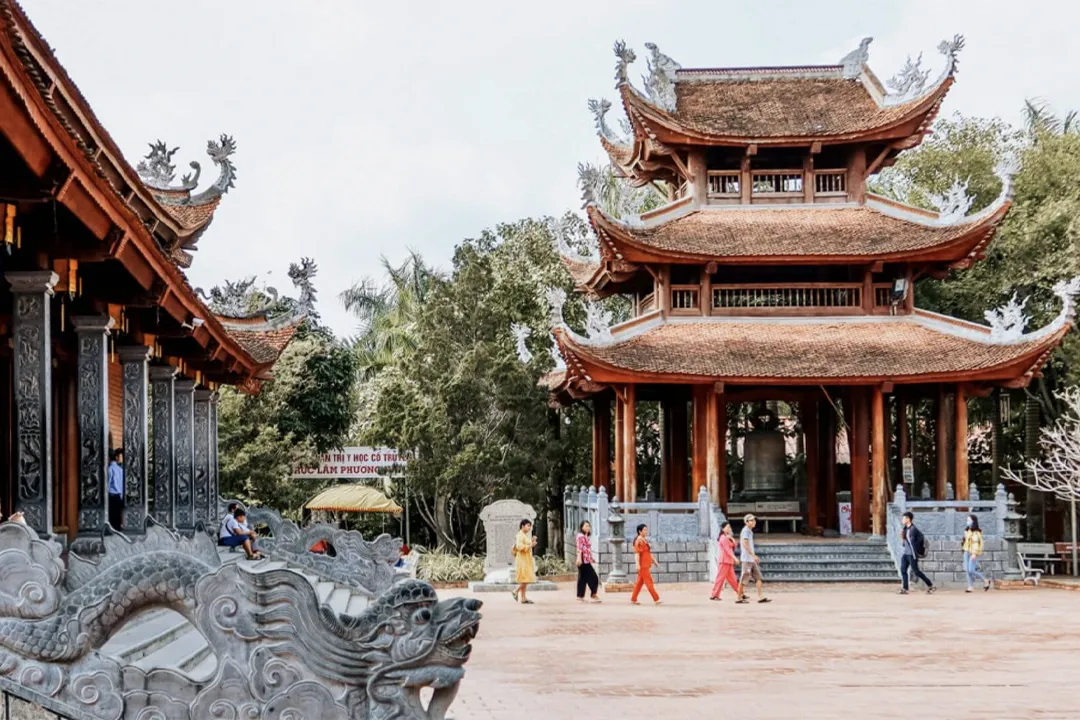
This is the largest Buddhist temple complex in the Mekong Delta, offering a serene escape into spiritual tranquility. The architecture honors the classical style of the Ly-Tran dynasties, featuring sweeping tiled roofs, intricate ironwood pillars, and beautifully manicured courtyard gardens surrounding a grand central hall.
Tip: Remember to wear respectful attire that covers your shoulders and knees when visiting the sacred prayer halls.
FAQs
How long does it take to travel from Ho Chi Minh City to Can Tho?
What is the best time of year to visit Can Tho and the Mekong Delta?
Can I do a day trip from Ho Chi Minh City to Can Tho?
What is the cheapest way to travel from Ho Chi Minh City to Can Tho?
Does A21 Tours offer pickup from hotels in Ho Chi Minh City?
Are there interesting stops between Ho Chi Minh City and Can Tho?
Conclusion: Choosing Your Passage from HCMC to Can Tho
Whichever route you choose, the movement from Ho Chi Minh City to Can Tho is a profoundly Vietnamese experience. It traces the country’s vibrant southern artery, shifting from the high-octane, neon-lit energy of the nation's largest metropolis to the serene, river-bound soul of the fertile Mekong Delta. Travel wisely, travel safely, and let the passage itself become one of the enduring memories of your time in this singular, soul-stirring land.