Overview
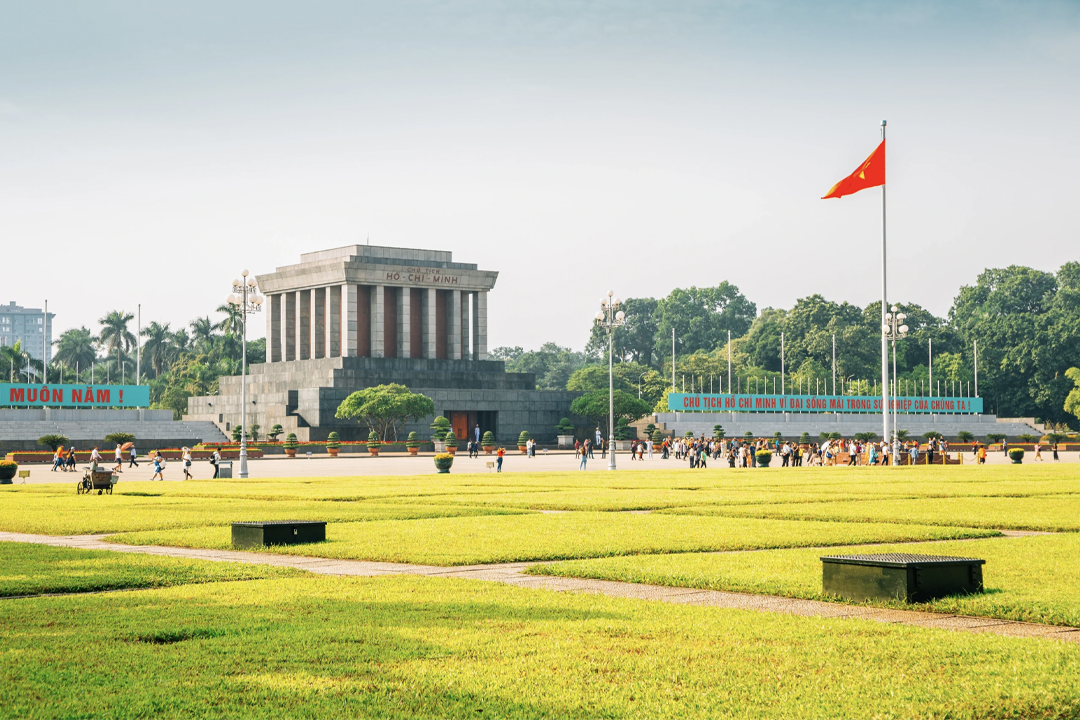
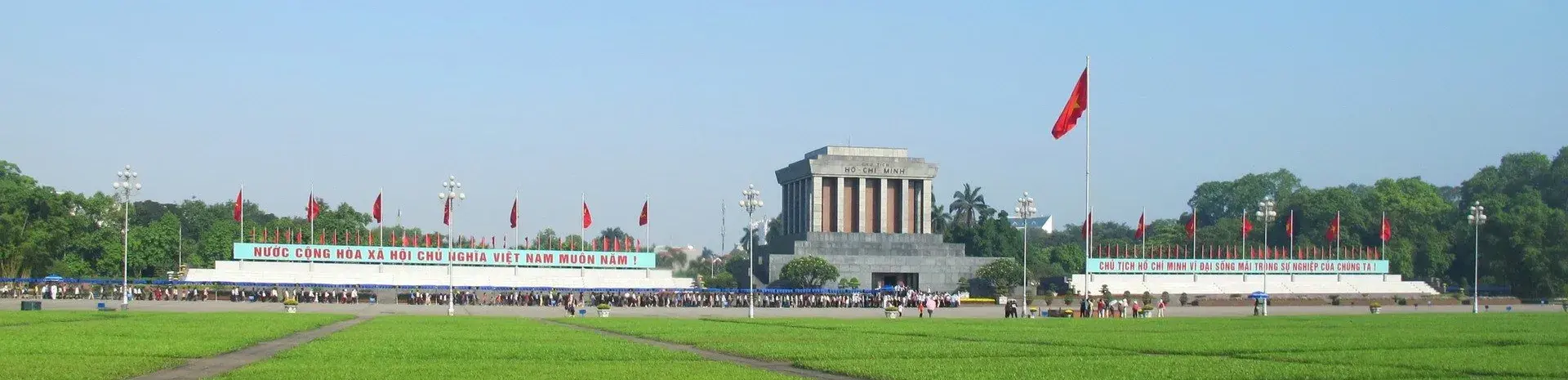
Ba Dinh Square is the political and historical heart of Hanoi, Vietnam. Located on Hung Vuong Street in Ba Dinh District, this 320-metre-long square witnessed one of the most pivotal moments in modern Vietnamese history: on 2 September 1945, President Ho Chi Minh read the Declaration of Independence, giving birth to the Democratic Republic of Vietnam. The square's unique feature is its solemn, spacious layout, flanked by the imposing Ho Chi Minh Mausoleum, the Presidential Palace, and government buildings. It serves as a national gathering place for ceremonies, parades, and pilgrimages. The ideal time to visit is early morning (6:00 AM – 8:00 AM) to witness the flag-raising ceremony and avoid both heat and crowds. The atmosphere is most dignified on national holidays.
What to see at this location
Originally a French parade ground named "Pigneau de Béhaine," the square was renamed Ba Dinh after a 1880s anti-French uprising. Its modern significance began on 2 September 1945 when Ho Chi Minh proclaimed Vietnam's independence before hundreds of thousands. During the Vietnam War, it was a rallying point. Today, it remains the venue for major state ceremonies and a symbol of national unity.
The square measures 320 metres in length and 100 metres in width, covering approximately 32,000 square metres. It features open green lawns bordered by broad, tree-lined boulevards. The centre is dominated by the granite Ho Chi Minh Mausoleum. Paths lead to the One Pillar Pagoda to the south and the Presidential Palace grounds to the north. Benches and shaded areas offer resting spots.
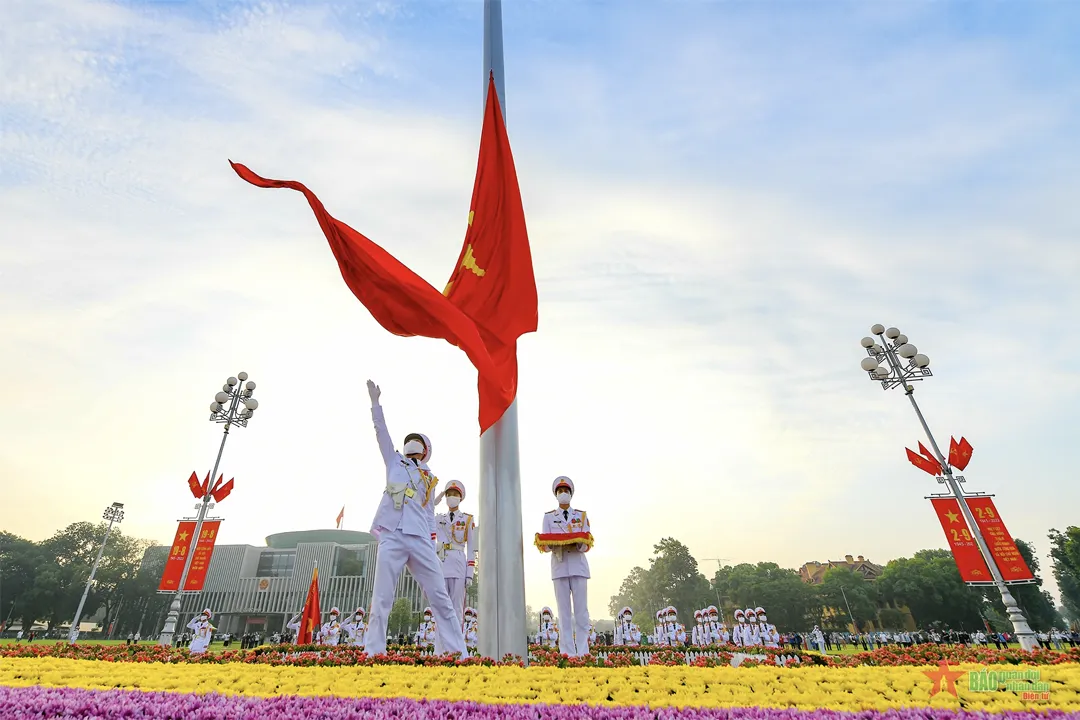
The single most compelling highlight is the daily flag-raising and flag-lowering ceremony (6:00 AM and 9:00 PM). Performed by the elite Presidential Guard in crisp white uniforms, the ritual is deeply moving and draws large crowds. Standing in the vast square while the national anthem plays creates an unforgettable experience.
What to see nearby
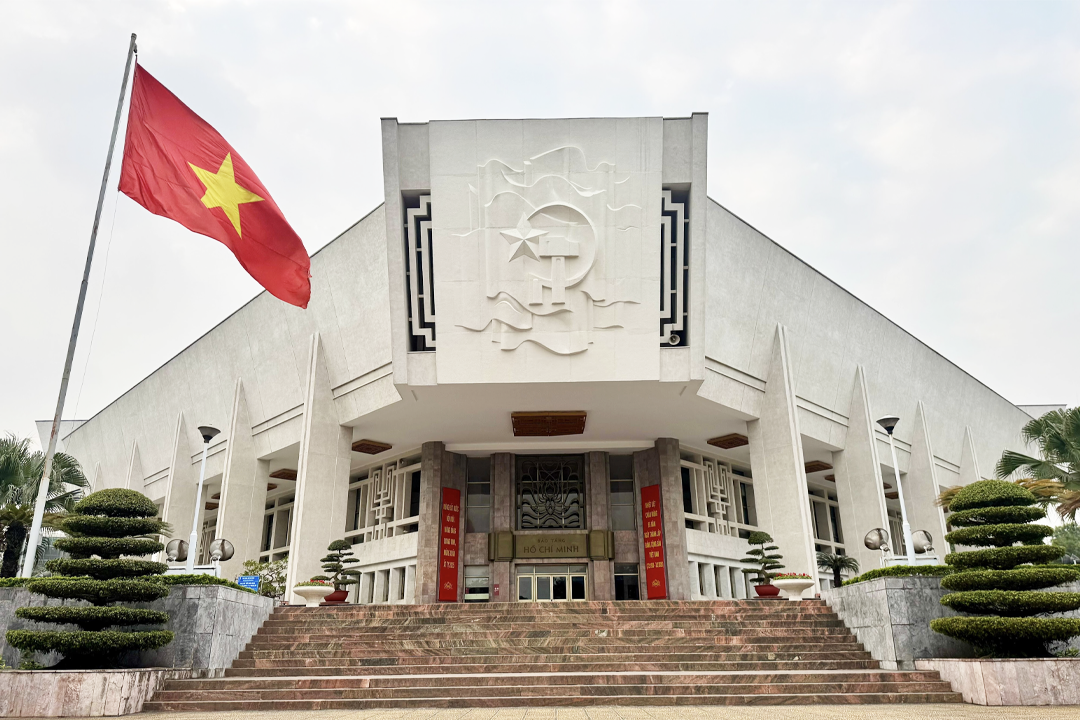
The Ho Chi Minh Mausoleum Complex (located at 2 Hung Vuong Street, Ba Dinh District, Hanoi) is a particularly important historical site. This area includes the Mausoleum, Ba Dinh Square, the Presidential Palace, Ho Chi Minh's Stilt House, the Ho Chi Minh Museum, and the One Pillar Pagoda. It is a place where visitors come to pay their respects and learn about the great history of the leader.
- Location: Ba Dinh Square, directly opposite the podium
- Open time: 7:45 – 10:15 AM, closed Monday & Friday afternoons; also closed Sep–Nov for maintenance
- Suggested activities: Queue respectfully, view the preserved body, walk through the mausoleum's halls
- Entry fee: Free (donations accepted)
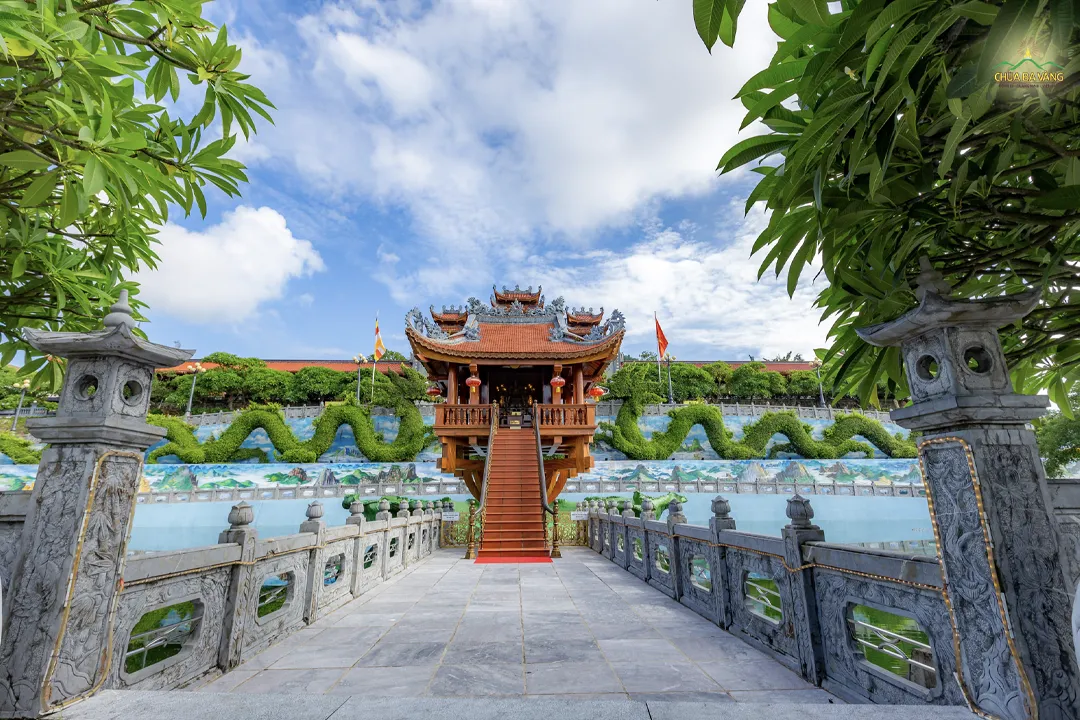
A mere 200 metres south of Ba Dinh Square, this iconic pagoda seems to float on a lotus-shaped pond atop a single stone pillar. Built in 1049, it symbolises Buddhist purity. The tiny wooden shrine, just 3 metres square, houses a statue of the Goddess of Mercy. It's a masterpiece of Ly Dynasty engineering.
- Location: Ong Ich Khiem Street, Ba Dinh District
- Open time: 7:00 AM – 6:00 PM daily
- Suggested activities: Photograph the unique structure, make a wish, enjoy the peaceful lotus pond
- Entry fee: 25,000 VND ($1.05) for foreign tourists
Suggested 1-Day Multi-Point Itinerary
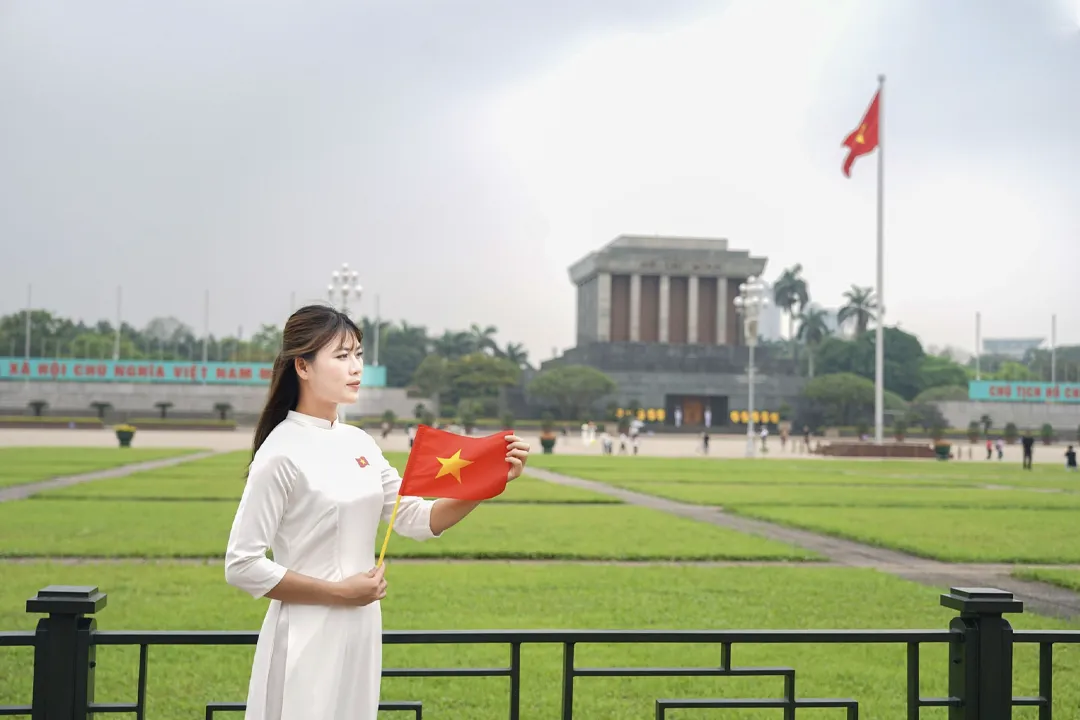
Begin at 6:00 AM to witness the flag-raising ceremony at Ba Dinh Square. Afterwards, join the queue for the Ho Chi Minh Mausoleum (opens 7:45 AM). Spend 45 minutes inside and for photographs. At 8:45 AM, walk 5 minutes to the One Pillar Pagoda for 20 minutes of quiet contemplation. By 9:15 AM, cross the street to the Ho Chi Minh Museum (opens 8:00 AM – it will be open). Dedicate one hour to exploring its exhibits. At 10:30 AM, enter the Presidential Palace grounds to see the stilt house and carp pond (30 minutes). By 11:30 AM, take a 10-minute taxi ride to the Temple of Literature for a peaceful lunch break at a nearby café, then explore Vietnam's first university in the early afternoon. This efficient morning covers all Ba Dinh attractions before they close for lunch.
Pro-Traveler Experience Tips
Dress with extreme respect: Ba Dinh Square and the mausoleum are sacred national sites. Shoulders and knees must be covered. No sleeveless tops, short skirts, or see-through clothing. Remove hats and sunglasses inside the mausoleum.
Arrive early for the queue: The mausoleum opens at 7:45 AM but queues start forming by 6:30 AM. Arriving at 6:00 AM lets you see the flag-raising and secure a spot in the front of the queue. Waiting time averages 30–60 minutes.
Leave large bags behind: No cameras, phones, or large bags are allowed inside the mausoleum. Use the free locker service near the entrance (small fee for larger items). You must walk in silence and keep hands out of pockets.
Check closure dates: The mausoleum is closed annually from September to November for preservation work. It is also closed on Monday and Friday afternoons. Plan your visit accordingly to avoid disappointment.