
Listed Transportation Services


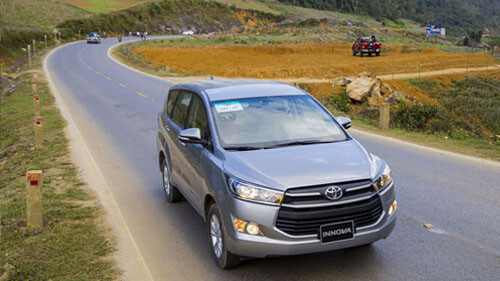







Popular Transfer Routes
- Old Quarter Hanoi → Halong Bay
- Old Quarter Hanoi → Vinpearl Resort & Spa Halong
- Old Quarter Hanoi → Tuan Chau island
- Old Quarter Hanoi → Halong International Cruise port
- Old Quarter Hanoi → Sapa
- Old Quarter Hanoi → Ninh Binh
- Old Quarter Hanoi → Trang An
- Old Quarter Hanoi → Tam Coc
- Old Quarter Hanoi → Hue city
- Old Quarter Hanoi → Hoi An old town
- Old Quarter Hanoi → Tam Dao
- Old Quarter Hanoi → Thanh Hoa City
- Old Quarter Hanoi → FLC Samson Resort
- Old Quarter Hanoi → Sam Son Beach
- Old Quarter Hanoi → Hai Phong City
- Old Quarter Hanoi → Got pier (Hai Phong)
- Old Quarter Hanoi → Cat Bi airport Hai Phong - HPH
- Old Quarter Hanoi → Lao Cai city
- Old Quarter Hanoi → Ban Gioc Waterfalls
- Old Quarter Hanoi → Cao Bang City
- Old Quarter Hanoi → Mu Cang Chai
- Old Quarter Hanoi → Ba Be National Park
- Old Quarter Hanoi → Yen Tu
- Old Quarter Hanoi → Ha Giang
- Old Quarter Hanoi → Moc Chau
- Old Quarter Hanoi → Mong Cai
- Old Quarter Hanoi → Ao Tien cruise terminal
- Old Quarter Hanoi → Bac Ha Market
- Old Quarter Hanoi → Phong Nha
- Old Quarter Hanoi → Dong Hoi (Quang Binh)
- Old Quarter Hanoi → Huu Nghi International Border Gate
- Old Quarter Hanoi → Lang Son city
- Old Quarter Hanoi → Duong Lam Village
- Old Quarter Hanoi → Son Tay Old Fortress
- Old Quarter Hanoi → Tay Phuong Pagoda
- Old Quarter Hanoi → Huong Pagoda
- Old Quarter Hanoi → Cuc Phuong National Park
- Old Quarter Hanoi → Vinh Yen city
- Old Quarter Hanoi → Nghi Son Refinery
- Old Quarter Hanoi → Cai Rong Port
- Old Quarter Hanoi → Thay Pagoda
- Old Quarter Hanoi → Vinh
- Old Quarter Hanoi → Nha Trang city
- Old Quarter Hanoi → Quy Nhon City
- Old Quarter Hanoi → Tuy Hoa
- Old Quarter Hanoi → Meliá Vinpearl Hue hotel
- Old Quarter Hanoi → Bac Ninh City
- Halong Bay → Old Quarter Hanoi
- Van Don airport - VDO → Old Quarter Hanoi
- Tuan Chau island → Old Quarter Hanoi
- Sapa → Old Quarter Hanoi
- Vinpearl Resort & Spa Halong → Old Quarter Hanoi
- Hoi An old town → Old Quarter Hanoi
- Da Nang city → Old Quarter Hanoi
- Thanh Hoa City → Old Quarter Hanoi
- FLC Samson Resort → Old Quarter Hanoi
- Sam Son Beach → Old Quarter Hanoi
- Phong Nha → Old Quarter Hanoi
- Hai Phong City → Old Quarter Hanoi
- Got pier (Hai Phong) → Old Quarter Hanoi
- Cat Bi airport Hai Phong - HPH → Old Quarter Hanoi
- Cao Bang City → Old Quarter Hanoi
- Ban Gioc Waterfalls → Old Quarter Hanoi
- Mu Cang Chai → Old Quarter Hanoi
- Ha Giang → Old Quarter Hanoi
- Topas Ecolodge → Old Quarter Hanoi
- Lao Cai city → Old Quarter Hanoi
- Moc Chau → Old Quarter Hanoi
- Trang An → Old Quarter Hanoi
- Tam Coc → Old Quarter Hanoi
- Ninh Binh → Old Quarter Hanoi
- Mong Cai → Old Quarter Hanoi
- Tuan Chau International Cruise port → Old Quarter Hanoi
- Halong International Cruise port → Old Quarter Hanoi
- Ao Tien cruise terminal → Old Quarter Hanoi
- Dong Hoi (Quang Binh) → Old Quarter Hanoi
- Lang Son city → Old Quarter Hanoi
- Huu Nghi International Border Gate → Old Quarter Hanoi
- Vinh Yen city → Old Quarter Hanoi
- Ba Be National Park → Old Quarter Hanoi
- Nghi Son Refinery → Old Quarter Hanoi
- Cuc Phuong National Park → Old Quarter Hanoi
- Cai Rong Port → Old Quarter Hanoi
- Vinh → Old Quarter Hanoi
- Nha Trang city → Old Quarter Hanoi
- Quy Nhon City → Old Quarter Hanoi
- Tuy Hoa → Old Quarter Hanoi
- Hue city → Old Quarter Hanoi
- Meliá Vinpearl Hue hotel → Old Quarter Hanoi
If you are looking for multiple transfers around Vietnam, Cambodia, Laos and Thailand – simply send us your travel request.