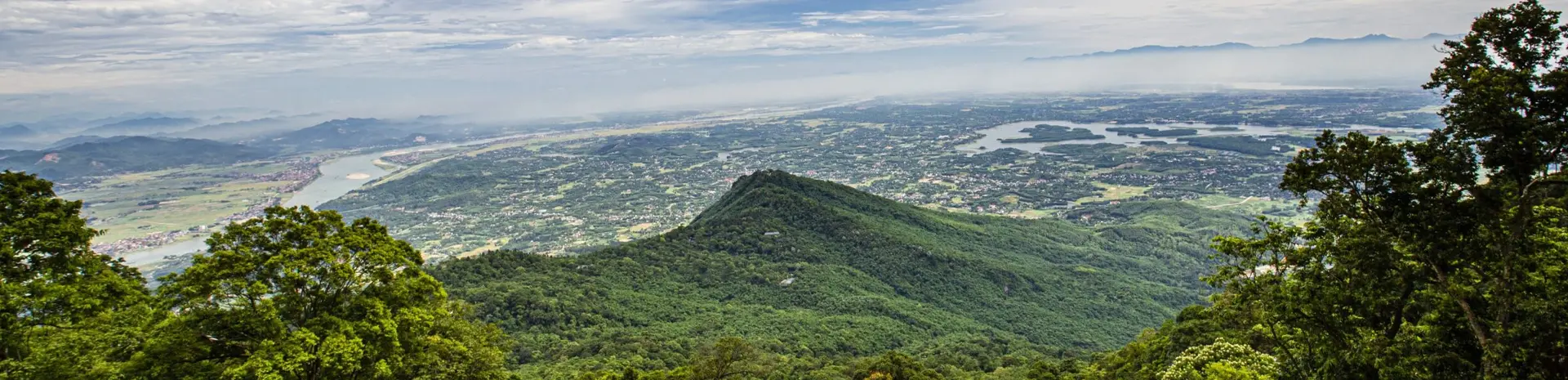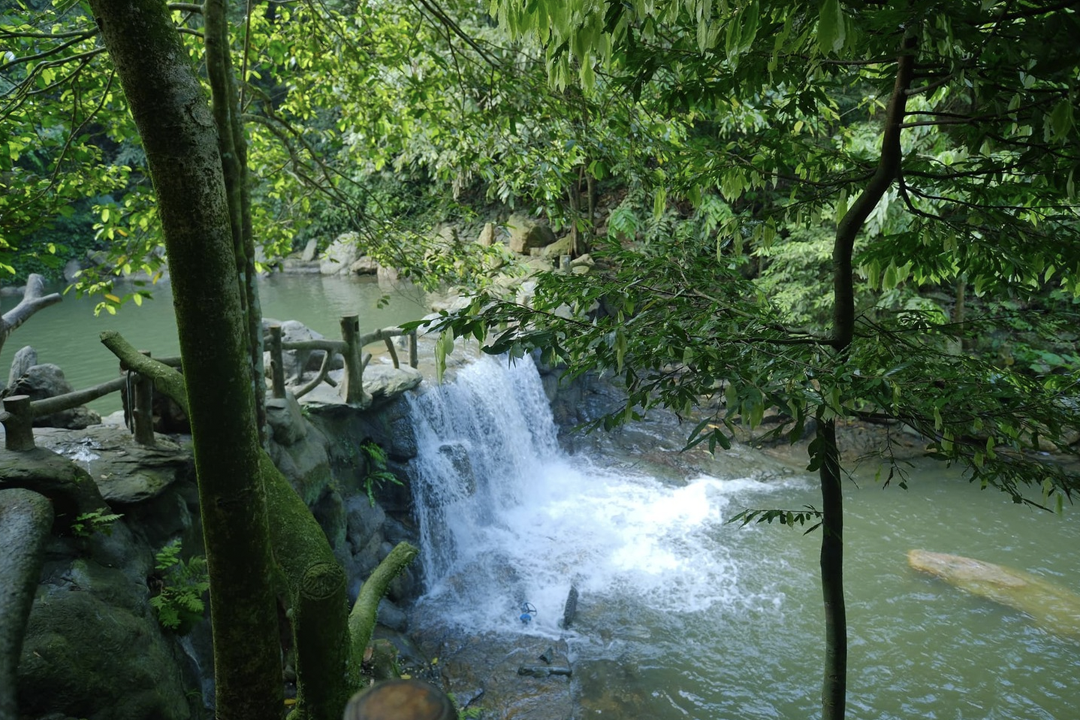
Ba Vi National Park is a majestic three-peaked mountain range rising sharply from the Red River Delta, located just 60km west of Hanoi. Known for its subtropical climate and diverse ecosystems, the park serves as a vital ecological sanctuary and a favored retreat for those escaping the city's heat. From the haunting beauty of the French colonial ruins to the spiritual heights of the Tan Vien peak, Ba Vi offers a sophisticated blend of nature and history. For the elite 2026 traveler, it represents a perfect "Price-to-Performance" day trip, offering alpine freshness and panoramic views of Northern Vietnam.
Spiritual Heights and Colonial Echoes
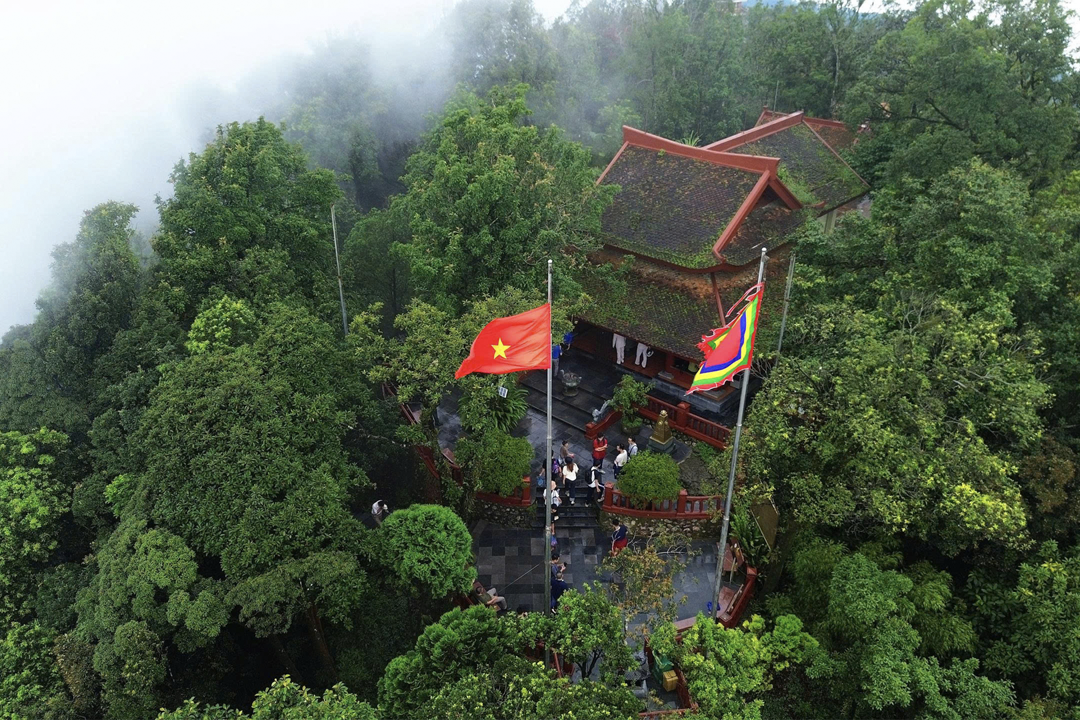
The journey through Ba Vi is a vertical exploration of Vietnam's multifaceted history. At the lower elevations, the famous Cactus Greenhouse houses over 1,200 species, creating a surreal, desert-like oasis amidst the jungle. As you ascend, the forest reveals the "haunted" beauty of the French ruins, including a collapsed 19th-century church and an old colonel's villa, now reclaimed by moss and ancient banyan roots. For those seeking the ultimate vantage point, the climb to the Thuong Temple on Tan Vien Peak (1,227m) or the Ho Chi Minh Temple on King Peak (1,296m) offers a rewarding challenge. These sacred sites provide not just spiritual reflection, but mechanical necessity for the best panoramic photography of the Da River winding through the plains below.
Seasonal Splendor: The Wild Sunflower Season
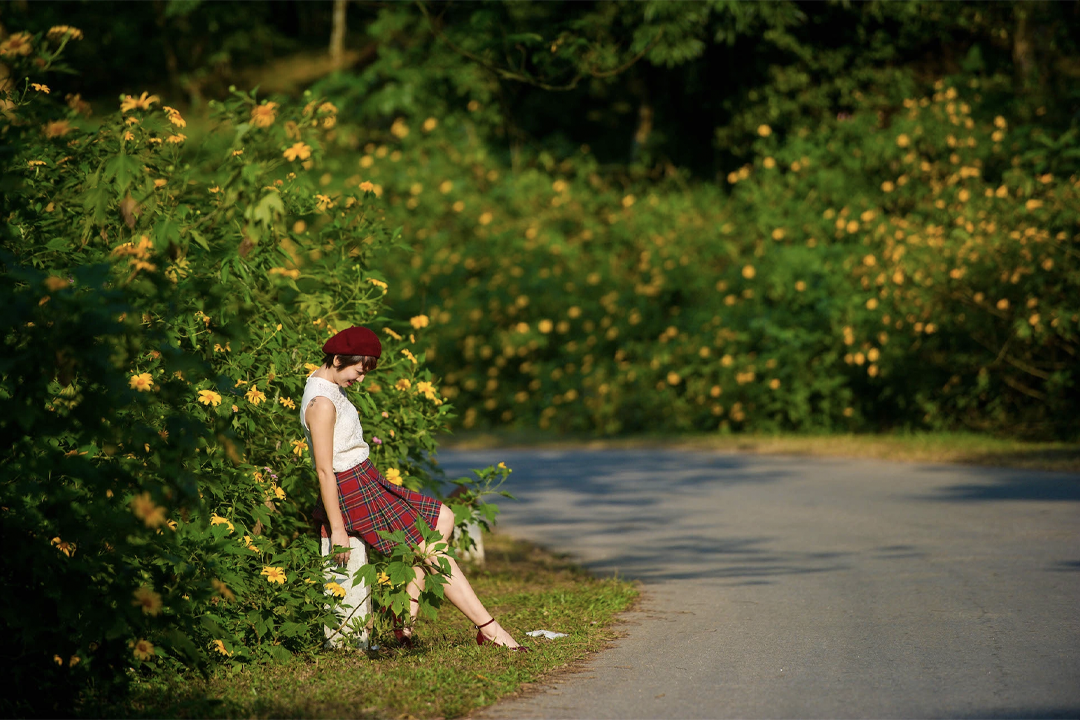
While Ba Vi is a year-round destination, it transforms into a golden paradise every October and November during the Wild Sunflower (Hoa Da Quy) season. The mountain roads become lined with vibrant yellow blossoms, signaling the transition into winter. For the discerning 2026 traveler, this period offers an exceptional aesthetic experience, where the cool mountain air and the bright floral displays create a romantic atmosphere reminiscent of the European highlands. Exploring these trails during the golden hour provides a high-end sensory experience that defines the natural charm of the Hanoi region.
Pro-Traveler Experience Tips
To experience Ba Vi National Park with the highest level of comfort and efficiency, strategic timing and transport choices are essential. I highly recommend visiting during the Dry Season (September to May). During these months, the humidity is lower, and the visibility from the peaks is significantly clearer. For the internal ascent, the road from the park gate to the 1,100m parking lot is exceptionally steep and features multiple hairpin turns. It is a mechanical necessity to use a high-torque SUV or a professional private car service. If you are hiring a driver from Hanoi, ensure they are experienced with mountain terrain. A private day-trip transfer from the city center typically costs between 2,250,000 VND and 2,500,000 VND ($90 - $100 USD) for a 7-seater SUV, which provides the necessary power and safety for the climb. When it comes to photography and clothing, remember that temperatures at the 1,100m level can be 5-8°C lower than in the city. Even on a warm day, carrying a lightweight, stylish windbreaker is a travel-focused requirement. For the best "Price-to-Performance" in photography, visit the Ancient French Church between 9:00 AM and 10:30 AM, when the sun rays filter through the trees and the stone arches, creating a cinematic play of light and shadow. Regarding culinary choices, the local specialty is "Com Lam" (bamboo-tube rice) and grilled "Hill Chicken." For a more refined experience, I suggest stopping at a high-end resort restaurant near the park entrance, such as Melia Bavi Mountain Retreat, where a gourmet lunch featuring local ingredients averages around 750,000 VND to 1,000,000 VND ($30 - $40 USD). Lastly, if you are visiting during the weekend, arrive at the park gate no later than 8:30 AM. Ba Vi is a popular escape for locals, and early arrival ensures you have the French ruins and the cactus gardens to yourself for at least an hour before the larger groups arrive. This quiet time is essential for those who value an exclusive, peaceful connection with nature.