






How to get there?
Ho Chi Minh City to Hanoi
-
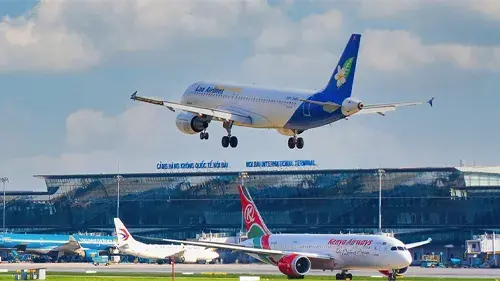
Plane: Approx. 1,500,000 - 3,000,000 VND ($60 - $120 USD). (2 hours)
-
Pros: The fastest way; many daily flights.
-
Cons: Airport check-in times; less scenic.
-
-
Train (Reunification Express): Approx. 1,200,000 VND ($48 USD) for a sleeper. (33 hours)
-
Pros: An iconic slow-travel experience through the Vietnamese countryside.
-
Cons: Very long travel time.
-
Hue / Da Nang to Hanoi
-
Plane: Approx. 1,200,000 VND ($48 USD). (1 hour 15 min)
-
Pros: Fast and often competitively priced with the train.
-
-
Train: Approx. 900,000 - 1,100,000 VND ($36 - $44 USD). (14-16 hours)
-
Pros: Beautiful coastal views on the northern leg; comfortable overnight sleepers.
-
Cons: Slower than flying.
-
Ninh Binh to Hanoi
-
Limousine Van: Approx. 250,000 VND ($10 USD). (2 hours)
-
Pros: Door-to-door service; high comfort; very frequent.
-
Cons: Can be cramped if the van is full.
-
-
Train: Approx. 126,000 VND ($5 USD). (2.5 hours)
-
Pros: Very affordable and punctual.
-
Sapa to Hanoi
-
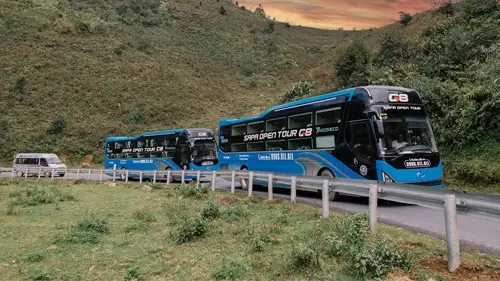
VIP Cabin Bus: Approx. 450,000 - 650,000 VND ($18 - $26 USD). (6 hours)
-
Pros: Direct route; extremely comfortable "sleeping pods" with Wi-Fi.
-
Cons: Highway travel can be less scenic than the train.
-
-
Train (Lao Cai to Hanoi): Approx. 600,000 VND ($24 USD) + shuttle to Sapa. (8 hours)
-
Pros: Safe and nostalgic; allows for a full night's sleep.
-
Listed Transportation Services






Popular Transfer Routes
- Hanoi → Noi Bai airport Hanoi - HAN
- Hanoi → Sapa
- Hanoi → Halong Bay
- Hanoi → Vinpearl Resort & Spa Halong
- Hanoi → Tuan Chau island
- Hanoi → Cat Ba
- Hanoi → Lao Cai city
- Hanoi → Halong International Cruise port
- Hanoi → Ninh Binh
- Hanoi → Trang An
- Hanoi → Tam Coc
- Hanoi → Hue city
- Hanoi → Ha Giang
- Hanoi → Got pier (Hai Phong)
- Hanoi → Hoi An old town
- Hanoi → Da Nang city
- Hanoi → Nha Trang city
- Hanoi → Mai Chau
- Hanoi → Tam Dao
- Hanoi → Ba Vi National Park
- Hanoi → Thanh Hoa City
- Hanoi → FLC Samson Resort
- Hanoi → Sam Son Beach
- Hanoi → Topas Ecolodge
- Hanoi → Pu Luong (Pù Luông)
- Hanoi → Dong Hoi (Quang Binh)
- Hanoi → VSIP Bac Ninh industrial area
- Hanoi → Phong Nha
- Hanoi → Hai Phong City
- Hanoi → Cat Bi airport Hai Phong - HPH
- Hanoi → Ban Gioc Waterfalls
- Hanoi → Cao Bang City
- Hanoi → Mu Cang Chai
- Hanoi → Ba Be National Park
- Hanoi → Yen Tu
- Hanoi → Vinh
- Hanoi → Moc Chau
- Hanoi → Mong Cai
- Hanoi → Ao Tien cruise terminal
- Hanoi → Bac Ha Market
- Hanoi → Huu Nghi International Border Gate
- Hanoi → Lang Son city
- Hanoi → Duong Lam Village
- Hanoi → Son Tay Old Fortress
- Hanoi → Tay Phuong Pagoda
- Hanoi → Huong Pagoda
- Hanoi → Cuc Phuong National Park
- Hanoi → Vinh Yen city
- Hanoi → Nghi Son Refinery
- Hanoi → Cai Rong Port
- Hanoi → Thay Pagoda
- Hanoi → Quy Nhon City
- Hanoi → Tuy Hoa
- Hanoi → Meliá Vinpearl Hue hotel
- Hanoi → Da Nang train station
- Noi Bai airport Hanoi - HAN → Hanoi
- Sapa → Hanoi
- Lao Cai city → Hanoi
- Halong Bay → Hanoi
- Van Don airport - VDO → Hanoi
- Tuan Chau island → Hanoi
- Ha Giang → Hanoi
- Cat Ba → Hanoi
- Trang An → Hanoi
- Tam Coc → Hanoi
- Ninh Binh → Hanoi
- Got pier (Hai Phong) → Hanoi
- Vinpearl Resort & Spa Halong → Hanoi
- Hue city → Hanoi
- Hoi An old town → Hanoi
- Topas Ecolodge → Hanoi
- Bac Ha Market → Hanoi
- Lao Cai train station → Hanoi
- Da Nang city → Hanoi
- Mai Chau → Hanoi
- Thanh Hoa City → Hanoi
- FLC Samson Resort → Hanoi
- Sam Son Beach → Hanoi
- Ba Vi National Park → Hanoi
- Tam Dao → Hanoi
- Cat Bi airport Hai Phong - HPH → Hanoi
- Pu Luong (Pù Luông) → Hanoi
- Dong Hoi (Quang Binh) → Hanoi
- Phong Nha → Hanoi
- VSIP Bac Ninh industrial area → Hanoi
- Hai Phong City → Hanoi
- Cao Bang City → Hanoi
- Ban Gioc Waterfalls → Hanoi
- Mu Cang Chai → Hanoi
- Yen Tu → Hanoi
- Vinh → Hanoi
- Moc Chau → Hanoi
- Mong Cai → Hanoi
- Tuan Chau International Cruise port → Hanoi
- Halong International Cruise port → Hanoi
- Ao Tien cruise terminal → Hanoi
- Lang Son city → Hanoi
- Huu Nghi International Border Gate → Hanoi
- Vinh Yen city → Hanoi
- Ba Be National Park → Hanoi
- Nghi Son Refinery → Hanoi
- Cuc Phuong National Park → Hanoi
- Cai Rong Port → Hanoi
- Nha Trang city → Hanoi
- Quy Nhon City → Hanoi
- Tuy Hoa → Hanoi
- Meliá Vinpearl Hue hotel → Hanoi
- Hue train station → Hanoi
- Da Nang train station → Hanoi
- Hai Van Pass → Hanoi