The Imperial Citadel of Thang Long is a profound UNESCO World Heritage site that stands as the historical and political heart of Hanoi. Originally built in the 11th century upon the remains of a 7th-century Chinese fortress, it served as the seat of Vietnamese power for thirteen consecutive centuries. Today, the complex offers an unparalleled journey through time, from the grand Doan Mon Gate and ancient palace foundations to the secret underground military bunkers used during the 20th century. For the 2026 traveler, it is an essential cultural landmark that reveals the architectural brilliance and resilient spirit of the Vietnamese nation.
Walking the Path of Kings: The Doan Mon Gate
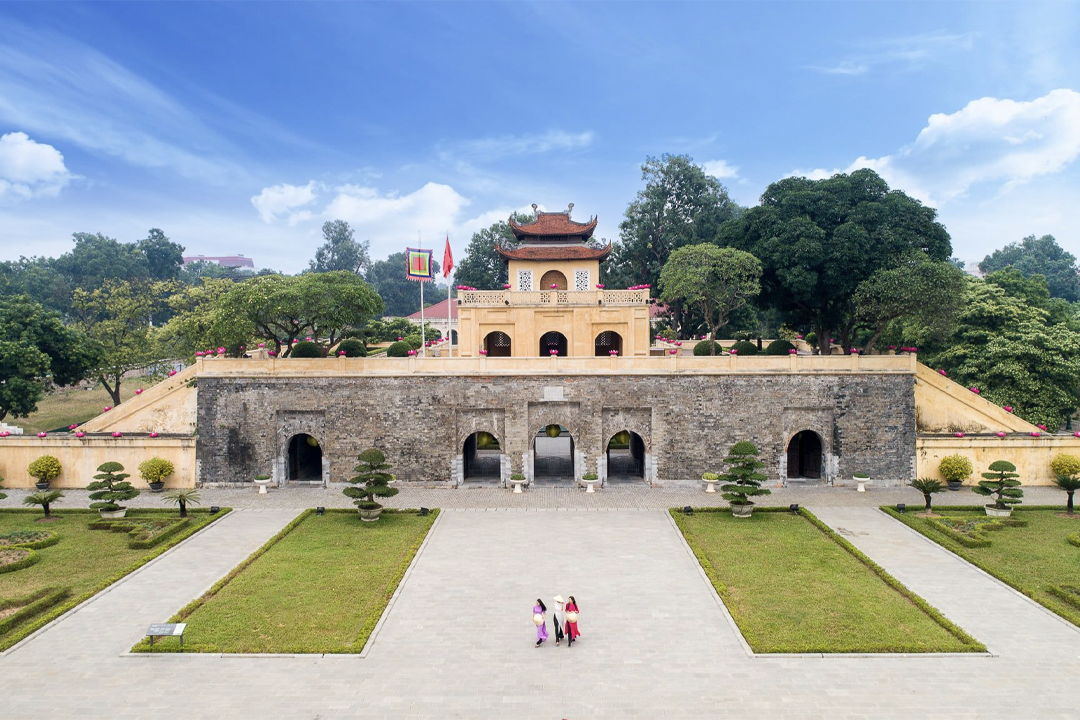
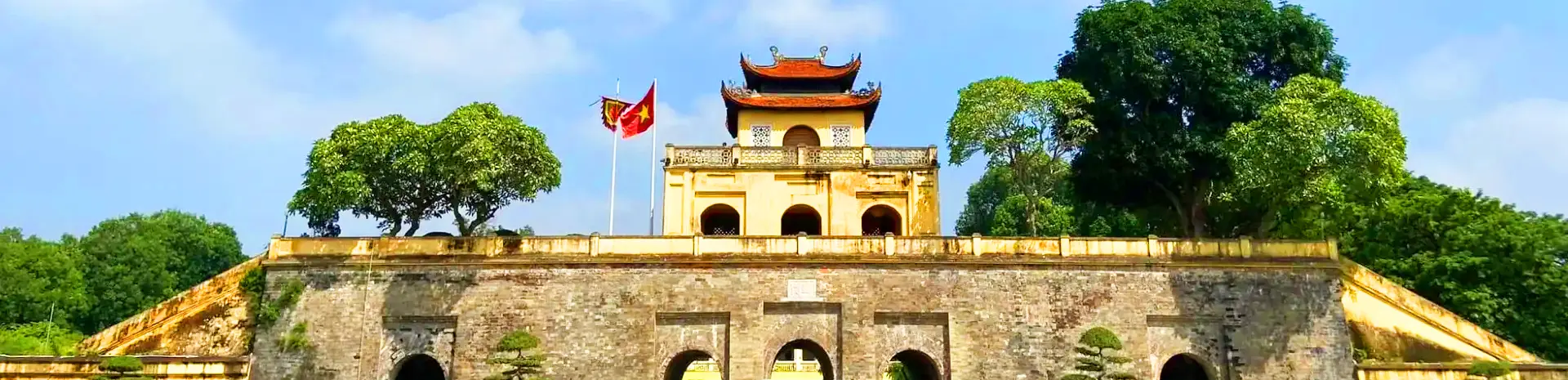
Your journey begins at the Doan Mon Gate, the main entrance to the Forbidden City. In 2026, standing atop this massive stone structure offers a professional vantage point over the Kinh Thien Palace foundations. The gate, with its five arched entrances, was once reserved strictly for the Emperor and the royal family. Walking across these weathered stones is a travel-focused requirement for anyone wishing to feel the weight of the Ly, Tran, and Le dynasties. Entrance to the main complex remains an excellent "Price-to-Performance" value at approximately 30,000 VND ($1.20 USD), providing access to a world where every brick tells a story of imperial grandeur.
Archaeological Treasures: The 18 Hoang Dieu Site
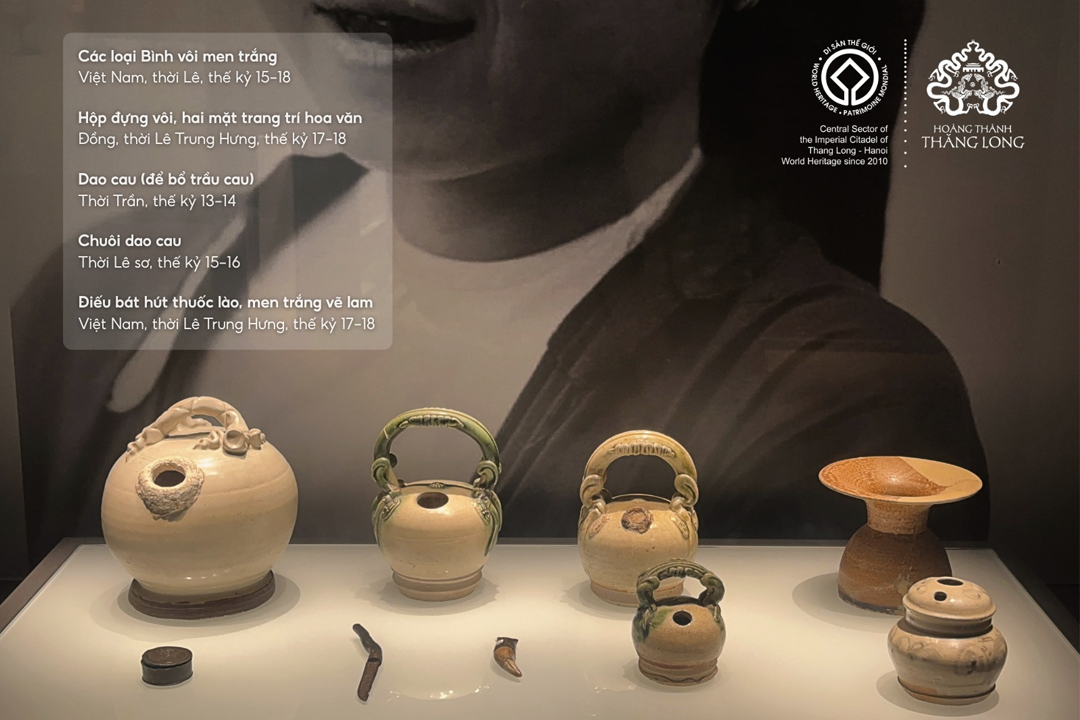
Directly across from the main Citadel lies the 18 Hoang Dieu Archaeological Site, a mechanical necessity for history enthusiasts. Here, layers of civilization are visible to the naked eye, with artifacts spanning from the 7th to the 19th centuries. You can witness the intricate drainage systems of ancient palaces and the delicate ceramics used by royalty. For the 2026 traveler, the site has been upgraded with sophisticated elevated walkways and digital reconstructions, allowing for a professional-grade understanding of how the citadel evolved. The meticulous preservation of these artifacts offers a trustworthy look into the sophisticated urban planning of ancient Thang Long.
The D67 Bunker: A Modern Command Center
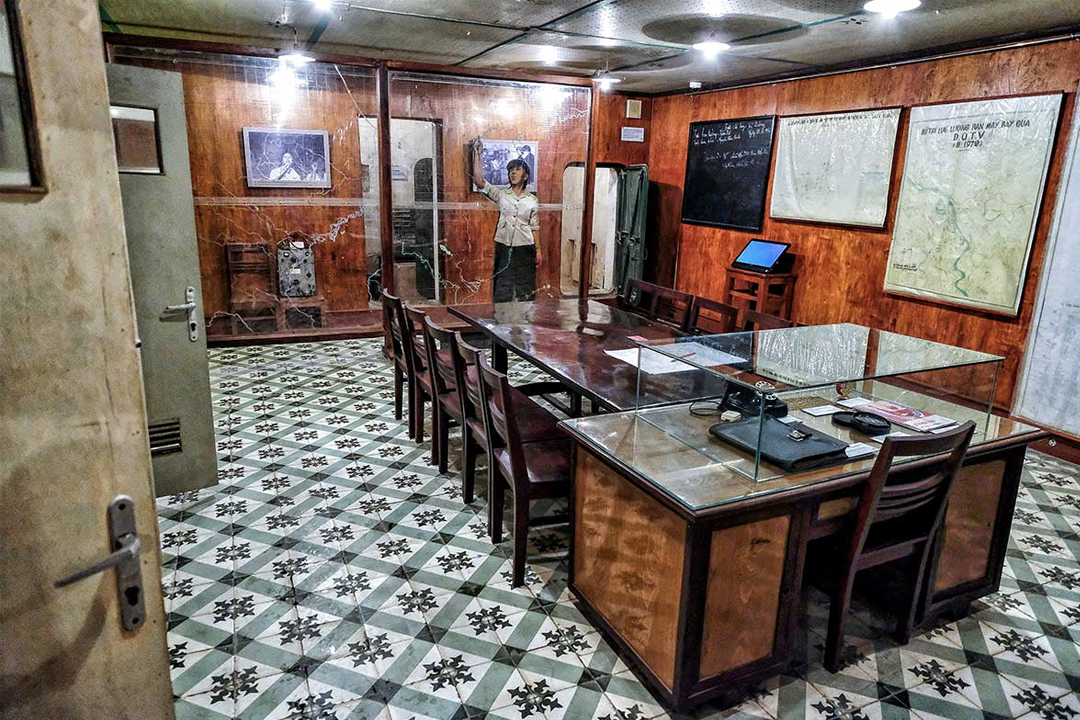
Contrasting the ancient ruins is the D67 Tunnel and House, a secret military headquarters built in 1967. This section provides an appealing look at the modern resilience of Vietnam. Descending into the soundproof, reinforced concrete bunker—where General Vo Nguyen Giap and the Bureau of Politics made pivotal decisions during the war—is a profound experience. The preservation of the original maps, telephones, and furniture creates a travel-focused atmosphere of high-stakes strategy. This transition from imperial palaces to revolutionary bunkers is what makes the Citadel a unique, multi-layered destination.
Pro-Traveler Experience Tips
To experience the Imperial Citadel of Thang Long with the elegance and insight of a seasoned professional in 2026, strategic timing and immersion are your primary objectives. This expansive site requires a thoughtful approach to truly appreciate the 1,300 years of history beneath your feet. For your logistics, the 2026 professional standard is to attend the "Decoding the Imperial Citadel" Night Tour. This 90-minute immersive experience uses 3D Mapping technology and traditional performances to bring the ancient legends to life under the moonlight. The night tour costs approximately 300,000 VND ($12.00 USD) and is a travel-focused requirement for those who want to see the Citadel without the midday heat. It is a mandatory requirement to book this tour at least 48 hours in advance as it frequently reaches capacity. Regarding timing, if you choose a daytime visit, arrive at 8:00 AM. This allows you to explore the outdoor palace foundations before the sun becomes intense. Allocate at least 2.5 to 3 hours for the full complex, including the 18 Hoang Dieu site. Wear comfortable, professional walking shoes, as the terrain varies from polished stone to uneven archaeological paths. In terms of amenities, do not overlook the small museum shops. In 2026, these boutiques offer high-quality replicas of the "Bodhi Leaf" roof tiles and imperial ceramics found on-site, starting at approximately 200,000 VND ($8.00 USD). These serve as trustworthy and elegant souvenirs of your journey. For a restorative break, the café near the Hậu Lâu (Princess’s Pavilion) serves a refined lotus tea for approximately 45,000 VND ($1.80 USD), providing a quiet moment to reflect on the imperial legacy. A critical tip for 2026: Respect the signage. Many areas are active archaeological zones. It is a mechanical necessity to stay on the designated paths to ensure the preservation of the delicate foundations. By planning these details, you ensure your visit to the heart of Vietnamese history is defined by discovery rather than logistical delays.